Brewers Bay, Tortola Snorkeling: Reef and Entry Guide
Brewers Bay on Tortola's west end offers a sandy entry, shallow reef and a relaxed pace. Here is how to plan an easy snorkel day around the bay.
On this page
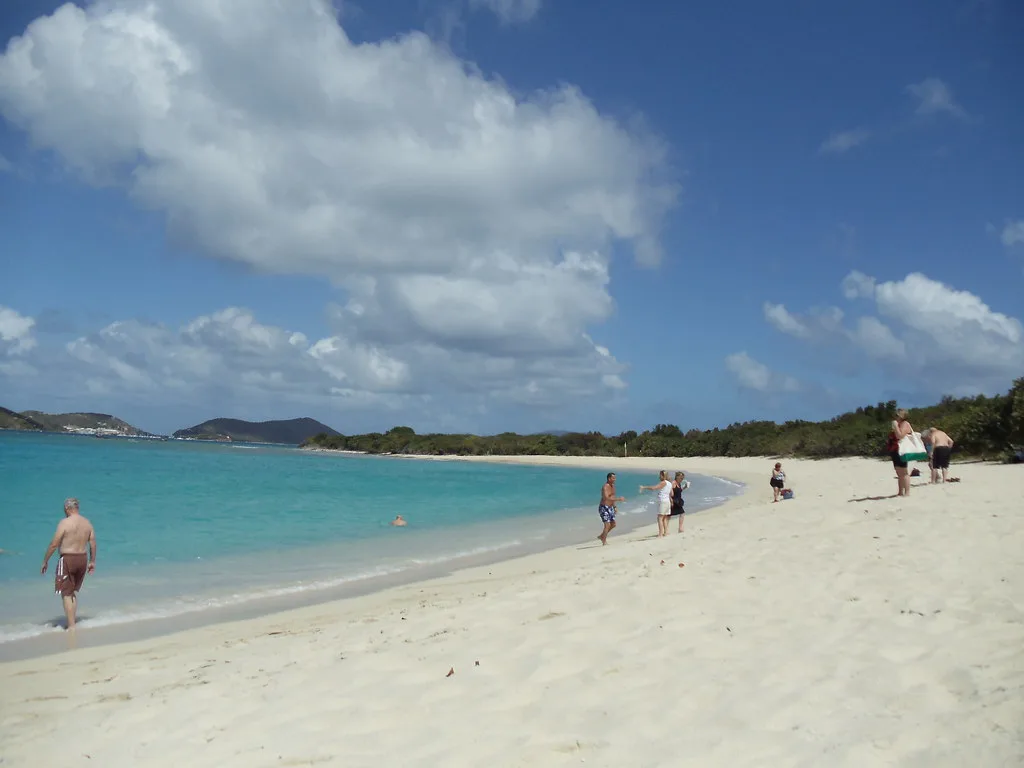
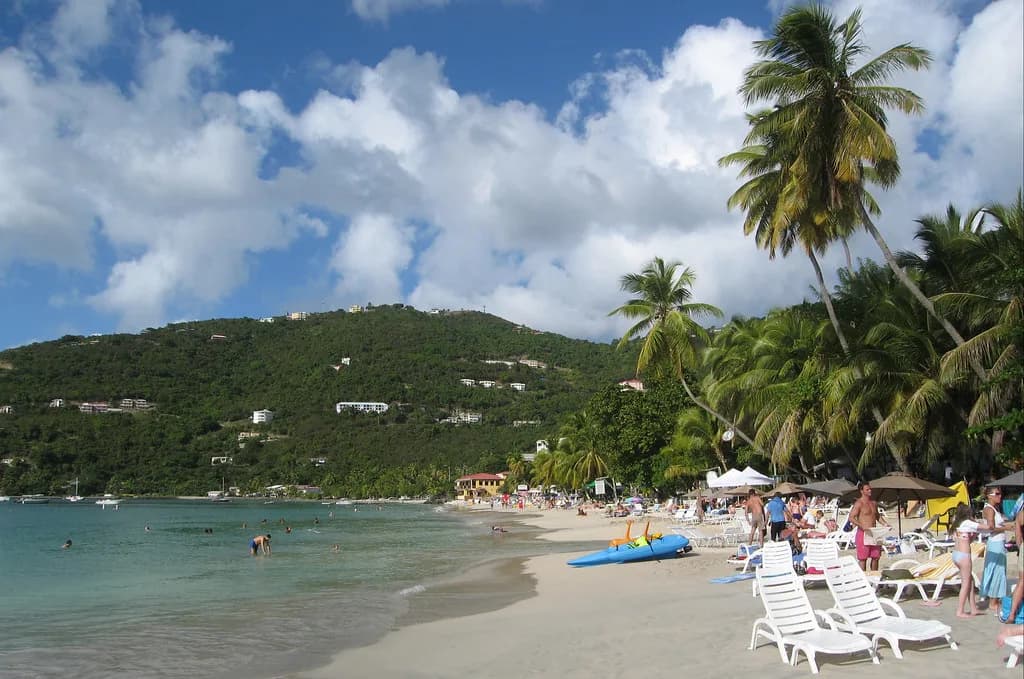
Brewers Bay is the sort of Tortola beach where you can walk in off the sand, pull on a mask and be over reef within a few minutes, which makes it a strong pick for a slow half-day rather than a full boat excursion. The bay sits on the island's west end, away from the cruise-day crowds at Road Town, and its shallow inner shelf gives nervous swimmers room to build confidence before committing to deeper water.
Expect a two-stage swim: sand and seagrass first, patch coral second, with the option to turn around at any point. If your group includes kids or weaker swimmers, you can split up without anyone sitting on the beach for hours. For a wider survey of island options, the full snorkeling in tortola guide covers how the west-end beaches compare with boat-only sites.
Where Brewers Bay Is on Tortola
Brewers Bay lies on Tortola's western shore, a short drive from the west-end road junctions and within easy reach of the ferry terminals around Road Town if you are arriving by sea. It works best as a beach-day anchor: one long morning in the water, lunch nearby, then a second stop at a west-end lookout or a quieter cove.
Because it faces the open water of the Sir Francis Drake Channel side rather than a tightly enclosed cove, the bay catches whatever swell is running and calmer days are noticeably better for visibility. Build flexibility into your plan so you can move the swim to the morning if the afternoon chop picks up.
Getting In
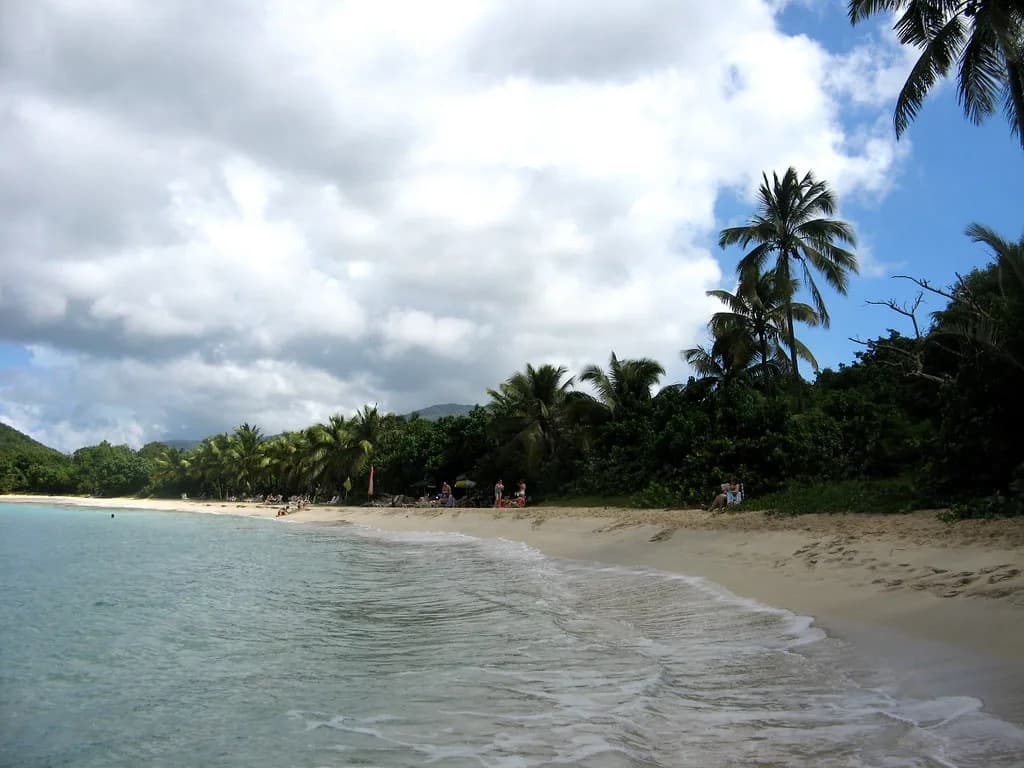
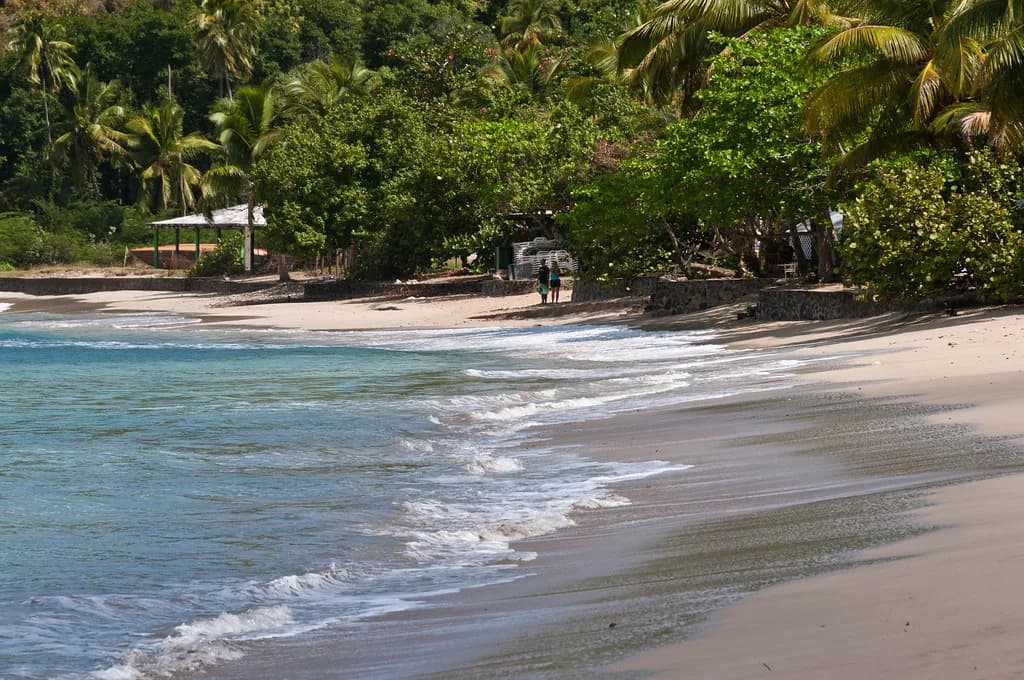
Entry is straight off the beach, over sand that stays shallow for a good distance, so you can wade in and put your mask on without negotiating rocks. The reef begins beyond the inner sand shelf and seagrass beds, and the swim out is short enough that most snorkelers will reach coral heads within a few minutes of leaving the shoreline.
Wear water shoes if you plan to explore the fringing edges, since coral rubble and urchins sit in the shallows in places. Keep your fins off at the start and put them on once you are past the swim zone.
What You Will See
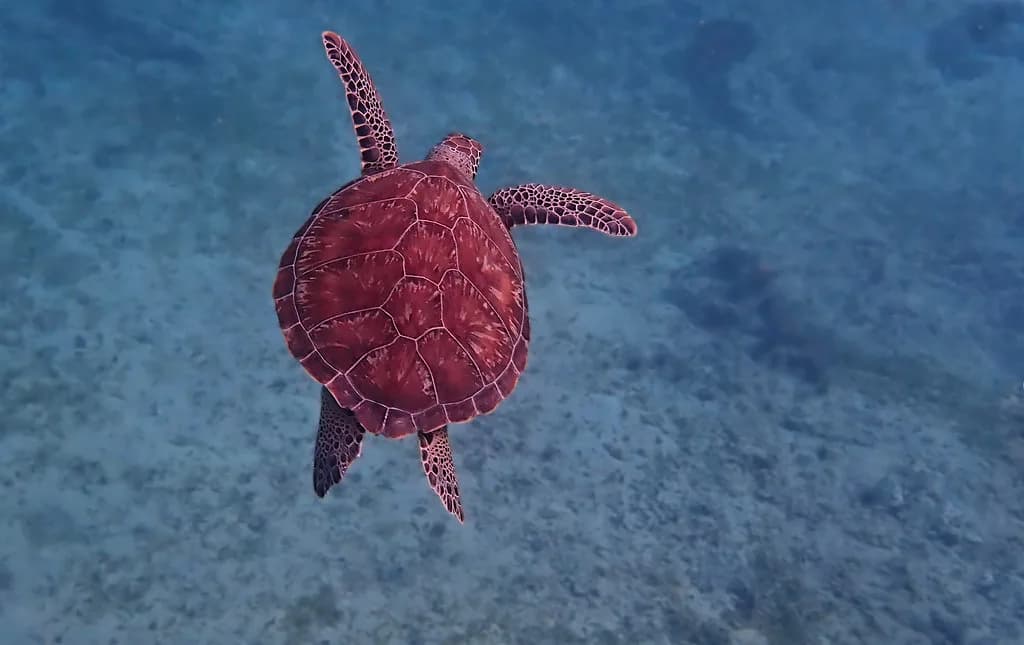
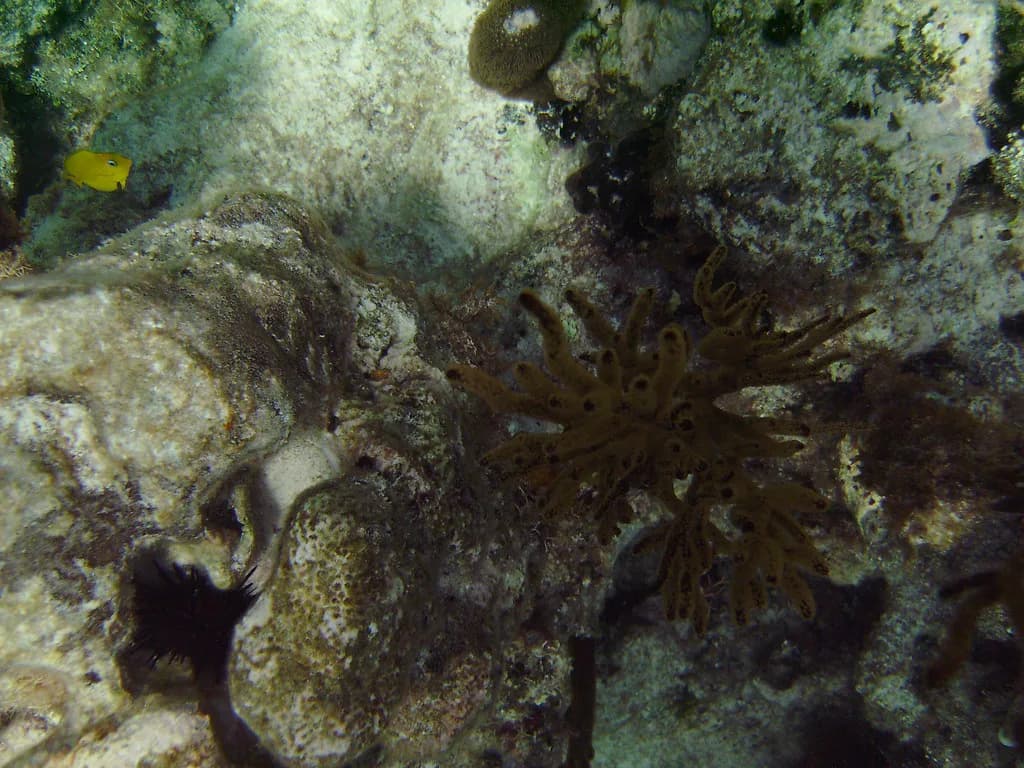
The draw at Brewers Bay is the ordinary BVI reef mix done well: parrotfish, blue tangs, sergeant majors and yellowtail snapper working the coral heads, with sea fans and brain coral adding structure. Seagrass patches between the sand and coral are the most likely place to spot a green turtle grazing, though no sighting is guaranteed and you should keep a respectful distance and never chase or touch one.
The shallows are also a decent place to practice hovering without standing on anything, since the sandy patches give you somewhere to kneel or stand clear of coral. That makes Brewers Bay a useful first saltwater snorkel for kids who have only practiced in a pool.
Depth and Layout
Think of the bay in three bands: ankle-to-waist-deep sand at the shoreline, a slightly deeper seagrass and rubble stretch where turtles and rays may pass, and the coral heads and reef edge beyond that. Beginners can stay in the first two bands and still have a satisfying swim; stronger swimmers can push to the outer coral and the reef edge where the water deepens and fish life is denser.
Because the outer edge is where boat traffic and any current are most likely, treat the reef edge as the turnaround point unless you are a confident swimmer with a buddy. Note where you entered the water so you can angle back to the same sandy gap rather than surfacing over coral.
Skill Level and Who It Suits
Brewers Bay suits beginners, kids and mixed-ability groups who want a sand entry and the freedom to call it a day whenever they like. Families with young children can stay in the inner shallows and still see fish over the rubble, while a stronger swimmer in the group can head out to the coral heads. If you are weighing up other Caribbean islands for the same easy shore-entry day, snorkeling in St. Thomas covers comparable beaches and reef pockets.
It is less suited to snorkelers chasing dramatic drop-offs or big pelagic encounters, which generally need a boat and a mooring. If that is your priority, compare the boat-only sites on Norman Island before committing your day to a shore swim.
Best Time of Day, Season and Swell
Go early. Mid-morning light and generally lighter trade winds before the afternoon build-up give the clearest water and the easiest swim out, and you will have the shallows mostly to yourself. The high season in the British Virgin Islands runs roughly December through April, with calmer, drier weather and bigger crowds; May and late November are a good shoulder compromise between settled weather and quieter beaches.
Swell direction matters more than tide here. When a north or northeast swell is running, the bay turns choppier and the water clouds; on those days, look for a lee-side beach or postpone the swim. A quick look at the sea state from the sand before you gear up tells you most of what you need.
Hazards
The main risks are ordinary ones: chop on windy days, a current that strengthens toward the reef edge, and boat traffic in the outer bay. Stay inside the area where you can comfortably swim back, keep a buddy within sight and do not swim out past the coral heads alone.
Sun is the other real hazard, since the west end offers little natural shade on the sand. Bring a rash guard, water and a hat for the walk back, and use reef-safe sunscreen. If you are unsure of the day's sea state, check with the BVI government's marine or weather service before you commit.
Parking, Fees and Facilities
Brewers Bay is a public beach reached by road, and parking is along the beachfront. Bring cash for anything you buy and carry your own water, since services on the west end are limited compared with Road Town.
Arrive with your own mask, snorkel and fins. Rental gear is more reliably found around the marinas and dive shops near Road Town than at the quieter west-end beaches, so sort equipment before you leave town rather than hoping to pick it up on the sand.
Rules and Reef Etiquette
Observe without touching. Do not stand on coral, do not feed fish and do not chase turtles or rays; keep a respectful distance and let animals move away on their own. Fire coral and urchins sit in the shallows, so watch where you put hands and knees.
Use reef-safe sunscreen and take all trash back with you. The BVI's reefs are the reason to come, and the etiquette is simple: look, don't take, and leave the sand and coral as you found them.
Nearby Spots to Combine
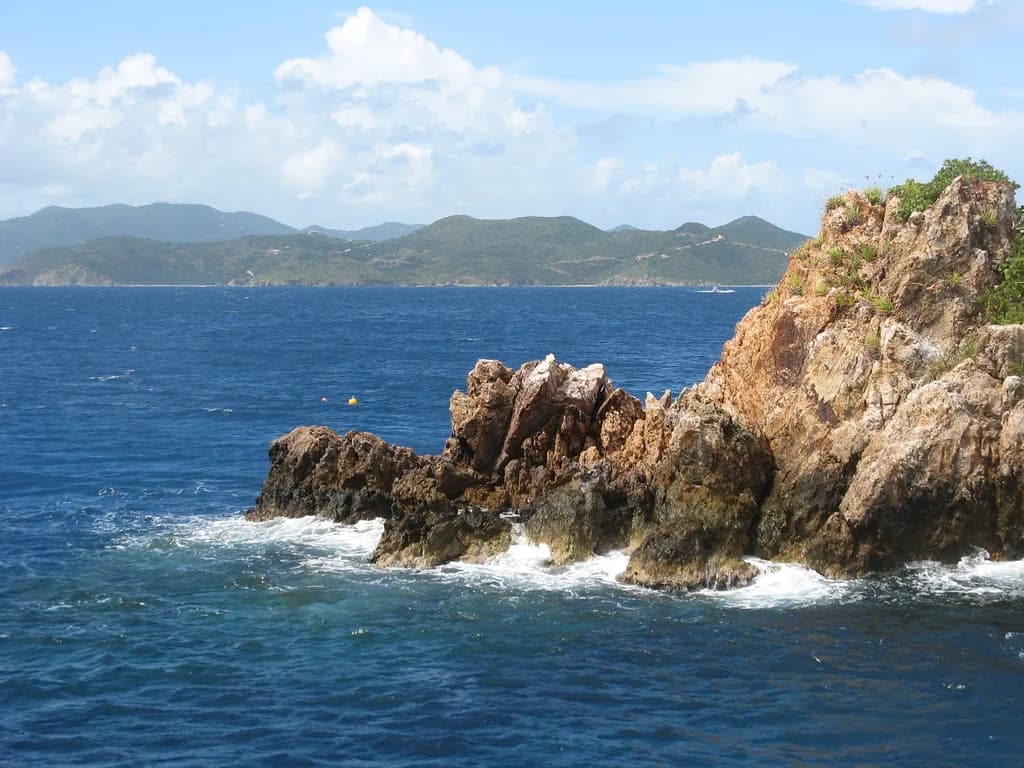
Smuggler's Cove, at the island's western tip, is a natural pairing: a sheltered cove with rocky headlands, a shallow reef pocket just off the sand and clearer, calmer water on many days. Access is via a rough dirt road that punishes low-clearance rentals, so take a jeep or a taxi if you are unsure of the vehicle.
For a busier beach with more food and facilities, cane garden bay snorkeling is the easy fallback on the north shore, and Long Bay offers a longer, calmer strand. A west-end day works well as Brewers Bay in the morning and Smuggler's Cove in the afternoon, with a stop for lunch in between.
Boat-Based Options from Tortola
Charter operators running out of Tortola build snorkel days around several sites in one outing, typically pairing a reef stop with a lunch anchorage. One published itinerary lists Diamond Reef or Monkey Point, then Cistern Point or Fallen Jerusalem, lunch at Cooper Island Beach Club or Pirates Bight, Little Harbour on Peter Island, and The Indians or The Caves at Norman Island, with the captain adjusting stops for sea state.
The trade-off is time: a boat day covers more reef but gives you less freedom to linger, while a shore snorkel at Brewers Bay is cheap, flexible and easy to fit around a family schedule. Many visitors do both, using the shore day to warm up and the charter day for the more exposed sites. If Norman Island is on your list, the Norman Island overview explains what the mooring-field sites involve.
Plan Your Brewers Bay Snorkel Day
Treat Brewers Bay as a morning swim: arrive early, wade in over the sand, work the seagrass edge for turtles and the coral heads for fish, and turn back at the reef edge. Pack your own gear, water and reef-safe sunscreen, and keep a jeep or taxi option open for a second stop at Smuggler's Cove.
Swap the order if the swell is up: a sheltered cove will often be the better swim on a windy day, and Brewers Bay rewards you on the calm mornings. Either way, build the day around the sea state rather than a fixed schedule.
Frequently Asked Questions
Is Brewers Bay on Tortola good for snorkeling?
Yes, for a relaxed shore snorkel. The sandy entry, shallow inner shelf and nearby coral heads make it easy to get in and out, and it suits beginners and families. It is not a dramatic drop-off site, so serious reef chasers should plan a boat day too.
Can you snorkel from the beach at Brewers Bay?
You can walk straight in off the sand. The reef sits a short swim beyond the inner sand and seagrass, so no boat is needed, though you should be comfortable swimming back to shore on your own.
Is Brewers Bay good for beginners and kids?
It is one of the better west-end options for beginners, because you can stay in waist-deep water over sand and still see fish. Keep kids inside the inner band, use a flotation aid where needed, and keep a buddy within sight at the reef edge.
What will I see snorkeling at Brewers Bay?
Expect the common BVI reef mix: parrotfish, blue tangs, sergeant majors and yellowtail snapper over coral heads, with sea fans and brain coral. Green turtles graze the seagrass in the shallows, but sightings depend on the day and you should never chase or touch them.
What is the best time of day to snorkel Brewers Bay?
Go mid-morning, when light is good and the trade winds are usually lighter, giving clearer water and an easier swim out. Check the sea state from the sand before you gear up, and move the swim if the chop builds.
How does Brewers Bay compare with Smuggler's Cove for snorkeling?
Brewers Bay is the easier sand entry with a shallow shelf, while Smuggler's Cove offers a more enclosed cove with rocky headlands and a reef pocket just off the beach. Many people combine both on one west-end day, doing Brewers Bay first and Smuggler's Cove in the afternoon.
Do you need a boat to snorkel Brewers Bay?
No. Brewers Bay is a shore snorkel. A boat is only useful if you want to reach the more exposed reef sites elsewhere in the BVI, such as The Indians or The Caves at Norman Island, which are typically visited on charter days.
Sources
Snorkeling notes for your next trip
Optional updates to our snorkeling guides.
You might also like
Continue reading
More guides you'll find useful