Brewers Bay Snorkeling, St. Thomas: Turtles, Entry and Tips
Snorkel Brewers Bay on St. Thomas for a quiet local beach where sea turtles and stingrays are likely. Plan your entry, timing, facilities and gear.
On this page
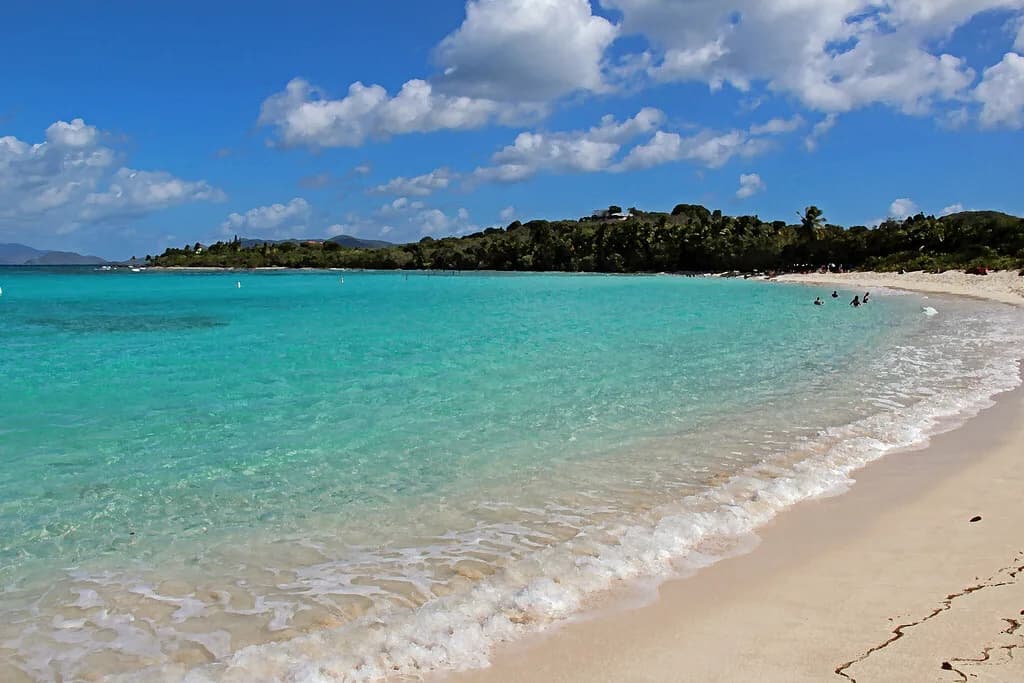
Brewers Bay rewards snorkelers who want a working local beach rather than a resort set-up. The sand is soft, the crowd is mostly families picnicking, and the water off the beach is where sea turtles and stingrays turn up. If your ideal St. Thomas morning is a mask, a short swim and a plate of pate afterward, this bay fits better than the island's polished beach clubs.
It also asks something of you: you carry in your own gear, because there are no rental stands on the sand. That single fact decides whether Brewers Bay is your first stop or a bonus afternoon, so plan your kit before you leave your accommodation.
Where Brewers Bay Sits on St. Thomas
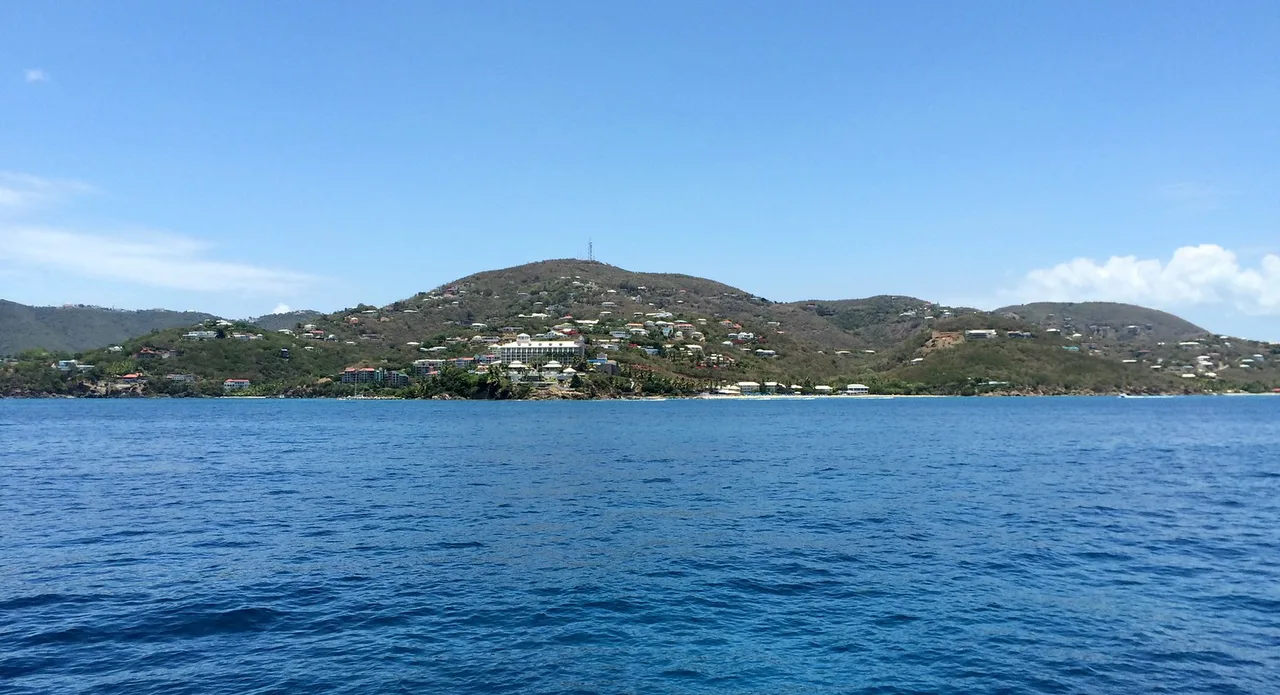
Brewers Bay lies just past the University of the Virgin Islands campus. The campus is the landmark to aim for: once you pass it, the beach road drops to the sand. Locals treat it as a weekend picnic ground, so you share the bay with families and coolers rather than tour groups.
That position makes it a natural add-on to a west-end day. You can swim here in the morning and still reach the north-side beaches or Charlotte Amalie by afternoon. Sunset is one of the bay's quiet pleasures, with open water to the west.
Why It Suits Snorkelers
The appeal is simple: bring snorkel gear and you are likely to see sea turtles and stingrays, according to the local beach guide that tracks this bay. Those two species, not a dense coral garden, are the reason to choose Brewers over a prettier postcard beach. Turtles surface to breathe, so keep a respectful distance and let them come up on their own schedule.
Compare that with the island's snorkel headliners. Coki Beach on the east end is the classic fish-and-coral snorkel, while Brewers is the quieter turtle bet with far fewer people in the water. If you have two mornings, split them: one for reef, one for turtles. Anyone weighing a similar turtle-versus-reef choice on a neighbouring island can read this guide to snorkeling in St. Croix for the same decision made elsewhere.
The trade-off is infrastructure. There is nothing here to rent, so a broken strap or a missing mask ends the swim. Pack a spare set of goggles if you are snorkeling with kids, and sort out gear delivery or a rental pickup before you drive west.
Getting In: Sandy Entry and Where It Deepens
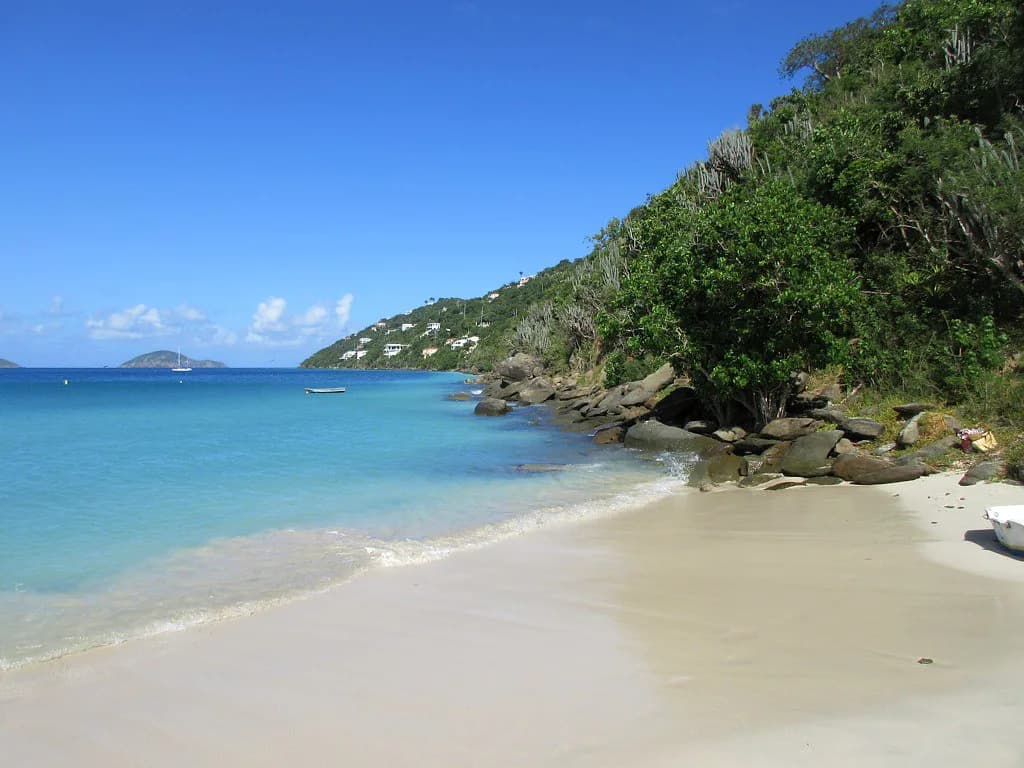
You walk in off the sand. Brewer's Bay is a swimming beach first, so the shoreline shelves gently and gives you room to pull on fins before the bottom drops away. Snorkelers generally work parallel to the beach, scanning the sandy patches where rays rest and the grassy edges where turtles graze.
Do not expect a marked trail or buoy line out to a reef. Judge the depth by eye, stay where you can see the bottom clearly, and turn back before you lose sight of the beach. The bay is open enough that the far side looks closer than it is.
What You Will See
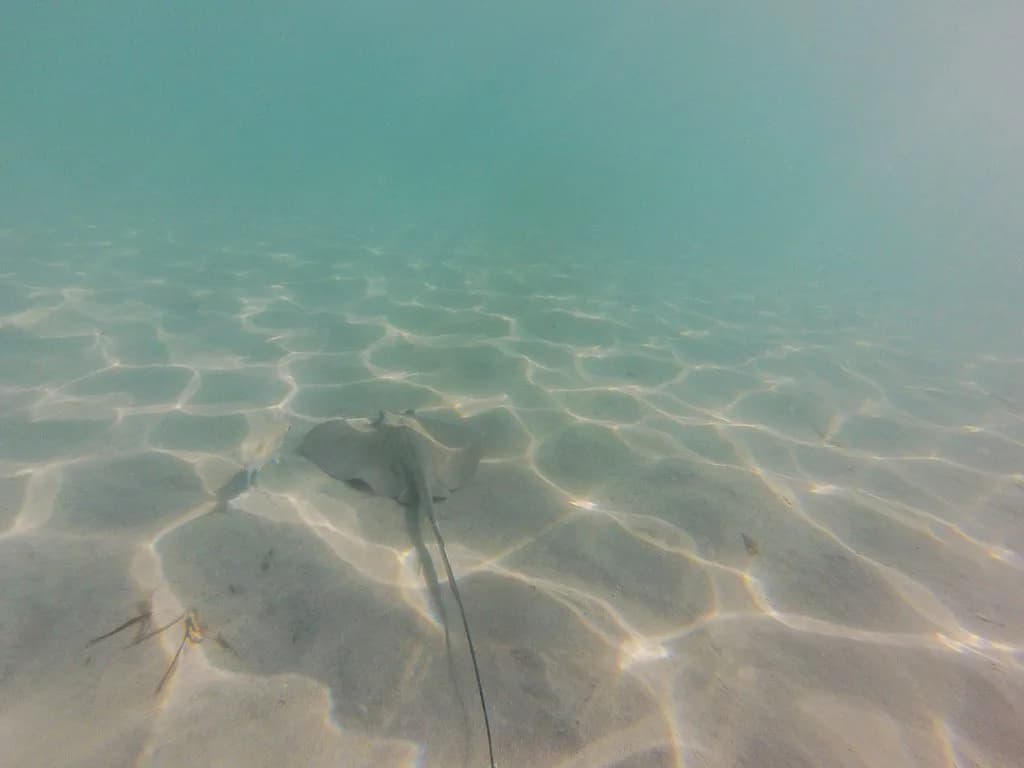
Sea turtles and stingrays are the headline sightings, with the sandy and grassy bottom the places to look. Stingrays often sit half-buried, so a slow, quiet glide beats a fast kick across the bay. Give both species space and never chase, touch or feed them, and keep hands off the bottom where rays rest.
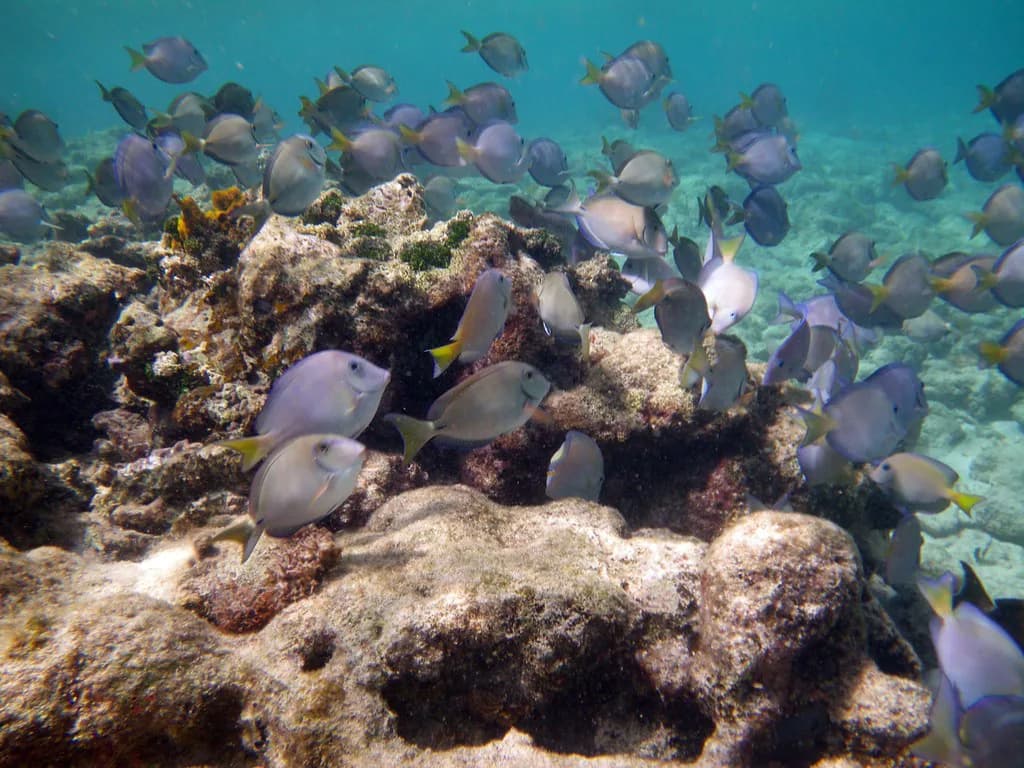
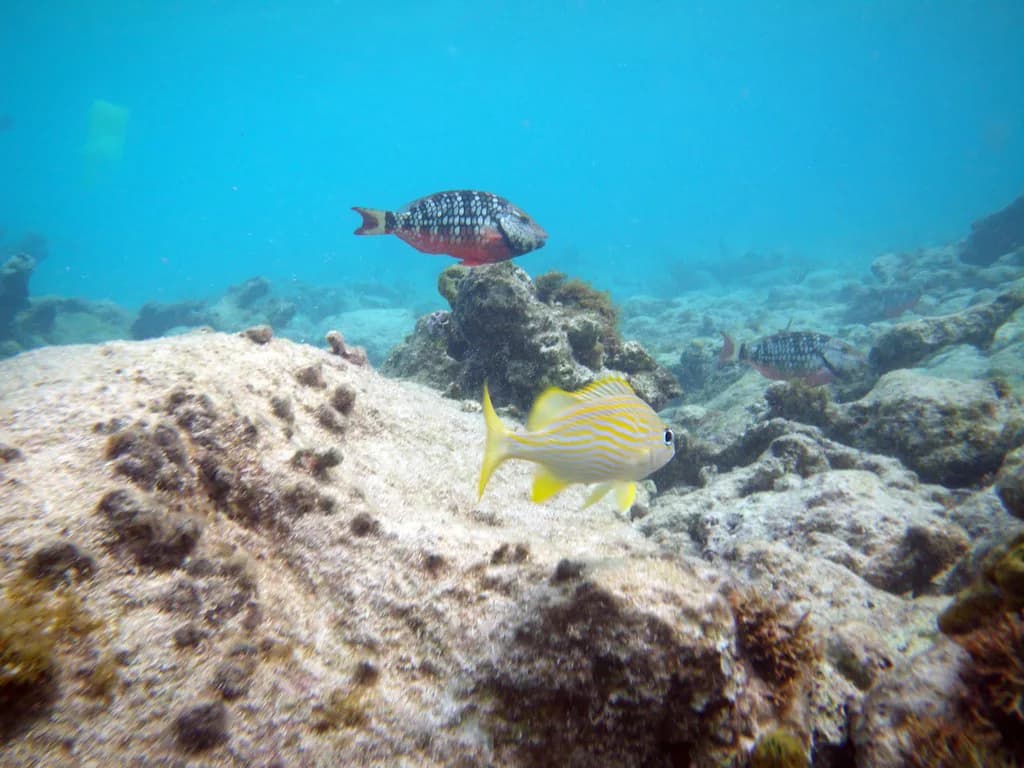
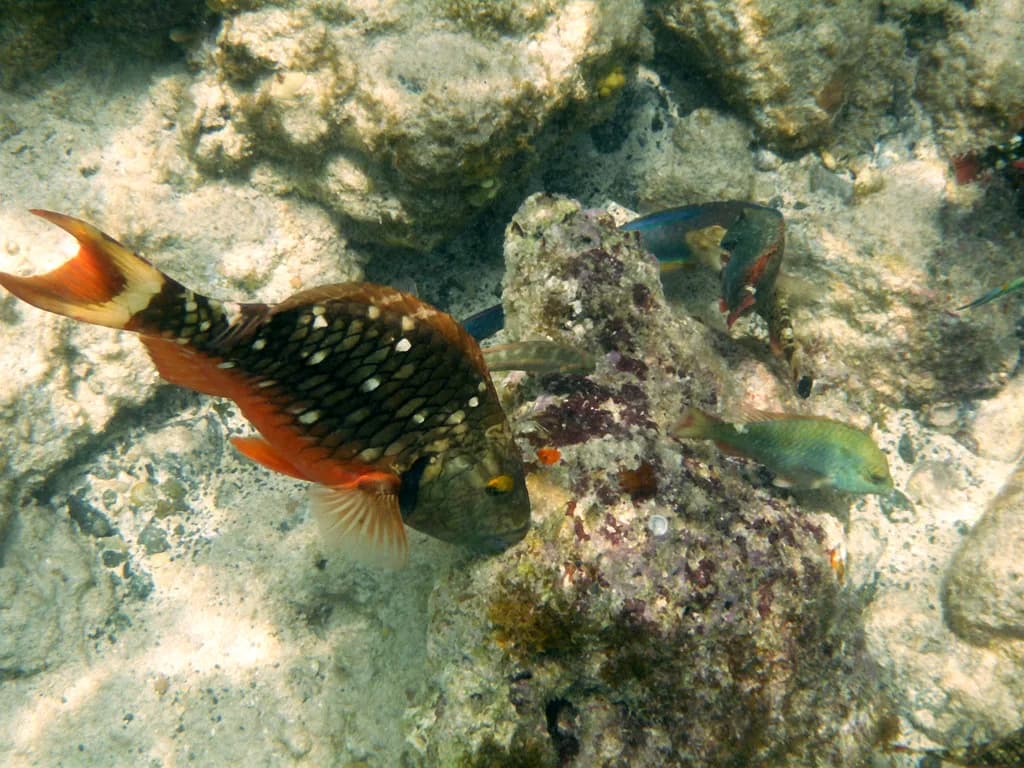
Reef fish appear around the scattered structure and rockier edges, but this is not a wall-to-wall coral site. Treat every sighting as a bonus and the swim as a success anyway. If you want guaranteed dense fish life, plan a second session at Coki Beach snorkeling, where the reef sits right off the sand.
Skill Level and Who It Suits
Brewers Bay suits beginners, families and anyone who prefers a calm swim over a committing reef crossing. The sandy entry removes the rock-scramble that trips up new snorkelers at other St. Thomas sites, and adults can stand and watch from the shallows. Children who are comfortable in the water do well here with a parent alongside.
Strong swimmers get less from it: there is no long reef to explore and no current-swept point to test. Use Brewers as a relaxed session or a warm-up, and save your bigger swim for a site with more structure.
Best Time of Day and Conditions
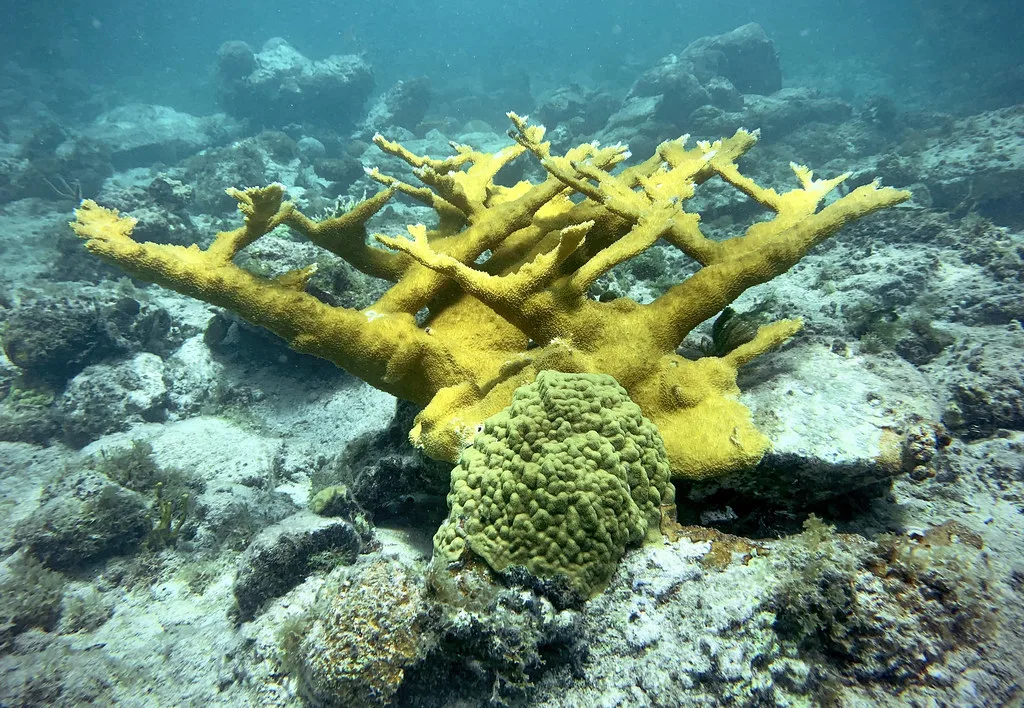
Go early. Morning light is flat and clear, the sand is still cool, and you beat the crowds that make Brewers a local favorite at weekends. Weekdays are quieter still, which matters because the beach's charm depends on having room to spread out.
The bay's orientation means afternoon sun sits over the water, giving good visibility for a second swim and a fine sunset afterward. Wind and swell decide the rest, so read the day's marine forecast before you load the car and pick a sheltered morning if the surf is up.
Hazards to Respect
This is an open bay with no reef crest to break swell, so chop can build when the wind comes up. Snorkel close to shore, keep a buddy in sight, and get out if the surface turns white. Watch for fishing lines and boat traffic near the bay's edges, and surface regularly to check your position against the beach.
Plan around your own limits rather than a posted schedule: swim in company, use a float for visibility, and set a turnaround time before you enter. St. Thomas ocean-safety advisories are the place to read current warnings, and a morning check of the marine forecast is the habit that keeps a beach day simple.
Parking, Facilities and Food Trucks
Facilities are basic but useful: public restrooms sit by the beach, and food trucks parked in front sell local pate, the curried meat-and-potato pastry that makes a proper post-swim snack. Bring cash for the trucks and water for rinsing.
There are no beach chair rentals or other amenities on site, so carry in what you need and take it out again. Parking is informal roadside and lot space rather than a gated beach car park; arrive early on weekends when local families fill the bay.
Rules and Reef Etiquette
Treat the bay as a shared local beach. Never touch, ride, feed or chase turtles and stingrays, keep a few body lengths back, and let animals move away on their own. Stay off the bottom where rays rest, and never stand on coral.
Use reef-safe sunscreen and apply it before you get in, since US Virgin Islands rules restrict certain sunscreen ingredients to protect coral. Pack out trash, including snack wrappers from the food trucks, and leave the picnic tables as you found them.
Arranging Gear Before You Arrive
Because Brewers has nothing to rent, your gear plan is the whole trip. Local concierge services deliver snorkel sets, chairs and umbrellas to your spot, which suits families flying in without luggage space for fins. Book a day ahead so the set arrives with the right mask fit.
If you would rather rent on island, pick up gear near your accommodation the night before and test the mask seal in the shop. A well-fitted mask matters more than fin brand for a bay where you swim slowly and look down.
Nearby Beaches to Combine
Brewers sits well for a two-stop day on the west and north side. Secret Harbour on the south coast offers calm water and a floating platform, a good contrast for an afternoon with weaker swimmers.
For a fuller reef, drive east to Sapphire Beach, where snorkeling off the sand is the main event and the water is typically clear. Pair it with a Brewers morning for turtles and you cover both sides of the island's snorkeling in a day.
If you want a beach with full facilities and a long swimming strand, Magens Bay is the island's classic alternative, with lifeguards and rentals that Brewers lacks. Choose it when comfort outweighs the turtle odds.
Plan Your Brewers Bay Morning
Build the day around a short swim, not a long one: arrive early, walk in off the sand, work the grassy patches for turtles and rays, then dry off over pate from the trucks. Pack every piece of gear you need, since there is nothing to rent on the sand.
If the bay is choppy or crowded, keep it as a picnic stop and move your snorkel to a more sheltered beach. Brewers rewards flexibility, and a quiet local beach at sunset is worth the trip even without fins.
Frequently Asked Questions
Is Brewers Bay good for snorkeling?
Yes, if your goal is sea turtles and stingrays rather than dense coral. The bay is a calm local swimming beach with a sandy entry, and the beach guide that tracks it notes snorkelers are likely to see turtles and rays. It is not the island's richest reef site, so pair it with an east-end reef beach for a fuller picture.
Do you need your own snorkel gear at Brewers Bay?
Plan to bring your own or arrange delivery, because the beach has no rental stands or beach chair concessions. Local concierge services deliver snorkel sets and chairs to your spot, and island rental shops can fit a mask the day before. Test the mask seal before you drive west.
What will you see snorkeling at Brewers Bay?
Sea turtles and stingrays are the most likely sightings, spotted over the sandy and grassy bottom. Reef fish turn up around rockier edges and scattered structure. Keep a respectful distance, never touch or feed the animals, and treat every sighting as a bonus rather than a guarantee.
Are there restrooms and food at Brewers Bay?
Public restrooms are available at the beach, and food trucks parked in front sell local pate and snacks. Bring cash and your own water. There are no chair or gear rentals, so carry in whatever you need and pack out your trash.
When is the best time to snorkel Brewers Bay?
Go early in the morning on a weekday for the clearest, quietest water, and read the marine forecast before you leave. The bay faces west, so afternoon light and sunsets are lovely for a second swim, but wind chop can build. Skip the water when the surface turns white.
Sources
Snorkeling notes for your next trip
Optional updates to our snorkeling guides.
You might also like
Continue reading
More guides you'll find useful