Snorkeling in Sapphire Beach St. Thomas: Reef & Entry Guide
Sapphire Beach on St. Thomas pairs seagrass turtles with an elkhorn reef off the left side. Here is where to enter, what you will see and when to swim.
On this page
Sapphire Beach rewards snorkelers who want variety without a boat: a sandy entry, a grass flat where turtles and rays turn up, and a coral reef within a short swim off the left side. It sits on St. Thomas's east end, with St. John, the British Virgin Islands and scattered offshore cays filling the horizon, so the view above water is as good as the one below.
The layout is what makes it easy to plan. The center of the bay is seagrass, the reef is to the left, and a local rule keeps snorkelers out of very shallow water over coral. Strong swimmers get the widest reef of the easily reachable beaches; nervous first-timers are better off over the sand.
Where Sapphire Beach Is
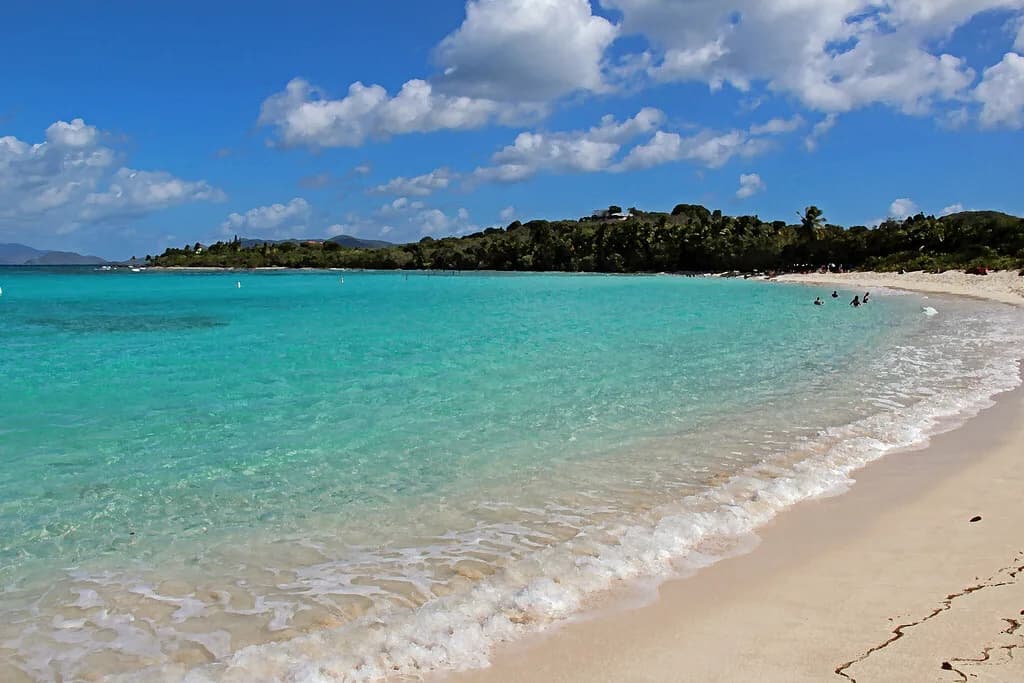
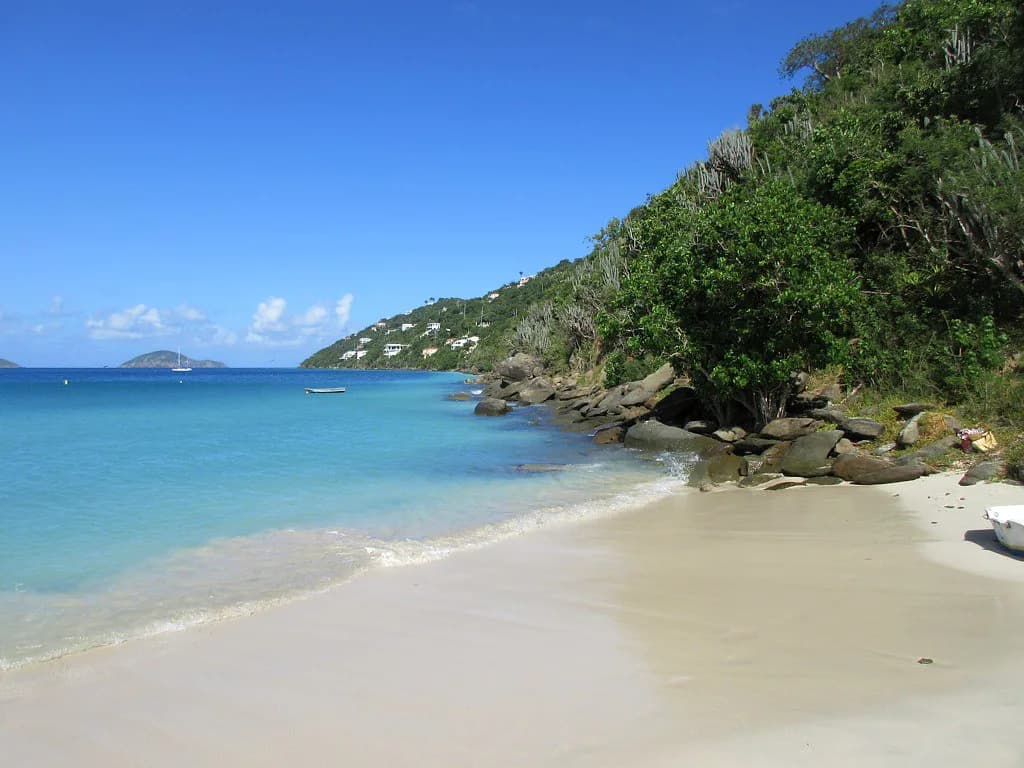
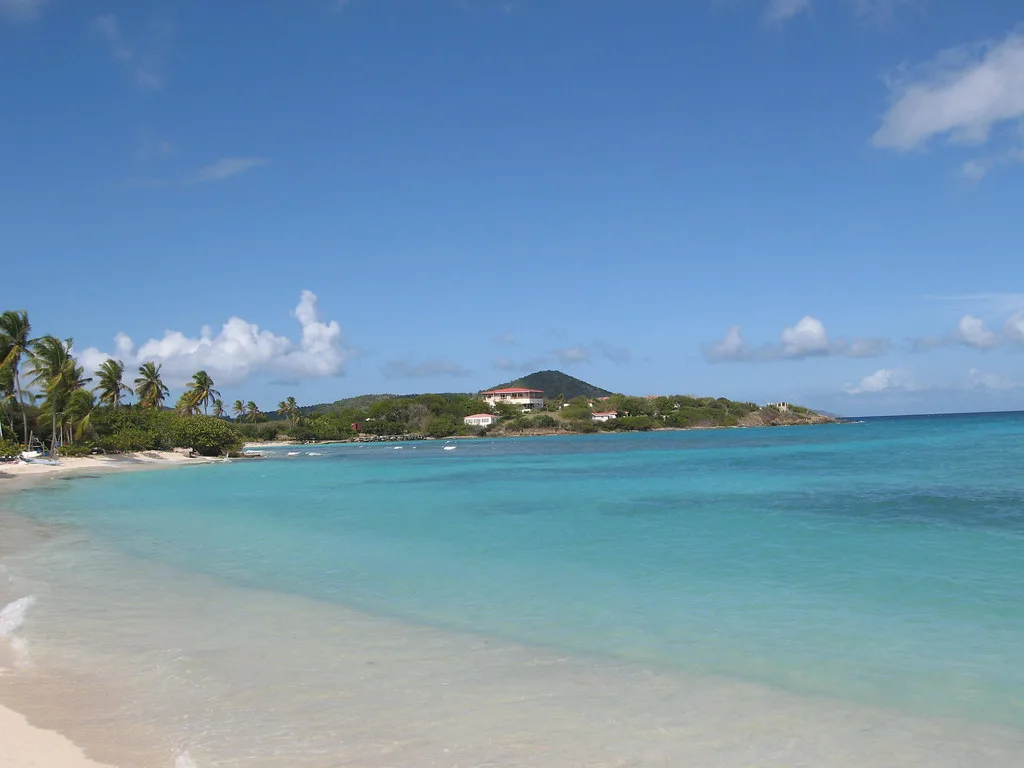
Sapphire Beach lies at the eastern end of St. Thomas, close to Red Hook and a short drive from the cruise docks at Havensight. The beach looks across to St. John, the British Virgin Islands and the offshore cays, and the reef runs along the north end toward Pettyklip Point.
The seabed just off the middle of the beach is seagrass rather than coral, with patches of turquoise where sand shows through the blue. That grass flat is the first thing you cross on your way out, and it is where the turtles graze.
Getting in From the Beach
Entry is off the sand at the center of the beach, so you wade in and start swimming rather than picking your way over rocks or down a ladder. Keep your fins in your hand until you are past wading depth, then put them on and head out over the grass.
Aim left once you are clear of the sand. Crossing the grass flat first, then turning toward the coral, lets you check what is feeding in the shallows before you commit to the reef, and it keeps you out of the shallowest coral where the reef rule applies.
Reading the Bay
Think of Sapphire as two swims. The middle is grass and sand, shallow and calm enough to float over and watch the bottom; the left side is coral, with the reef building as you move away from the beach center.
Snorkelers are not permitted to swim over reef in less than six feet of water here, a local rule meant to keep fins and knees off living coral. That means the reef's crest, where it comes closest to the surface, is something to look at from deeper water rather than swim across.
What You Will See
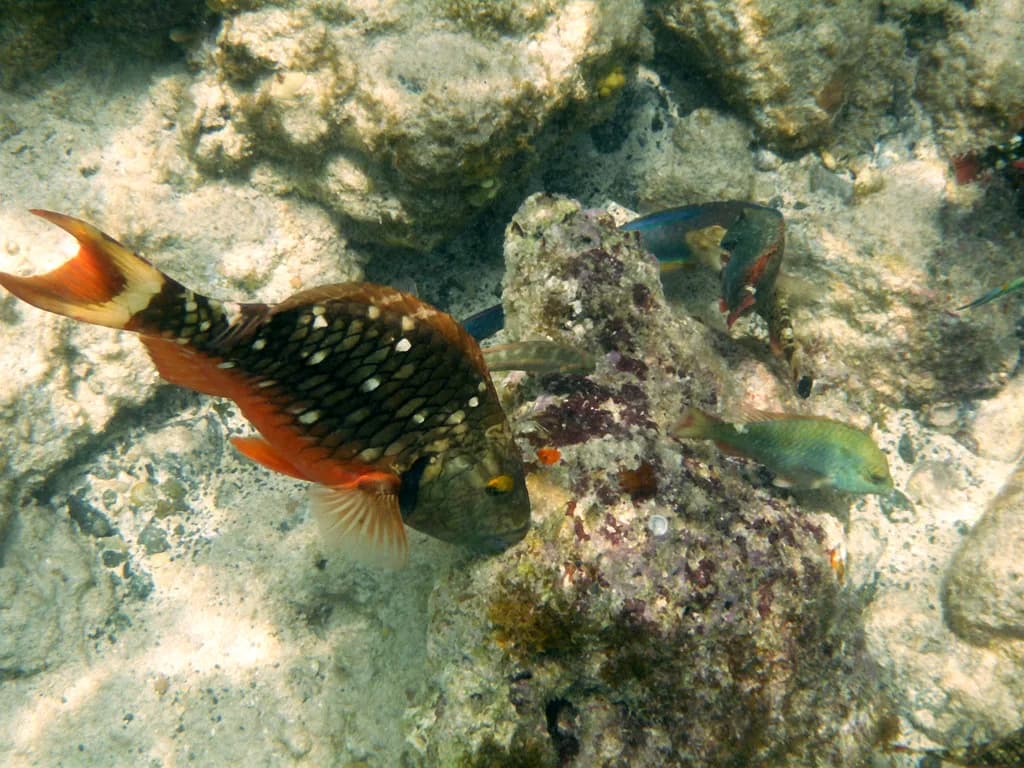
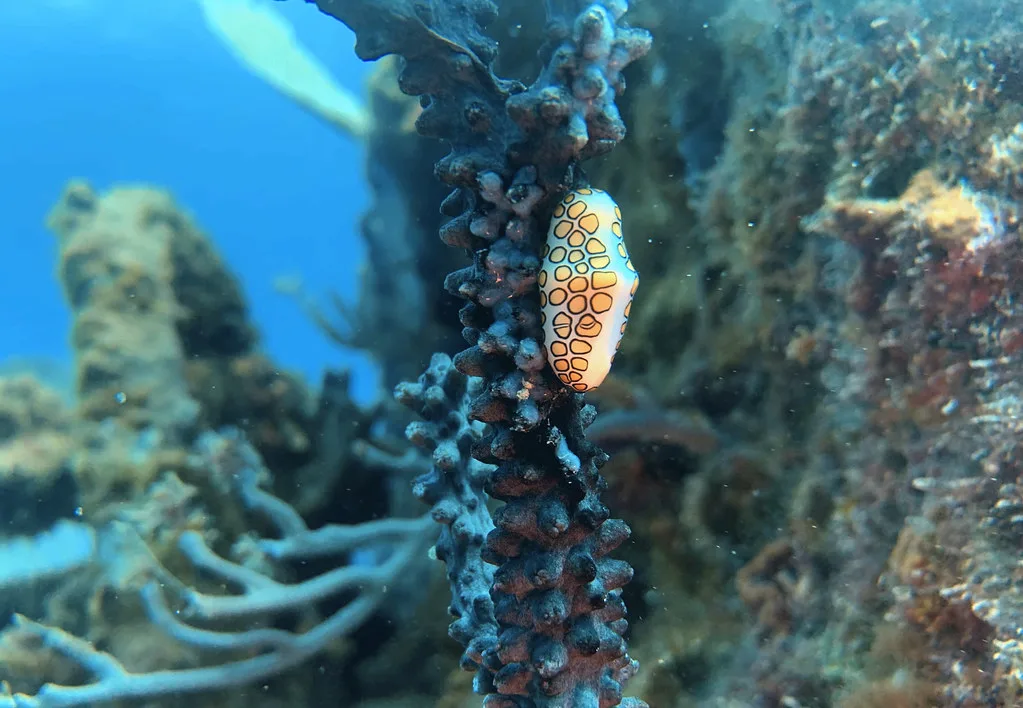
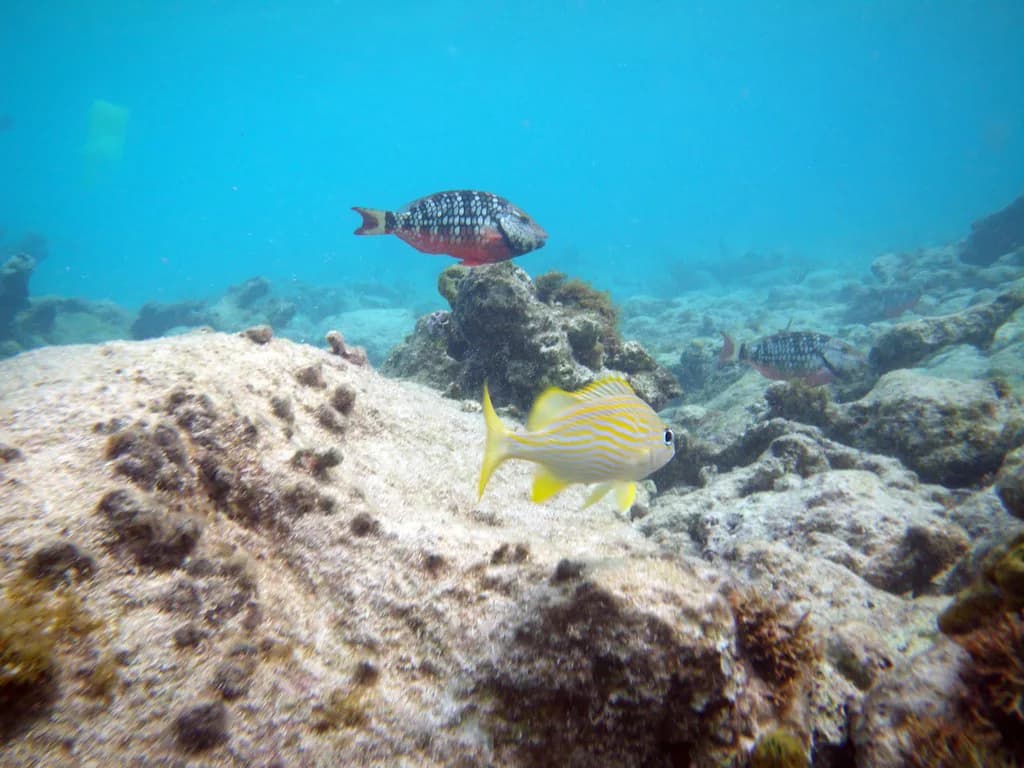
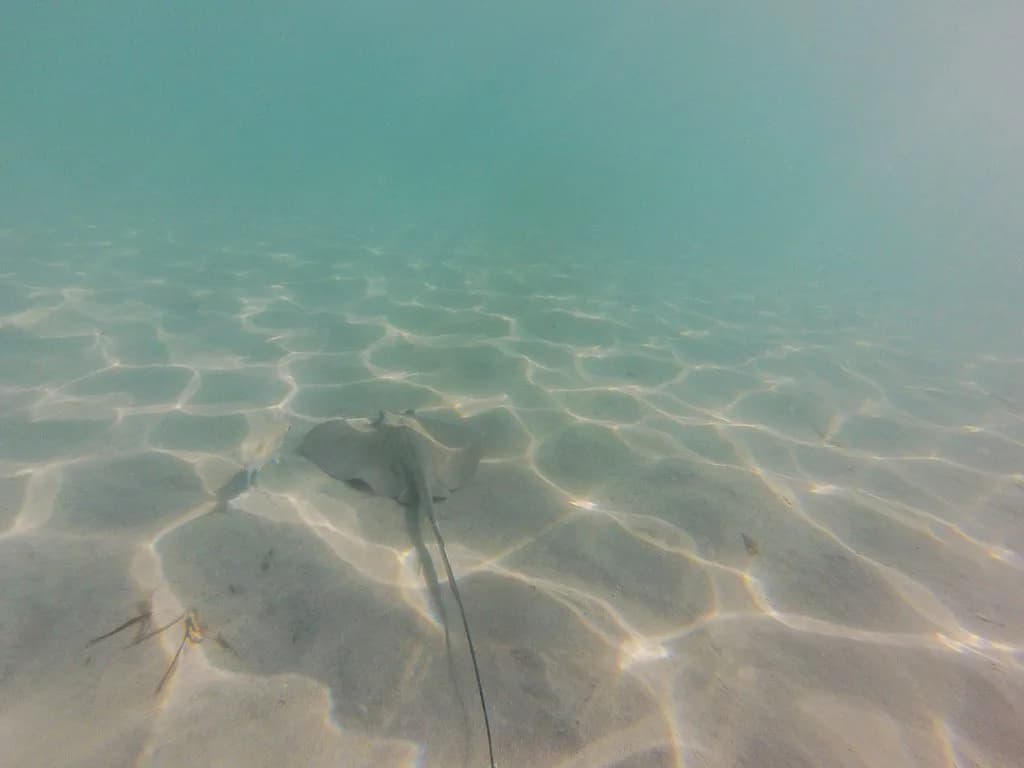
Over the grass, watch for sea turtles and eagle rays, and keep your distance rather than following them. The reef to the left carries impressive elkhorn, staghorn and brain coral, with the branching staghorn and the broad plates of elkhorn easiest to identify once you know the shapes.
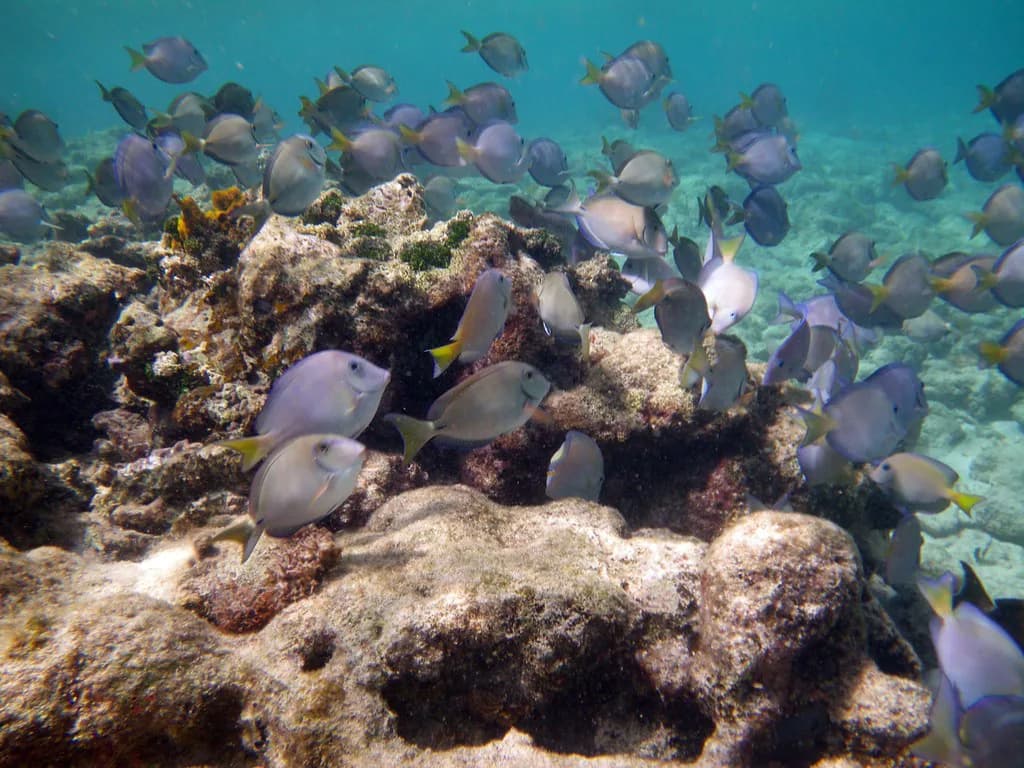
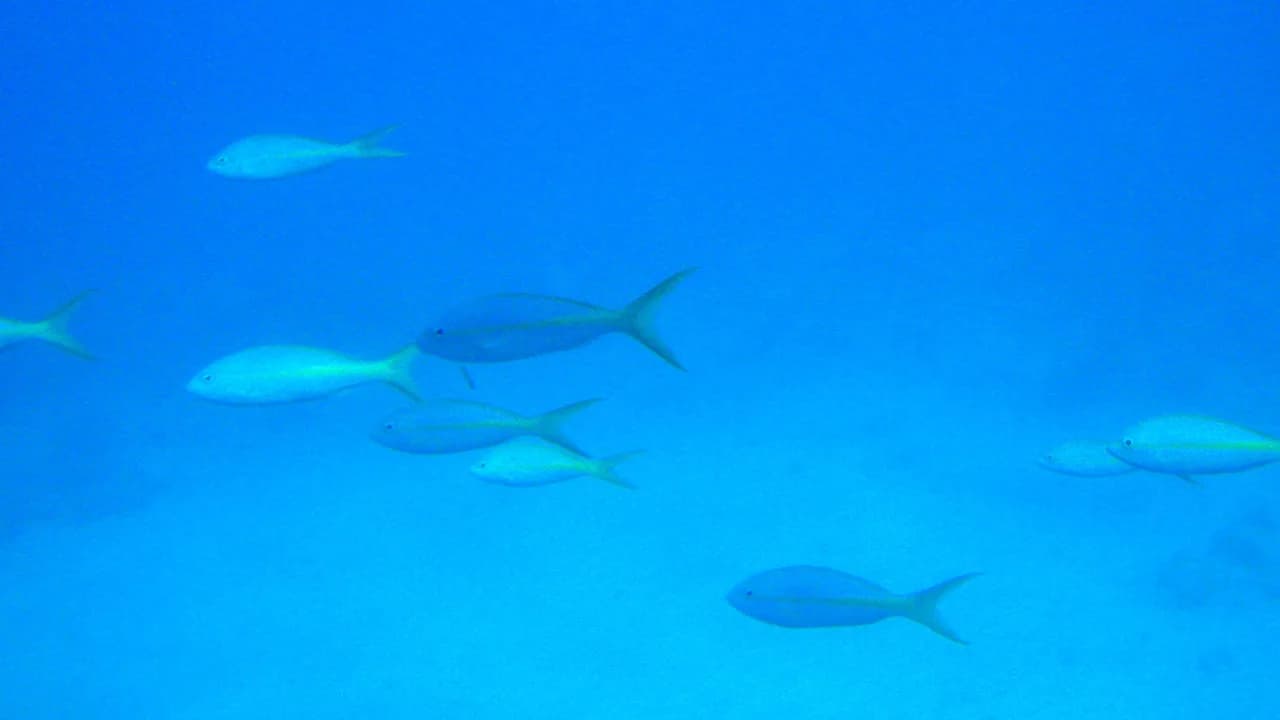
Fish life over the coral heads includes barracuda and schools of squid alongside the usual spectrum of colorful reef fish. A barracuda hanging in open water is a normal sighting, not a reason to leave the water.
Treat every turtle, ray and barracuda as a possibility rather than a schedule. Following the published viewing rules means no touching, feeding or chasing, and no closing the distance on an animal that is trying to feed or rest.
Depth, Distance and Skill Level
Sapphire holds the widest reef of the beaches you can reach by taxi, which is a trade-off: more coral to cover and more swimming to reach it. Confident swimmers who are comfortable a distance from shore get the most out of the left-hand reef, especially before the wind builds.
Beginners, kids and anyone unsure in open water should stay over the sand and grass in the middle, where the bottom is visible and the swim back is short. You can still see turtles from there without committing to the reef.
Best Time of Day and Season
Start early. Visibility is usually best before noon, before the trade winds pick up and before beachgoers stir up the sand, and Sapphire can get choppy when the trades are up. Winter months tend to bring more north-shore swell, though the east-end beaches stay calmer than Magens or Hull Bay in those conditions.
Water temperature holds in a comfortable range year-round, so a rash guard rather than a wetsuit is usually enough. Summer brings warm water and afternoon thunderstorms that tend to clear quickly, while December through April offers the calmest, clearest conditions with the biggest crowds.
Hazards to Plan Around
Trade-wind chop is the main variable, and it builds through the day on this exposed east-end shore. Boat traffic in deeper water and the risk of standing on coral when you surface are the other two things to manage, so tow a float if you swim far out and look before you put a foot down.
Fire coral appears on rocks around the Virgin Islands and irritates skin on contact, so give any fuzzy, branching growth a wide berth. Keep one buddy in sight at all times and agree on a turnaround point before you leave the beach.
Gear and Rentals
Gear rental outlets operate along the beach, and a battery-powered Seabob can be hired if you want to cover water faster than finning. A mask that fits your own face is still worth bringing; rentals at St. Thomas beaches run in a modest per-day range, and fit matters more than features.
Pack a rash guard for sun and scrapes, reef shoes if you plan to walk the rocky ends, and reef-safe sunscreen. Mineral formulas are the safe default in the Virgin Islands, where oxybenzone and octinoxate are known to damage coral.
Parking, Facilities and the Beach Scene
Sapphire is the liveliest of the east-end options, with bars and restaurants along the sand, so lunch and a shade break are easy to fold into a snorkel morning. Set your gear down, swim first, then eat once the wind has come up and the water has lost its early calm.
Arriving by taxi from the cruise docks is straightforward, and shared taxis run fixed routes across the island. Give yourself a comfortable buffer before all-aboard if you are sailing the same day, since island traffic can eat into a tight schedule.
Reef Rules and Wildlife Distance
The six-foot depth rule over reef is the one local regulation that most changes how you swim at Sapphire, so plan your line out and back around it. Never stand on coral to rest, and never buy or throw food to fish, which changes what reef species eat.
Keep a respectful gap from turtles and rays, let them move away on their own terms, and stay horizontal rather than diving down on top of them. The same etiquette applies to barracuda and squid: watch, photograph, move on.
Combining Sapphire With Nearby Spots
Sapphire pairs naturally with Coki Point, about a 15-minute drive away, where a shallow reef sits close to the beach and a dive shop rents gear. Families often split the day between the two, with Coral World Ocean Park next to Coki for a dry-hour break.
Lindquist Beach at Smith Bay Park, a territorial park on the same east end, is the calmer, less developed alternative when Sapphire is choppy. Snorkelers who want the full picture of how these beaches fit together can start with the island-wide guide before fixing a plan.
Sapphire vs Magens Bay and Secret Harbour
Magens Bay is the swim-and-sand beach: a long curve of pale sand with a gently sloping bottom and flat water, and only modest reef at the far ends. If your group wants to float, sunbathe and paddle rather than chase coral, Magens wins on comfort. If you are weighing a different island altogether, the guide to snorkeling in Puerto Rico covers similarly easy entries and calm bays.
Secret Harbour, a protected cove on the southeast side, is the friendliest water on the island for nervous swimmers, with almost no current, rocky edges holding small reef fish and a beach bar for after. Sapphire is the better pick when you want a real reef and the view across to St. John.
Plan Your Sapphire Beach Day
Swim the grass first, then the left-hand reef, and keep the six-foot reef rule in mind when you plot your line. Arrive in the morning for the calmest water and clearest visibility, and plan on a taxi ride back to the ship with time to spare.
For a quieter, flatter-water day, pair Sapphire with Lindquist or Secret Harbour; for the easiest shallow reef, add a stop at Coki. Check sea conditions with the local harbormaster or your taxi driver before committing to the east end when the trades are strong.
Frequently Asked Questions
Where do you snorkel at Sapphire Beach in St. Thomas?
Head for the left side of the beach. The center of the bay is seagrass and sand where turtles and eagle rays feed, and the reef with elkhorn, staghorn and brain coral builds off to the left. Enter from the sand at the beach center.
Is Sapphire Beach good for beginner snorkelers?
Yes, if beginners stay over the grass in the middle, where the bottom is visible and the swim back is short. The left-hand reef asks for more swimming and open-water confidence, and local rules bar snorkeling over reef in less than six feet of water, which limits where anyone should swim over coral.
What marine life can you see at Sapphire Beach?
Possible sightings include green sea turtles and eagle rays over the seagrass, plus parrotfish and other reef fish over the coral. Barracuda and schools of squid also turn up. Nothing is guaranteed, and wildlife should be watched from a distance without touching or feeding.
Is Sapphire Beach better than Magens Bay for snorkeling?
Sapphire has the more substantial reef and the wider range of marine life, so it suits snorkelers who want coral. Magens Bay is the better swimming and beach day, with flat water, a gentle sandy bottom and only modest reef at the ends.
When is the water calmest at Sapphire Beach?
Morning, before the trade winds build and before the beach crowds stir up sand. Visibility is usually best before noon. Winter can bring more north-shore swell, but the east-end beaches generally stay calmer than Magens or Hull Bay in those conditions.
Do you have to pay to get into Sapphire Beach?
Access is through the beach area itself, and gear rental outlets operate along the sand. Set your budget around whatever you hire and how you get there; taxi fares from the cruise docks vary by route and are worth agreeing on before you set off.
Sources
Snorkeling notes for your next trip
Optional updates to our snorkeling guides.
You might also like
Continue reading
More guides you'll find useful