Escambrón Beach Snorkeling Guide: Reef, Entry and What You'll See
Snorkel Escambrón Marine Park in San Juan, where a shallow reef sits beside a protected swimming beach that suits beginners and kids. Plan entry, timing and hazards.
On this page
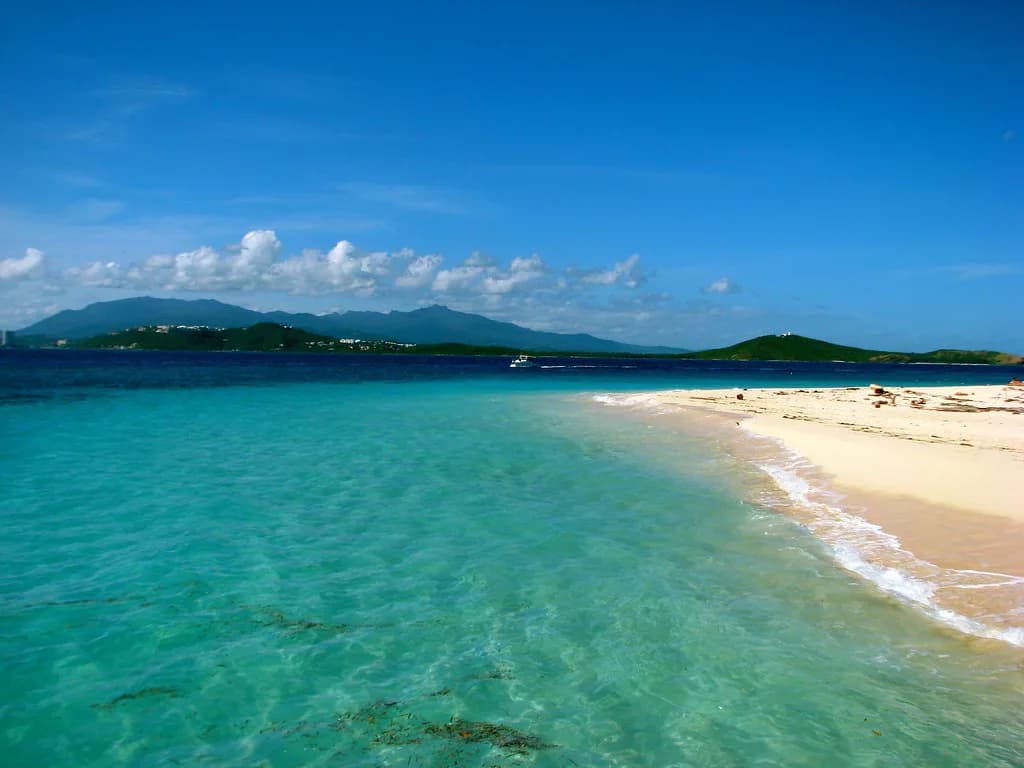
Escambrón is the rare San Juan snorkel you can walk into from a city beach, with a protected swimming cove on one side and rocky structure where fish and invertebrates concentrate close to shore. It suits beginners, families with kids and cruise passengers with a few free hours, and it rewards anyone who wants a short, uncomplicated reef swim without a boat ride.
The trade-off is scale: Escambrón is a compact urban marine park, not a remote coral garden, so you snorkel a short stretch of rocks and sand rather than a sprawling reef. Go in expecting close-range fish life, urchins and the occasional octopus around the rock edges, and you will get far more out of it than a hunt for pristine coral.
Where Escambrón Is
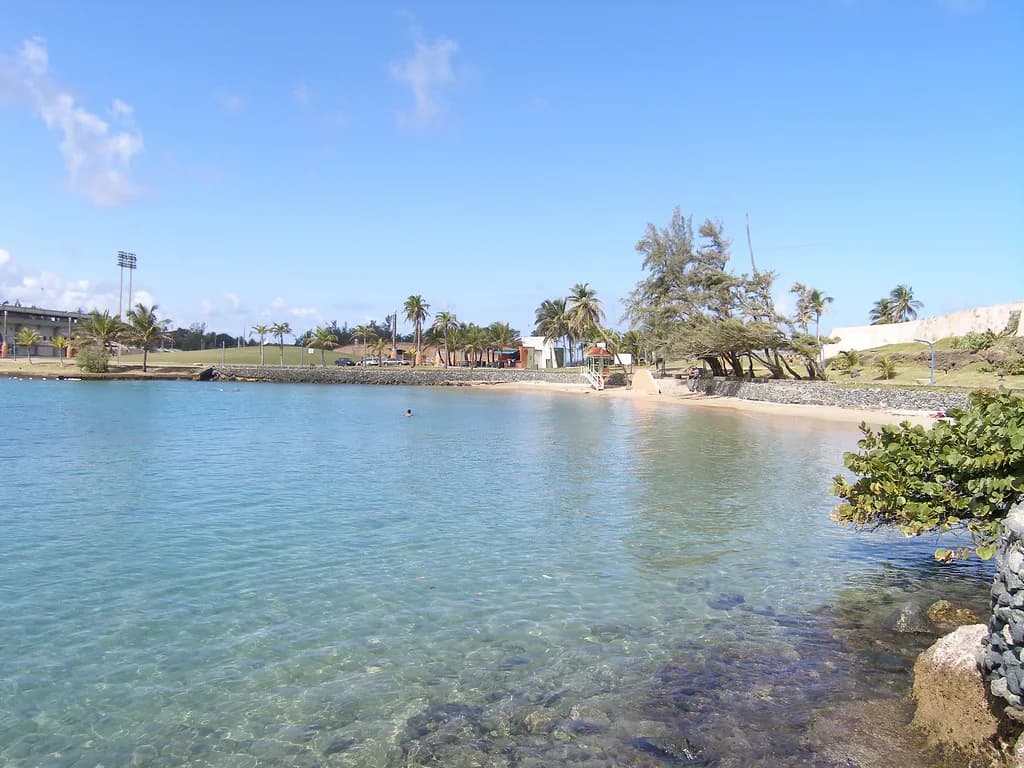
Balneario El Escambrón sits at the edge of San Juan in the Puerta de Tierra area, on the point between the city and the open Atlantic, minutes from Old San Juan and a short ride from Condado. The beach park is the anchor for the surrounding Escambrón Marine Park, so you can plan a swim and still walk or drive to lunch in the old city the same day.
That location is the whole appeal for a cruise or city-based trip: you are not committing a full day to reach the water. Treat it as a half-day add-on and pair it with Old San Juan sightseeing or a Condado beach afternoon rather than a standalone destination.
Getting In: Sand Versus Rock
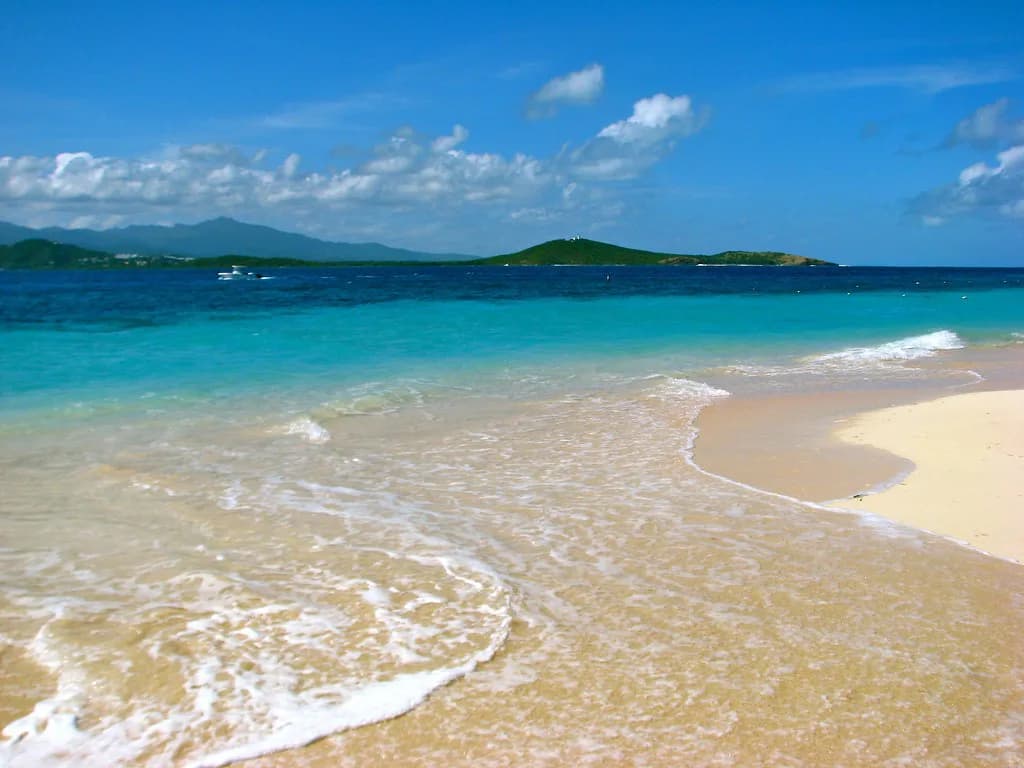
There are two ways into the water, and choosing the right one shapes your day. The swimming beach gives you a sand entry into calm, protected water, which is the sensible start for kids and nervous first-timers who want to get their mask and fins sorted before heading anywhere near structure.
The reef life clusters along the rocky points and shelves, so once you are comfortable you work out toward the rocks and hover at their edges rather than trying to stand on them. Keep your fins clear of the bottom on entry and exit; the rocks and shallow shelf are where ankles and shins get scraped.
Reef Layout and Depth
Escambrón is a shallow, shore-hugging snorkel. The interesting ground is the rocky structure and the sand-rock transition around it, where fish shelter and graze, and the water stays shallow enough to keep the bottom in view. Expect to spend your time working a short section of shoreline rather than covering distance.
Because the snorkeling is close to shore, it works well as a first reef swim or a confidence-builder before a boat trip elsewhere on the island. It is not the place to chase big drop-offs or long drifts; the appeal is proximity and easy access, not scale.
What You Are Likely to See
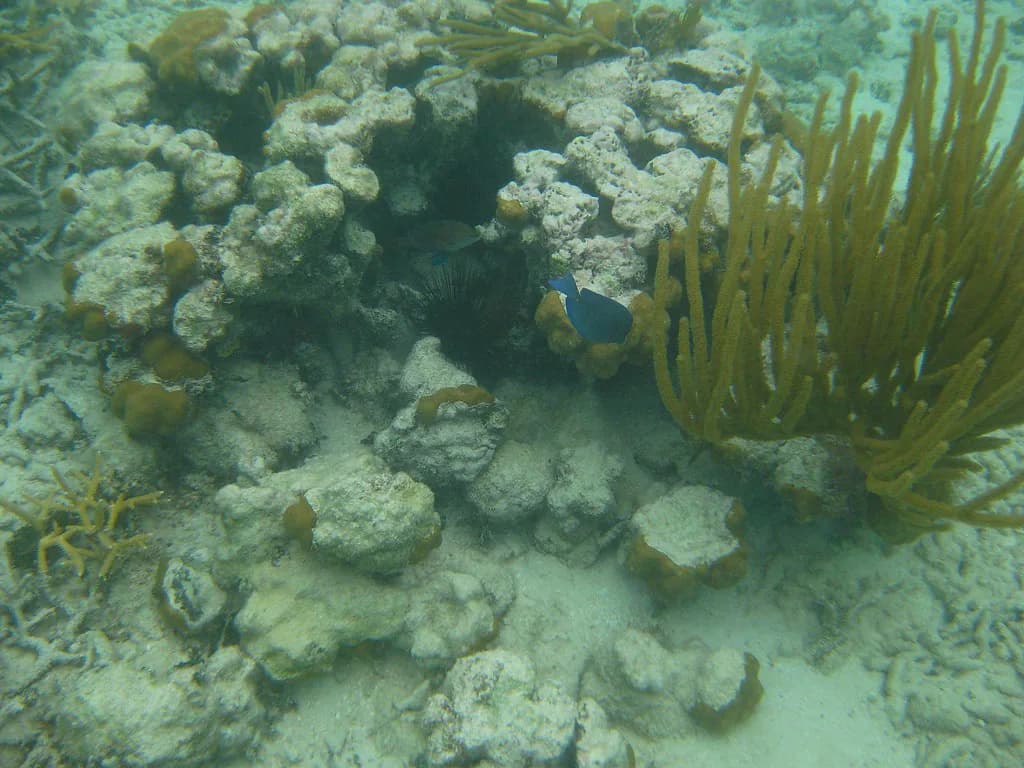
Expect small reef fish around the rocks, plus starfish, sea urchins and crabs on and among the structure, with octopus and other cryptic animals possible for patient snorkelers who slow down and look into crevices. Visitors to the beach park have reported this mix around the rocks, which is why a slow pass along the edge beats fast laps.
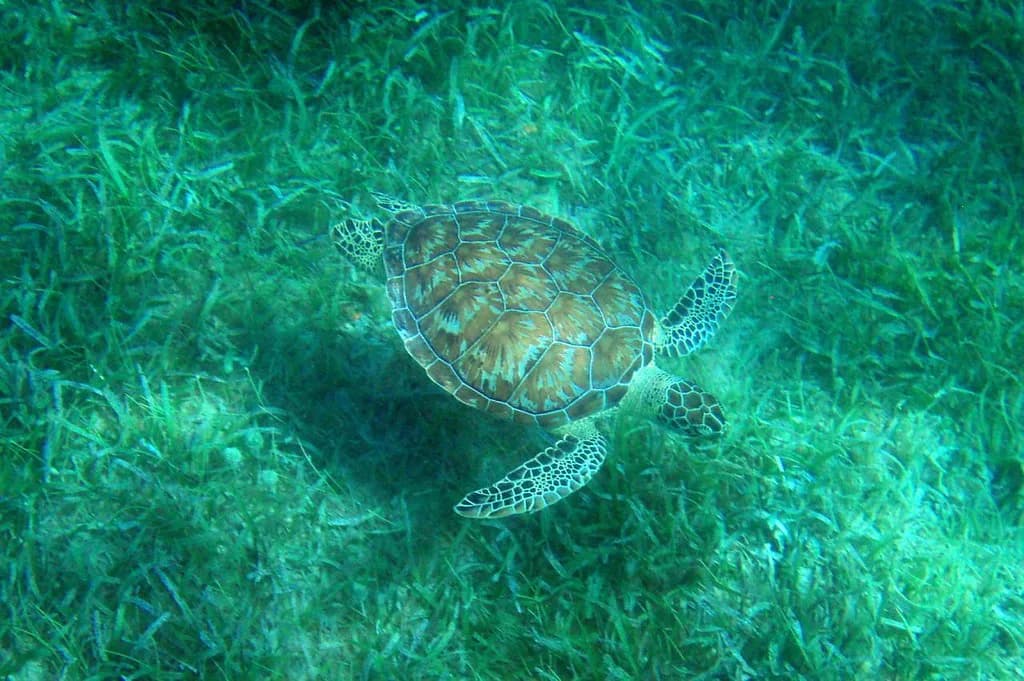
Sea turtles and larger schools turn up in the marine park, but treat every sighting as a possibility rather than a schedule. Keep distance, never touch, feed or chase an animal, and give turtles and any other wildlife room to surface and move on.
The urchins are the detail to plan around. They stud the rocky bottom, so keep your hands off the reef, watch where you push off, and wear something on your feet for the walk across rock and sand between entries.
Skill Level and Who It Suits
Escambrón suits beginners and kids best when they start from the protected swimming beach and stay over sand until they are comfortable. The shallow reef close to shore means short swims back if anyone gets cold or spooked, which is a big advantage with children.
Strong swimmers can work the rocky edges more thoroughly, but the site does not demand advanced skills. If your group is mixed, split the session: beginners and kids on the sand side with an adult, stronger swimmers taking turns along the rocks.
Best Time of Day and Swell
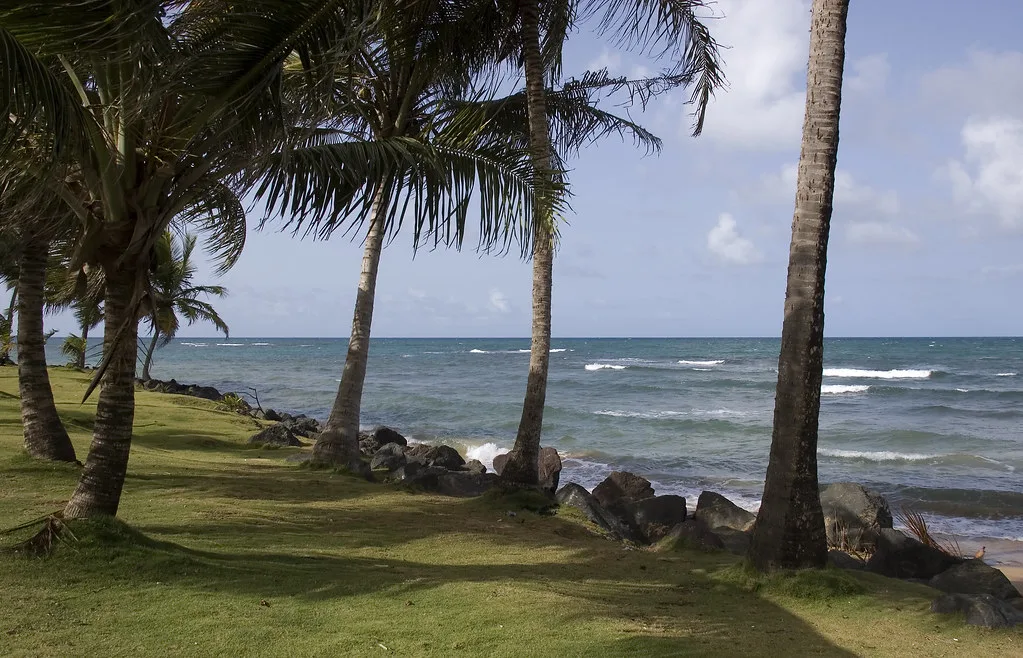
Go early for the calmest water and the least crowded beach, and aim for a day when the trade winds and north-side swell are light. Escambrón faces the open Atlantic on one side of the point, so a bigger swell or stiff onshore wind can turn the rocky side choppy and reduce visibility even while the swimming cove stays manageable.
Check the marine forecast before you commit, particularly for north and northeast swell, and have the protected beach as your fallback if the rock side is stirred up. One quick look at the Puerto Rico National Weather Service marine forecast is enough to decide.
Hazards to Plan Around
The main hazards here are the things you deal with on foot: urchin-studded rock, slick entry points and a shallow bottom that catches fins and knees. Enter from sand where you can, keep your mask on your face while you reset gear, and do not stand on the reef to adjust.
In the water, watch for surge and current around the rocky points and for boat traffic in the surrounding park waters. Swim with a buddy, stay inside the protected swimming area when conditions are mixed, and use a surface float so boaters and paddlers can see you.
Snorkeling Tours at Escambrón
Guided options run directly out of Escambrón Marine Park, including a two-hour snorkeling tour from the beach park focused on fish and turtles. That Viator session is listed at $115 per person, so use it as one benchmark when comparing operators rather than as the going rate for everyone.
Operator menus at the beach also list snorkeling, scuba diving, picnic and yoga experiences, so it is worth comparing what a guided session actually covers: gear, guide-to-guest ratio, in-water instruction and whether the tour enters from the beach or by boat. If you would rather join a structured group than navigate entry and currents alone, compare a few before booking.
Bringing your own mask, fins and a rash guard is the low-cost route, and it lets you snorkel on your own timetable from the swimming beach. Rentals and full gear are usually bundled into guided tours rather than sold at the sand, so confirm what an operator supplies when you book.

Parking and Facilities
Plan the beach park as your base: arrive with water, reef-safe sunscreen, a rash guard and footwear, since a city beach day here is mostly about what you carry in. Come early on weekends and holidays for the easiest parking and the quietest water.
Lifeguard coverage, restroom and shower availability and parking charges vary by season and operator, so confirm them through the beach operator or San Juan tourism office before you rely on them. 787-710-8280 reaches the San Juan Tourism Office if you want a person to ask.
Rules and Reef Etiquette
Escambrón is a marine park, so treat the rock and reef as protection-first ground: no touching or standing on coral or rock, no feeding fish, and no handling urchins, starfish or octopus. Keep a respectful distance from turtles and any other wildlife, and give them the right of way.
Use reef-safe sunscreen or a long-sleeve rash guard, skip gloves that encourage grabbing, and pack out everything you bring. If you plan to snorkel elsewhere on the island, follow the same no-take, no-touch approach in every marine reserve and park.
Nearby Snorkel and Beach Options
If you want more than a city reef, pair Escambrón with a day trip to Culebra for Flamenco Beach snorkeling, where the sand and water clarity run at a different level and the trip takes a full day including the ferry. Treat that as the opposite trade-off to Escambrón: more travel, bigger payoff. The same shore-versus-boat decision comes up throughout the region, as our guide to snorkeling in Florida lays out for its own beaches and reefs.
Crash Boat Beach snorkeling on the west coast is another easy, accessible option with a beach scene and calmer family water, and it slots neatly into an Aguadilla or Rincón day. Combine it with a west-coast loop rather than trying to do it and Escambrón on the same morning.
For a Culebra-focused trip with more than one swim stop, build a plan around the island's beaches and boat days, since ferry timing and wind decide what is practical. If your group includes beginners, keep Escambrón as the warm-up and save the crossings for a settled-weather day.
Snorkeling with a Dog: What to Expect at Escambrón
Travelers planning to bring a dog to Escambrón should understand that this guide covers the beach as a snorkeling destination, and the available sources describe the marine park in terms of its reef, entry points, tours, and underwater life rather than dog access. The sources do not state a leash rule, a designated dog area, or any pet policy for Balneario El Escambrón, so no specific dog rule at this site can be confirmed from the material here.
The activity itself is human-focused: snorkeling around the rocks is described as a way to spot fish, shells, crabs, starfish, sea urchins with spines, octopus, and sea snakes, and a two-hour snorkeling tour at Escambrón Marine Park is listed at $115, featuring flying fish, schools of fish, and a sea turtle. Those descriptions concern people in the water; they do not extend to dogs, and nothing in the sources indicates that dogs accompany snorkelers or tour groups.
Because the sources are silent on pets at Escambrón, a dog owner cannot rely on this guide to plan a visit with an animal in tow. The details documented here are the reef layout, the sand-versus-rock entry, the listed tour price, and the marine life you may see — all framed around human snorkelers. Treat any dog-related planning as outside what these sources establish.
Plan Your Escambrón Snorkel Day
Build the day around a calm morning: sand entry from the protected beach first, then a slow pass along the rocky edges with a surface float and feet covered. Bring your own mask and fins, or book a guided beach session if you want gear and instruction handled for you.
Then spend the afternoon in Old San Juan or Condado, which is the real advantage of Escambrón: a genuine reef swim close to the city. If you want to branch out, add a west-coast or Culebra day on a separate, settled-weather morning.
Frequently Asked Questions
Is Escambrón Beach good for snorkeling?
Yes, for a short, easy city snorkel. The marine park has rocky structure close to shore where small reef fish, starfish, urchins and the occasional octopus turn up, and the protected swimming beach makes entry simple. Expect close-range fish life rather than a sprawling pristine reef.
Is Escambrón Beach swimmable?
The beach park has a protected swimming cove that is the calmest part of the site. Water conditions still change with Atlantic swell and wind, so pick a settled day and use the sandy side if the rocky side looks stirred up.
Do you need a tour to snorkel at Escambrón?
No. You can enter from the beach on your own with your own gear. Guided snorkeling tours also operate from Escambrón Marine Park, which is the better choice if you want gear, instruction and a guide for a first reef swim.
What will I see snorkeling at Escambrón Marine Park?
Likely small reef fish around the rocks, plus starfish, sea urchins and crabs, with octopus and turtles possible rather than guaranteed. Keep distance from all wildlife and never touch, feed or chase animals.
Is Escambrón snorkeling good for beginners and kids?
It is one of the better San Juan choices for beginners and kids because the sand entry and shallow reef keep swims short and the shore close. Start over sand in the protected cove, then move to the rock edges once everyone is comfortable.
How much does a guided snorkeling tour at Escambrón cost?
Guided sessions leave directly from Escambrón Marine Park, and pricing depends on the operator, group size and what gear or instruction is bundled in. Compare the published rates on each operator's booking page before you commit to a date.
Sources
Snorkeling notes for your next trip
Optional updates to our snorkeling guides.
You might also like

Continue reading
More guides you'll find useful