Flamenco Beach Snorkeling Guide: Puerto Rico Reefs
Snorkel Flamenco Beach on Culebra at the calm bay edges, find the nearshore reef patches, plan around boat traffic and pair it with Carlos Rosario or Tamarindo.
On this page
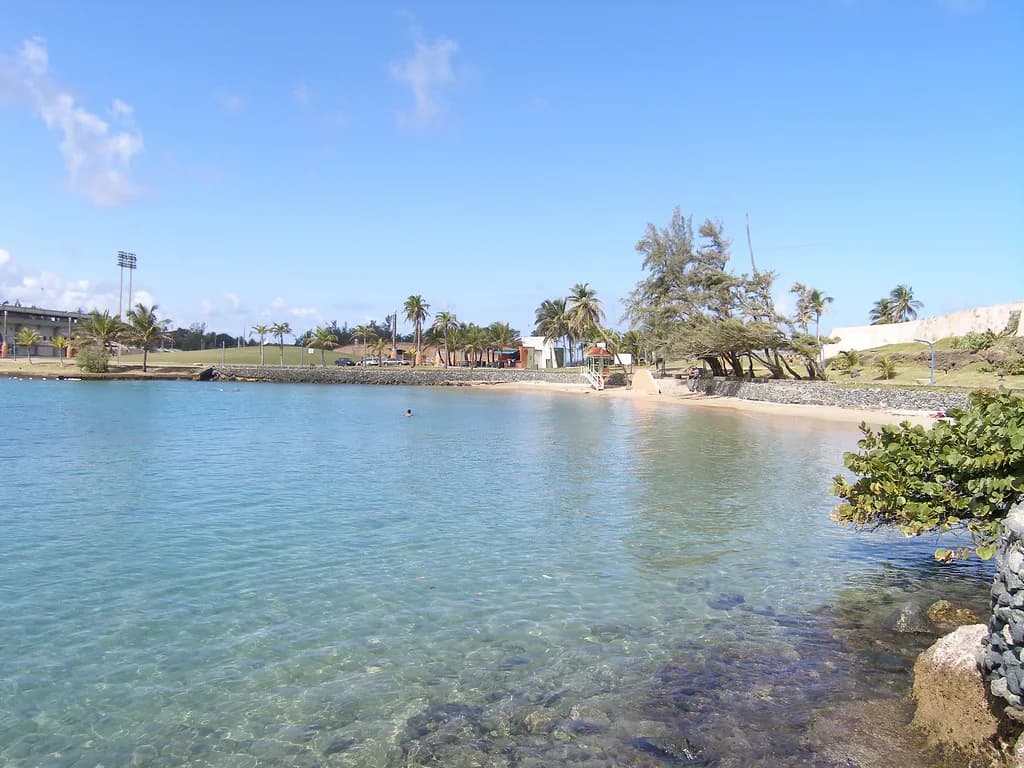
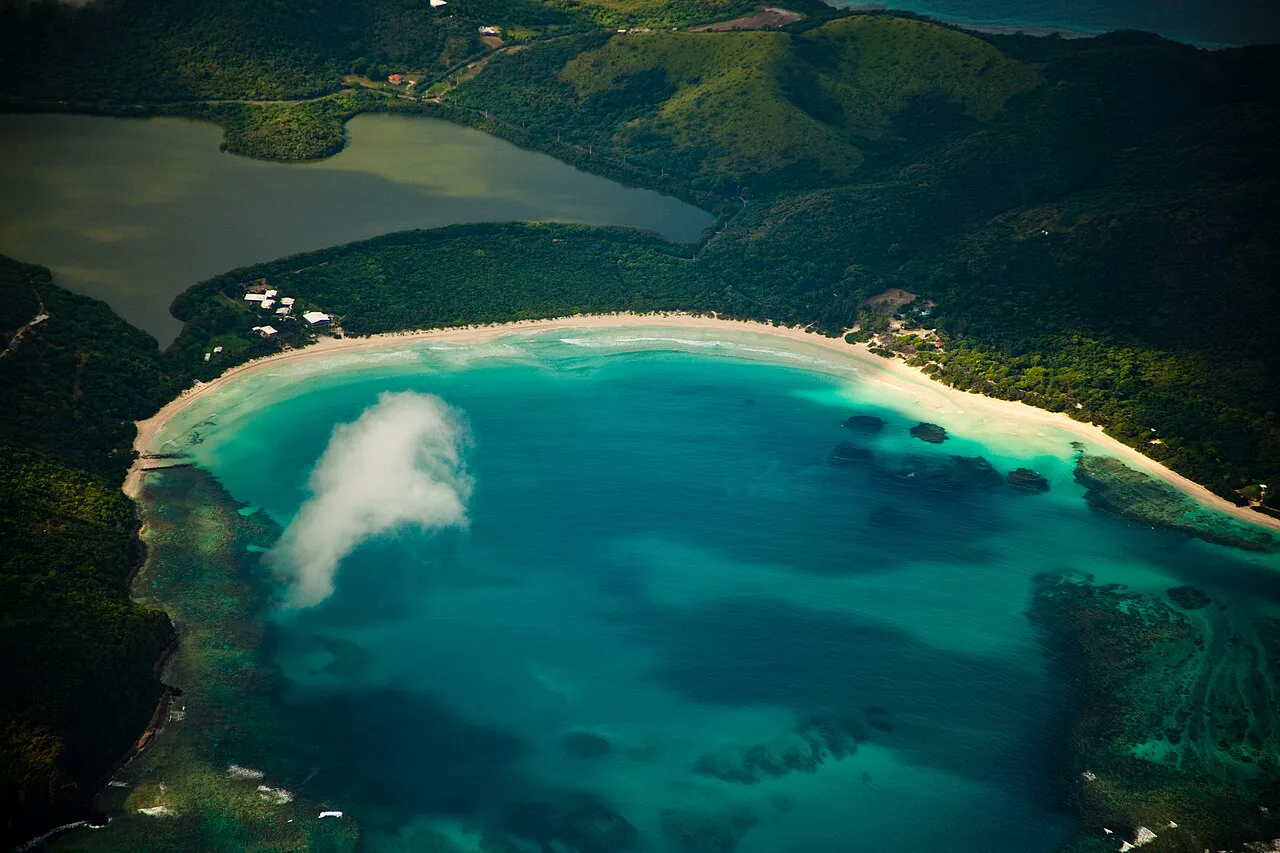
Flamenco Beach is Culebra's headline public beach, and its underwater draw is a set of nearshore reef patches along the edges of a wide, usually calm bay. It suits casual snorkelers, families with older kids and anyone who wants easy sand entry with room to stand up and reset. It is not the island's reef destination, and going in with that expectation is what makes a Flamenco morning work.
The bay's appeal is the combination: broad sand, the famous painted tank on the beach, and water calm enough on a good day for a relaxed mask-and-fins session close to shore. Snorkelers chasing dense coral or a reliable turtle encounter should plan a second stop on the reserve side of the island rather than stretching a Flamenco swim to cover both.
Welcome to Flamenco Beach
Flamenco is a wide public beach on Culebra's north shore, the sand most visitors picture when they think of the island. The snorkeling happens at the edges of the bay, where reef structure sits close enough to shore for a casual swim rather than a long surface crossing.
This is a place to pack a mask for convenience, not a destination reef. Treat it as the easy first swim of a Culebra day, then decide whether you want to commit to the hike to Carlos Rosario or a boat day for the outer cays.
Where Flamenco Sits and How You Reach the Sand
Flamenco sits on the north side of Culebra, the small island east of Puerto Rico's main island. Public ferries to Culebra leave from Ceiba, and the beach is a short ride from the ferry landing and the town of Dewey.
Most visitors arrive by rental jeep, taxi or a shuttle from town, and the beach has a large parking area behind the sand. Coming early matters more for parking and crowd comfort than for water conditions, since the bay tends to stay calm through the middle of the day.
Getting In at the Bay Edges
Entry is over sand, which is the main reason Flamenco works for less confident swimmers. Walk in at the edges of the bay where reef patches sit nearshore, put your fins on in waist-deep water, and follow the bottom contour out rather than striking straight across the middle of the swim zone.
The center of the bay is open water used by other people and, at times, boats. Keep your snorkel line along the margins, surface regularly to check your position, and stay inside the area where you can still stand or reach the sand quickly.
What You Will See
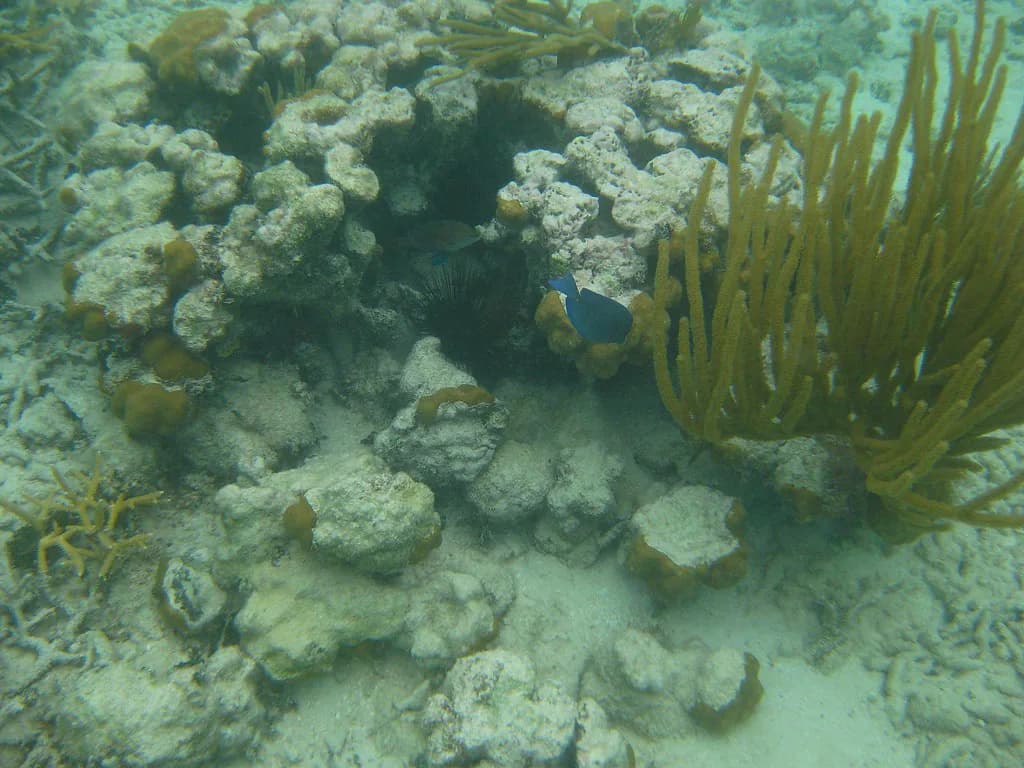
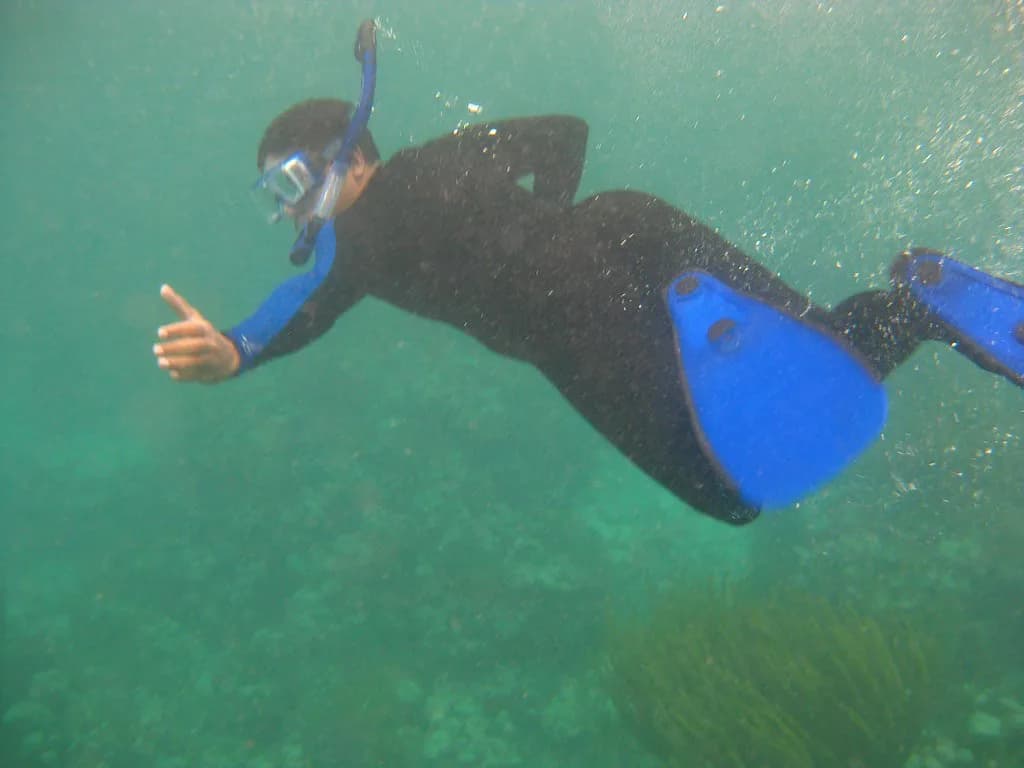
Expect reef fish over coral patches: the small, busy species that cluster around structure, plus the occasional larger fish passing through. The coral here is patchy rather than continuous, so you cover ground between clusters instead of drifting over one long reef.
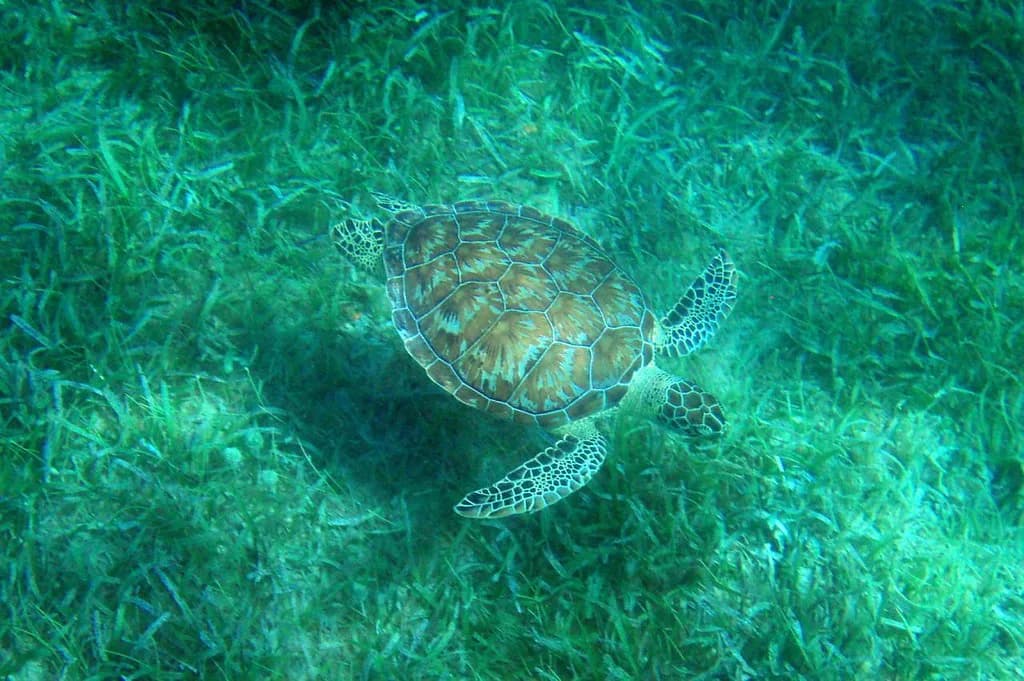
Sea turtles are possible but not the reason to choose Flamenco. The most consistent shore-accessible turtle watching on the island is in the seagrass shallows at Tamarindo, where green turtles graze, and sightings there are common rather than promised. Never touch, feed or chase any turtle, and keep a respectful distance.
Depth, Distance and Swim Effort
The snorkel zone at Flamenco is shallow, with reef patches starting close to the sand and dropping only gradually. That makes it a short swim out and back rather than an expedition, and it suits snorkelers who are comfortable floating but not navigating long distances.
If you want deeper structure and more continuous coral, plan the Carlos Rosario swim instead of working harder at Flamenco. Splitting the two across a morning and an afternoon gives you the easy bay session and the reef session without compromising either.
Best Time of Day and Season
Morning is the practical window: lighter crowds, easier parking and calmer wind before the afternoon picks up. The bay is protected and stays flat on many days, but that is a tendency rather than a guarantee, and the water reads differently after a run of northerly swell.
Culebra sits in the hurricane-season belt from June through November, when passing systems can change conditions for days at a time. Check the marine forecast before you commit to a boat day or the Carlos Rosario hike, since both depend on settled water more than a bay swim does.
Hazards: Boat Traffic and Crowds
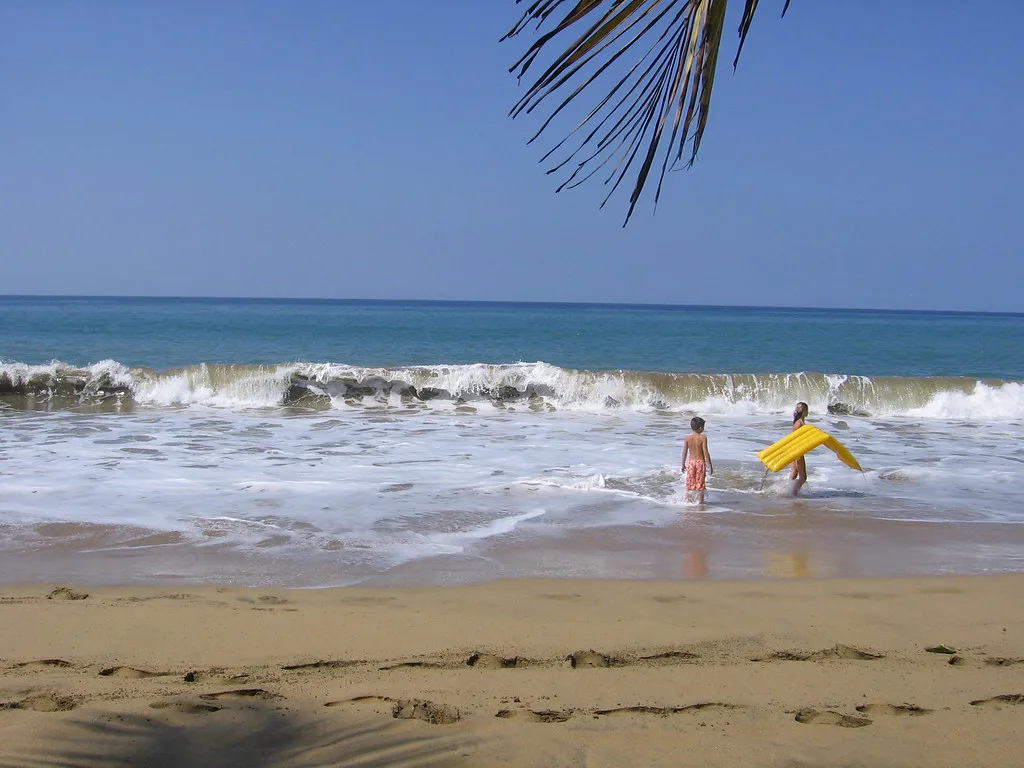
Boat traffic and holiday crowds are the real Flamenco hazards, not current. Holiday weekends bring heavy beach use and more vessel movement in the bay, so stay close to the edges and keep your head up when crossing open water.
There is no reef here worth pushing your limits for. If the bay looks choppy, the wind is up or you keep finding yourself outside your comfort zone, get out and drive to Melones or Tamarindo instead of forcing the swim.
Flamenco Beach Rules
Flamenco is a public beach inside a landscape managed for wildlife, and the rules that matter most for snorkelers are the wildlife ones: no touching or chasing turtles, no standing on or collecting coral, and no feeding fish. Bring reef-safe sunscreen and pack out everything you carry in.
The southwest shore, including Carlos Rosario and Tamarindo, sits in the Luis Peña Channel reserve, where fishing, spearfishing, collecting and anchoring on coral are prohibited. Treat the reserve boundary as the line where behavior changes, even on a casual swim.
Facilities, Parking and Practicalities
Flamenco has the island's most developed beach infrastructure, with a large parking area, food kiosks and shade trees behind the sand. Come self-sufficient anyway: bring water, your own mask and fins, and cash for kiosks in case card readers are down.
Gear rental is available on the island through operators such as Culebra Snorkel With Locals, whose published rental rate starts at about twenty-five dollars for an hour of kayak and snorkel gear. Reserve ahead if you need specific sizes, since island inventory is limited.
Carlos Rosario Beach: The Reef-Forward Hike
Carlos Rosario is the reef destination many snorkelers rate highest on Culebra, reached by an exposed trail from Flamenco's parking area or by boat and kayak. There are no facilities on the sand, so bring water, a hat and everything you need for the swim.
The trade-off is straightforward: better coral and more continuous reef structure in exchange for a hot walk and total self-sufficiency at the water. Do not plan to snorkel from Flamenco across to Carlos Rosario; the trail or a boat is the access, and the reserve water between them is not a casual crossing.
Tamarindo Beach: Seagrass Shallows for Sea Turtles
Tamarindo is the calm, shore-accessible stop on the reserve side, where green turtles often graze seagrass in shallow water. Enter carefully over the rocky sections, wear water shoes, and give turtles space rather than closing in for a photo.
If turtles are the goal, make Tamarindo the priority and treat Flamenco as the afternoon swim. Guided options with Beach Snorkel Culebra meet at the Tamarindo main parking lot, run about ninety minutes for ages ten and up, and include gear and photos; check availability and current pricing before booking.
Melones Beach Near Dewey
Melones sits near Dewey and offers easy shore snorkeling with coral close to the entry when the water is clear. It is a sensible first-morning stop before you commit to the Flamenco hike or a boat day, and it keeps you close to town for lunch.
Watch for boat traffic near town and use a dive flag if you swim farther out. Seas vary, so read the water from shore before getting in instead of counting on a flat bay.
The Luis Peña Channel Reserve
The Reserva Natural Canal Luis Peña was designated in 1999 and covers roughly 1,208 cuerdas from the Flamenco peninsula to Punta Melones on the southwest coast. It is a permanent no-take fishing zone with mooring buoys meant to protect seagrass and reef from anchoring.
Snorkeling is the visitor use here: do not fish, spearfish, collect or anchor on coral, and treat the whole southwest shore as reserve water. That protection is why the reef at Carlos Rosario and the turtles at Tamarindo sit where they do.
Culebrita by Water Taxi or Charter
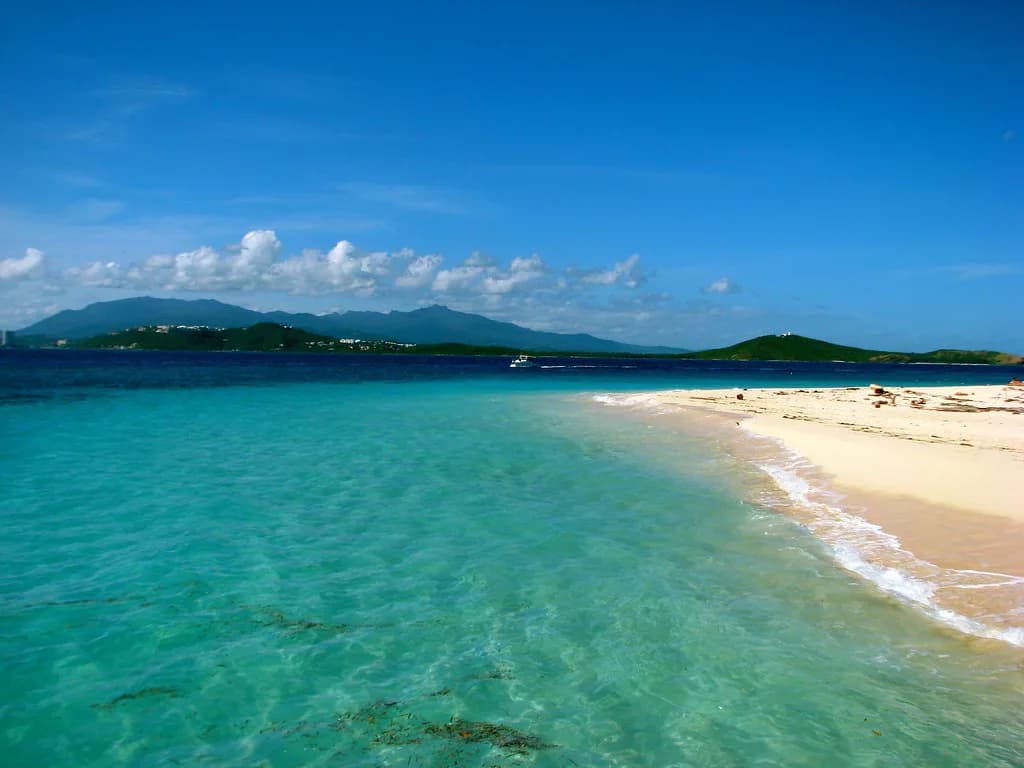
Culebrita is a small cay east of Culebra, reached by water taxi or charter rather than a swim from Flamenco. It offers reef and turtle potential in the broader refuge landscape, with limited shade and heavy sun, so schedules depend on your operator.
Pack out everything you bring and plan your day around the boat's timetable rather than your own. Small-group operators such as Culebra Snorkel With Locals run reef and turtle snorkel trips from the island, with published tour lengths and prices listed on their booking page.
Building a Two- or Three-Stop Snorkel Day
A workable sequence: Melones or the Flamenco edges first thing, then commit to the Carlos Rosario hike or a boat day in the afternoon depending on how the water looks. Add Tamarindo on a second morning if turtles are your priority, and keep Culebrita for a day when you want the boat ride itself to be the outing.
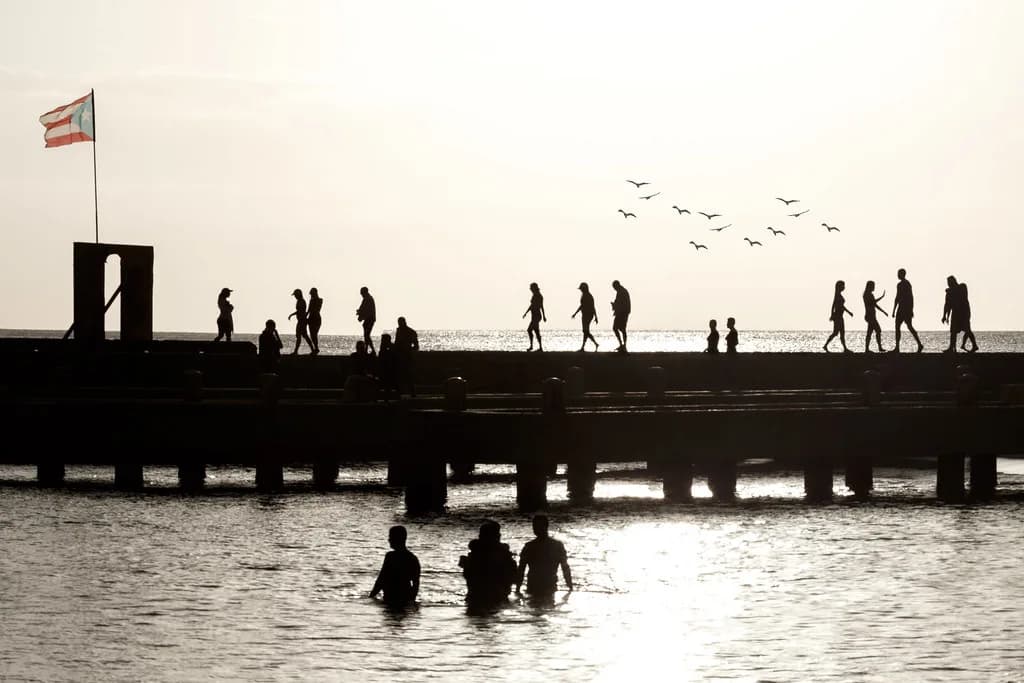
If you are comparing Culebra with the main island, note that Crash Boat Beach on Puerto Rico's west coast offers a different kind of shore snorkel with its own entry and conditions. For a mainland comparison, our guide to snorkeling in Florida covers the same shore-versus-boat decision at another destination. Reading both spot guides helps you match the island to the swim you actually want.
Tours That Meet at Tamarindo
Guided snorkeling on Culebra is mostly small-group work out of the reserve, and Beach Snorkel Culebra meets guests at the Tamarindo main parking lot. Their tour includes a gear-fitting practice session before entry, flotation equipment for comfort, and a photo album afterward, which takes the logistics pressure off a first reserve swim.
Culebra Snorkel With Locals publishes a reef snorkel tour at about seventy-eight dollars for ninety minutes and a three-hour reef and sea turtle tour, both booked directly with owner Lemuel, a certified scuba dive instructor. Confirm the meeting point and current rate when you reserve, since tour pricing and departure details come from Culebra Snorkel With Locals.
Plan Your Culebra Snorkel Day
Use Flamenco for what it does well: easy sand entry, a calm bay and reef patches at the edges that suit casual snorkelers and families. Then move to the reserve side for the reef at Carlos Rosario and the turtles at Tamarindo, where the swimming is more rewarding and the access takes more planning.
Before you go, check the marine forecast with the Puerto Rico Ferry and local operators, since swell and wind decide whether the Carlos Rosario hike or a boat day is worth it. Flat bay water at Flamenco does not guarantee the same conditions on the island's south and west shores.
Frequently Asked Questions
Is Flamenco Beach good for snorkeling?
Flamenco is a good casual snorkel rather than a destination reef. Reef patches sit at the edges of the wide, usually calm bay, close enough to shore for a relaxed session with easy sand entry and room to stand up. Snorkelers who want denser coral should plan a separate stop such as Carlos Rosario, and turtle seekers should head to the seagrass shallows at Tamarindo.
Where do you enter the water to snorkel at Flamenco Beach?
Walk in over sand at the edges of the bay, where the reef structure sits nearshore. Put your fins on in waist-deep water and follow the bottom contour out along the margins rather than crossing the middle of the bay, which is open water used by other people and at times by boats.
Do you need a tour to snorkel Flamenco Beach?
No tour is needed for a casual swim at the bay edges. Small-group guided trips are useful on the reserve side, where operators such as Beach Snorkel Culebra meet guests at the Tamarindo main parking lot with gear, flotation equipment and a practice session before entry, which suits a first reserve swim.
Can you see sea turtles at Flamenco Beach?
Turtles are possible at Flamenco but not the reason to choose it. The most consistent shore-accessible turtle watching on Culebra is in the seagrass shallows at Tamarindo, where green turtles graze, and sightings there are common rather than promised. Give every turtle space and never touch, feed or chase one.
Sources
Snorkeling notes for your next trip
Optional updates to our snorkeling guides.
You might also like
Continue reading
More guides you'll find useful