Puerto Rico Snorkeling Tours: Which Trip Fits Your Day
Compare Puerto Rico snorkeling tours by departure point, entry style and what you see, from shore entries in Rincón to boat trips over Culebra's reefs.
On this page
The appeal of a guided trip here is access: several of the island's healthiest reefs sit inside a marine reserve or off a cay you cannot reach by car, and a guide handles the boat, the gear and the route. Shore-entry tours on the west coast suit families and first-timers, while boat tours out of the east open up the clearest water in the territory. Deciding between the two is the single biggest choice you will make.
This guide sorts the main options by where they leave from, how you get into the water, what is likely to swim past, and who each style suits. It also covers what operators list as included, the reserve rules that shape a route, and the nearby beaches worth adding on either end of the day. Everything below follows published operator and destination information; treat schedules, rates and meeting points as details you re-confirm at booking.
Why a Guided Tour Makes Sense in Puerto Rico
Puerto Rico's best-known snorkeling is spread around an island roughly 100 miles long by 35 wide, and a fair share of it is not roadside. The reefs inside the Luis Peña Channel Natural Reserve off Culebra are no-take water reached by trail or by boat, and the cays around Culebra are boat-only. A guide solves the logistics of boats, entry points, current reads and equipment in one booking.
Gear is the other argument. A shore tour supplies mask, snorkel, fins and a flotation vest fitted before you get wet, which matters if you are traveling carry-on only or snorkeling once on a mixed itinerary. Tours also pair you with someone who knows where the reef starts and which side of a cove is calmer that morning. If you are still mapping the island's sites, the fuller picture in this snorkeling in puerto rico overview helps you pick a coast before you pick an operator.
Two practical caveats. Tours run on the outfitter's schedule, not yours, and many routes depend on sea state, so build a flexible day around the booking rather than squeezing it between two fixed plans. And a guided trip does not remove the need to read the water yourself, especially at sites with current near a point or surf on a windward shore.
Shore Tours on the West Coast Versus Boat Tours to Island Reefs
Think of Puerto Rico's snorkel tours as two families. West coast shore tours, run out of Rincón and Aguadilla, put you in the water from the beach; you walk in, swim a short distance to a shallow reef, and never board a boat. East coast boat tours run from the Fajardo and Ceiba area toward Culebra and its surrounding cays, trading a crossing for access to reefs and reserve water you cannot drive to.
The trade-off is time and comfort. A shore tour is quicker to reach from a San Juan or west coast base and easier on nervous swimmers, but the reef is a short swim from a public beach and sees other visitors. A boat tour costs you a crossing and a longer day, but delivers you to less-visited water. Pick shore if your group includes young kids or weak swimmers; pick boat if the reef itself is the reason for the trip.
A third option blurs the line: guided snorkel sails and catamaran trips that combine a coastal cruise with one or two snorkel stops. These suit mixed groups where some people want to swim and others would rather stay dry with a drink. Ask the crew which sites the boat actually anchors at, since a coastal sail and a dedicated reef trip are different days out.
Rincón and the Tres Palmas Marine Reserve
Tres Palmas Marine Reserve on Rincón's west coast is the anchor of the shore-tour scene, and the reason is simple: the reef sits close enough to the beach that no boat is needed. Rincon Diving & Snorkeling runs a half-day tour that checks you in at the dive center on Ave Dr Albizu Campos for equipment fitting and a briefing, then has you follow the guide a few minutes down the road to the entry point. Expect to allow two and a half to three hours for the whole thing.
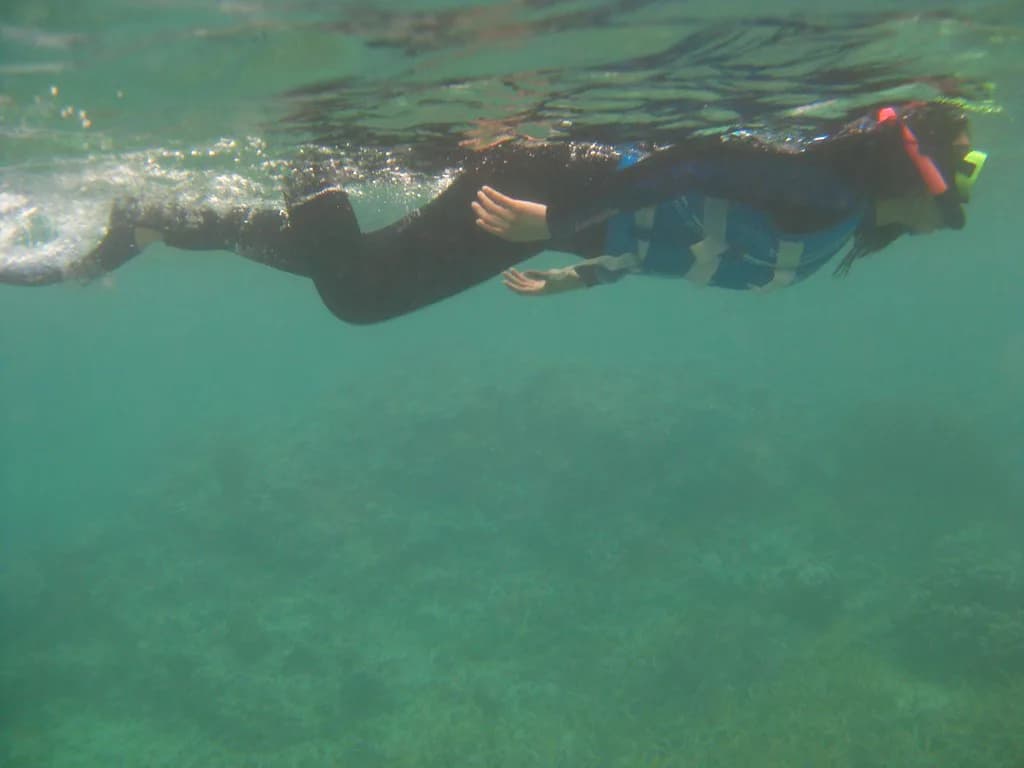
The format is a shallow-reef session, not a deep dive: PADI Adventures describes it as a fun, safe tour on a shallow local reef with a beach entry and no boat required. Guides cover equipment fit, fish identification by color and name, and how to protect the reef, and they run a safety briefing before anyone gets wet. That structure is what makes it work for first-timers.
Who it suits: Rincon Diving & Snorkeling asks for basic swimming ability, welcomes beginners and families, and sets a minimum age of five, with a request to call ahead for children under eight so the shop can plan extra attention. Every participant gets a flotation vest, and mask, snorkel and fins are included. Groups are capped, with a maximum of twelve snorkelers per guide listed for the tour.
Two logistics worth planning around. The shop meets guests at the dive center and the drive to the beach is not included, so you need your own wheels or an arranged ride, and limited guide seats mean you should call ahead if you want transport. Cancellations made at least 24 hours before the activity get a full refund.
Aguadilla and Crash Boat Beach
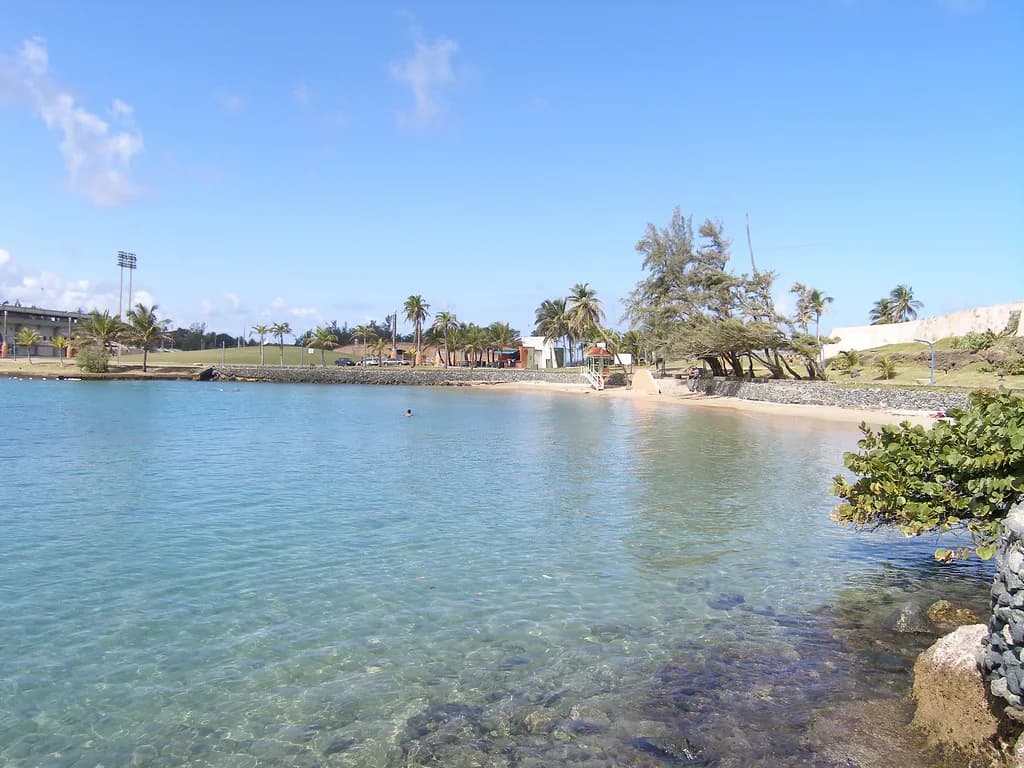
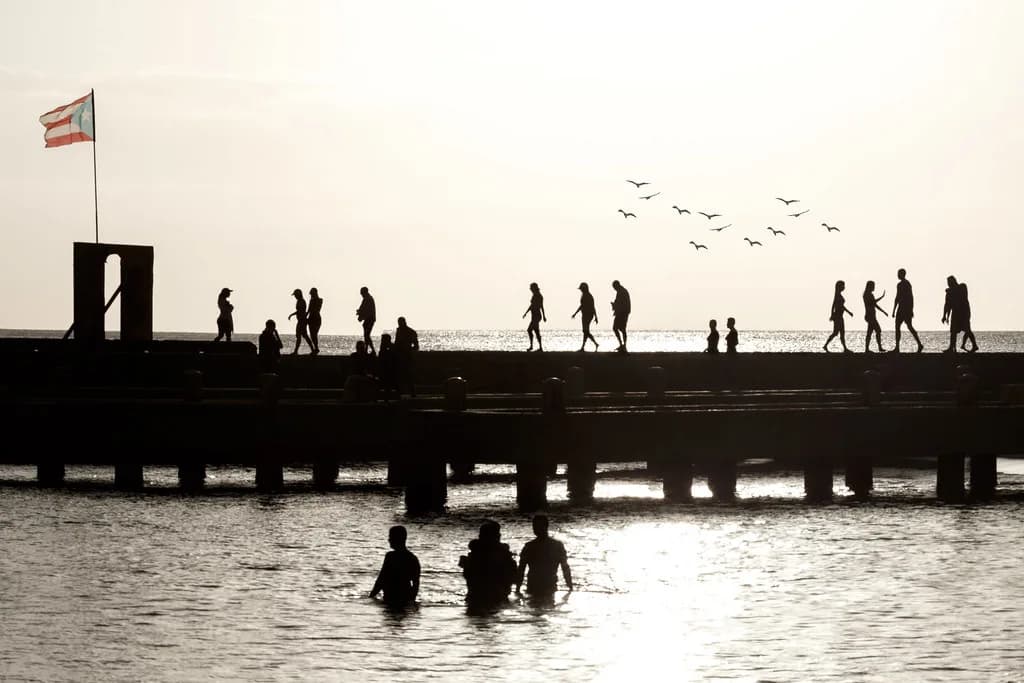
Crash Boat Beach in Aguadilla is the other west coast name that comes up constantly, and its draw is structure: the remnants of an old military pier act as an artificial reef that pulls fish and turtles close to shore. The beach sits about four miles southwest of Rafael Hernández International Airport and roughly 85 miles west of San Juan, which makes it an easy first or last stop on an island trip.
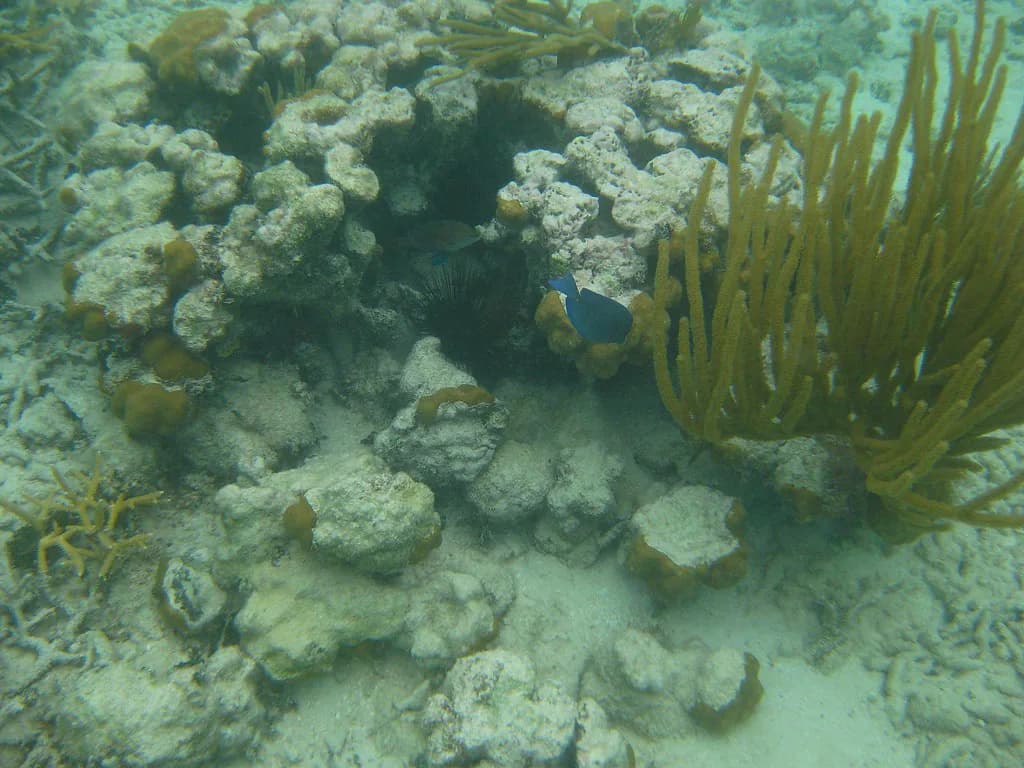
A local operator, Crash Boat Experiences, runs guided snorkel trips here and describes the site as beginner-friendly, with sheltered water and marine life close in. Its published list of likely sightings includes angelfish, parrotfish and sergeant majors, plus green and hawksbill turtles and small coral patches near the pier. Sightings are never guaranteed, and guides direct where you swim.
Getting in is from the sand near the colorful pier, and Crash Boat Experiences advises practicing with your mask and snorkel in the shallows before heading out. Its beginner guidance is the usual sensible set: a snug mask, fins to save energy, a flotation vest, and a buddy or guide alongside. Guided trips include gear, and several vendors around the beach rent snorkel equipment if you are going it alone.
The beach itself is free to visit and open daily year-round, but parking carries a fee, with limited free street parking if you arrive early. It is a busy, popular beach with food kiosks nearby, so plan around crowds rather than expecting solitude. For a detailed read on entry points and what sits under the pier, see our crash boat beach snorkeling guide.
Culebra and the Luis Peña Channel Reserve
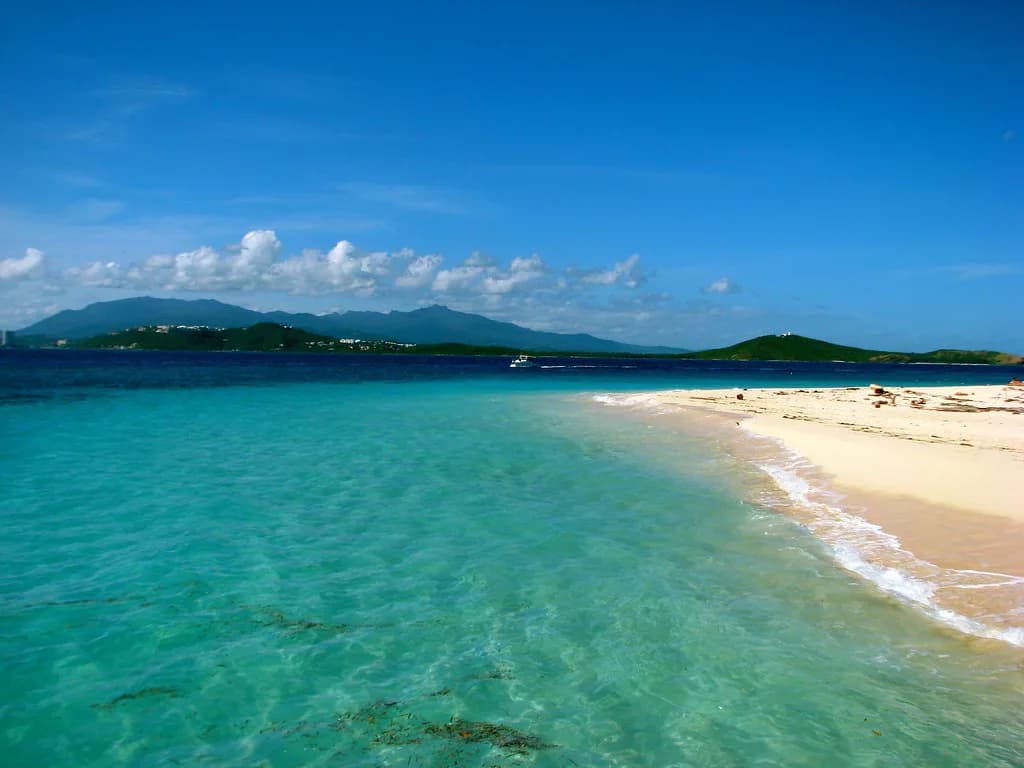
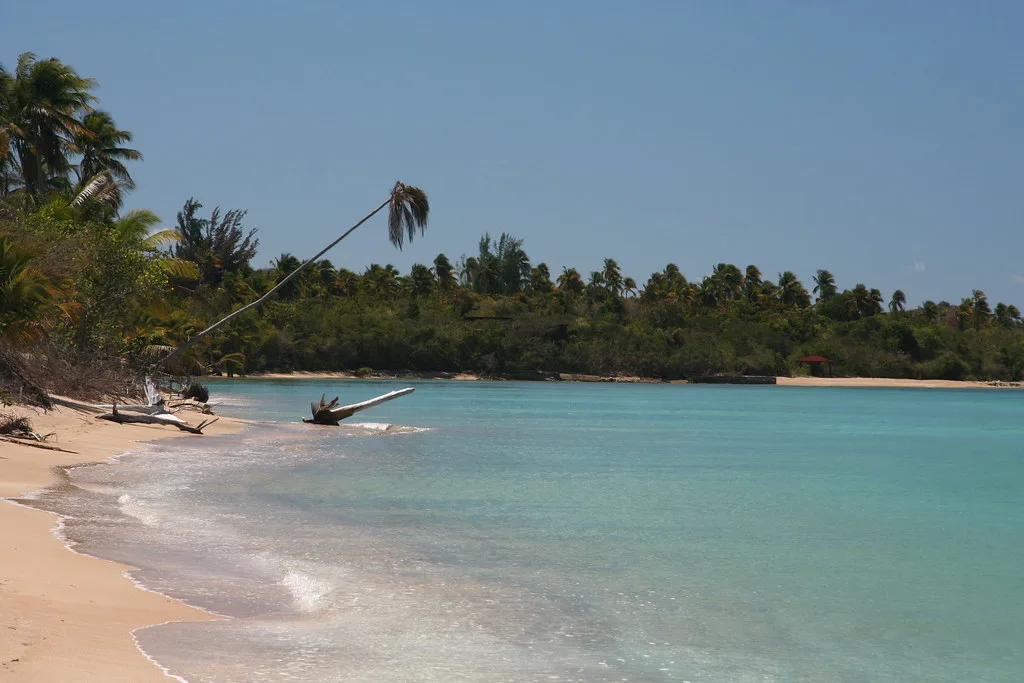
Culebra, 17 miles east of the main island, holds what many consider Puerto Rico's best beach snorkeling, and the heart of it is the Luis Peña Channel Natural Reserve, the territory's first designated no-take marine reserve. The reserve takes in water off Carlos Rosario, Melones, Tamarindo and Tamarindo Grande beaches plus the tip of Cayo Luis Peña. Because nothing is taken, the fish and coral are noticeably more abundant than on heavily visited reefs.
What that means on a tour: your guide will not be spearfishing or collecting, and you should not either. Expect signs at each reserve beach marking the entry points and reef locations, and follow the guide's line rather than striking out alone. The payoff is variety, from stingrays over sand to turtles grazing seagrass to dense coral cover. Culebra snorkeling rewards a slow, observant pace.
Access is the catch. Some reserve beaches are drivable and others are best reached from the water, and the cays around Culebra, including Culebrita and Cayo Luis Peña, require boat transport or a water taxi. That is where a boat tour earns its keep, especially if you want to sample more than one site in a day. Coming from San Juan, factor in the drive to the Fajardo or Ceiba departure marinas plus the crossing.
Flamenco Beach is the famous sandy stop, with reef a short swim offshore, and the far east end where sand turns to rock, known as Shark Cages, has reef running right up to the beach. Enter and exit between the two rows of concrete and rock, and turn back before you tire, because the return swim can be against the current. For the full layout, see our flamenco beach snorkeling guide.

What Tours Typically Include
Shore tours on the west coast generally bundle a guided in-water session, a mask, snorkel and fins, and a flotation vest for every participant, plus drinking water and a briefing. Expect to wear your swimsuit and to arrive hydrated, since the Rincón dive center asks guests to drink water beforehand and to apply reef-safe sunscreen before leaving the shop so it soaks in rather than washing off over the reef. Ocean-friendly sunscreen is sold at the dive center.
Extras vary by outfitter: wetsuit shorties and underwater camera rentals are listed as optional add-ons on the Rincón tour, and some Aguadilla trips throw in towels, beverages and even pelican and fish feeding as part of the package. Note that feeding wildlife is not something to do on your own; leave it to whatever the scheduled trip actually runs. Ask at booking what is in the base rate and what costs extra.
Boat tours typically add the vessel, captain, snorkel stops, lunch or snacks and, often, a guided walk or beach time on Culebra. Confirm what the price covers before you commit, and ask how many snorkel stops the day includes, since a single-stop trip and a two-stop trip feel very different. Rate cards and inclusions change by season, so get the current list in writing from the tour company.
Skill Level and Age: Who Each Tour Style Suits
First-timers and families with young children should start with a west coast shore tour. The Rincón half-day trip asks only for basic swimming, takes children from age five, provides flotation vests all around, and enters from the beach, so a nervous swimmer can stand up if needed. Crash Boat Beach suits the same crowd thanks to sheltered water and marine life close to shore.
Strong swimmers and repeat visitors should look at boat trips to Culebra's reserve. The reefs are richer, but you are farther from shore, may swim against current near a point, and will spend time on a boat in open water. Non-swimmers are best served by a boat tour where they can stay aboard, or by a guided sail with a shallow stop, rather than a shore reef that requires a swim. If you are weighing a similar shore-versus-boat decision elsewhere in the Caribbean, our guide to snorkeling in St. Croix breaks down the same trade-off.
Whatever the style, tell the shop your group's weakest swimmer when you book. Guides pace a group to its slowest member, and a shop that knows in advance can fit smaller masks, split off a beginner pair with an instructor, or suggest a calmer site. That one sentence at booking does more for your day than any gear upgrade.
Best Time of Year and Time of Day
Morning is the reliable window on the west coast, when water tends to be calmest and visibility at its best, and the dry season from December through April is when conditions are most consistently clear. That is also high season on the island, so book tours and rental cars well ahead. Afternoon wind chop builds on exposed coasts.
On Culebra, the leeward west-facing beaches snorkel best because land blocks most north and northeast swell, while the windward side, including Zoni Beach, can be too rough to enter. That makes sea state, not the calendar, the deciding factor on any given day. Swell direction and recent wind matter more than the month.
For a boat crossing to Culebra, aim for a morning departure so you are on the reef before the afternoon wind builds and have buffer if the return runs late. If your trip falls in the wetter months, keep a shore tour as a backup: a beach entry can often go ahead when a crossing cannot. Ask the tour company about its weather policy when you book.
Rules That Shape the Tour
The Luis Peña Channel reserve is no-take water, so nothing comes out of it: no shells, no coral, no spearfishing. Guides working inside it follow those rules, and you should treat every reef the same way. Observe marine life without touching it, keep off coral, and do not stand on the reef to adjust your mask.
Reef-safe sunscreen is the other rule that comes up on every trip. Operators ask guests to apply ocean-friendly sunscreen before arrival so it absorbs rather than washing off, and some sell it at the shop. On any tour, wear a rash guard or long-sleeve shirt for sun protection, since the Caribbean sun burns through cloud and reflected light.
Wildlife etiquette is straightforward: give turtles, rays and any other animal space, never chase or ride them, and let them move away on their own terms. Fire coral and sea urchins are present at Culebra's reefs, so watch where you put hands and feet. If a guide signals you back, follow immediately, since they are reading current or boat traffic you may not see.
What to Bring and What to Leave on Shore
Pack a swimsuit you can move in, a rash guard, a hat for the boat, reef-safe sunscreen, a dry bag and water. Closed beach shoes help on rocky entries like Culebra's, where several beaches are stone rather than sand. A towel and a light layer for the ride home round it out.
Leave valuables behind or seal them in a floating dry bag you can tow. Remote beaches see few eyes, and unattended bags on the sand are a risk. A bright-colored outer bag also helps boats spot you in the water. Bring cash for parking and kiosks, and a printed or mobile voucher if the tour company asks for one.
Booking Logistics: Meeting Points and Cancellation Windows
West coast shore tours meet at the dive shop, not the beach, so build in time for check-in, fitting and the briefing before the drive to the entry point. Confirm the address and arrival time on your confirmation from Rincon Diving & Snorkeling; the Rincón shop sits on Ave Dr Albizu Campos outside the town center. Keep your own transport sorted, since the transfer to the beach is usually not included.
Boat tours to Culebra book through operators based near the Fajardo and Ceiba marinas, so your meeting point is a dock rather than a shop. Ask which marina, what time to arrive and what the cancellation and weather policy is before you pay. Many tours fill in high season, so reserve early if your dates are fixed.
For any booking, confirm the essentials in writing: what is included, the age minimum, the maximum group size, the cancellation window and, for boat trips, the departure harbor. A short email exchange before you pay saves confusion on the morning of the trip.
Nearby Snorkel Spots to Combine
A west coast trip pairs naturally with a second beach day. Crash Boat Beach and the Rincón reefs are close enough to string together over two days, and Aguadilla's airport makes an easy start or finish. Add a surf lesson or a sunset sail in Rincón to round out the day if the water is choppy.
On Culebra, plan a full day or two so you can hit Flamenco Beach and another reserve beach, and consider a water taxi or day trip to the surrounding cays. If you are based near San Juan, the San Juan area beaches make a convenient warm-up before or after the Culebra leg, so you can test your mask and get comfortable in the water before the boat crossing.
Plan Your Day in the Water
Match the tour to your group, not to a top-ten list. Shore tours from Rincón and Aguadilla suit first-timers, families and anyone who wants a short, simple beach-entry session; boat tours to Culebra suit stronger swimmers chasing the healthiest reefs and the chance to see several sites in one day. Book early in high season and confirm what is included.
Pack light, wear reef-safe sunscreen, apply it before you arrive, and leave a dry bag ready for the valuables you cannot leave behind. Give wildlife room, stay off the coral, and follow the guide's line in reserve water. Then let the day be what the sea allows. Check sea state and any advisories with your operator before you leave the dock.
Frequently Asked Questions
Is there good snorkeling in Puerto Rico for beginners?
Yes. The easiest entry points are beach-entry tours on the west coast, where you walk in from the sand into shallow reef. Rincón's Tres Palmas Marine Reserve trips ask only for basic swimming and welcome first-timers, and Crash Boat Beach in Aguadilla offers sheltered water with marine life close to shore.
Which Puerto Rico snorkeling tour goes to the best reef?
If the reef itself is the goal, boat trips to Culebra's Luis Peña Channel Natural Reserve take you to no-take water with dense coral and abundant fish, including Carlos Rosario and Melones. The trade-off is a longer day and a crossing. West coast shore tours are convenient but visit heavily used reefs.
Do you need to be a strong swimmer for a snorkeling tour in Puerto Rico?
Not for shore tours. The Rincón half-day trip requires only basic swimming, provides a flotation vest to every participant and paces the group to its slowest swimmer. Boat trips to Culebra demand more comfort in open water. Tell the guide your group's weakest swimmer at booking.
What is the best month to snorkel in Puerto Rico?
Morning is the reliable window year-round, and the dry season from December through April offers the most consistently clear water on the west coast. On Culebra, sea state matters more than the month, and leeward west-facing beaches stay calmer than windward ones.
Are Culebra snorkeling spots reachable from the beach?
Some are. Melones, Tamarindo and parts of Flamenco have drivable beach access and shore entries. Carlos Rosario and the surrounding cays, including Culebrita, require a boat or water taxi, which is where a guided boat tour becomes the practical choice.
What should I bring on a Puerto Rico snorkeling tour?
Bring a swimsuit, rash guard, reef-safe sunscreen applied beforehand, a dry bag for valuables, closed beach shoes for rocky entries, water and a towel. Operators usually supply mask, snorkel, fins and a flotation vest. Confirm any extras, such as wetsuit or camera rental, when you book.
Sources
Snorkeling notes for your next trip
Optional updates to our snorkeling guides.
You might also like
Continue reading
More guides you'll find useful