Snorkeling With Manatees in Florida: Crystal River Guide
Plan a Crystal River manatee snorkel trip: how guided in-water tours run, winter versus summer timing, viewing rules and the gear that keeps you passive.
On this page
Crystal River sits on Florida's Gulf Coast north of Tampa, and its spring-fed waterways give manatees a warm refuge that snorkelers can enter on a guided trip. The appeal is simple: you float quietly in clear spring water while a wild West Indian manatee decides whether to come close. Trips suit calm, patient swimmers, including families with older children, more than strong athletes.
The mechanics matter more than the marketing. An operator briefs you on manatee rules, runs you out by boat to a spring or river section, and puts you in the water where animals have been seen rather than promising a sighting. For broader options along the Gulf side, see this guide to snorkeling in florida and use it to compare Crystal River with Gulf beach entries.
Why Crystal River Is the Place to Snorkel With Manatees
Manatees need warm water, and Florida's springs stay mild year-round while the Gulf cools in winter. Kings Bay and the spring runs around Crystal River concentrate animals near constant-temperature spring outflows, which is why guided in-water trips cluster here rather than at open beach sites. Visit Florida's overview of manatee snorkeling explains the setup and the behavior rules that make it work.
Crystal River on Florida's Gulf Coast is the hub, because its spring-fed waterways give manatees warm water and let snorkelers float over shallow spring floor close to shore.
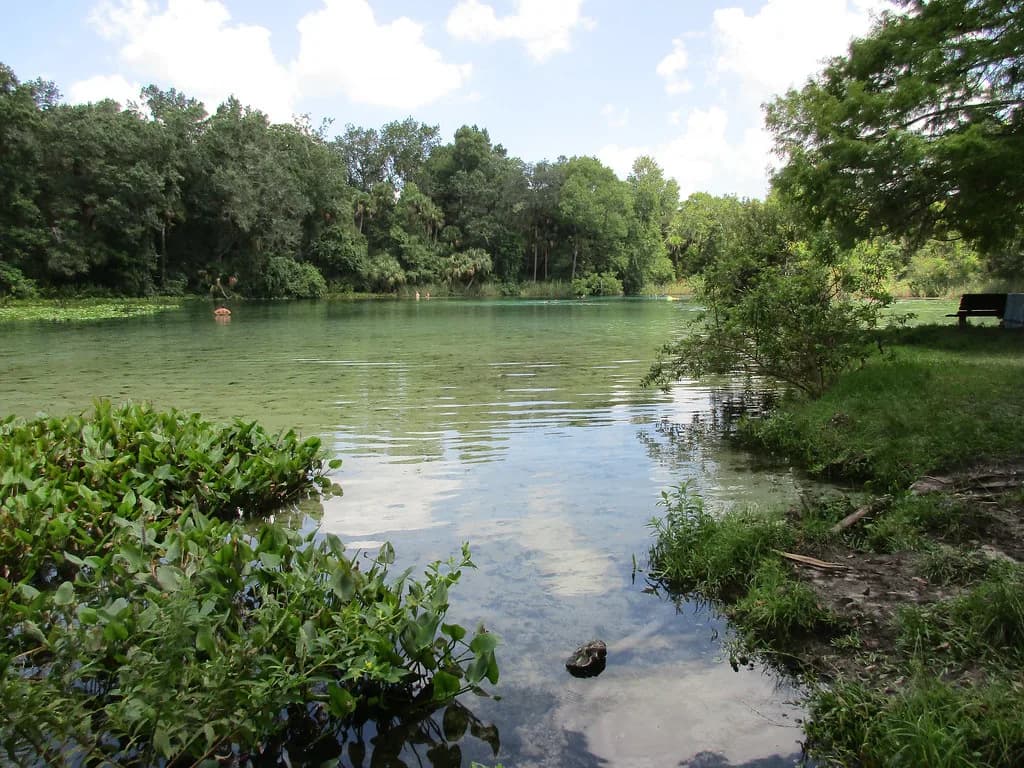
Three Sisters Springs and the surrounding springs are the anchor points most trips work around, with boats staging nearby so snorkelers can float over shallow spring floor rather than deep open water. Expect a national wildlife refuge context: the land and water here are managed for the animals first. That shapes everything from where boats idle to how close you may drift.
How a Manatee Snorkel Trip Actually Runs
A typical outing starts at the dive operator's dock, where you check in, get fitted for a mask, snorkel and wetsuit, and watch a briefing on manatee etiquette and local waterways. You then ride out by boat for a short run to a spring, slip in from the boat or a dock ladder, and float with a guide who positions the group and watches for animals. Some shops offer semi-private departures with smaller groups, which means less jostling in the water.
In-water time is spent hovering at the surface with your face down, not diving. Guides direct you to hold still and let a manatee approach; the best encounters happen when a curious animal swims over on its own. If you want a quieter format, small-group trips keep the boat and the water less crowded.
Getting In the Water: Boat, Dock, and Shallow Spring Entry
Entry is the easy part of manatee snorkeling. Most trips put you in from the boat's swim platform or a set of steps, so there is no surf, no shore break and no rock scramble. Springs are shallow and calm, which is why beginners and kids who can swim comfortably do well here; you float, breathe through a snorkel and look down.
The spring floor is close enough to see clearly, and you should keep fins off the bottom and your body horizontal so you do not kick up silt or stir the sandy bed. Settle at the surface, keep your hands to yourself, and let the guide manage spacing between snorkelers and animals. If you are new to the water, ask the crew about flotation gear when you arrive.
What You Will See, and Where in the Water Column
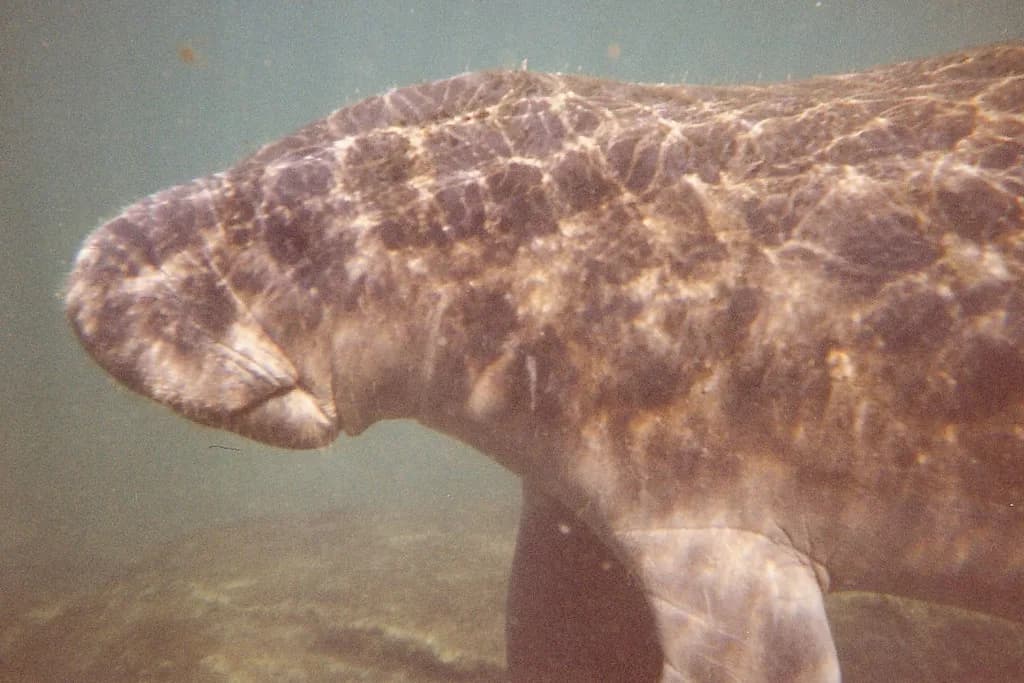
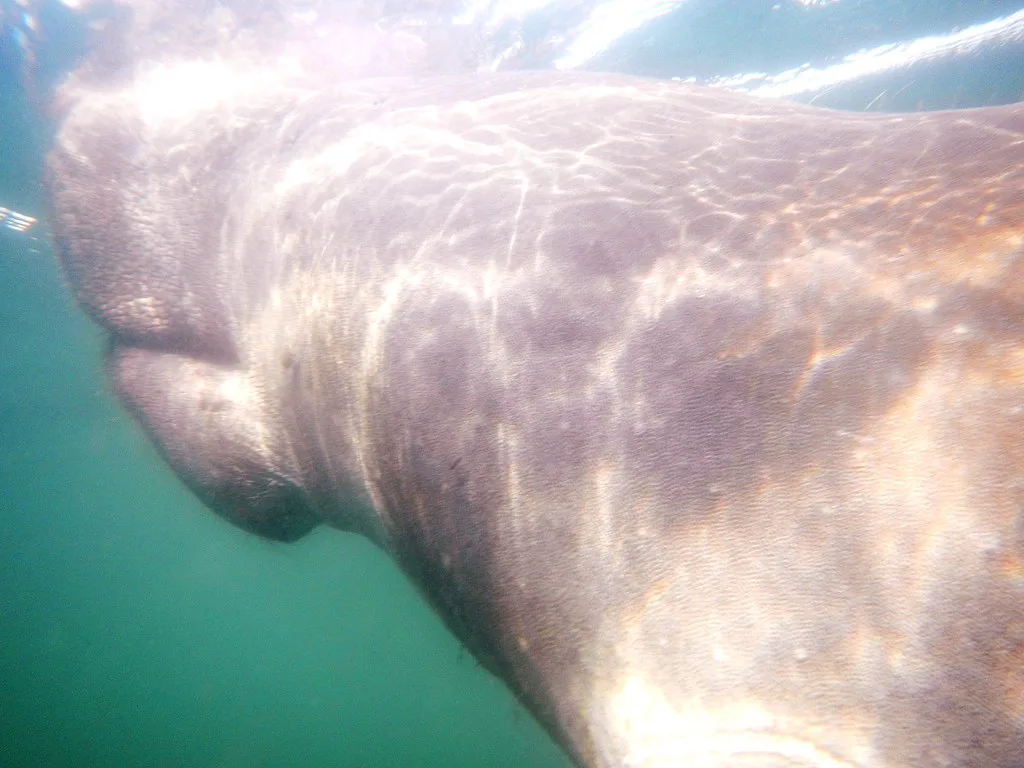
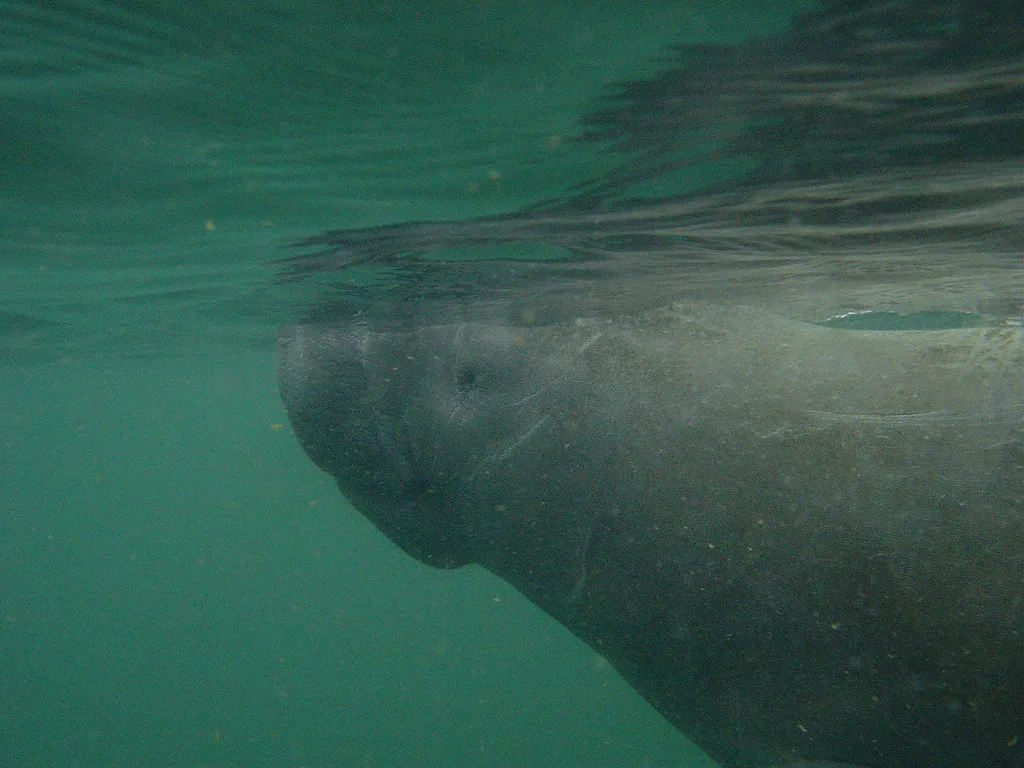
Manatees feed, rest and surface to breathe, so you will watch for a broad back or a snout breaking the surface, then look down to see the animal grazing or sleeping on the spring floor. Snorkelers also see schools of mullet and other spring residents, and occasionally turtles or rays. Use a Florida reef fish identification guide to name what passes below you.
Spring water is clearest when you look along the surface rather than straight down, and manatees often rest in the shallows near vegetation. Keep your distance and observe from above; animals that are sleeping or nursing should be left completely alone. No sighting is guaranteed, and a quiet, patient group usually sees more than a splashing one.
Best Time of Year and Best Time of Day
Winter is when manatees crowd the springs for warmth, so cold snaps bring the highest concentrations and the busiest boats. Summer disperses animals into the river and out toward the Gulf, so encounters are less predictable but the water is warmer and trips are calmer. Visit Florida's manatee snorkeling page notes how seasonal cold pushes animals into spring water.
Mornings are the standard choice: boats launch early, the light is soft, and animals that have rested overnight are often still settled in the springs before boat traffic builds. Book the first departure you can and plan to be on the water rather than in the parking lot. Ask your operator which months and departures they run and how far ahead to reserve.
Skill Level and Who the Trip Suits
This is among the most beginner-friendly snorkeling in Florida because there is no surf, no current to fight at the surface and no long swim from shore. If you can float face-down, breathe through a snorkel and follow a guide, you are suited. Families with children old enough to stay calm in the water do well; very young children and anyone uncomfortable in deep water should discuss it with the dive shop first.
Strong swimmers sometimes find the pace slow, but that is the point. Passive floating is the skill that keeps encounters legal and low-impact, and a relaxed body in the water is what manatees tolerate. For other Gulf Coast entries that reward more active swimming, see snorkeling florida gulf coast.
Manatee Viewing Rules You Will Be Briefed On
Federal and state rules protect manatees, and the briefing will spell them out: do not touch, feed, chase, ride, block or surround an animal, and give a resting or nursing manatee plenty of room. Passive observation means the manatee chooses the distance. Sanctuaries and seasonal no-entry zones can restrict where boats and snorkelers go, so ask your captain about the current boundaries during your briefing.
Keep your hands and fins away from animals, stay at the surface, and never separate a calf from its mother. These are the same principles that apply across Florida waters, and they matter far more than any photograph. If an animal approaches you, hold still and let it pass rather than reaching out.
Hazards and Posted Advisories
Spring water is cold, even in summer, so a wetsuit or rash guard keeps you comfortable and lets you stay in longer. Boat traffic is the main hazard in the river channels, and your guide will keep the group close and visible. Jellyfish are uncommon in the springs but can appear in river sections; know what a sting looks like before you go with this guide to jellyfish in florida.
Do not stand on the spring bottom, and do not swim through vegetation where an animal may be resting. Stay with the boat and the guide, keep a buddy in sight, and surface to check your position regularly. If cold water or fatigue sets in, tell the guide and get out rather than toughing it out.
Gear You Need and What Operators Provide
Most manatee trips supply mask, snorkel, fins and a wetsuit, so you can travel light; ask the shop exactly what a standard package includes before you book.
If you bring your own mask, fit it by pressing it gently to your face without the strap and checking that it seals; a proper seal is what keeps water out and lets you float calmly. A rash guard or wetsuit adds warmth in cold spring water, and a snorkel with a simple open tube is easier to clear than a complex valve for most beginners. Fins help you hover without kicking up silt.
Tours and Pricing You Will See
Prices vary by shop, group size, season and what is included, and they change, so read the current rate on the company's booking page rather than relying on a figure quoted elsewhere. Fun 2 Dive publishes its public and semi-private manatee snorkel formats and current rates, and Snorkel With Manatees lists small-group trips from a stated per-person price that should be checked at booking.
Compare what is bundled: gear, wetsuit, hot drinks, photos and trip length all affect the value. Ask whether the boat goes out in rain, how many snorkelers share a guide, and what happens if no manatees are seen. Book early in peak winter, when cold snaps draw both animals and visitors.
Nearby Springs to Combine With a Manatee Trip
Homosassa Springs lies just south of Crystal River and is another spring-fed manatee area, so it pairs naturally with a Crystal River trip if you are staying a couple of days. The wider region holds several spring runs and state parks worth a half-day each, and the Florida state parks system publishes which springs allow swimming.
If you plan to continue south, the Florida Keys offer a completely different kind of snorkel day: boat trips to offshore reef instead of shallow springs. This snorkeling guide explains how the two styles compare and why many travelers do both on one Florida trip.
Other Florida Manatee Snorkel Options
Crystal River is the hub, but manatee encounters also happen in river and coastal water elsewhere along Florida's Gulf Coast, where animals move seasonally. Warm-water discharges near power plants and spring runs can draw manatees in winter, and local dive shops run trips in some of those areas. South of here, the Gulf coast around Sarasota also draws snorkelers, so it's worth reading up on snorkeling in Sarasota if you're continuing down the coast. Ask each dive shop what species and water type you will actually be in before booking.
Outside manatee season, Florida's reef snorkeling takes over: boat trips from the Keys reach coral reef and wrecks, and beach entries work along parts of the Gulf and Atlantic coasts. For a full menu of sites, work through the Florida Keys section of this Florida snorkeling roundup.
Plan Your Manatee Snorkel Day
Pick your month on purpose: winter for concentrated animals and busier boats, summer for warmer water and quieter trips. Book the earliest departure you can, travel light because gear is usually provided, and spend your briefing time learning the distance rules rather than shooting photos.
Confirm current rates, departure times and sanctuary boundaries with the operator before you pay, and check marine weather the morning of your trip. A calm, still snorkeler who lets a manatee choose the encounter is the one who gets the best morning in the springs.
Frequently Asked Questions
Where is the best place to snorkel with manatees?
Crystal River on Florida's Gulf Coast is the hub, because its spring-fed waterways give manatees warm water and let snorkelers float over shallow spring floor close to shore. Guided trips run from local docks out to Kings Bay and nearby springs.
Do you need a tour to snorkel with manatees in Florida?
In practice, yes. Manatee encounters happen in spring runs and river channels best reached by boat with a guide who knows the current sanctuary boundaries and positions the group correctly. Operators supply gear and the required briefing.
What is the best month to see manatees in Florida?
Winter, when cold Gulf water pushes manatees into the warmer springs, brings the highest concentrations. Summer disperses them into the river and out toward the Gulf, so encounters are less predictable but trips are calmer.
Can you touch or feed manatees?
No. Federal and state rules require passive observation: no touching, feeding, chasing, blocking or surrounding animals, and extra distance for resting or nursing manatees. Guides brief every group before entry.
What gear do you need for a manatee snorkel trip?
Most trips provide mask, snorkel, fins and a wetsuit. Bring a swimsuit, a towel and sun protection, and confirm what your operator includes. A well-fitted mask that seals is the piece that matters most.
Sources
Snorkeling notes for your next trip
Optional updates to our snorkeling guides.
You might also like
Continue reading
More guides you'll find useful