Snorkeling Florida Gulf Coast: Best Reefs and Entry Points
Snorkeling the Florida Gulf Coast means inshore artificial reefs, sound-side calm water and boat trips. Learn entry points, depths, hazards and timing.
On this page
The Gulf Coast rewards snorkelers who like a short swim from the beach over a long boat ride. Around Pensacola Beach and Perdido Key, several snorkel reefs sit close enough to shore that you can wade in, line up a landmark and swim out to structure in roughly ten feet of water. That geometry makes this coast a realistic first step for families and newer snorkelers, provided you pick your side of the peninsula with the day's wind in mind.
This is not the barrier reef experience of the Florida Keys, where the best coral sits miles offshore and nearly all access is by boat. Gulf Coast snorkeling centers on artificial modules and patch structure in open sand, so you plan around entry points, swim distances and surface conditions rather than a boat schedule. The guide below works through the published reef layouts, then covers timing, hazards, gear and the calm-water alternatives nearby.
Why the Gulf Coast Suits Beginners
Shallow inshore structure is the main draw. The Perdido Key modules sit in around ten feet of water, and the Park East reef off Pensacola Beach uses about a dozen cylinders at a similar depth, which keeps a snorkeler within easy surface intervals and in sight of the beach. Beginners can practice mask clearing and finning over sand before committing to the structure itself.
The sheltered sound side adds a second option when the Gulf is choppy. Park West sits on Santa Rosa Sound, where the fetch is shorter and the beach is easy to walk, so a windy Gulf day does not have to end the trip. Treat the sound as the calmer choice in a building sea breeze and the Gulf reefs as the target on light-wind mornings.
If you are building a wider trip, the same planning logic applies across the state, and this guide to snorkeling in florida pairs the Gulf spots with Atlantic and Keys options. Keep expectations calibrated: Gulf Coast snorkeling is about easy access and reef fish around structure, not sprawling coral formations.
How Gulf Coast Snorkeling Differs From the Keys
The Florida Keys have the only tropical coral reefs in the contiguous United States, and the healthiest sections lie one to eight miles offshore, which is why almost all Keys snorkeling happens from a boat. Gulf Coast snorkeling inverts that: the structure is inshore, the swim is short, and you go on your own schedule from a beach access.
The trade-off is scale. Artificial modules and patch reef attract fish but do not offer the relief or coral cover of a mature offshore reef, and visibility is driven by surf and runoff rather than clear ocean current. If coral is the priority, plan a Keys boat trip; if you want a simple swim from the sand with kids in tow, the Gulf wins on logistics.
Water temperature also shapes the season differently. The Keys stay in the low 80s from May through October, while Gulf water cools more sharply in winter, so a rash guard or thin wetsuit earns its place earlier in the year on the Panhandle. Pack layers rather than assuming a single swimsuit day.
Pensacola Beach: Three Snorkel Reefs
Pensacola Beach has three published snorkel reefs, split between the sound and the Gulf. Park West is the sound-side site, with ample parking and a beach that works for a picnic after the swim; Park East is on the Gulf side and holds about a dozen cylinders at roughly ten feet of depth.
The third site, at Casino Beach, was built in summer 2020 and sits about 600 to 700 feet offshore, making it the longest swim of the three. Distance is the deciding factor here: Park East and Park West shorten the surface swim, while Casino Beach suits stronger swimmers or anyone towing a float with gear.
Pair the reefs with the beach infrastructure rather than treating them as a separate excursion. Casino Beach has its own address and beach facilities, and Park West gives you a calmer sound-side base, so a family can split the day between one reef and shore time without moving the car twice.
Perdido Key: Access #1 and the Range Markers
The Perdido Key reef lies straight out from Beach Access #1. Two range markers at the end of the walkway let you line up with the modules before you enter the water, which is the simplest navigation cue on this stretch of coast; sight them from the sand, then keep that line as you swim.
The swim is short by Gulf standards: the modules sit approximately 300 feet from shore in around ten feet of water. That puts the reef within reach of a cautious beginner on a calm day, but it still crosses open sand where boat traffic and current matter, so swim with a buddy and surface often to re-sight the range markers.
Getting In: Sand Entries and the Swim Out
All four Pensacola-area reefs are shore-access sites, so entry is a walk across sand into shallow water rather than a ladder or a boat transom. Put your fins on in ankle-deep water and walk backward until you have depth, then swim on the surface to the structure instead of ducking early over sand.
Watch the shorebreak on the Gulf side at Park East, Casino Beach and Perdido Key, where a shore pound can strip a mask or push you sideways on entry. The sound side at Park West is the gentler option, and the shorter swim at Park East or Perdido Key keeps you closer to the beach if conditions start building.
Carry your gear inflated or clipped rather than wearing everything into the surf zone. A surface marker or diver-down flag on a float keeps you visible during the crossing and gives you something to rest on between looks at the reef.
What You Will See Around the Modules
Expect reef fish to concentrate on and around the structure, with the sandy flats between modules holding much less life. Sighting is best when you hover a few feet off one module, look into the shadowed side and then drift slowly to the next, rather than sprinting across open sand.
Name what you see on the surface and it becomes easier to learn the fish. A reef fish identification reference, such as this florida reef fish identification guide, helps you sort the common Panhandle species from the occasional visitor before you get in the water. Never chase, touch or feed anything you find.
Because the structure is artificial, the interesting viewing is concentrated and vertical, so slow passes beat long transects. Look underneath and inside the modules as well as at their sunlit faces, and keep your fins off the surfaces so growth is not scraped away.
Skill Level and Who It Suits
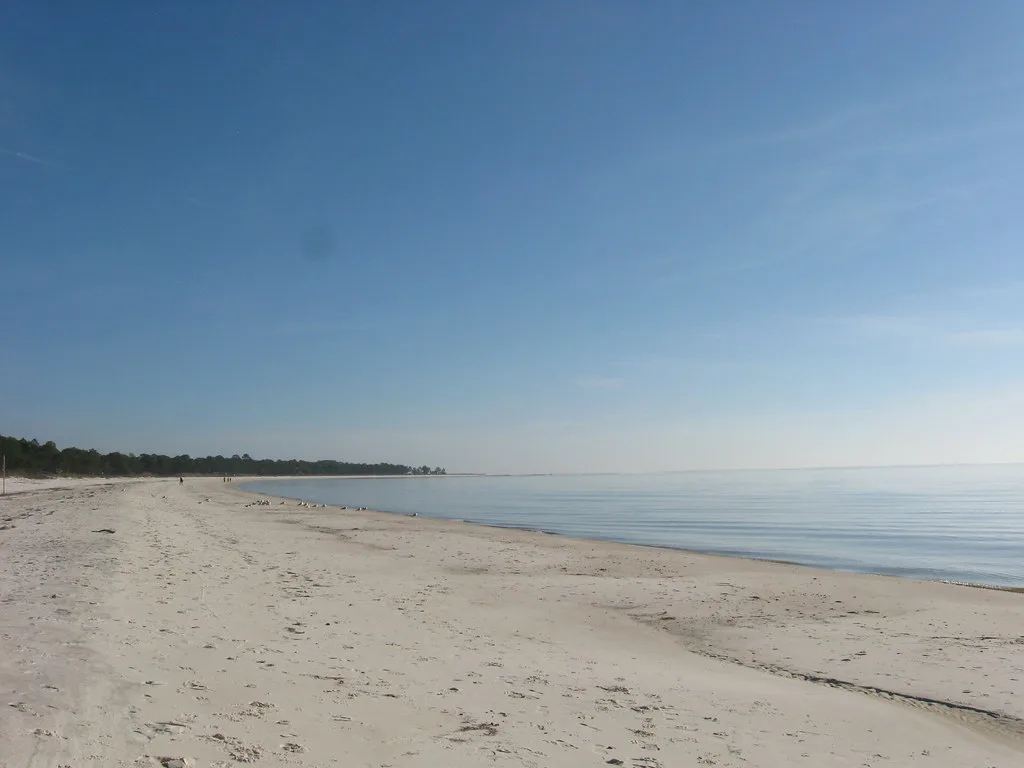
Beginners and confident kids fit the Park West and Park East reefs best: shallow water, a short swim and a beach you can stand up on within sight of your towel. The 600-to-700-foot crossing at Casino Beach and the 300-foot swim at Perdido Key demand more comfort in open water, so save those for swimmers who can sustain a steady surface pace.
Families should think about one adult per child in the water and rotate so someone stays dry with the gear. Because entry is from the sand, there is no boat ladder to manage, which is the main reason this coast works for first-timers; the open-water crossings are the part to size up honestly.
Anyone new to the sport should practice the basics in the shallows near the access before heading to the modules. Mask clearing, finning and calm breathing in two feet of water translate directly to a better reef swim.
Best Time of Day and Season
Mornings give you the lightest winds and the flattest surf before the afternoon sea breeze builds. That window matters most at Casino Beach, where the longer swim leaves less margin if the Gulf turns choppy. On a windy forecast, shift to Park West on the sound and keep the day intact.
Seasonally, water temperatures in the Keys stay in the 80s from May through October, and the Gulf side generally follows the warmer months later into autumn. Winter swims on the Panhandle demand more thermal protection, and Gulf surf is more likely to interrupt the day, so build flexibility into the plan.
Jellyfish blooms can make late-summer snorkeling unpleasant, and the Keys crowd tracks them mainly in August and September, which is a useful reminder to watch the Gulf forecast in the same months. This jellyfish florida guide explains how the seasons play out along the coast.
Hazards: Flags, Currents and Boat Traffic
No lifeguards are stationed at the snorkeling reefs, so you and your buddy are the safety system; check the flag colors before you leave the sand. Rip currents, boat traffic and marine life all appear in the published water-safety guidance, and the flag conditions are posted online by Pensacola Beach Lifeguards.
A diver-down flag is required, even when you are only snorkeling, so plan to tow one on a float during the swim out. That flag announces your position to boaters and is the single piece of equipment most often left in the car.
Boat traffic deserves attention at the Gulf reefs and the Casino Beach crossing, where the swim is long and you are at the surface for several minutes. Cross directly and decisively, keep the float high, and split up if your group swims at different speeds so no one is left alone mid-crossing.
Parking, Facilities and Rentals
Park West is the easiest of the group for a car full of gear, since the published description notes plenty of parking along with a good beach for the rest of the day. Park East and Casino Beach each have their own access points and directions listed for planning, and Casino Beach carries a street address for the navigation app.
Three dive shops in the greater Pensacola area are listed for snorkel gear rentals, including masks, fins and snorkels: MBT Divers and Viking Diving on Barrancas Avenue and Dive Pros on Highway 98 West. Ring ahead to confirm sizes and availability on the day you need them.
If you want a boat trip instead of a beach swim, operator listings include Frisky Boat Tours and Jolly Sailing and Dolphin Cruise, both with Pensacola Beach addresses. Book these as a complement to shore snorkeling, not a replacement; they offer a different angle on the water and a break from the surf zone.
Rules and Reef Etiquette
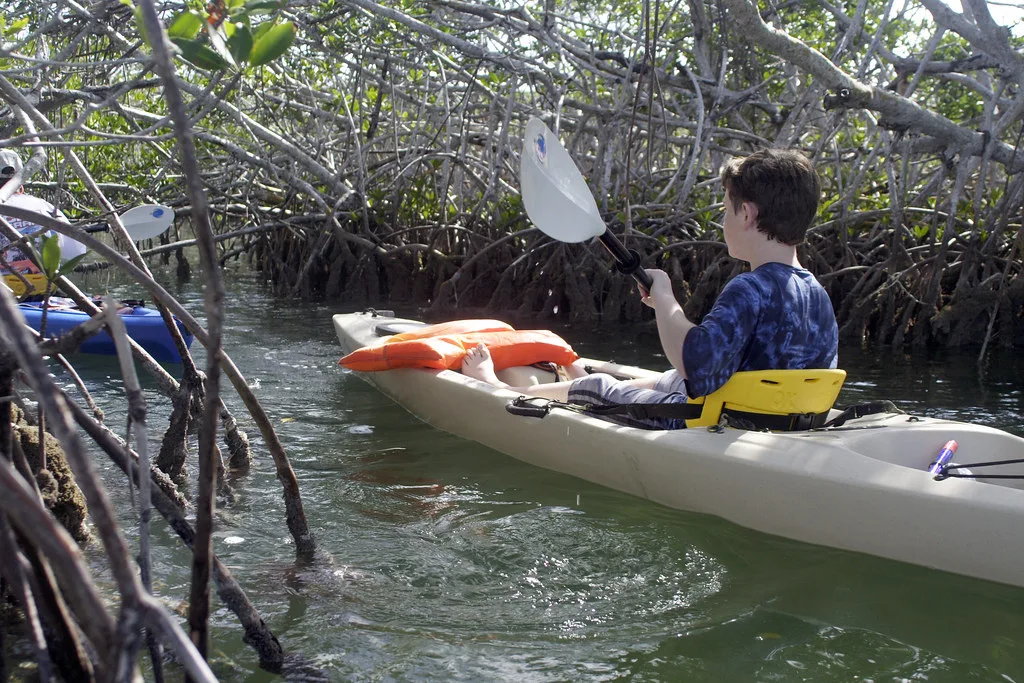
Treat every module as a living surface. Keep fins and hands clear of growth, never stand on the structure to rest, and use your float for a breather instead. Feeding fish changes behavior and pulls species off the reef, so leave snacks on the beach.
Reef-safe sunscreen matters on this coast because you are swimming directly over the structure. Choose a product without oxybenzone or octinoxate, and pair it with a rash guard so you reapply less over the water. Persistence is the rule: slow movements keep fish around, and zero contact keeps the modules productive.
Marine mammals and turtles deserve distance. If something surfaces near you, stop, hold your position and let it move off first. Do not swim toward, follow or encircle any animal, and keep the reef corridor clear for the next snorkeler.
Nearby Combos: Sound-Side Water and Boat Trips
Build a two-part day by swimming Park West in the morning, then taking a boat tour in the afternoon, or the reverse. The sound side gives you easy entry and facilities, while the Gulf reefs and the boat operators add open-water variety without a second long drive.
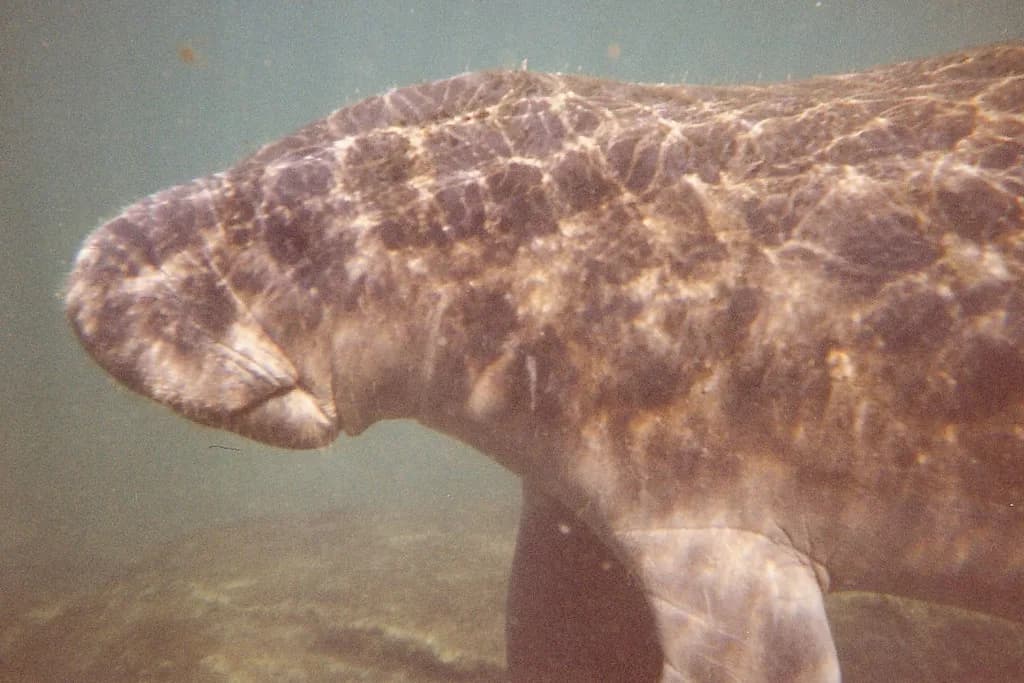
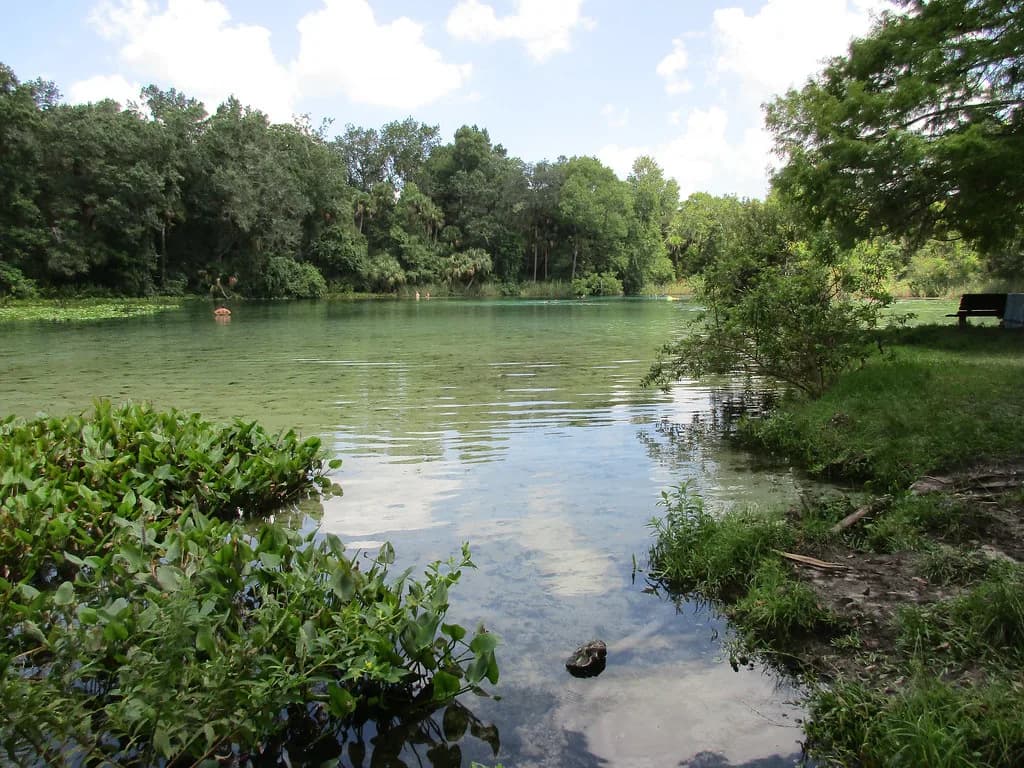
Inland, Florida's spring runs offer a completely different snorkel: clear, cool water and manatee habitat. This guide to Snorkeling With Manatees in Florida explains the Crystal River rules for watching animals without disturbing them, which makes a useful contrast with the Gulf's open-water etiquette. For a broader shortlist of clear-water sites, see these Florida springs snorkel spots.
Other Gulf Coast Options: St. Joseph Bay and the Panhandle Bays
St. Joseph Bay on the Forgotten Coast is the standout alternative, a shallow, sheltered bay where seagrass and clear water make snorkeling manageable on days when the open Gulf is rough.
Shallow Panhandle bays generally trade reef relief for calm water and easy access, which is exactly the trade you want with kids or on a breezy day. Think of the bay systems as your fallback plan and the Pensacola reefs as the plan you build the trip around.
Planning a Gulf Coast Snorkel Day
Pack a mask that seals, open-heel fins, a rash guard, a diver-down flag on a float and a dry bag for the walk out. Bring water and shade, since the Gulf-side accesses offer little relief from the sun at midday and the swim back is longer than it looks.
Choose the reef for the day's wind: Park West for calm sound-side water, Park East for the shortest Gulf swim, Casino Beach or Perdido Key when the group can handle a longer surface crossing. Never snorkel alone, and set a turnaround time before you get in so the day does not stretch past the afternoon breeze.
Plan Your Gulf Coast Snorkel
The Florida Gulf Coast is the easiest place in the state to snorkel from the sand: shallow modules, short swims and a calm sound-side option when the Gulf kicks up. Build the day around one reef, match it to the wind, and carry the diver-down flag you are required to tow.
Start with Park East or Park West for a first outing, graduate to Perdido Key or Casino Beach once your surface swimming is steady, and pair the trip with a boat tour or a bay day for variety. The gear shops and operator listings give you the logistics; the reef supplies the fish.
Frequently Asked Questions
Can you snorkel from the beach on the Florida Gulf Coast?
Yes. The Pensacola Beach and Perdido Key reefs are all shore-access sites, so you wade in from the sand and swim to the structure rather than booking a boat. Distances range from about 300 feet at Perdido Key to roughly 600 to 700 feet at Casino Beach.
How far out are the Pensacola Beach snorkel reefs?
Park East holds about a dozen cylinders at roughly ten feet of depth, Park West sits on the calmer sound side, and the Casino Beach reef was built in 2020 about 600 to 700 feet offshore. Perdido Key's modules lie approximately 300 feet from the shore.
Do you need a dive flag while snorkeling in Florida?
Yes. A diver-down flag is required in Florida even for snorkelers, so tow one on a float during the swim out and back. It marks your position for boaters at the surface, where you are hardest to see.
Are there lifeguards at the Pensacola snorkeling reefs?
No lifeguards are present at the snorkeling reefs. Flag conditions are posted online by Pensacola Beach Lifeguards, so read them before you leave the sand, swim with a buddy, and plan your exit before the afternoon breeze builds.
Is the sound side or Gulf side better for snorkeling?
Park West on Santa Rosa Sound is the calmer, easier entry, which makes it the better choice on windy days or with kids. The Gulf-side reefs at Park East, Casino Beach and Perdido Key offer more open water and require a steadier surface swim.
What is the best time of year to snorkel the Florida Gulf Coast?
Warmer water from late spring through autumn makes the swims comfortable, and mornings are usually the calmest part of the day. Winter Gulf surf interrupts the reefs more often, and late-summer jellyfish blooms make a look at the forecast worthwhile.
Can beginners and kids snorkel the Gulf Coast reefs?
Beginners and confident kids do best at Park East and Park West, where the water is shallow and the swim is short. Save the longer crossings at Casino Beach and Perdido Key for swimmers who can hold a steady pace at the surface.
Where can you rent snorkel gear in Pensacola?
Local dive shops, including MBT Divers, Dive Pros and Viking Diving, are listed for snorkel gear rentals in the Pensacola area. Call ahead to confirm the sizes and equipment you need for your group before you drive out to the beach.
Sources
Snorkeling notes for your next trip
Optional updates to our snorkeling guides.
You might also like
Continue reading
More guides you'll find useful