Maui Snorkeling Conditions: Best Time, Wind and Swell
Maui snorkeling conditions turn on light morning wind, small swell and clear water. Learn which coast to pick and how wind and swell change each bay.
On this page
Maui rewards snorkelers who plan around the weather rather than a fixed itinerary. The island's two snorkel coasts are close together but behave differently, and a bay that is glassy at dawn can be murky by early afternoon once the trade winds fill in. This guide is for anyone building a beach day from Kihei, Wailea, Ka'anapali or Kapalua, whether you are an experienced swimmer or a family with kids.
The practical rule is to snorkel early, choose the coast that faces away from the day's swell, and treat a daily report as a starting point rather than a promise. Around Kihei, guides point to mornings as the calmest window, when winds are usually lighter and visibility is often better before the afternoon breeze arrives.
Why Maui Conditions Differ by Coast
Maui's snorkel sites split into a south shore group and a west shore group, and each responds to a different set of swells. The south shore around Kihei, Wailea and Makena is sheltered from most winter north and west swell, which is why it stays diveable on days when West Maui bays are churning. West Maui is the reverse: its bays sit inside the lee of the island most of the year, but northwest swells in winter reach straight into Honolua and Slaughterhouse.
That geography explains why boat captains rarely commit to a single location in advance. Operators working out of Ka'anapali let the captain pick the day's snorkel site, choosing among Olowalu, Mala Wharf, Cliff House and Honolua based on conditions and visibility, and they publish that the northwest coast can see large winter swells with high surf, strong currents and poor visibility at Honolua and Slaughterhouse.
Best Time of Day: The Morning Window
The daily wind pattern is the single most useful thing to understand about Maui snorkeling conditions. Mornings typically bring lighter winds, and that means flatter water, less surface chop and better visibility before the trade winds build through the afternoon. An early start also beats the midday heat and the busiest parking lots.
Treat that pattern as a strong tendency, not a guarantee. A passing front can bring wind and rain at any hour, and a south swell can stir the water overnight. The reliable habit is to slot snorkeling into the first few hours of daylight and keep the afternoon for beach walks, food stops or a boat tour that runs later in the day.
Which Side to Pick When the Trade Winds Blow
When the trades are up, the south shore's lineup of beach parks gives you several entries within a short drive, so you can move until you find clean water. Kihei's shore snorkeling is concentrated around rocky points and protected coves, with the rocky ends of Kamaole III, the rocky areas at Charley Young and the rocky ends near Keawakapu listed as the local options. The Kihei guide frames these as spots for experienced ocean swimmers on calm mornings.
Facilities differ from park to park, and that shapes which entry suits your group. Kamaole I and III have lifeguards, restrooms, outdoor showers and picnic tables, while Charley Young and Keawakapu are listed without lifeguards and offer only portable toilets or showers. Kamaole III is the family pick for its grassy park space, and Kamaole I is the classic swimming and sunset beach.
West Shore Bays: Olowalu, Mala Wharf and Honolua
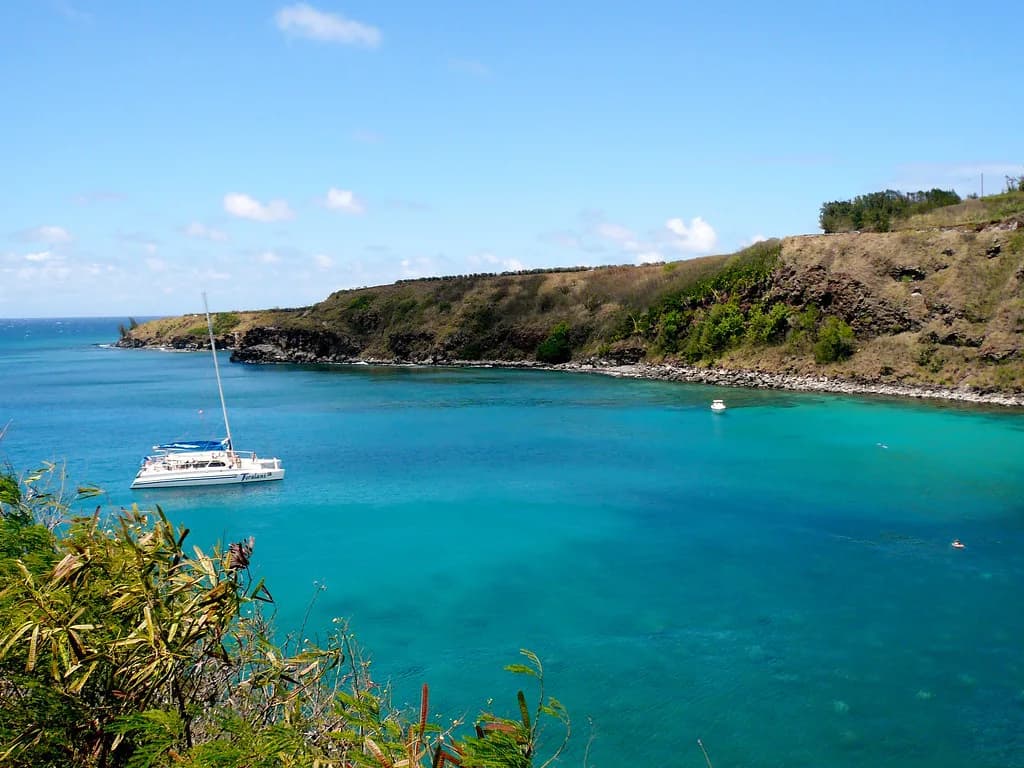
West Maui's snorkel sites each handle weather differently, and knowing their layout helps you judge a report. Olowalu is a long reef that operators describe as Maui's most pristine, with turtle cleaning stations, and it is best reached by boat. Mala Wharf, also called Mala Ramp, is a collapsed pier outside Lahaina that now functions as an artificial reef and draws turtles and fish. Honolua Bay, at the northwest end, holds turtles and coral near its moorings and is a boat destination for most visitors.
Winter is when the west shore becomes a judgment call. Northwest swells can bring high surf and poor visibility to Honolua and Slaughterhouse, and captains shift elsewhere when that happens. If you have your heart set on the northwest bays, check how the swell is running before you commit the day.
Rain, Runoff and Visibility
A passing storm affects snorkeling through runoff more than through rain itself. Water that sheets off roads, lawns and gullies carries sediment into the bays, and nearshore visibility can stay poor for a day or more after the rain stops, especially where a stream or drainage enters the water. Brown plumes at the shoreline are your cue to pick a different site or wait.
Storm runoff also carries bacteria, and water-quality advisories follow heavy rain in Hawaii. The Kihei guide's approach is to look for clear water, a manageable entry and exit, and no posted warnings or water-quality advisories before getting in, and to ask a lifeguard about the day's conditions where one is on duty.
Swell Direction and Season
Maui's swell calendar splits into two halves. Winter belongs to north and west swell, which lights up the famous North Shore surf breaks and roughens the northwest Maui bays. Summer brings south swell, which is smaller and less frequent but reaches the south-facing shoreline around Kihei, Wailea and Makena, the same coast that stays protected in winter.
For snorkeling, the useful habit is to match your coast to the swell direction. North and west swell pushes you toward the south shore, and south swell pushes you toward the lee of West Maui. When both are running, look for the most sheltered cove on either coast rather than a famous name.
Reading a Snorkel Report and Webcams
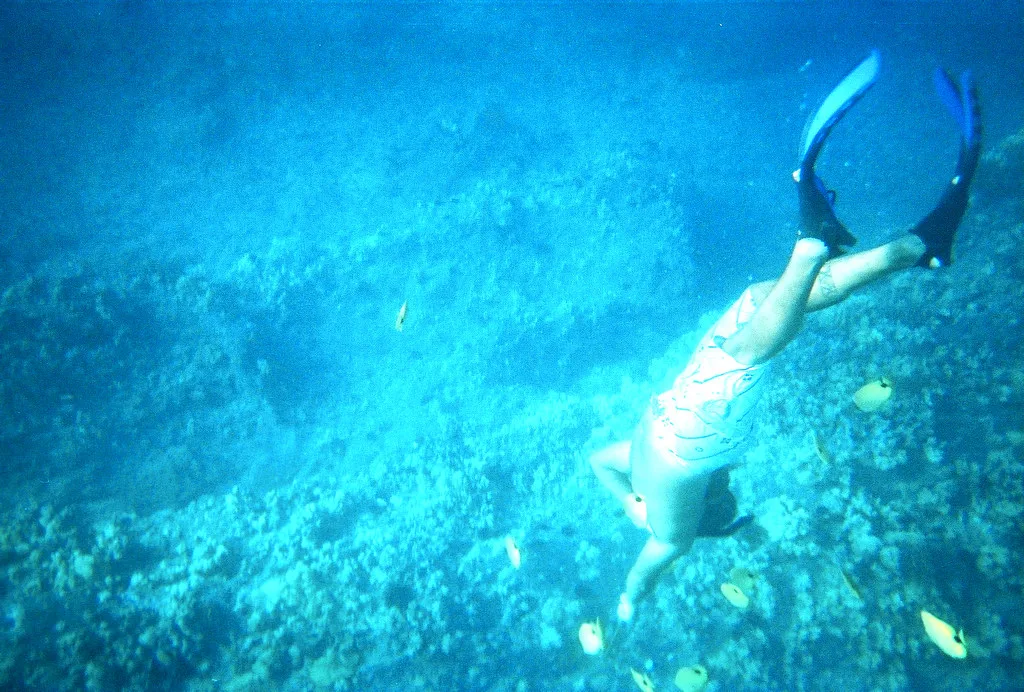
Daily snorkel reports and live beach webcams are the fastest way to narrow your options before a drive. A report gives you wind, swell and visibility for both coasts, and a webcam shows you the actual texture of the water at a specific beach. Read both together, because a report describes a region and a camera shows one bay. If you are island-hopping, the same habit works on the Big Island, where a big island snorkel report tracks wind and swell along the leeward coast.
Use the report to choose a coast, then use the camera to pick the beach. If the camera shows whitecaps or a brown band at the shore, move on. If it shows flat, blue-green water with visible reef structure, that is your entry for the morning.
Shore Entries That Hold Up in Mediocre Conditions
Some Maui shore entries are more forgiving than others when the water is less than perfect. Sheltered coves with sandy approaches and rocky points that break the chop give you calmer water than an open beach. On the south shore, the rocky ends of Kamaole III and Charley Young are the local picks for a calm morning, and Keawakapu's rocky ends near the Wailea border are another option for experienced swimmers.
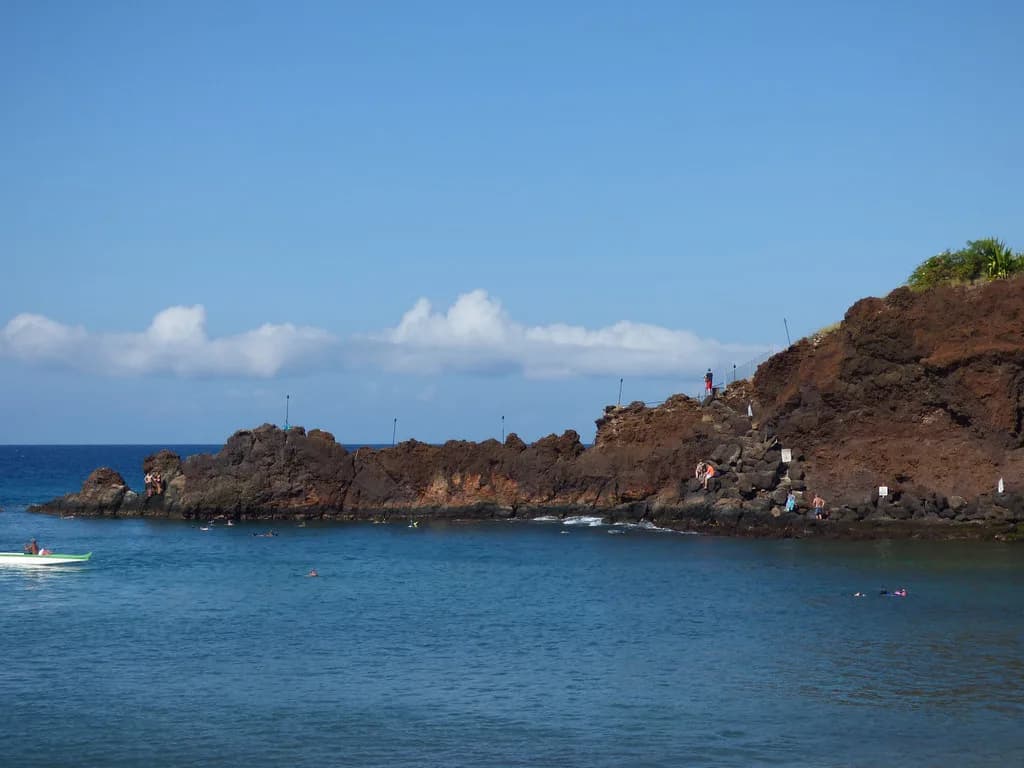
One entry deserves a specific warning. Black Rock is a popular shore snorkel, but tour boats do not moor there, and currents around the point make it dangerous when the water is moving. Save it for a genuinely calm day and stay aware of how the current is pushing you.
What to Look For at the Water's Edge
Before you put your mask on, spend a minute reading the water. Look for visible reef or rock through the surface, a sign of decent clarity, and watch the sets to see how far up the sand the waves run. A beach with dumping shorebreak is a bad snorkel entry even if the water beyond looks flat.
Watch the texture as well as the clarity. Long, glassy patches between ripples suggest lighter wind, while a surface covered in short chop means the trades have arrived. Check whether other swimmers are staying close to shore, and whether a lifeguard has posted any flag or sign.
Boat Trips as a Conditions Hedge
When the shore looks marginal, a boat trip is the practical hedge. Molokini Crater sits a few miles off the south shore as a partially submerged volcanic crater and a marine life sanctuary, and a boat gets you to clear offshore water without a long swim or a rocky entry. Departures from Ma'alaea Harbor are roughly a 15 to 25 minute drive from many Kihei accommodations.
The trade-off is cost and crowd. Molokini is one of Hawaii's most popular snorkel destinations, so boats arrive in waves, and the crater's deeper sections can be harder for children to read than a shallow beach reef. An early departure that reaches the crater first, or a beach-loading catamaran that skips the harbor drive, buys you a quieter window.
Book direct with the tour company and confirm the cancellation window when you reserve, because policies differ between companies. Most Kaanapali snorkel companies cancel for unsafe weather and offer a refund or a reschedule, and Ka'anapali tours run roughly 112 to 185 dollars per person before taxes and fees, so the morning slot you actually get matters.
Gear That Helps on a Choppy Day
A few pieces of gear make a choppy day far more comfortable. A well-fitted mask that seals without overtightening is the first priority, followed by fins that let you move through current without exhausting yourself. A flotation belt or vest helps less confident swimmers keep their face in the water while they rest.
Renting locally is a sensible option if you are flying in, and it also lets you swap sizes before you commit. Auntie Snorkel's Kihei shop sits across from Kamaole Beaches I and II and opens at 7:30 a.m. daily, with a Lahaina Cannery Mall location open from 8 a.m.
Hazards to Keep in Mind
Maui's common snorkel hazards are current, surf and boat traffic, and each shows up in a predictable place. Currents run strongest around points and headlands, surf breaks are obvious once you watch the sets, and boat traffic concentrates near harbors, ramps and moorings. The Kihei guide is direct about the skill required: shore snorkeling there is for experienced ocean swimmers who can swim independently and are comfortable in open water.
Motion sickness is worth planning for on boat trips, since even stable catamarans can roll in a swell. Beach-loading tours from Ka'anapali are not recommended for guests with mobility issues, because you wade through the surf and climb stairs to board; travelers with mobility concerns are steered toward harbor departures instead.
Hawaii Viewing Rules and Reef-Safe Sunscreen
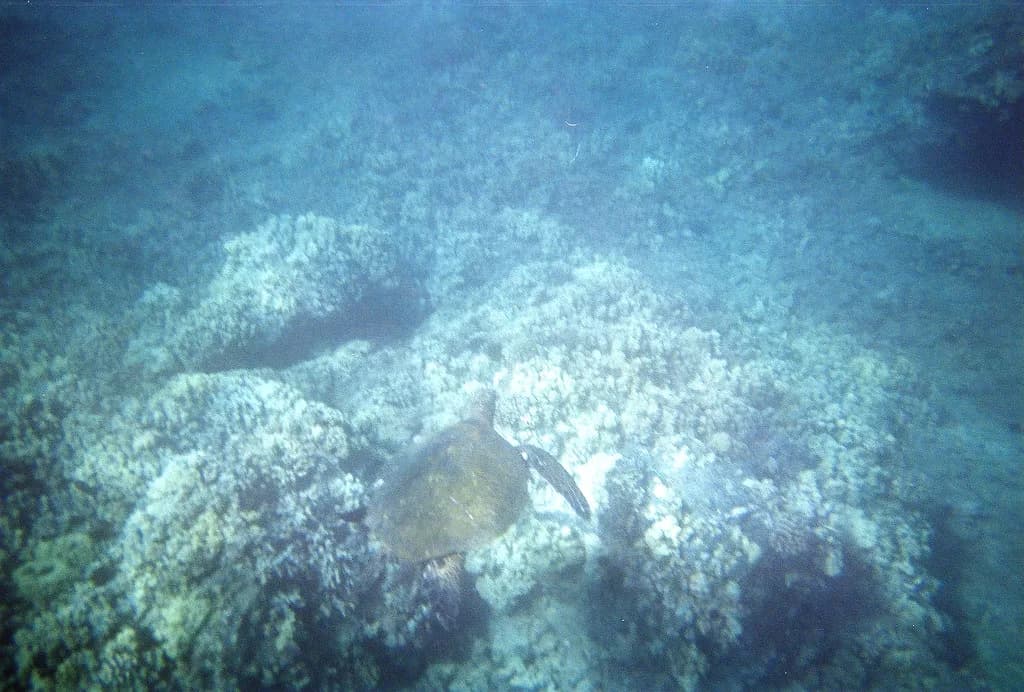
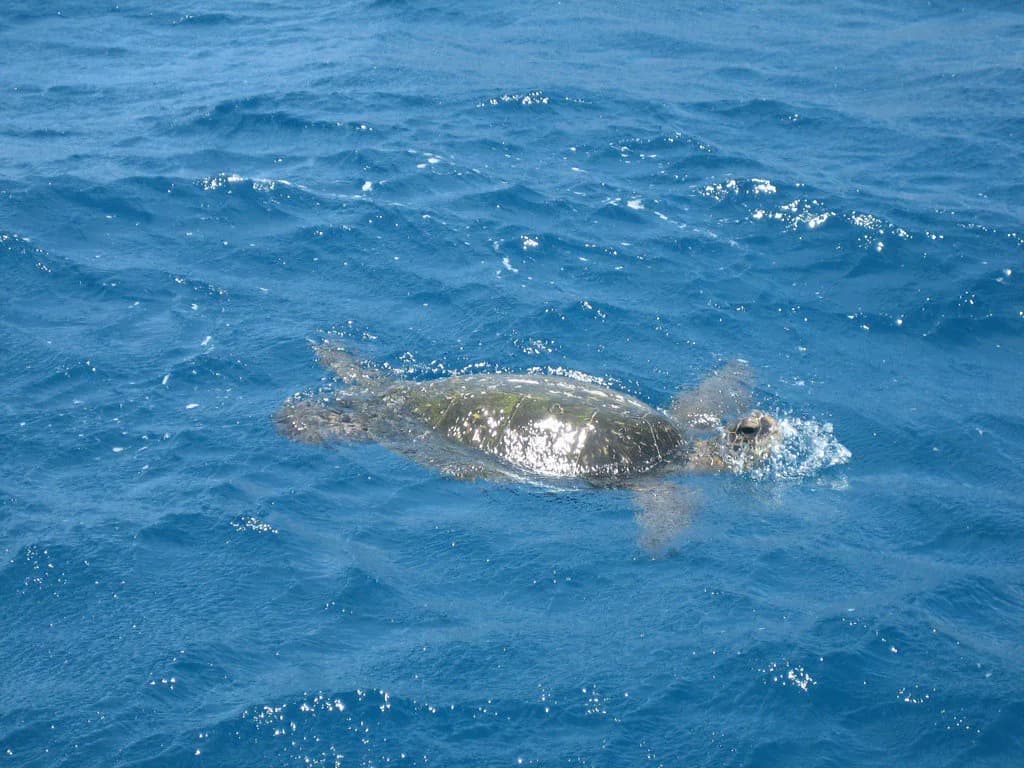
Hawaii protects its marine life with rules that apply to every snorkeler, whether you are on a tour or swimming from the beach. Swimming with dolphins is not allowed under NOAA rules, even though Hawaiian spinner dolphins frequent the water off Ka'anapali and may ride a boat's bow. The same principle covers sea turtles and monk seals: observe from a distance, and never touch, feed or chase an animal.
Reef-safe sunscreen is the other routine rule, since conventional formulas can damage coral. Maui rental shops stock mineral-based sunscreens, and the Kihei guide recommends choosing water activities around current conditions, posted warnings and your own ability.
Combining a Snorkel Morning With Nearby Beaches and Food
A morning snorkel pairs naturally with the rest of a south shore day. Start at the Kamaole parks or Keawakapu, then walk Sugar Beach for a long flat shoreline or stop at Kalepolepo to see the historic Ko'ie'ie fishpond from shore. Keep the fishpond walls off-limits and enjoy the view.
On the west side, a beach-loading catamaran from Ka'anapali drops you back near the resorts, which makes a late lunch easy without a drive. Beach parking at Whalers Village may be validated by the tour operator, while the small public lots along the beach road fill quickly.
Plan Around the Morning Window
The most reliable way to get clear water on Maui is to snorkel early, pick the coast that faces away from the swell, and be willing to change beaches. On light-wind mornings, the south shore's Kamaole parks and Keawakapu deliver easy entries and lifeguarded facilities, while a boat trip hedges your day when the shore turns choppy.
Build your day in that order, and check the daily report and a beach webcam before you drive out. If you want the full lineup of Maui spots and how each one fishes, currents and entries behave, the island guide lays out the details.
Frequently Asked Questions
What is the best time of day to snorkel on Maui?
Early morning is generally the calmest window. Trade winds usually build through the afternoon, adding chop and reducing visibility, so aim to be in the water in the first few hours after sunrise. Check the day's report and a beach webcam before you commit.
Which side of Maui has better snorkeling conditions?
It depends on the swell. The south shore around Kihei, Wailea and Makena is sheltered from most winter north and west swell, while West Maui bays can see large swells and poor visibility in winter. Match your coast to the day's swell direction rather than sticking to one side.
Does wind affect snorkeling visibility on Maui?
Yes. Lighter morning winds generally mean flatter water and clearer visibility, while afternoon trade winds stir the surface and can reduce how far you can see. A choppy surface also makes it harder to keep your mask clear and your breathing steady.
Is Molokini worth it when conditions are marginal?
Molokini can offer clearer offshore water than a rough beach, but it is a popular destination that gets crowded as boats arrive. If you go, choose a departure that reaches the crater early, and plan a second stop such as Turtle Town in case the crater is busy.
How do winter swells affect Honolua Bay and West Maui?
Northwest swells in winter can bring high surf, strong currents and poor visibility to Honolua and nearby Slaughterhouse. Operators respond by moving to more sheltered sites such as Olowalu or Mala Wharf, so a captain's-choice tour is a reasonable plan in winter.
Are there lifeguards at Maui snorkel beaches?
Some are staffed and some are not. Kamaole I and III in Kihei have lifeguards along with restrooms and showers, while Charley Young and Keawakapu are listed without lifeguard coverage. Know which one you are visiting before you swim.
What should I do after heavy rain on Maui?
Wait for nearshore visibility to recover and look for posted water-quality advisories before entering the water. Storm runoff can leave brown plumes at the shoreline and carry bacteria into the bays. A beach webcam or a look from the sand will tell you whether the water has cleared.
Can I swim with dolphins or turtles on Maui?
You can share the water with them, but not pursue them. Swimming with dolphins is not allowed under NOAA rules, and the same hands-off approach applies to sea turtles and monk seals. Keep your distance and let the animals choose the encounter.
Sources
Snorkeling notes for your next trip
Optional updates to our snorkeling guides.
You might also like
Continue reading
More guides you'll find useful