Maui Snorkeling for Beginners: Boat vs Shore Guide
Plan your first Maui snorkel with a clear look at boat tours versus shore entry, swimming requirements, water-entry skills, and marine life etiquette.
On this page
Maui is one of the easiest places in Hawaii to try snorkeling for the first time: the water is warm, mornings are often calm, and tour boats leave from central harbors with gear aboard. The catch is that "beginner-friendly" means different things on a boat and at a beach, and picking the wrong format is the most common way a first snorkel goes sideways. This guide separates those formats, sets out the swimming standard operators apply, and shows you how to choose a trip that matches your comfort in the water.
Why Maui Works for First-Time Snorkelers
Mornings on Maui typically bring the calmest surface water and clearest visibility, which is why most beginner-friendly trips head out early before the trade winds build. On the water, first-timers get an easy introduction to the reef without navigating surf zones or rocky entries. If you want the broad overview of sites and seasons before narrowing down a spot, start with this guide to snorkeling in Maui.
Boat Tour or Shore Entry: The Trade-off
Boat snorkelers enter the water from the vessel into depths where you cannot stand, then return via the boat's steps, ladder, or boarding area. Shore snorkeling is a separate activity with its own hazards: shorebreak, current, waves, rocks, and reef can make getting in and out the hardest part of the day. "Near shore" describes distance from the coastline, not shallow or calm water, so a beach entry is not automatically the gentler option.
The practical split: choose a boat if you want gear, instruction, and crew support in deep water, and choose a lifeguarded beach if you prefer to stand up whenever you like. Shore entries suit confident ocean swimmers who can read the shorebreak and time their exit. For beginners, the deciding factor is which entry you can manage calmly on a normal day, not which looks more adventurous in photos. The same boat-versus-shore decision shapes a first trip on other islands, so compare it with snorkeling in Oahu if you are planning more than one stop.
Molokini Crater and Turtle Town: The 5-Hour Morning Trip
The classic first-timer route pairs Molokini Crater with Turtle Town on a morning trip Maui Snorkeling publishes as running 7 AM to 12 PM, with breakfast and lunch aboard and a 25-foot waterslide at the end. Molokini is a partly submerged volcanic crater in the Alalakeiki Channel between Maui and Kahoʻolawe, and its half-circle shape shelters calmer water inside. The company's own materials describe more than 100 types of coral and around 250 fish species there, while Turtle Town is known for Hawaiian green sea turtles and the rarer hawksbill.
Book this trip if you want the fullest day on the water and a structure that keeps you busy: two snorkel stops, meals included, and a crew that briefs the site before entry. It suits capable swimmers who are comfortable in deep water but new to snorkel gear. The captain may change or skip a site when conditions are not suitable, so treat Molokini as the plan rather than a guarantee and read the molokini crater snorkeling breakdown before you commit.
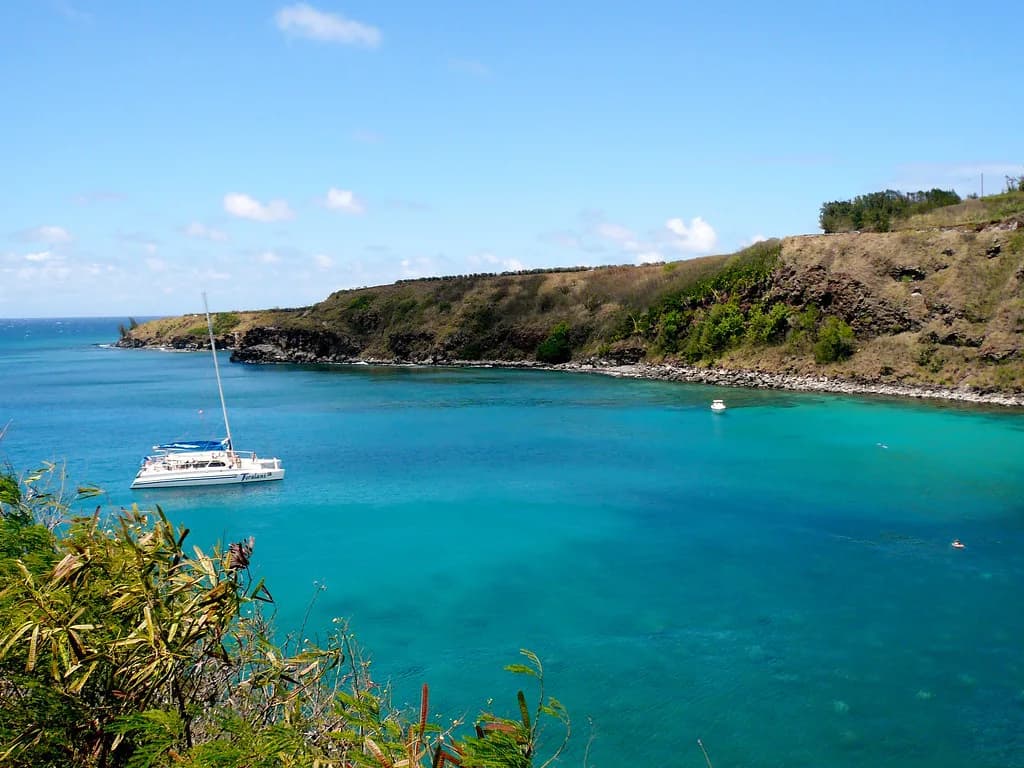
Tours depart from Maʻalaea Harbor, Slip 64, on central Maui between Lahaina and Wailea, which makes it a reasonable base from either the west or south side of the island. Arrive early enough to park and check in without rushing, since harbor traffic builds before morning departures. Maui Snorkeling runs this trip daily, and the date and departure details are confirmed directly when you book.
Coral Gardens Afternoon Tours: Shorter and Calmer Paced
The afternoon option runs 1 PM to 4 PM and typically visits Coral Gardens or another nearby reef, with lunch included and a shorter total time aboard. Coral Gardens sits near Olowalu and Lahaina beneath the West Maui Mountains and is described as Maui's largest reef, covering more than 100 acres of living coral. It is a good match for travelers who want an easier schedule, families with young children who need a midday rest first, or anyone prone to seasickness who prefers less time on the water.
Do not assume the afternoon is automatically easier: Maui Snorkeling notes that a near-shore site is not necessarily shallower or safer, and the captain still evaluates conditions on the day. On rare days the boat may visit Molokini for a snorkel-only stop with the waterslide stowed. If a shorter trip with a later start fits your group better, this is the format to price out.
How Far Out the Reef Is and How Deep It Gets
On boat snorkels from Maʻalaea, you enter from the vessel into water too deep to stand in and snorkel within a designated area the crew marks out during the briefing. At Molokini the reef rises along the inside of the crater, while at Turtle Town and Coral Gardens you follow rocky lava structure and coral heads rather than a single shallow flat. Ask the crew at the briefing which direction keeps you over the reef and which way leads toward deeper water, and stay inside the marked zone.
What You Will See on the Reef
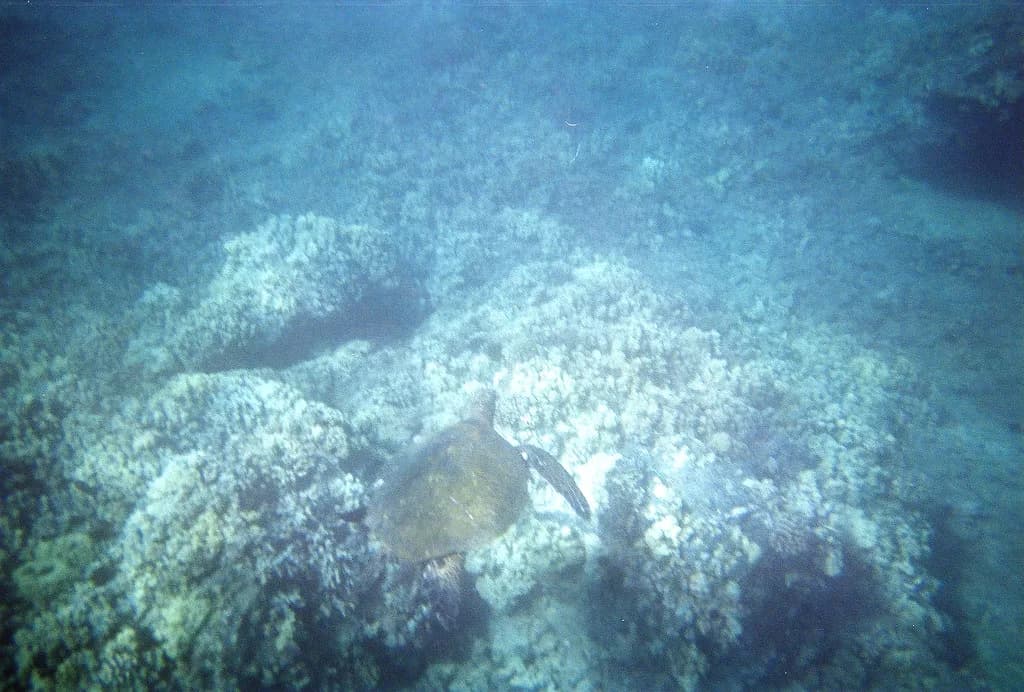
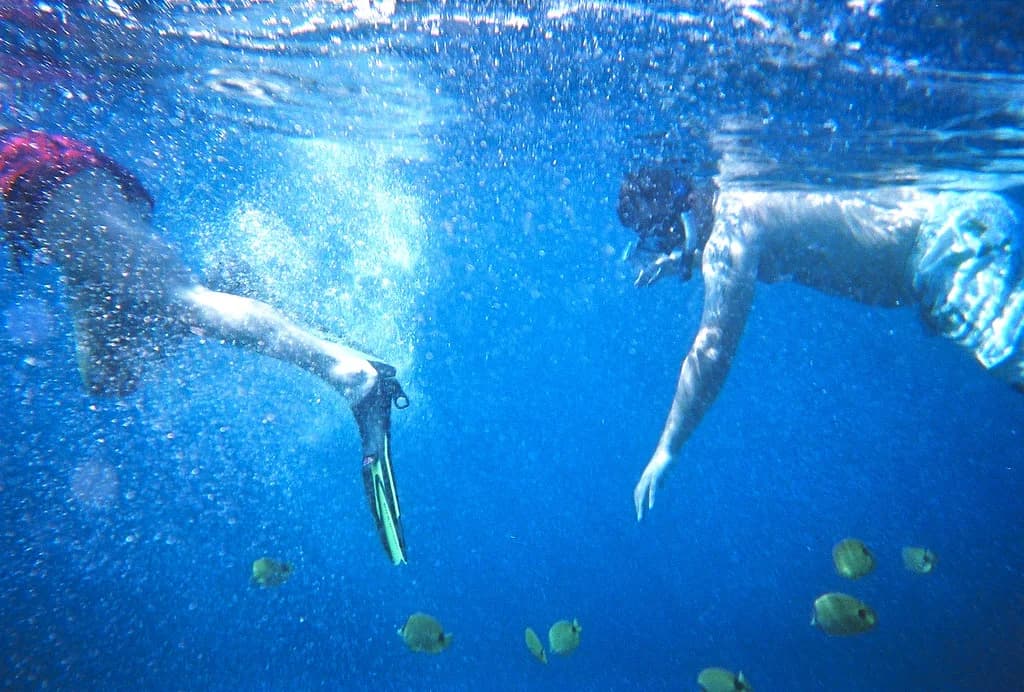
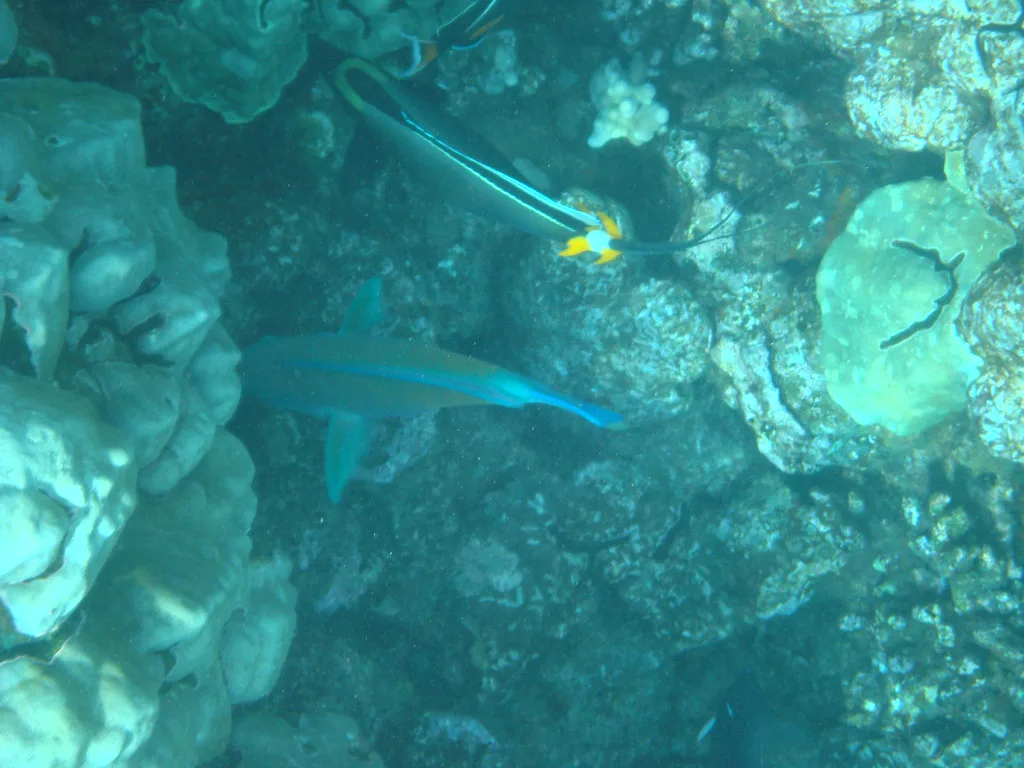
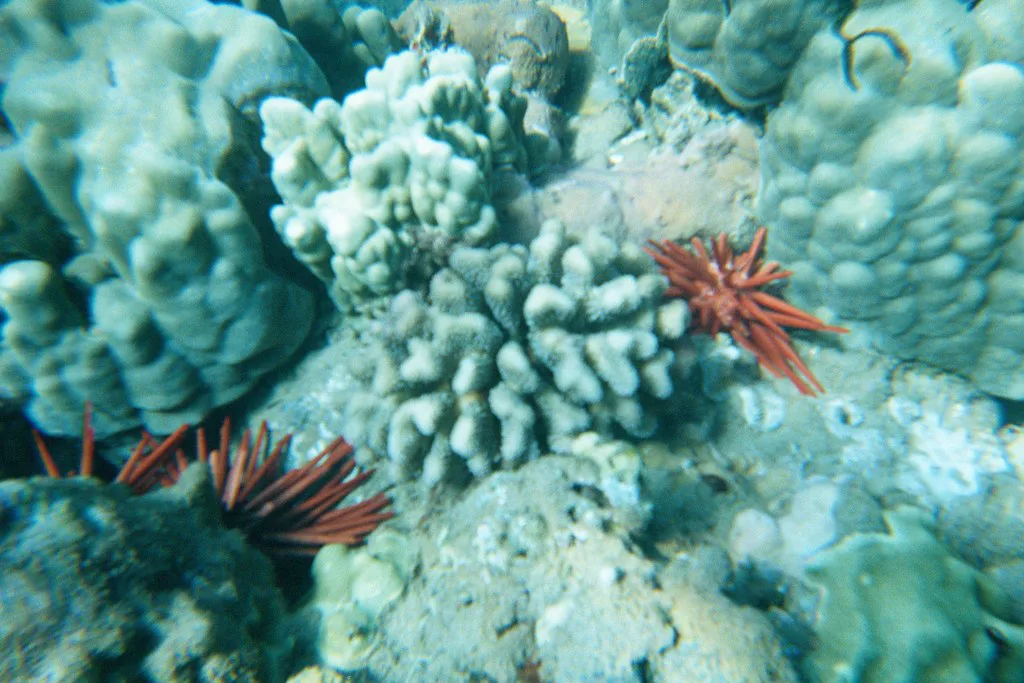
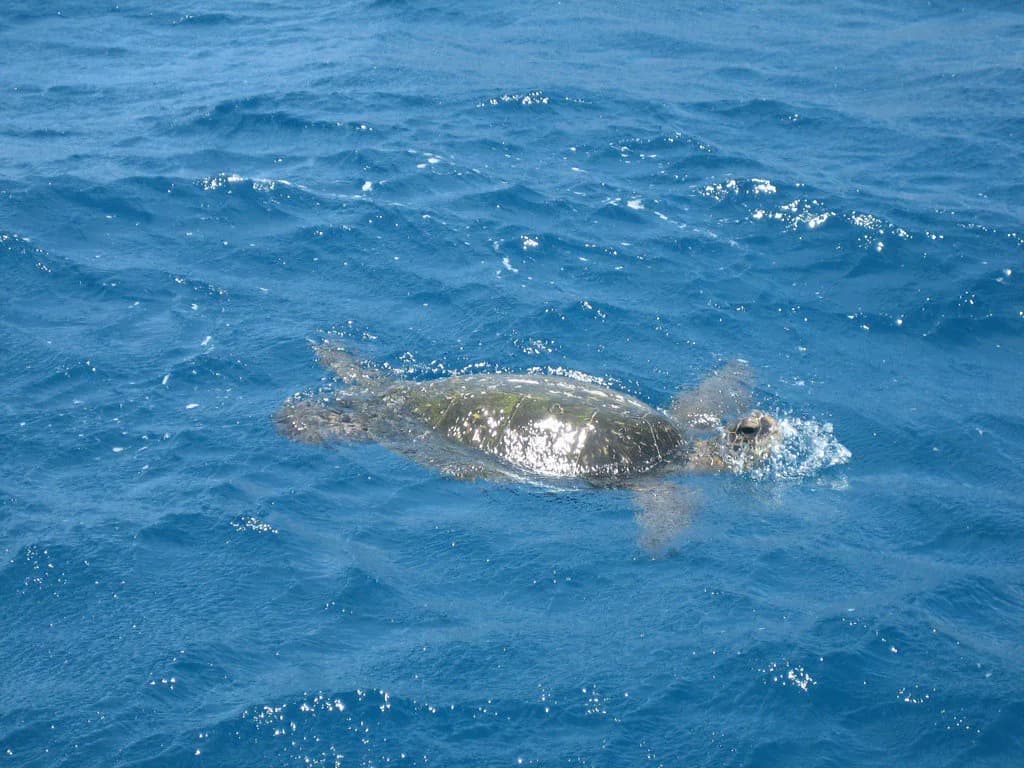
Expect the most common reef residents rather than a promise list: Hawaiian green sea turtles resting or cruising, the humuhumunukunukuapuaʻa darting among coral, sea urchins lodged in rock crevices, and reef fish in steady motion over the coral heads. Eagle rays glide through, octopuses and eels hide in coral recesses, and bottlenose dolphins sometimes pass near the boat. Humpback whales may breach in the distance during whale season, and the Hawaiian monk seal is a rare, protected visitor.
Treat every sighting as possible, not scheduled. Your best odds come from floating quietly and letting animals choose the distance, which is also what wildlife viewing rules require. Keep fins up over coral, never stand on reef, and never touch, feed, or chase turtles, seals, or fish.
The Swimming Standard Before You Book
A true non-swimmer should not enter the ocean to snorkel, even with flotation, a buddy, adult supervision, or crew help. Anyone entering the water on a Maui tour must be comfortable in deep water, able to swim independently, stay calm while floating face-down, and follow crew instructions. Prior snorkeling experience is not required, so being new to the gear is fine as long as you can swim.
Weak swimmers may enter only if they meet every requirement, and nervous swimmers should tell the crew before gearing up and skip the water if anxiety turns into panic. Children face the same requirements and must stay with a responsible adult at all times. If someone in your party will not enter the water, contact Maui Snorkeling before booking to ask whether remaining aboard is possible.
A Two-Stage Readiness Plan for Nervous but Capable Swimmers
Stage one happens before you book: confirm you can swim in deep water without being held or towed, that you are comfortable where you cannot stand, that you can breathe calmly through a snorkel face-down, and that you can follow crew directions. If any answer is no or you are unsure, call Maui Snorkeling at (808) 244-1979 instead of clicking through to checkout.
Stage two happens on tour day: tell the crew about nerves or limited endurance, check that your mask, snorkel, fins, and any crew-approved flotation fit, listen to the briefing on conditions and the designated area, and agree on a buddy and an exit point before entering. Choose the calmer morning departure if you have a choice, since surface conditions are often better early. Skip the water entirely if you feel panicked, dizzy, disoriented, unusually tired, cold, or short of breath.
What to Practice in a Pool Before Your First Ocean Entry
Use a supervised pool to fit your mask, breathe through a standard snorkel, float face-down, and calmly remove and replace the gear. Practice until clearing a flooded snorkel and reseating a mask feel routine rather than dramatic. A pool session cannot prove you are ready for deep ocean water, but it separates equipment problems from nerves before you are on a boat. For a full walkthrough of the basics before your first session, read this guide on how to snorkel.
Flotation: Supplemental Support, Not a Substitute
Flotation reduces effort and helps an eligible swimmer conserve energy, but it does not replace swimming ability, prevent panic, or remove ocean hazards. Use only flotation the crew provides or approves, confirm the fit, and ask how it should be used. Do not assume every life jacket aboard the vessel is intended as snorkeling gear.
Gear to Bring Versus Gear the Tour Supplies
The morning and afternoon tours include mask, snorkel, fins, and flotation belts, plus boogie boards and noodles for extra support, so you can travel light for a first trip. Bring a swimsuit, a towel, reef-safe sunscreen, and a light layer for the ride back. If you wear prescription glasses, ask Maui Snorkeling about mask options when you book so you know what to expect before the day of the tour.
Best Time of Day and What Changes With the Trade Winds
Mornings often deliver calmer surface water and better visibility, which is why the Molokini trip leaves at 7 AM and the afternoon run waits until 1 PM. Trade winds typically build through the day, chopping the surface and reducing visibility, and the captain adjusts site selection accordingly. If you are prone to seasickness or nervous on the water, the morning departure usually gives you the best odds of an easy ride.
Hazards to Plan Around
On shore entries, the shorebreak, current, waves, rocks, and reef make entry and exit the hard part, and shallow water is not automatically safe. On boat trips the hazards shift to open-water depth, boat traffic around the snorkel zone, and fatigue from staying in too long. Keep your first session brief, stay close to your buddy and exit route, and return to the boat before you feel tired.
Conditions change quickly, so follow the captain's or lifeguard's guidance on the day rather than a plan made weeks earlier. For state beach safety, advisories, and water quality alerts, Hawaii Ocean Safety and the Hawaii Department of Health Clean Water Branch publish current notices you can check the evening before.
Wildlife Etiquette on the Reef
Give sea turtles plenty of space, never feed fish, and never stand on coral; keep fins up and float over the reef instead. These rules protect the animals and also keep you calmer in the water, because stopping the chase is what lets everything settle. Hawaiian monk seals are critically endangered, so give them a wide berth and follow crew direction if one appears near the boat.
Combining a Boat Morning With an Easy Afternoon
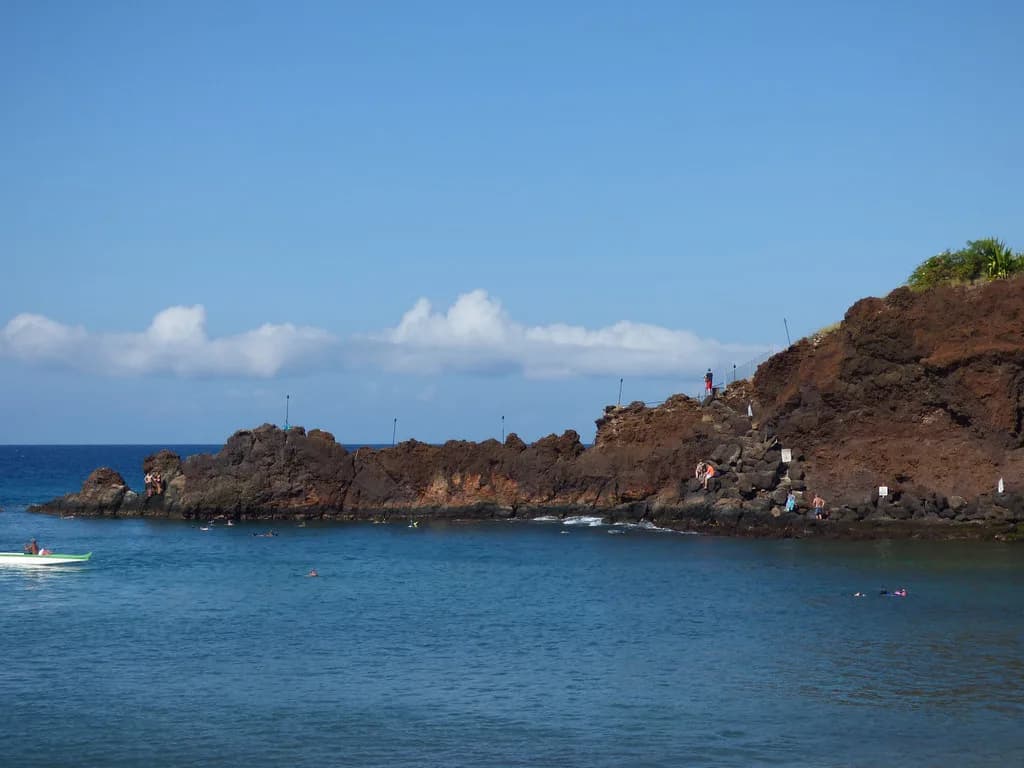
A morning Molokini and Turtle Town trip finishes around midday, leaving the afternoon free for a gentle beach stop or a nap before dinner. If you want to add a shore session later in the week, research calm, lifeguarded beaches first and save it for a low-wind day rather than stacking two snorkels back to back. This itinerary map for Black Rock Maui snorkeling is a useful next read once you have your boat legs.
Private charters are available for groups of up to 65 guests on a morning or afternoon departure, which suits extended families or groups mixing swimmers and non-swimmers who stay aboard. For a quieter start, plan your next trip around a west-side shore spot after you have done one guided outing.
Book Your First Maui Snorkel
Pick your format first: a guided boat trip if you want gear, briefings, and deep-water support, or a lifeguarded beach if you would rather stand up whenever you like. Then settle the swimming standard honestly before booking, practice in a pool, and choose the morning departure when you can. That sequence turns a vague "am I ready?" into a clear yes or no.
Contact Maui Snorkeling directly with your group's swimming ability and any observer needs before paying, and check the marine forecast the evening before your trip. On the day, listen to the briefing, stay inside the designated zone, and end your session while you still feel calm.
Frequently Asked Questions
Can non-swimmers go snorkeling in Maui?
No. A true non-swimmer should not enter the ocean to snorkel, even with flotation, a buddy, adult supervision, or crew help. Prior snorkeling experience is not required, but everyone entering the water must swim independently, feel comfortable in deep water, stay calm floating face-down, and follow crew instructions. Ask the operator whether a non-swimming member of your party can remain aboard.
Is a boat tour better than shore snorkeling for beginners?
Neither is universally better. Boat tours give you gear, a briefing, crew support, and deep-water entry via a ladder or steps, but you cannot stand up. Shore entries let you choose your depth but add shorebreak, current, rocks, and reef at the entry point. Pick the format whose entry and exit you can manage calmly, and only enter the water if you meet the swimming standard.
What should nervous swimmers do before snorkeling in Maui?
Confirm you can swim in deep water without being held, that you are comfortable where you cannot stand, and that you can breathe calmly through a snorkel face-down. Practice mask fitting and snorkel breathing in a supervised pool, then tell the crew about your nerves before gearing up. Choose a morning departure for typically calmer surface water, and skip the water if anxiety becomes panic.
What flotation helps weak swimmers on a snorkel tour?
Flotation reduces effort and helps an eligible swimmer conserve energy, but it does not replace swimming ability. Use only flotation the crew provides or approves, check the fit, and ask how it should be worn. Do not assume life jackets aboard the vessel are meant for snorkeling, and never use flotation as a workaround for a non-swimmer.
When should you skip snorkeling in Maui?
Skip the water if you cannot swim independently, are not comfortable in deep water, cannot stay calm face-down, or cannot follow instructions. Once on the boat, do not enter or continue if you feel panicked, dizzy, disoriented, unusually tired, cold, short of breath, or unsure about your gear. The captain may also change or skip a site when conditions are not suitable.
Which beach is best for snorkeling on Maui for beginners?
Choose a lifeguarded beach on a calm, low-wind morning, ask the lifeguard about current conditions, use a buddy, and enter only when the water looks calm and clear. Shallow water is not automatically safe, and coral should never be used as a place to stand. If you would rather have gear and crew support in the water, a guided boat trip removes the shorebreak variable entirely.
Sources
Snorkeling notes for your next trip
Optional updates to our snorkeling guides.
You might also like
Continue reading
More guides you'll find useful