North Shore Oahu Snorkeling: Where to Go & Tips
North Shore Oahu snorkeling centers on Shark's Cove, Three Tables and Kuilima Cove. Compare entry, depth, crowds and summer versus winter conditions.
On this page
The North Shore rewards snorkelers who plan around the season rather than the map. Between May and September the swell that makes this coast a surfing icon eases, and the lava-rock coves around Pupukea and Turtle Bay turn into calm, fish-filled basins you can enter from sand. Outside that window the same coves become the rescue-prone water that Oahu's north-facing shoreline is known for.
Three spots do most of the work: Shark's Cove at Pupukea Beach Park, the smaller Three Tables just south of it, and Kuilima Cove beside Turtle Bay Resort. Each suits a different swimmer and a different tide. This guide separates them by entry, depth, crowd pattern and hazard so you pick one or two instead of trying to squeeze all three into a single morning.
Why the North Shore Rewards a Summer Snorkel Day
The North Shore is not the easiest place on Oahu to snorkel, but it is one of the most rewarding when conditions line up. The stretch from Pupukea to Kahuku holds protected coves where lava rock breaks the swell and lets fish concentrate in shallow, clear water. That combination is rare on an island where many easy entries sit in front of busy Waikiki hotels.
It suits travelers with a rental car and a flexible morning, especially families with kids old enough to swim and snorkelers comfortable reading the water. If you want lifeguards, rentals and a guaranteed sandy entry, the North Shore is not the simplest choice. If you want a quieter reef, easy wading depth and the chance to see turtles grazing on algae, it is worth the drive.
Shark's Cove at Pupukea Beach Park: Getting In and What You'll See
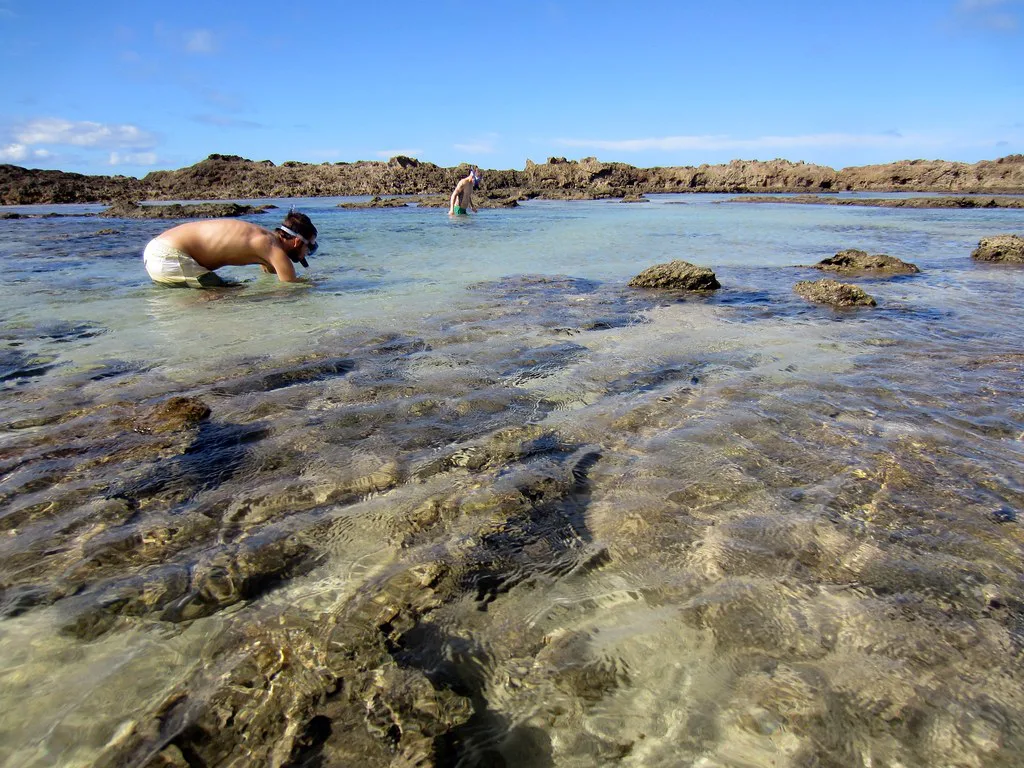
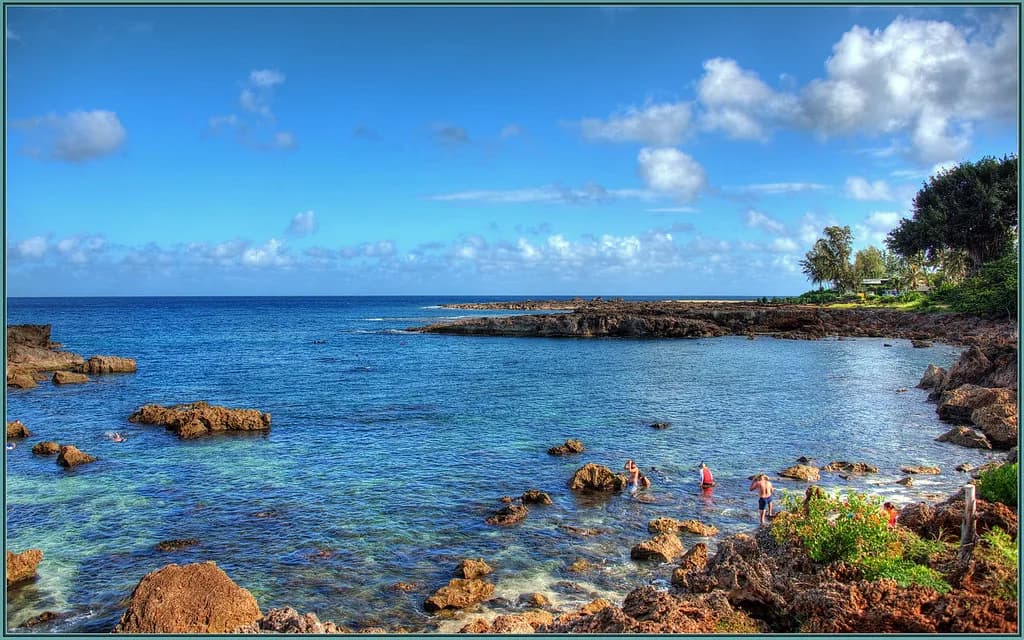
Shark's Cove sits inside Pupukea Beach Park on Oahu's North Shore, a lava-rock bowl with a sandy channel that makes entry straightforward. You walk in from the beach over mostly sand with a few rocks, then float over a cove that runs roughly 5 to 10 feet deep in calm summer conditions. That shallow, enclosed layout is why the cove works for beginners and kids who are steady swimmers.
Because the cove is partly walled off, fish that drift in have a hard time getting back out, so they linger where snorkelers can see them. Expect dense schools over the rock and coral, plus the occasional eel tucked into crevices. The lava shelves are fragile, so keep fins off the bottom and give yourself room to float rather than stand.
Three Tables: The Coral Formations About 25 Yards Offshore
Three Tables, named for three table-like coral formations just offshore, is the smaller sibling to Shark's Cove and sits within the same Pupukea Beach Park shoreline. The formations lie about 25 yards from shore and are easiest to spot at low tide, when the tops sit close to the surface and you can float directly over them. Treat it as an add-on to a Shark's Cove morning rather than a standalone destination.
Tide dictates the experience here. At low tide the coral heads are close and the water is shallow, so you need good buoyancy control and should not kick down onto the reef. At higher water the formations sit deeper and are harder to find from the surface. If the surf is up, skip it and stay where the rock gives more shelter.
Kuilima Cove at Turtle Bay: Protected Walls and Turtles on the Limu
Kuilima Cove is the large bay next to Turtle Bay Resort on the North Shore, and its lava-rock walls keep the water clear even when bigger swell hits the outer coast. Depth runs roughly 5 to 15 feet, deeper than Shark's Cove, with coral and rock ledges to follow along the edges. All beaches in Hawaii are public, so resort guests do not have exclusive use of the water.
Hawaiian green sea turtles graze on limu, the seaweed growing on the rocks and reef here, which makes Kuilima one of the more reliable places to watch them from a distance. Stay about 10 feet back and never touch or chase them, since they are protected. The turtles are wild and move on their own schedule, so treat a sighting as a bonus rather than a plan.
Pupukea Marine Life Conservation District Rules
Shark's Cove and Three Tables both fall within the Pupukea Marine Life Conservation District, where fishing from shore is restricted, which is why fish populations here are noticeably larger and less skittish than at unprotected beaches. Read the posted signs at the beach for the current boundaries and take rules seriously.
Across all three coves, keep 10 feet from sea turtles and give Hawaiian monk seals a wide berth if one hauls out on the sand. Never feed fish, and wear reef-safe sunscreen, which Hawaii requires in the water. Coral is living and easily damaged, so float over it rather than pushing off it.
Reading the Season: May Through September
The North Shore snorkel window runs roughly May through September, when the winter swell drops and the coves settle into calm, clear water. From October into spring, large north and northwest swell refills the same coves with surge and shorebreak. Rescues at Shark's Cove are frequent during the winter and early spring for exactly that reason, even though lifeguards are not stationed there.
If you visit outside summer, plan your North Shore day around the beaches and save the water time for a calmer coast. The trade-off is real: summer brings the best visibility but also the biggest crowds at Shark's Cove. A winter trip can still work if a flat spell lines up, but do not build an itinerary around it.
Best Time of Day for Visibility, Parking and Fewer Swimmers
Mornings win on the North Shore for three reasons: the wind usually stays lighter, the water is clearer, and parking fills later in the day. Arriving at Shark's Cove early also means fewer swimmers in the shallow cove, which matters for beginners who need room. Afternoon trade winds can chop the surface and cut visibility.
If you are splitting Shark's Cove and Three Tables, do Shark's Cove first when the cove is calm and the lot is open, then walk south to Three Tables near low tide. Kuilima Cove works well as a late-morning stop on the drive toward Kahuku, and the food trucks across from Shark's Cove are an easy lunch.
Hazards to Plan Around
At Kuilima Cove, the lifeguard buoys mark a channel leading out of the cove, and currents near that channel can pull you toward open water. Stay well clear of the buoy line and keep inside the protected rock walls. There is no lifeguard on duty at Kuilima, so you and your buddy are the safety system.
Neither Shark's Cove nor Kuilima Cove has lifeguards stationed, and winter surf makes both coves dangerous. Snorkel with a buddy, stay close to shore, and never turn your back on the ocean. Check the daily ocean conditions through Honolulu Ocean Safety before you drive out.
Parking, Facilities and Gear
Pupukea Beach Park has restrooms, showers and picnic tables, and a rental shop plus food trucks sit across the street from Shark's Cove, which makes it the most self-sufficient of the three. Kuilima Cove has restrooms and showers, with food at Turtle Bay Resort and limited public parking in the resort lot. Plan to carry your gear a short distance in either case.
For lava-rock entries, bring a well-fitting mask, a snorkel and fins you can control in shallow water. A rash guard helps on long mornings in the water, and reef-safe mineral sunscreen is a practical choice for both your skin and the reef. A shorty wetsuit is not needed in summer, but a thin top extends comfortable time in the water.
Combining Spots: Haleiwa, Waimea Bay and Laniakea
A sensible North Shore snorkel day pairs one cove with the sights along Kamehameha Highway. Start with coffee and breakfast in Haleiwa, snorkel Shark's Cove mid-morning, then drive north for shave ice and a beach stop at Waimea Bay, where the beach curves into an alcove at the river mouth. Laniakea, known as Turtle Beach, is a good place to see turtles hauled out on the sand in winter when the water is too rough to swim.
Keep the loop short. Trying to combine all three coves in one morning rarely works because parking and tide windows do not line up. One snorkel spot plus two beach stops is a better day than three rushed entries.
North Shore Versus Hanauma Bay and Waikiki
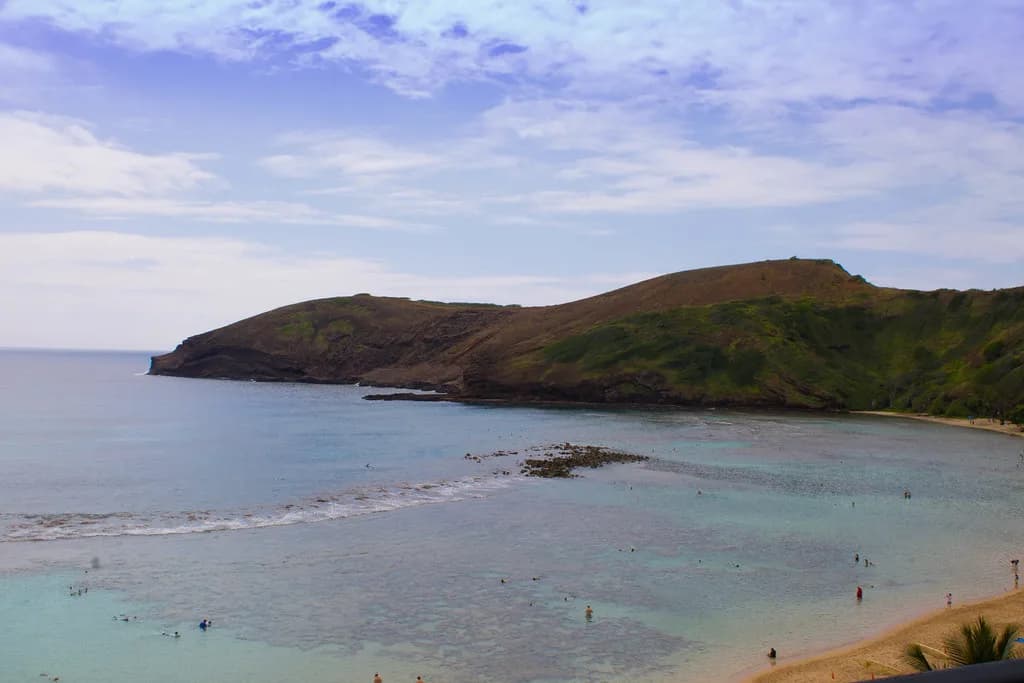
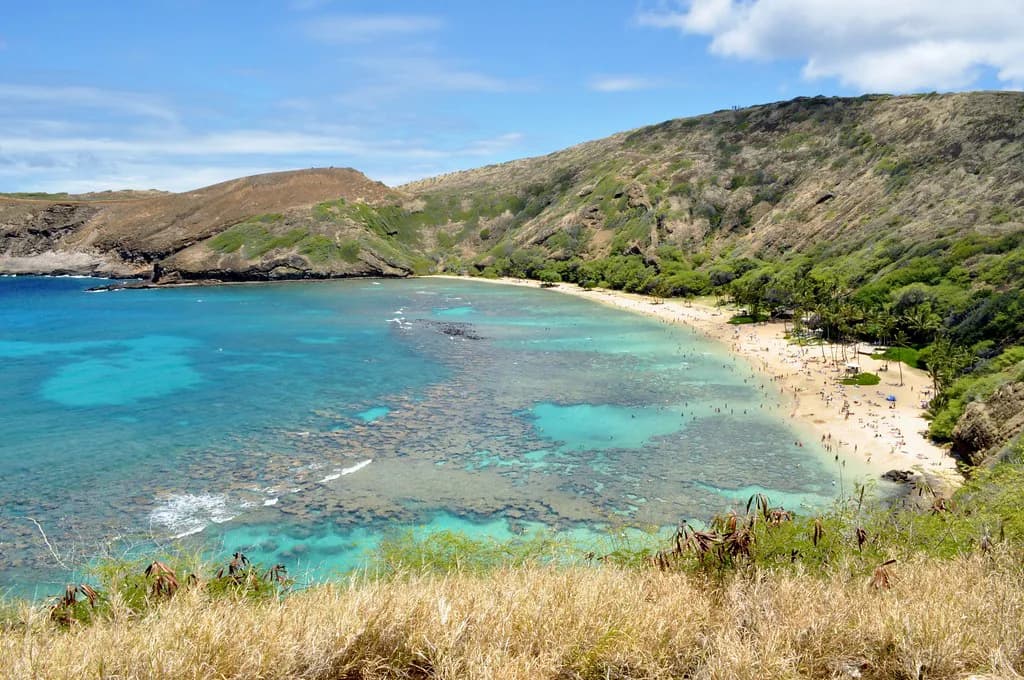
Hanauma Bay, the volcanic cone east of Waikiki, is the calmest place on Oahu to learn to snorkel: sandy entry, lifeguards on duty, rental gear on the beach and a sheltered reef that protects kids from swell. It requires advance planning, and reservations are handled through the official Hanauma Bay Nature Preserve booking system. For a stress-free first snorkel, the bay beats any North Shore cove.
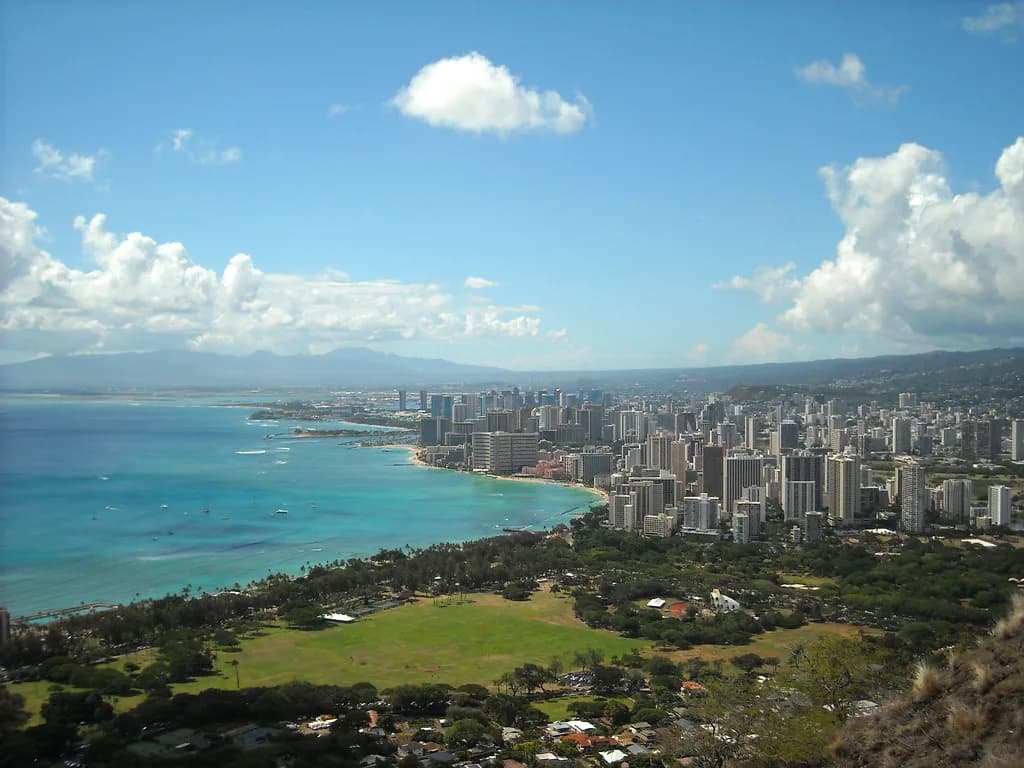
The North Shore wins on quiet, turtle encounters on the reef and a sense of place that a managed bay cannot match. Waikiki is a third option: convenient, no car required, and good for a quick swim near the jetty at Queen's Beach, but with far less reef. If you would rather compare other islands before committing to an Oahu itinerary, snorkeling in Maui and Big Island snorkeling offer a useful point of contrast. Pick the North Shore when you have a car and summer conditions on your side.
Plan Your North Shore Snorkel Day
Base your plan on one cove and one tide window. Shark's Cove is the easiest entry and the best first stop, Three Tables is a low-tide add-on 25 yards offshore, and Kuilima Cove is the deeper, turtle-friendly option beside Turtle Bay Resort. Target May through September, arrive in the morning and keep an eye on the buoy line at Kuilima.
Before you drive out, look at the day's ocean conditions through Honolulu Ocean Safety and read the posted signs at the beach for conservation-district rules. Build the rest of the day around Haleiwa and Waimea Bay so the drive north earns more than one stop.
Frequently Asked Questions
Is North Shore Oahu good for snorkeling?
Yes, in summer. Between roughly May and September the winter swell drops and the lava-rock coves at Pupukea and Turtle Bay turn calm and clear enough to snorkel from shore. Outside that window the same coves see large north swell and are not reliable.
What is the best month to snorkel Shark's Cove?
Summer months from May through September offer the calmest water and best visibility. Winter and early spring bring the north swell that makes the cove surge and, according to published guidance, frequent rescues.
Is Shark's Cove or Kuilima Cove better for beginners?
Shark's Cove is easier for beginners because the water is shallow at about 5 to 10 feet and the sandy entry is simple. Kuilima Cove runs 5 to 15 feet and has a channel with strong currents marked by buoys, so it suits stronger swimmers.
Can you snorkel at Three Tables?
Yes, during calm conditions. The three coral formations sit about 25 yards offshore and are easiest to spot at low tide. It works best as an add-on to Shark's Cove rather than a standalone trip.
Are there lifeguards at North Shore snorkeling spots?
Generally no. Shark's Cove and Kuilima Cove do not have lifeguards stationed, so you and your buddy are responsible for your own safety. Check ocean conditions through Honolulu Ocean Safety before you go.
Do you need reservations for North Shore snorkeling?
No. Shark's Cove, Three Tables and Kuilima Cove are public shoreline with no booking system. Hanauma Bay, by contrast, requires reservations through the official Hanauma Bay Nature Preserve system.
Can you see turtles on the North Shore?
Yes, Kuilima Cove is a known spot for Hawaiian green sea turtles grazing on limu along the rocks, and Laniakea is a haul-out beach on land. Stay about 10 feet away and never touch or chase them.
How does the North Shore compare with Hanauma Bay?
Hanauma Bay has lifeguards, rentals, sandy entry and a sheltered reef, but requires reservations. The North Shore offers quieter coves and a summer-only window, with no lifeguards at the main snorkel spots.
Sources
Snorkeling notes for your next trip
Optional updates to our snorkeling guides.
You might also like
Continue reading
More guides you'll find useful