Sans Souci Beach Snorkeling: Waikiki's Beginner Reef Guide
Snorkel Sans Souci Beach at the Diamond Head end of Waikiki, with sandy entry, a protected marine district and shallow reef that suits beginners and kids.
On this page
Sans Souci Beach earns its reputation as the most approachable snorkel on the Waikiki strip. The sand slopes in gradually, the protected water just offshore is shallow, and the fish inside the Waikiki Marine Life Conservation District are accustomed to people. Beginners, kids and families who want a short, calm session before lunch fit here better than at any other beach within walking distance of the hotels.
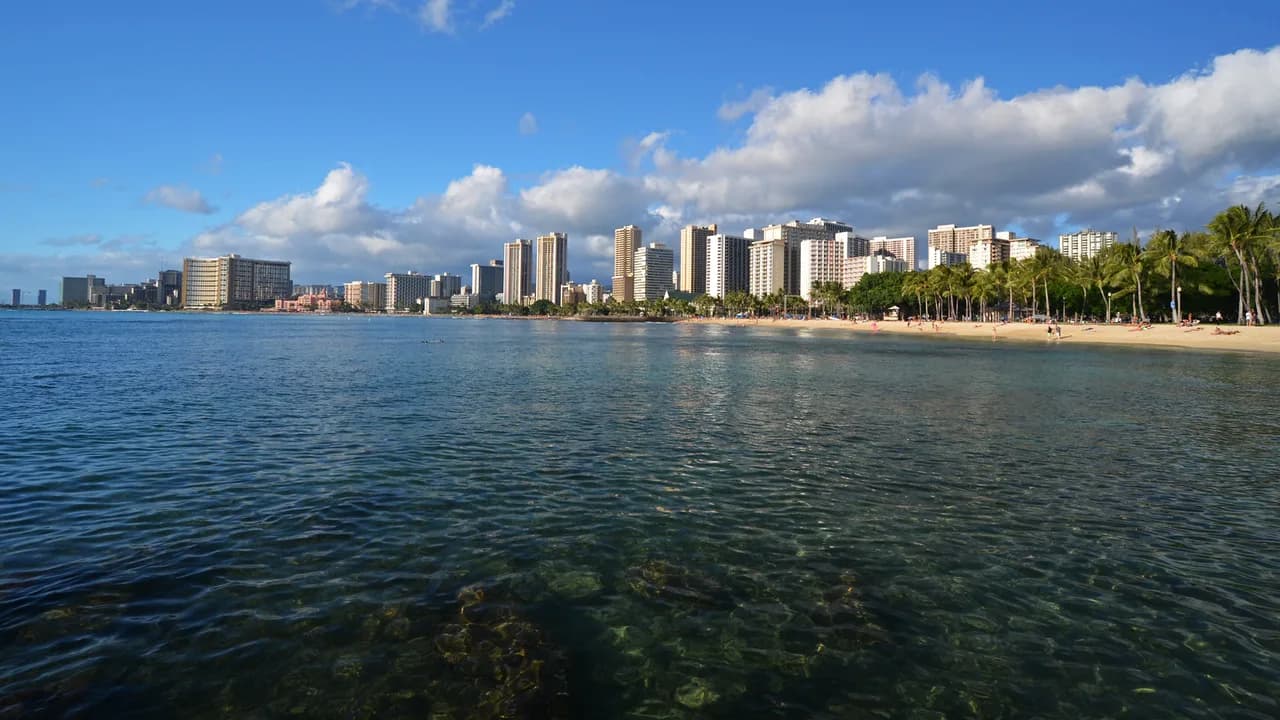
The beach sits at the Diamond Head end of Waikiki, next to the Waikiki Aquarium and across Kalakaua Avenue from Kapiolani Park. Locals often call it Kaimana Beach. The two snorkel zones are close together but behave differently: flat reef straight out, and a rock wall at the left end that is deeper, fishier and harder to swim back from. Pick your zone before you get wet.
Why Sans Souci Suits Beginners and Families
A wide band of soft sand and a very gradual increase in depth make entry the least intimidating part of the day. You can wade in chest-deep and put your face down without committing to a long swim. That layout is why this beach works for first-timers, kids on their first mask and anyone who wants a short session between other plans.
The protection matters as much as the sand. Fishing and taking marine life are prohibited in the district between the jetty and the Natatorium, and the result is a dense, relaxed fish population that stays put when snorkelers approach. You do not need fins in this zone; a mask and snorkel are enough for the shallow water straight out.
Facilities sit close to the sand, including showers, restrooms, a lifeguard stand, shade and a grassy lawn at Kapiolani Park next door. A small cafe with ocean views handles lunch so you can combine a swim with a park afternoon. For a family that wants one base for the whole day, that combination is hard to beat in Waikiki.
Where the Beach Is: Aquarium, Natatorium and Kapiolani Park
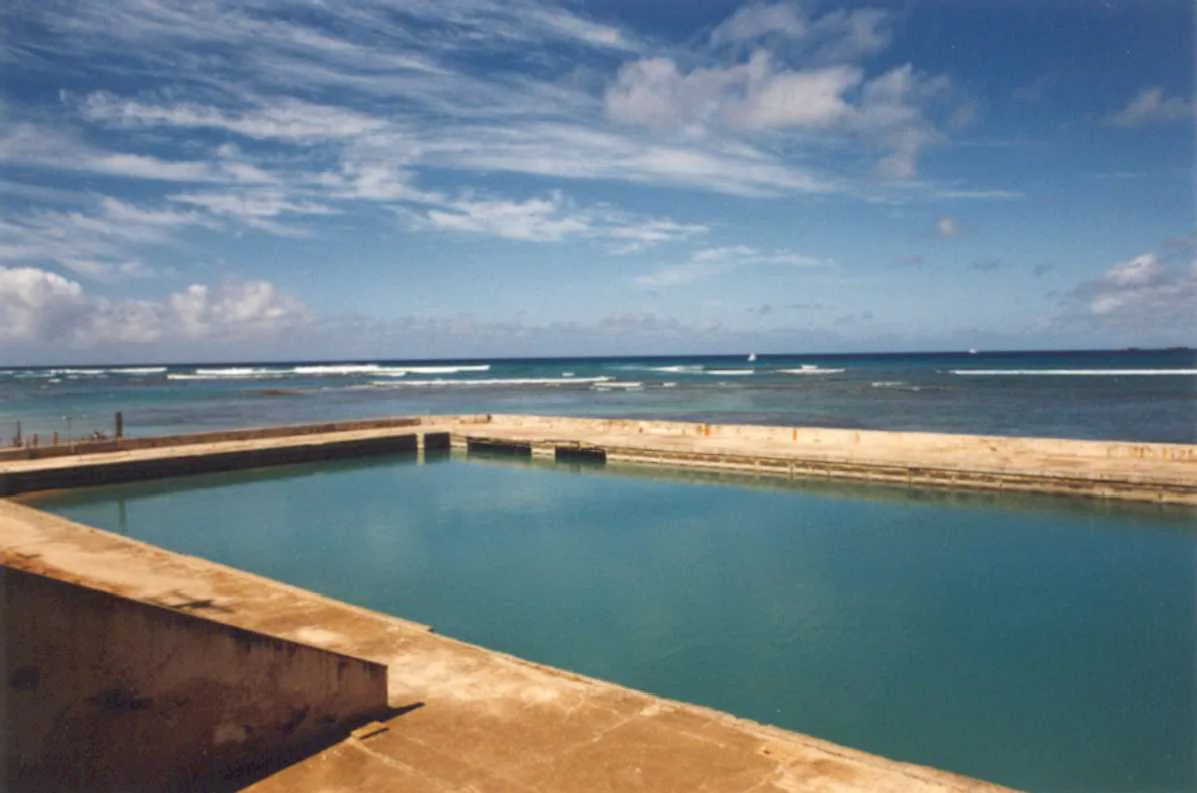
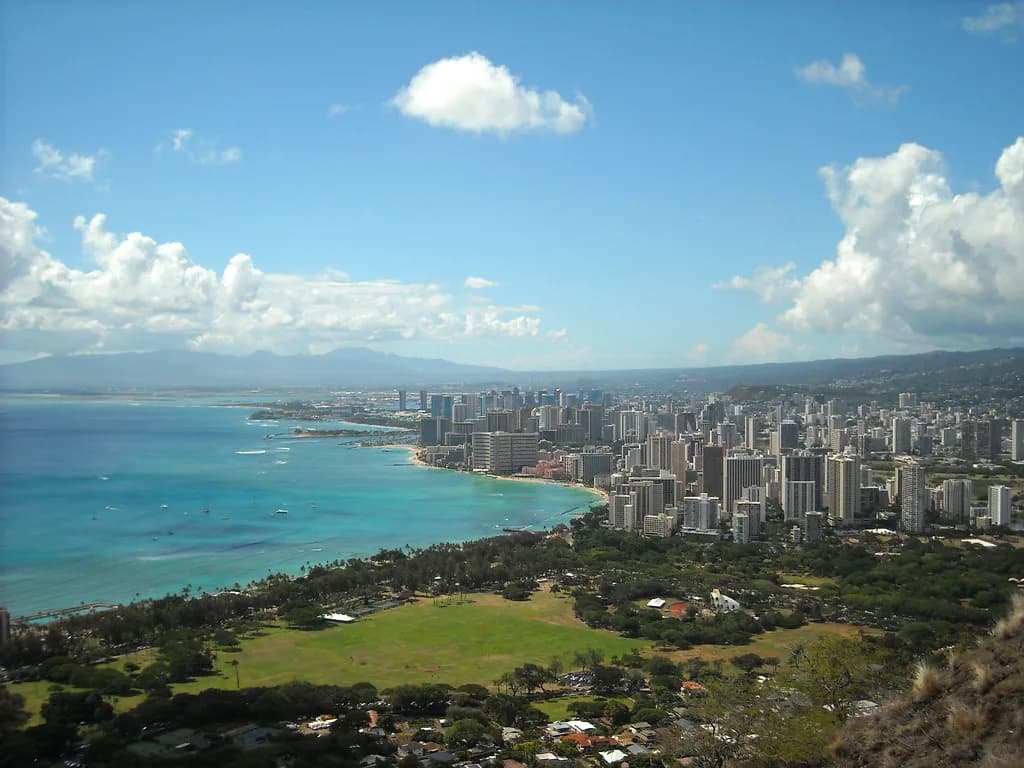
Sans Souci Beach lies at the Diamond Head end of Waikiki, immediately beside the Waikiki Aquarium and a short walk from the Honolulu Zoo. Across the road are Kapiolani Park and its wide lawns and banyan trees. The old Natatorium war memorial anchors the southern end of the beach and forms one boundary of the protected zone.
From the main hotel strip the beach is roughly a fifteen-minute walk along Kalakaua Avenue, which runs one-way southeast toward Kapiolani Park. Drivers continue past the resorts, stay straight where Monsarrat Avenue branches left, then enter the park with the aquarium and Natatorium on the right. Parking lines both sides of the divided road through the park.
Getting In: Sandy Entry, the Jetty and the Natatorium Wall
Step off the sand anywhere along the beach and you are over flat reef within a few paces. The gentlest line is the wide sandy patch on the south end, past the wall that runs into the water but before the aquarium's parallel sea wall. Walk in there, float on your stomach and look for the sandy channel that runs parallel to the beach.
Use polarized sunglasses from the beach to spot that channel before you get wet. It sits roughly a hundred feet offshore, about eight feet deep, with reef walls on either side where fish shelter. Heading left, or south, puts the aquarium sea wall and then the Natatorium wall in front of you, and both hold fish along the rock.
The long jetty at the beach is a landmark rather than an entry point. People walk out on it for views of Diamond Head and Waikiki, and the fish below make it a place to look down rather than launch. Enter from the sand instead, and keep clear of anyone jumping near the rocks.
Where to Snorkel: Shallow Flat Reef vs. the Wall on the Left
Straight out from the sand is shallow flat reef, at most about three feet deep in the area nearest the beach. The bottom is mostly algae with a little coral, and visibility is often modest because the water is so thin over the rock. It suits a quick look at fish, not a long tour, and it only opens up when the tide is high and the surface is flat.
The better reef for anyone comfortable in deeper water is along the rock wall at the left end of the beach. Follow the wall out and the depth runs from about four feet down to fifteen, with more fish and cleaner water than the flat. This is the one zone that rewards a longer swim, and it is also the one that demands attention on the way back.
Confident swimmers with calm conditions can continue past the channel to the outer reef edge. That edge lies another four to six hundred feet out and drops quickly to between fifteen and twenty feet, with more relief and more fish than the inner flat. Only go when the tide is high, the surface is completely calm and you have the stamina for the return.
Depth, Visibility and How Far Out the Reef Runs
Think of Sans Souci as three depth bands. The sandy entry and inner flat sit in ankle- to waist-deep water. The dredged channel runs about eight feet deep a hundred feet offshore. The outer edge, for strong swimmers only, drops to fifteen or twenty feet several hundred feet from the sand.
Visibility tracks the swell rather than the season. Any wave action stirs the shallow rock and sand, and the view turns murky fast; on calm days the channel and the wall clear enough to see fish at a distance. Morning generally beats afternoon because the sand has had all night to settle and fewer people are in the water.
What You Will See: Unicornfish, Tangs, Parrotfish and Triggerfish
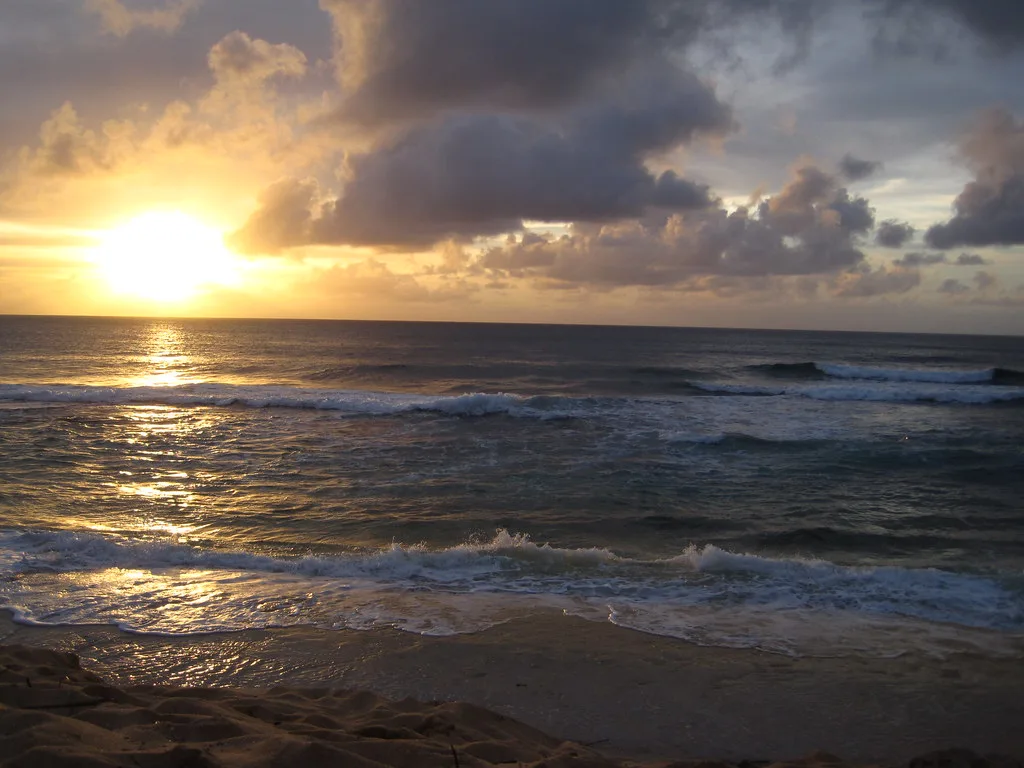
Expect a working reef-fish community rather than a coral garden. Unicornfish, yellow tangs, wrasses, parrotfish and needlefish cruise the protected zone, moray eels tuck into rock crevices, and triggerfish, the humuhumunukunukuapua'a, are common and often large. Live coral is sparse here; the draw is fish density and how close they let you get.
The rock walls concentrate fish because they offer cover and relief. Look along the channel edges and the Natatorium wall for the busiest activity, and hover quietly rather than chasing anything. Give eels and triggerfish room, keep your hands off the rock and let the protected status do its work.
The Waikiki Marine Life Conservation District Rules
Everything between the jetty and the Natatorium's north wall falls inside the Waikiki Marine Life Conservation District. Fishing and removing any marine life are prohibited there, which is why the fish are plentiful and unbothered. Treat the zone as a look-only area: no collecting, no touching, no feeding.
Hawaii restricts several sunscreen chemicals that harm coral, and the ban has applied since 2021, so choose a reef-safe formula before you fly rather than shopping on the sand. Dogs are not allowed at Sans Souci Beach, which keeps the sand cleaner for families. Both rules are easy to plan around and worth telling the group in advance.
Best Time of Day, Tide and Swell Direction
South swell is the deal-breaker at this beach. When a south swell runs, the water gets rough, visibility collapses and the swim stops being safe, so plan around a calm forecast rather than a fixed morning. High tide is the other variable: the inner flat is only worth crossing when there is enough water over it.
On a calm day, go early. The sand has settled overnight, the light is better for spotting the channel from shore, and the beach is quieter than the hotel strip. Check the ocean safety forecast from the City and County of Honolulu before you commit, since a small change in swell direction can shut the whole zone down.
Hazards: Current Along the Wall and South Swell
The current along the left wall is the hazard most people underestimate. Water funnels along that channel and exits on the left, so the swim out feels easy while the swim back can take twice the effort. If you head out along the wall, watch your exit line and turn around before you feel tired.
Surge and poor visibility go together here. Waves over the shallow reef cut visibility and push swimmers toward the rock, so a flat surface is the entry requirement, not a bonus. As at any Oahu beach, keep an eye on ocean conditions and stay out of the water when the surf is up.
Parking, Facilities and the Beach Cafe
Parking runs along both sides of the divided road through Kapiolani Park. For the sandy entry and the channel, aim for a space north of the aquarium; for the wall and the Natatorium end, park south of the aquarium. Spaces fill on weekends and holidays, so an early arrival solves both parking and water clarity.
Restrooms, showers, picnic tables, shade and a lifeguard serve the beach area, and Kapiolani Park adds grass, courts and room to run. A small cafe with ocean views sits right on the sand, with a weekend brunch menu and occasional live music. Bring water anyway, because sun on open sand dehydrates faster than most people expect.
Gear and Reef-Safe Sunscreen
A mask, snorkel and reef-safe sunscreen cover the inner zone; fins are optional over the shallow flat and only become useful if you plan the swim to the outer edge. Bring your own gear if you have it, since nearby Waikiki shops rent masks and snorkels. A rash guard beats a bare back for a long session in the water and on the sand.
Leave valuables at home or keep them on you, and use a waterproof pouch if you carry a phone to the water. Skip aerosol sunscreen entirely over the protected reef. Build the kit around one bag that fits your towel, water and a dry layer for the walk back along Kalakaua Avenue.
Snorkeling With Kids: The Jetty as a Dry Viewing Deck
Children who will not put their face in the water can still see fish by walking out on the jetty and looking straight down. It is a face-dry option that keeps the whole group together while the stronger swimmers work the flat. Keep a hand on smaller kids near the edge and watch for crabs scuttling on the rocks.
For kids who do snorkel, start in the sandy entry where depth builds slowly and stay inside the protected zone, away from the wall current. A short session followed by the aquarium or the zoo keeps the day moving and turns one beach stop into a full afternoon in Kapiolani Park.
Nearby Spots to Combine: Queens Beach, Hanauma Bay and Diamond Head Beach Park
The protected zone starts at the Kapahulu Groin and runs to the Natatorium's north wall, so the water off Queens Beach just along the strip shares the same no-fishing protection and similar fish life. Snorkel one in the morning and walk the other for a change of view. The two beaches make a relaxed half-day pairing.
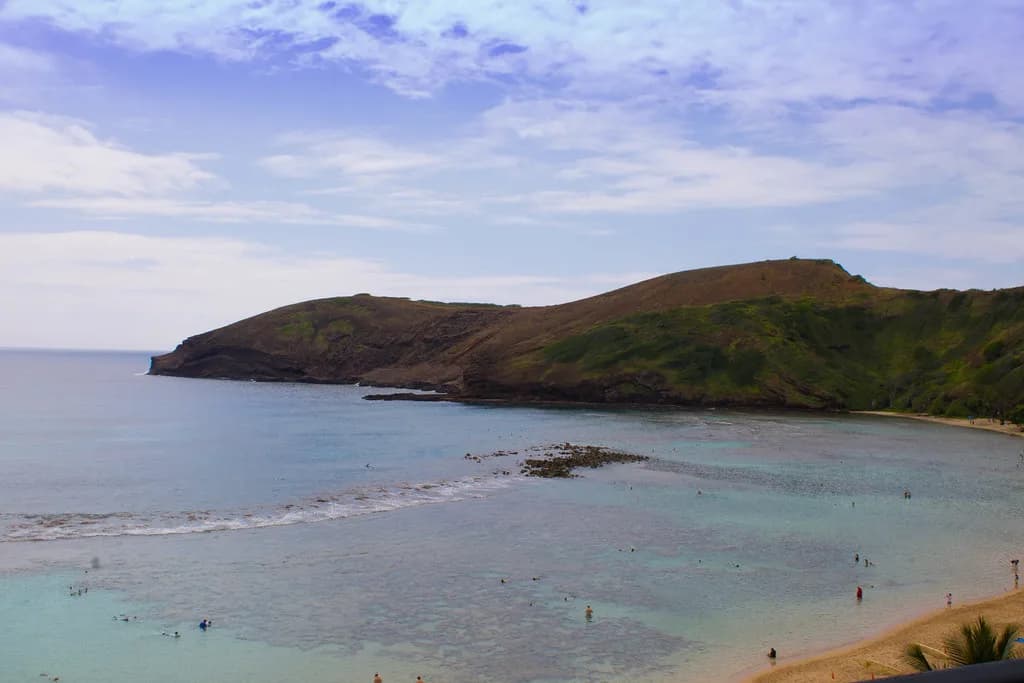
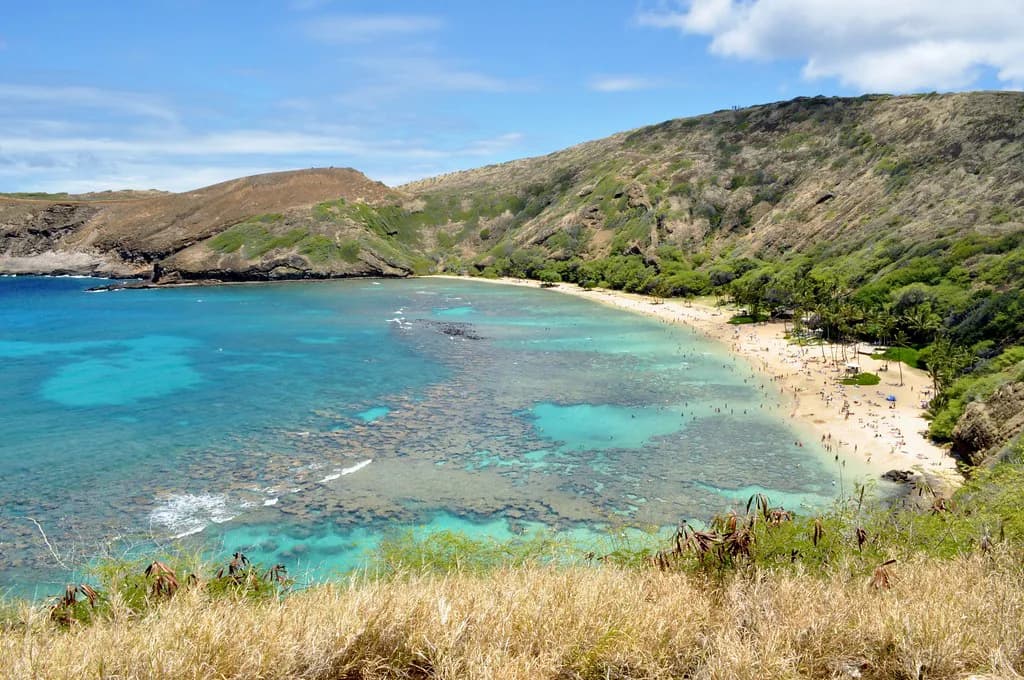
For a bigger reef day, plan a separate trip to Hanauma Bay, the best-known protected snorkel bay on Oahu and a short drive east along Kalanianaole Highway. Entry is managed with timed reservations, so book before you build a day around it. Our guide to hanauma bay snorkeling covers the bay's layout and how the entry system works.
Five minutes further east from Sans Souci, Diamond Head Beach Park offers tidepools and surf watching rather than snorkeling, and it pairs well with a lighthouse trail hike. If you are mapping the whole island, start with the wider guide to snorkeling in oahu and slot Sans Souci in as your easy first swim near the hotels. If you are island-hopping, our guide to snorkeling in Maui covers shore spots and Molokini in the same way.
Plan Your Sans Souci Snorkel Day
Build the day around a calm forecast and a high tide. Start with the sandy entry and the channel off the aquarium wall, then move to the left wall only if you have the stamina for the swim back against the current. Finish on the jetty with kids who skipped the mask, or walk to the aquarium across the park.
Keep the protected district rules and sunscreen law on your packing list, arrive early for parking along Kapiolani Park, and treat a south swell as a reason to move the swim to another day. That is the whole plan: simple entry, shallow reef and a beach that makes Waikiki snorkeling easy for beginners.
Frequently Asked Questions
Is Sans Souci Beach good for snorkeling?
Yes, it is the most beginner-friendly snorkel in Waikiki. The water between the jetty and the Natatorium is a protected marine district, so fish are abundant and calm around swimmers. The sandy entry, shallow inner flat and rock wall at the left end cover a range of skill levels, and the beach also has a lifeguard, showers and restrooms.
Is Sans Souci Beach good for families with young kids?
It suits families well. The sand slopes in gradually, the inner water is shallow, and the beach is smaller and quieter than the main hotel strip. Children who will not snorkel can walk the jetty and look down at fish through the clear water, and Kapiolani Park next door offers grass to run on.
Where exactly is Sans Souci Beach?
It sits at the Diamond Head end of Waikiki, beside the Waikiki Aquarium and across the road from Kapiolani Park. The old Natatorium anchors one end of the beach. It is about a fifteen-minute walk from the main Waikiki hotels along Kalakaua Avenue, with parking on both sides of the road through the park.
What is the Waikiki Marine Life Conservation District?
It is the protected stretch of water between the jetty and the Natatorium where fishing and taking marine life are prohibited. The result is a dense, diverse fish population used to snorkelers. Treat it as a look-only zone: no collecting, no feeding, no touching the rock or the animals.
Do you need fins to snorkel at Sans Souci Beach?
Fins are optional over the shallow inner reef, where a mask and snorkel are enough. They help if you plan the longer swim to the outer edge, which lies several hundred feet out and drops to fifteen or twenty feet. That outer swim is for confident swimmers on a completely calm, high-tide day.
When is the water clearest at Sans Souci Beach?
Clearest water follows a stretch of calm, no south swell and a settled night, which usually means early morning. Any wave action stirs the shallow reef and cuts visibility. High tide also opens the inner flat and the swim to the outer edge.
Are there snorkel tours or rentals at Sans Souci Beach?
The beach itself is a public park rather than an operator site, and organized tours are not typical here. Nearby Waikiki shops rent masks and snorkels, which is the practical option if you arrive without gear. Book any guided reef tour as a separate outing rather than expecting one on the sand.
Can you bring a dog to Sans Souci Beach?
No. Dogs are not allowed at Sans Souci Beach. Leave pets at home and plan around the beach's facilities, the grassy park across the road and the protected water instead.
Sources
Snorkeling notes for your next trip
Optional updates to our snorkeling guides.
You might also like
Continue reading
More guides you'll find useful