Juno Beach Snorkeling: Entry Points, Reefs and What You'll See
Juno Beach snorkeling means sand entry off a guarded swim beach, a reef line just offshore and a long pier to steer clear of. Here is how the day lays out.
On this page
Juno Beach rewards snorkelers who are comfortable swimming out from an open Atlantic beach: there is no boat ride, no trail marker and no fee gate, just sand entry into clear water with reef structure a short swim offshore. It suits adults and strong- swimming teens who can handle a little surf on the way in and out, and it gives families a guarded beach to fall back on when the ocean turns choppy.
The county park that anchors the day is compact, with parking, restrooms, outdoor showers and a long fishing pier as its landmark. Palm Beach County lists sunrise-to-sunset hours for Juno Beach Park and 300 feet of guarded beach frontage, which sets the frame for everything else here.
What makes Juno Beach worth a snorkel day
The appeal is convenience: you park, walk onto the sand, and are swimming over reef structure within minutes of entering the water, with no charter schedule to work around. On a calm, clear morning the combination of shallow rocky bottom close in and deeper reef further out gives you a range of depths without moving the car.
It is also a spot where the ocean sets the terms. Because you enter directly from an exposed Atlantic beach, surf size and wind decide whether the day works, and a grassy, sheltered lagoon it is not. Treat Juno as a good-conditions spot and keep a calmer backup in mind for windy afternoons.
Where Juno Beach Park sits and how the beach is laid out
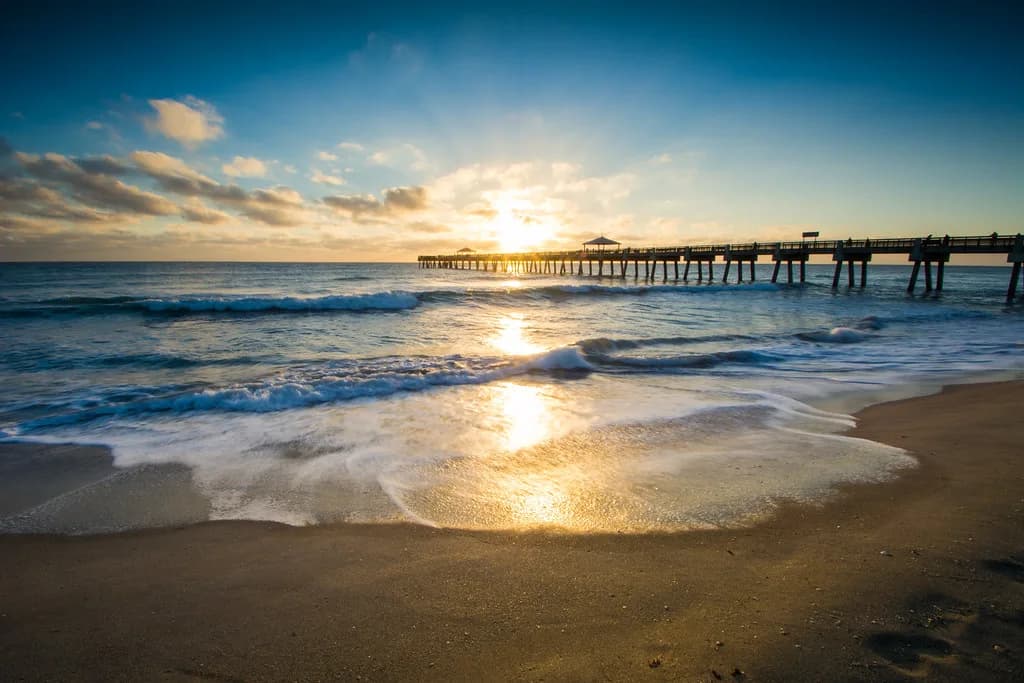
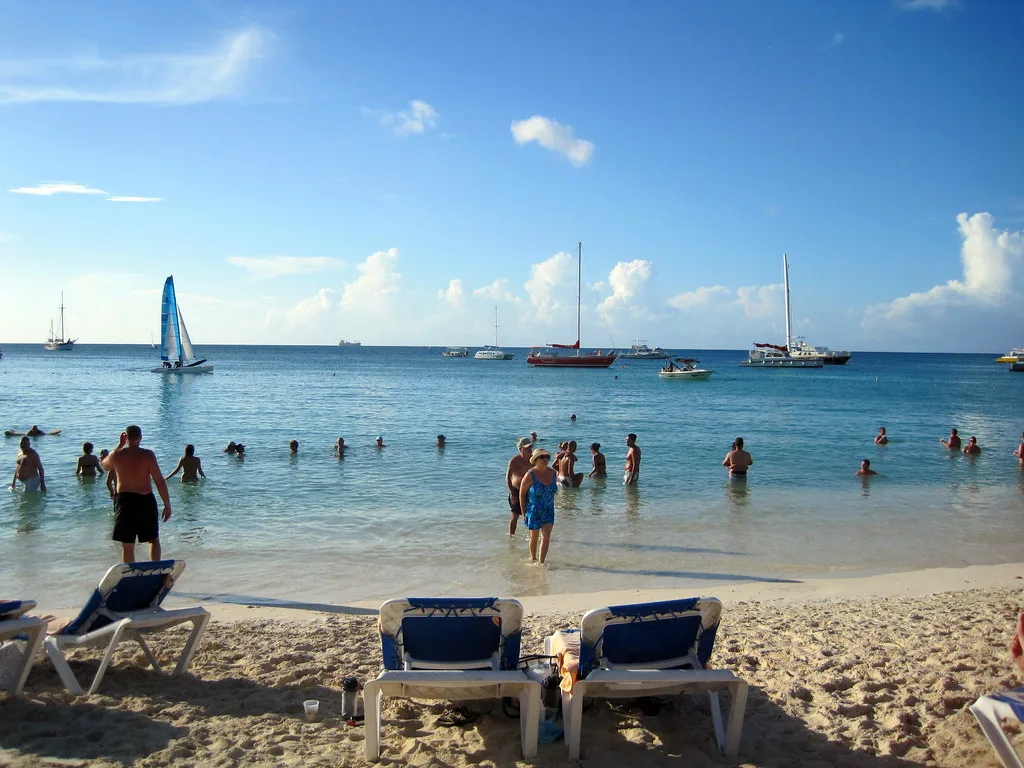
Juno Beach Park occupies about six acres off U.S. Highway 1 at 14775 U.S. Highway 1, Juno Beach, with beach frontage that runs alongside the Juno Beach Pier. The pier juts roughly 990 feet into the Atlantic and acts as the main visual marker on the sand, so orient yourself by it before you pick a spot to lay your towel.
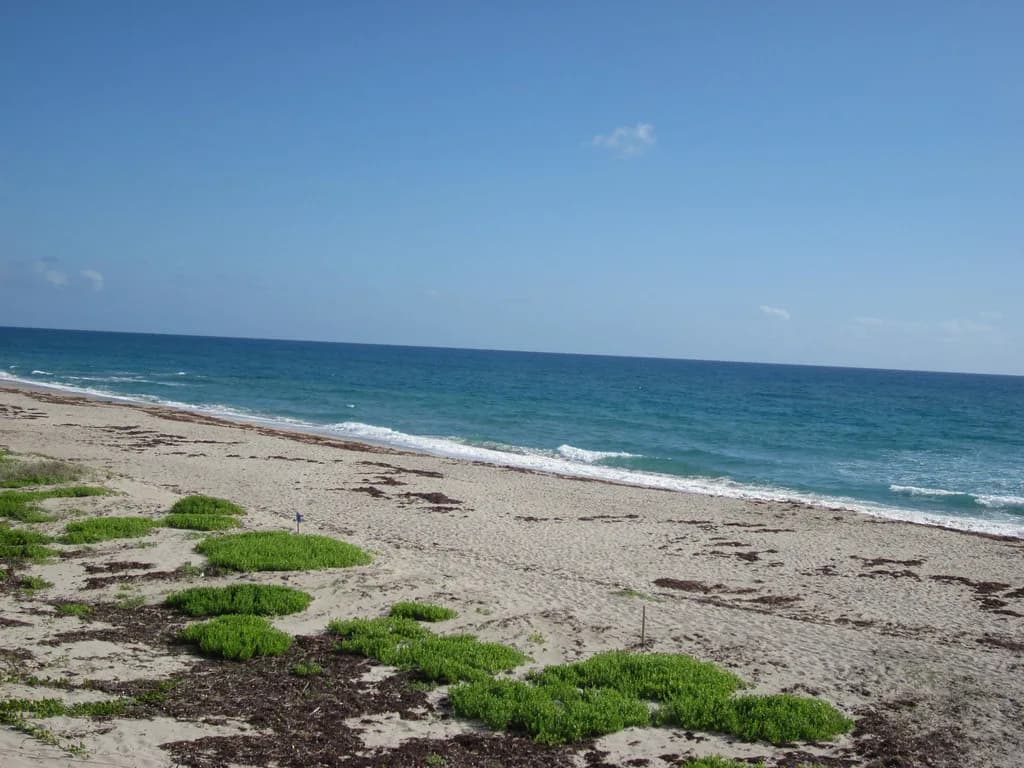
The guarded swimming area covers 300 feet of frontage and is the natural place to enter the water and return to. North and south of that flagged stretch, the beach continues, but the county's own zoning is what should guide you: swimming is the activity for the guarded zone, and surfing belongs in the separately designated surfing area rather than among swimmers.
Getting in: sand entry off the guarded beach
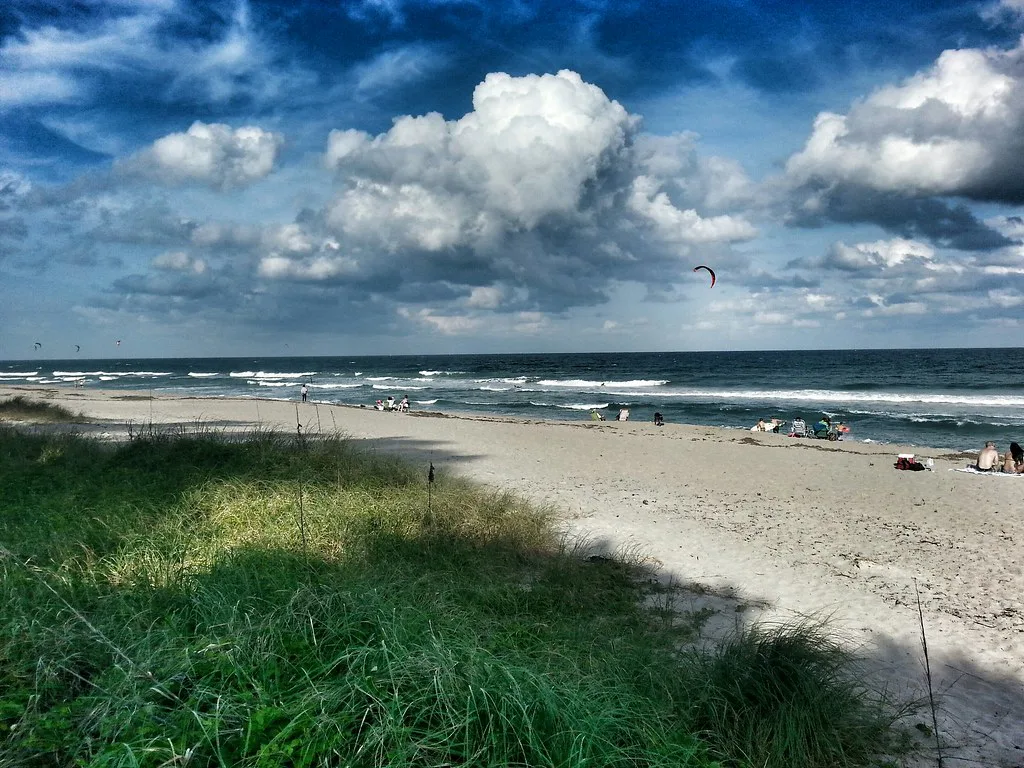
Entry is a straightforward walk into the surf over sand, then a swim out to reach the reef line. Start inside the guarded flags, pick a spot away from the pier and any fishing activity, and fin up before you get deep so you are not fighting shore break in fins.
How far you swim depends on where the bottom structure starts on the day; expect a short surface swim from the sand before the bottom turns from flat sand to rock and coral rubble. Keep the pier behind or well to one side as a bearing so you can find your exit point, and come back in before you are tired rather than after.
What you will see: reef line, sandy lanes and marine life
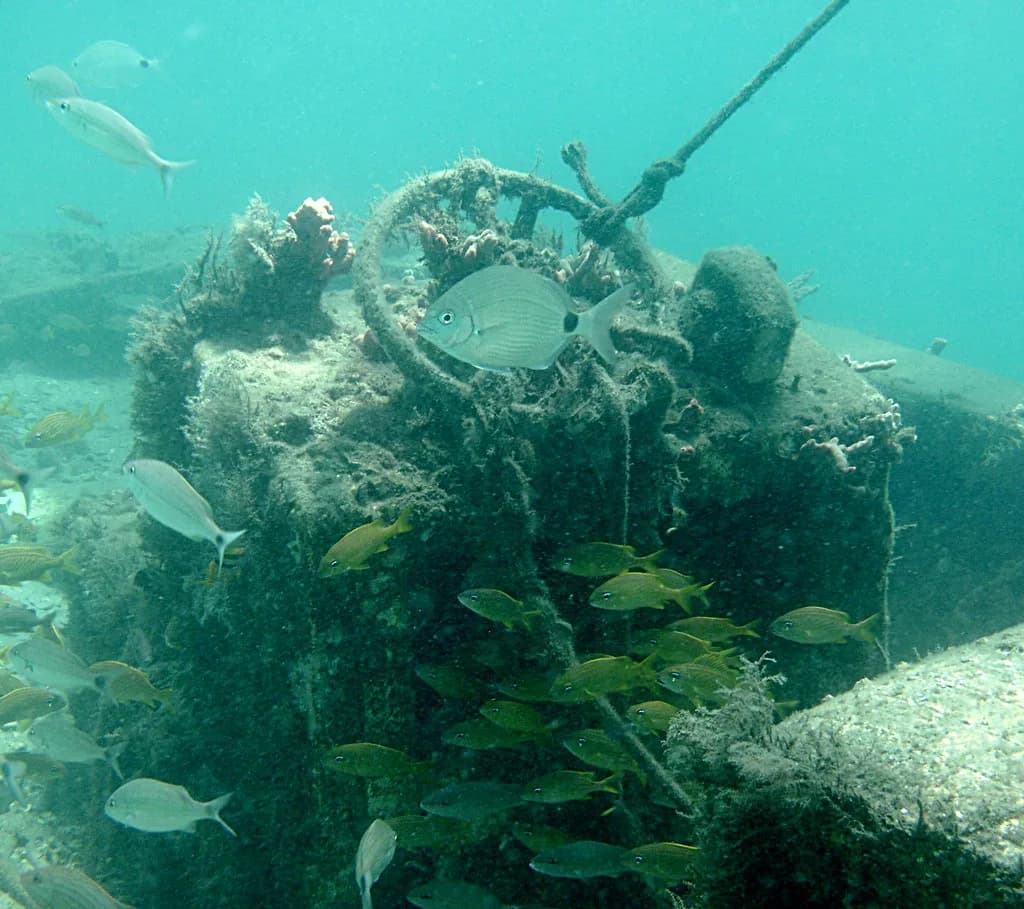
The snorkeling is a mix of low reef line, rock ledges and sandy channels running parallel to shore. That layout concentrates fish along the structure edges, where parrotfish, surgeonfish, wrasses and sergeant majors graze, and it gives you open sand lanes to cross between patches.
This stretch of coast is sea turtle country, and green and loggerhead turtles are the marquee wildlife of the Juno area; the nearby Loggerhead Marinelife Center is the reference point for the region's nesting beach. Sightings are never guaranteed, and the rules are the same as anywhere in Florida: keep your distance, never touch or chase a turtle, and let a turtle surfacing to breathe come and go on its own terms.
Depth and swimming level
Close to shore the water is shallow over sand, then deepens gradually across the reef line, so confident beginners can work the inner edge while stronger swimmers push further out. This is not a wading-in-to-your-knees snorkel; you need to be able to swim on the surface in open water and clear a little surf at the shoreline.
Families with small children and first-timers often do better at a shallow, sheltered site where the water stays flat, and the county's blue-heron bridge snorkeling gives you that kind of calm, walk-in entry a short drive away. Save Juno for a morning when the surf report is small and the wind is offshore or light.
Juno Beach Pier: structure, fishing lines and a wide berth
The pier is both a landmark and a hazard. Fishing is permitted from the pier, but saltwater fishing is not permitted in the guarded swimming areas, which keeps the flagged beach zone clear of hooks and lines cast from shore.
Even so, stay clear of the pier pilings and the water directly beneath the structure, where lines and weighted rigs can drop. Snorkel the open beach on either side of the pier rather than threading under it, and if a line does land near you, surface and move away rather than swimming through.
Best time of day, season and wind direction
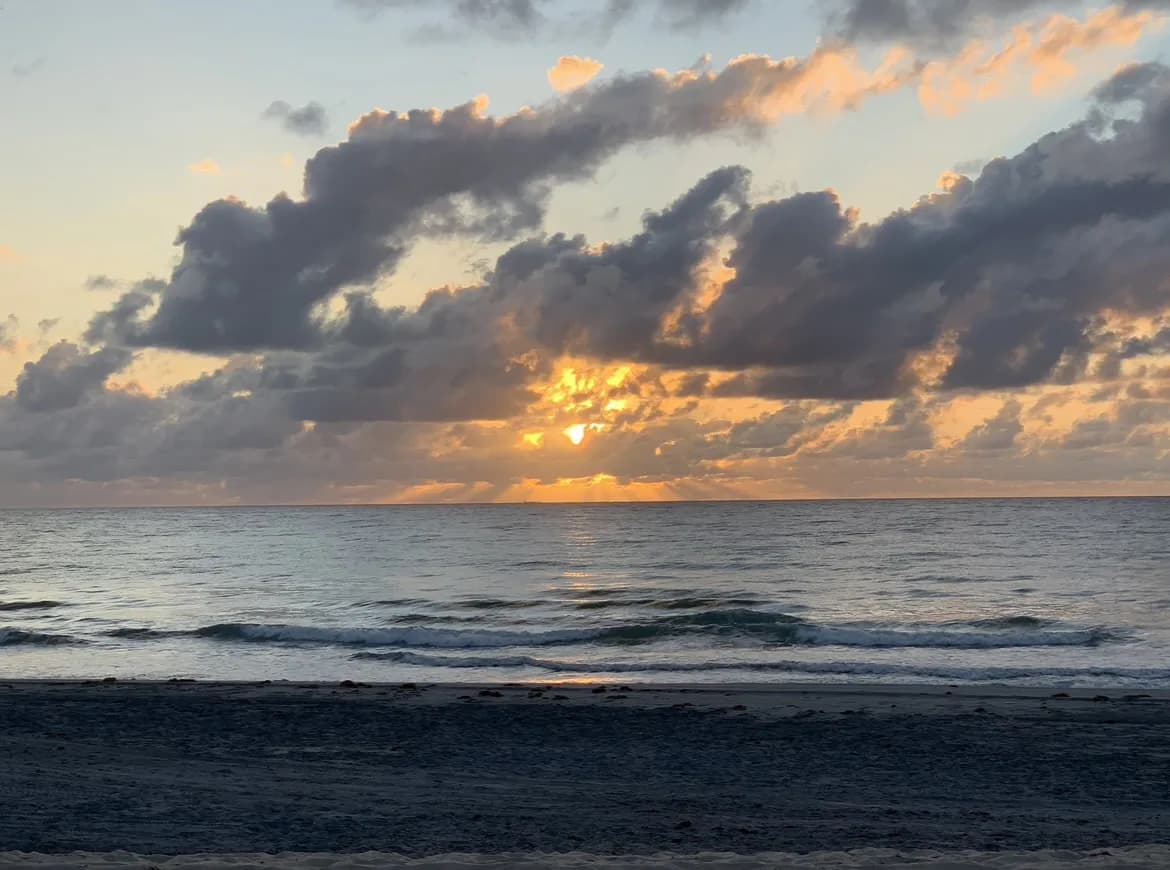
Early morning is the reliable window: the sea breeze has not yet built, the beach is quiet, and the light is still low enough to see structure without glare. Plan your swim for the first part of the day and keep the afternoon free for a shower and lunch, since onshore wind and building surf typically make the ocean choppier later.
For the flattest water, look for light offshore or side-shore wind and a small surf forecast; a strong onshore wind stacks up shore break and cuts visibility. Summer brings warm water and afternoon thunderstorms, while winter cold fronts can bring bigger swell, so match your day to the marine forecast and beach conditions line that Palm Beach County Ocean Rescue posts.
Hazards: surf, currents, pier traffic and storms
The realistic risks are the ones that come with any Atlantic beach swim: shore break on entry and exit, rip currents along the beach, and sudden summer storms. Swim inside the guarded area, know how to escape a rip by swimming parallel to shore, and get out of the water when thunder starts.
Boat traffic is less of a concern right off the guarded beach than it would be further offshore, but the pier end and any fishing activity are worth avoiding. Conditions change hour to hour, so read the county beach conditions report and the posted lifeguard flags before you commit.
Parking, hours and facilities at Juno Beach Park
The park operates from sunrise to sunset and provides parking, restroom facilities and outdoor showers, plus picnic shelters with tables, which makes it easy to rinse off and change after a swim. Ocean Rescue headquarters is located at this park, and beach conditions information is posted through the county.
Come early on weekends and holidays, when the lot fills with beachgoers and anglers heading for the pier. Check the county page for current parking and amenity details before you drive, since the park also posts construction notices for the pier area.
Rules that shape your day
Three county rules matter most for a snorkeler: swim in the guarded area rather than the designated surfing zone, stay out of the water where fishing is permitted from shore, and leave balloons at home. Juno Beach Park prohibits balloons, a rule Palm Beach County adopted with Loggerhead Marinelife Center to protect sea turtles from debris.
For wildlife, follow the statewide guidance for sea turtles and other protected species: no touching, no feeding, no chasing, and give animals room to move away. Reef-safe sunscreen is the sensible default on any Florida beach, and it keeps the products you rinse off out of the water you just swam through.
Nearby snorkel spots to combine with Juno Beach
If the surf is up at Juno, drive south to Phil Foster Park for the Blue Heron Bridge Snorkeling at Phil Foster Park, a sheltered inlet dive where the water is typically calmer and the bottom is shallow. It is a completely different experience from an open-ocean beach, and pairing the two gives you a fallback when the Atlantic is rough.
Further south, Red Reef Park and Coral Cove Park offer their own rocky-shore snorkeling in the Boca Raton and Tequesta areas, and Peanut Island adds a boat-access option in Lake Worth Lagoon. Our guide to snorkeling in palm beach pulls these sites together so you can match the day's conditions to the right entry point.
Who should pick Juno Beach over a boat tour
Choose Juno if you want a self-guided, low-cost beach day with a real reef swim and you are comfortable handling shore break on your own. The trade-off is that you get no guide, no gear included and no guarantee of clear water; a guided boat snorkel or a beginner dive trip out of West Palm Beach bundles instruction, equipment and a captain's read on conditions.
Skip Juno and head for a sheltered inlet or a boat trip if you are snorkeling with young children, if the surf forecast is over knee-high, or if you want a guide in the water with you. The beach is at its best for fit adults and teens on a calm morning, not as a first-ever ocean swim. If you are weighing open-ocean beach entry against boat-based reef sites, our guide to snorkeling in Fort Lauderdale covers both in one place.
Plan Your Juno Beach Snorkel Day
Build the day around an early arrival at Juno Beach Park, a swim inside the guarded 300 feet, and a route that keeps the pier and any fishing lines well clear. Bring your own mask and fins, rinse off at the outdoor showers, and keep a calmer inlet plan in reserve if the surf picks up.
Before you go, read the county's beach conditions line and posted lifeguard flags, and confirm pier-area notices on the park page. Then pick your window, pack reef-safe sunscreen, and enjoy one of the more accessible open-ocean snorkels on the Palm Beach County coast.
Frequently Asked Questions
Can you snorkel right off Juno Beach Park?
Yes. You enter from the sand inside the guarded swimming area and swim out to the reef line; there is no boat required and no marked trail. The guarded frontage is 300 feet, and the county asks swimmers to use that zone rather than the designated surfing area.
Is Juno Beach good for beginner snorkelers?
Confident beginners who can swim in open water and handle a little shore break can manage it, especially on a calm morning. Families with small children and total first-timers usually prefer a shallower, sheltered inlet such as the Blue Heron Bridge area.
What will I see snorkeling at Juno Beach?
Expect low reef and rock ledges with grazing reef fish such as parrotfish, wrasses and sergeant majors, plus sandy channels between patches. Sea turtles use this stretch of coast, but sightings are never guaranteed and you must keep your distance from any turtle you meet.
When is the best time to snorkel Juno Beach?
Early morning usually brings the lightest wind and smallest surf, which means clearer water and an easier entry. Check the marine forecast and the county beach conditions report before you go, and stay out of the water during thunderstorms.
Is there a fee to snorkel at Juno Beach Park?
The park is a public county beach park, and the county lists its hours as sunrise to sunset along with parking, restrooms and outdoor showers. Check the Palm Beach County parks page for current parking and amenity details before your visit.
What rules should snorkelers follow at Juno Beach?
Swim in the guarded area rather than the surfing zone, and note that saltwater fishing is not permitted in guarded swimming areas even though it is allowed from the pier. Balloons are prohibited at the park to protect sea turtles, and wildlife should never be touched or chased.
Sources
Snorkeling notes for your next trip
Optional updates to our snorkeling guides.
You might also like
Continue reading
More guides you'll find useful