Gulf Shores Snorkeling Guide: Pensacola Spots to Decide
Gulf Shores snorkeling runs on boat charters and dive-shop trips rather than a fixed reef. Learn the season, water conditions and what you will actually see.
On this page
Snorkeling around Gulf Shores rewards travelers who treat it as a boat day rather than a reef visit: you head offshore with a captain who reads the tide and wind, then drop onto whatever structure and inshore fish the Gulf is offering that morning. It suits families and first-timers who want a relaxed, guided intro to the water, and it suits stronger swimmers who simply want more time in the sea. If you pictured a shallow coral garden a short wade from the sand, reset expectations before you go.
A Boat-and-Conditions Destination, Not a Fixed Reef
Unlike Florida Keys or Caribbean destinations built around a named coral reef, the Gulf Shores area does not hand you one famous snorkel site with a sign and a parking lot. Trips are typically run by charter operators who choose a spot based on the day's water, so the exact location and what you see can change from one outing to the next. Charter boats commonly combine a short run offshore with guided time in the water.
That makes the boat captain and the day's forecast more important than any single map pin. A captain who schedules around calmer water and favorable tide movement gives you a better shot at clarity than a fixed itinerary that runs regardless. Ask how the trip balances structure, swimming time and marine life, and build your plans around a flexible day rather than a hard reservation slot.
Where the Trips Leave From
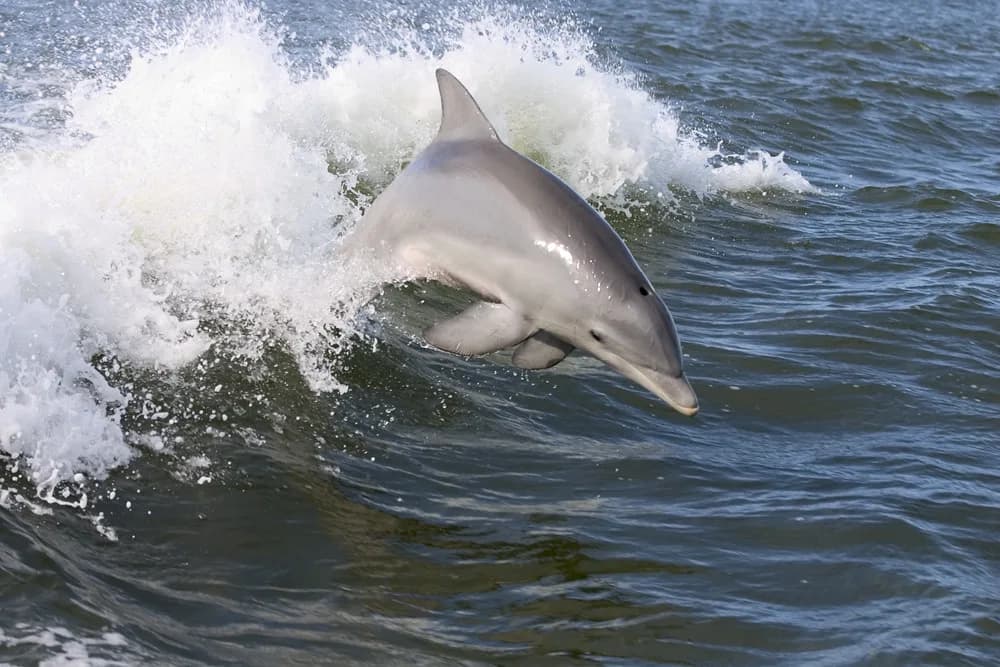
Snorkel and dive excursions operate out of both Gulf Shores and neighboring Orange Beach, which sit on the same stretch of Alabama coast and share the same boating grounds. Area water-activity listings include operators such as 32 Charters LLC in Orange Beach offering snorkeling alongside free-dive and dolphin cruises, with gear supplied.
Treat the two towns as one trip-planning zone: where you sleep and where the boat departs may differ by a short drive. If you are weighing a base further east, the broader Pensacola snorkeling guide covers shore and boat options on the Florida side of the same coast, so you can compare departure points before committing to a morning on the water. The same logic applies to snorkeling in St. Petersburg, another Florida Gulf base where shore spots and charters are weighed against each other.
Boat Ladder Entries Versus Beach Dives
Most commercial snorkel trips here put you in the water from a boat, which means a ladder entry from the stern and a guided swim rather than a walk off the sand. That format favors people who are comfortable in deep water with flotation and who can climb a ladder in fins, and it is why many trips are pitched at beginners and families with instruction built in. Confirmation of your own comfort with a boat ladder is the single most useful pre-trip check you can make.
Dive shops in the area also run beach dives and local charter excursions and rent or sell snorkeling equipment, so a shore-based session is a realistic option if you want to practice mask clearing and finning before a paid trip.
The Season That Works
Late spring through early fall is the reliable window: water warms, visibility often improves, marine activity picks up and weather patterns settle. May through September is the busiest stretch, with summer drawing the heaviest Gulf Coast crowds. Spring and early fall can deliver excellent conditions with more room on the boat, which makes them the value picks for travelers who can move their dates.
Outside that window, the question shifts from clarity to comfort: you are more dependent on a calm, mild day and a wetsuit if you feel the cold. If your trip lands in shoulder season, plan snorkeling as one option in a flexible week and keep a beach or dolphin-cruise day in reserve. A local operator can tell you what the current season is actually producing.
Conditions That Decide Your Day
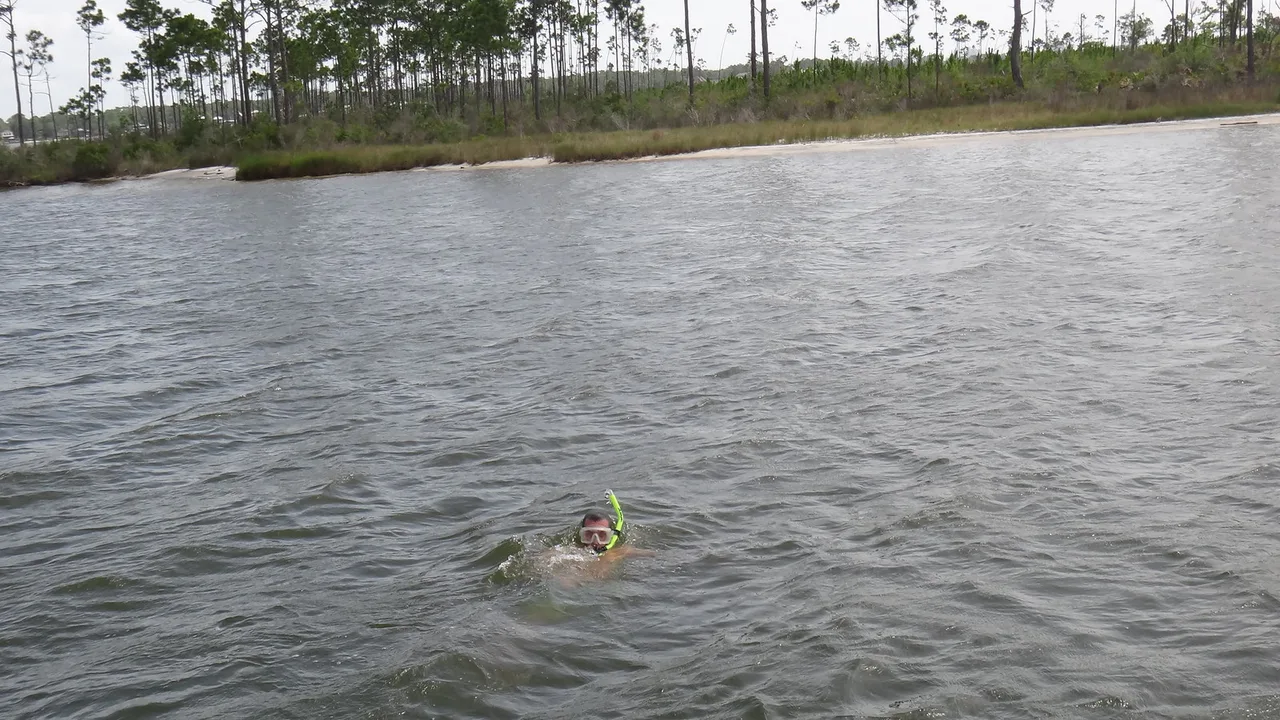
Water conditions matter more here than at a sheltered reef, and the biggest factors are wind, tide and clarity. Calm water, lighter wind, improved visibility and favorable tide movement stack up into a good day; bright sun alone does not guarantee it if the Gulf is stirred up. Trips are usually scheduled around the best conditions, so an operator's willingness to move a departure is a good sign.
In practice, a strong onshore wind stirs sand and cuts visibility, so a morning after a calm night is usually the better bet than one following a blow. Ask the charter company how it handles rough-water days and whether there is a backup date or an alternate activity. Build a spare half-day into your itinerary so a marginal forecast does not cost you the whole trip.
What You Will See
Because conditions and marine activity shift through the season, no two trips are identical. Expect inshore and reef fish, crabs, underwater structure and marine vegetation depending on where the boat stops for the day.
Approach it as a wildlife watch rather than a checklist: you might share the water with a school of fish one hour and see mostly structure the next. Keep a respectful distance from anything you encounter and never touch, feed or chase animals, sea turtles included. Carry a mask that fits and a snorkel you trust, and let the day's marine life come to you.
Beginner and Family Fit
Small private groups make the biggest difference for first-timers and kids. Large public snorkeling tours can feel crowded, move at a faster pace and leave little room for personal instruction, while private trips allow smaller groups, more flexibility and easier communication with the crew. The pace matters more than the destination for a nervous seven-year-old.
Families tend to do well on snorkeling trips because everyone can join in the water together rather than watching from the boat. If someone in your group is unsure, choose a trip with a smaller passenger count and confirm that flotation and instruction are part of the format. Strong swimmers who want distance can ask whether they will have free-swim time.
Gear: Renting and Buying Locally
You do not need to own gear to snorkel here: area dive shops rent and sell snorkeling equipment, and some charters supply everything for the trip. Renting first is the sensible move if you are new, because fit matters more than brand and a shop can size a mask to your face.
Bring a rash guard or swim shirt for sun protection, a secure strap for glasses if you wear them, and a dry bag for phones. Reef-safe sunscreen rules follow the state and local rules where you are swimming, so check the label before you pack and buy locally if in doubt. Leave jewelry and loose items ashore; fins, mask and snorkel are all you really need on the boat.
A Half-Day on the Water
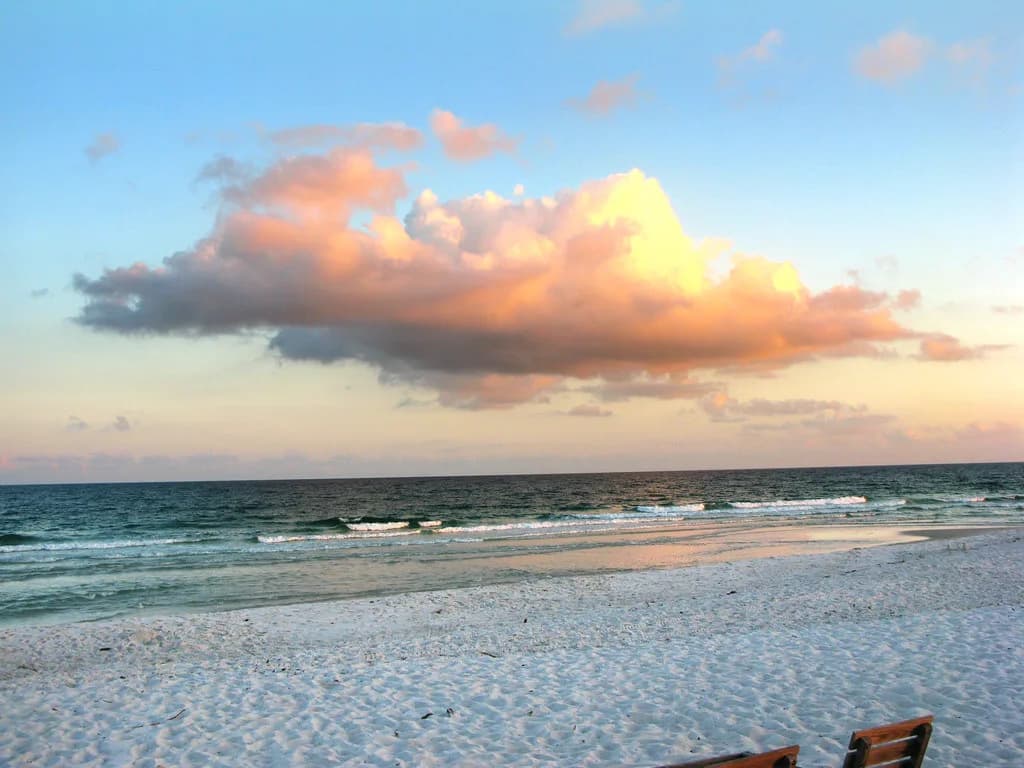
Snorkeling pairs neatly with the area's other boat tours. Dolphin cruises lean toward sightseeing and wildlife viewing from the deck, while sunset cruises trade the water for evening scenery and a relaxing ride; snorkeling is the active, interactive option where you spend time in the sea. Many visitors book more than one type of trip across a vacation to see different sides of the coast.
A practical half-day plan is a morning snorkel trip followed by lunch and a lazy beach afternoon, or an afternoon snorkel paired with an evening dolphin or sunset cruise. Book the water time first and work the rest of the day around it, since departures depend on the tide and weather. Keep one day free of boat plans so a moved trip has somewhere to go.
Nearby Water to Add to the Trip
If you want a second snorkel day, look east along the Florida Panhandle: Navarre Beach snorkeling pairs sanctuary reefs, pier pilings and sea grass with easy shore access, while Park East reef snorkeling on Pensacola Beach offers a shallow artificial reef close to the sand. Both give you a shore-entry complement to a Gulf Shores boat trip, which is useful if you want to practice without paying for a charter.
Fort Pickens snorkeling adds a jetties entry and a different bottom to the mix for travelers who like structure and marine life over sand and rock. On the Alabama side, comparing orange beach snorkeling options lets you weigh departure towns against your lodging before you decide.
Plan Your Snorkel Day
Book the trip around the season and the water, not the calendar: aim for late spring through early fall, favor a morning after a calm night, and keep a spare day for a moved departure. For beginners and kids, a small private group is worth more than a bigger boat with a fuller itinerary. Check with your chosen charter or a local dive shop such as Down Under Dive Shop in Gulf Shores on the day's conditions and what gear is supplied.
Frequently Asked Questions
Is snorkeling in Gulf Shores worth it?
It is worth it if you want a guided boat day with time in the water and marine life rather than a fixed reef. The experience depends heavily on wind, tide and clarity, so pick an operator who schedules around conditions and go in the warmer months when the Gulf is most comfortable.
When is the best time of year to snorkel in Gulf Shores?
Late spring through early fall is the reliable window, when water temperatures rise, visibility often improves and marine activity increases. May through September is the busiest stretch; spring and early fall can offer good conditions with fewer people on the boat. Outside that window, comfort and calm weather matter more than clarity.
Do you need a boat to snorkel in Gulf Shores?
Most commercial snorkeling happens from a boat, entering by ladder and swimming with a guide. Area dive shops also run beach dives and local excursions and rent gear, which is a good way to practice before a charter. Shore options on the Florida Panhandle make a useful second day.
Are private snorkeling trips better for beginners and kids?
Private trips usually mean smaller groups, a slower pace, more instruction and easier communication with the crew. Large public tours can feel crowded and move quickly. For a first-timer or a family with young kids, the private format is often the deciding factor.
What marine life can you see snorkeling in Gulf Shores?
Expect condition-dependent sightings: inshore and reef fish, crabs, underwater structure and marine vegetation, with the mix changing through the season. No trip can promise specific animals. Keep a respectful distance, never touch or feed wildlife, and treat every sighting as a bonus.
Should you rent gear or bring your own?
Rent first if you are new, because fit matters more than brand and area dive shops rent and sell equipment. Some charters supply everything you need, so ask before you pack. Bring a rash guard for sun protection and a dry bag, and check sunscreen labels against local reef-safe rules.
Sources
Snorkeling notes for your next trip
Optional updates to our snorkeling guides.
You might also like
Continue reading
More guides you'll find useful