Snorkeling Hollywood Beach, Florida: The Nearshore Reef Trail
Snorkel Hollywood Beach from shore at four marked reef-trail sites in 8 to 15 feet of water. Here is where to enter, what you will see and what to bring.
On this page
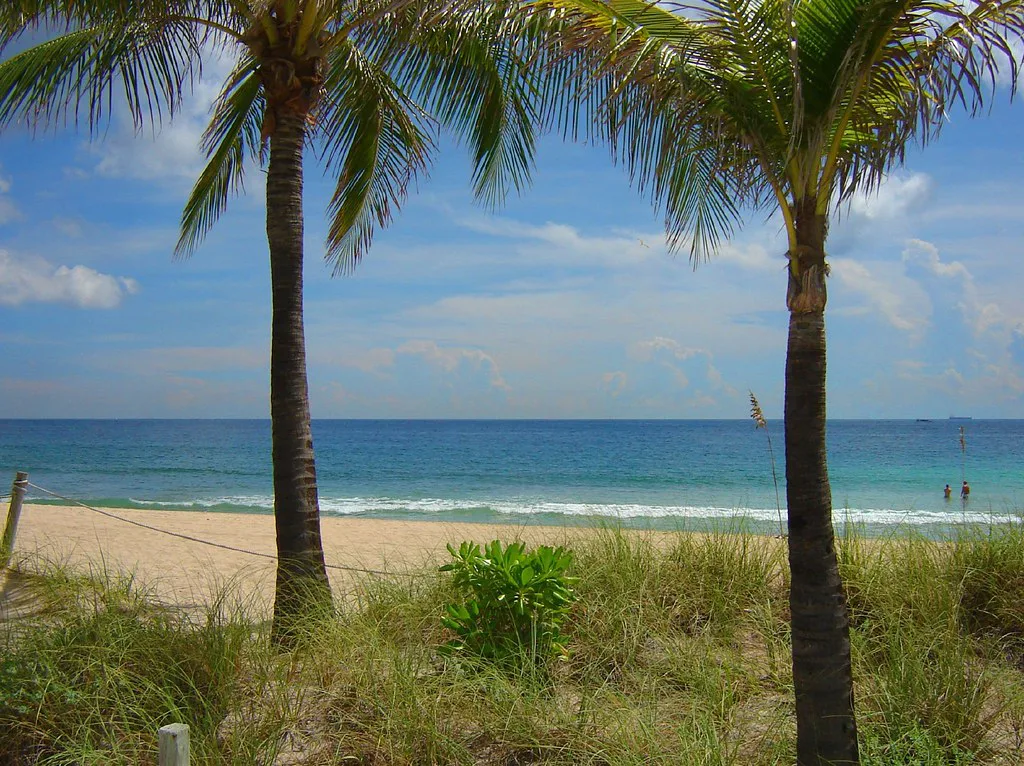
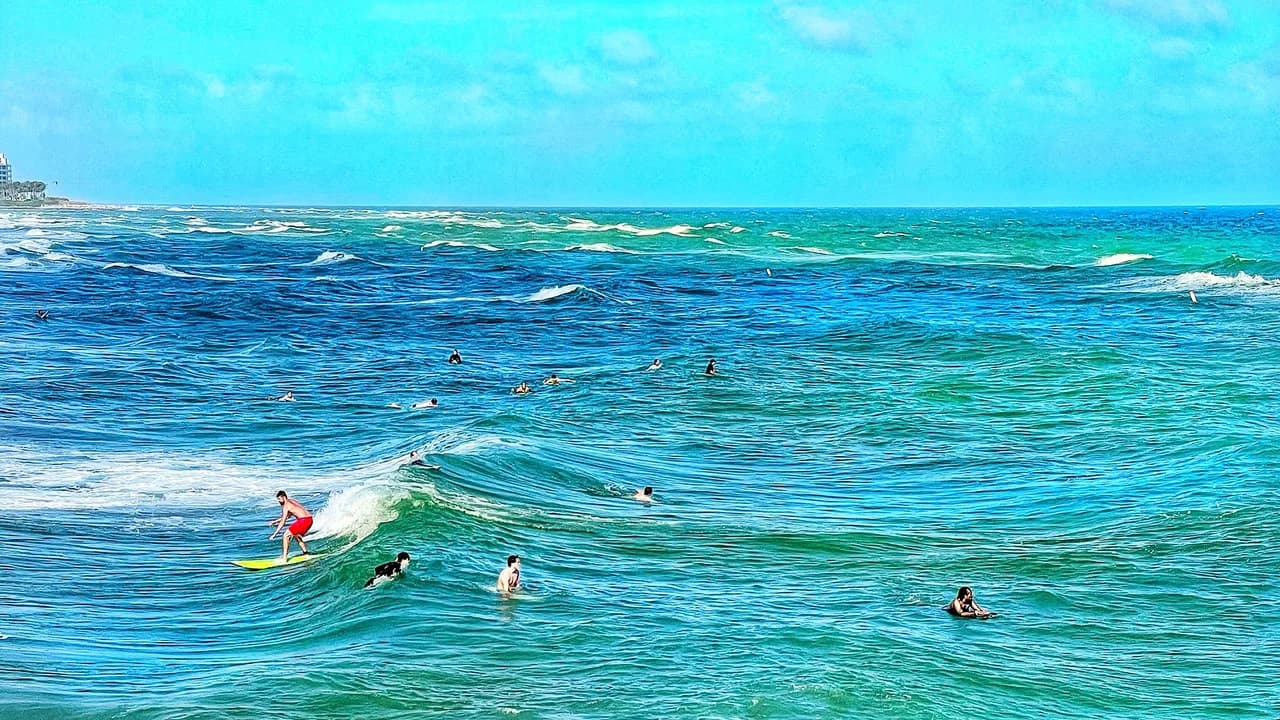
Hollywood Beach suits snorkelers who want a real swim out to structure rather than a two-minute wade off the sand. The draw is a purpose-built artificial trail of 50 reef modules placed in 8 to 15 feet of water off four city parks along A1A. It rewards confident swimmers and older kids who are comfortable in open water, and it is not a paddling spot for toddlers.
Two things shape the day more than anything else. The first is the swim: reefs sit 250 to 350 feet from shore, so you cross open surf zone in both directions. The second is boat traffic, which is why the trail carries a hard diver-down flag requirement. Plan around those two facts and the rest, from which park to pick to what to bring, falls into place.
Where the reef is
Ocean Rescue Alliance International deployed the Guardians of the Reef trail with the City of Hollywood across four shallow-water locations, roughly 12 structures per site. The sites run north to south along the beach: North Beach Park at McClellan Street, North Beach Park at Simms Street, Harry Berry Park at Azalea Terrace, and Keating Park at Magnolia Terrace. Each sits 250 to 350 feet offshore in water averaging about 12 feet deep.
Treat this as a restored artificial habitat, not a natural coral barrier reef. That changes the experience in practical ways: the structures are clustered and buoy-marked rather than spread across a continuous reef line, so you swim to a site and work it methodically instead of drifting for hundreds of yards. The city's own reef page describes the nearshore installation sitting at roughly 10 feet and being reachable by snorkelers entering from the beach.
North Beach Park: McClellan Street and Simms Street
The two North Beach Park sites give you the northernmost access and the easiest pairing if you want to compare two clusters in one session. McClellan Street and Simms Street are both A1A crossings into the park, and each has its own buoy-marked module group offshore. Enter from the sand at the park and line up on the orange buoys before you start swimming.
Because the two sites sit within the same park, this is the best area for a group that splits up: stronger swimmers can work one cluster while others stay closer to the beach. Neither site is lifeguard-supervised by virtue of the trail itself, so pairs and a floating flag should anchor your plan. Keep the flag visible above the surface on the swim out, not just at the modules.
Harry Berry Park and Keating Park: southern sites
Harry Berry Park at Azalea Terrace and Keating Park at Magnolia Terrace cover the southern half of the trail. These suit snorkelers staying closer to the Hollywood Beach Broadwalk core who would rather walk to the entry than drive north. Access is via the adjacent public parks, and the same 250 to 350 foot swim applies.
Pick one southern site rather than trying both in a single session. Two crossings of 250 to 350 feet each, plus time at the modules, is a full workout for a recreational snorkeler. If you want variety, split the day with a surface interval on the sand and a drink rather than chaining swims back to back.
Getting in
All four sites are beach entries from the sand at the adjacent parks, with no ladder, stair or boat required. You wade through the surf zone, put your mask on past the break, and swim on the surface to the buoys. The trail's own access guidance is to enter only via the adjacent public parks.
Time the swim out for a calm moment rather than pushing through shorebreak. Because you return to the same beach, you need enough reserve to swim back against whatever current has built along the shoreline. Fins make the 250 to 350 foot crossing far more efficient than bare feet, and a snorkel that seals well matters more here than in a calm bay.
Depth and who it suits
Water depth runs 8 to 15 feet, averaging around 12, which sits at the upper end of comfortable for a beginner on breath-hold and well within range for a snorkeler who can clear a mask and swim 300 feet unaided. Kids who are strong swimmers in a pool can handle the surface swim; the depth means they will not be touching bottom at the modules.
Weak swimmers and young children are better served by a lifeguarded bay with a shallow sandy bottom, or by staying inside the surf line with a bodyboard. If your group is mixed, send the confident half to the modules and keep the rest on the sand with a clear meeting point at the park entrance.
What you will see
The trail was built to restore marine habitat, so expect structure rather than a coral garden: custom reef modules and habitat units that attract and shelter reef life. Fish gather around vertical relief, and the modules provide exactly that. Approach slowly and hover rather than kicking down onto the structures.
Bring a hands-off ethic. Wildlife viewing rules in Florida waters mean no touching, feeding or chasing, and the trail's own guidelines add no standing on or removing the reef structures. Look, photograph and leave the habitat intact for the next snorkeler.
Best time of day and conditions
Aim for a morning window when the wind has not yet built the afternoon chop and boat traffic is lighter. Flat, glassy mornings make the swim out easier and keep the buoy markers visible from the sand. Check the marine forecast the night before and again at breakfast, since Gold Coast conditions turn on wind direction and swell.
The South Florida reef tract runs parallel to the shoreline with the Gulfstream pushing along it, which is what makes the region a drift-diving destination for boats. That same current is why shore snorkelers here should swim into it on the way out so the return leg is easier. If the surf is up or the flag on the beach signals caution, save the trail for another day.
Hazards: boat traffic and the diver-down flag
Boat traffic is the central risk of this shore entry, and it is the reason the trail publishes a flag rule. Always use a diver-down flag when snorkeling, and tow it on a line so it stays above you at all times.
The swim out crosses open water where vessels transit, so keep your head up every 20 to 30 strokes and stay with your buddy. Beyond boats, treat the usual beach hazards seriously: shorebreak on the entry, longshore current along the sand, and heat. A rash guard and a wide-brim hat on the walk back cost little and help a lot.
Rules on the reef
The trail's published rules are short: do not touch, stand on or remove reef structures, and access the water only from the adjacent public parks. The reef is a restoration project first, and snorkelers are guests on it.
Signage is going up at each site in partnership with Broward County, so expect posted guidance at the park entrances over time. Read whatever is on the board before you walk to the water; local rules can be updated there. Reef-safe sunscreen is the sensible default on any Florida reef day.
Parking, facilities and fees along Hollywood Beach
Hollywood Beach runs on metered and permit parking along A1A and the Broadwalk, and the rate you pay depends on the lot and the season. Check the City of Hollywood's parking pages or the meter itself before you commit your car for the afternoon, and arrive early on weekends when the Broadwalk fills. Rates are not something to plan around from memory.
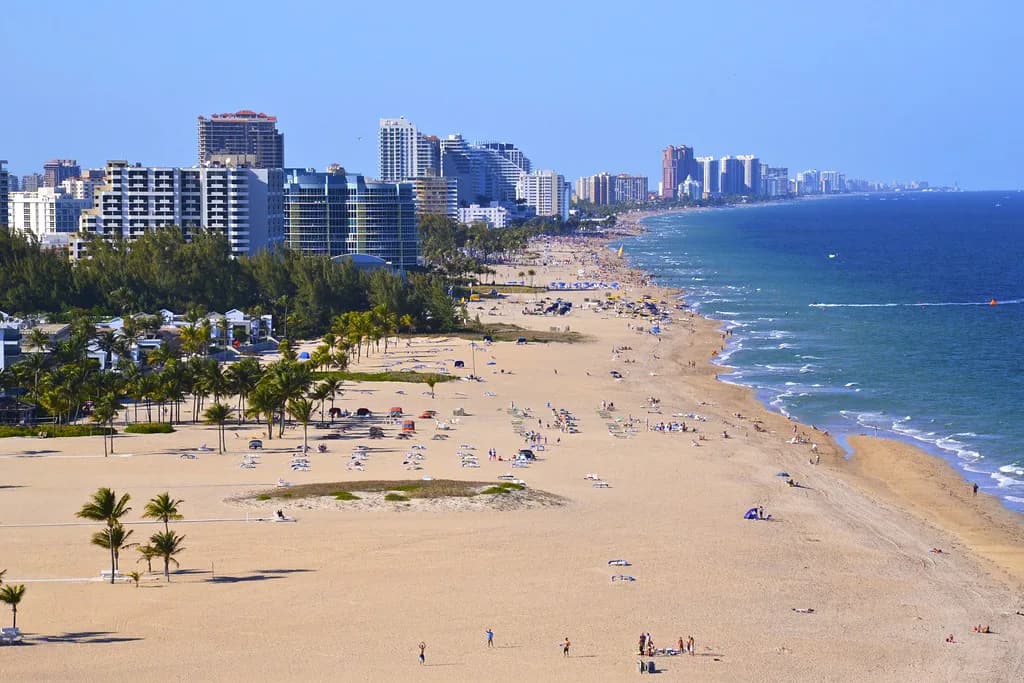
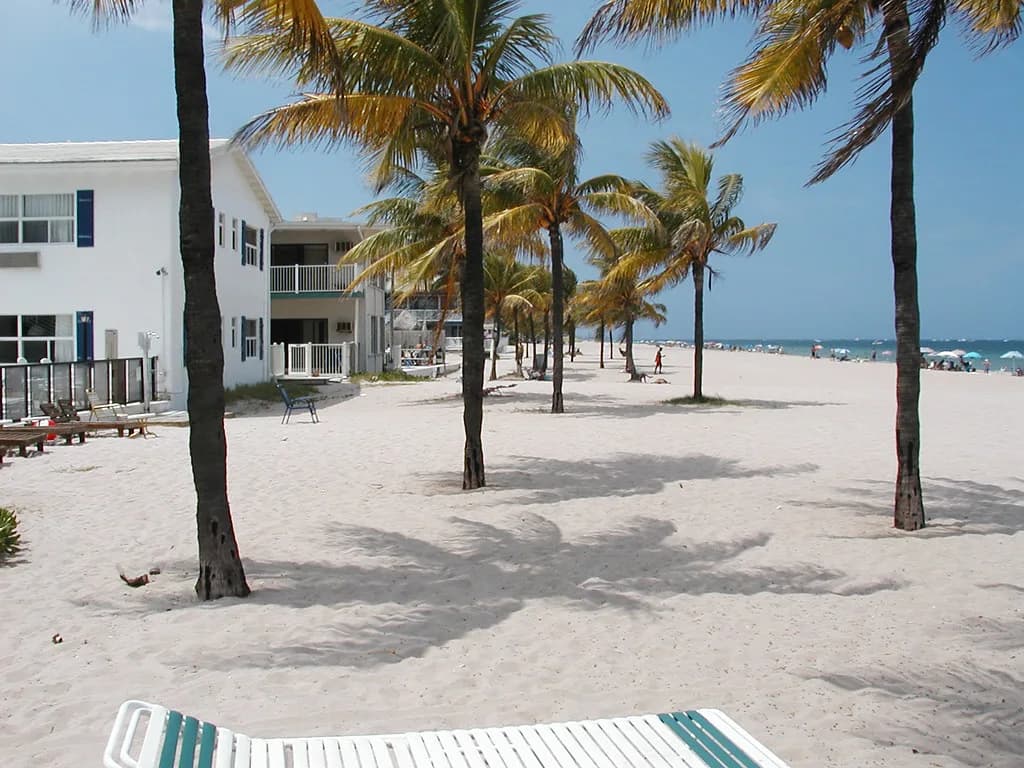
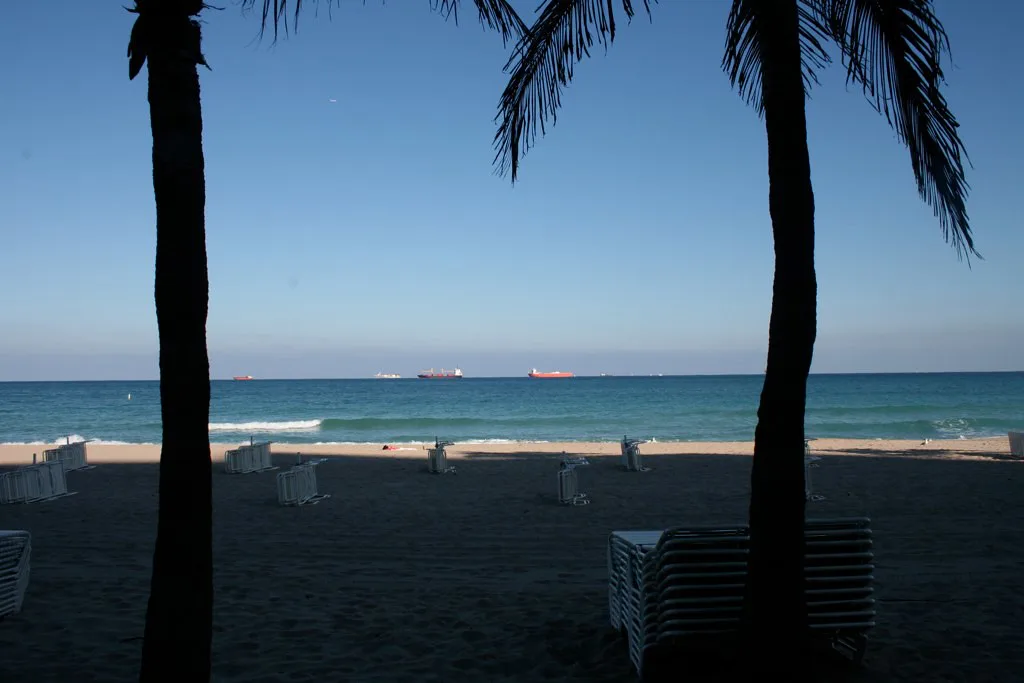
The Broadwalk is the top-side draw here, a promenade that USA Today named among America's best nostalgic promenades. That makes Hollywood Beach easy to combine with a non-snorkeling afternoon: swim in the morning, eat and walk in the afternoon.
Snorkel tours and boat options
Boat operators working the Gold Coast run drift dives and snorkel trips out of Hillsboro Inlet and Port Everglades, often with drop-offs and pickups rather than swim-back entries. That style covers far more reef than a shore swim and suits certified divers or snorkelers comfortable in open water with a guide.
Shop for the trip that matches your skill level, not the biggest boat. Some Gold Coast boats head for wreck sites outside Hillsboro Inlet, which are dive sites rather than snorkel sites. Before you book, confirm the depth and entry style the snorkel trip uses; across Hollywood and Pompano the shops that run these trips, including South Florida Diving Headquarters, will tell you plainly whether a departure suits snorkelers.
Nearby spots to combine
Lauderdale-by-the-Sea is the region's other shore-snorkel anchor, with a reef close enough to swim to from the beach and a compact town center. Pairing the two makes a good long weekend, with Hollywood's artificial trail one morning and the natural reef just north the next. See the Lauderdale by the sea snorkeling guide for entry points and depth.
For a wider picture of the coast, from Dania Beach down through Fort Lauderdale, read the guide to snorkeling in fort lauderdale before you lock in dates. It maps which spots suit beginners and which reward a boat ride. Deerfield Beach snorkeling to the north offers another shore-adjacent option if you want a change of scene.
What to bring
Pack a mask that seals without a strap squeeze, a snorkel with a simple purge, and open-heel fins that fit over booties for the 250 to 350 foot swim. A towed diver-down flag with a reel is mandatory kit here. Add a rash guard for sun and sting protection, a waterproof watch or dive computer for time, and water on the beach.
Leave the mesh gear bag at home and carry a small dry bag instead; you have a long swim and a walk back to the car. A cheap waterproof phone pouch keeps your parking receipt and contact info dry.
Plan Your Hollywood Beach Snorkel Day
Choose one site, not four: North Beach Park at McClellan or Simms for a northern base, or Harry Berry and Keating Parks for the southern stretch near the Broadwalk. Swim out on a flat morning, tow your diver-down flag, stay off the structures, and leave enough in the tank for the return leg. If you want to compare this restored trail with natural reef sites further north, the guide to snorkeling in Palm Beach covers that decision.
Pair the swim with a Broadwalk afternoon, and keep Lauderdale-by-the-Sea on the shortlist if you want a natural reef to compare against. The trail is the reason to pick Hollywood Beach for a shore snorkel in Broward County.
Frequently Asked Questions
Can you snorkel from shore at Hollywood Beach?
Yes. The Guardians of the Reef trail was designed for shore entry, with four sites along A1A at North Beach Park, Harry Berry Park and Keating Park. You wade in from the sand at an adjacent park and swim 250 to 350 feet to the buoy-marked modules in 8 to 15 feet of water.
How deep is the water at the Hollywood Beach reef trail?
The trail sits in 8 to 15 feet of water, averaging about 12 feet. That range is fine for a confident snorkeler on breath-hold but means young children will not be able to touch bottom at the modules.
Where are the Guardians of the Reef sites in Hollywood, Florida?
The four sites are at North Beach Park at McClellan Street, North Beach Park at Simms Street, Harry Berry Park at Azalea Terrace and Keating Park at Magnolia Terrace. Each is marked with two orange buoys roughly 250 to 350 feet offshore.
Do you need a diver-down flag to snorkel Hollywood Beach?
Yes. The trail publishes a diver-down flag requirement because the swim out crosses open water with boat traffic. Tow the flag so it stays above you during the crossing and while you work the modules.
Is Hollywood Beach good for beginner snorkelers?
It suits beginners who can swim 300 feet unaided and clear a mask, though the depth and open-water crossing make it a step up from a calm bay. Weak swimmers and small children do better inside the surf line or at a lifeguarded spot with a shallow sandy bottom.
Are there snorkeling tours from Hollywood Beach?
Boat operators working the Gold Coast run snorkel trips and drift dives from Hillsboro Inlet and Port Everglades rather than directly off Hollywood Beach. Ask an operator about depth and entry style before booking, since many trips target wreck sites outside the inlet.
What should you bring to snorkel the Hollywood Beach reef trail?
Bring a fitted mask, snorkel, fins, a towed diver-down flag and a rash guard for sun protection. Carry water and a small dry bag, and leave the bulky gear bag at home for the long swim and walk back to the car.
Sources
Snorkeling notes for your next trip
Optional updates to our snorkeling guides.
You might also like
Continue reading
More guides you'll find useful