Xcaret Snorkeling: Underground Rivers, Inlets and What to Expect
Xcaret snorkeling mixes calm underground river swims with a sheltered Caribbean inlet. Here is how entry works and how to plan the day around it.
On this page
Xcaret gives you two very different snorkel experiences inside one park: a slow drift through calm freshwater underground rivers and an open sea inlet with reef fish along a sheltered Caribbean shore. It suits travelers who want a full, organized day with facilities, families with mixed swimming confidence, and anyone who would rather not deal with open-ocean surf to see fish. The trade-off is that this is a managed attraction, not a wild reef site, and the rivers demand as much of your day as the inlet does.
The park sits on the Carretera Chetumal–Puerto Juárez at kilometer 282, just south of Playa del Carmen in Quintana Roo, which makes it an easy add-on to a beach trip rather than a separate excursion. Because the property is large and the rivers and inlet are in different zones, planning the order of your swims matters more than packing more gear.
Where Xcaret Sits and What Kind of Day It Is
Xcaret is a large nature and culture park rather than a beach access point. Its address on the Carretera Chetumal–Puerto Juárez, kilometer 282, puts it in the Riviera Maya corridor south of Playa del Carmen, so most visitors reach it by road from Playa del Carmen, Cancun or Tulum.
Expect a full-day format: the park publishes daily opening at 8:30 a.m. and a 10:00 p.m. close on its package page, with 10:30 p.m. listed in the site footer. Arriving at opening is the practical way to get river time in before the park fills, and you should treat the day as a park day rather than a quick swim stop.
If you want open-water reef and a wild shoreline, this is not that trip. Readers weighing a park day against a free beach should look at the wider options and compare formats before committing; the inlet here is sheltered and managed, which is exactly why it works for nervous swimmers.
Getting in at the Underground Rivers
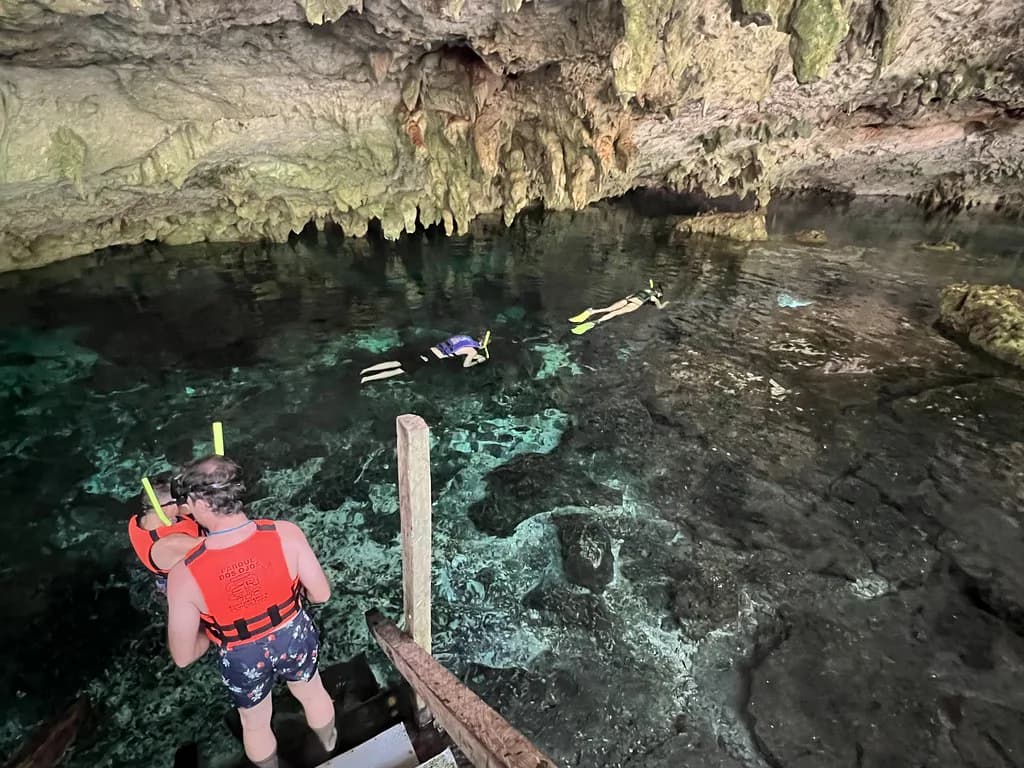
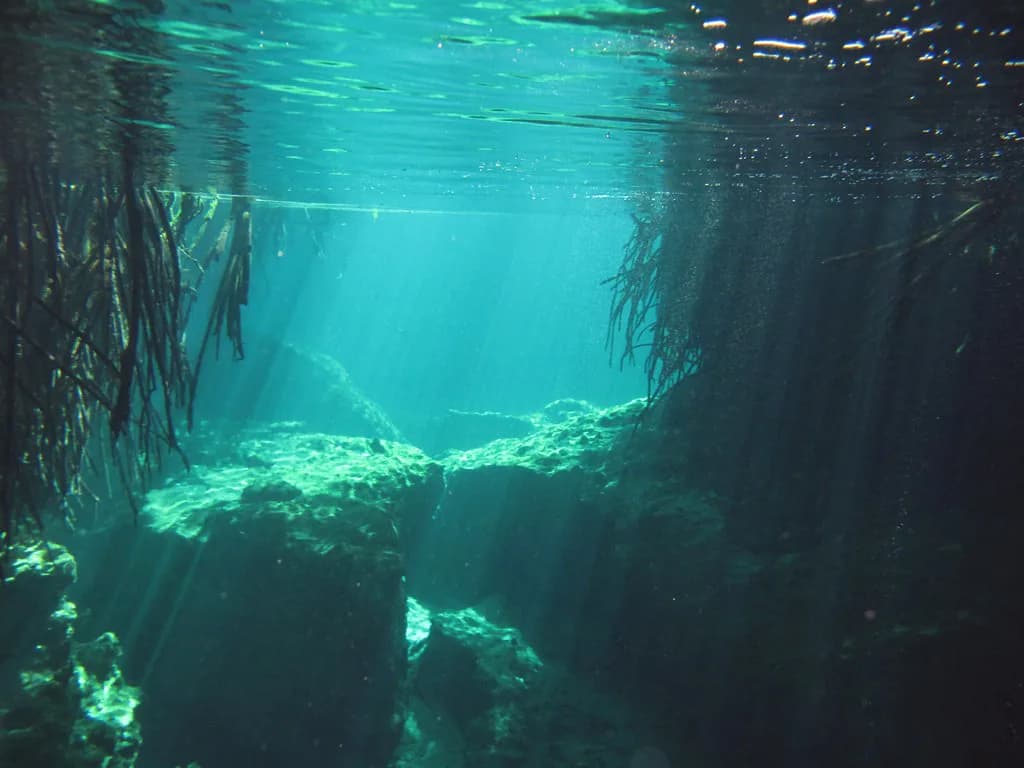
The underground rivers are freshwater channels that run through rock caverns, and you enter them from the park side by walking in or stepping down into the water rather than diving off a beach. Water levels vary along the route, with shallow stretches you can stand or wade through and deeper sections where you float, so a mask is useful even where you are not swimming hard.
Rock surfaces around entry and exit points are wet and slick, and the low passages mean you should keep your hands free and move slowly. This is the calmest water in the park and the part that non-swimmers and younger kids tend to handle best, though the darker cavern stretches can unsettle children who dislike enclosed spaces.
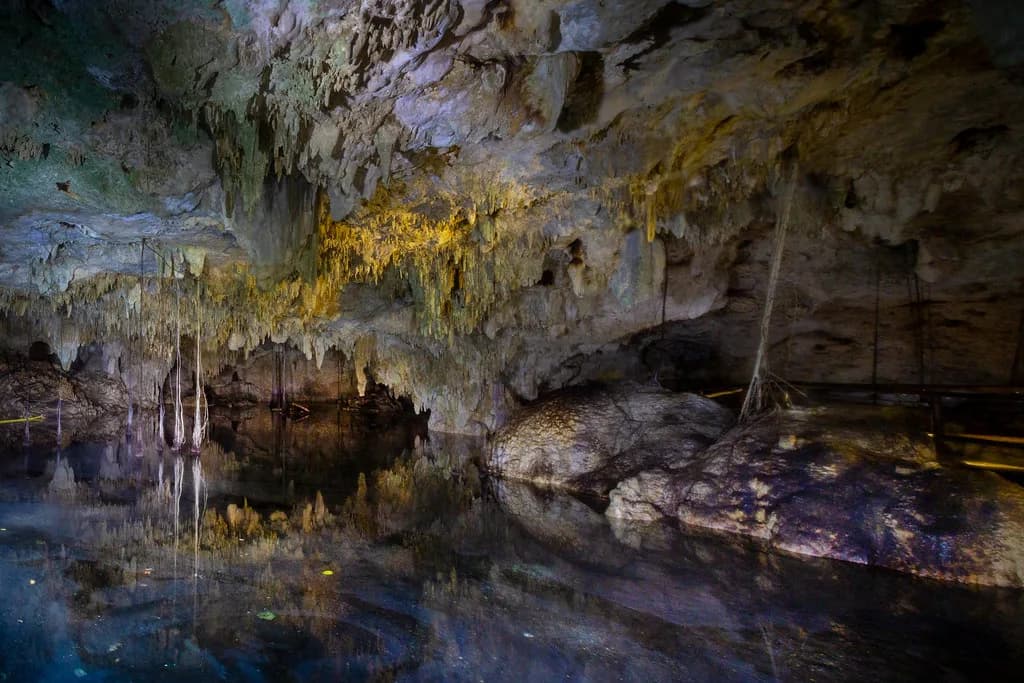
Treat the rivers as a geography lesson as much as a swim. The channels connect to the same limestone system that feeds the region's cenotes, so if the underground scenery is the draw, it is worth understanding how cenote snorkeling works before you build a whole day around it.
Getting in at the Sea Inlet
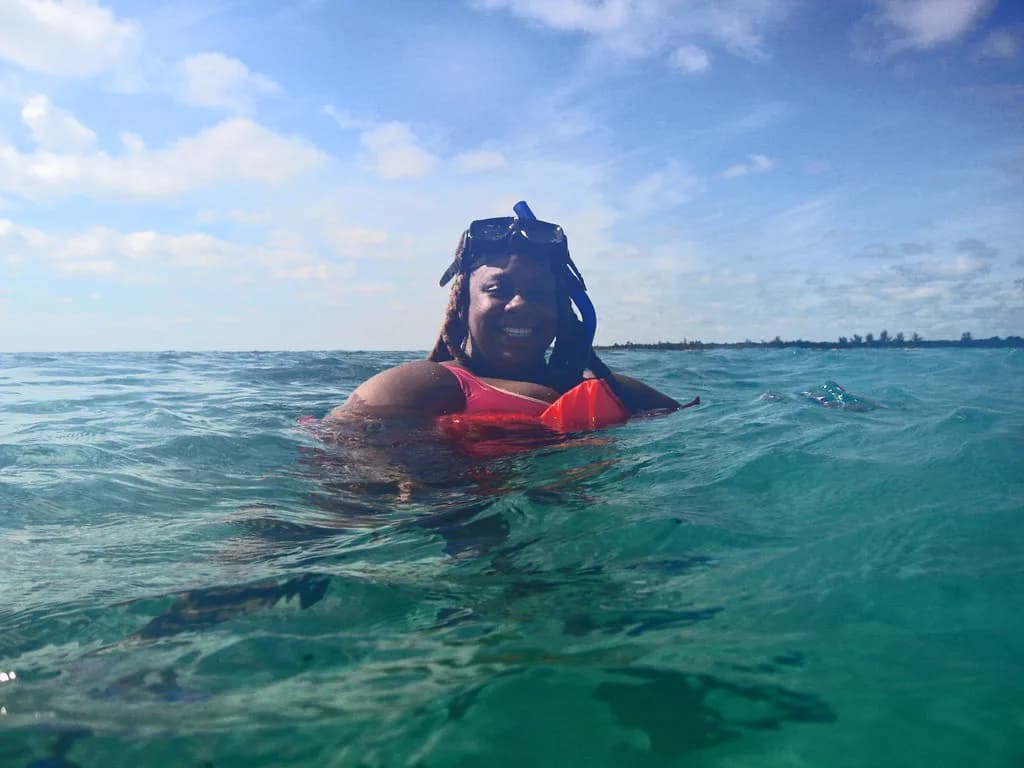
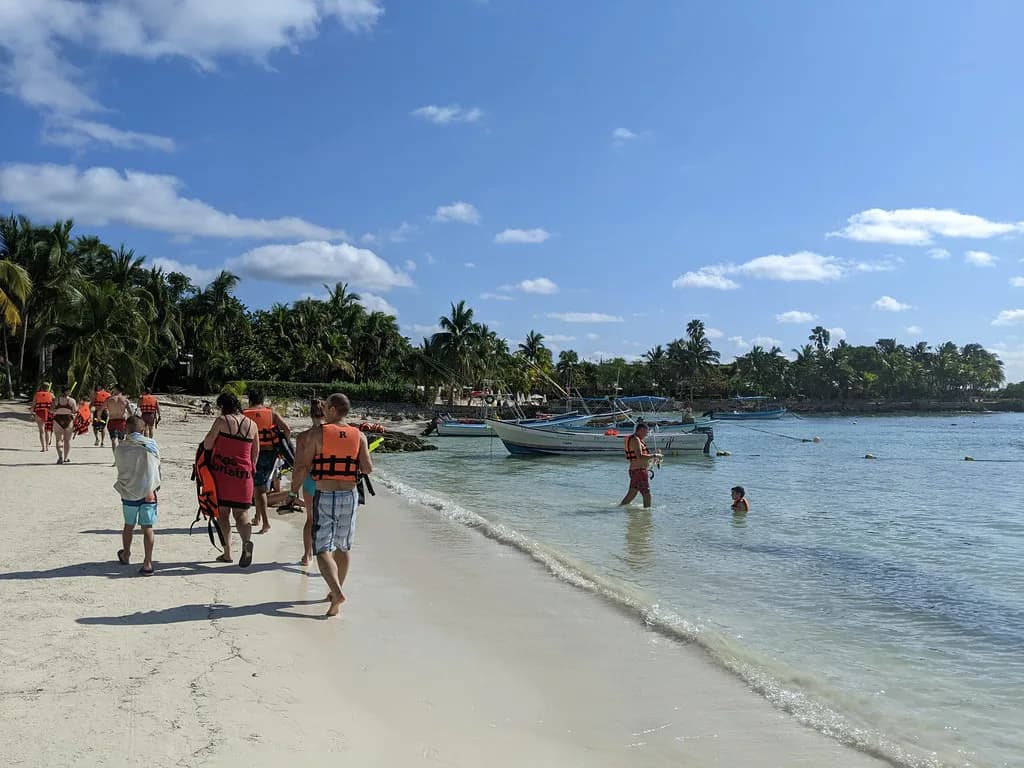
The sea inlet is the saltwater half of the day, a protected cove where you wade in from a sandy edge and the bottom slopes away gradually before the water deepens over rocky structure. Because the inlet is sheltered, the surface stays manageable when the open Caribbean is choppy, which is the main reason families choose it over a beach reef.
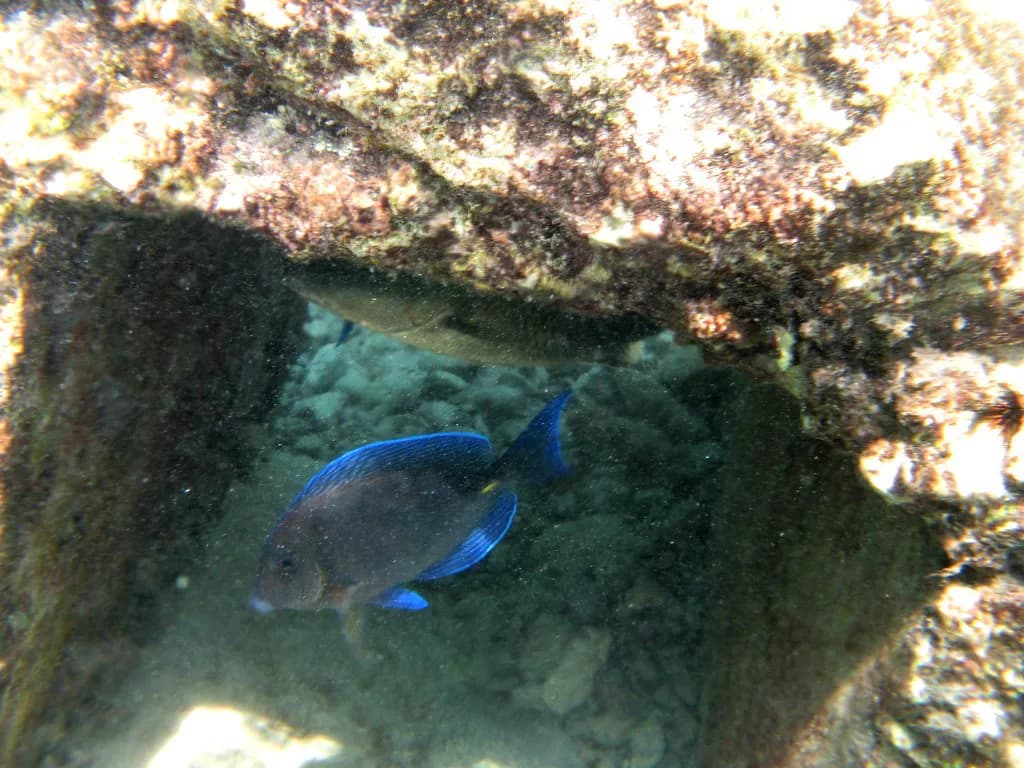
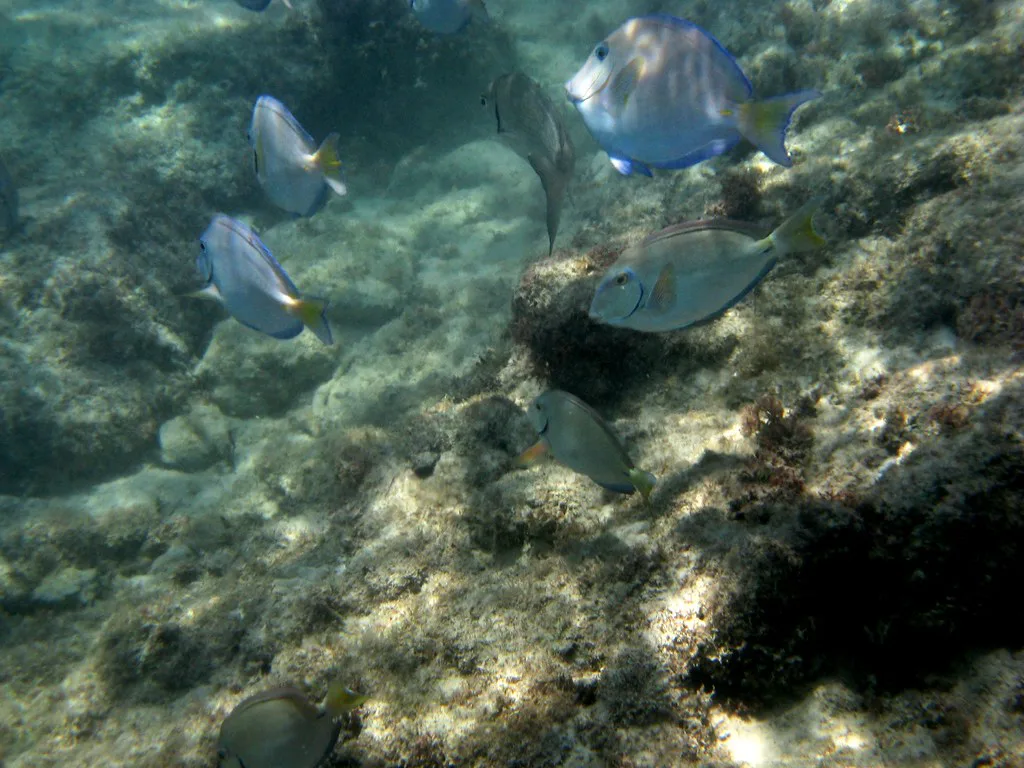
Fish gather around the rocky edges and structure rather than spread evenly across the sand, so swim toward the darker patches of bottom and the shaded margins of the cove. Go slowly and let the fish settle; the inlet is small enough that a rushed lap covers the whole area and misses most of it.
Swimmer traffic builds through the middle of the day, and the inlet is shared with other park guests rather than reserved for snorkelers. Staying along the edges keeps you clear of the busiest lanes, and it also puts you over the more interesting bottom.
What You Will See
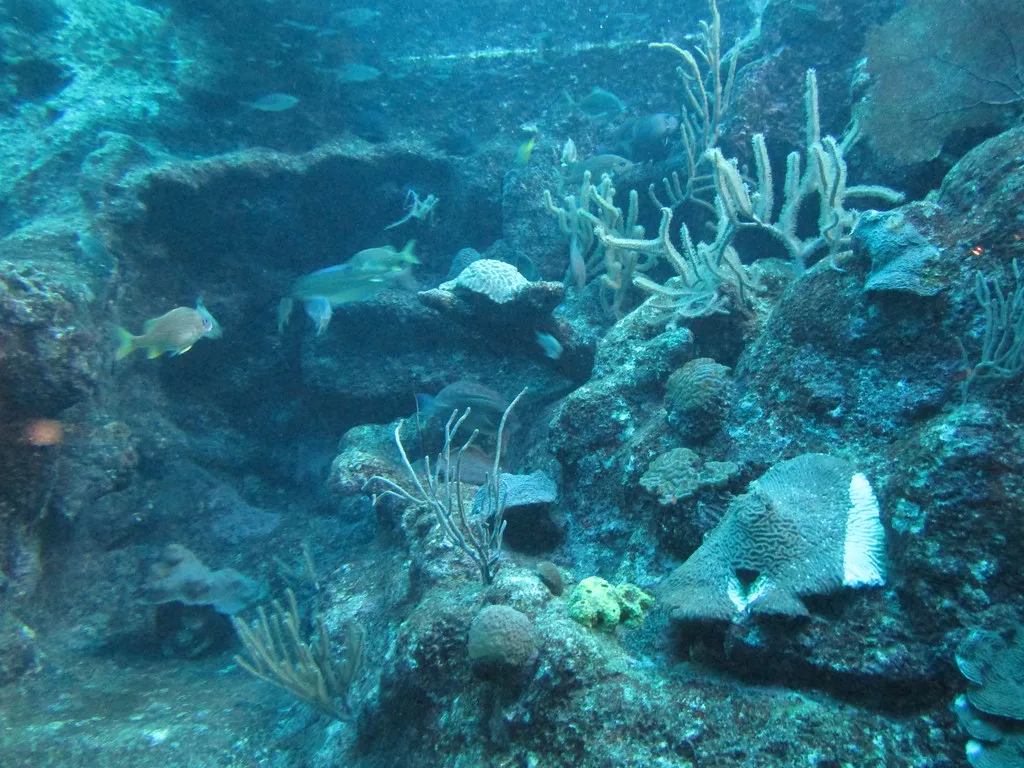
In the inlet, expect the common Caribbean inshore mix: small reef fish working the rocks, occasional larger fish cruising the open sand, and coral and sponges on hard structure. The underground rivers hold no coral at all, but the rock formations, stalactites and clear freshwater are the attraction there, and the contrast between the two halves is the point of a Xcaret day.
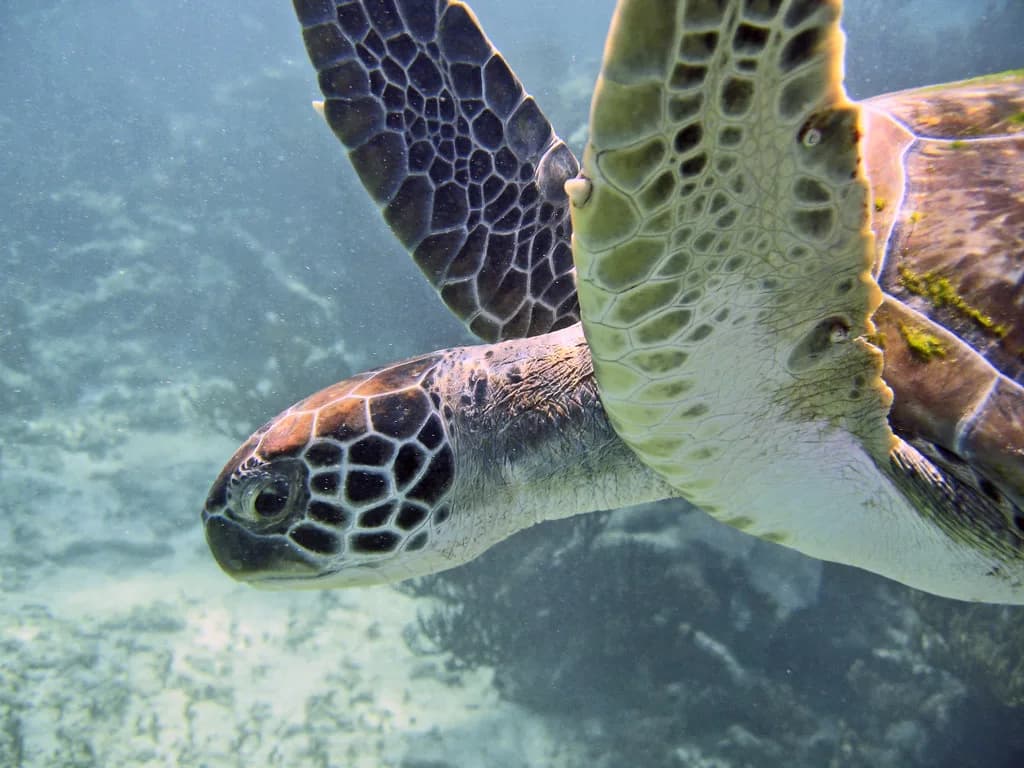
Wildlife is wild, so no sighting is guaranteed. Follow the park's posted rules on viewing distance, keep hands off coral and rock growth, and never chase or handle fish or turtles; the inlet is a place to hover quietly, not to pursue anything.
If your goal is a guaranteed turtle or a bigger reef, plan a second day elsewhere. Akumal snorkeling is the better-known turtle bay in this corridor and makes a straightforward comparison when you are deciding where to spend your open-water hours.
Skill Level and Who It Suits
The rivers suit weak swimmers and kids best in the shallow sections, where you can wade and steady yourself against the flow, but the deeper floats require comfort in water over your head and in dim light. The inlet suits beginners through competent snorkelers: the entry is gentle and the water is sheltered, though you should be able to swim a short distance unaided.
Families with mixed abilities often split the day: rivers in the morning with everyone, then the inlet for the stronger swimmers while others use the park's other attractions. Non-swimmers can still enjoy the river route with a flotation aid, but a child who panics in enclosed spaces will not enjoy the cavern stretches.
Strong swimmers who want distance and depth will find both halves short. That is not a flaw if you are traveling with family, but if the day is purely about snorkel time, an open-water reef or a boat trip will give you more water per hour.
Gear and What to Bring
Bring your own mask if fit matters to you, since a well-sealed mask is the difference between a comfortable river float and a leaky one. Fins are useful in the inlet and a nuisance in the rivers, where you walk through shallow rock sections, so many visitors carry a mask and skip fins entirely.
Reef-safe sunscreen is the default expectation in Quintana Roo's marine areas, and you will want it for the inlet and the exposed walkways between zones. A rash guard cuts how much you need to reapply and keeps you warmer on the long river floats.
Best Time to Go
Plan around the park's published hours: it opens at 8:30 a.m. daily and closes at 10:00 p.m. according to the package page, with a 10:30 p.m. close shown in the site footer. The first hour is the best window for the rivers, before groups move through the caverns, and it leaves the afternoon for the inlet.
Afternoon sea breeze picks up on this coast and roughens the open water first, while a sheltered inlet stays calmer longer. That makes the inlet a reasonable afternoon choice, but if the wind is clearly up, swap the order and take the sea swim early.
Season matters less here than at an exposed reef because both swims are protected, though summer heat and sun make the shaded river sections welcome at midday. Check the park's own site for the date you plan to visit, since operating schedules can change.
Hazards to Plan Around
The inlet carries swimmer traffic and the occasional boat movement near the park's waterfront, so keep your head up when crossing open water and stay near the edges. The rivers bring slick rock underfoot, low ceilings in places, and cold freshwater that can tire you faster than expected on a long float.
Sun is the quiet hazard: the inlet has little shade and the walkways between zones are exposed. Carry water, use sunscreen, and build in breaks rather than pushing straight from the rivers to the sea.
Tickets, Hours and Admission Tiers
The park sells admission through its own package page, which lists Xcaret as operating Monday to Sunday from 8:30 a.m. to 10:00 p.m. and describes the Xcaret Plus tier as including Plus areas and a buffet lunch. The same page presents package combinations rather than a single fixed rate, so compare the tiers on the official site for your date instead of relying on older figures quoted in reviews.
The Plus add-on is worth weighing against how long you will actually stay. If you plan a full day covering both rivers and inlet, a buffet lunch and Plus-area access save you time and keep you inside the park; if you are squeezing in a half day, the basic tier may be enough.
Book through the park's official channels and read the cancellation terms at the point of purchase. Third-party reviews quoting entry prices from past years are not a reliable guide to what you will pay.
Rules and Wildlife
Standard marine-park etiquette applies in the inlet: no touching or standing on coral, no feeding fish, and no chasing or handling wildlife. Follow whatever the park posts at each swim area, and keep a respectful distance from any turtle or ray that passes through.
Reef-safe sunscreen is the norm across Quintana Roo's marine parks, and the inlet is a small, enclosed body of water where what washes off stays concentrated. Pack a reef-safe formula or wear a rash guard, and rinse off between the saltwater inlet and the freshwater rivers.
Parking, Facilities and Logistics
Xcaret is a self-contained park with its own arrival area, changing facilities, lockers and dining inside the property, which is a large part of why families choose it over a roadside beach. Plan to leave bags in a locker rather than at the water's edge, and keep valuables out of the caverns where everything gets wet.
Build in walking time between zones. The rivers and the inlet are not adjacent, and a day that covers both involves a fair amount of moving around the property in swimwear, so shoes that stay on wet rock are more useful than flip-flops.
Combining Xcaret With Xel-Há
If your priority is all-inclusive snorkeling, Xel-Há is the direct comparison. The park's package page lists Xel-Há operating Monday, Wednesday, Thursday, Friday, Saturday and Sunday from 8:30 a.m. to 6:00 p.m., and describes it as an all-inclusive park where you can snorkel as much as you want.
The two parks pair naturally in a package, but they are not the same day. Xcaret spreads your time across rivers, inlet and cultural attractions, while Xel-Há is built around water time; travelers who want maximum snorkeling should pick Xel-Há, and those who want a varied park day with some snorkeling should pick Xcaret.
Both sit in the same Riviera Maya corridor, so a two-park package can be split across two days of one trip. Book the water-focused day for when you have the most energy.
Other Riviera Maya Snorkel Options
Beyond the parks, this stretch of coast has free beach entries and boat-accessed reefs that give you open water rather than a sheltered inlet. Organized snorkeling tours cover the reef sites and typically handle transport and gear, which suits travelers without a car; if you are weighing a longer trip, it is worth comparing snorkeling in Belize for reef reserves that reward a dedicated journey.
In Playa del Carmen itself, the beach at Playacar Beach is the accessible in-town option, with sand entry and a reef a short swim from shore. It makes an easy half-day to slot beside a Xcaret day rather than instead of it.
Cenote days are the freshwater alternative, and several are close enough to combine with a park visit across a long weekend. Cenote Dos Ojos is among the best known for clear cavern water and snorkel-friendly conditions.
Plan Your Visit
Xcaret works best as a full park day with the underground rivers taken first thing and the sea inlet saved for later, when the shallow cove offers the easiest fish-watching of the trip. Mix a mask with shoes that grip wet rock, leave fins behind for the river sections, and choose your admission tier based on how many hours you intend to stay.
Read the park's official page for the current schedule and tier details, then decide whether Xel-Há or an open-water reef day better matches the swimming you actually want.
Frequently Asked Questions
Is snorkeling included in Xcaret admission?
The park's package page sells admission and package tiers and describes the Xcaret Plus tier as including Plus areas and a buffet lunch; it does not break out snorkeling as a separate line item. Compare the listed inclusions for your date on the official site, and bring your own mask if fit matters to you.
Do you need your own snorkel gear at Xcaret?
Your own well-fitting mask makes the biggest difference, especially on the underground river floats where a leaking mask spoils the visibility. Fins help in the sea inlet but are awkward in the shallow river sections, so many visitors carry a mask and skip fins.
Are the Xcaret underground rivers saltwater or freshwater?
They are freshwater channels running through limestone caverns, part of the same underground system that feeds the region's cenotes. The sea inlet is the saltwater half of the day, with reef fish and coral on hard structure.
How deep is the water at the Xcaret sea inlet?
The inlet has a gently sloping sandy entry and deepens over rocky structure, so shallow water is easy to find near the edge and the deeper sections suit more confident swimmers. Stay along the margins where the fish gather and where you are clear of the busiest swimmer lanes.
What is the difference between Xcaret and Xel-Há for snorkeling?
Xel-Há is the water-focused, all-inclusive park, while Xcaret spreads the day across underground rivers, a sheltered sea inlet and cultural attractions. Choose Xel-Há for maximum snorkel time and Xcaret for a varied park day with some snorkeling built in.
How long should you plan for a snorkel day at Xcaret?
Treat it as a full day: the park opens at 8:30 a.m. daily, and covering both the river floats and the sea inlet plus walking time between zones takes most of a day. Arriving at opening gives you the calmest river conditions before groups arrive.
Are kids able to snorkel at Xcaret?
The underground rivers suit kids best in the shallow wading sections, and the sheltered inlet is a gentle place for a first mask-and-snorkel session. Children who dislike enclosed, dim spaces may find the cavern stretches difficult, so start in the inlet if that is a concern.
Sources
Snorkeling notes for your next trip
Optional updates to our snorkeling guides.
You might also like
Continue reading
More guides you'll find useful