Snorkeling Peterson Cay, Grand Bahama: Reef, Entry and Rules
Snorkel Peterson Cay National Park off Grand Bahama's leeward shore, a 1,000-acre marine reserve reached by boat with shallow reef and calm water.
On this page
Peterson Cay is the rare Bahamas snorkel where the water, not the beach, is the whole destination. The cay itself covers about one and a half acres of low limestone, while the national park around it protects 1,000 acres of mostly marine habitat on Grand Bahama's leeward shore. That makes it a fit for swimmers who want a shallow, sheltered reef reachable by boat rather than a long shore swim.
You reach the park by boat, usually on a guided trip from the Freeport side of the island, and you spend your time in the water rather than on the island. The cay is a nesting site for Bridled Terns and is recognized as an Important Bird Area, so the island is something to view from the water. Read the leeward shore and the shallow shelf as the main draw.
What Peterson Cay Is and Who the Snorkel Suits
The Bahamas National Trust calls Peterson Cay the only cay on Grand Bahama's leeward shore, and it was established as a national park in 1968 at just 1.5 acres. In 2015 the park was expanded to 1,000 acres, so almost all of the protected area is the water and reef around the island. Plan your day around the marine habitat, not the land.
This suits beginners, families with confident-swimming kids and anyone who prefers flat, shallow water to a surf-exposed shore. Strong swimmers gain less here than at a rougher ocean-side site, because the appeal is calm and easy, not challenging. If you want a longer swim or bigger surf, look at an exposed Grand Bahama beach instead.
The crossing is the deciding factor. Because the cay sits offshore and the park is boat-access, a guided trip removes the navigation and anchoring work. Independent boaters still face open water and a protected marine area, so the calm reef does not mean a casual paddle from the beach.
Where the Cay Sits on Grand Bahama's Leeward Shore
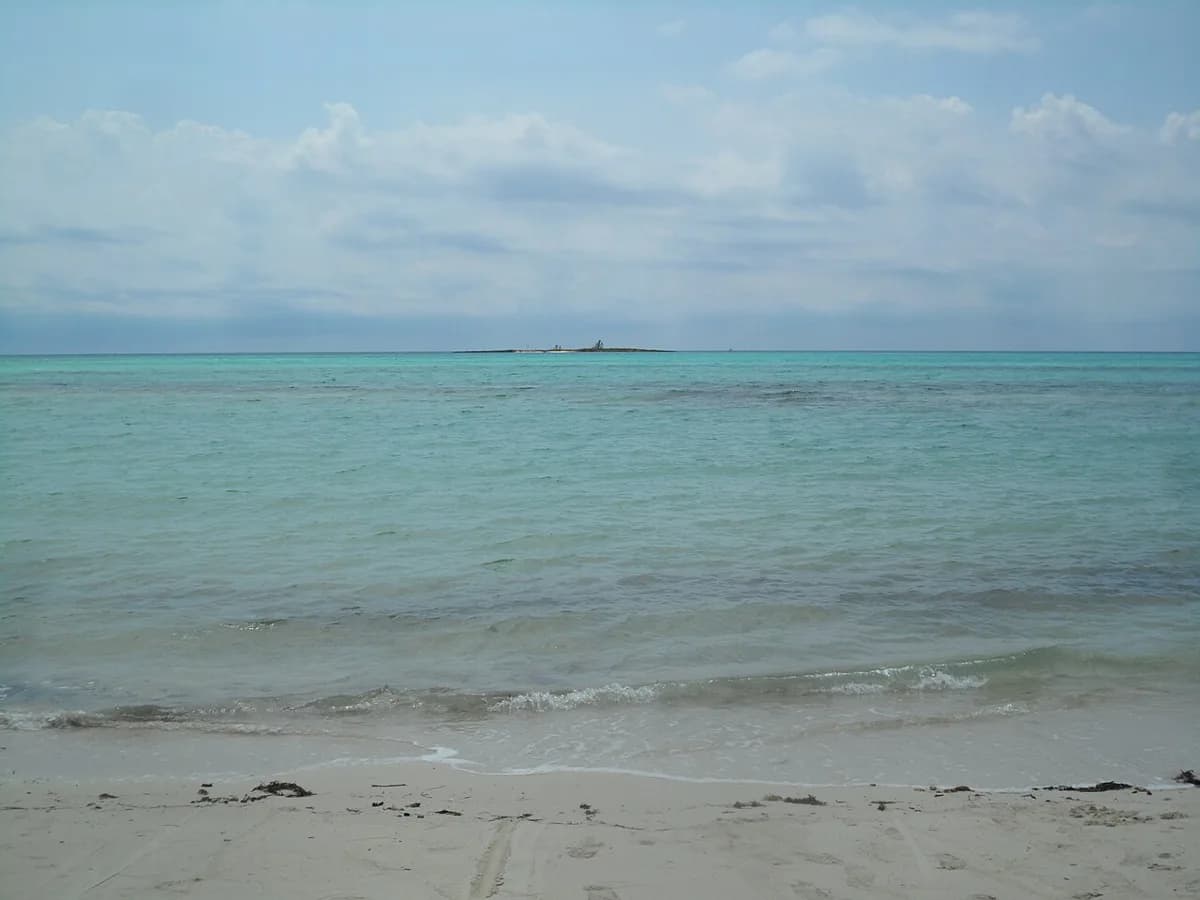
Peterson Cay lies off Grand Bahama's leeward, or sheltered, shore, the side of the island that faces away from the open Atlantic swell. The Bahamas National Trust notes the park is the only cay on that shore, which is part of why the surrounding water stays protected and relatively flat. Trips run from the Freeport side of the island.
Treat the leeward position as your conditions guide: the reef sits in the island's lee, so wind and swell from the protected side are the ones to watch. When a front pushes across the Bahamas, even a leeward site can turn choppy, and the captain's call on the day overrides any plan you make in advance.
Getting There: Boat Access and Tour Departures
There is no road to Peterson Cay. Boats run from the Freeport area of Grand Bahama, and the park is reached on guided snorkel and catamaran trips that combine the crossing with time in the water. Book through an operator and confirm the departure point, crossing time and what the trip includes before you commit.
A guided trip is the practical choice for most visitors. The tour company handles the boat, the route and the reef briefing, and you step off a ladder into the park rather than working out an anchorage in a protected area. Independent boaters need their own vessel and should plan the crossing around the day's wind and swell.
If you are weighing a cruise-port day against a land-based stay, check how the tour timing fits your ship or hotel. A guided boat trip pairs naturally with other Freeport-area activities; see the Freeport snorkeling options for how the town's water days compare.
Getting in the Water: Depth, Reef Layout and the Shallow Marine Shelf
You enter from the boat, typically by ladder, into the shallow water around the cay. Tour descriptions describe the park as a shallow marine area with calm water and accessible reef, which is the practical picture: you are snorkeling a shelf around a low island rather than descending a wall. Ask the crew which side of the cay they snorkel and how far the reef edge runs before you get in.
Depth and visibility vary with tide and weather, and no operator guarantees either. The shallow shelf means you can stay close to the surface and still see coral and fish, which keeps the swim manageable for beginners. Keep your fins off the bottom, since the whole area is protected marine habitat.
What You Will See: Elkhorn and Staghorn Coral, Reef Fish and the Coral Nursery
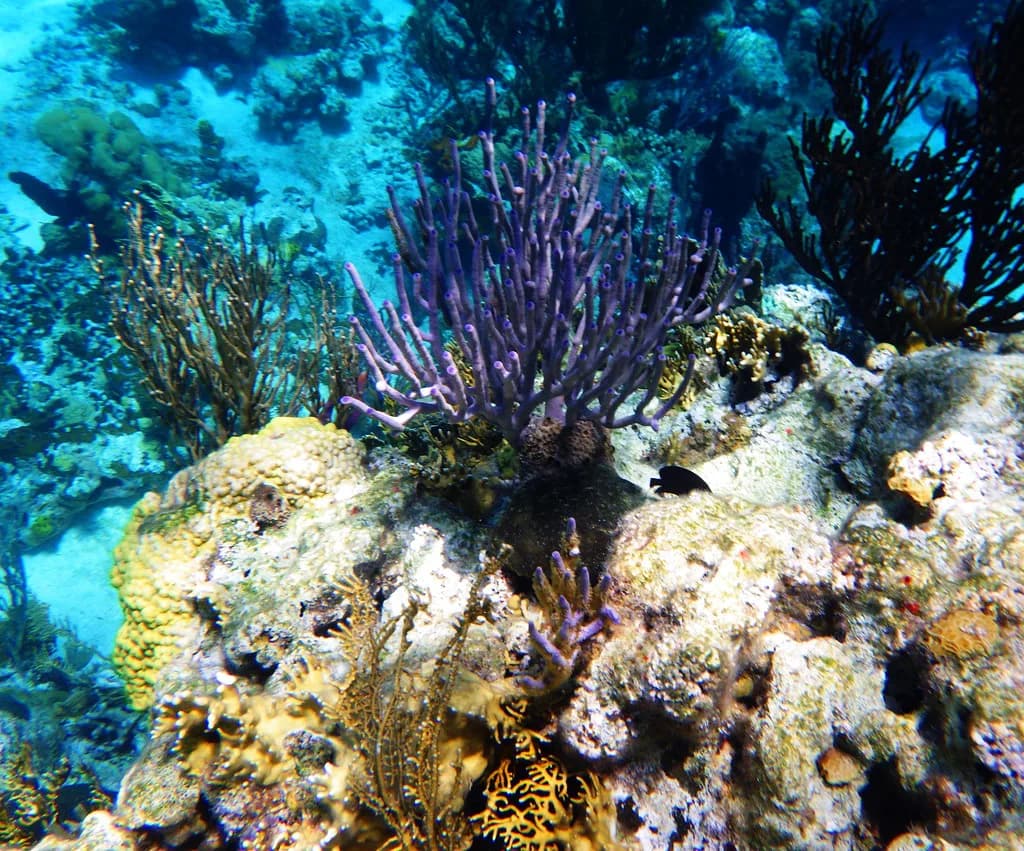
The park's signature corals are elkhorn and staghorn, the branching species that build shallow Caribbean reef structure. The Bahamas National Trust also reports a coral nursery established southwest of the cay in partnership with the Freeport Harbour Company, with capacity to grow 250 elkhorn and staghorn corals at a time. Frame the nursery as a conservation feature to observe from a respectful distance, not a hands-on exhibit.
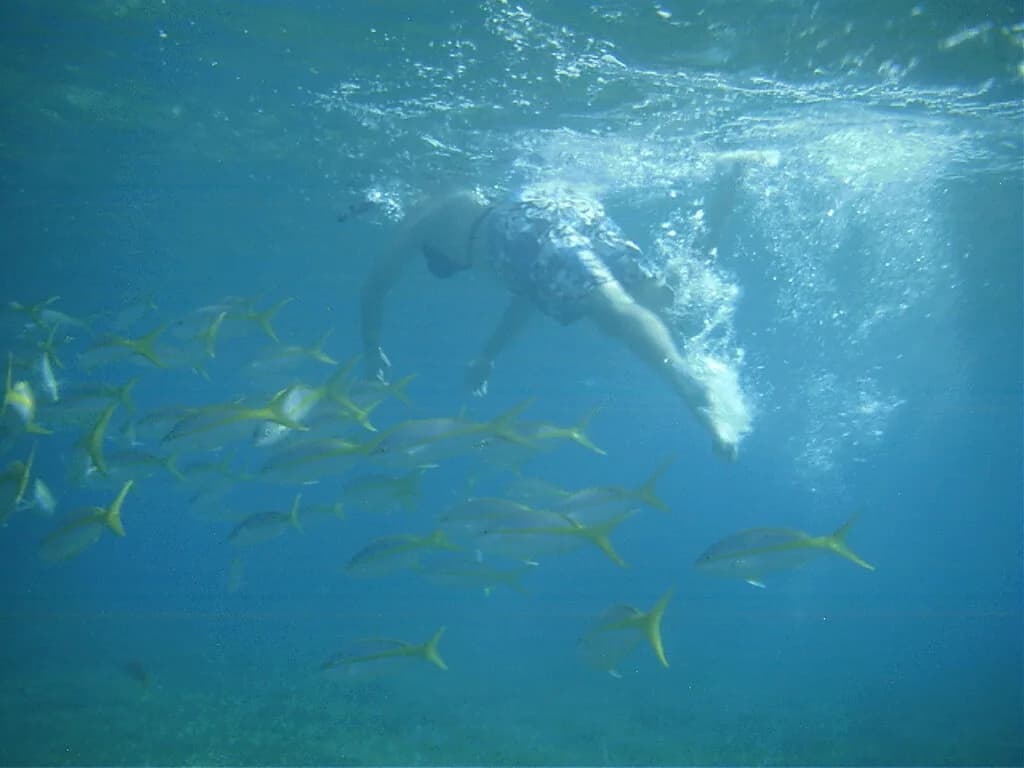
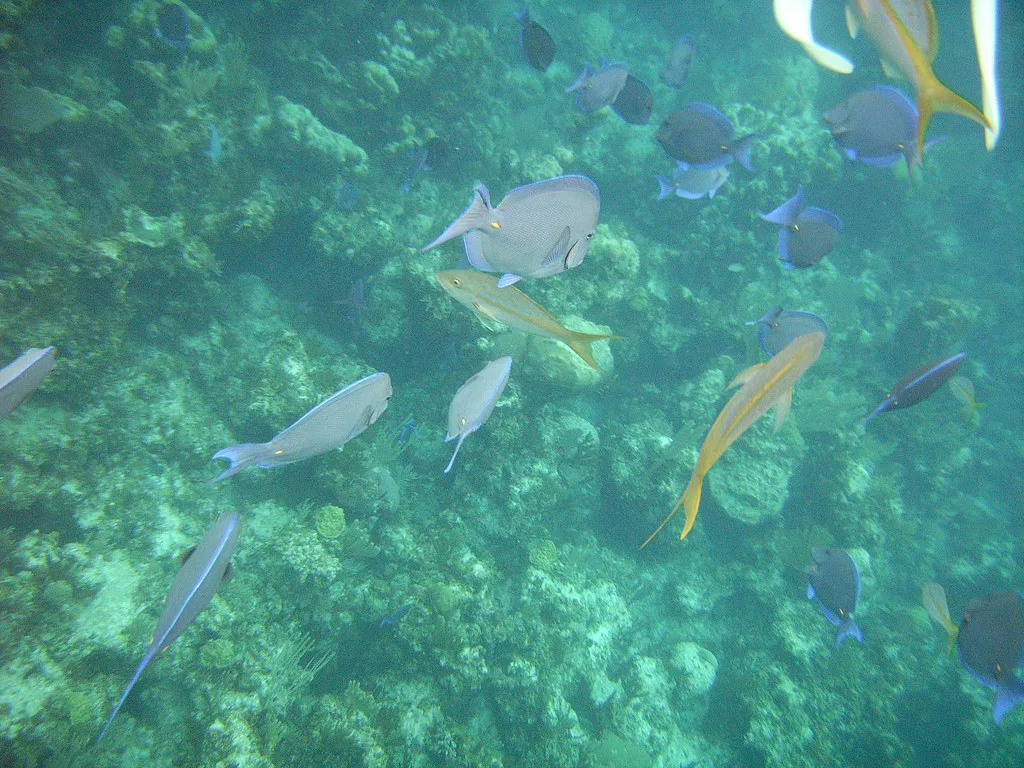
Expect the usual shallow-reef community around branching coral: reef fish moving through the structure, with variety changing by season and day. Wildlife is never guaranteed, and a quiet, slow swimmer usually sees more than a fast one. Keep your distance from everything and never touch or stand on coral.
The early protection around the cay dates to 1967 rules that restricted fishing and extractive activities within 400 meters of the island. That buffer is why the reef has a better chance here than at unprotected cays. Stay in the no-take mindset for your whole visit, including shells and coral fragments.
The Cay Itself: A Limestone Island and Bridled Tern Nesting Colony
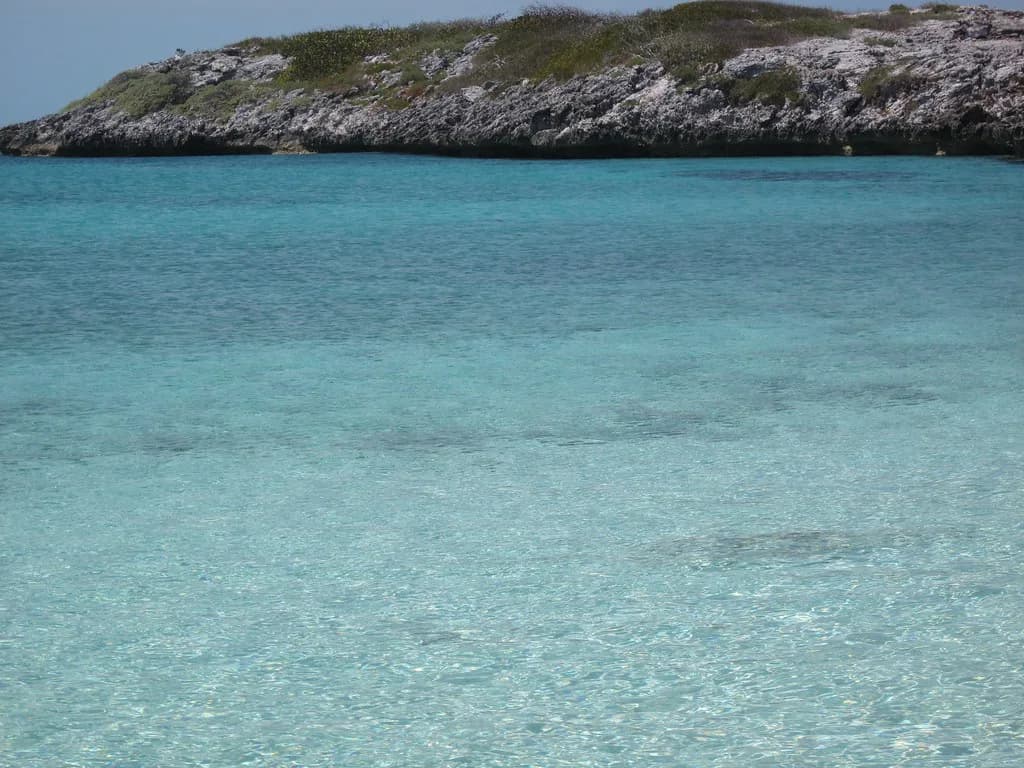
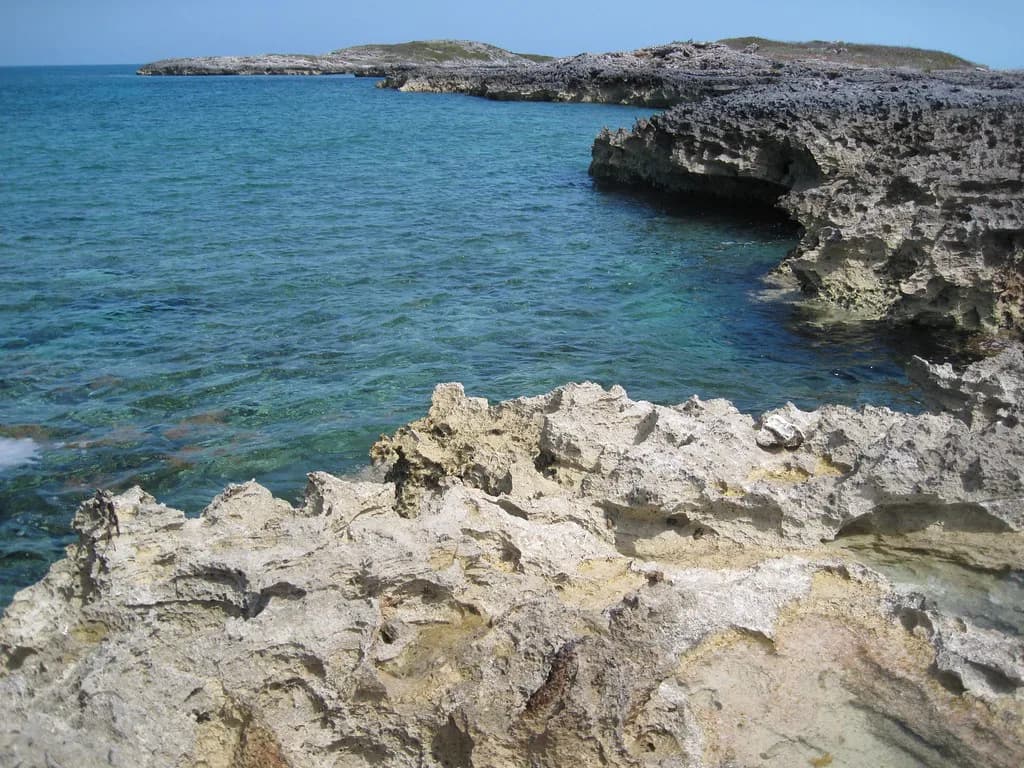
The cay is a low, aeolian limestone island of Pleistocene origin, around one and a half acres, and it sits inside the larger marine park. It is recognized as an Important Bird Area because it supports a globally significant nesting colony of Bridled Terns. The birds are the reason to give the island space.
View the nesting colony from the water and keep your distance, especially during nesting season. The Bahamas National Trust notes the park has little infrastructure and no trail systems, so the protection depends on visitors behaving well. Plan your swim around the reef, and treat the island as a backdrop.
Skill Level, Kids and Strong Swimmers
Beginners and kids who are comfortable in deep water over their head do well here, because the boat handles the crossing and the reef is shallow and calm. The ladder entry and the open-water setting are the real tests, not the swim itself. A child who has never snorkeled from a boat should practice in a pool first.
Strong swimmers may find the site easy, even tame, and that is the trade-off for the family-friendly conditions. If you want more challenge, use Peterson Cay as a half-day and put a second, more exposed swim on another day. The calm leeward reef rewards people who want to look closely at coral rather than cover distance.
Best Time of Day, Season and Leeward-Shore Conditions
Morning departures usually give you the softest light and the calmest water before the day's wind builds, and they leave the afternoon free for the island. Winter cold fronts can bring swell and wind even to the leeward shore, so build flexibility into your booking. Ask the tour company how the trip handles a windy forecast before you pay.
The Bahamas dry season, roughly late fall through spring, is the classic window for clear water and steady weather, while summer brings heat and the chance of storms. No source fixes a single best month for Peterson Cay, so match your dates to the forecast and to the tour schedule. Snorkeling tours across the Bahamas follow the same broad seasonal pattern.
Hazards: Open-Water Crossing, Boat Traffic and Sun Exposure
The crossing is open water, and the reef sits in an anchorage-and-boat zone, so stay near your boat and keep track of other vessels. Follow the crew's briefing on where to swim and where to return, and surface checks are worth the habit. Sun exposure on the water is intense; a rash guard and reef-safe sunscreen protect you and the reef.
The park has little infrastructure and no trail systems, so do not count on facilities or a formal watch over the water. Currents and chop can build with the weather, and a leeward site is not automatically calm. State your limits to the crew and skip the swim if conditions look beyond your comfort.
Rules in the Park: The No-Take Zone and Wildlife Distance
Peterson Cay is a national park managed by the Bahamas National Trust, and the 1967 protected-area rules prohibited removing plants or trees from the cay and restricted fishing and other extractive activities within 400 meters of the island. The park now spans 1,000 acres of mostly marine habitat. Treat the whole area as no-take: no fishing, no collecting, no touching coral.
Give wildlife room: do not touch, feed or chase fish, turtles or birds, and keep clear of the Bridled Tern colony on the cay. On the reef, good buoyancy matters more than any rule, because contact with coral damages it. If you are unsure what is allowed, ask your guide before you enter the water.
Tours and Costs: What Guided Boat Trips Include
Guided trips from Freeport combine the crossing with snorkel time and usually list what is included in the tour description, such as gear, a guide and refreshments. Read the current operator listing for the present inclusions and price, since tour pricing changes by season and operator. An old forum figure from years ago is not a reliable budget number.
Compare trips on time in the water rather than headline price. A longer crossing does not always mean more snorkeling, and a small-group trip usually gives you a closer guide-to-swimmer ratio. Book early in busy periods and confirm the meeting point and check-in time with the tour company.
Parking, Facilities and What to Bring on a Boat-Based Day
Peterson Cay has little infrastructure and no trail systems, so plan on a boat, a swim platform and a briefing rather than restrooms, showers or rentals on the cay. Those services, if any, come from your departure marina or tour operator. Pack water, sun protection and a dry bag, and leave valuables ashore where you can.
Bring your own well-fitted mask and snorkel if you have them, plus a rash guard for sun and warmth. A waterproof watch or a guide's time check keeps you from drifting past the pickup window. Leave shells, coral and sand where they are, in line with the park's protection.
Nearby Spots to Combine on Grand Bahama
Freeport is the natural base for a Peterson Cay day, with the island's beaches, Lucayan area and other water activities within reach. Pair a morning boat trip with an easy afternoon on the leeward shore. See Freeport snorkeling for beaches and options that work around a boat schedule.
If your cruise or resort itinerary brings other Bahamian stops, compare them with Half Moon Cay, a shallow, protected snorkel setting on a different island. Different cays give different water, so read each site's entry and depth before you plan the swim. If you are choosing between destinations, see how snorkeling in Turks and Caicos compares for shallow, protected cays.
Plan Your Peterson Cay Snorkel Day
Book a boat trip from Freeport, plan a morning in the water, and treat the reef and the tern colony with distance. Peterson Cay is best as a shallow, calm, guided snorkel that suits beginners and families, with strong swimmers using it as a half-day. Check the forecast with your operator and let the captain make the call on the day.
Remember the essentials: no-take rules across the marine park, no touching coral or wildlife, sun protection and a boat ladder you can manage comfortably. That is the whole formula for a good Peterson Cay swim.
Frequently Asked Questions
Can you snorkel at Peterson Cay without a tour?
You can only reach Peterson Cay by boat, since the cay sits offshore and the surrounding marine park is navigated by water. Most visitors go on a guided trip from the Freeport side of Grand Bahama. Independent boaters can make the crossing in their own vessel, but they take on the open-water passage and the protected-area rules themselves.
How deep is the water around Peterson Cay?
The park is a shallow marine area around a low limestone cay, and tour descriptions emphasize calm water and accessible reef. Depth varies with tide and weather, and no operator guarantees conditions. Ask your crew which side of the cay they snorkel and how far the reef edge extends before you get in.
What coral and fish will I see snorkeling Peterson Cay?
Elkhorn and staghorn coral are the signature species in the park, and the Bahamas National Trust reports a coral nursery southwest of the cay with capacity for 250 of these corals at a time. Around the reef you can expect the shallow-water fish community, but sightings vary by season and day and are never guaranteed. The nursery is a conservation feature to view from a distance, not to touch.
Is Peterson Cay good for beginner snorkelers?
Yes, for beginners who are comfortable in water over their head, because the reef is shallow and calm and the boat handles the crossing. The real challenge is the boat ladder entry and the open-water setting, not the swim itself. Practice snorkeling in a pool first if you have never entered from a boat.
How do you get to Peterson Cay from Freeport?
Boats run from the Freeport area of Grand Bahama on guided snorkel and catamaran trips to the park. Confirm the departure point, crossing time and what the trip includes when you book. There is no road access to the cay.
Are there rules about touching coral at Peterson Cay?
Yes. The park is a national park managed by the Bahamas National Trust, and the 1967 protected-area rules restricted fishing and extractive activities within 400 meters of the cay. Treat the whole marine area as no-take and never touch, stand on or collect coral. Give the Bridled Tern nesting colony on the cay plenty of space.
When is the best time of year to snorkel Peterson Cay?
Late fall through spring is the classic Bahamas dry-season window for clear water and steadier weather, while summer brings heat and the chance of storms. Winter cold fronts can still build swell on the leeward shore. Match your dates to the forecast and to the tour operators' calendars.
Can you walk onto Peterson Cay?
The cay is a low limestone island that serves as a nesting colony for Bridled Terns, and the park is recognized as an Important Bird Area. Access is by boat, and you should view the colony from the water and keep your distance. Ask your operator about landing before you plan to step ashore.
Sources
Snorkeling notes for your next trip
Optional updates to our snorkeling guides.
You might also like
Continue reading
More guides you'll find useful