Paradise Island Snorkeling: Cove Beach, Boat Trips and the Ruins Lagoon
Plan Paradise Island snorkeling: shallow rocky reef at Cove Beach inside Atlantis, open-water boat trips to a wreck, and the Ruins Lagoon snorkel program.
On this page
Paradise Island is worth a snorkel day because you can choose between a shallow, easy shore entry and an open-water boat trip without leaving the island. Beginners and families gravitate to the calm, sandy beaches inside the Atlantis water park, while stronger swimmers and anyone chasing clearer water and coral variety book a boat. The trade-off is access: the beach reef sits behind a water park pass, and the boat requires a scheduled departure.
Three Different Snorkel Days on One Island
Paradise Island snorkeling splits into three experiences that share a postcode but little else. The first is a shallow shore reef at Cove Beach, reached by walking into the water from sand and best explored around the rocky formations near the buoys. The second is a boat trip out to reef and wreck sites, where you swim from a moored vessel in deeper, clearer water. The third is the Ruins Lagoon at Dolphin Cay, a man-made marine exhibit you enter on a guided program rather than a wild reef.
Choose by what you want from the day. If you have young children or non-swimmers who want to paddle and float, the beach reef wins on convenience. If you want the best odds of clear water, colourful coral and a wreck, book the boat. If you want a controlled, guided in-water experience with equipment supplied and no waves to fight, the lagoon program is the one to compare.
Cove Beach: Sand Entry, Reef Depth and the Rocky Formations Near the Buoys
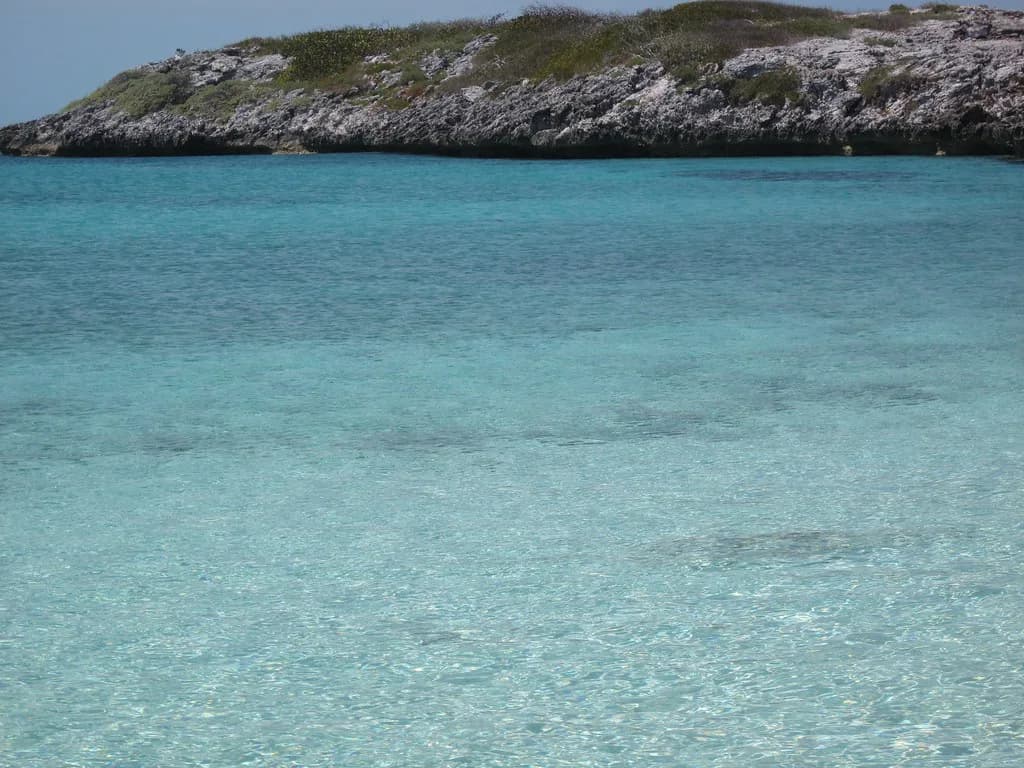
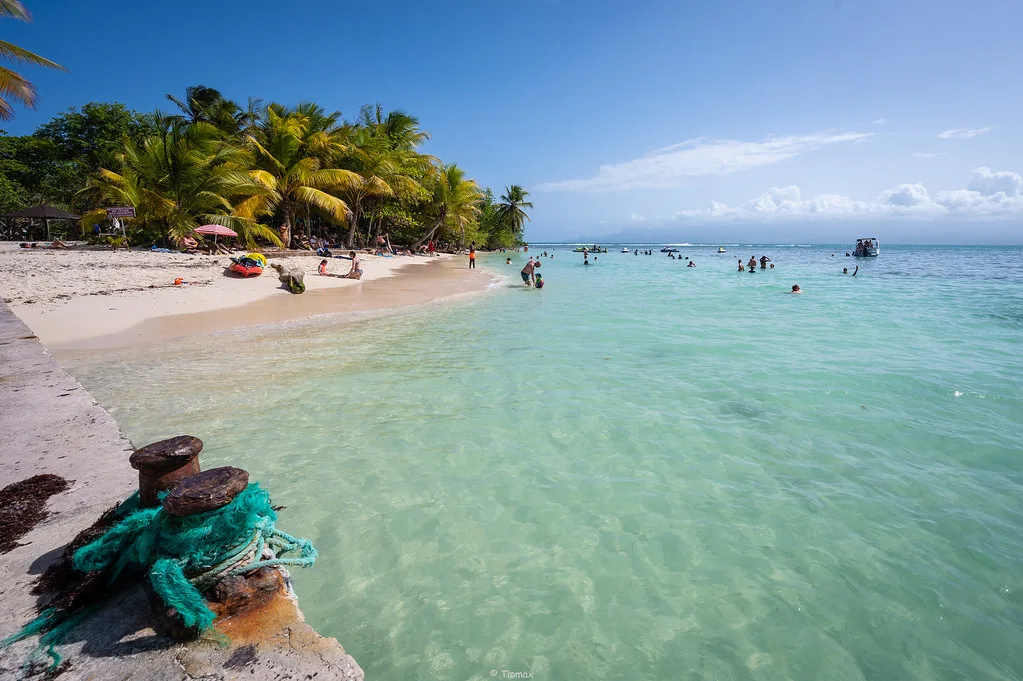
Cove Beach is a sandy beach inside the Atlantis water park, and you enter the water by walking straight off the sand. The snorkeling is not on a long barrier reef; the fish gather around rocky formations near the buoys, with the strongest cluster reported around the second or third buoy from the left side of the Cove. That means you can swim out a short distance, find structure, and work the rocks rather than covering a lot of ground.
Depth over the rocky areas runs roughly 8 to 12 feet, shallow enough for a confident beginner to see the bottom without diving and deep enough that a freedive brings you closer to the fish. Visibility is variable; one snorkeler described it as limited on the day he visited, so treat clarity as a bonus rather than a guarantee. Because the water is shallow and the reef is close to shore, this is a good place to build confidence before committing to a boat.
The setting is a water park beach, so expect chairs, umbrellas and other guests nearby rather than a wild shoreline. That is a plus for gear management and a minus if you want solitude. Swim toward the rocky structure, keep your fins off the sand, and give other snorkelers room at the buoys.
Paradise Beach Versus Cove Beach for Beginners and Kids
Paradise Beach sits nearby inside the same water park and is the easier, more forgiving option on paper. The same visiting snorkeler found fish there but in fewer numbers and less consistently than at Cove Beach, which makes Paradise Beach the better pick for a child who wants to splash and look down through a mask without much swimming. If your group includes one keen snorkeler and one reluctant one, split the session: the keen one works the Cove rocks while the other floats at Paradise Beach.
Both beaches are shallow and sandy, so entry is simple and there are no rocks to climb over at the waterline. The trade-off is that fish density at the sand-only sections is low, so you do need to swim to structure to make the snorkel worthwhile. For a first-timer, plan a short loop to the rocks, a rest on the sand, and a second loop rather than one long swim.
Access and Passes for the Water Park Beaches
Cove Beach and Paradise Beach are both inside the Atlantis water park on Paradise Island, and access requires a pass to the park. Non-Atlantis hotels sell packages that bundle water park passes, which is how one snorkeler reached both beaches while staying off-property. Before you plan a beach snorkel, check with Atlantis or your hotel what your pass covers and whether beach access is included on your dates.
This is the main decision point for budget and logistics: the beach reef is convenient but gated behind park admission, whereas a boat trip is a separate booking with its own departure. If you are on a cruise or a short stay, price both against the time you actually have in the water. The park provides chairs and umbrellas, which is handy for stashing towels and gear between swims.
Boat Trips: The LTC Wreck and Reef Sites
The boat trip is the strongest snorkel experience in the area for water clarity and coral variety. One snorkeler on a Bahama Divers afternoon excursion shared the boat with four scuba divers, was dropped at the LTC Wreck, and spent about an hour exploring the wreck and surrounding corals. He rated the visibility and fish life comparable to St. John and Cozumel, which is a useful benchmark if you have snorkeled the Caribbean before.
The trade-off is that you are on a fixed departure with a shared boat, and snorkelers may be in the minority when divers are aboard. That usually means a set site and a set time in the water rather than the freedom to wander. When you book, ask how many snorkelers versus divers are expected and whether a guide stays with the snorkelers.
Nassau and Paradise Island operators also run reef and island trips, including outings toward Pearl Island and Rose Island, so you can match a boat to your group's comfort level. Compare whether the trip is snorkel-first or a mixed dive boat, and check what is included in the way of mask, snorkel and fins before you commit.
The Ruins Lagoon at Dolphin Cay
The Ruins Lagoon is a marine exhibit at Dolphin Cay, not a wild reef, and you snorkel it on a guided program. Atlantis publishes the format: a 60-minute experience with about 30 minutes in the water, a minimum age of 6, a requirement that participants can swim, and a habitat that varies in depth up to 15 feet. Guests under 13 must be accompanied by a participating parent or guardian.
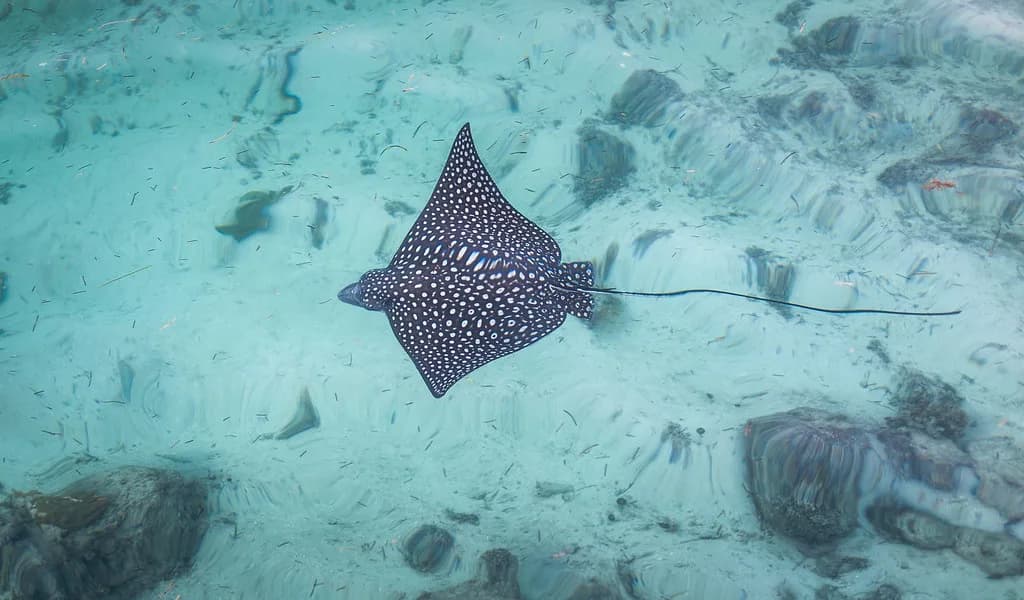
You snorkel among sunken ruins and artifacts with spotted rays and tropical fish, and the exhibit is home to more than 20,000 deep-reef and pelagic fish including jacks, snappers and spiny lobster. Wetsuits, lockers, towels, masks and snorkels are included. Personal cameras and phones are not permitted during the program, so plan to leave them behind.
This is the option for a family that wants a controlled, equipment-included in-water experience without surf or a long swim. It is also the one to rule out if anyone in your group is under 6 or is not a swimmer, because those requirements are published and enforced. Book it as an activity rather than a beach day, and build in time to see the exhibit from The Dig or the Great Hall of Waters.
What You Will See
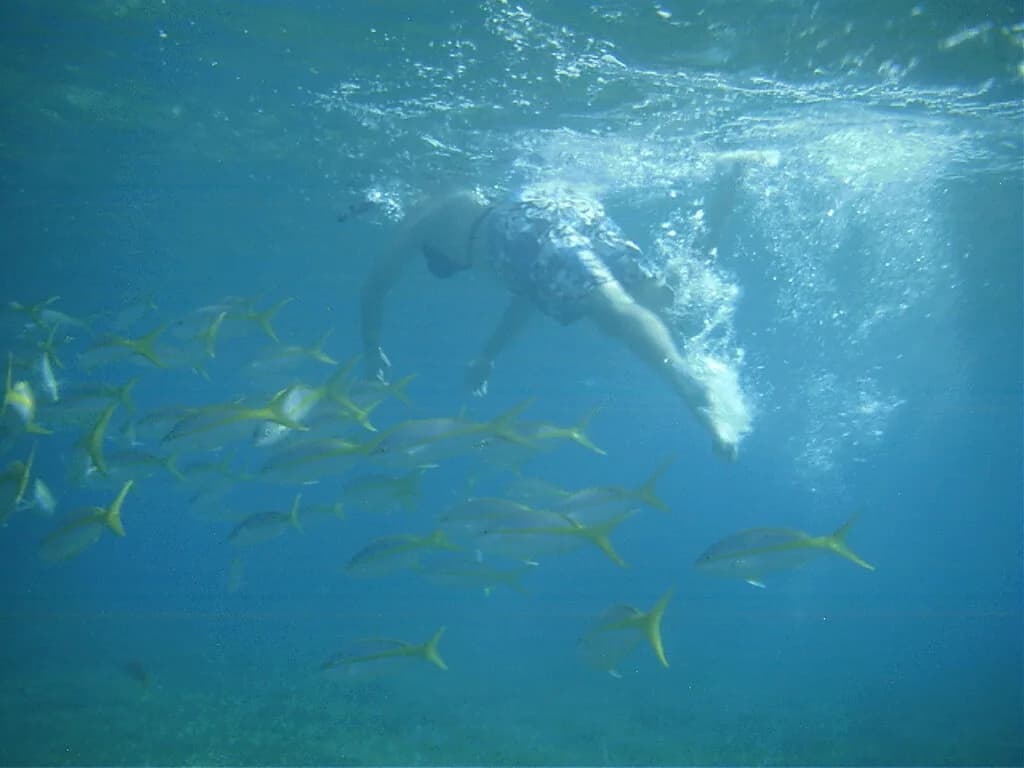
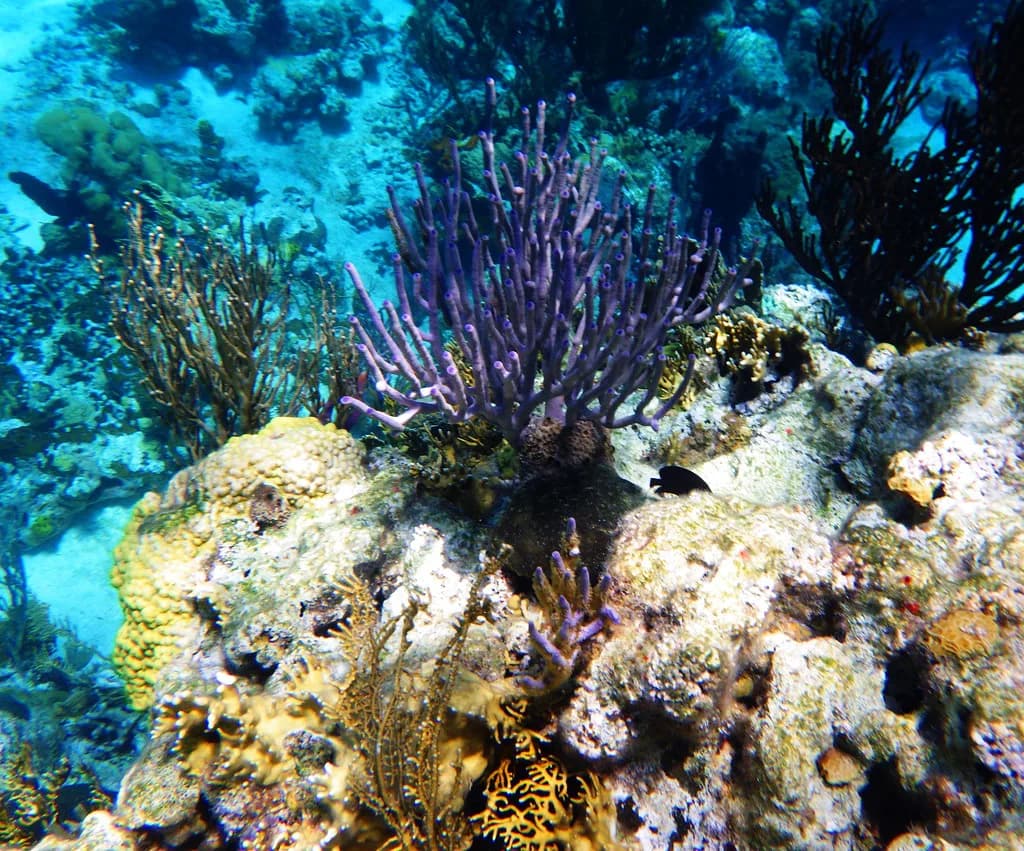
On the shallow beach reef, expect reef fish around the rocks, including angelfish; the same snorkeler photographed a French angelfish over coral near the boat sites. The fish are concentrated at structure, so a slow pass along the rocky formations beats swimming open sand. On the boat trip, the wreck and surrounding corals held a wide variety of fish and colourful coral, with the wreck itself acting as a fish magnet.
In the Ruins Lagoon, the published species list is the reliable guide: spotted rays, jacks, snappers and spiny lobster among more than 20,000 fish. Wildlife is wild or managed, not staged for your visit, so treat any sighting as a bonus and keep a respectful distance. Never touch, feed or chase animals, and follow the program's instructions on where you can swim.
Skill Level and Who Each Option Suits
Cove Beach suits confident beginners and families with older children: sand entry, shallow water and a short swim to structure. Paradise Beach suits the least confident swimmers and young kids who want to float and look down. Neither beach is a long-reef swim, so you do not need strong open-water skills, but you do need to be comfortable putting your face in and swimming a short distance.
The boat trip suits snorkelers who are happy in deeper water, can climb a ladder back aboard, and want the best visibility and coral. The Ruins Lagoon suits families who meet the published age and swimming requirements and prefer a guided, equipment-included format. If your group spans all three, split the day: beach in the morning, boat or lagoon in the afternoon.
Best Time of Day and Sea Conditions
Go early for the beach reef. The Cove is inside a busy water park, so morning gives you quieter water and fewer people at the buoys before the park fills up. For the boat, take the departure that matches the calmest part of the day; ask Bahama Divers which trip tends to have the best conditions and whether the site is chosen for shelter from the swell.
Visibility at the beach varies and is not something you can plan around; treat a clear day as a bonus. Boat sites generally offer better clarity, but sea state still governs whether a trip runs and where it goes. Check the marine forecast with Bahama Divers before you travel to the dock.
Entry Hazards, Boat Traffic and Posted Advisories
The beach reef has a simple sand entry, so the main hazards are other swimmers, the buoys and boat traffic in the area rather than rocks at the waterline. Stay inside the marked swimming zone and keep your head up when crossing busy water. On the boat, the hazards shift to the ladder, the mooring and the deeper water; follow the crew's instructions on when to enter and exit.
Plan your own supervision, especially with children. Watch for posted advisories at the beach and heed them; if the water is rough or an advisory is up, switch to the lagoon program or a sheltered boat site instead of pushing a shore swim.
Parking, Facilities and Gear Rentals
Parking and hours for the water park beaches are not published in the sources available, so confirm access details with Atlantis or your hotel when you book your pass. The park provides chairs and umbrellas on the beach, which helps with gear and towels between swims. Bahama Divers supplies the boat and crew on the wreck trip; ask what snorkel gear is included before you pack.
The Ruins Lagoon program publishes what is included, so you do not need to bring your own mask and snorkel for that session. For the beach reef, bring your own mask, snorkel and fins fitted before you travel; a comfortable mask is the difference between a 20-minute swim and an hour. A rash guard and reef-safe sunscreen cover the sun without weighing you down.
Rules: Wildlife Distance, No-Take Zones and Reef-Safe Sunscreen
Treat the reef as no-take: do not collect coral, shells or live animals, and do not stand on coral to rest. Keep a respectful distance from fish, rays and turtles, and never feed or chase them. In the Ruins Lagoon, follow the program's rules, including the ban on personal cameras and phones during the session.
Use reef-safe sunscreen and apply it before you get in the water; many snorkelers also wear a rash guard to reduce how much sunscreen ends up in the water. If you are unsure what is allowed at a site, ask your crew or the water park staff before you swim.
Nearby Snorkeling to Combine with a Paradise Island Day
If you have more than one day in the Bahamas, build a wider itinerary around the island. The country's other snorkel destinations range from shallow shore reefs to boat-only sites, and the Bahamas snorkeling guide lays out which islands suit beginners, which suit boat trips, and how to link them. For a cruise itinerary, see half moon cay snorkeling for a calm, sandy shore option that pairs well with a Nassau day. If you want a US alternative with the same shore-versus-boat decision, compare snorkeling in Key Largo.
Castaway Cay and Freeport offer different shore-entry options if you are island-hopping, and bahamas snorkeling tours covers operator-led trips beyond the Nassau area. If your base is New Providence, compare a Nassau boat trip with an out-island day before you commit your budget.
Practical Packing for a Shallow Reef and a Boat Deck
For the beach reef, pack a mask that seals, a snorkel with a dry top if you like, short fins you can walk in, a rash guard and a dry bag. You do not need a wetsuit for the shallow water, but a thin neoprene top extends your time in the water if you chill easily. Bring water and a snack; the water park has facilities, but you will want them between swims.
For the boat, add a light windproof layer, a towel and seasickness precautions if you are prone to motion sickness. On the lagoon program, wetsuits and snorkel gear are included, so travel light and leave your phone behind. A small dry bag for keys and cards keeps essentials secure on all three days.
Choosing Your Paradise Island Snorkel Day
Match the option to your group: Cove Beach for a shallow shore reef inside the water park, Paradise Beach for the least confident swimmers, a boat trip for the best visibility and the LTC Wreck, and the Ruins Lagoon for a guided, equipment-included session that suits families aged 6 and up. Book the boat and lagoon ahead, and confirm your pass covers beach access before you travel.
If you only have one day, take the boat; if you have two, pair a morning on the beach reef with an afternoon in the lagoon. Check the marine forecast with Bahama Divers the day before you go so you can swap a shore swim for a sheltered boat site if the sea state turns.
Frequently Asked Questions
Can you snorkel from the beach on Paradise Island without a water park pass?
Cove Beach and Paradise Beach are inside the Atlantis water park, and access requires a pass to the park. Some off-property hotels sell packages that bundle water park passes, which is one way to reach both beaches. Ask your hotel what its pass covers before you plan a beach snorkel.
Is the Ruins Lagoon at Atlantis real snorkeling?
It is a guided snorkel program in a marine exhibit, not a wild reef. You snorkel among sunken ruins and artifacts with spotted rays and tropical fish in a habitat up to 15 feet deep. Participants must be at least 6 years old and able to swim, and guests under 13 need an accompanying participating parent or guardian.
What is the best beach to snorkel at on Paradise Island?
Cove Beach has the stronger fish life of the two water park beaches, with fish gathered around rocky formations near the buoys. Paradise Beach is easier for young children but held fewer fish and less consistently. Pick Cove if you want to snorkel seriously; pick Paradise Beach if you want a gentle float.
How deep is the water at Cove Beach?
The rocky areas where the fish gather run roughly 8 to 12 feet deep. That is shallow enough for a confident beginner to see the bottom without diving and deep enough that a freedive brings you closer. Visibility varies, so treat clarity as a bonus rather than a guarantee.
Is it worth snorkeling in Nassau, Bahamas?
Yes, if you pick the right option for your group. The boat trip offers the best visibility and coral variety and includes a wreck, while the beach reef is convenient and shallow. The lagoon program suits families who want a controlled, equipment-included session.
Which Paradise Island snorkeling option is best for kids?
Paradise Beach is the easiest for young children because it is shallow and sandy. The Ruins Lagoon suits families with children aged 6 and up who can swim, and equipment is included. Cove Beach works for older kids who are comfortable swimming a short distance to the rocks.
Sources
Snorkeling notes for your next trip
Optional updates to our snorkeling guides.
You might also like
Continue reading
More guides you'll find useful