Rose Island Snorkeling: Reef Access, Marine Life and Timing
Rose Island snorkeling means shallow coral reefs reached by boat from Nassau. Here is how the reef is laid out, what you will see and who it suits.
On this page
Rose Island rewards snorkelers who want coral close to a white-sand shoreline rather than a long swim from a crowded beach. The island lies three miles due east of Paradise Island, close enough for a Nassau day trip yet far enough that the reef feels like the main event. It suits confident swimmers comfortable on a boat, and families who want to split the day between snorkeling and beach time.
This is not a walk-in snorkel site: you reach the reef by charter, anchor near the beach, and swim over live coral heads in clear water. Charters run in half-day, six-hour and full-day formats, which is the single biggest decision you will make before booking. The rest of this guide covers where the reef sits, what you will see, and how to pick a trip length that fits your group.
What makes Rose Island worth a snorkel day
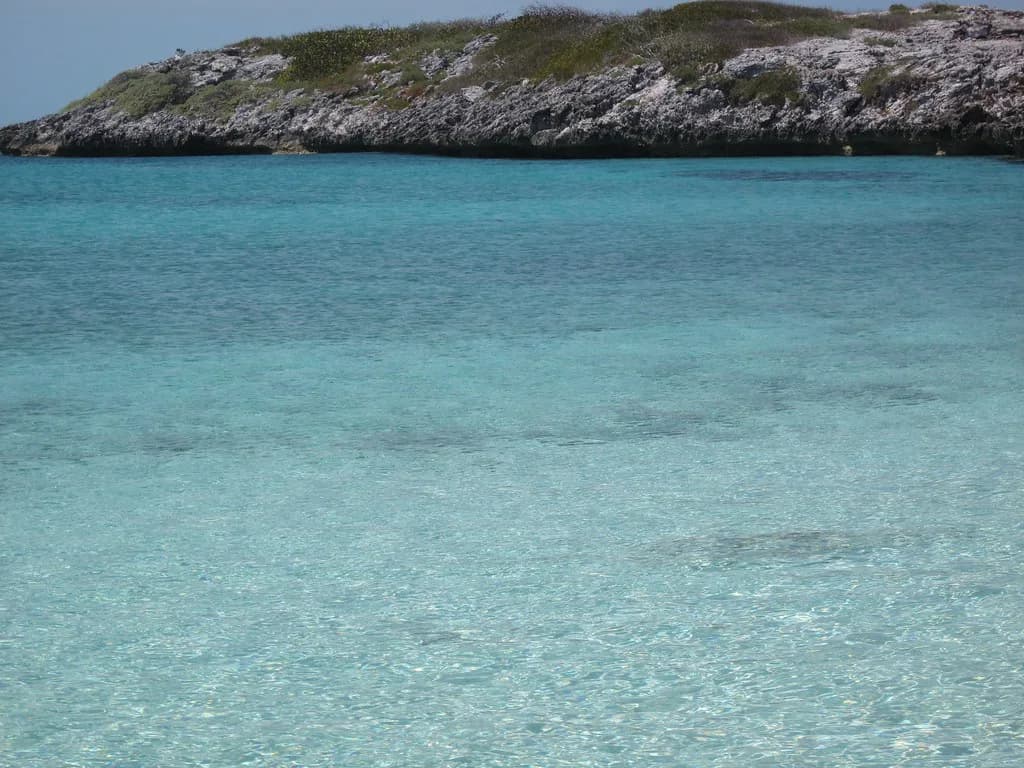
The island is a seven-mile run of pristine white sand edged by numerous populated live coral reefs, which is why it works as a snorkel-and-beach day rather than one or the other. Because the coral sits off the beach instead of far offshore, groups can move between the shallows and the sand without a long transit. That layout is what makes it practical for mixed-ability groups.
Rose Island sits just east of Paradise Island and overlooks Sandy Cay, the small island known locally as Gilligan's Island, where scenes from the 1965 James Bond film Thunderball were shot. That proximity to Nassau means you spend your time in the water rather than on a crossing. For a broader look at how this reef compares with other Bahamian islands, the snorkeling in bahamas guide covers the main options.
Where Rose Island sits relative to Nassau and Paradise Island
Rose Island is a seven-mile-long island three miles due east of Paradise Island, which puts it within easy reach of Nassau-based boats. The eastern side of New Providence is the launch point, and the run across is short enough that you can snorkel and still have most of the afternoon left. Plan your day around the crossing rather than around a long sail.
The island's shoreline faces open water on one side and the sheltered shallows off Sandy Cay on the other, and charter captains pick the lee side based on the day's wind. Ask when you book which side of the island your trip typically uses so you can dress for the conditions. If you are comparing bases for a longer Bahamas trip, the New Providence and Nassau area works as a hub for day charters.
How you get to the reef: boat charters and beach stops
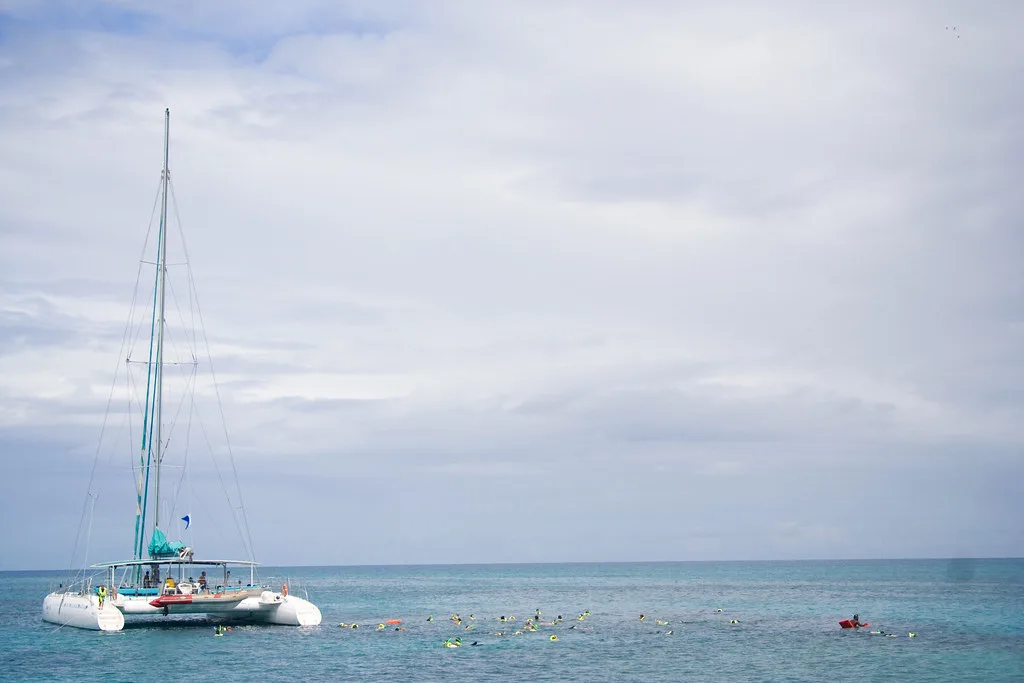
Every Rose Island snorkel trip starts with a boat, and Reel Dreams Charters runs 27-foot Boston Whaler, 34-foot Venture and 38- and 53-foot Tiara and Hatteras vessels that carry up to six to eight passengers depending on the hull. Smaller groups mean more room at the rail and easier buddy pairs in the water. Boats carry a bathroom, which matters on a full-day trip with kids.
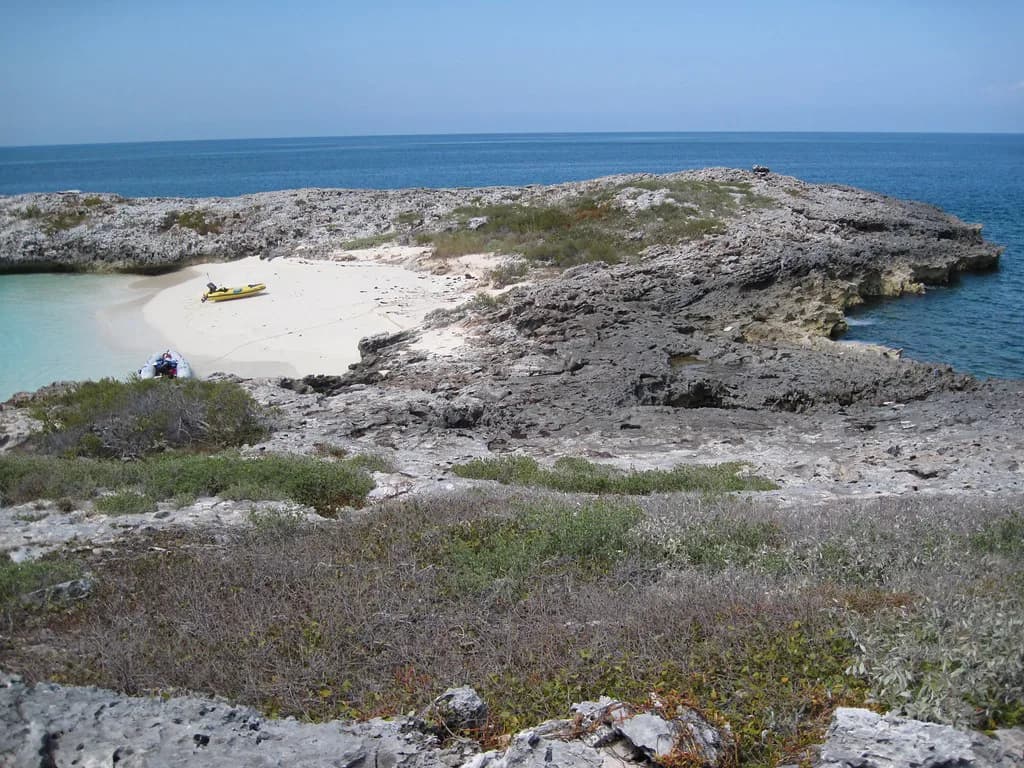
Trips typically combine a snorkel stop over the reef with time anchored off a white-sand beach, so you are not in the water for the whole outing. That structure is the main draw: you get coral and beach in one day without choosing between them. Bring a dry bag so your towel and phone stay usable between stops.
Getting in the water: sand entries and reef edges
Entry is from the boat or from the beach where the charter anchors, so you step into shallow water over sand and swim out toward the coral heads. The reefs fringe the beaches, which means the first few meters are sand and the coral starts a short swim away. Wear fins from the boat so you can cover that gap without tiring.
Snorkelers who are new to coral should practice hovering rather than standing, because live coral heads rise close to the surface in places and a fin kick or a foot down can damage years of growth. Ask your captain to point out the shallowest heads before you get in. Keep a few body lengths of clearance and circle rather than swim over the top.
Some trips also stop at the beach bar and private beach areas along the island's shore, so you can rinse off, eat and rest between snorkel sessions. Treat that stop as your reset point: hydrate, reapply reef-safe sunscreen and check your mask before the second swim.
The island itself runs about seven miles from end to end, while the strip of beach along its shore has been described as roughly 18 kilometers, or about 11 miles, so the crew picks a landing based on conditions rather than dropping everyone at one fixed point. That flexibility is worth asking about when you book.
How far out the reef sits and what depth to expect
The reefs sit directly off the white-sand beaches rather than a long swim offshore, so snorkelers can work the coral edge in shallow water and return to the sand when they tire. Depths vary by coral head and by tide, so treat the shallowest bommies as no-go zones for your fins and body. If you are unsure of the layout, ask the captain for a depth briefing before your first entry.
What you will see: reef fish, coral and marine life
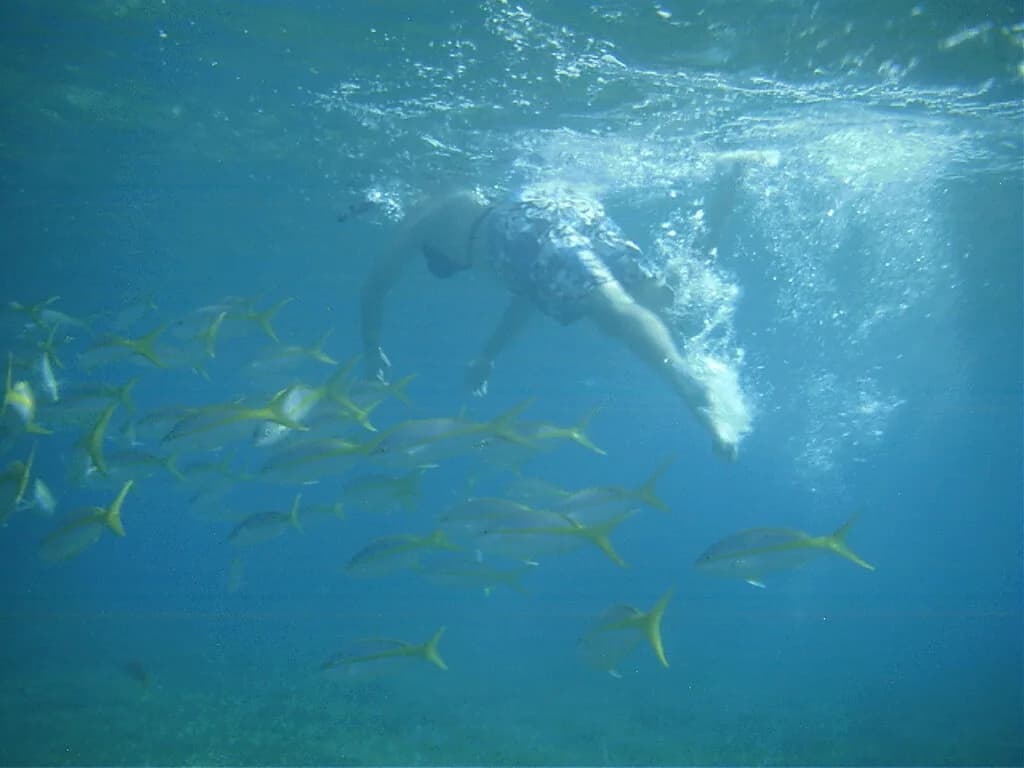
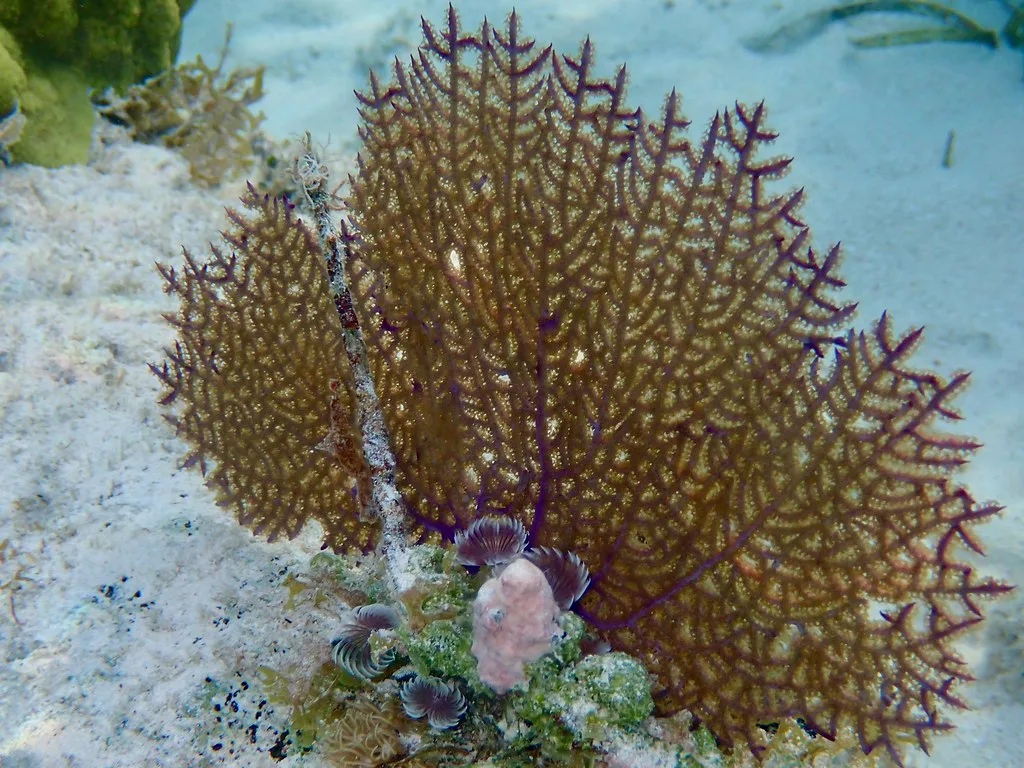
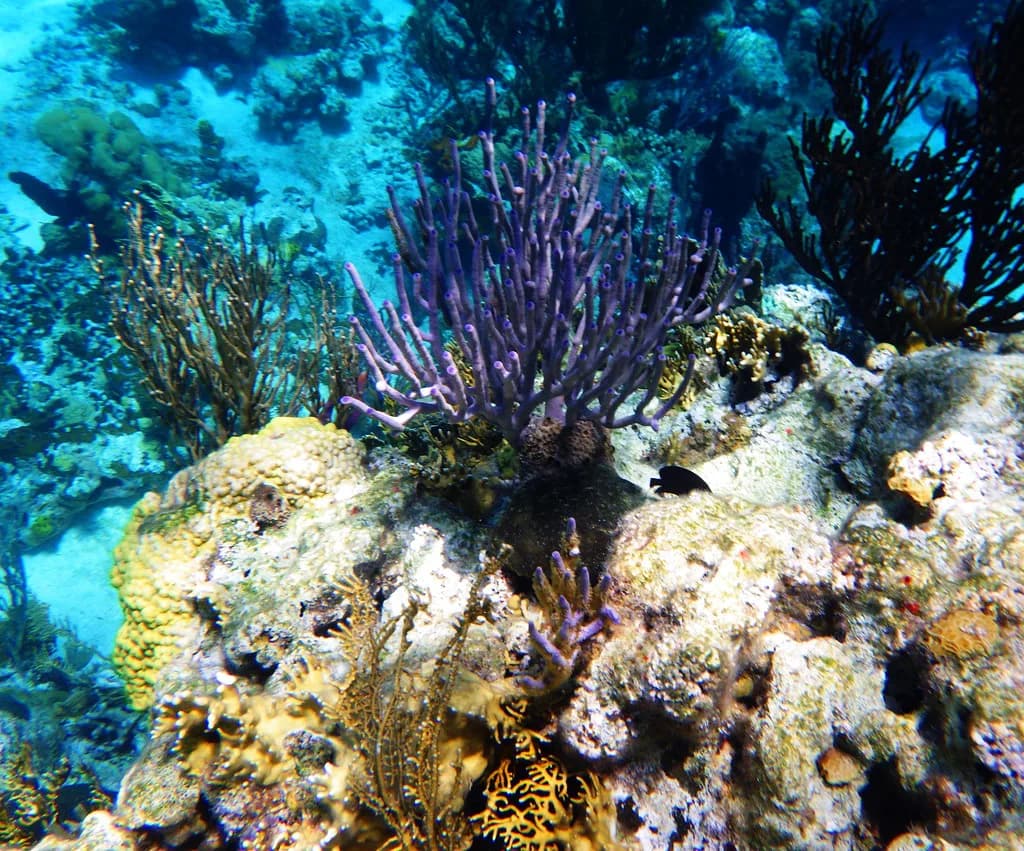
Rose Island snorkelers report clear water and large numbers of colorful reef fish over the coral. Expect the usual Bahamian reef cast: parrotfish, sergeant majors, angelfish and schools of grunts working the coral heads, with the occasional barracuda hanging in open water. Coral cover is the main attraction, so spend your time hovering over the heads rather than chasing fish.
Sightings are never guaranteed, and the reef changes with tide, light and boat traffic. Give turtles and rays space and let them move away on their own terms rather than closing the distance. Never touch, feed or ride any animal, and keep your fins off the coral.
Skill level: who Rose Island suits, from beginners to strong swimmers
Rose Island works well for snorkelers with basic open-water comfort, including kids who have swam in the sea before, because the reef is close to the beach and the boat can anchor in shallow sand. Nervous first-timers do best on a half-day trip with a guide in the water. Strong swimmers get the most out of the reef edge and the swim between coral heads.
You do need to be comfortable getting in and out of a boat and swimming without standing, since the coral forbids standing anywhere near it. If anyone in your group is not a confident swimmer, book a private charter so the captain can split time between the beach and the reef. For families comparing Bahamas options, half moon cay snorkeling is a similar boat-and-beach format with a different reef character, and snorkeling in Key Largo offers another shallow-reef comparison closer to the US.
Best time of day and the swell and wind that shape visibility
Mornings usually bring lighter wind and flatter water on the eastern side of New Providence, which is when the short crossing is most comfortable and the reef is easiest to read. Wind from the east or northeast builds chop on exposed stretches, so an operator may move the landing to the lee of the island. Ask the captain at booking which wind direction forces a change of plan and how often that happens.
Northeast winter swells can reduce visibility and make boat entries bouncy even when the sun is out, so a flexible day is better than a fixed one. If your trip is date-locked, book early in your stay so a weathered-out day can be rescheduled. Check the marine forecast with Reel Dreams Charters the evening before; that single call heads off most wasted mornings.
Hazards: boat traffic, currents and open-water crossings
Boat traffic is the hazard that catches snorkelers out on Rose Island, because charters, private boats and day trippers share the same anchorages. Stay close to your boat, keep a buddy in sight and surface to look around before you drift. A bright snorkel or a surface marker helps a captain keep track of you.
Currents run along the reef edge on tidal changes and can push you past the coral and away from the boat, so plan a drift direction with the captain before entry. The crossing itself is open water, so wear a vest if the boat provides one and stay seated while underway. Sun is the quiet hazard on an all-day trip: reef-safe sunscreen, a rash guard and water keep a good day from turning into a burned one.
Charter options and how long trips run
Rose Island charters run as a half day of four hours, a six-hour option or a full day of eight hours, so you choose between reef time and beach time within your day. The half day fits a cruise port call or a family with young kids; the eight-hour trip gives you time for two snorkel sessions and a proper beach stop. Rates depend on the vessel, up to eight passengers depending on the hull, so request a quote when you book.
Private charters are the better fit for groups of four to six who want input on where the boat stops and how long they stay in the water. Shared trips cost less per person and suit couples or solo travelers happy to follow the captain's plan. If you are weighing operators, the bahamas snorkeling tours guide covers what different formats include.
Rules and reef etiquette in Bahamian waters
Bahamian reefs are living coral, so the working rule is simple: never stand on, touch or collect coral, and never feed or chase fish. Keep a body length of distance from any turtle or ray and let it swim away first. Take nothing from the water and leave nothing on the beach beyond footprints.
Bahamas marine conservation rules and fishing regulations are published separately from tour details, and operators who run fishing charters on the same boats can explain which areas are protected. Ask your captain which sections of reef are no-take before you anchor. Reef-safe sunscreen matters here as much as anywhere in the Bahamas.
What to bring for a boat-based snorkel day
Pack a mask that fits, your own snorkel, fins for the swim to the reef, a rash guard for sun and a dry bag for the beach stop. Bring more water than you think you need and a light layer for the crossing, which can be breezy even in calm weather. A small first-aid kit and motion-sickness tablets are worth having on board.
Leave behind anything that cannot get wet, and keep your phone in a waterproof case if you want photos at the beach bar. Towels, a hat and reef-safe sunscreen cover the rest of the day. If you are adding more Bahamas stops, freeport snorkeling and Paradise Cove offer a contrasting shore-entry reef experience on Grand Bahama Island.
Spots to combine with Rose Island
Because Rose Island sits just east of Paradise Island, a Nassau-based itinerary can pair it with a day on New Providence's own beaches and a separate boat day to another cay. Sandy Cay, the Gilligan's Island of Thunderball fame, is right off the island and worth a look from the boat, though it is a landing stop rather than a snorkel site.
Cruise passengers with a Nassau port call should pick the half-day format and confirm the boat can meet the ship's timing. Castaway Cay snorkeling is another option for travelers whose itinerary includes a private-island stop instead of Nassau.
Plan Your Rose Island Snorkel Day
Rose Island is the right Nassau day trip if you want live coral fringing white sand, a short boat ride and a mix of reef and beach time in one outing. Book a half day if you have a port call or young kids, and a full day if you want two snorkel sessions and a relaxed beach stop.
Ask Reel Dreams Charters about vessel size, entry style and the wind direction that changes the plan, and check the marine forecast the evening before your trip. Pack fins, a well-fitting mask, reef-safe sunscreen and more water than you think you need, and you will spend your day over the coral instead of managing gear.
Frequently Asked Questions
Is Rose Island, Bahamas worth it for snorkeling?
Yes, if you want a boat-based reef day rather than a shore snorkel. Rose Island is a seven-mile island three miles east of Paradise Island, with white-sand beaches edged by live coral reefs, so a single trip combines shallow reef snorkeling with beach time. It suits swimmers who are comfortable on a boat and in open water.
How do you get to the reef at Rose Island?
By charter boat from the Nassau area. Trips anchor near the beach and you snorkel out to the coral heads fringing the sand, so there is no long offshore swim. The crossing from Paradise Island is only about three miles, which keeps travel time short.
What fish and coral will you see at Rose Island?
Expect reef fish such as parrotfish, angelfish, sergeant majors and grunts working the coral heads, with barracuda sometimes hanging in open water. The coral itself is the draw, and the clear water makes it easy to see from the surface. Sightings vary with tide and conditions, and no trip can guarantee a particular animal.
Is Rose Island snorkeling good for beginners?
It can be, because the reef sits close to the beach and boats anchor in shallow sand. Beginners should pick a half-day charter, practice hovering rather than standing, and stay with a guide. Anyone not comfortable swimming without standing should stick to the beach stop or book a private charter with a guide in the water.
How long do Rose Island snorkeling charters run?
Operators list a half day of four hours, a six-hour option and a full day of eight hours. The half day fits a port call or a family with young kids, while the full day allows two snorkel sessions plus a beach stop. Request a quote for your group size and chosen boat when you book.
What is the best time of day to snorkel Rose Island?
Mornings usually bring lighter wind and flatter water on the eastern side of New Providence, which makes the crossing and the reef easier to read. Northeast winter swells can reduce visibility later in the season. Ask about the marine forecast the evening before your trip and keep the day flexible if you can.
Are there swimming pigs or pink sand on Rose Island?
Rose Island is known for white-sand beaches, live coral reefs and the Sandy Cay filming location from Thunderball. Plan the day around reef snorkeling and a beach stop, and ask what a specific itinerary includes before you book.
Sources
Snorkeling notes for your next trip
Optional updates to our snorkeling guides.
You might also like
Continue reading
More guides you'll find useful