Puako Snorkeling: Reef Edge, Lava Entry and Skill Level
Puako snorkeling rewards confident swimmers with a shallow lava reef and a reef edge about 500 feet offshore. Here is the entry, depth, hazards and parking.
On this page
Puako snorkeling is a working shoreline rather than a groomed beach swim: a lava and coral-rubble entry on the Kohala coast, tidepools to pick through, and a broad shallow reef that gradually gives way to a deeper edge. It suits confident swimmers who bring their own gear and read the water before stepping in, and it frustrates anyone expecting a sandy bay with a lifeguard stand.
The payoff is one of the quieter entry points on the west side of the island, sitting between the Mauna Lani resort area and the road north toward Waikoloa. Because the reef is shallow for a long stretch, you can spend a slow hour over structure close to shore, or push out toward the edge if the water is calm and your finning is strong.
Why Puako Is Worth the Swim
Puako appeals to snorkelers who want to explore live reef rather than float over sand. The shoreline is a series of small public accesses strung along Puako Beach Drive, and the reef continues along that whole stretch, so the experience is about picking a gap and working outward, not following a marked trail.
Treat it as an intermediate-to-advanced shore snorkel. The shallow shelf and tidepools make the approach more demanding than the swim itself, and the footing rewards reef shoes and a slow, deliberate walk. If you are still building confidence in open water, start on a gentler bay and come back to Puako once your finning and entries feel automatic.
Where Puako Is
Puako Beach Park sits at the end of Puako Beach Drive, which turns off Highway 19 between the Mauna Lani and Waikoloa resort areas, signed simply “Puako.” Follow the road about three miles to its end, where the park appears on the right with a blue-and-white shoreline access sign rather than a conventional park entrance.
The address is on the Waimea side of the island, and the drive from Kailua-Kona or the Waikoloa resorts is short enough to combine with other Kohala coast stops. Parking at the park is free, and the site has restrooms and tidepools.
Getting In
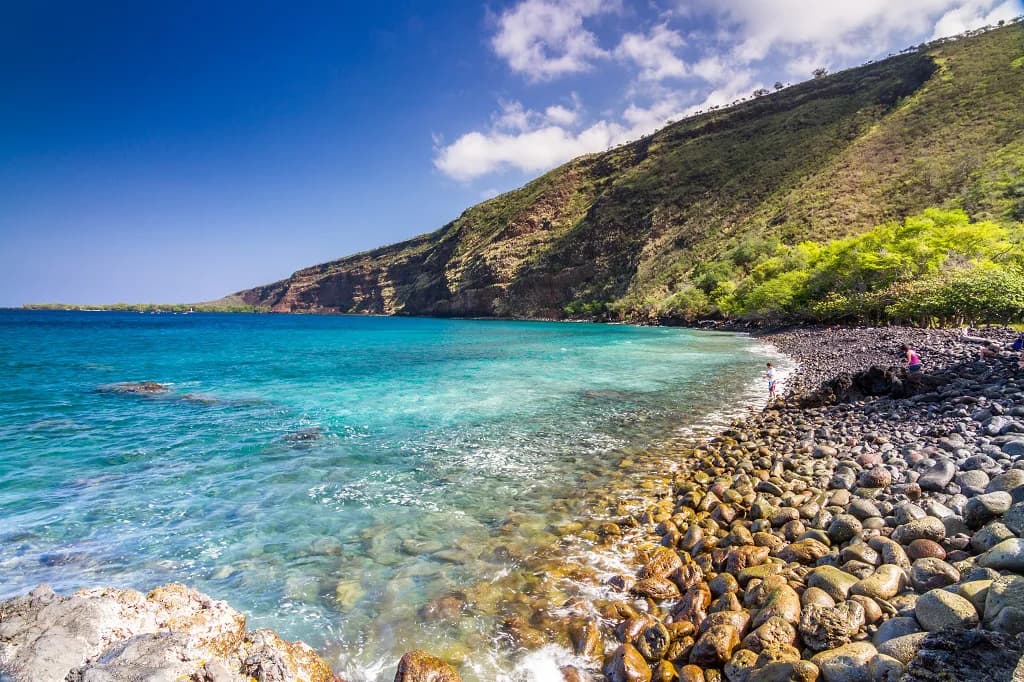
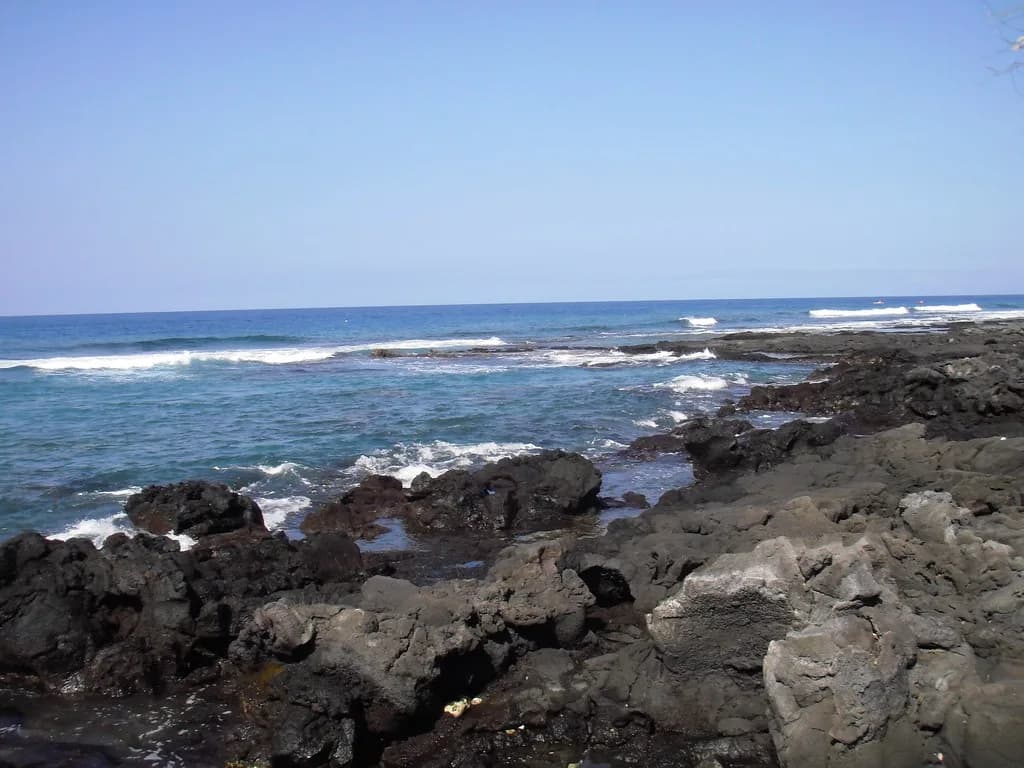
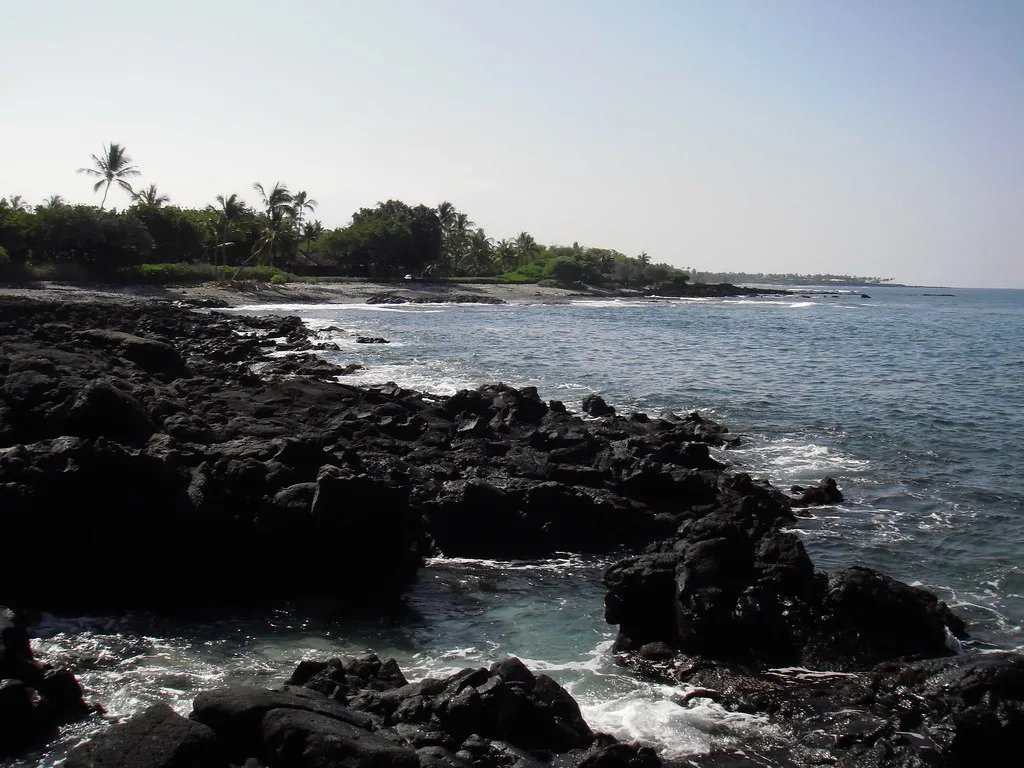
The entry is mostly lava with a few pockets where smaller rock and coral rubble collect, so there is very little sand to walk into. Plan on picking your way across the rock in sturdy footwear, then putting fins on in water deep enough to avoid crunching the reef.
No boat is needed. Tidepools and shallow reef lie between the shore and the outer reef, and crossing them is the hard part: at low tide much of that shelf is barely covered or exposed, which turns the exit into a careful rock walk rather than a swim.
Time your entry around a higher tide if you want an easier crossing, and save the lowest part of the cycle for planning rather than swimming. A shallow, sheltered launch still leaves you on live reef, so keep fins up and hands off the bottom.
How Far Out and How Deep
The reef edge is roughly 500 feet offshore from Puako Beach Park. Inside that line the water stays shallow over reef and tidepools, so the distance out is a steady swim rather than a drop into deep water, but it is still several minutes of open water each way.
That geometry sets your plan: snorkelers who stay inside the shallows get a long, unhurried look at reef structure close to the surface, while those heading for the edge should be strong enough to swim the distance back against whatever the day gives. Judge the return leg before you commit to the outer reef.
What You Will See
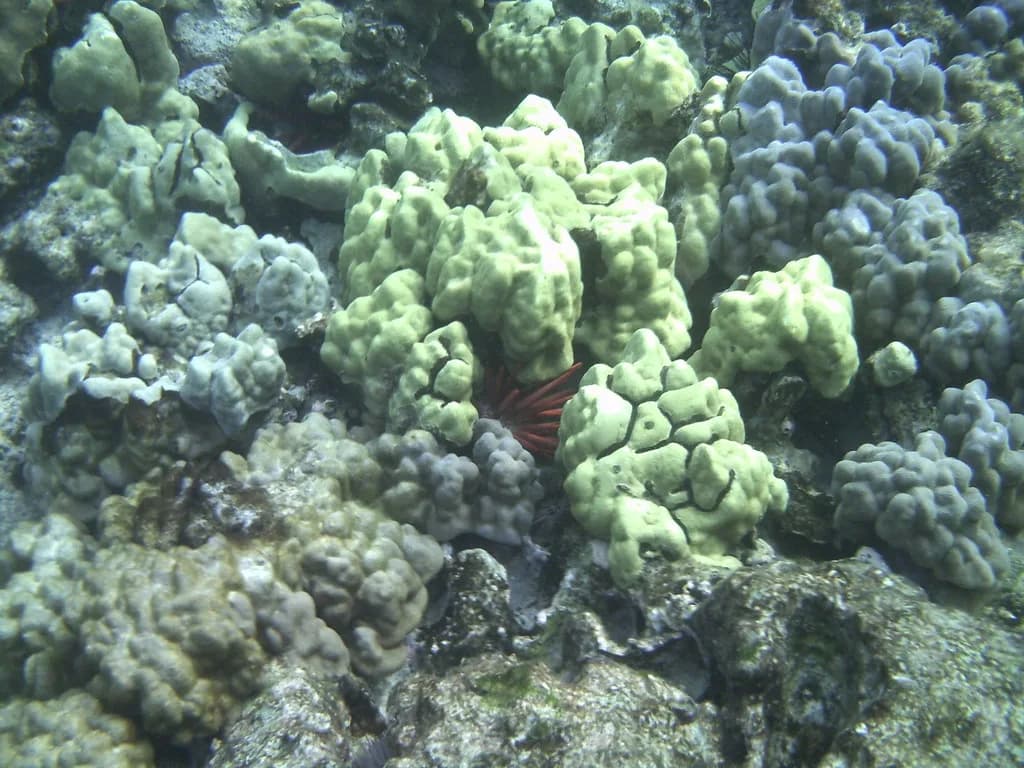
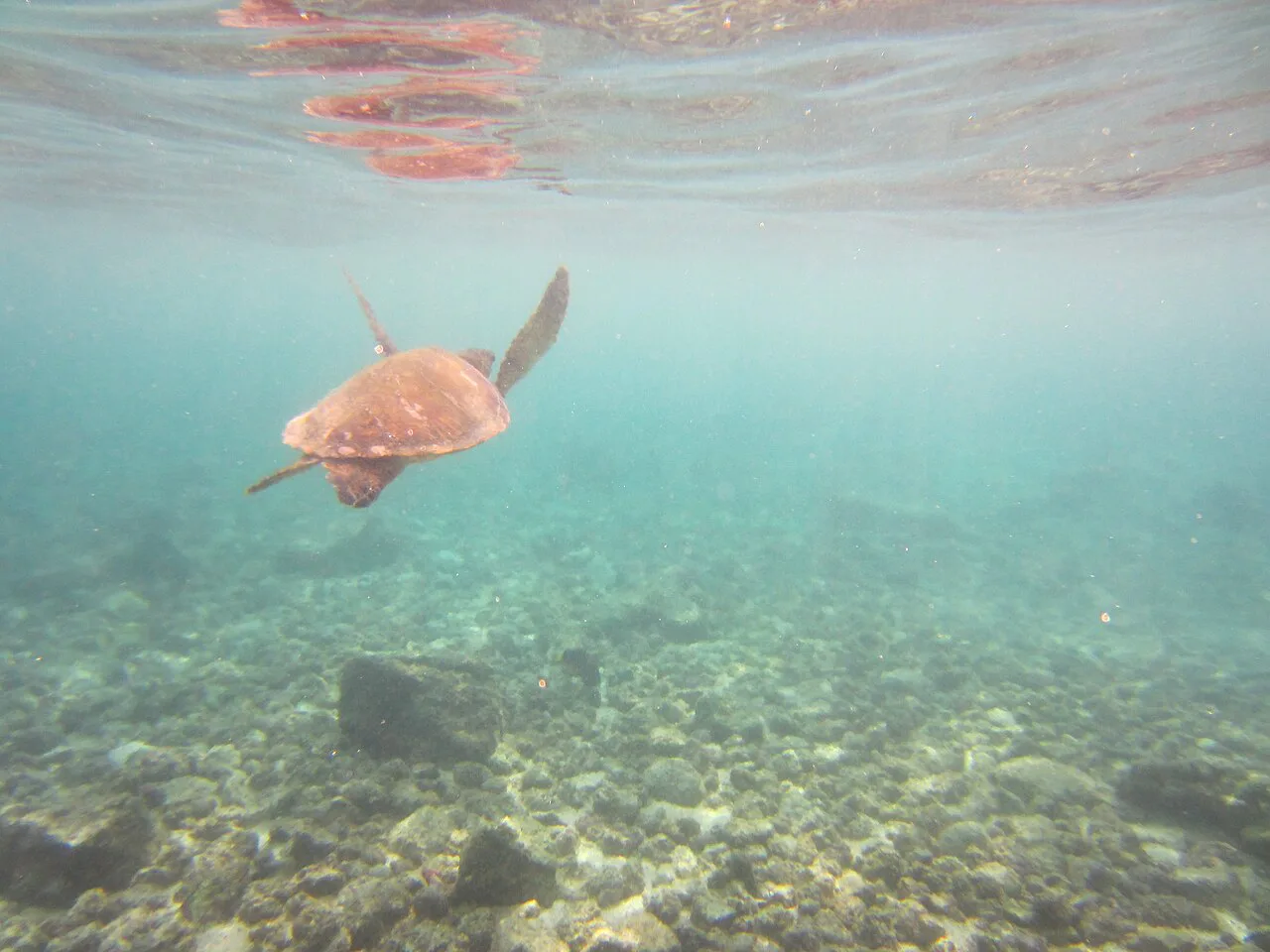
Expect to work a mosaic of coral and rock rather than one showpiece formation. The shallow sections hold the most accessible life, and the rocky fringes reward slow hovering, with small fish moving in and out of cover and the occasional larger animal passing through.
Keep your hands off the bottom and give any animal room to leave. Reef etiquette here matters more than at a busy beach park: the shelf is shallow, coral is within fin reach, and touching or standing on it damages growth that takes years to return.
Best Time of Day and Tide Timing
Morning is the reliable window on this coast, when wind and surface chop are usually at their calmest. Low tide is the variable to avoid: the shallow water at low tide makes the reef and tidepool crossing trickier in both directions, so aim for a rising or higher tide and give yourself daylight to get back.
Evenings bring locals to the park for sunset, so the shoreline gets busier as the swimming window closes. If you want quiet water and space at the entry, go early rather than late.
Hazards and Who Should Skip It
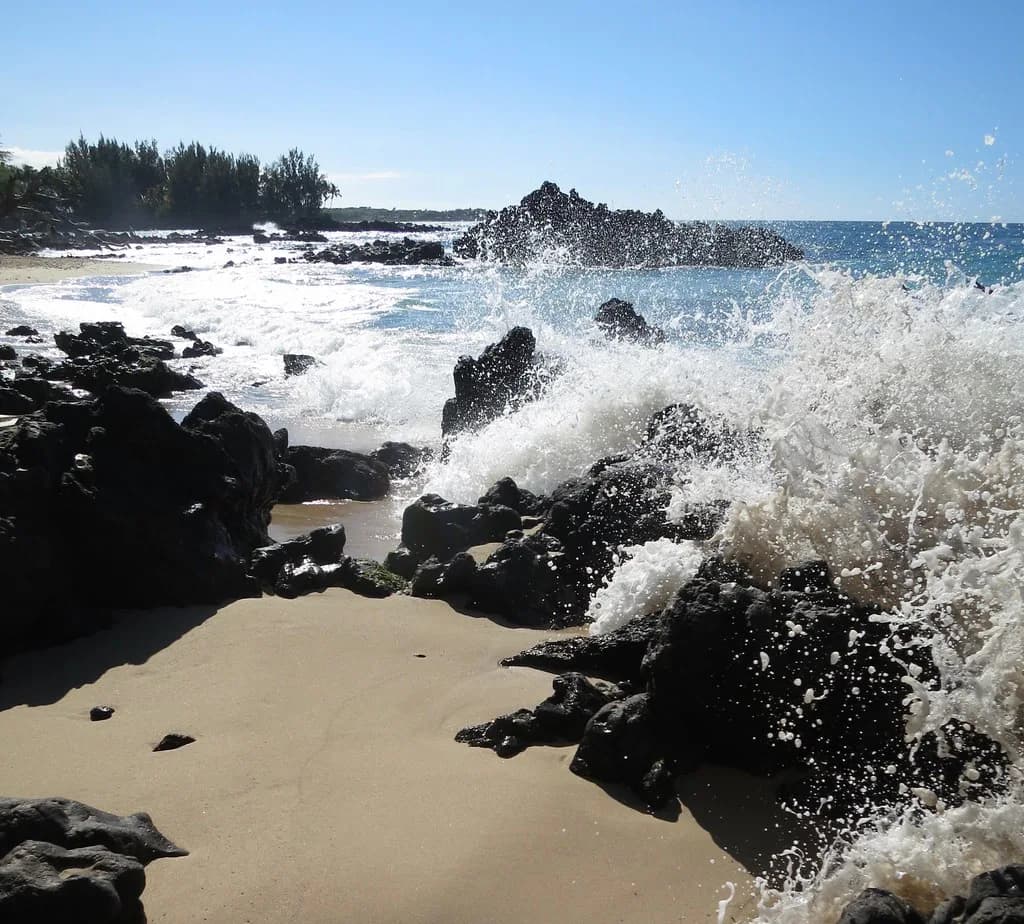
The hazards are structural rather than dramatic: uneven lava footing, shallow reef close to the surface, and tidepools that demand care on the way out. Surf and surge can make the entry unwise on a given day, so watch the water for a few minutes before you commit and read the Big Island snorkel conditions report before you drive out.
Skip Puako if anyone in your group is a first-time snorkeler, uncomfortable on rock, or expecting a lifeguarded beach with easy sand entry. Families with young children are better served by a gentler bay, and strong swimmers who want a quiet reef will get more out of Puako. If your trip also includes time on another island, our guide to snorkeling in Maui covers shore spots with easier sand entries to compare against this lava-rock launch.
Parking and Facilities
Parking is free at Puako Beach Park, and the site has restrooms and tidepools along the shore. Bring your own water, food and gear, and plan to carry everything a short distance over rock to the water.
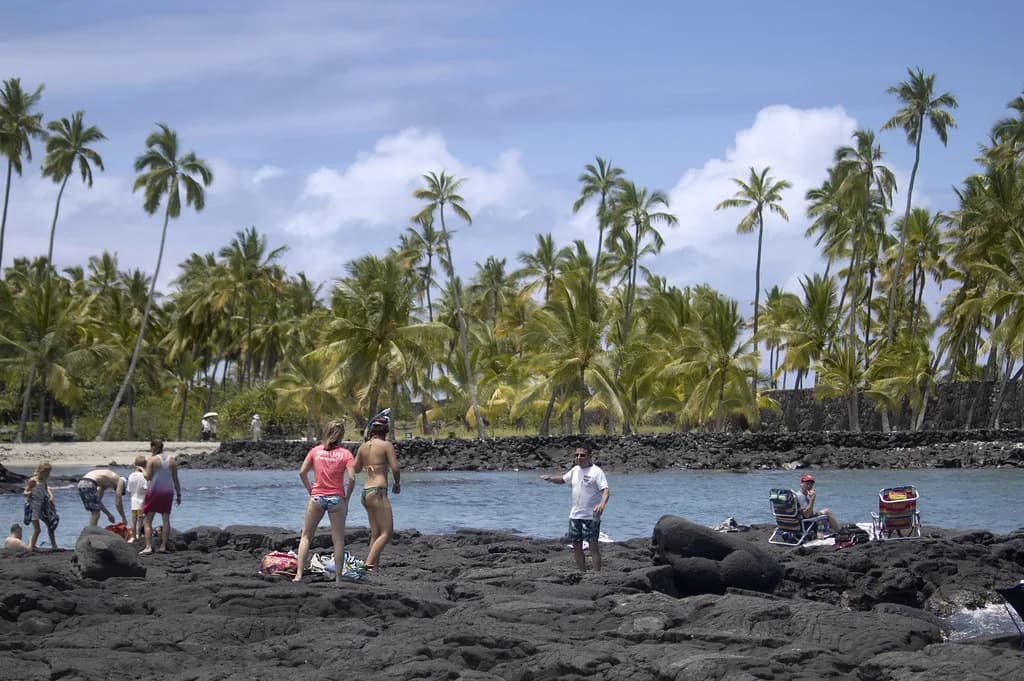
There is no sandy beach to spread out on, and shade is limited, so a sun shirt and a hat are more useful than a beach mat. The park is also a shoreline access point for divers and confident snorkelers, which means the small lot can fill on good-weather weekends.
Rules at Puako
The park sits within the Puako Bay and Puako Reef Fisheries Management Area. Dogs are allowed on leash, and alcohol, fires and camping are prohibited.
Beyond those posted rules, the reef itself asks for restraint: no standing on coral, no feeding fish, and enough distance from wildlife that animals are not changing course because of you. Hawaii's reef-safe sunscreen law applies to what you put on before you get in.
The Other Puako Shoreline Accesses
Puako Beach Park is one of a string of public shoreline accesses along Puako Beach Drive, and the reef continues past all of them. If the main park is crowded or the entry looks uninviting, driving a short way along the road gives you another gap in the lava and a different angle on the same shelf.
These accesses are unmarked apart from the shoreline access signs, and the main park is the one with restrooms and free parking, so treat the others as a backup rather than a plan. The same rules and the same shallow-reef caution apply.
Nearby Spots to Combine
Holoholokai Beach Park is a few minutes south on the Ala Kahakai Trail and has easier parking in the Mauna Lani Resort area, which makes it a sensible second stop if Puako's entry is too rough. Pauoa Bay at the Fairmont Orchid and Mauna Lani Beach sit a short drive further along the same coast, so a marginal day at one becomes a quick relocation to the next.
For a fuller picture of the island's shore and boat options, our big island snorkeling guide sorts sites by entry type and skill level. South Kona adds Honaunau Bay and Kealakekua Bay for a completely different day, and Kahaluʻu Beach Park Snorkeling covers the island's most popular easy-entry reef near Kailua-Kona.
Walking the Ala Kahakai Trail South
The Ala Kahakai Trail runs south from Puako along the shoreline toward Holoholokai Beach Park, and walking it first is a useful way to read the reef. From the trail you can see where the lava gives way to sand and where the shallow shelf sits before you commit to a swim.
Walking south also links Puako to the Puako Petroglyph Archaeological Park on the Malama Trail and to Kalahuipuaʻa Historic Park in the Mauna Lani Resort, which makes a non-swim hour worthwhile when the water is unsettled.
Plan Your Puako Snorkel
Build your Puako day around the tide: a higher, rising tide gives you the easiest crossing over the tidepools and reef, and morning usually brings the calmest surface. Bring reef shoes for the lava entry, your own water and gear, and a plan B at Holoholokai or the Mauna Lani beaches if the entry looks rough.
Go if you are a confident swimmer who wants a quiet, shallow reef and a coral-rubble entry to work for. Leave it for another trip if you need sand, lifeguards or a first-timer-friendly launch, and read the Big Island snorkel conditions report before you drive out.
Frequently Asked Questions
Is Puako good for beginner snorkelers?
Not as a first snorkel. The entry is mostly lava with few sandy gaps, and you have to cross tidepools and shallow reef to reach open water, which is awkward footing for someone still getting comfortable. Beginners are better off at a bay with a sand entry and calmer launch, then coming back to Puako once entries and finning feel routine.
How far out is the reef at Puako?
The reef edge sits roughly 500 feet offshore from Puako Beach Park, with shallow reef and tidepools filling the space between shore and that edge. That makes the swim out a sustained paddle over live bottom rather than a short hop, so check the return leg and the day's surface chop before heading for the outer reef.
Is there a sandy beach at Puako Beach Park?
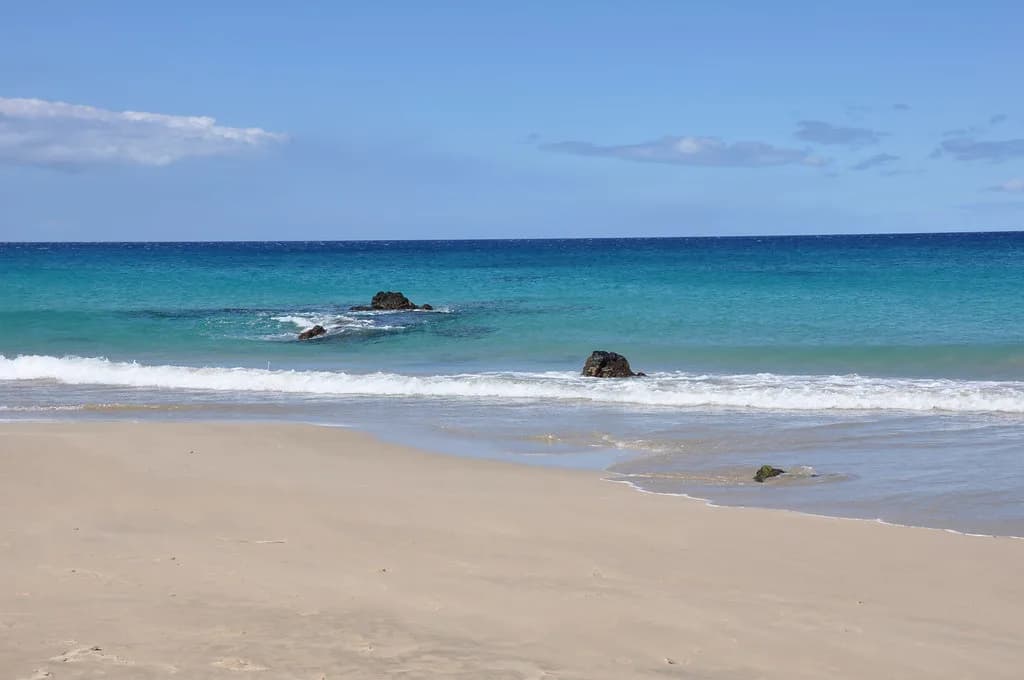
Very little. The shoreline is lava with a few pockets where smaller rock and coral rubble gather, so there is no real sand beach to lay out on. Wear reef shoes for the walk to the water and plan to gear up at the edge rather than on a towel.
Do you need a tour to snorkel Puako?
No. Puako is a shore-entry site reached from the end of Puako Beach Drive, and you swim out from the public access yourself. Bring your own mask, snorkel and fins, since the park is set up as a shoreline entry rather than a rental or tour base.
What facilities are at Puako Beach Park?
The park has restrooms, tidepools along the shore and free parking at the end of Puako Beach Drive. There is no sandy beach and shade is limited, so bring water, food, sun protection and all your own gear, and expect to carry it a short distance over rock.
When is the best time to snorkel Puako?
Go in the morning for the calmest surface, and aim for a rising or higher tide so the tidepool crossing is easier in both directions. Low tide exposes much of the shallow shelf and makes the entry and exit a careful rock walk. Evenings get busy with locals watching sunset.
Sources
Snorkeling notes for your next trip
Optional updates to our snorkeling guides.
You might also like
Continue reading
More guides you'll find useful