Pawai Bay Snorkeling: Boat-Access Turtles and Calm Water
Pawai Bay snorkeling is a boat-only Kona experience with shallow lava-rock lagoons, green sea turtles and calm water suited to beginners and families.
On this page
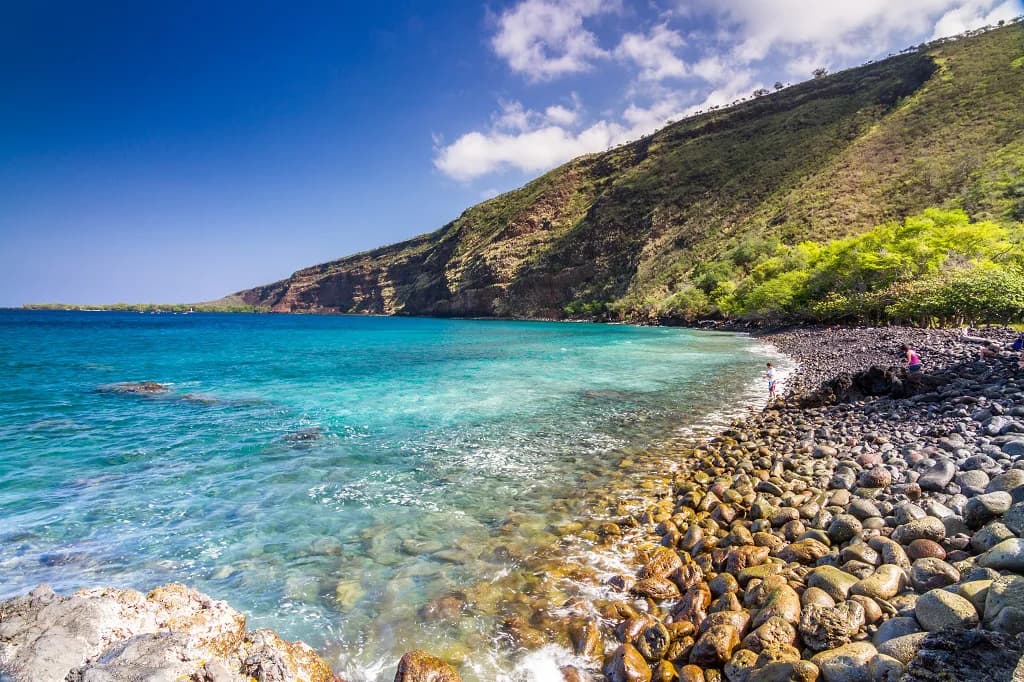
Pawai Bay rewards the people who most need an easy day in the water: nervous first-timers, children, and snorkelers who would rather step off a swim platform than time a shore break. The cove sits on the Kona coast of the Big Island, north of Kailua-Kona, where lava rock forms a naturally sheltered pocket of shallow water. That combination is the whole appeal, and it shapes every decision you make about visiting.
There is no trailhead to plan around here. The bay is reached by boat, usually as a stop on a guided morning snorkel, so your real planning work is choosing an operator and knowing what the drop-in will feel like. This guide covers the entry, the wildlife, the depth, the viewing rules and the shore-based spots worth pairing with a boat day.
What Pawai Bay Is and Who It Suits
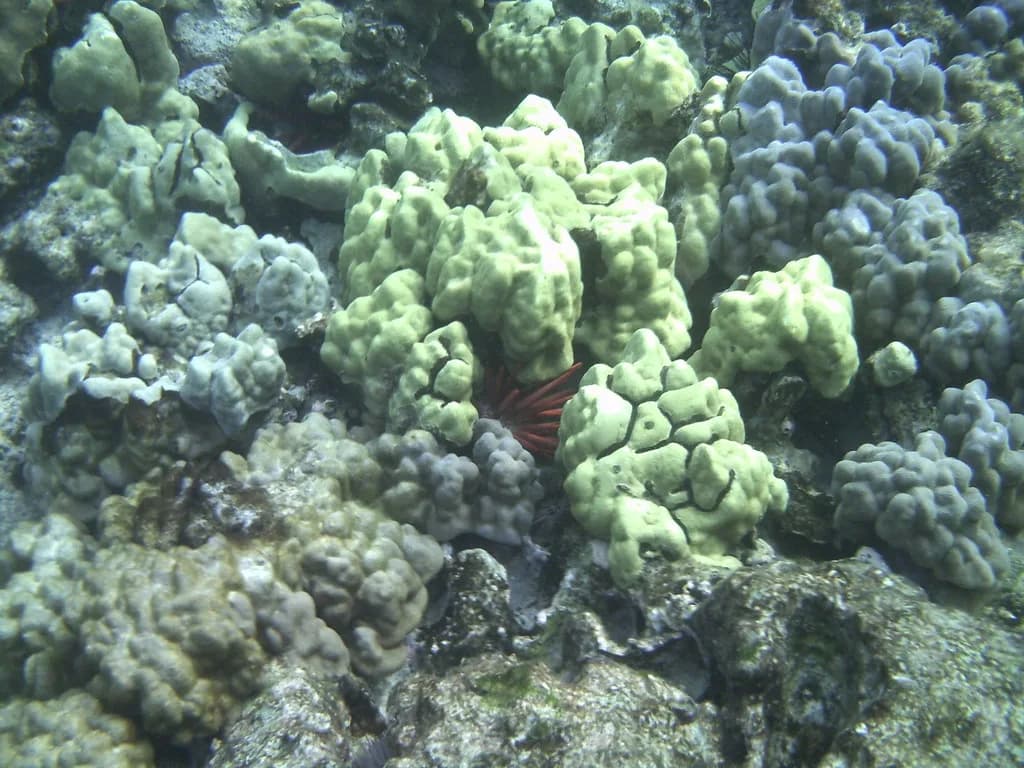
Pawai Bay is a small, protected cove built by lava rock, with archways and formations underwater that break up the reef into ledges and pockets. Because the surrounding rock absorbs surge, the water inside tends to stay calm and shallow, which is why tour operators treat it as a family stop rather than a challenging dive site. If you can float comfortably with a mask on and follow a guide's direction, you are the right audience. Family snorkelers planning other islands often weigh this against snorkeling in Maui, which offers its own sheltered cove options.
The trade-off is that everything happens from a boat. You will not wander in from a beach, set up a blanket, or duck out early on your own schedule. In exchange you get water that behaves more like a lagoon than open coast, and a guide who knows where the turtles tend to rest.
Getting There: Boat Only
Pawai Bay has no practical public land access, so the only realistic way in is aboard a tour boat. Operators working the Kona coast include the bay on multi-stop morning snorkel and dolphin-watch itineraries, often pairing it with other protected water on the same run. Book through the tour company directly and read the itinerary to see whether Pawai is a confirmed stop or one of several weather-dependent options.
Because the bay is a stop rather than a destination you drive to, your schedule is the boat's schedule. Morning departures are the norm on this coast, and the bay is frequently described as part of a deluxe morning snorkel and dolphin watch run. Ask the captain where the boat anchors relative to the lava formations so you know what you are swimming toward when you enter the water.
Getting In: The First Drop-In
Entry is from the boat, by ladder or platform, into water that is shallow near the rocks and deepens as you move away. That means your first minute is about settling your mask and finding your float rather than picking a path through shore break. Guides typically brief the group on where to swim and where to stop before anyone gets wet, so listen for the boundary markers.
Stay over the shallow shelf near the lava formations if you want the most comfortable view of the bottom, and let more confident swimmers work the outer edge. Fins help you hold position in a gentle surge without using your hands on the rock. Keep your hands off the coral and the ledges, since lava rock and coral here are fragile and easily damaged by a misplaced push.
What You Will See
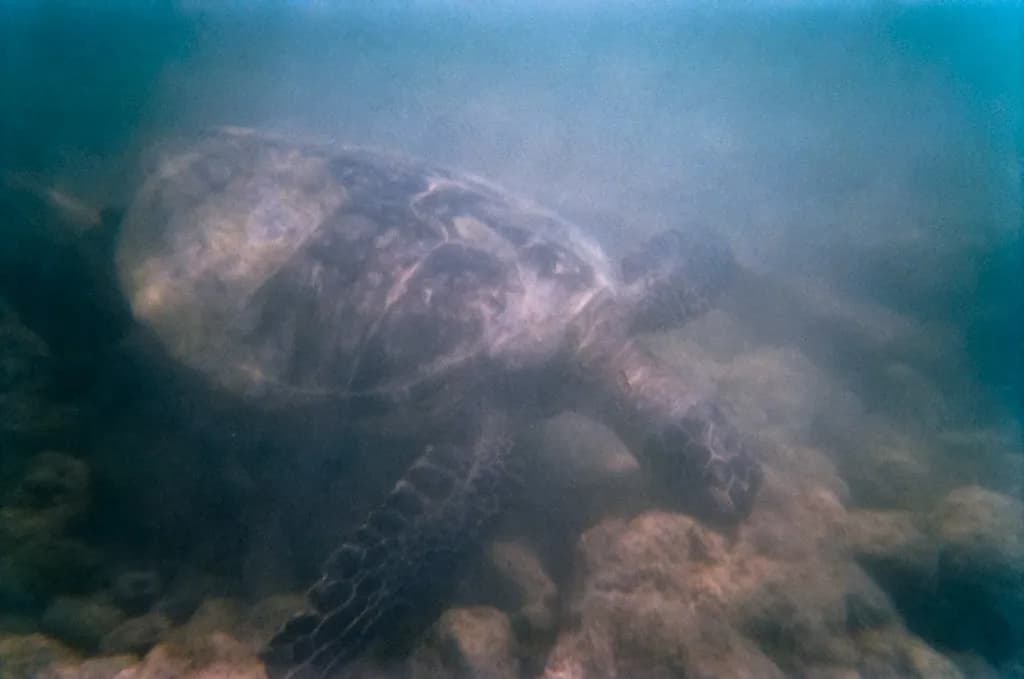
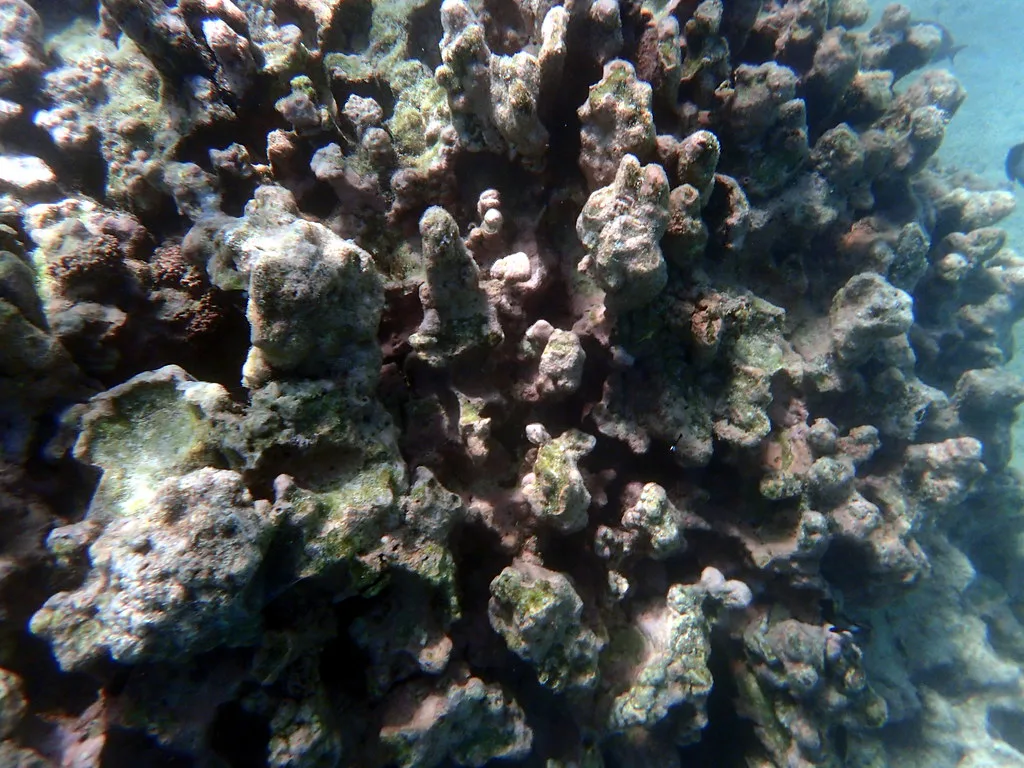
Green sea turtles are the headline. They rest on the seafloor, graze on algae, and rise to the surface for air, and tour operators report consistent sightings on the great majority of their visits. Around them you can expect triggerfish, eels tucked into crevices, and schools of colorful reef fish working the coral. Treat every encounter as a possibility rather than a guarantee and you will enjoy the day more.
The lava archways and rock formations give the site its structure: fish gather around cover, and the ledges create natural lanes to follow. Swim slowly along a formation rather than racing across open sand, and you will see more of the small residents, including the eels and triggerfish that favor the rock. Visibility here is generally good, but it is the sheltered, shallow layout rather than record clarity that makes the bay work.
Depth and Layout
The bay reads as a shallow lagoon close to the rocks, where you can hover a few feet above the bottom and still see plenty. Beyond the protected pocket the water deepens, and that is where stronger swimmers and guides tend to drift. Pick your zone by comfort: the shallow shelf for kids and tentative snorkelers, the deeper edge for anyone who wants to cover more ground.
Surface conditions inside the cove are usually the calmest part of a Kona boat day, which is exactly why families end up here. Use that to your advantage by spending your time learning the layout instead of fighting chop.
Skill Level and Who It Suits
Pawai Bay is one of the easier Kona snorkel stops for beginners and children, and it is a sensible choice for a first boat snorkel. The caveat is real, though: you are in open ocean away from shore, and you re-board from the water when the guide calls. A child who is comfortable floating in a life jacket and following instructions will do well; a child who panics in deep water will not, no matter how calm the cove is.
Best Time to Go
Book a morning trip. Kona's afternoon winds build through the day, and mornings bring the calmest surface conditions and the clearest water, which matters most at a shallow turtle site where you are looking down through the water column. Early boats also tend to reach the bay before other groups, giving you a quieter window over the reef.
Season changes the surface more than the water temperature. Winter swells can make the whole coast livelier, and the guide's call on whether the bay is workable that day is the one that counts. If you have flexibility, put your boat day early in the trip so a windy or surging day can be swapped for another morning.
Hazards and Rules
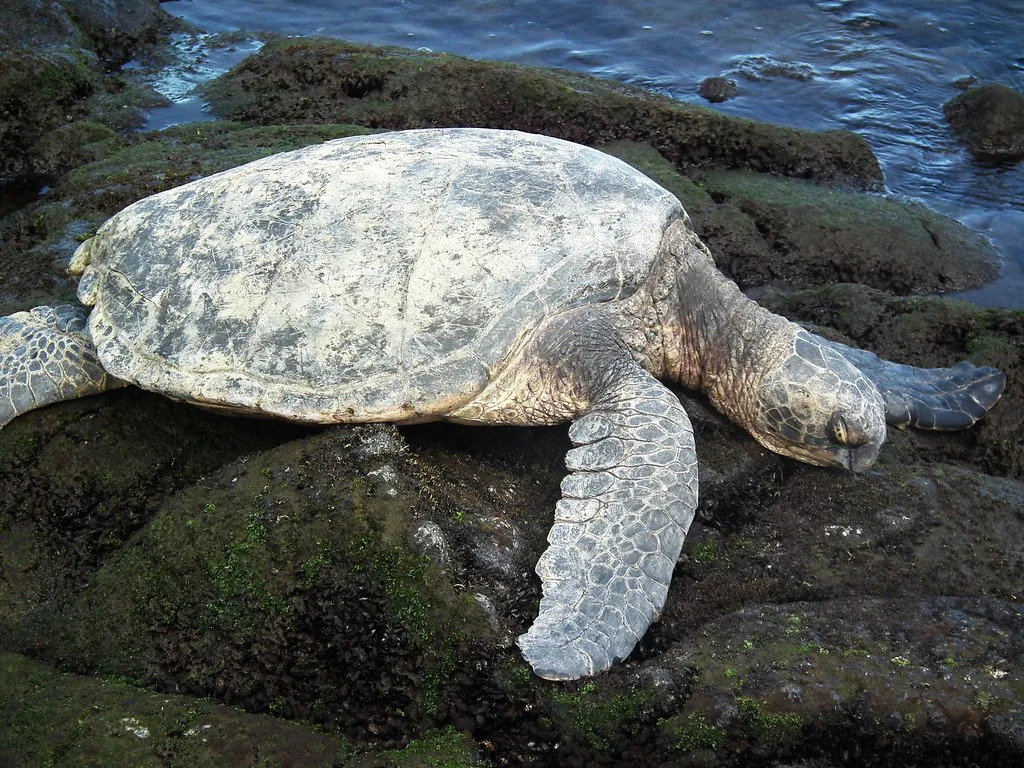
Hawaii's sea turtles are protected, and the viewing standard is to keep at least 10 feet of distance, letting the animal approach you rather than closing in. Do not touch, feed, ride or chase a turtle, and do not block one rising for air. Reef-safe sunscreen is the other rule to plan around, since conventional formulas can damage the coral you came to see; choose a mineral-based product before you leave your accommodation.
Beyond wildlife etiquette, the day's hazards are ordinary ocean ones: surge against the lava rock, deep water under the boat, and tired legs at the end of a long float. Follow the guide's boundary and re-board when asked. Spinner dolphins sometimes pass through the bay in the early morning, and the same distance rule applies to them, with no pursuit and no cutting across their path.
What to Bring
Bring your own well-fitted mask if you have one, a rash guard for sun and warmth, and water shoes for the boat deck. Operators typically supply snorkel gear and often a wetsuit, which is worth wearing because the water can feel cool after a long float even in Hawaii. A dry bag for towels and a light layer for the ride back round out the kit.
Boat logistics are simpler than shore logistics, so you do not need to plan a parking spot or a hike. Follow the Kona Snorkel Trips crew's instructions on what to leave behind and arrive rested, since the value of a calm bay disappears if you are cold, sunburned or rushed. If you want to compare against a shore entry you can drive to, Kahaluʻu Beach Park Snorkeling is the standard beginner fallback on this coast, with amenities right at the beach.
Combining Pawai Bay With Other Kona Snorkel Spots
Many boat itineraries pair Pawai with a second stop, and Kealakekua Bay is the classic complement: a protected marine conservation district with coral gardens near the Captain Cook Monument, calm water in the morning, and reliable reef fish including yellow tang, parrotfish and butterflyfish. The bay's horseshoe shape shelters it, but the prime water near the monument is a long, steep hike from land or a boat ride, which is why tours cover it.
For shore-entry days, Honaunau Bay is the cultural counterpoint, with a lava-rock two-step entry, shallow coral close to shore, and the Puʻuhonua o Honaunau National Historical Park next door. Parking there fills early, so treat it as a dawn plan. Keauhou Bay is the gentlest drive-to option for families, with gradual depth and rocky shoreline where water shoes help.
When Sea Conditions Scrub the Boat Trip
If the captain cancels or the coast is too rough for Pawai, shift to a sheltered shore park rather than cancelling the day. Kahaluʻu Beach Park is the practical answer: a shallow bay behind a rock wall, sandy gradual entry, restrooms and showers on site, and dense reef fish right off the beach. Arrive before mid-morning to get parking and clearer water before the crowds.
For a night rather than a morning, the manta ray snorkel out of Keauhou is the other signature Kona water experience, with snorkelers holding a light board on the surface while mantas feed on plankton below. It is a different kind of outing entirely, but it slots neatly into the same trip and needs advance booking during peak season.
Plan Your Pawai Bay Day
Treat Pawai Bay as a boat decision, not a trail decision. Pick an operator whose morning itinerary confirms the bay, wear the wetsuit, and spend your water time over the shallow lava shelf where the turtles rest and the reef fish gather. Keep your distance from every turtle and dolphin, wear reef-safe sunscreen, and the sheltered water will do most of the work for you.
Pair it with a Kealakekua Bay stop if the itinerary allows, and hold Kahaluʻu in reserve for a shore day if the wind picks up. Check the marine forecast from the National Weather Service in the days before you go, and the rest is easy.
Frequently Asked Questions
Can you snorkel Pawai Bay from shore?
No. Pawai Bay is reached by boat, so it appears on guided Kona itineraries rather than as a drive-up beach. Read each operator's itinerary to see whether the bay is a confirmed stop or one of several weather-dependent options, and plan your day around the boat's schedule rather than a trailhead.
What marine life can you see at Pawai Bay?
Green sea turtles are the main draw, resting on the seafloor, grazing on algae and rising for air; tour operators report turtle sightings on the great majority of their visits. Around the lava formations look for triggerfish, eels tucked into crevices, and schools of reef fish over the coral. Sightings are never guaranteed, so enjoy whatever the day offers.
Is Pawai Bay good for beginner snorkelers and kids?
Yes, with one honest caveat. The sheltered cove stays calm and shallow near the rocks, which suits nervous first-timers and children who are comfortable floating in a life jacket. You are still in open ocean away from shore and re-board from the water, so a child who panics in deep water is better served by a shallow shore park such as Kahaluʻu.
What is the best time of day to snorkel Pawai Bay?
Mornings. Afternoon winds build along the Kona coast through the day, so early boats get the calmest surface and the clearest water at a shallow site where you are looking straight down. Early departures also tend to reach the bay ahead of other groups.
How close can you get to sea turtles at Pawai Bay?
Keep at least 10 feet away and let the turtle choose the distance. Do not touch, feed, ride or chase one, and never block a turtle swimming up for air. The same hands-off approach applies to spinner dolphins that occasionally pass through the bay in the early morning.
Which Kona snorkel spots are easier to reach than Pawai Bay?
Kahaluʻu Beach Park is the simplest shore option, with a shallow bay behind a rock wall, sandy entry and facilities at the beach. Honaunau Bay offers a lava-rock two-step entry with coral close to shore, and Keauhou Bay has gradual depth near the pier. Each trades the boat ride for a drive and your own timing.
Sources
Snorkeling notes for your next trip
Optional updates to our snorkeling guides.
You might also like
Continue reading
More guides you'll find useful