Mauna Kea Beach Snorkeling: Kaunaʻoa Bay Guide
Snorkel Kaunaʻoa Bay at Mauna Kea Beach on the Big Island: rocky-edge reef, calm summer water, resort gate access, and limited parking that fills early.
On this page
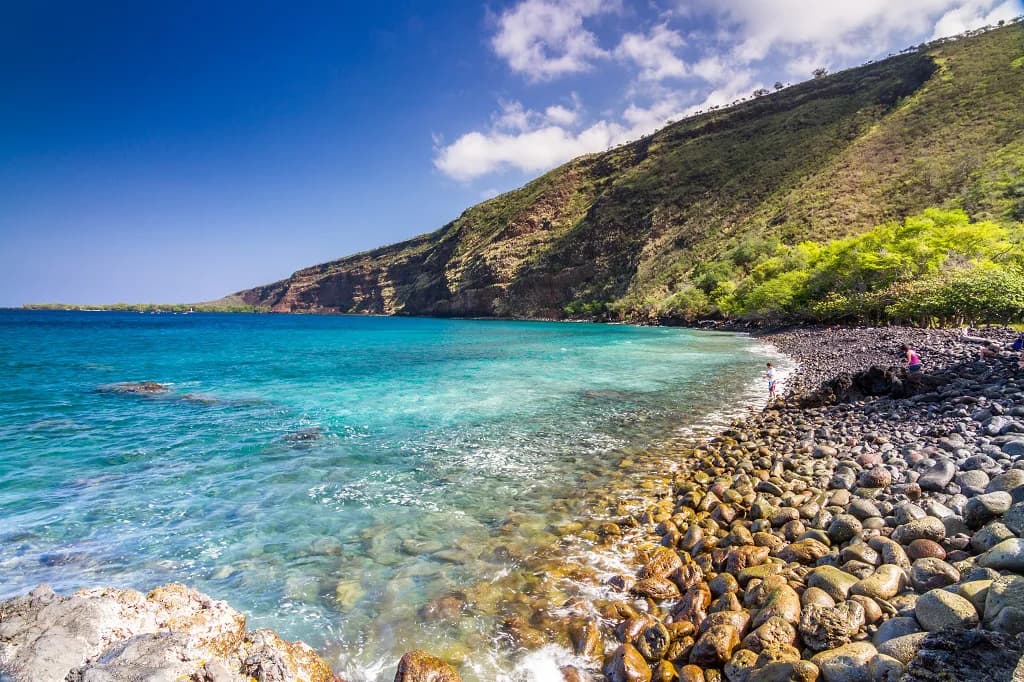
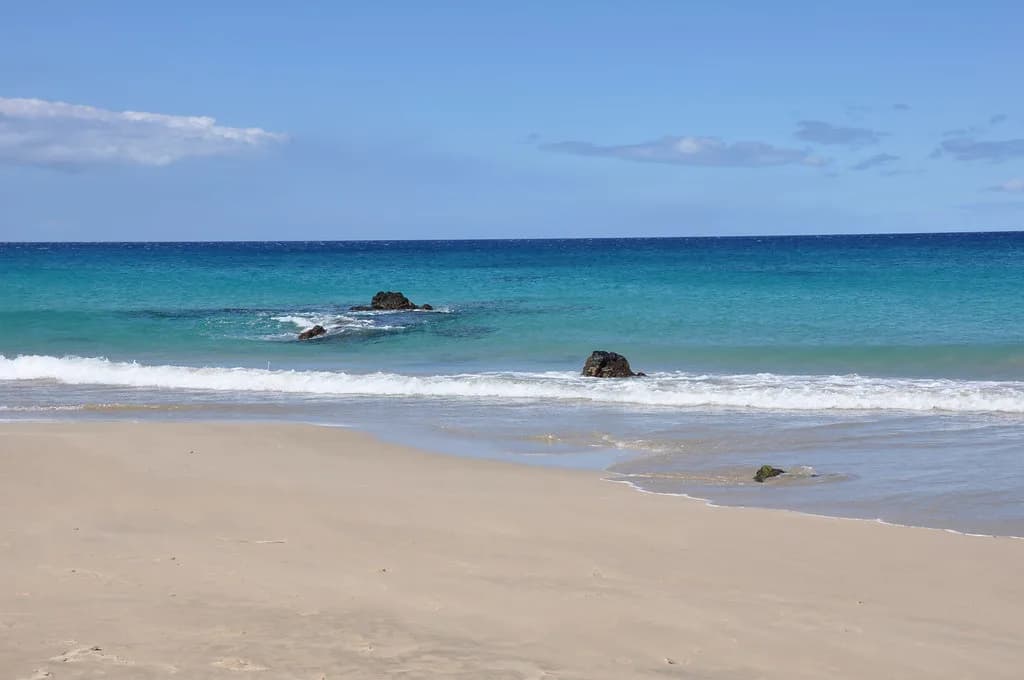
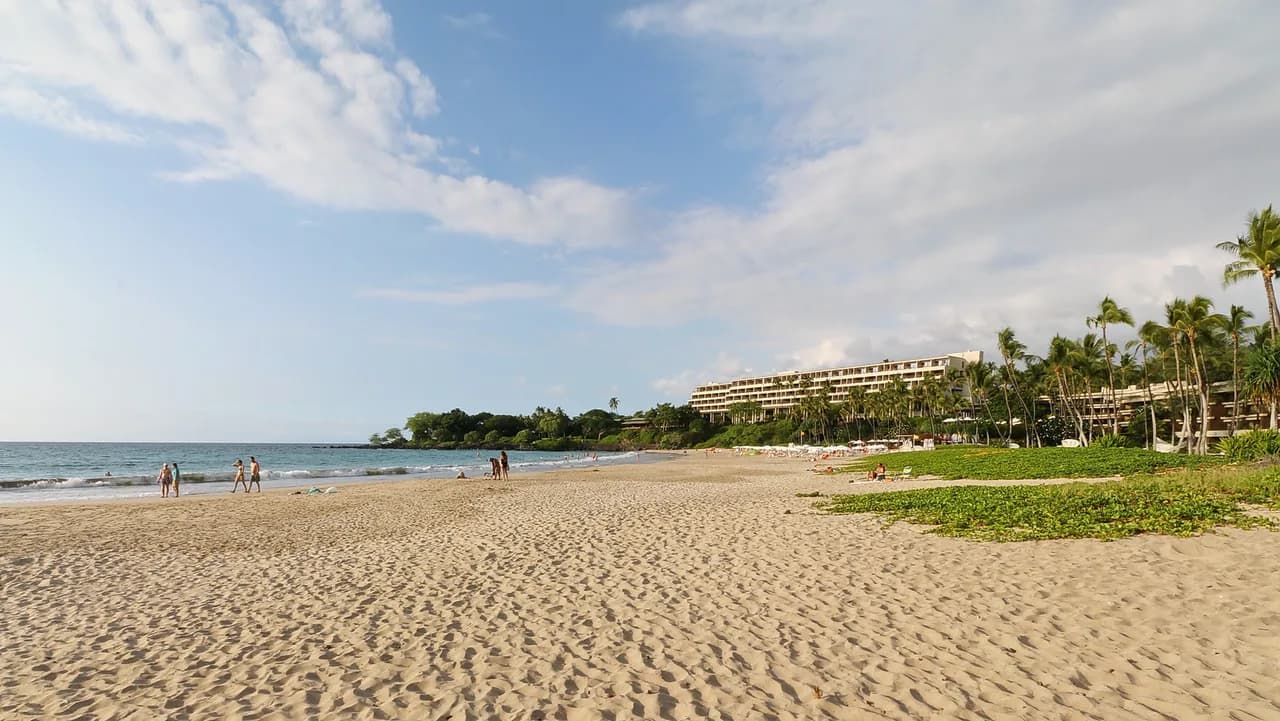
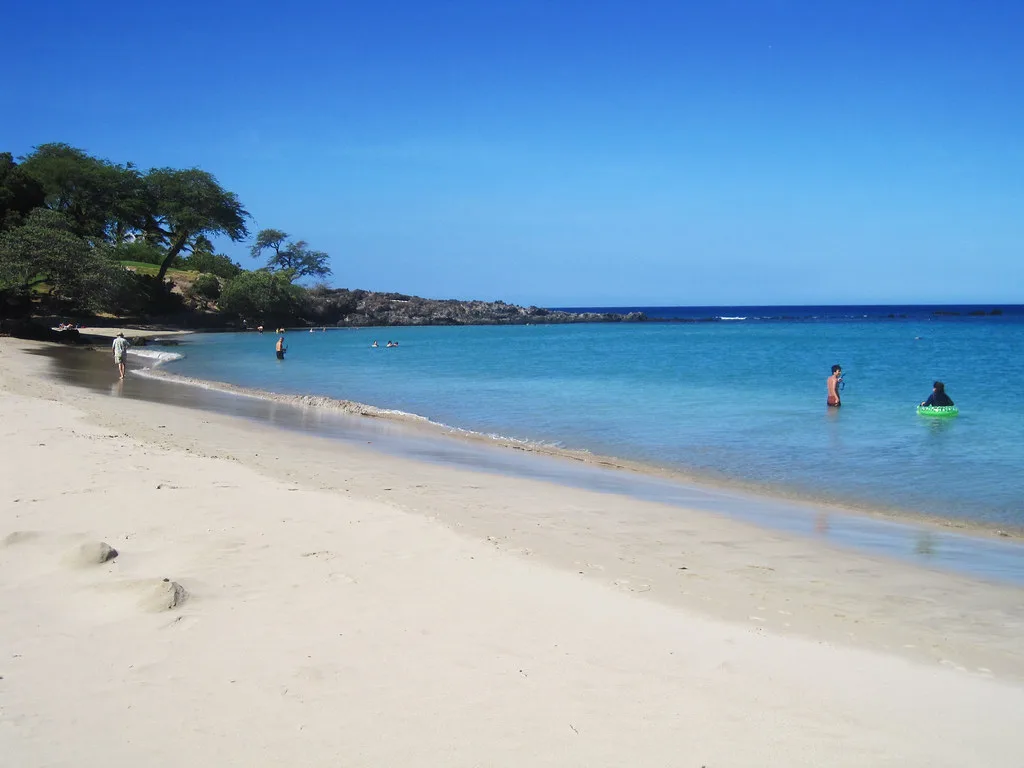
Kaunaʻoa Bay, better known as Mauna Kea Beach, is the rare resort-fronted beach that rewards a snorkel as much as a towel-and-book afternoon. The crescent of soft white sand sits against clear turquoise water, and the bay's rocky edges draw tropical fish close enough for beginners to enjoy without a long swim. It suits families and first-time snorkelers in calm months and stronger swimmers who read the water when the winter swell arrives.
Where the Beach Sits
The beach lies behind the Mauna Kea Resort on the Kohala Coast, north of Kona and south of Hapuna. Because it is inside resort grounds, your day begins at the resort entrance, where a gate attendant issues beach access before you drive down to the sand. Treat that gate stop as the first step of the trip, not an afterthought.
The resort labels the bay Kaunaʻoa Bay and describes it as the island's best white-sand beach, with a Beach Club offering rental equipment, daily activities and ocean activity lessons. That means snorkel gear can be sorted on site rather than packed from town, which is useful if you are traveling light.
Gate Access and Beach Passes
Access is controlled through the Mauna Kea Beach Resort entrance, and visitors check in with the gate attendant to obtain a pass for the public beach area. The number of beach passes is limited, so a mid-morning start risks being turned around before you ever see the water.
Plan the gate stop as part of your drive and have your group ready in one vehicle. Carpooling keeps you within the pass system and simplifies the attendant's job, and it also leaves more of the limited parking for everyone.
Parking Before Nine
Parking is limited and tends to fill quickly, and arriving before 9 a.m. is the reliable way to secure a space and avoid delays. If you roll in later, expect to wait or to be redirected, so build an early start into your day rather than squeezing the beach in after breakfast.
An early arrival also puts you in the water while the bay is at its calmest and least crowded, which matters more here than at a roadside beach park. Combine the early start with a loose plan for the rest of the Kohala Coast so a full lot does not derail the day.
Getting in and Where the Reef Starts
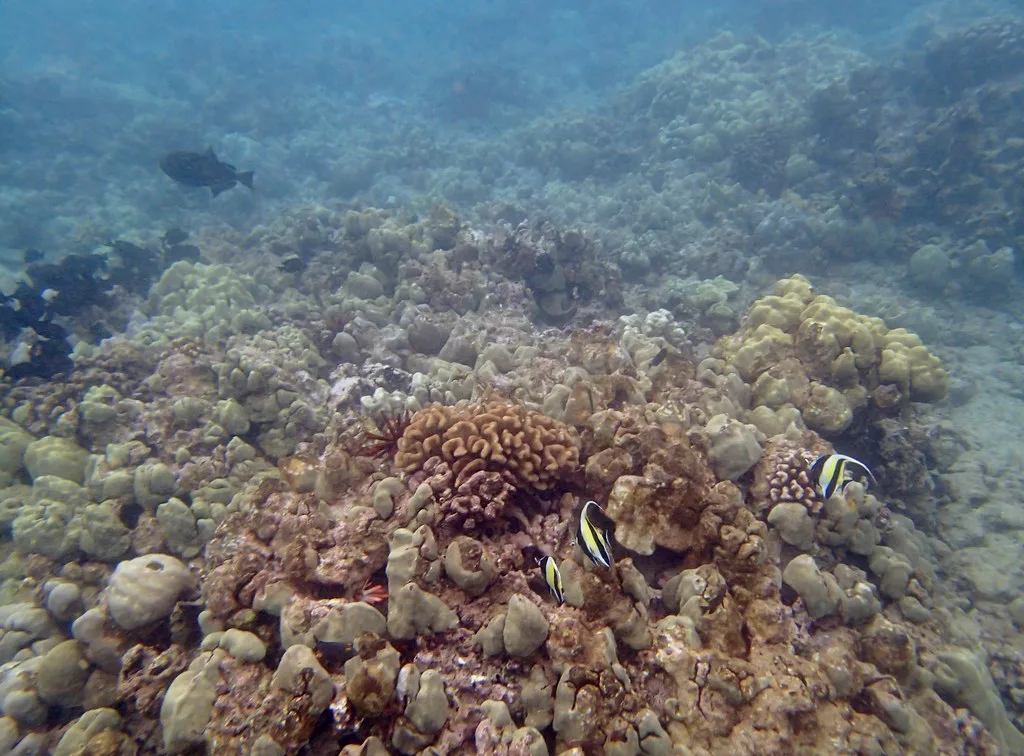
Entry is a straightforward walk off the sand into clear water, with no ladder or stair to negotiate. The snorkeling action is not over the open sand in the middle of the bay but around the rocky edges, where structure gives tropical fish somewhere to hold.
Work along the edges parallel to shore rather than striking straight out, and keep the sand within easy reach as a reference. This keeps the swim short, the depth manageable and your exit obvious if the water picks up.
What You Will See and How Deep
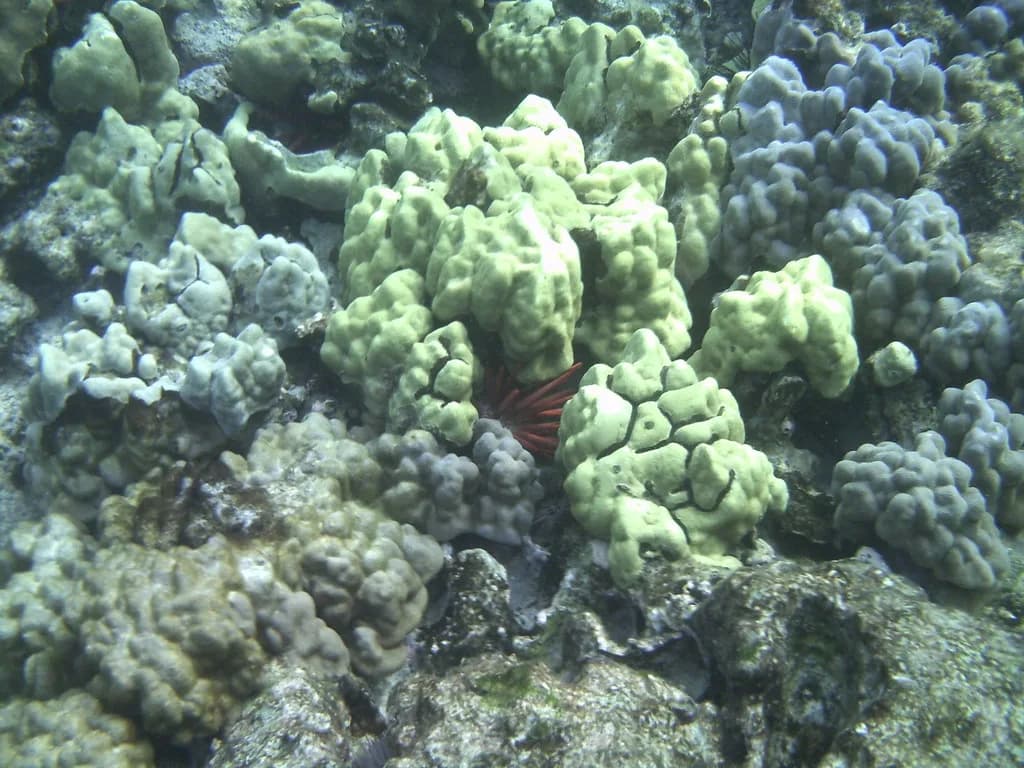
Expect tropical fish concentrated around the rocky margins, with the open sand between them holding less. The bay is broad, so the reef edge is a band to follow rather than a single pinpoint, and you can choose how far along it to swim. Marine life moves on its own schedule, so treat fish as likely rather than guaranteed.
Most of the bay is shallow enough to snorkel comfortably from the surface, and the rocky edges sit within easy swimming distance of the sand. If you want a second, very different Big Island comparison, Kahaluʻu Beach Park Snorkeling south of Kona is a compact, fish-rich bay where the reef begins close to shore. For a different island entirely, snorkeling in Maui follows the same edge-of-the-bay logic at spots like Molokini and its shore reefs.
Summer Calm and Winter Waves
Calm, clear water in summer and early fall is what makes the bay popular for swimming and snorkeling, while winter can bring rougher water and larger waves. The same winter energy draws bodyboarders and more experienced ocean swimmers, so the bay changes character with the season.
In winter, choose your window on the day, and be ready to adjust if the surf builds. The bay is west-facing, which shapes both the afternoon light and how the swell reaches the shore.
Skill Level and Who It Suits
In calm conditions the bay suits beginners, kids comfortable in the water and anyone who prefers a short swim from the sand to the fish. In winter, it shifts toward stronger swimmers who can handle shorebreak and moving water, and bodyboarders share the same stretch.
Match your group to the day rather than the calendar: if the water is rough, keep weaker swimmers on the sand and let the stronger ones assess the bay. Family groups should pick a base near the sand and agree on a turnaround point before anyone enters the water.
Best Time of Day and Season
Aim for summer or early fall for the calmest snorkeling, and start early in the day to pair that window with a parking space. Mornings also beat the afternoon glare on a west-facing bay, which makes the rocky edges easier to read from the surface.
A late-afternoon visit has its own appeal: the wide west-facing shoreline is known for sunset views, and visitors often stay into the evening for a walk along the sand. That makes it easy to pair a morning snorkel with an evening return rather than cramming everything into one swim.
Hazards: Surf, Shared Water and Boats
The main seasonal hazard is winter surf, which can turn a gentle bay into rough water with larger waves at times. Boogie boarders and surfers use the same beach, so stay aware of who is riding waves and keep clear of their path when you swim out.
Because this is a resort beach fronting a hotel and Beach Club, expect activity on the water as well as in it, and keep your group together along the edges rather than spread across the bay. Read the posted advisories at the beach and let the morning ocean report guide whether you swim at all.
Facilities and Beach Services
The beach has showers and restrooms, which makes it easy to rinse gear and change before the drive back along the coast. The resort's Beach Club adds rental equipment and ocean activity lessons, so you can add gear or instruction on site.
The Mauna Kea Beach Hotel has published a renovation notice covering its pool and beach wing, with beach services continuing at Kaunaʻoa Bay during that work and noisy work restricted to daytime hours behind safety barriers. If your plan depends on a specific hotel service, confirm the timing with the resort before you book.
Rules and Wildlife Etiquette
This is a public beach inside a resort, so follow the resort's posted beach rules along with Hawaii's wildlife guidance: keep a respectful distance from any animal, never touch or feed marine life, and let turtles and fish move on their own. Use reef-safe sunscreen and stay off live coral, and keep your fins off the bottom along the rocky edges.
The bay is also a working resort beach, so keep gear tidy on the sand and respect the space of hotel guests using the Beach Club. If you want a broader orientation to island snorkel etiquette and site choices, the big island snorkeling guide covers the rules and sites in one place.
Combining Kaunaʻoa with Waialea and Hapuna
For a quieter, less developed beach with shade and snorkeling, Waialea Beach — also called Beach 69 — is the natural companion along the Kohala Coast. Beach 69 Snorkeling (Waialea Bay, Big Island) trades the resort polish for tree shade and a simpler setup, which suits a second-day swim.
Hapuna Beach sits nearby and fits neatly into the same drive, so a Kohala Coast day can combine Kaunaʻoa's early snorkel with an afternoon elsewhere. Keep the schedule loose and let the morning gate and parking decide the order.
Packing for a Resort-Adjacent Beach
Bring a mask that fits, fins for the edge swim, reef-safe sunscreen and a rash guard, plus water and a dry bag for the walk from parking to sand. Because gear rentals exist at the Beach Club, you can travel light and add equipment on site instead of packing a full kit.
A small cooler and a towel for the showers make the post-swim transition easy, and a light layer helps if you stay for sunset. Keep valuables minimal and use the facilities to rinse before the drive back.
Plan Your Kaunaʻoa Snorkel Day
Build the day around an early gate stop and a parking space before 9 a.m., then swim the rocky edges in summer or early-fall calm. If winter surf rolls in, adjust the plan rather than forcing the swim.
For more island options beyond this bay, the Big Island snorkeling guide maps the wider coastline. Wherever you end up, check the day's ocean conditions with the resort beach staff before you get in.
Frequently Asked Questions
Can you snorkel at Mauna Kea Beach without staying at the resort?
Yes. The beach is public, but access runs through the Mauna Kea Beach Resort entrance, where you check in with the gate attendant for a beach pass. The number of passes is limited, so arriving early gives you the best chance of getting in.
Where do you snorkel at Kaunaʻoa Bay?
Work the rocky edges of the bay rather than the open sand in the middle. Tropical fish concentrate around that structure, and the edges keep you within easy swimming distance of the beach.
Is Mauna Kea Beach good for beginner snorkelers?
In calm summer and early-fall conditions the sand entry and short swim to the rocky margins suit beginners and kids comfortable in the water. Winter waves change that, so match the group to the day's conditions.
What time should you arrive at Mauna Kea Beach for parking?
Arrive before 9 a.m. Parking is limited and fills quickly, and an early start also gets you into calmer water before the beach gets busy.
What is the water like at Mauna Kea Beach in winter?
Winter can bring rough water and larger waves at times, which draws bodyboarders and more experienced ocean swimmers. If the surf builds, watch from the sand and pick another day for the edge swim.
Which nearby beach should you combine with Kaunaʻoa Bay?
Waialea Beach, also called Beach 69, offers a quieter, shaded alternative with snorkeling along the same coast, and Hapuna Beach is close enough to fold into the same drive.
Sources
Snorkeling notes for your next trip
Optional updates to our snorkeling guides.
You might also like
Continue reading
More guides you'll find useful