Waikoloa Snorkeling: A-Bay, Beach 49 and Waialea Compared
Waikoloa snorkeling means calm A-Bay shallows, lava-rock entries at Beach 49 and shallow reef at Waialea Beach. Compare entry, depth and skill level.
On this page
Waikoloa snorkeling works because three very different shorelines sit within a short drive of each other on the Kohala Coast. Anaehoomalu Bay, known to everyone as A-Bay, gives you sand entry, typically calm water and gear rentals right on the beach, which makes it the easiest place to put a mask on for the first time. Drive north and the character changes: Beach 49 drops off quickly over black sand and sharp lava rock, and Waialea Beach holds a shallow reef that suits a longer, more relaxed swim.
Pick your spot by how you enter the water, not by a ranking. Families and new snorkelers should base themselves at A-Bay; confident swimmers who don't mind a rocky entry get the livelier water at Beach 49; and anyone wanting a gentler middle ground heads to Waialea. This guide covers each entry, the depth and distance you swim, what lives on the reef, the facilities, and the parking and rules that shape a day here.
The Three Waikoloa Snorkel Shorelines
Waikoloa Beach Resort sits on the Kohala Coast of the Big Island, roughly 25 minutes from Kona International Airport and about 35 minutes from Kailua-Kona, with the Mauna Lani resort area a few minutes further north. That geography matters for snorkeling because the resort bay, a black-sand pocket beach in Mauna Lani and a state-park beach up the coast all fall inside a 20-minute drive.
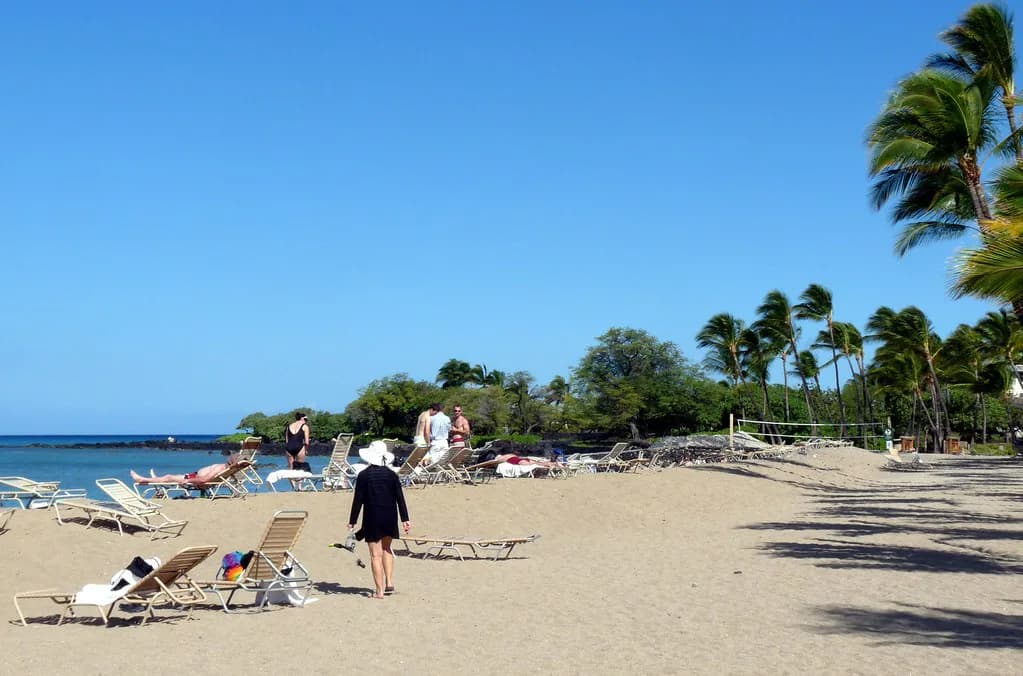
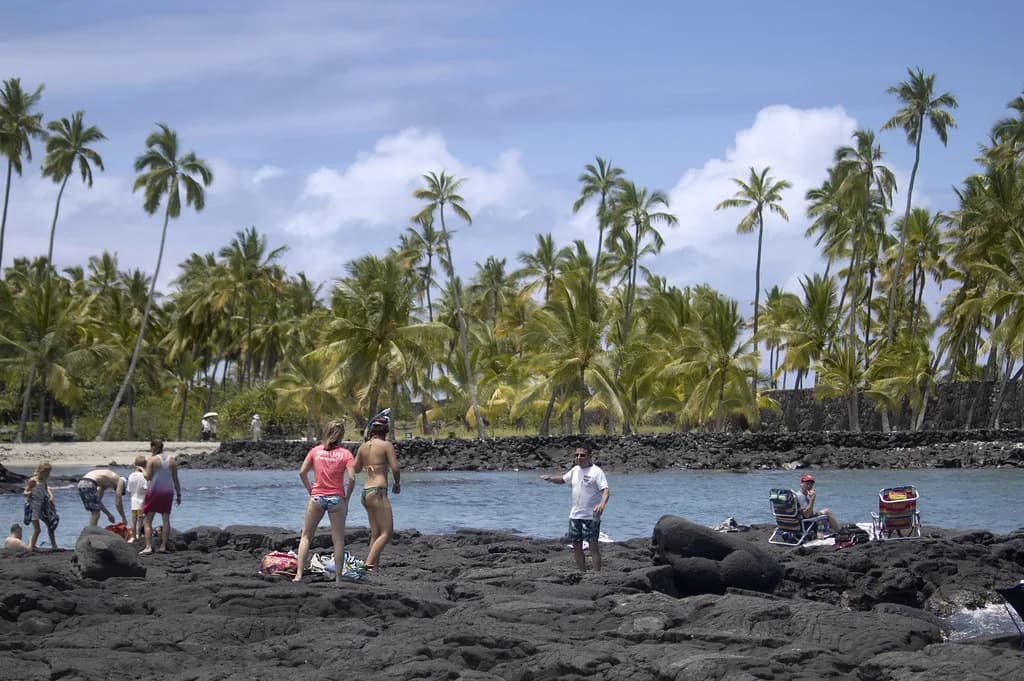
A-Bay is the resort bay itself, a crescent of sand lined with palms and fronted by typically calm water, which is why ocean sports concentrate there. Beach 49, also called Honoka'ope Beach, is the only black-sand beach in the Waikoloa area and sits about seven minutes north in the Mauna Lani Resort. Waialea Beach, or Beach 69, is a 20-minute drive from Waikoloa, which keeps it quieter than the resort bay.
For the wider island picture, from Kona's reef flats down to the sheltered bays of South Kailua, use the big island snorkeling guide to plan which days belong to Waikoloa and which belong to a longer drive.
Anaehoomalu Bay (A-Bay): Sand Entry and Calm Shallows
You walk in over sand at A-Bay, and the bay's sheltered shape keeps the surface calm enough for kayaks, stand-up paddleboards and children playing in the shallows. That same calm is the honest trade-off: the clearest snorkeling water lies a couple of hundred yards offshore, so plan on a steady swim out rather than expecting reef at your knees.
Treat the swim out as the main effort of the day and go with someone if you are new to open water. The long, wide beach rarely feels crowded even when the resort is busy, and palm trees along the sand give you shade to aim for on the way back. Once you reach the clearer zone, work parallel to shore instead of pushing further out.
A-Bay is the anchor stop of a Waikoloa snorkel morning, and it pairs naturally with the reef at Kahaluʻu Beach Park Snorkeling if you want a second, more protected bay on the same Kona-side drive.
Rentals, Restrooms and Showers at A-Bay
A beach stand at A-Bay rents snorkeling gear, kayaks, stand-up paddleboards, hydrobikes and beach chairs, so you can travel light and decide on the water once you see the day's conditions.
Restrooms and showers are on site, which makes A-Bay the practical base for a family day: rinse off, change, and walk to food nearby instead of driving. There are no lifeguards on duty at A-Bay, so supervise children in the shallows yourself and keep the swim-out group together.
If you would rather see the bay from a boat, the resort beach is also the departure point for outrigger canoe paddles with the local canoe club and for cruises that leave straight from the sand.
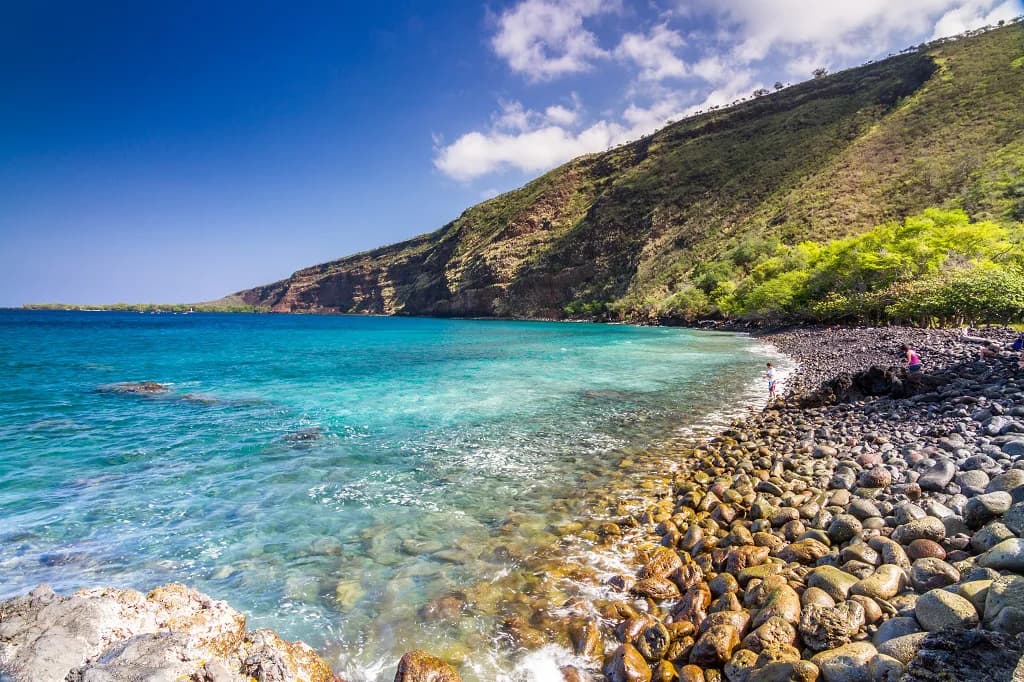
Beach 49 (Honoka'ope Beach): Black Sand for Strong Swimmers
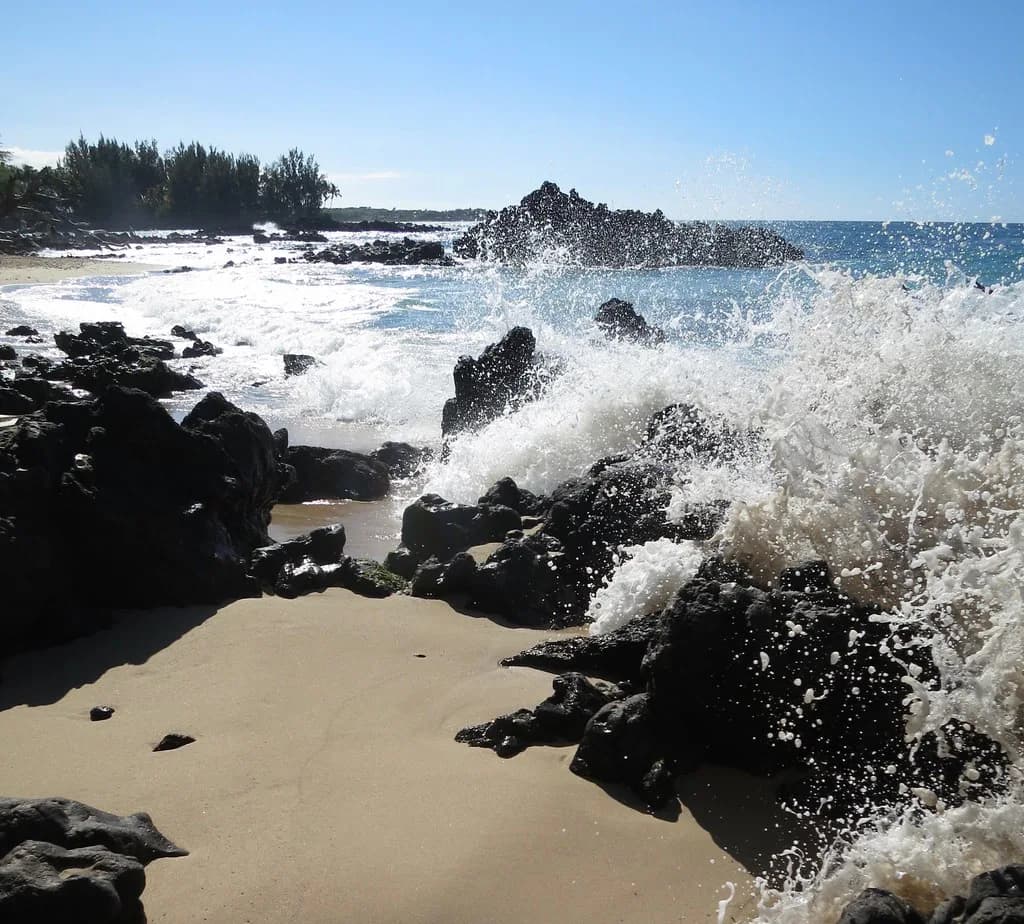
Beach 49 is the spot for snorkelers who are comfortable with a rocky entry and a fast drop-off. The bottom falls away quickly once you are in, which gives you deeper swimming water close to shore, but the entry crosses sharp lava rock, so booties or reef shoes and a careful, slow step matter more here than at A-Bay.
Colorful reef fish, eels and sometimes turtles turn up here, and the dark sand makes the water feel especially clear on a bright morning. Arrive early: the parking lot fills quickly, and the black sand grows hot underfoot by midday.
Restrooms and showers are on site, and you enter the beach from the Mauna Lani Resort side within walking distance of the Waikoloa Beach Resort. Because the water deepens so fast, this is not the beach to introduce a nervous first-timer to snorkeling.
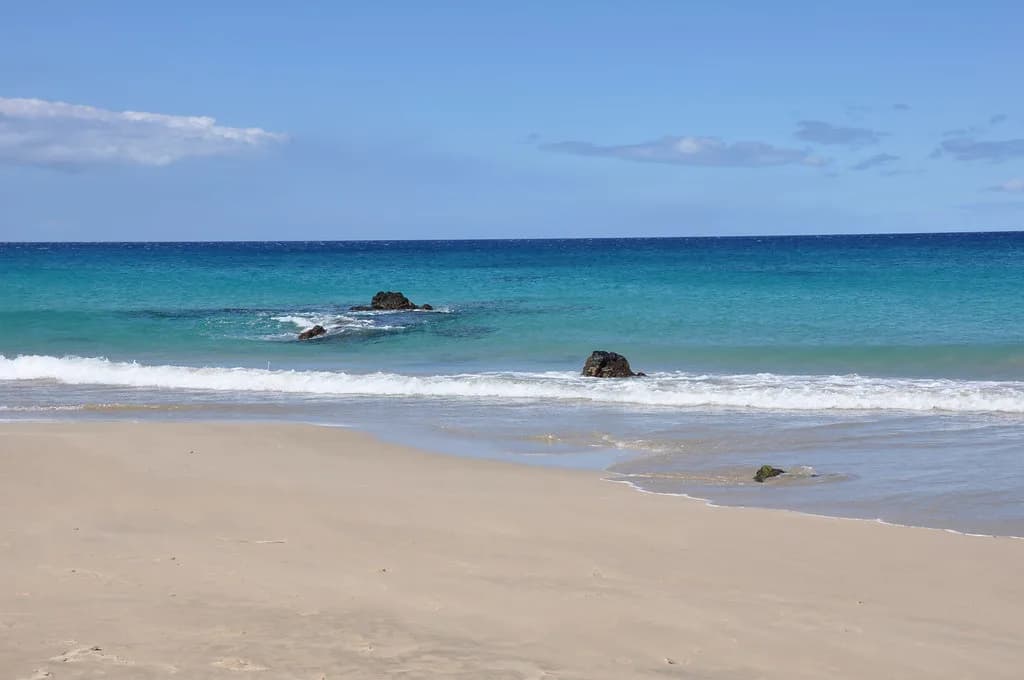
Waialea Beach (Beach 69): The Shallow Reef Option
Waialea Beach offers the easiest compromise between the resort bay and the black-sand drop-off. The water is fairly shallow at around 15 feet, which gives you a long look at the bottom without a hard swim out, and the surrounding coastline has avoided resort development, so the setting feels more removed.
It is a 20-minute drive from Waikoloa and a good alternative when Hapuna Beach is packed. For a dedicated look at this bay, including how the reef is laid out, see the Beach 69 Snorkeling (Waialea Bay, Big Island) guide before you commit a morning to it.
Snorkelers who want the island's most celebrated reef water should plan a separate day south at Kealakekua Bay, where boats and a marine reserve shape the experience.
What You Will See
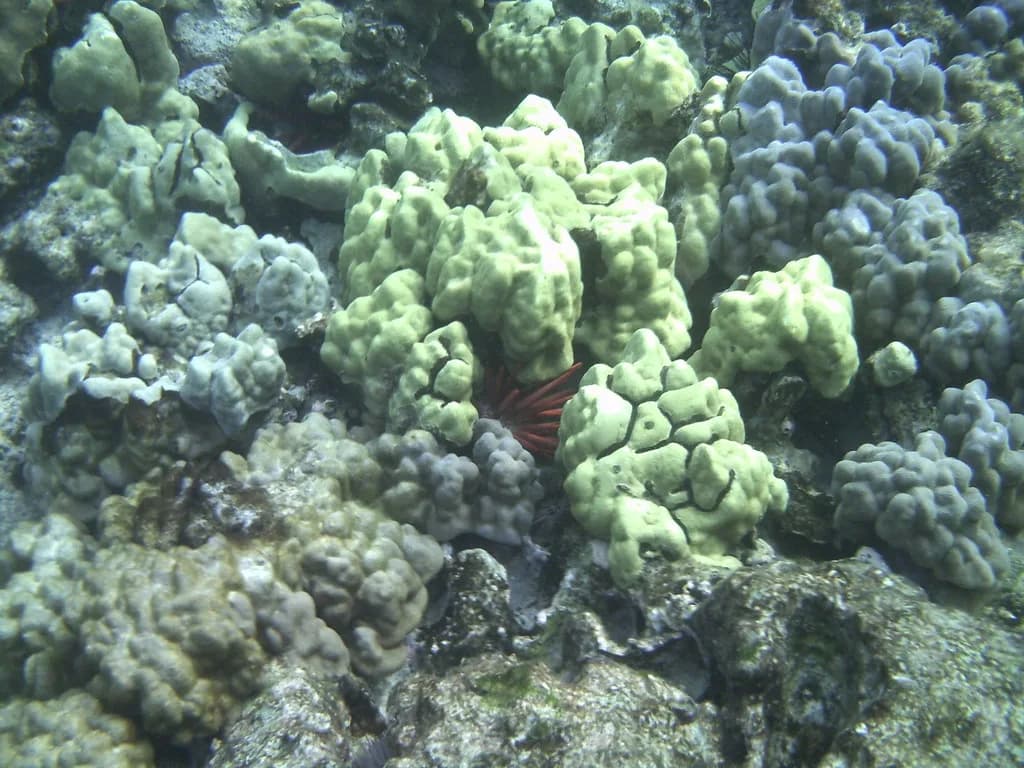
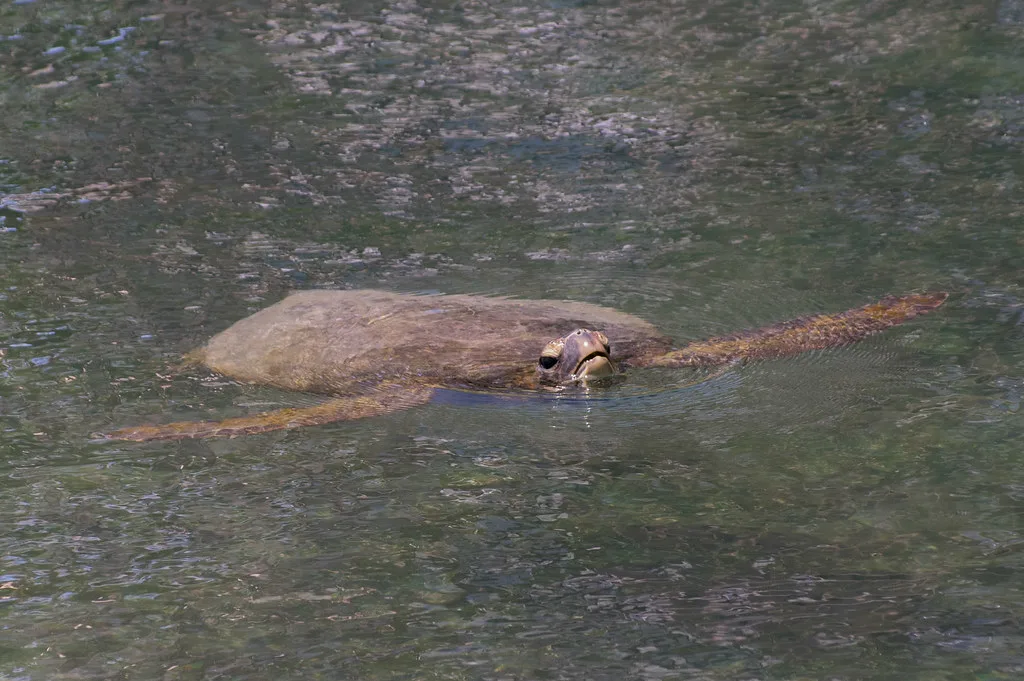
Expect the usual Kohala cast: colorful reef fish over coral heads, moray eels tucked into crevices, and green sea turtles resting or cruising past. At A-Bay, the resident fish include the humuhumunukunukuapua'a, Hawaii's state fish, which is easy to spot from a glass-bottom boat if you prefer to stay dry.
Turtles are a possibility rather than a promise at any of these spots, so build your day around the swim and the setting. Keep the required distance from sea turtles and other protected animals, never touch or chase them, and give resting turtles on the sand a wide berth.
Boat Snorkeling from A-Bay
Snorkelers who want deeper water without the long shore swim can join a catamaran trip that departs A-Bay daily at 9:00 am aboard the 54-foot Spirit of Aloha. The three-hour excursion includes snorkeling gear, a deli-style lunch, non-alcoholic drinks, two bar drink tickets, restrooms, shade, and a freshwater shower, with a chance of spinner dolphins and, in winter, whales.
Boat trips reach reef you cannot walk to and take care of gear and logistics, which is the draw for families and for anyone snorkeling for the first time. The trade-off is a fixed schedule and a shared reef, so book ahead if your dates fall in a school holiday week.
Best Time of Day and Season
Morning is the best window at all three spots: the water is glassier before the trade winds build, the light is better for spotting fish over coral, and you beat the parking crunch at Beach 49. Aim to be in the water by mid-morning and off the beach by early afternoon, when the black sand at Beach 49 heats up and the lots at Hapuna fill with day visitors.
Winter brings humpback whales to the Kohala Coast from December through March, which adds interest to boat rides and clifftop lookouts without changing your shore-snorkeling plan.
Swell and wind decide the day more than the calendar does. A north swell can stir up the exposed coast and cloud the water at Beach 49 and Waialea, while A-Bay's sheltered shape stays calmer; if the surf is up, shift your swim to the bay or take a boat trip instead.
Skill Level and Who Each Spot Suits
Beginners, young children and anyone who wants rentals on the sand should make A-Bay the default, accepting the longer swim to clear water. Kids can play in the calm shallows while stronger adults do the swim out, and the restrooms and showers make the day easy to manage.
Strong swimmers who like a wilder entry will prefer Beach 49, where the quick drop-off and lava rock reward careful footwork with deeper water close in. Waialea suits competent snorkelers who want shallow, relaxed bottom time without the black-sand entry, and it works well for a mixed group where not everyone wants the same challenge.
If your group includes a non-snorkeler or a nervous first-timer, a glass-bottom boat from the resort beach shows turtles, tropical fish and coral without anyone getting wet; passengers need to wade out to the boat, and the 30-minute trip stays fully shaded.
Hazards
A-Bay has no lifeguards on duty, so the calm water can lull you into going further than you planned; turn back while you still have energy for the return swim. At Beach 49 the hazards are the sharp lava rock at the entry and the sudden depth change, and at Waialea the shallowness means you should keep your fins clear of coral.
Hapuna Beach, a short drive north and often combined with a Waikoloa day, has changing ocean conditions and currents that pick up, and its lifeguards are worth noting when you plan which beach gets your afternoon swim.
Boat traffic in A-Bay is a real consideration: stay close to shore when the catamaran and other tour boats are moving, and keep a bright fin or float visible if you swim out to the clearer water.
Parking and Fees
A-Bay has a free parking lot with plenty of space close to the beach, which is one reason it works as a base for a resort day.
At Hapuna Beach State Park, non-resident parking runs $5 per day, and the lot is large but fills by midday in busy periods.
Beach 49's lot is smaller and fills early, so plan to arrive in the morning rather than treating it as an afternoon stop. Combine Beach 49 and Waialea in one northbound loop to save the drive back through the resort.
Rules and Wildlife
The anchialine ponds around Waikoloa Beach Resort are protected habitats, and the trail past them in the Waikoloa Anchialine Pond Preservation Area is for looking, not entering: keep out of the water and don't touch the 'opae 'ula shrimp or other creatures living there.
On the petroglyph trails, stay on the path and leave the carvings untouched; rubbings are allowed only on replicas. Closed-toe shoes help on the lava, and sunscreen matters where the trail runs without shade, so choose a reef-safe formula.
In the water, give sea turtles and any monk seals you encounter plenty of room, never feed fish, and keep your hands off coral. These are general wildlife-viewing practices for Hawaii's protected species, and following them keeps the reef you came to see intact.
Nearby Spots to Combine
Build a Waikoloa day around one snorkel spot plus one non-swimming stop. Kalahuipua'a Historic Park at Mauna Lani has a one-mile paved trail past lava fields, fishponds and a collapsed lava tube, and pairing it with Beach 49 keeps you in the same area; the Puako Petroglyph Preserve nearby holds one of the densest fields in Hawaii, with a 1.2-mile trail past about 1,200 carvings.
Hapuna Beach State Park makes a good afternoon add-on if you want a long white-sand beach with restrooms and a picnic area, and its lifeguards and facilities suit a family that has finished snorkeling for the day.
For an evening after a morning in the water, look at the Manta Ray Night Snorkel in Kona, where boats gather off the Kona coast after dark for a very different kind of snorkeling.
Where to Stay for a Snorkel-Focused Trip
Staying in Waikoloa Beach Resort puts A-Bay within walking distance and Beach 49 and Waialea within a short drive, which matters when you want to snorkel early before the wind builds. The Marriott and Hilton are the two hotels in the resort itself, with vacation rentals scattered across the surrounding streets.
Mauna Lani, just north, puts you closer to Beach 49 and the Kalahuipua'a trails, which suits a trip built around morning snorkels and afternoon walks. Whichever base you choose, plan your days around one main swim rather than squeezing three spots into one outing.
Plan Your Waikoloa Snorkel Day
Sort your plan by entry: A-Bay for sand, rentals and calm shallows with a long swim out; Beach 49 for strong swimmers and a lava-rock step into deep water; Waialea for a shallow reef and an easier day. Whichever you choose, start in the morning, park early if you are heading north, and keep a second, calmer option in reserve for a windy or high-surf day. Readers comparing islands can apply the same entry-first logic to snorkeling in Maui.
Before you go, look at the day's surf and wind forecast for the Kohala Coast and check posted advisories at the beach, and for boat trips confirm departure details with the operator when you book.
Frequently Asked Questions
Can you snorkel right off the beach at Waikoloa?
Yes, at Anaehoomalu Bay, where you walk in over sand from a calm, palm-lined crescent beach. The clearest water sits a couple of hundred yards offshore, so treat it as a steady swim rather than a wade-in reef. Gear, kayaks and paddleboards can be rented from the beach stand, and restrooms and showers are on site.
Is Beach 49 good for beginner snorkelers?
It suits confident swimmers better. The bottom drops off quickly once you are in, and the entry crosses sharp lava rock, so reef shoes and a slow, careful step help. Beginners are more comfortable at A-Bay or on the shallow reef at Waialea Beach.
Are there lifeguards at A-Bay?
No, A-Bay has no lifeguards on duty, so adults should supervise children in the shallows and swim out in pairs. Hapuna Beach State Park to the north does have lifeguards, along with restrooms and a picnic area, if you want that reassurance for an afternoon swim.
What fish will I see snorkeling in Waikoloa?
Reef fish over coral heads are the everyday sight, with moray eels tucked into crevices and green sea turtles a possibility rather than a promise. A-Bay's residents include the humuhumunukunukuapua'a, Hawaii's state fish. Keep your distance from turtles and never touch or chase them.
Do you need a boat tour to snorkel in Waikoloa?
No, all three shore spots are swimmable from the beach. A boat trip helps if you want deeper water without the long swim out from A-Bay or want gear and lunch handled for you; the catamaran leaves from the resort beach on a fixed morning schedule.
When is the best time of day to snorkel on the Kohala Coast?
Morning, before the trade winds build and the water turns choppier. The light is better for spotting fish, parking is easier at Beach 49, and you avoid the midday heat on black sand. Humpback whales pass the coast from December through March, which adds interest to boat rides.
Sources
Snorkeling notes for your next trip
Optional updates to our snorkeling guides.
You might also like
Continue reading
More guides you'll find useful