Magic Sands Beach Snorkeling Guide: Big Island Tips
Magic Sands Beach snorkeling means a small rocky cove, not the surf zone. Learn where to enter, what you might see, and when the shore break allows a swim.
On this page
Magic Sands earns its place on a Kona itinerary for one reason: it puts you in the water minutes from town, on a compact beach park where a rocky cove sits beside a surf-facing sand beach. It suits confident swimmers who want a short session before or after a bigger snorkel day, not a full reef outing.
The trade-off is honest. The sand beach face takes shore break, and the cove only works when the ocean is calm, so this is a spot you build around conditions rather than reserve in advance. Treat it as a quick-access stop on the Kona coast and keep your plans flexible.
Why Snorkel Magic Sands at All
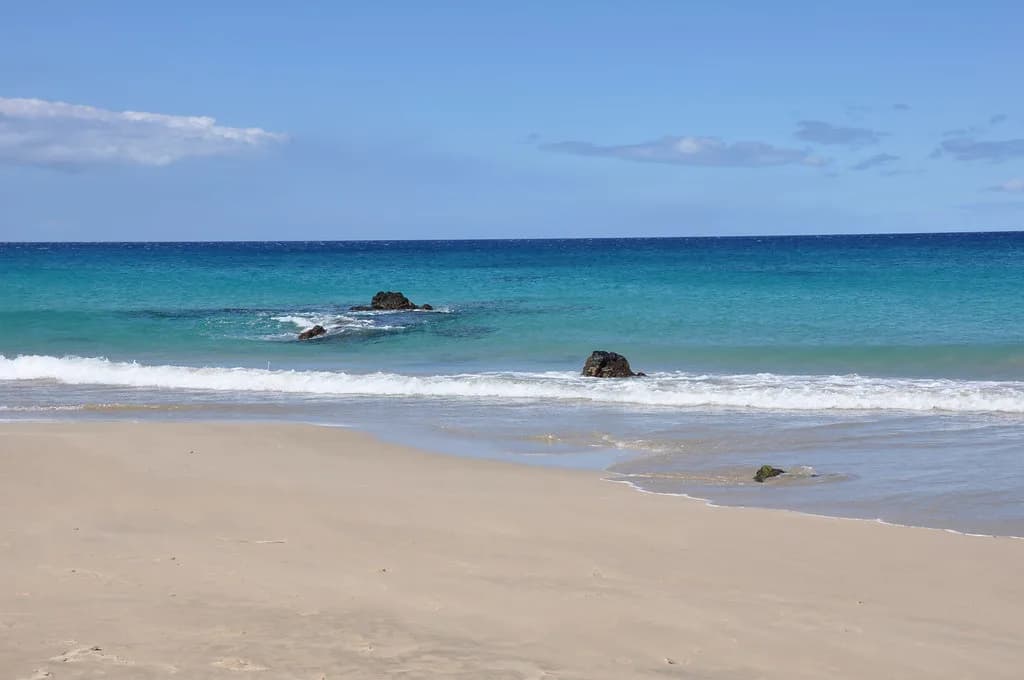
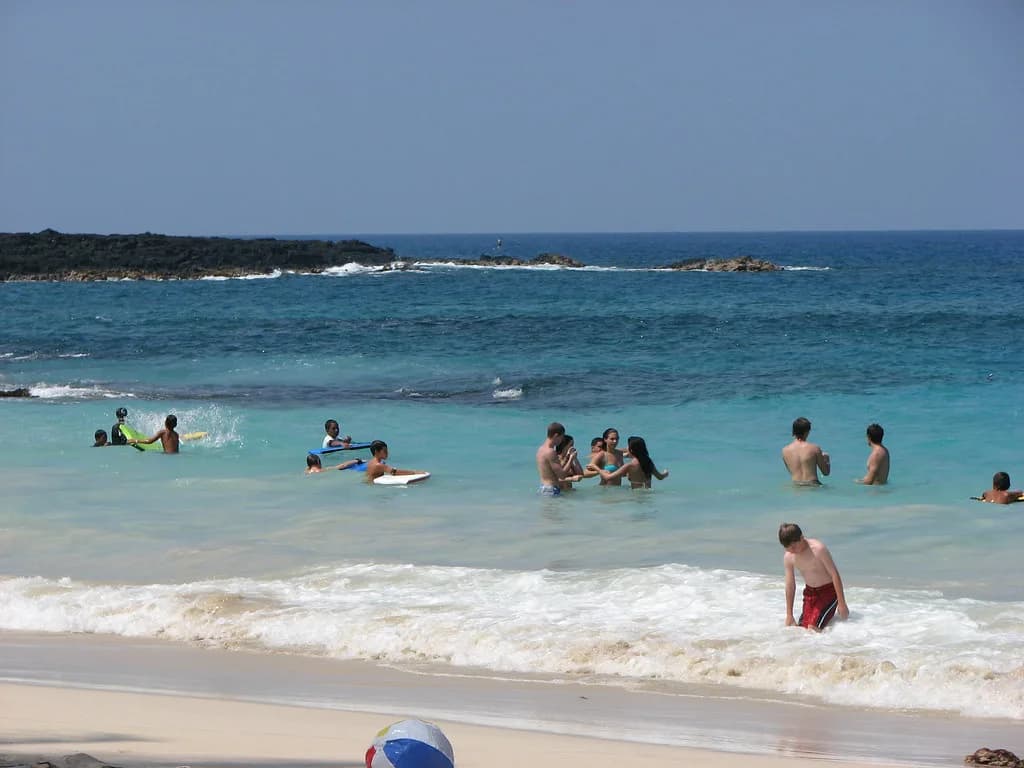
Most Kona snorkel days revolve around boat trips or long reef fringes, and Magic Sands is the opposite: a small shoreline cove that fits a spare hour. The shoreline includes a rocky cove that is used for snorkeling when conditions are calm, while the open beach is known for beach-break waves and surfing. That split defines the whole visit.
Think of it as a town-beach session rather than the centerpiece of a snorkel trip. You get warm shallow water and rock structure close to shore, plus the convenience of staying in Kailua-Kona. What you give up is the scale and clarity of a protected bay, so pair it with a proper reef day elsewhere on your trip.
Where the Spot Is
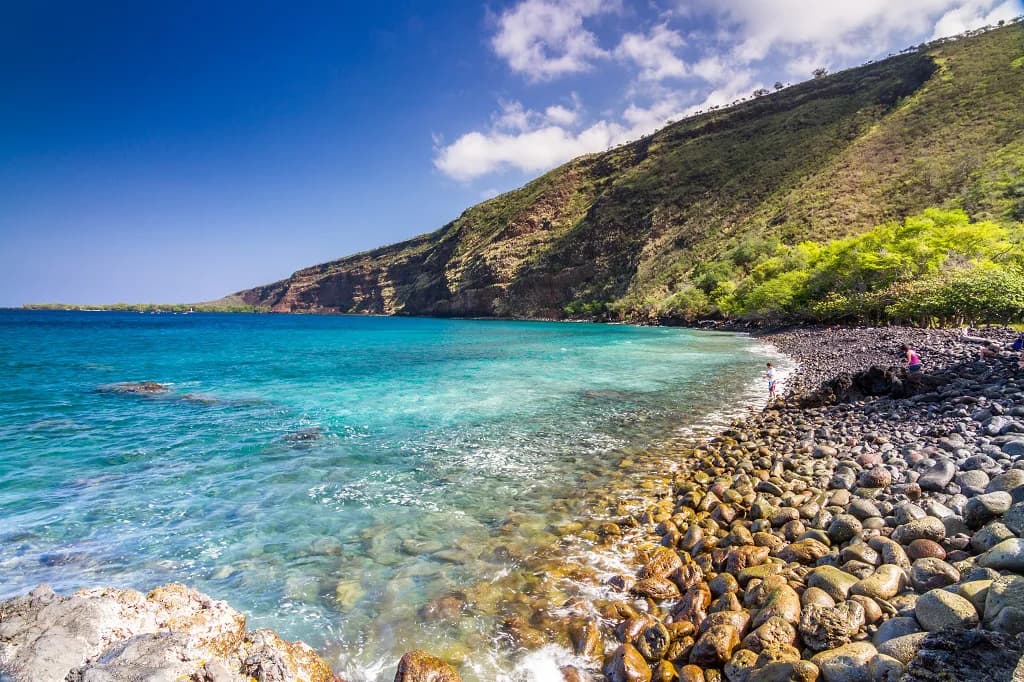
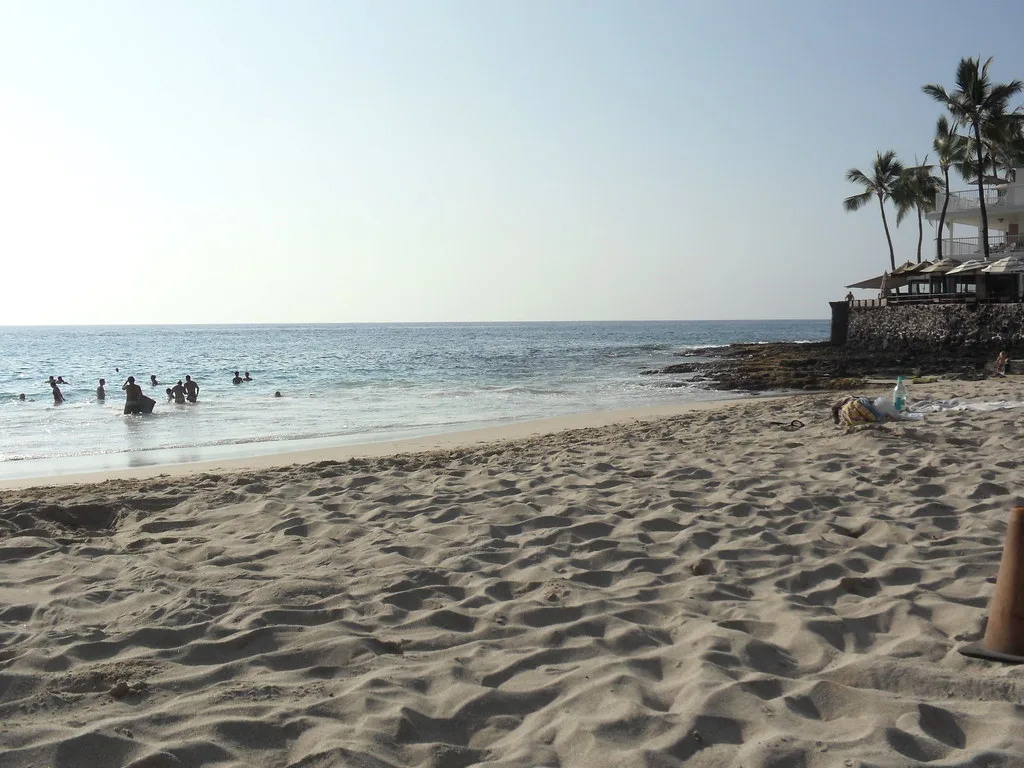
The park is commonly called Magic Sands, White Sands, or Laʻaloa Beach Park, and it sits directly off Aliʻi Drive in Kailua-Kona on the Big Island's west coast. The beach is a narrow band of sand backed by the road, with the rocky cove at one end of the shoreline where lava rock meets the water.
Because it fronts Aliʻi Drive, the park is easy to fold into a day of town errands, lunch, and a swim. The trade-off of that location is that it is an open, road-adjacent beach rather than a secluded bay.
Getting in at the Cove
Decide your entry by eye on arrival. The sand beach face is where the shore break lands, so that side is for surfers and strong beach swimmers rather than a snorkel entry. The rocky cove is the side that matters for fins, and only when the water is smooth enough to step in over rock without waves washing across it.
Water shoes or booties are the practical choice for the cove, since the entry and exit run over uneven lava rock and shallow rubble. Walk in slowly, keep your mask on and your fins in hand until you are clear of the rocks, then put fins on in deeper water.
If the cove looks surging, foamy, or crowded with bodyboarders, skip the swim and come back on a calmer morning. The point of choosing the cove is controlled entry, and there is no value in forcing it when the ocean disagrees.
What You Will See
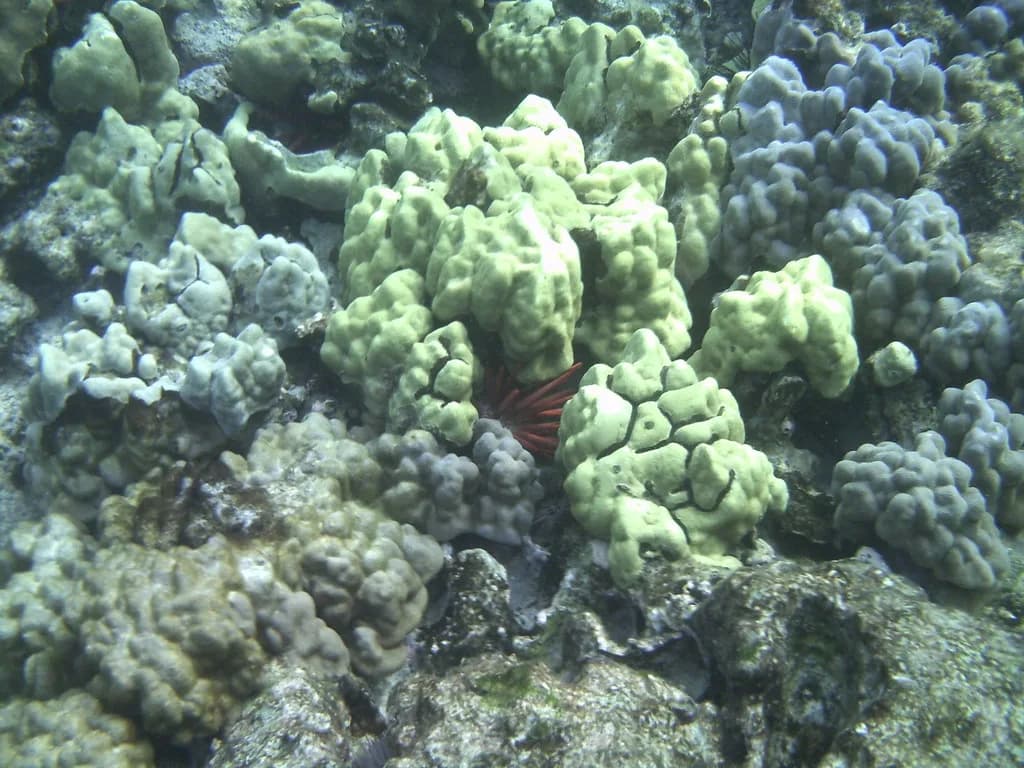
The draw here is small-scale reef life: reef fish around the rocky edge, small wrasses and damselfish working the rubble, and the occasional larger fish cruising past the rock. The sandy bottom between the rocks is where you might spot a Hawaiian green sea turtle, though a sighting is never guaranteed.
Keep the snorkel shallow and close, watching the rock-sand seam rather than swimming far out. This is not a coral garden destination, and the realistic expectation is a pleasant look at shoreline fish and structure, not the dense schools of a protected bay.
Depth and How Far Out
Plan a close-to-shore snorkel. The cove's appeal is the rock edge within a short swim of the entry, with water that deepens gradually as you move away from the lava shelves. Stay within comfortable sight of the rocks and keep an eye on where you entered.
Swim parallel to the shoreline rather than straight out, so you always have a short return to the cove. If you find yourself beyond the protection of the rock, turn back; the point of snorkeling here is what sits near the entry, not distance from shore.
Skill Level and Who It Suits
Magic Sands suits confident swimmers and adults comfortable with rock entries and a bit of surge. It is a poor fit for families with young children and first-time snorkelers, because the beach face carries surf and the cove is rocky rather than sandy.
For beginners and kids, Kahaluʻu Beach Park south of Kailua-Kona is the practical substitution, with a sheltered bay and easy access. Read the Kahaluʻu Beach Park Snorkeling guide before you go so you know what to expect from that site. If you are island-hopping, the same beginner-friendly logic applies to snorkeling in Oahu, where sheltered shoreline spots pick up the slack on rough days.
Best Time to Go
Go early. Morning brings lighter wind, fewer people, and generally cleaner water at Kona beaches before the afternoon breeze builds. On the Kona coast, calm mornings are also when shore break tends to be smallest, which is exactly the window the cove needs.
Season changes the equation. Winter swells can push bigger surf onto west-facing Kona beaches, so a summer morning is the safer bet for a snorkel session at this cove. Check the surf forecast the night before and again in the morning, and treat a high-surf day as a beach day, not a snorkel day.
Hazards
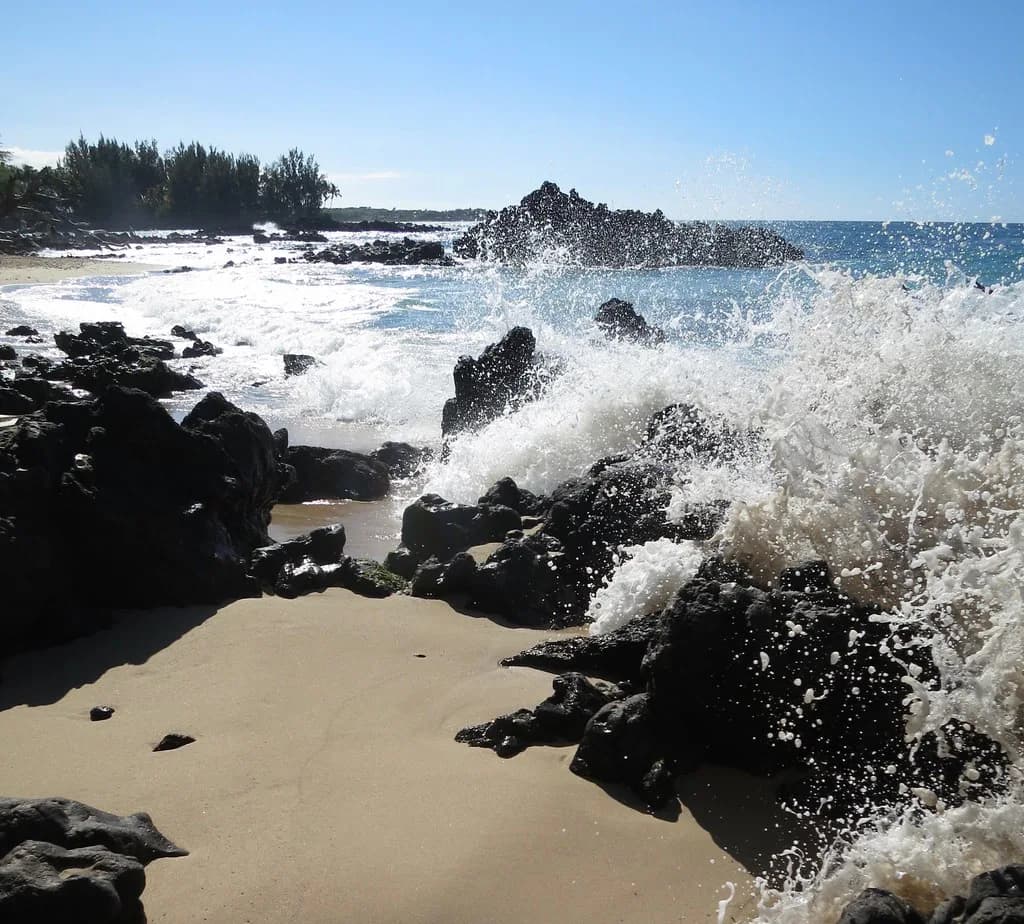
The main hazards are the ones the beach is known for: beach-break waves on the sand and surging water over the cove rocks. There is also boat and board traffic to consider, so keep your head up and stay clear of anyone riding waves toward the beach.
Because the sand level at this beach shifts with the seasons and the surf, the layout you read about may not match what you find on arrival. Survey the cove from dry land first, note where the rocks are shallow, and pick your exit before you enter.
Parking and Facilities
The park fronts Aliʻi Drive in Kailua-Kona, close to town shops and restaurants, so plan on a short walk from wherever you park. Arrive in the morning to improve your chances of an easy space, and bring what you need rather than counting on gear rental on site.
Rules and Reef Etiquette
Keep a respectful distance from sea turtles and other marine life, and never touch, chase, or feed animals. Stay off the coral and keep your fins off the rock faces, and use mineral-based sunscreen rather than products containing oxybenzone or octinoxate, which Hawaii law prohibits in certain sunscreens.
Combine It With Nearby Spots
Use Magic Sands as a short add-on to a Kona day rather than a destination in itself. Pair it with a morning at a protected bay, a town lunch, and an afternoon elsewhere, and you get a varied day without long drives between stops.
If you want the classic Kona reef experience, look at Kealakekua Bay for a boat-based morning, or add Kahaluʻu Beach Park Snorkeling as a beginner-friendly second stop. For evening plans, a Manta Ray Night Snorkel in Kona out of Honokohau Harbor is a separate, easy-to-book experience.
Plan Your Visit
Magic Sands Beach snorkeling is a short, mood-dependent session: the rocky cove at one end, confident swimmers only, and the sand side treated as a surf zone. It rewards a calm morning and punishes a big-surf afternoon, so build flexibility into your Kona itinerary.
If you want a full reef, plan a protected bay or a boat trip, and keep Magic Sands as a convenient quick dip near town. Check the County of Hawaii surf and weather advisories before you head out, and be ready to move to calmer water.
Frequently Asked Questions
Is Magic Sands Beach good for snorkeling?
It offers a small rocky cove at one end of the shoreline where snorkeling is possible when the water is calm, according to published descriptions. The main sand beach is a surf zone with beach-break waves, so it is a short session for confident swimmers rather than a full reef destination.
Can you swim at Magic Sands Beach?
Swimming and surfing happen there, but the sand beach face carries beach-break waves that can be strong. Use judgment, watch the water before entering, and steer toward the calmer conditions rather than the surf.
Where do you enter the water to snorkel at Magic Sands?
Enter at the rocky cove end rather than straight through the surf on the main beach. Walk over the lava rock in water shoes and put fins on once you are clear of the rocks.
What is the best time of day to snorkel Magic Sands?
Morning is the practical choice, when wind and crowds are lighter and shore break is typically smallest in Kona. Check the surf forecast before you go, and expect bigger winter swells on this west-facing coast.
Is Magic Sands Beach safe for kids to snorkel?
For young children and first-time snorkelers, Kahaluʻu Beach Park south of town is the better choice, with a sheltered bay and easier entry. Magic Sands suits confident swimmers comfortable with rock entries and surge.
What other snorkeling spots are near Magic Sands Beach?
Kahaluʻu Beach Park is a short drive south along Aliʻi Drive, and the Kailua-Kona town beaches offer walk-in snorkeling near the pier. For a bigger reef day, Kealakekua Bay and Honaunau Bay are farther south.
Sources
Snorkeling notes for your next trip
Optional updates to our snorkeling guides.
You might also like
Continue reading
More guides you'll find useful