Biscayne National Park Snorkeling Tours: Which Reef Trip
Compare Biscayne National Park snorkeling tours by route and focus, from outer reef and shipwreck trips to calm mangrove snorkels in the bay.
On this page
Biscayne National Park protects the northernmost living coral reefs in the United States, and nearly all of that water is reached by boat rather than by wading off a beach. That single fact shapes every booking: the trip you choose determines whether you snorkel over coral, over wreck remains, or through mangrove-lined shallows.
This comparison sorts the tour styles by what you actually see underwater and how much time you commit, so a family with young swimmers and a pair of strong swimmers end up in different seats. Departure logistics, sea conditions and wildlife rules follow in later sections.
Why a Boat Tour Is the Way You Snorkel Biscayne
The National Park Service describes Biscayne as 95 percent water with only one mile of paved roadway, so a watercraft is needed to reach most of the park. Shore-accessed snorkeling is therefore limited, and guided boat trips departing from the Dante Fascell Visitor Center are the standard route for visitors without their own boat.
The park's habitat supports an extraordinary range of life: NPS counts over 500 species of reef fish along with roughly 20 threatened and endangered species. That diversity is the argument for going with a guide who knows where the reef, seagrass and mangrove edges sit relative to each other.
Where Tours Start: Dante Fascell Visitor Center at Convoy Point
Most guided trips leave from the Dante Fascell Visitor Center at Convoy Point, on the mainland edge of the park near Homestead. The visitor center address published by the park is 9700 SW 328th Street, Homestead, and the jetty trail there gives you a short walk while you wait for departure.
Driving from Miami International Airport to the visitor center takes roughly 45 minutes, and Fort Lauderdale airport runs a little over an hour, so an early departure means leaving your hotel before the traffic thickens. Homestead is the closest town for an overnight before a morning trip, and it also positions you for Everglades National Park afterward. If you are weighing a boat-based park day against an easy beach entry, our guide to snorkeling in Fort Lauderdale covers reefs you can reach without a long drive south.
How the Park Is Laid Out: Bay, Keys, Reef and the Maritime Heritage Trail
Biscayne stacks several distinct environments inside one boundary. The protected shallows of Biscayne Bay sit closest to the mainland, the northern Florida keys such as Elliott Key and Boca Chita Key string southward, and the living coral reef and shipwreck sites lie farther out toward the Atlantic side.
The park's Maritime Heritage Trail is the reason wreck snorkeling is on the menu here: NPS lists it as a route for snorkelers and divers to explore the remains of park shipwrecks. Those sites sit in open water, so they appear on trips built for calmer days and more confident swimmers.
Reef and Shipwreck Snorkel Trips
A dedicated snorkel trip typically runs about three and a half hours and visits two snorkel locations, which is the most direct way to see coral and wreck structure in one outing. Because the outer reef is exposed to Atlantic swell, Biscayne National Park Institute decides on the day whether the boat heads to the reef or stays in the bay.
Reef itineraries put you over coral gardens and the fish life that surrounds them, with nurse sharks, sea turtles and dense tropical fish among the possibilities the habitat supports. Nothing is guaranteed on any given day, and a windy forecast can redirect the whole trip to the calmer bay side.
This is the trip type for competent swimmers who are comfortable in water too deep to stand in and who can handle a boat ride of real length. If your group includes weak swimmers or young children, read the combo and mangrove options before booking the reef.
Snorkel and Paddle Combo Trips
Full-day combo outings mix snorkeling with paddleboarding or kayaking and often add a stop on Boca Chita Key, running about six hours. They suit travelers who want a varied day on the water rather than a single long snorkel, and they fit groups with mixed confidence because the paddling segments break up the in-water time.
On windy days a combo trip can pivot to snorkeling along mangrove trees at the keyhole of Sands Key instead of the Atlantic reef, where you float over roots, schools of fish and ledges used by lobsters. That flexibility is the practical advantage of a combo when the forecast is unsettled.
A six-hour outing also leaves room for a paddle through Jones Lagoon's mangrove tunnels, where nurse sharks, jellyfish and stingrays turn up in the shallows. Bring a packed lunch, since food is not part of the package on these trips, and plan on a full day rather than a morning.
Calm-Water and Mangrove Snorkel Options
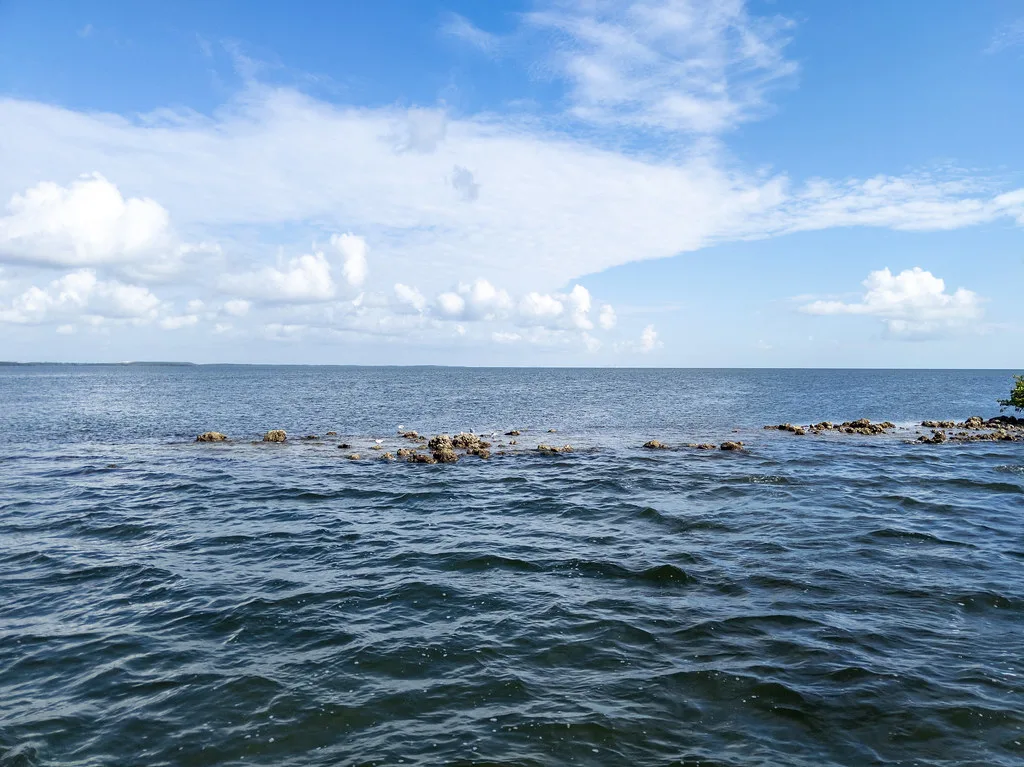
Mangrove and bay-side snorkeling is the gentle alternative when the Atlantic is up. The water is shallower and more sheltered, you are never far from the boat, and the rewards are root structures, juvenile fish and the occasional ray resting on the bottom.
Some sail-and-snorkel itineraries deliberately snorkel in the calmer water around mangrove trees, which is a sensible pick for first-timers, families and anyone prone to seasickness on a longer open-water run. The trade-off is that you trade coral reef for mangrove habitat; you do not get both on those trips.
Half-Day Versus Full-Day Trips
The core decision is time. A half-day snorkel trip of roughly three and a half hours covers a boat ride out, two snorkel stops and the return, which fits a morning or afternoon slot around other Miami plans. A six-hour combo adds paddling, an island landing and a longer day on the water, so it replaces your other plans rather than fitting between them.
Shorter paddling-only and heritage cruise options also operate from the same departure point if part of your group would rather stay dry. Splitting a group across a snorkel trip and a land-based activity at Convoy Point is workable given the jetty trail and visitor center exhibits on site.
What Is Typically Included and What to Bring
On the combo outings, snorkel and paddle gear come with the booking, but lunch does not, so pack food and water for a six-hour day. Standard kit for any Biscayne trip is a mask, snorkel, fins, reef-safe sunscreen, a hat, sunglasses, a towel and bug spray for the island stops.
Reef-safe sunscreen matters here because you are swimming over living coral, and Biscayne National Park Institute's own pre-trip advice puts it on the essentials list alongside hydration. Summer and early-fall water sits near 80°F, warm enough that a wetsuit is unnecessary for most snorkelers.
Typical Costs and How to Book
Tour prices are set by each operator and vary with trip length and inclusions, so compare the total for your group rather than a headline rate. The Snorkel and Paddle Eco Adventure run by Biscayne National Park Institute was listed at $209 per person when that guide was updated, with snorkel and paddle gear included and lunch excluded; treat that figure as a dated reference point and check the current rate at booking.
Biscayne National Park Institute is the park's non-profit operator and runs the widest menu of snorkel, paddle, sail and heritage trips inside the boundary. Other authorized operators handle sightseeing, sailing and kiteboarding, so check which company actually runs the snorkel you are eyeing before you assume the name on the website is the boat you board.
Skill Level: Swimmers, Beginners and Kids
Reef and wreck trips ask more of you: deeper water, a longer boat ride and the chance of chop on the Atlantic side, so swimmers who are confident and can fin efficiently get the most from them. Mangrove and bay snorkels stay shallow and sheltered, which is the better match for first-timers and children who swim but have not snorkeled much.
Combo trips sit in between, because a paddling segment gives nervous swimmers a break and the guide can choose the calmer site when wind builds. Wherever you go, brief your group that you float and never stand on coral or kick it with fins.
Best Time of Year and Time of Day
Mornings are consistently the calmest window, and Biscayne National Park Institute's seasonal note singles out September mornings for flat water, fewer boats and visibility reported at 50 feet or more. Warm summer water near 80°F carries into September, so you can stay in longer without a wetsuit.
Book the earliest departure that works for your drive from Miami or Homestead, since wind typically builds through the afternoon and an early slot also leaves the fallback of snorkeling the bay side if the reef is blown out. August and September fall inside hurricane season, so build some flexibility into your dates.

Hazards and Posted Advisories
The real hazards here are wind, chop and current on the open Atlantic side, plus boat traffic in a park where many vessels share the water. Snorkelers should stay with the guide, keep a visible position and surface to check the boat's location rather than drifting after fish.
Jellyfish appear in the bay, and the mangrove and lagoon areas are known for them, so a stinger suit or rash guard is worth packing for sensitive swimmers. Ask your captain about the day's forecast and any active advisories before you leave the dock.
Wildlife Viewing Rules in a National Park
Biscayne is a national park, and its marine life is protected: do not touch, feed, chase or ride any animal, and give turtles, sharks and rays room to move away on their own terms. Keep your fins off the bottom and your hands off coral, sponge and rock surfaces.
The park's mangrove, seagrass and reef habitats function as nursery grounds for fish and invertebrates, which is exactly why the no-contact approach matters beyond the individual animal you happen to see. Follow whatever your guide briefs on site, since site-specific rules can vary by location within the park.
Rules, Fees and Reef-Safe Sunscreen
Entry to the park itself is free, but the guided boat trips that get you onto the water are a separate purchase, which is why the ticket price rather than an entrance gate is the cost to plan around. Fishing and lobstering in the park are regulated separately and do not apply to a snorkel trip, but they explain the boat traffic you will see.
Pack reef-safe sunscreen for any in-water day; Biscayne National Park Institute lists it as standard kit, and it is the practical choice when you are swimming above living coral. Day-use facilities differ between the keys: Elliott Key has cold-water showers and drinking water, while Boca Chita Key has toilets but no drinking water or showers, so fill bottles before you board.
Nearby Add-Ons: Boca Chita, Elliott Key and the Everglades
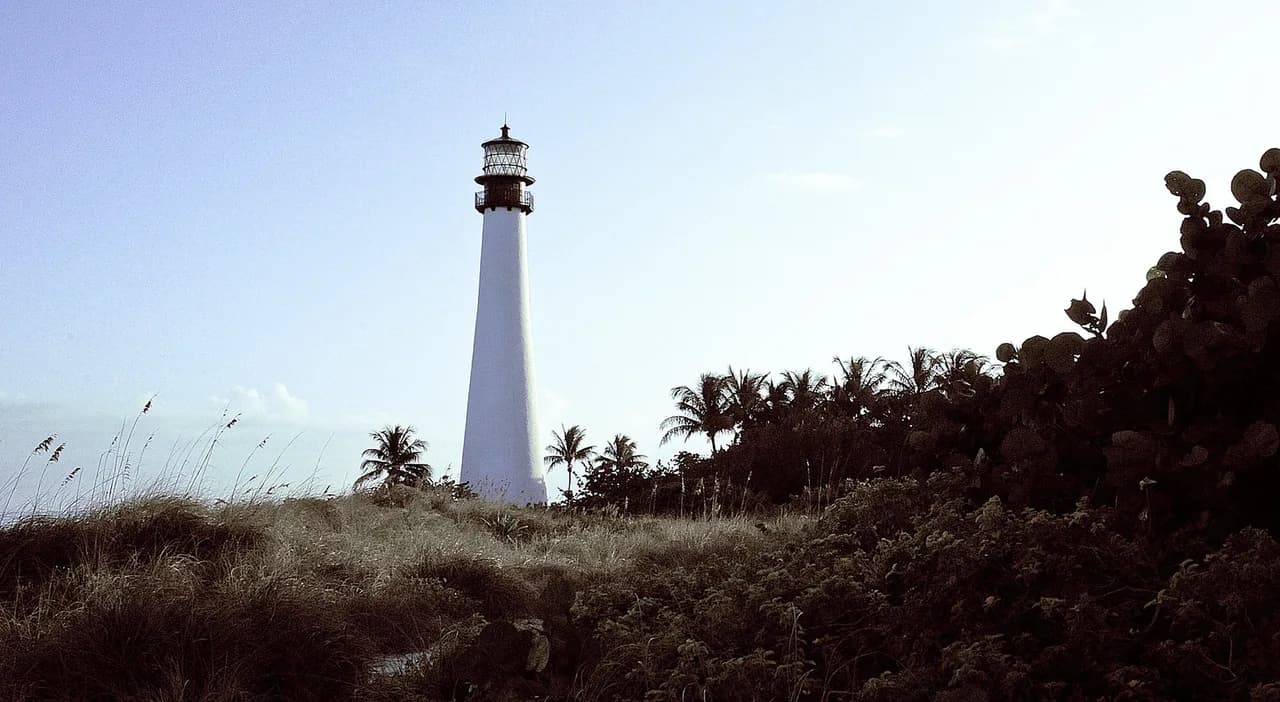
Boca Chita Key is the popular island stop, with a 1930s lighthouse, picnic tables, grills and restrooms, and it appears on several combo itineraries as the lunch and landfall break. Elliott Key is larger and offers hiking trails along with its showers and drinking water, but neither island is reachable except by boat.
On the mainland, the Dante Fascell Visitor Center has a museum area, films and a touch exhibit where you can handle sea sponges and coral before or after your trip. For a second water day closer to Miami, consider Key Biscayne snorkeling or snorkeling at Bill Baggs Cape Florida State Park, and add an Everglades stop on the drive home.
Plan Your Snorkel Day
Book according to what you want to float over and how long you can be off the mainland: reef and wreck trips for strong swimmers chasing coral and Maritime Heritage Trail remains, combos for mixed groups who want paddling and an island stop, mangrove trips for first-timers and calm water. Reserve early in the morning slot and keep a weather-flexible date if you are traveling in late summer.
Confirm the meeting time and what your specific trip includes directly with Biscayne National Park Institute or your chosen operator, and arrive at Convoy Point with reef-safe sunscreen, water and a packed lunch if the day runs six hours.
Frequently Asked Questions
Do you need a boat to snorkel in Biscayne National Park?
For most of the park, yes. The National Park Service describes Biscayne as 95 percent water with only one mile of paved roadway, so guided boat trips from the Dante Fascell Visitor Center are how most visitors reach snorkel sites. Shore-side options on the mainland are limited to walking and land-based activities at Convoy Point.
How long is the boat ride to the snorkel sites?
It depends on the site picked that day. Bay-side and mangrove snorkels are the shortest runs; Atlantic reef and wreck sites take longer, and on those trips wind and swell decide the destination. Ask which sites the day's trip is planned for when you check in.
Are Biscayne National Park snorkeling tours good for beginners?
Mangrove and calm bay-water trips are the best fit for beginners and families, since the water is shallow and sheltered. Reef and wreck trips suit confident swimmers who are comfortable in deeper water and a longer boat ride. Combo trips with paddling segments work well for groups that mix experienced and nervous swimmers.
What animals can you see snorkeling in Biscayne?
The park's habitat supports more than 500 reef fish species, and snorkelers may encounter nurse sharks, sea turtles, rays, lobsters and dense tropical fish, depending on site and season. Sightings are never guaranteed, and the park's protected status means you should never touch, feed or chase any animal.
What should you bring on a Biscayne snorkeling tour?
Bring a mask, snorkel, fins, reef-safe sunscreen, a hat, sunglasses, a towel, bug spray and plenty of water. The Snorkel and Paddle Eco Adventure includes gear but not lunch, so pack food for a six-hour day. Ask whether gear comes with your specific trip.
When is the best time of day to snorkel in Biscayne?
Mornings are calmest, and September mornings are highlighted for flat water and visibility reported at 50 feet or more. Book the earliest departure you can manage from Miami or Homestead, and treat late-summer dates as weather-flexible because August and September fall in hurricane season.
Is snorkeling in Biscayne worth it?
If you want to see living coral reef in the continental United States and are willing to book a boat, yes. The park protects the northernmost living coral reefs in the country plus wreck sites on the Maritime Heritage Trail and mangrove nursery habitat, so the variety of what you can float over is the draw.
How much do Biscayne snorkeling tours cost?
Prices vary by operator and trip length, so compare totals for your group. Biscayne National Park Institute publishes current rates for its snorkel and paddle trips on its booking pages; check those when you reserve, and ask what gear and food each trip includes.
Sources
Snorkeling notes for your next trip
Optional updates to our snorkeling guides.
You might also like
Continue reading
More guides you'll find useful