Bill Baggs Snorkeling: What to Expect in Biscayne
Snorkel from shore at Bill Baggs Cape Florida State Park on Key Biscayne. Learn the entry points, what swims over the sand flats and how to plan a calm-water day.
On this page
Bill Baggs Cape Florida State Park rewards snorkelers who want an easy, no-fuss entry into clear Florida water rather than a coral-reef spectacle. The park sits at the southern tip of Key Biscayne, and the sand beach beside the Cape Florida Lighthouse gives you a straightforward walk-in from the shore. It suits first-timers, families with kids old enough to swim, and anyone who wants a relaxed look at sand flats and seagrass before committing to a boat trip offshore.
Treat this as a shore-snorkel stop, not a reef destination. The living coral formations that make the region famous sit miles offshore, so the park's real appeal is calm-water practice, marine life over open bottom, and a state-park beach day in one. If coral and shipwrecks are your priority, plan a separate boat trip from the Dante Fascell Visitor Center. For a laid-back beach-and-reef day on Florida's east coast, snorkeling in Fort Lauderdale offers a comparable mix of shore entry and offshore sites.
Where the park is and how to reach the beach
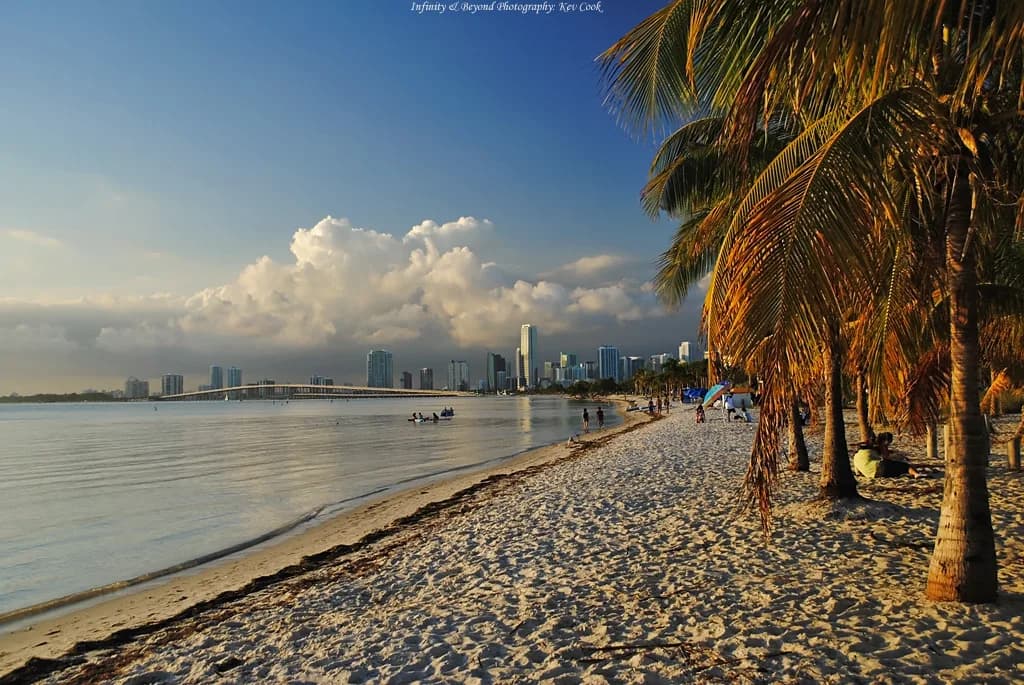
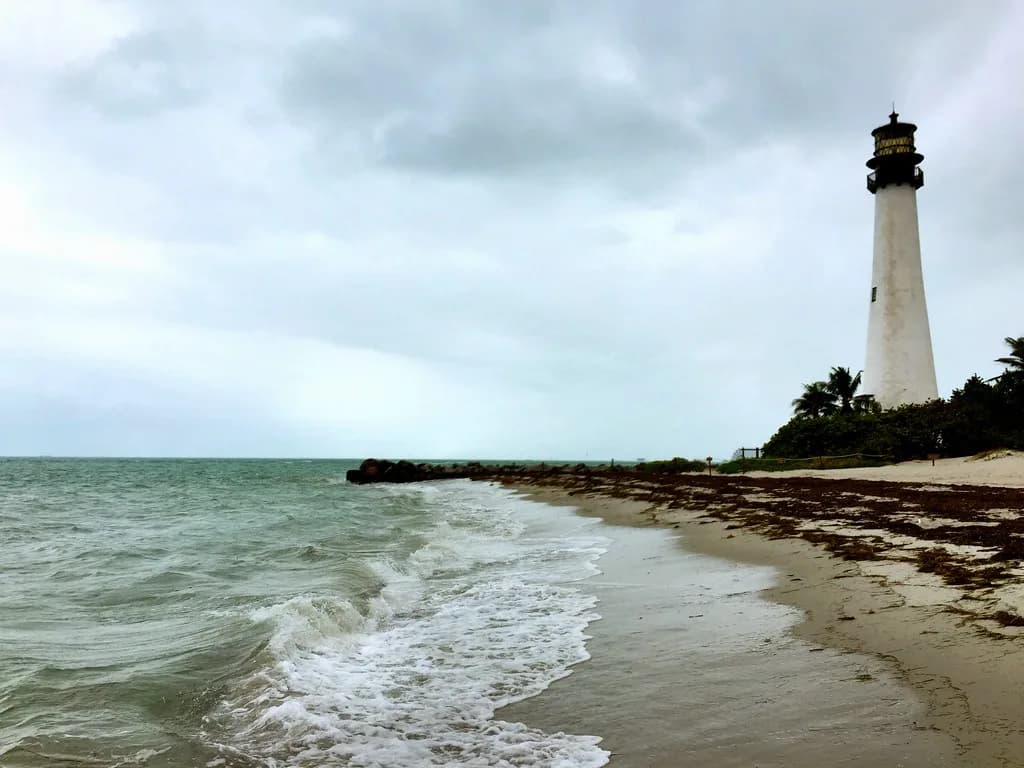
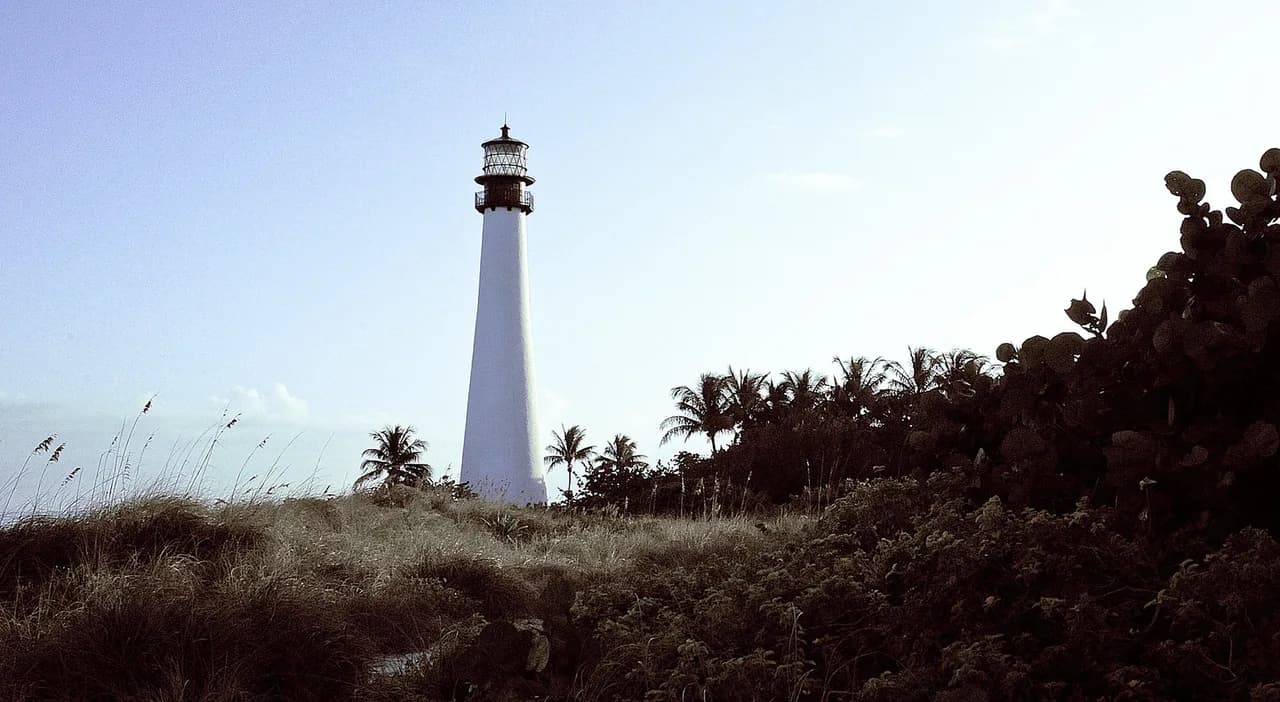
Bill Baggs Cape Florida State Park occupies the southern end of Key Biscayne, reached by the Rickenbacker Causeway from Miami. Inside the park, the main beach and the Cape Florida Lighthouse sit at the end of the access road, so you can park once and walk to the sand. The lighthouse is the clearest landmark for finding the swimming and snorkeling area.
Once you are through the entrance station, follow signs toward Cape Florida. The beach nearest the lighthouse puts you on the ocean side, while the bay shoreline runs along the inside of the key. That layout matters on windy days, because the two sides often behave differently.
Getting in: sand entry near the lighthouse and the calmer bay side
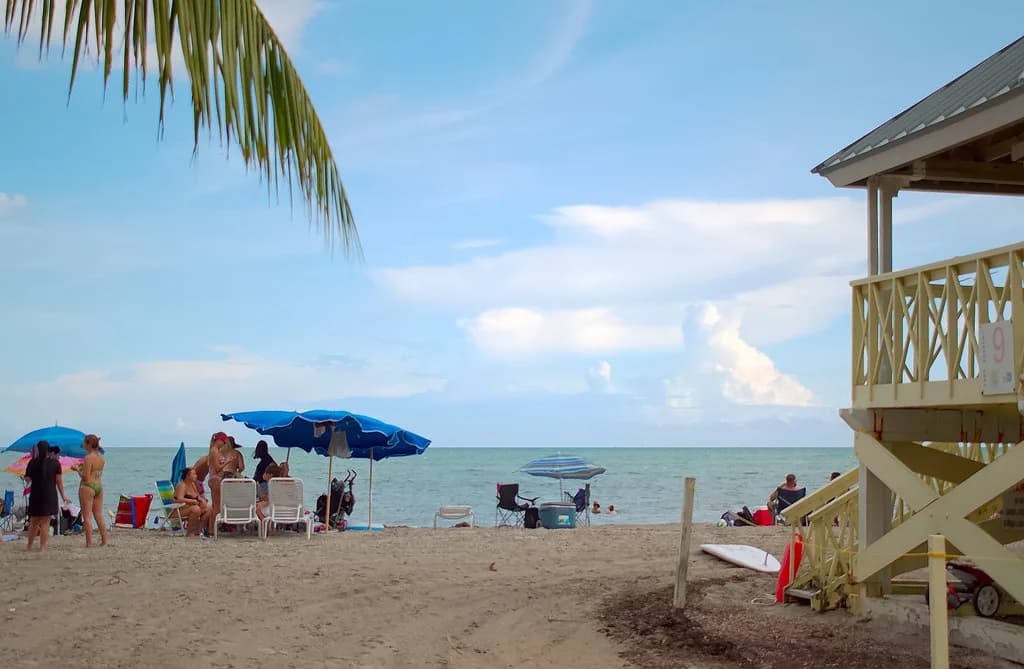
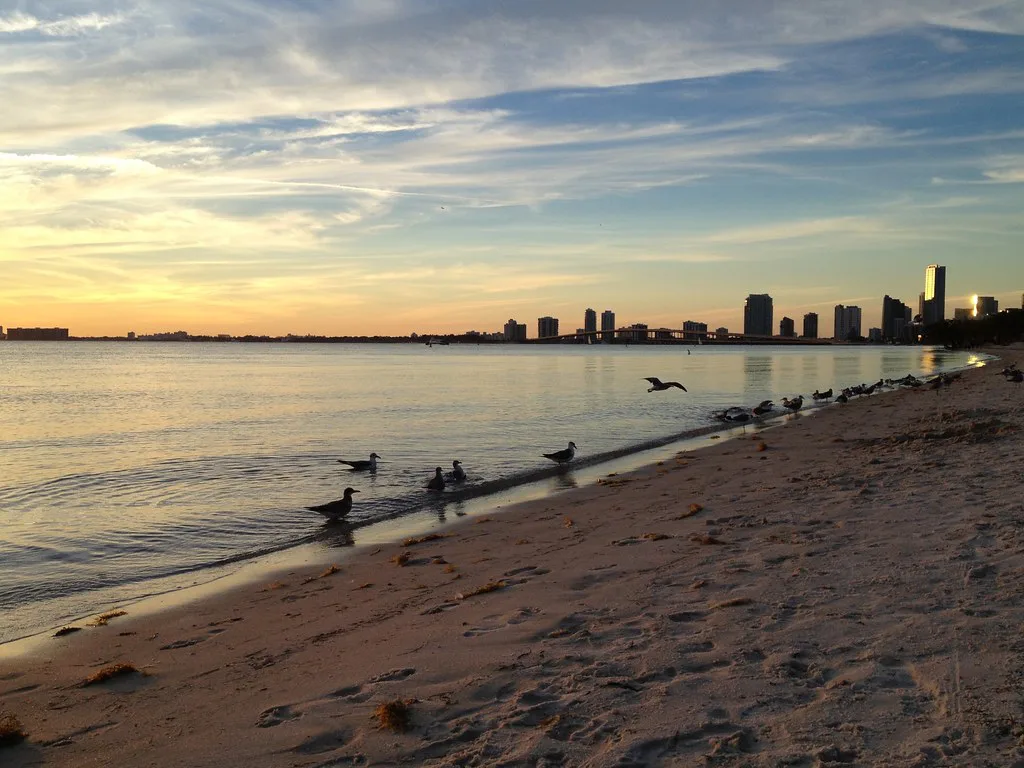
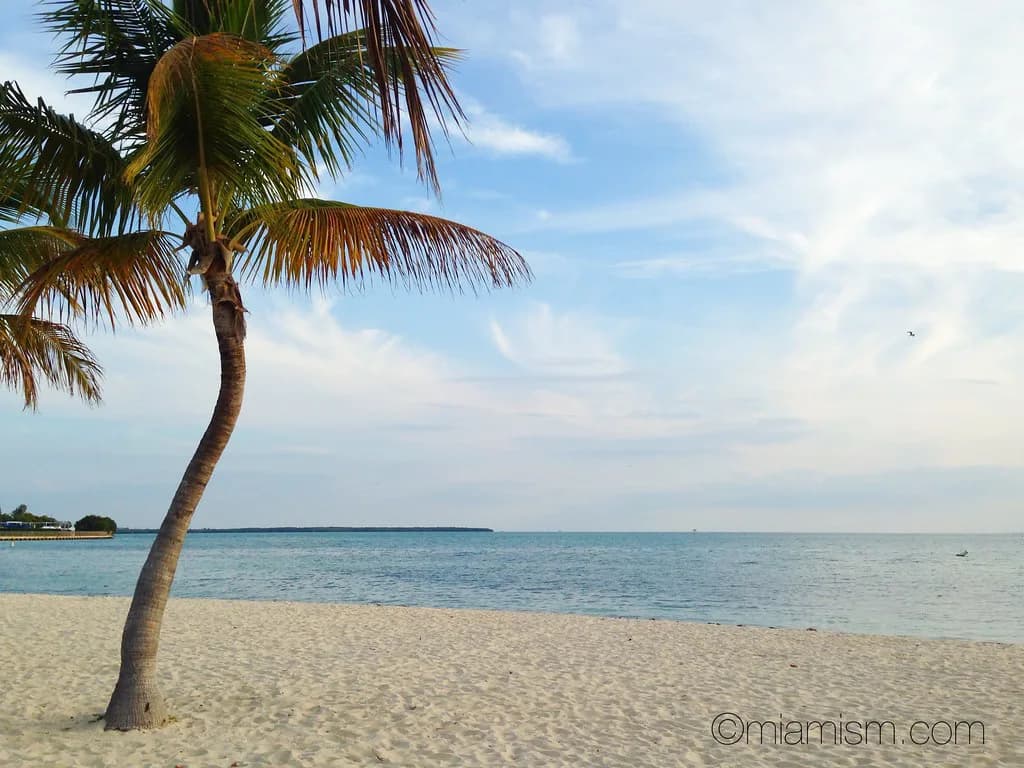
Your simplest entry is a walk-in from the sand on the ocean-side beach near the lighthouse. There are no rocks or ladders to negotiate, which makes it easy to wade out and put your mask on in waist-deep water. Swim out gradually and watch the bottom as you go rather than striking straight out.
When the ocean beach is choppy, move to the bay shoreline on the inside of the key. The bay side is sheltered from ocean swell, so the water is typically flatter and better for beginners and kids. The trade-off is that bay-bottom habitat is often sand and grass rather than reef, so the marine life is smaller and less dense.
How far out the water gets interesting and how deep it stays
At Bill Baggs the bottom stays shallow for a good distance from shore, which is exactly why it works for new snorkelers. You can spend your time over sand flats and patches of seagrass without needing to swim far or dive. The interesting zone is where the grass and sand meet, since small fish and grazing animals concentrate along those edges.
Plan to cover a stretch of shoreline rather than one fixed point. Drifting slowly along the beach, parallel to shore, reveals more than swimming straight out, and it keeps you close to an easy exit. If you want the coral and shipwreck habitat of the region, that requires a boat.
What you will see: sand flats, seagrass and small reef fish
Expect a working shoreline rather than a postcard reef. Over sand and grass you may spot small grunts, snappers, wrasses, blennies and the occasional small ray gliding away, plus crabs and other invertebrates on the bottom. Turtles and larger rays are possible in the area, but no one can promise a sighting on any given day.
For a sense of how rich the wider bay and reef system is, the park sits on the edge of Biscayne National Park, where over 500 species of reef fish have been recorded. That diversity belongs mostly to the offshore reefs and wreck sites rather than the beach at Bill Baggs, so use the shore for close-up looks at common species and save the boat trip for the big reef day.
Skill level and who it suits
Bill Baggs is a good fit for first-time snorkelers and kids who are comfortable swimming in water over their heads in places. The sand entry removes the biggest beginner obstacle, and the shallow bottom lets you practice mask clearing and finning before you head offshore. Strong swimmers can use the beach as a warm-up or a relaxed day between boat trips.
If your group includes very small children or non-swimmers, treat the bay shoreline as the safer default. On the ocean side, surf and current can make the exit harder than the entry, so pick your side based on the day's conditions and your least confident swimmer.
Best time of day and season, and which wind keeps water clearest
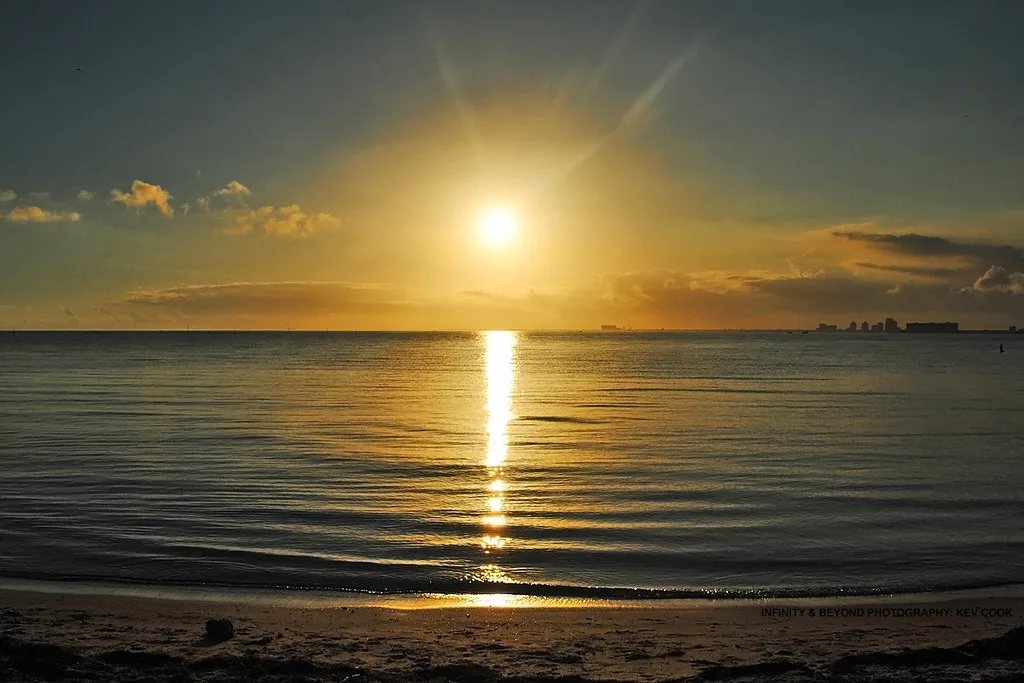
Go early. Morning usually brings lighter wind and flatter water before the afternoon sea breeze builds, and you will also find easier parking at the beach lot. Weekdays are calmer than weekends when local families fill the park.
Wind direction is your decision rule. An onshore wind pushing ocean swell onto the beach makes the lighthouse side murky and choppy, so shift to the bay shoreline. When the wind comes off the land, the ocean beach often clears, and that is the day to snorkel the outside.
Hazards: surf, currents and boat traffic near the channel
The main hazards here are ordinary beach ones: surf on the ocean side, rip currents near the beach, and boat traffic around the Cape Florida channel at the tip of the key. Stay close to shore, keep a bright-colored snorkel or flag visible, and avoid swimming into the channel where vessels pass.
There are no lifeguards on the beach, so you and your group are responsible for your own safety. Snorkel with a buddy, keep an eye on the horizon for changing swell, and get out if the water starts to chop. If you need a current forecast or surf advisory, the National Weather Service publishes one for the Miami area.
Parking, park entry fees and lighthouse hours
Bill Baggs is a fee-collection state park, and the entrance station charges per vehicle. Check the current fee on the Florida State Parks page before you go, since rates and any peak-season changes are set by the state. Arrive early on weekends and holidays, when the park can fill and the gate may close temporarily.
The Cape Florida Lighthouse is the park's landmark, and its access is managed by the state park. Lighthouse viewing or tours run on a limited schedule published by Florida State Parks, so look up the current opening times on the official page; it is not open every day.
Facilities, rules and wildlife distance
The park has restrooms, picnic areas and beach access, making it practical to spend a full day rather than a quick dip. Bring your own water, snacks and reef-safe sunscreen, since supplies inside the park are limited. Confirm current facility hours with Florida State Parks before a dawn or dusk visit.
Snorkelers are guests in a protected marine environment. Do not touch, feed or chase turtles, rays or fish, and keep your fins off the bottom so you do not kick up sand over the grass. Give wildlife space and let animals move away on their own terms.
Nearby spots: Virginia Key and the offshore reefs
Virginia Key sits just north across the causeway and offers another shore option when you want a change of scene. It is a short drive from Bill Baggs, so you can combine both in one day if you start early. Expect similar sand-and-grass habitat rather than coral.
For real coral and shipwrecks, the reefs of Biscayne National Park lie a few miles offshore. The park's concessioner runs snorkel trips from the Dante Fascell Visitor Center, with sites in the 5- to 15-foot range on the protected inner reefs, about a 30- to 45-minute boat ride out. Those trips are the right choice if coral and tropical fish are the point of your day.
Boat trips from the Dante Fascell Visitor Center
The Biscayne National Park Institute runs guided snorkel outings from the Dante Fascell Visitor Center in Homestead, including a three-and-a-half-hour snorkel trip and a six-hour snorkel-and-paddle trip. On both, the captain picks the site based on weather, which may be a patch reef, a shipwreck or a bayside mangrove area. The full-day version departs at 10:15 a.m. and is limited to six passengers, ages 12 and up on shared trips.
Gear rules are strict on these trips: fins are required while snorkeling, and snorkel vests are provided and must be worn. The institute publishes rental prices for masks, fins and snorkels, and asks guests to be able to climb a four-step vertical ladder. Book ahead, because the small boat capacity fills quickly in season.
What to bring for a shore snorkel day
Pack a mask that fits, fins, a rash guard and reef-safe sunscreen. A bright snorkel or a small surface flag helps boaters see you near the channel. Bring water, a towel and a dry bag for keys and phone, and wear water shoes if you plan to explore the rocky edges of the key.
If you are new to the sport, buy your own mask and snorkel before the trip; rental is fine for fins. A cheap pool noodle or inflatable vest helps kids rest between swims, and a waterproof camera is worth the space for the small stuff over the grass.
Plan Your Visit
Bill Baggs works best as a relaxed shore snorkel with a lighthouse backdrop, not as a coral-reef day. Go early, choose the ocean beach when the wind is offshore and the bay side when it is not, and keep an eye on the channel. If you want coral and shipwrecks, pair your beach morning with a boat trip from the Dante Fascell Visitor Center.
Check the Florida State Parks page for current entrance fees and lighthouse hours, and the National Weather Service for surf and current advisories before you load the car. Reserve boat seats well ahead in season, and treat wildlife as wild: watch, do not touch.
Frequently Asked Questions
Can you snorkel right off the beach at Bill Baggs Cape Florida State Park?
Yes. The sand beach near the Cape Florida Lighthouse gives you a walk-in entry, and the bay shoreline on the inside of the key is a calmer alternative when the ocean beach is choppy. The bottom stays shallow for a good distance, which suits beginners.
Is the water at Bill Baggs clear enough for snorkeling?
Clarity depends on wind and surf. On calm days the ocean-side beach is usually clear, while onshore wind stirs up the bottom. When the ocean beach is murky, move to the sheltered bay shoreline, which is typically flatter but has less bottom structure to explore.
What fish can you see snorkeling at Bill Baggs?
Over sand and seagrass you may see small grunts, snappers, wrasses and blennies, along with crabs and the occasional small ray. Turtles and larger rays are possible in the area, but sightings are never guaranteed. Coral-reef species live offshore in Biscayne National Park.
Do you need a boat to snorkel the reefs near Key Biscayne?
Yes. The living coral reefs sit several miles offshore, too far to swim from the beach. The park concessioner runs snorkel trips from the Dante Fascell Visitor Center to protected inner reefs, with sites in the 5- to 15-foot range. Shore snorkeling at Bill Baggs is a separate, shallower experience.
When is the best time of day to snorkel at Bill Baggs?
Morning usually brings lighter wind and flatter water before the afternoon sea breeze builds, and parking is easier. Weekdays are quieter than weekends. Watch the wind direction: offshore wind clears the ocean beach, while onshore wind pushes you to the bay side.
Is snorkeling at Bill Baggs good for kids?
It can be, especially on the bay shoreline where the water is flatter and the entry is sand. The park has picnic areas and restrooms, which makes a family day practical. Keep kids within arm's reach, avoid the channel, and pick the calm side of the key on windy days.
Sources
Snorkeling notes for your next trip
Optional updates to our snorkeling guides.
You might also like
Continue reading
More guides you'll find useful