Lahaina Snorkeling: Shore Entry, Boat Trips and What You'll See
Lahaina snorkeling means boat trips to Molokini, Turtle Town and Coral Gardens, plus nearby shore reefs. Here's how each works, who it suits and when to go.
On this page
Lahaina works best as a base for a snorkel day rather than a single beach. The town's waterfront looks out on open water and a working harbor, so the classic plan is a boat trip to Molokini Crater or the Turtle Town area, paired with a shore reef on another morning. That split suits families with mixed swimmers, couples who want one big boat day, and confident swimmers who would rather drive to a beach and wade in on their own schedule.
Why Lahaina works as a snorkel base
The appeal is geography. Lahaina sits on the west side of Maui, with Maʻalaea Harbor a short drive south and the beaches of Kaʻanapali and Wailea reachable in under an hour in either direction. That puts boat departures, resort-town amenities and several shore-entry reefs within one day's reach, which is why so many itineraries treat Lahaina as the place to sleep and the rest of the island as the place to swim.
Who it suits: travelers who want a mix of guided and DIY days, and groups where some people snorkel while others stay dry. It is less ideal if your only goal is wading off the sand at your hotel; for that, plan on driving. If you want the wider menu of reefs, bays and boat operators across the island, start with this guide to snorkeling in Maui and then narrow down by drive time.
How Lahaina snorkeling is laid out
Think of it in two layers. The first is boat-based: Molokini Crater, Turtle Town and Coral Gardens are reached by charter, not by walking off a beach in town. The second is shore-based: reef-fringed beaches to the north and south of Lahaina where you park, walk in and snorkel on your own.
Maui Snorkeling runs its trips out of Maʻalaea Harbor, Slip 64, on the central stretch of coast between Lahaina and Wailea, which keeps the drive short if you are staying in West Maui. Booking a boat day and a separate shore day, rather than trying to do both in one morning, is the practical way to structure a Lahaina visit.
Boat trips: Molokini Crater, Turtle Town and Coral Gardens
Maui Snorkeling publishes three products. The morning trip runs 7 AM to 12 PM and makes two stops, Molokini Crater and Turtle Town, with breakfast and lunch aboard. The afternoon trip runs 1 PM to 4 PM and heads to Coral Gardens or another nearby reef, and a private charter for up to 65 guests is available in either window. Destinations on all trips depend on conditions, so treat the listed stops as the plan rather than a guarantee.
The trade-off between the two shared trips is time versus crowds. The five-hour morning run gives you two sites and a longer day on the water, while the three-hour afternoon run is shorter, cheaper in terms of time commitment, and marketed as the quieter window. Families with young kids often prefer the shorter block; strong snorkelers who want the crater usually take the morning.
Gear, flotation belts, noodles, boogie boards and a 25-foot waterslide are part of the published package, along with vegetarian and gluten-free meal options. If you are deciding between operators or want the fuller picture of crater diving, read the dedicated molokini crater snorkeling guide.
Molokini Crater: inside the half-circle
Molokini is a volcanic crater sitting partly underwater in the Alalakeiki Channel between Maui and Kahoʻolawe. Its shape is the whole point: the crescent of rock shelters the inner water, which is why the site is associated with calmer surface conditions and clear water on a good day. Maui Snorkeling describes more than 100 types of coral and roughly 250 fish species across the crater.
For planning purposes, the reef inside the crater is a snorkel-depth fringing reef rather than a wall dive, and the boat anchors so you enter from the swim step and fin toward the shallows. Beginners and nervous swimmers do well here because the sheltered inner curve limits chop, but the crossing itself is open channel water and can be bouncy. If motion sickness is a concern, that transit is the part to plan around, not the snorkel.
Turtle Town: reef structure and turtles
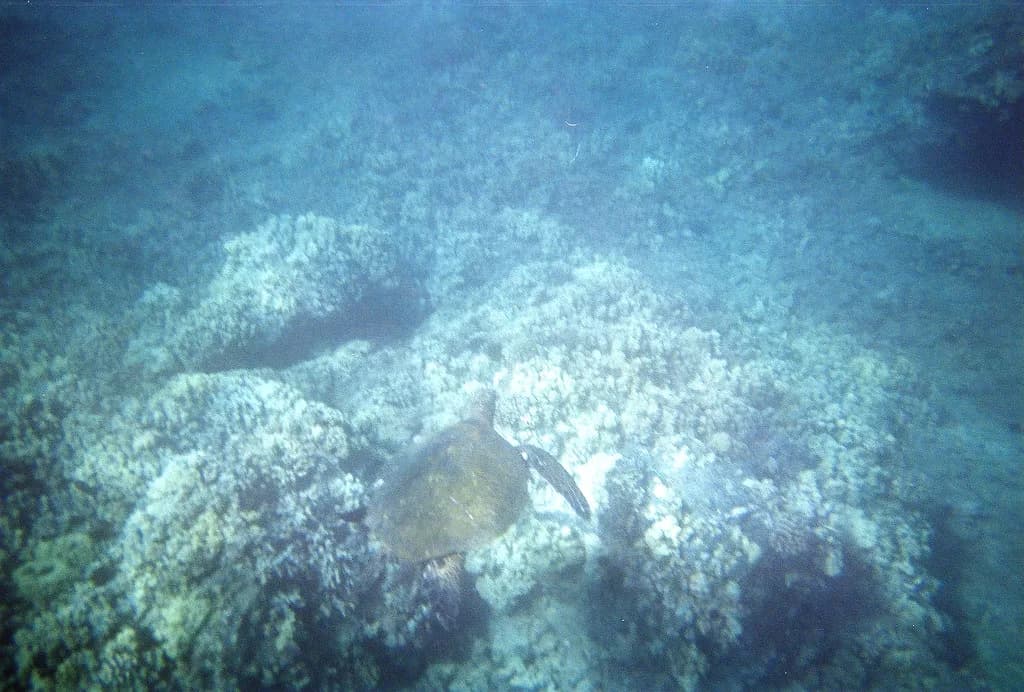
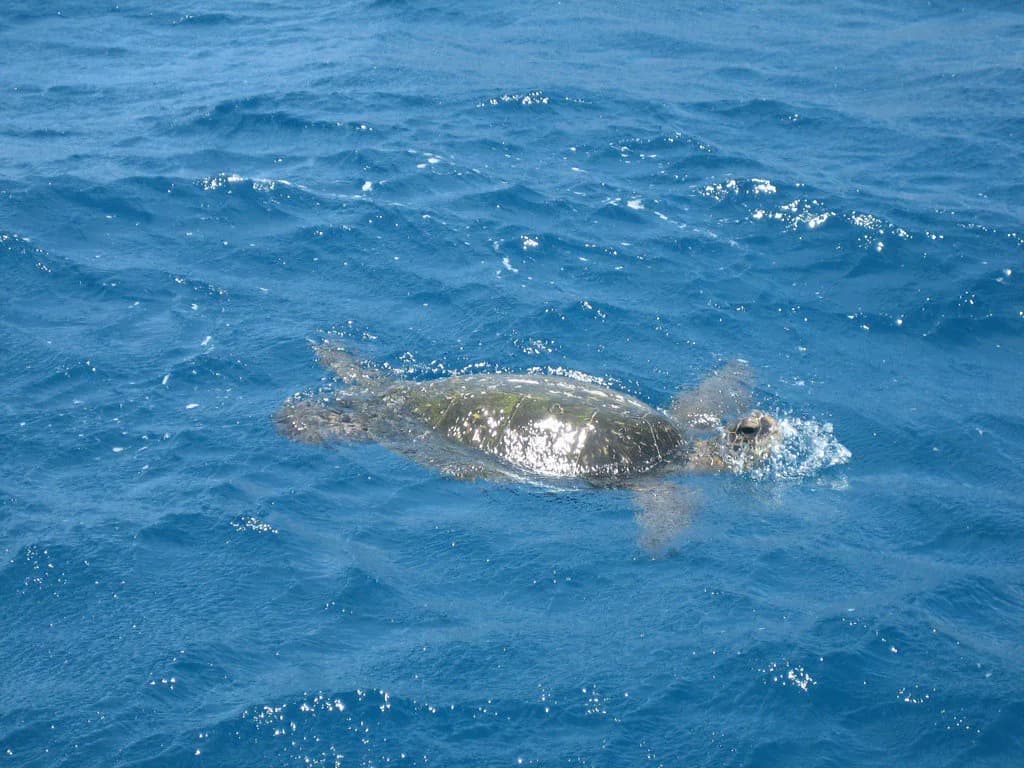
Turtle Town is a South Maui snorkel area rather than a single named beach, and on the morning trip it is the second stop after the crater. Maui Snorkeling describes sea caves, algae-covered reef and both the Hawaiian green sea turtle and the rarer hawksbill honu. Structure like this is what turtles use for grazing and resting, so the productive zone tends to be the reef edge rather than open sand.
Treat turtles as wild animals with a right of way. Keep your distance, never touch, chase or block a turtle's path to the surface, and follow whatever distance rule the crew briefs before you enter the water. A turtle that swims off because it was crowded is a worse sighting than one that stays put at a respectful distance.
Coral Gardens at Olowalu
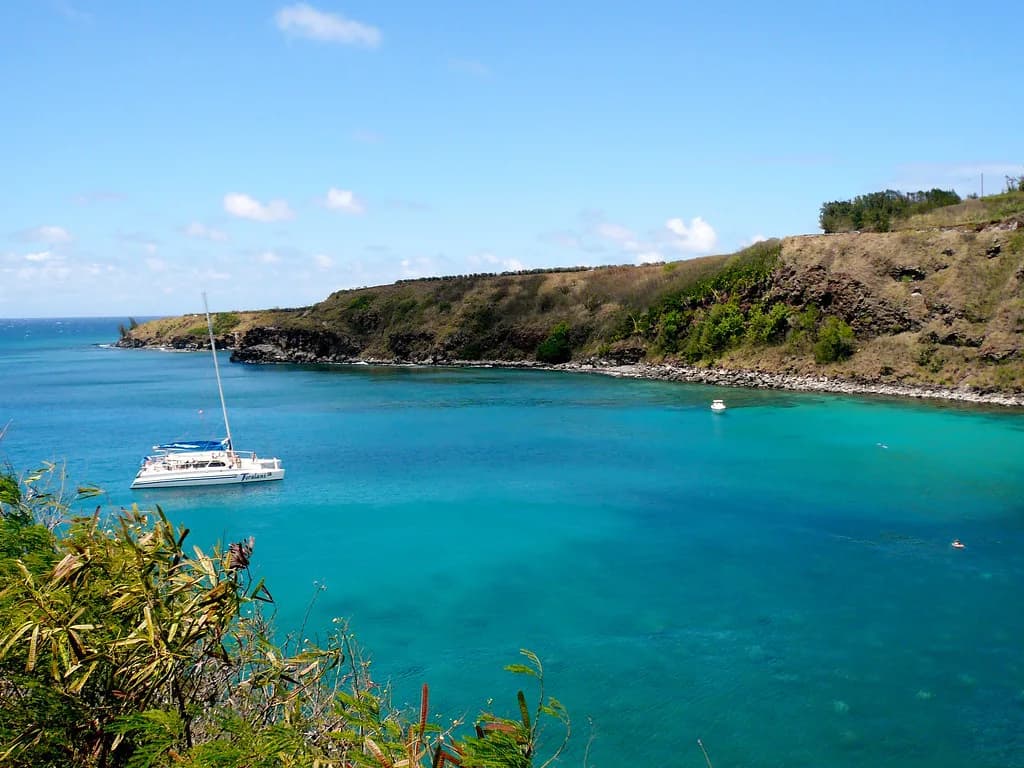
Coral Gardens sits off Olowalu, south of Lahaina, with the West Maui Mountains behind it. Maui Snorkeling puts it at more than 100 acres of living coral, making it the largest reef on this itinerary and the anchor of the afternoon trip. Because the reef is close to shore, it is also the site most often paired with a shorter day on the water for families.
The afternoon departure is the crowd-avoidance play: a 1 PM to 4 PM window that catches the reef after the morning fleets have gone in. On rare days the boat may run to Molokini instead for a snorkel-only trip, in which case the waterslide stays packed. That flexibility is worth knowing if you have your heart set on a specific site; ask Maui Snorkeling which destination is likely for your date.
Shore-entry reefs near Lahaina
If you want to wade in without a boat, look north toward Kahekili Beach Park, a long stretch of sand in the Kaʻanapali area that experienced snorkelers recommend as a Lahaina-side alternative. It is a park setting with a sandy beach, which makes it an easier entry than the lava-rock points further north.
Further north, honolua bay snorkeling is the classic West Maui shore dive, reached by a rocky entry and a short walk through trees rather than a beach park. South of Lahaina, the Kamaole beaches in Kihei offer sandy entries and a reef close to shore. Each has a different entry and different exposure to swell, so pick by your comfort with rocks and surge rather than by reputation alone.
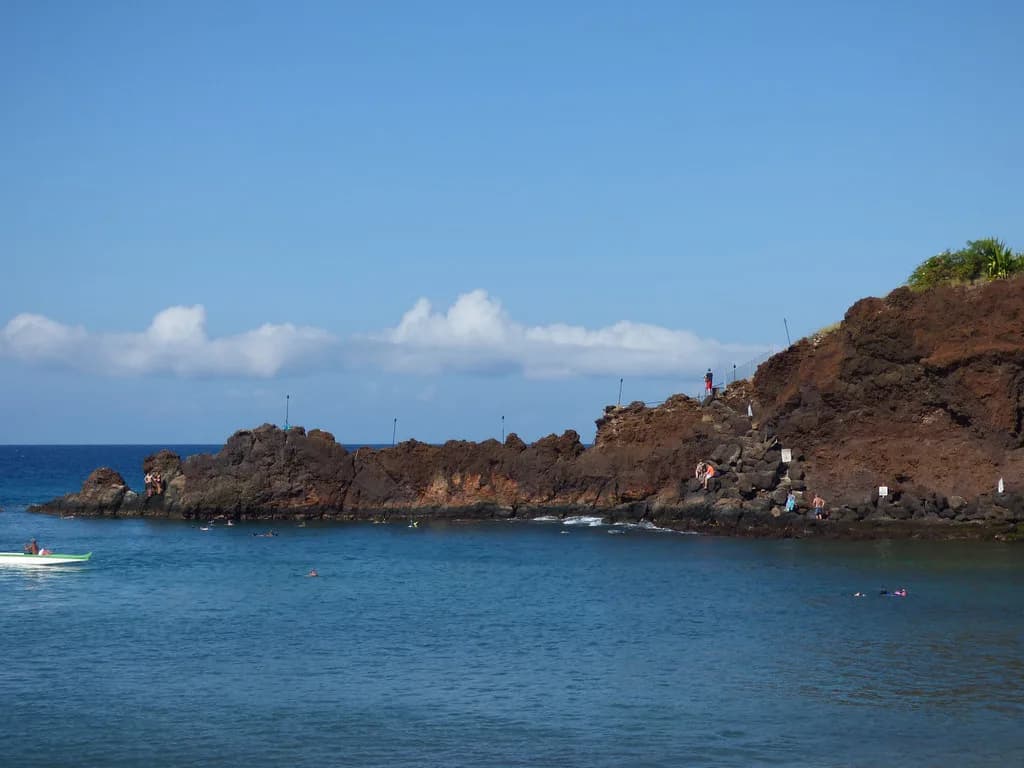
Black Rock, at the north end of Kaʻanapali Beach, is the other well-known shore option within a short drive of Lahaina, with a reef that wraps a rocky point. It gets busy and the point itself carries boat and board traffic, so stay close to shore and keep your head up when crossing the main channel.
What you will see
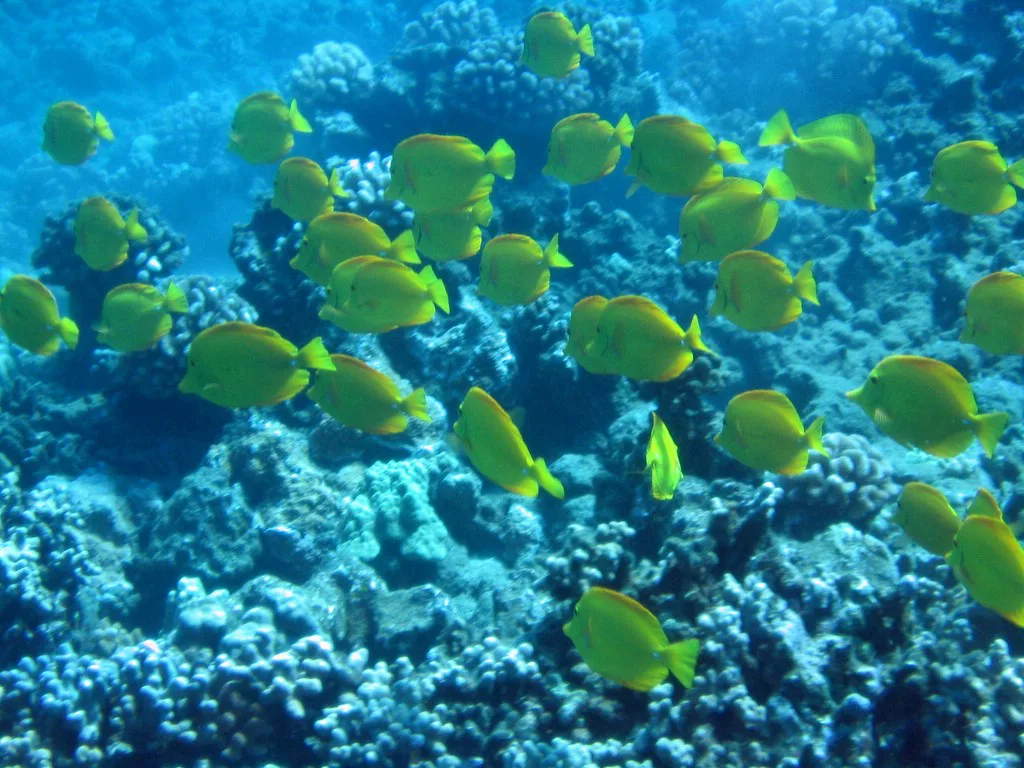
On the boat sites, expect a reef community: humuhumunukunukuapuaʻa, Hawaii's state fish, darting among coral heads; octopus and eels tucked into crevices; eagle rays cruising over sand; and green sea turtles, with hawksbill possible at Turtle Town. Hawaiian monk seals turn up occasionally and should be given a wide berth on the beach and in the water.
Humpback whales belong to the boat ride, not the snorkel. Maui Snorkeling lists whale sightings from the vessel during whale season, and the winter months are when the Auʻau Channel between Maui, Lānaʻi and Molokaʻi fills with them. Bring a dry layer for the transit and keep your mask off for the show.
Skill level and who each option suits
Molokini's sheltered inner water is the friendliest boat site for beginners, kids comfortable in deep water off a swim step, and non-swimmers who plan to use a flotation belt with a crew nearby. Turtle Town and Coral Gardens ask a bit more, since you are snorkeling off a moored boat with no beach to stand on. Shore reefs such as Kahekili and the Kamaole beaches suit families who want to wade in and out at will. If you are weighing this same beginner-versus-confident split on another island, the snorkeling in Oahu guide covers comparable shore and boat sites.
Strong swimmers and experienced snorkelers get the most from the shore options, where you set your own distance and can work the reef edge. Anyone prone to seasickness should weigh the channel crossing to Molokini against a beach day, since the ride out is the rougher half of the trip.
Best time of day and season
Mornings are typically the calmest window on Maui's west and south coasts, before the trade winds build and the afternoon chop picks up. That is also why the Molokini trip occupies the morning block; the crater's shelter helps, but the channel crossing still feels the wind. Afternoon trips trade that for smaller crowds and a later start.
Swell direction matters more than the calendar for shore entries. North and west-facing points such as Honolua and Black Rock catch north swell in winter, while south-facing Kihei beaches are more exposed to south swell. Before committing to a shore day, read the maui snorkeling conditions guidance and match your chosen beach to the day's swell.
Hazards
The open-water risks here are real and mostly predictable. The Alalakeiki Channel can be choppy on the crossing to Molokini, moored snorkel sites put you in water over your head, and boat traffic around popular points means surfacing with care. Shore entries add lava rock, surge and, at Black Rock, a busy channel.
Around Lahaina and the west side, high surf, currents and box jellyfish days are the usual posted advisories, and some beaches have no lifeguard on duty. Heed signage and crew briefings and remember that a calm look from the sand does not always mean calm water at the reef. One check with Maui Snorkeling or the county ocean-safety page on the morning of your trip covers the rest.
Parking, fees, reservations and facilities
Boat trips should be reserved ahead, and Maui Snorkeling publishes its departure times by trip: 7 AM to 12 PM for the Molokini morning run and 1 PM to 4 PM for the afternoon. See Maui Snorkeling's site for current rates, cancellation terms and availability. Harbor parking at Maʻalaea fills on busy mornings, so arrive with a buffer.
For shore days, beach parks around Kaʻanapali and Kihei vary in what they offer, and details such as showers, restrooms and lifeguard coverage differ from park to park. Confirm facilities and any parking rules with the county before you drive out, especially if you are traveling with kids or elders who need shade and restrooms.
Rules and protected areas
Hawaii protects its marine life, and that shapes how you snorkel here. Keep a respectful distance from sea turtles and monk seals, never touch or feed anything, and do not stand on coral. Reef-safe sunscreen matters on these reefs; mineral-based formulas are the safer choice for the water you are swimming in.
Molokini Crater is a marine life conservation district, so fishing and taking are restricted inside the crater. If your group includes anyone who likes to collect shells or spear, plan those activities elsewhere. Ask the crew which rules apply at each stop before you get in the water.
Nearby spots to combine with a Lahaina day
A Lahaina itinerary pairs naturally with a morning boat trip and an afternoon on a west-side beach. Kahekili Beach Park is the closest sandy snorkel option to town, while Black Rock and Honolua Bay are short drives further north. If you are staying south, the Kihei beaches make a good second day.
Whale season adds an easy bonus: any boat trip in winter doubles as a whale watch, and a shoreline seat at sunset often delivers breaches for free. Build the day around one water session rather than two, and leave the late afternoon for the drive back.
Plan Your Lahaina Snorkel Day
The cleanest plan is one guided boat day plus one shore day. Book the morning Molokini trip for the crater and Turtle Town, or the afternoon Coral Gardens run if you want a shorter, quieter block, and reserve ahead through Maui Snorkeling. Then pick a shore reef by swell direction: Kahekili or Black Rock on the west side, the Kihei beaches if you are staying south.
Pack reef-safe sunscreen, a rash guard, water and a dry layer for the boat ride, and treat wildlife rules as non-negotiable. Check conditions and any advisories with Maui Snorkeling or the county ocean-safety page the morning of your trip, and you will have the pieces in place for a good day on the water.
Frequently Asked Questions
Is there good snorkeling right in Lahaina?
Lahaina town is a harbor and resort waterfront, so the snorkeling on this trip is boat-based or a short drive away. Boats run from Maʻalaea Harbor to Molokini Crater, Turtle Town and Coral Gardens, while shore-entry reefs sit to the north around Kaʻanapali and to the south in Kihei. Treat Lahaina as your base, not your entry point.
Do you need a boat to snorkel Molokini Crater?
Yes. Molokini Crater sits in the Alalakeiki Channel between Maui and Kahoʻolawe and is reached by charter, with no shoreline entry. Maui Snorkeling's morning trip runs from 7 AM to 12 PM and stops at both Molokini and Turtle Town, with destinations depending on conditions.
Is Molokini good for beginner snorkelers?
The crater's half-circle shape shelters the inner water and makes it one of the friendlier boat sites for beginners and nervous swimmers. You still enter from a swim step into water over your head, so flotation belts and a crew briefing help. The channel crossing is the bouncier part of the day for anyone prone to seasickness.
What marine life can you see on a Lahaina snorkeling trip?
Expect reef fish including humuhumunukunukuapuaʻa, eels, octopus, eagle rays and green sea turtles, with hawksbill possible at Turtle Town. Monk seals and dolphins turn up occasionally, and humpback whales are seen from the boat during whale season. Sightings are never guaranteed, and all marine life should be observed from a respectful distance.
Is the afternoon snorkel trip less crowded than the morning trip?
The afternoon trip is marketed as the quieter window, running 1 PM to 4 PM to Coral Gardens or another nearby reef. It is shorter than the five-hour morning Molokini trip, which suits families who want less time on the water. On rare days the boat may run to Molokini instead for a snorkel-only trip.
When is the best time of year to snorkel from Lahaina?
Mornings are generally calmer on Maui's west and south coasts before the trade winds build, which is why boat trips leave early. Winter brings north swell that affects west- and north-facing shore entries, plus humpback whales on the channel crossing. Match your beach to the day's swell rather than picking by season alone.
Sources
Snorkeling notes for your next trip
Optional updates to our snorkeling guides.
You might also like
Continue reading
More guides you'll find useful