Lanai Snorkeling from Maui: Boat Trips & Hulopoe Bay Guide
Lanai snorkeling from Maui comes in two forms: a boat trip to west-side reefs or a ferry ride to Hulopoe Bay. Here is how each works and who each suits.
On this page
Lanai earns the nine-mile crossing from West Maui for one main reason: its west side is sheltered from north swells, so the snorkeling holds up in winter when other Maui spots turn murky. The island is quiet, with a few tour operators working its reefs and a shoreline bay you can reach on foot from the ferry dock. That makes it a strong choice for families and first-timers who want calm water and fewer boats around them.
You have two ways to do it. A booked trip runs from Lahaina Harbor across the Au'au Channel to boat-only sites on the west coast. The other is a ferry ride to Manele Harbor and a short walk to Hulopoe Bay, where the reef starts just off the sand. The trade-off is simple: the boat trip costs more and shows you more, while the ferry-and-shore day keeps things flexible and cheap.
Why Lanai's West Coast Earns the Crossing
Only a handful of operators make the Au'au Channel run, and Lanai itself is large enough that three popular snorkel sites are reachable only by boat. That spreads people out in a way the Molokini crater cannot match on a busy morning. If your idea of a good snorkel day involves quiet water rather than a ring of catamarans, Lanai is the better pick.
The west side faces away from the north swells that roll through in winter, which is why captains run trips there when Maui's north-facing bays are unsettled. That protection is the practical reason Lanai works as a year-round target rather than a summer-only one. It also means the crossing itself, not the snorkeling, is usually the part of the day most affected by weather.
Getting There: Lahaina Harbor Boats Versus the Ferry
Boat trips leave from Lahaina Harbor on the West Maui side and cross to Lanai in roughly 45 minutes to an hour by powerboat. Staying in Ka'anapali, Kahana, Lahaina or Napili puts you close to that departure point, which makes a Lanai day far more convenient than driving south to Maalaea. If you are based in Kihei or Wailea, the drive around to Lahaina is the main cost of choosing Lanai over the crater.
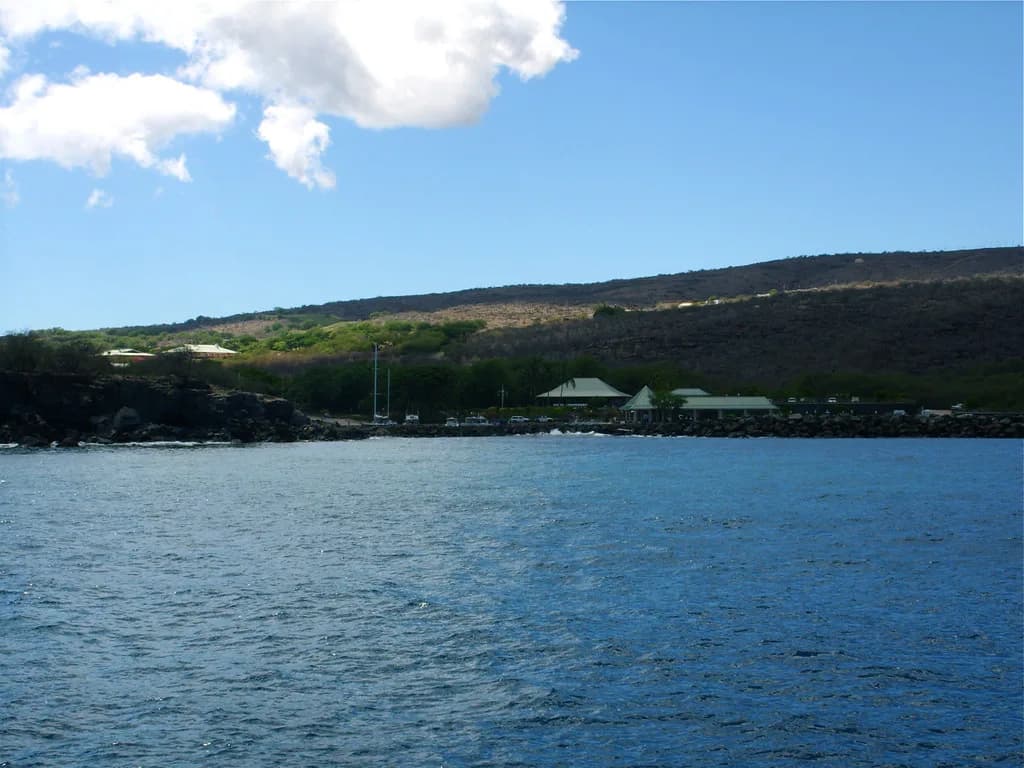
The self-guided option is the Lanai Ferry from Lahaina Harbor to Manele Harbor, followed by a five-minute walk to Hulopoe Bay. That route skips the boat-only sites and any chance of dolphins from the rail, but it puts you on one of the island's best beaches without paying for a tour. It suits independent travelers who want to set their own schedule.
Hulopoe Bay from Shore
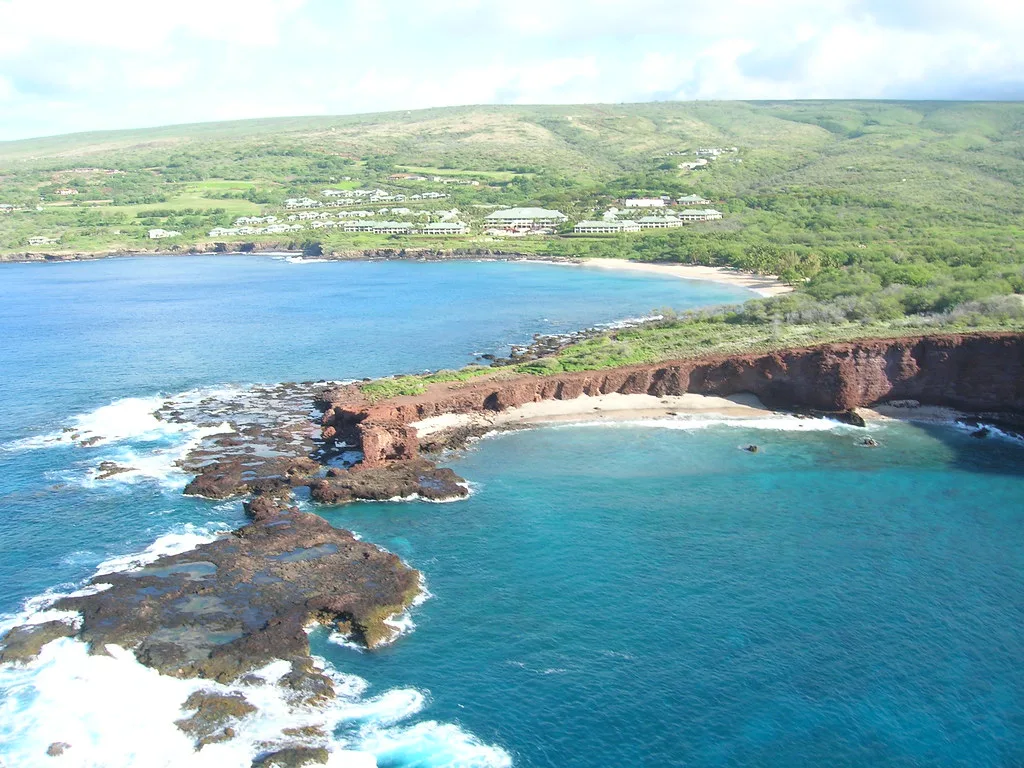
Hulopoe Bay sits a short walk from where the ferry lands at Manele Harbor, and it is the cheapest way to snorkel Lanai without giving up much beyond the dolphins. The beach has tide pools at its edges and a reef that begins close to the sand, so you can wade in and start looking without a long swim. It is a genuinely good shore snorkel rather than a consolation prize.
Because you are on a ferry timetable, plan your water time around the return sailing rather than the other way round. Give yourself a buffer for the walk back to the harbor and for rinsing off. The bay is also used by tour boats that bring guests in for a more intimate swim, so expect some traffic in the middle of the bay while the edges stay quieter.
Boat-Only Sites on the West Side
Captains pick the day's snorkel sites based on which water is clearest and calmest, and on the Maui Adventure Cruises raft run two sites are chosen for each trip. That flexibility is the advantage of a boat: you go where the conditions are best rather than committing to one bay in advance. Trips also swing past Hulopoe Bay itself, usually anchoring out in the bay rather than dropping guests on the beach.
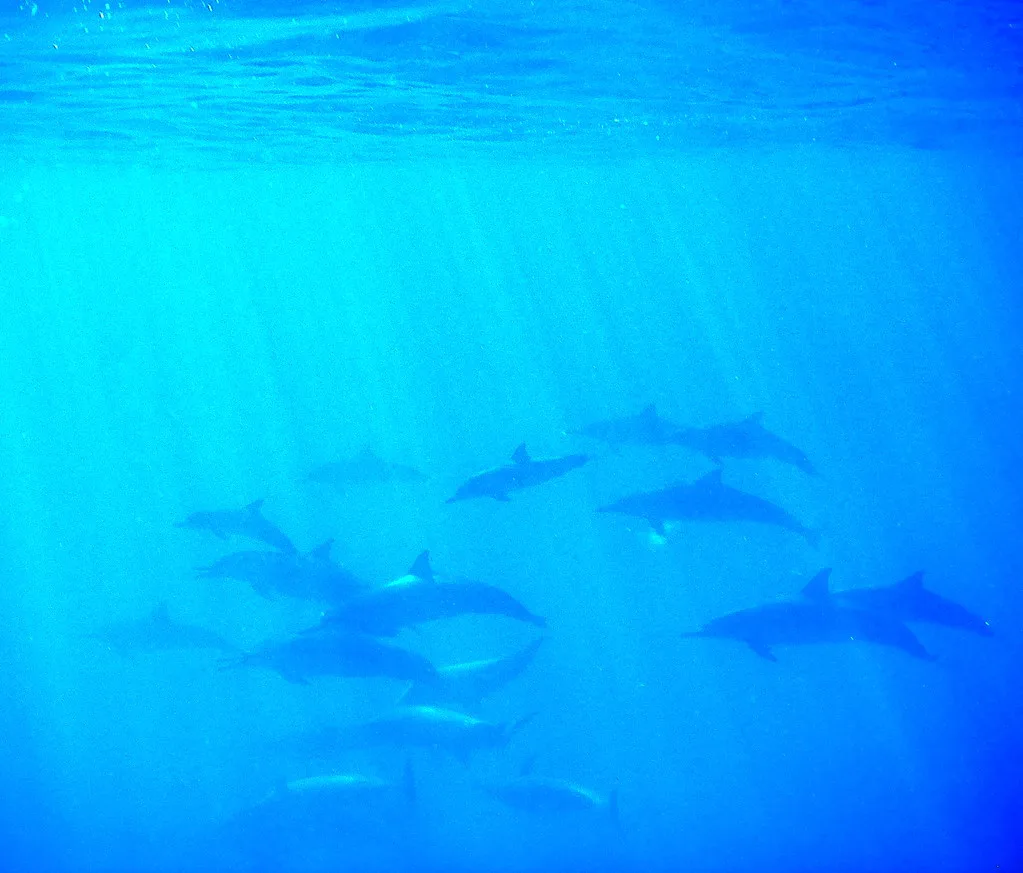
The west-side itinerary commonly includes Manele Bay Marine Preserve, where the resident spinner dolphins live, and some operators work in a WWII shipwreck, sea caves and blowholes along the coast. Gear, instructions and safety briefings come from the captain and crew before you get in. Ask which sites are planned when you book if a particular one matters to you.
What You Will See
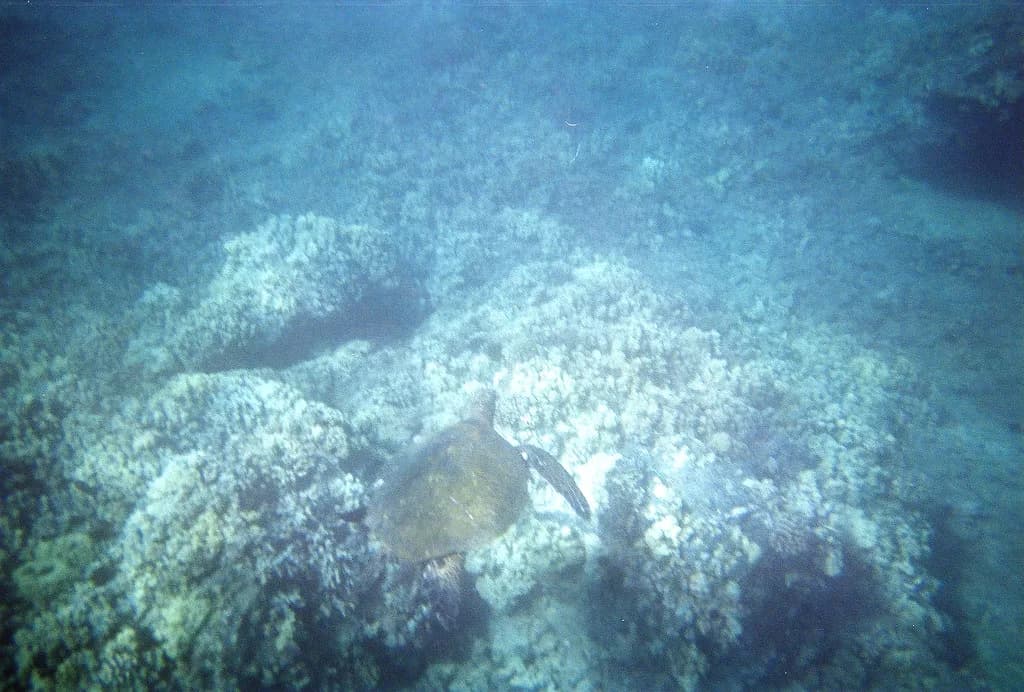
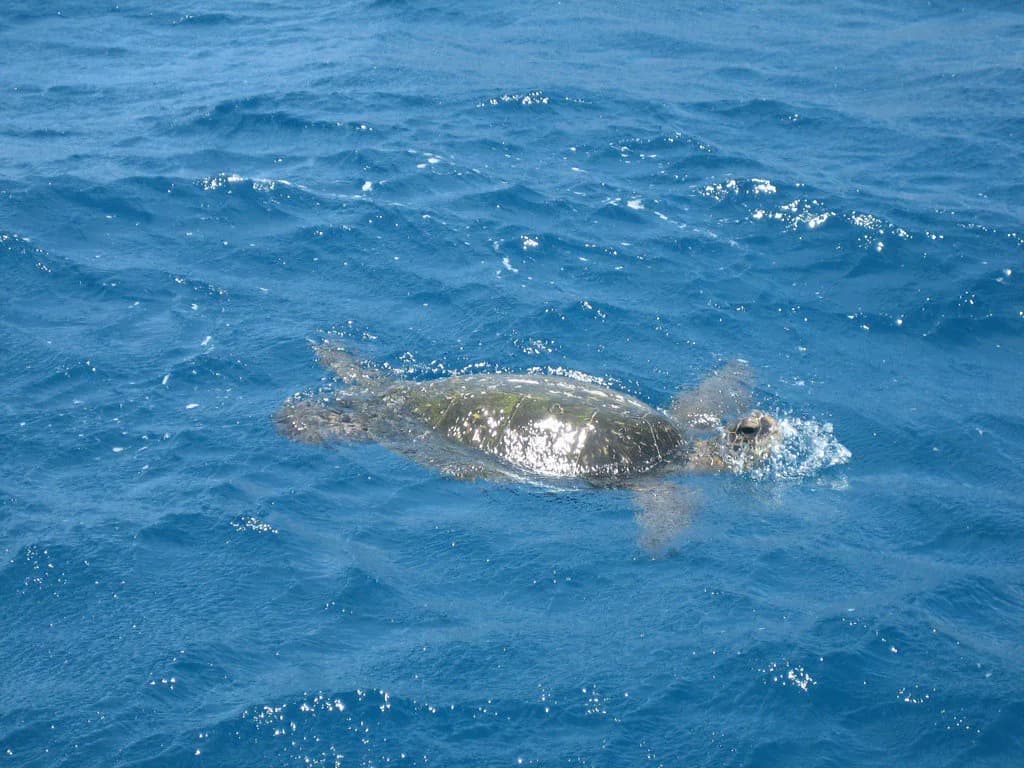
Green sea turtles turn up at most Lanai snorkel sites, and the west-side reefs carry the usual Hawaiian mix of tropical reef fish. Spinner dolphins are the signature sighting in Manele Bay, often seen from the boat on the crossing or spinning in the bay itself. A manta ray is a possibility rather than an expectation, and no operator can promise any of it on a given day.
Keep your distance from turtles and dolphins and let them choose the encounter; Hawaii's viewing rules apply in the water and from the boat. Dolphins in particular should not be chased or encircled, and tour crews will set the pace around them. Bring a reef-safe sunscreen, which Hawaii requires for visitors to its marine areas.
Depth and Reef Layout
At Hulopoe the reef starts in shallow water off the sand, which makes it easy to stay in waist-deep to chest-deep water and still see fish. Further out the bottom drops away gradually, so stronger swimmers can cover more ground without ever being over deep water. The tide pools along the beach edge are worth a look for small creatures and are a good place to build a child's confidence.
Boat sites vary more, with some fringing reef in reasonably shallow water and others sitting over deeper rock. On the Molokini comparison, crater snorkel spots run 20 to 50 feet deep, so Lanai's inshore sites are the gentler option for nervous swimmers. Ask the crew about depth at each stop if you are not comfortable in deep water.
Skill Level and Who It Suits
Lanai suits beginners and children well because the west-side bays and Hulopoe are protected and calm, and boat crews give instruction before you enter the water. The eight-hour sailing version is a long day for young kids, so a shorter powerboat or raft trip is usually the better family call. Infants and toddlers are often free and older children discounted on these trips, which makes the family math easier.
Strong swimmers and confident snorkelers get the most from the boat-only sites, where you can cover more reef and reach the deeper edges. If you are prone to seasickness, the channel crossing is the part to prepare for, and morning water is generally calmer than afternoon. The shore option at Hulopoe removes the boat ride entirely if that is a concern, though snorkeling in Oahu offers a different mix of shore and boat sites worth comparing.
Best Time of Day and Season
Morning is the best window, with calmer water before the afternoon tradewinds fill in, and most Lanai departures are built around that pattern. Winter north swells are the main seasonal disruption, but Lanai's west side is protected from them, which is why it stays viable when north-facing Maui bays are rough. Check the day's forecast with your operator before you commit to a sailing.
Hazards and Posted Advisories
The channel crossing is the real hazard on a boat day, and captains will adjust or cancel when the water is up. In the water, watch for surge at rocky edges, boat traffic in the middle of the bays and the usual reef cuts from shallow coral. High surf advisories are worth heeding on the ferry-and-shore day, since Hulopoe can get pushed around by a big swell.
Boats, Rafts and Sailboats
Lanai trips come in three flavors: a fast power raft, a standard snorkel boat and a sailing catamaran. The raft and powerboat get you to more sites in a shorter day, while the sailing cats run spacious boats with drinks, appetizers and a beachside barbecue, plus guided walks on Lanai. Sailing cruises typically hold around 49 passengers, so they feel roomier than a packed snorkel boat.
Trip length is the real divider: a powerboat day runs about five hours round trip, while the full sailing day stretches to roughly eight. Breakfast, lunch, snorkel gear and an onboard marine naturalist are common inclusions, so compare what is covered rather than headline rate alone. When you call Maui Adventure Cruises or whichever company you pick, ask what is served and whether dietary requests can be handled.
Departure Logistics by Hotel Base
If you are staying in West Maui, Lahaina Harbor departures make Lanai the obvious boat day, and you avoid the drive south. From Kihei or Wailea, Molokini is the closer call because Maalaea Harbor is a short hop away. Consider where you are sleeping before you book, because the pre-dawn drive can shape how much you enjoy the day.
Lanai Versus Molokini
Molokini delivers a crescent-shaped volcanic crater, visibility that can reach 150 feet and a shorter boat ride, but the crater is busy all year and the marine life is less varied than Maui's own reefs. There are few to no turtles in the crater itself, and most tours bolt on a stop at Turtle Town off Maluaka Beach. Choose Molokini for the crater scenery and clear water; choose Lanai for quieter reefs and more wildlife.
For families, Lanai usually wins because the boat rides are similar in length but the snorkeling is richer, with turtles and spinner dolphins more likely. If your kids are very young, the shorter powerboat version is the kindest option. If you simply want to snorkel a crater once, Molokini is a fair and memorable call.
Nearby Spots to Combine
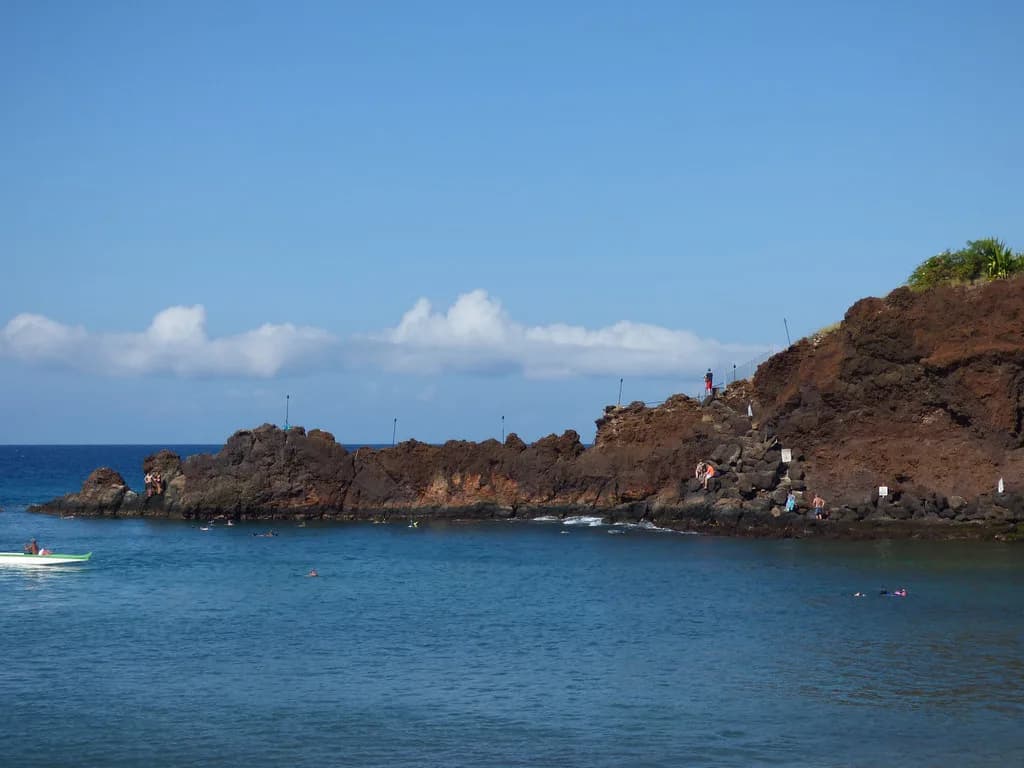
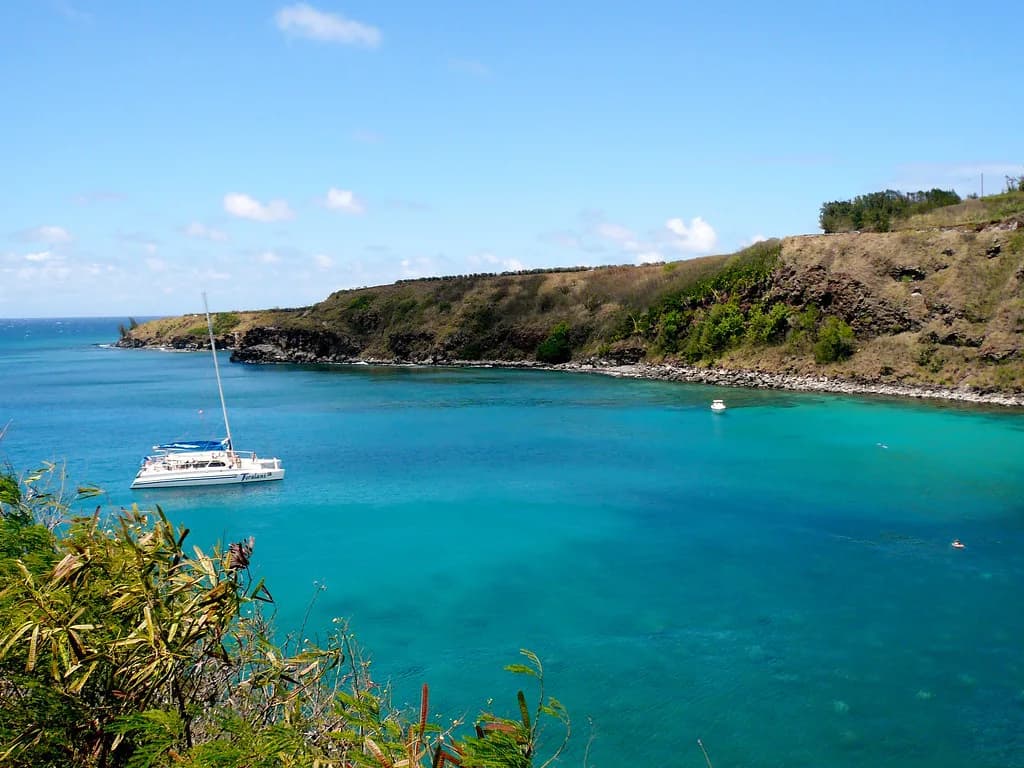
On the Maui side, Maluaka Beach at Turtle Town is the standard add-on and is reachable from shore, so you can see turtles without a boat. Honolua Bay on the northwest coast is another protected bay worth a shore snorkel when conditions allow, and Black Rock near Ka'anapali works for a late-afternoon swim. Pair one of these with your Lanai day rather than stacking two boat trips.
What to Bring
Bring a rash guard, reef-safe sunscreen, a towel and a dry bag for the crossing. Most boat trips include snorkel gear, but bring your own mask if you have one you trust. A light layer helps on the morning return when the wind picks up, and cash is useful for tips and any onboard extras.
Plan Your Lanai Snorkel Day
Pick Lanai if you want calmer water, fewer boats and a real chance of turtles and spinner dolphins, and you are willing to trade a longer day for it. Pick the ferry-and-shore version at Hulopoe if you want flexibility and a beach day, or a powerboat if you have young kids and a schedule to keep. Either way, book the morning window and confirm the forecast with your operator the day before.
Frequently Asked Questions
Which is better for snorkeling, Lanai or Molokini?
Lanai generally wins on marine life and crowds, with protected west-side reefs and good odds of turtles and spinner dolphins. Molokini wins on crater scenery and water clarity, and it is the shorter boat ride from Maalaea. If turtles matter more than the crater, book Lanai.
Can you take a boat from Maui to Lanai?
Yes, both a booked snorkel trip and the public ferry run from Lahaina Harbor across the Au'au Channel to Lanai. The ferry lands at Manele Harbor, a short walk from Hulopoe Bay. Boat trips take roughly 45 minutes to an hour.
Is Lanai snorkeling good for beginners and kids?
Yes. The west-side bays and Hulopoe are protected and calm, and crews brief you before you get in. For younger children, a shorter powerboat trip is easier than the full-day sailing version.
Can you snorkel Lanai without a tour?
You can take the ferry to Manele Harbor and walk to Hulopoe Bay, where the reef starts close to the sand. That route skips the boat-only sites and the dolphins but costs far less than a tour.
How long is a Lanai snorkel trip from Maui?
A powerboat day typically runs about five hours round trip, while a full sailing day stretches to roughly eight hours including meals and beach time.
Which month is best for snorkeling in Hawaii?
Hawaii snorkels year-round, but summer tends to bring calmer water on north-facing shores. Lanai's west side is sheltered from winter north swells, which makes it a reliable choice in the cooler months.
Sources
Snorkeling notes for your next trip
Optional updates to our snorkeling guides.
You might also like
Continue reading
More guides you'll find useful