Makena Landing Snorkeling: Maui Entry Points & Best Timing
Makena Landing snorkeling means a long swim along the lava point to Turtle Town. Here is the entry, the 200-300 yard route, timing, hazards and parking.
On this page
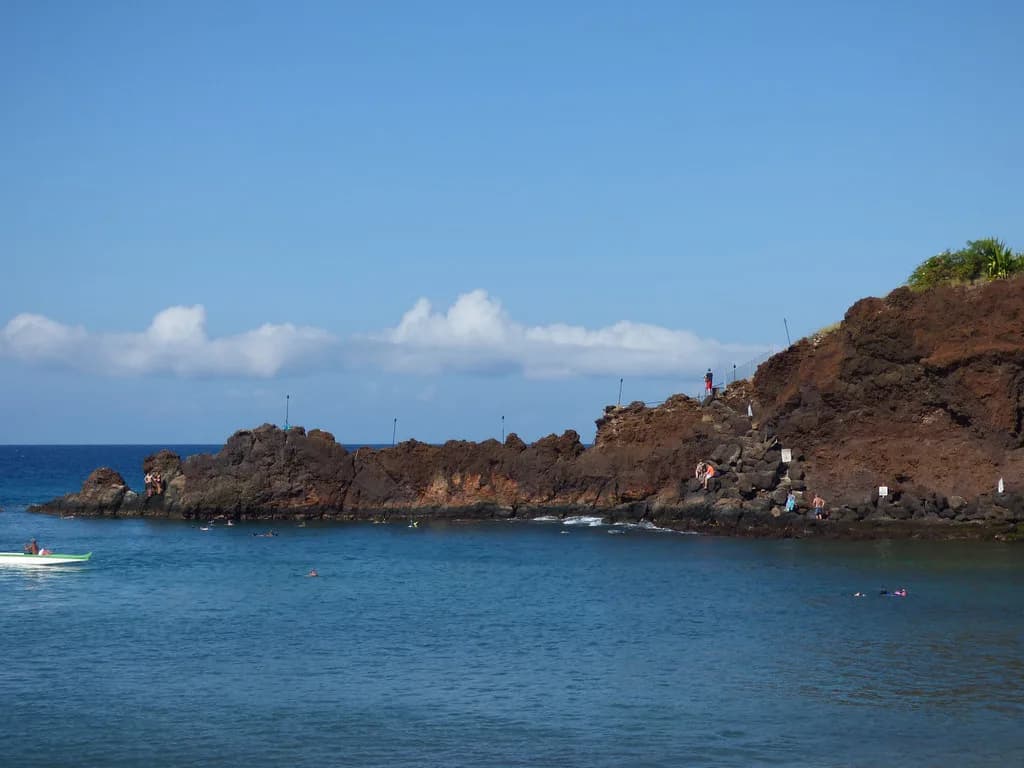
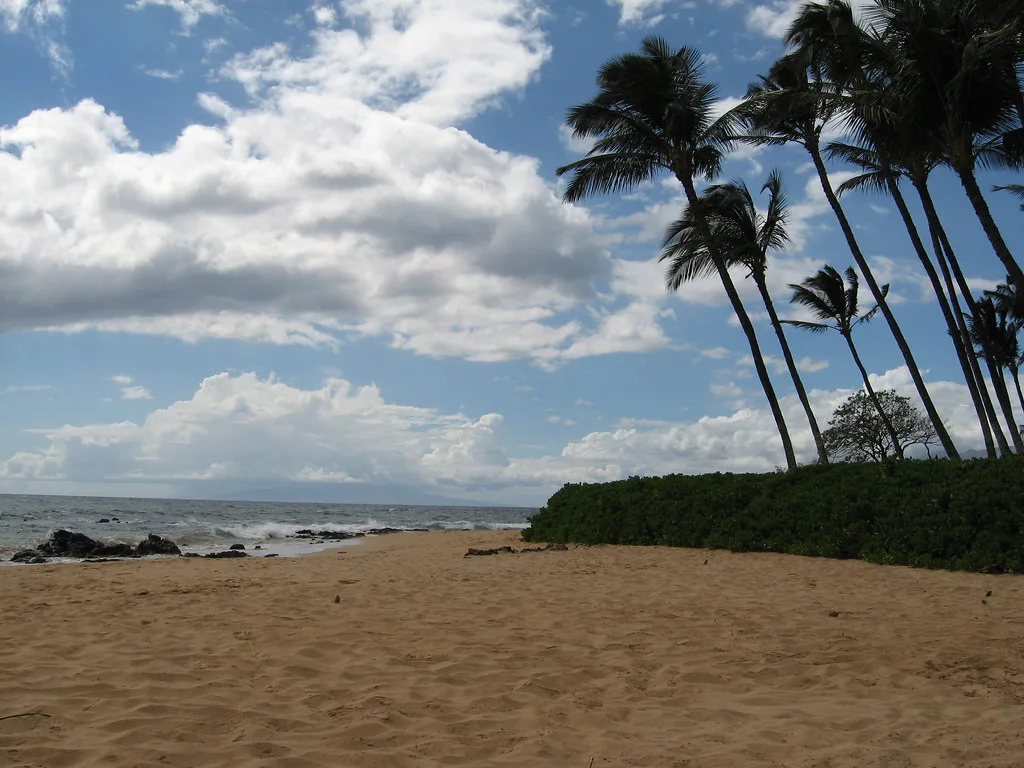
Makena Landing is the South Maui spot where you earn the reef: a small shoreline park with a sandy entry, a rocky point to the right, and Turtle Town a long swim beyond. It suits snorkelers with some open-water confidence and a buddy, not a first-timer's first dip. The reward is submerged lava fingers and arches that hold fish life and, when you are lucky, sea turtles.
The route matters more than the beach here. You enter from the sand, then follow the rocky outcropping on the right for at least 200-300 yards to reach the Turtle Town area, according to Auntie Snorkel. That distance, not difficulty, is what sets the skill level.
Where Makena Landing Is and How the Park Is Laid Out
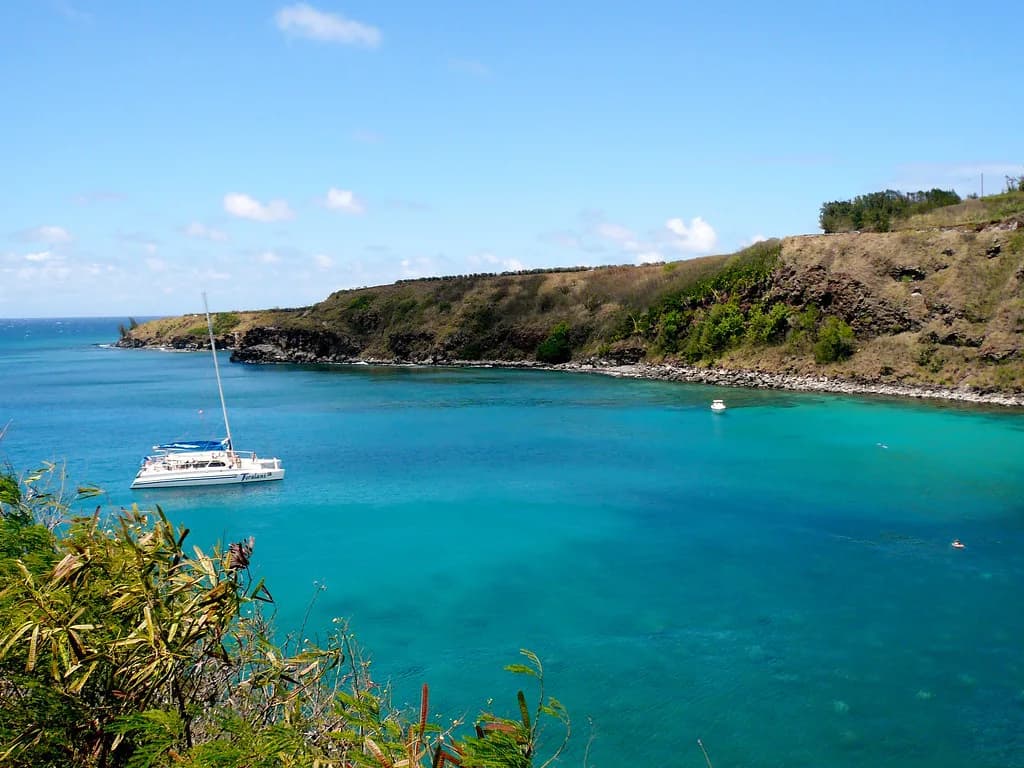
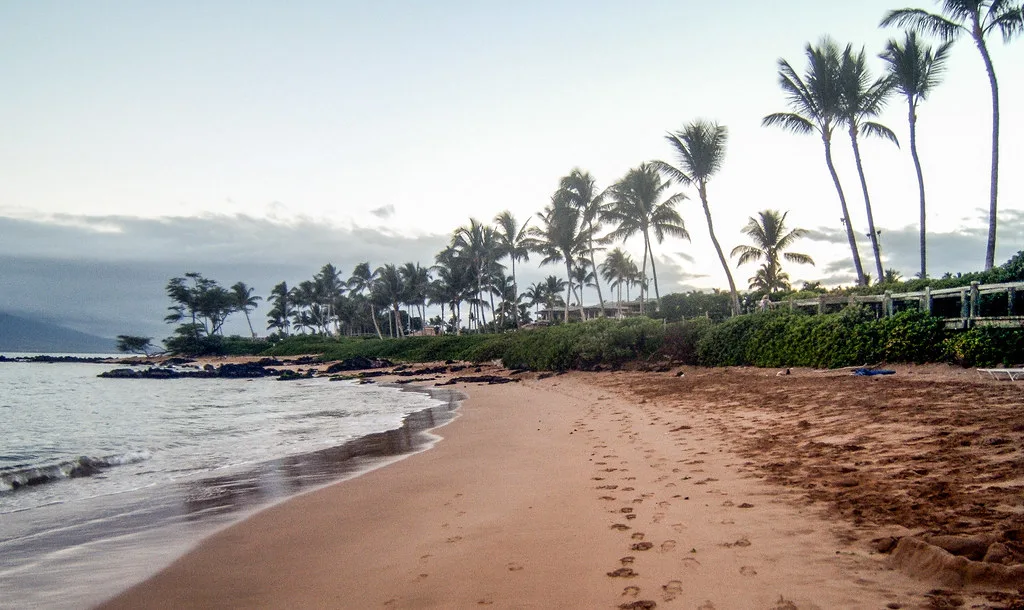
Makena Landing sits on Maui's far south shore, south of Kihei and Wailea, at the end of the road toward Makena. It is a small park rather than a long beach: a compact shoreline with a sandy entry point, a rocky outcropping to the right, and a parking area close to the water.
The layout is simple to read from the sand. The entry is the calm, shallow starting point; the rocky outcropping to the right is the line you follow outward; the water beyond is the Turtle Town area. Keep that line in view on the return so you exit at the same sandy point.
Getting In: Sandy Entry and the Rocky Outcropping to the Right
Enter at the sandy point, then swim out along the rocky outcropping on the right side of the entry. Auntie Snorkel describes the park as having easy shoreline access and a free lot close to the water, which makes the start straightforward even for a longer swim.
The entry is sand, but the swim itself is not a sand-bottom paddle. The outcropping marks where the reef and lava terrain begin; keep a little distance from the rock to avoid surge washing you into it, and use the rocky line as a route marker rather than something to grab.
The Swim Out: 200-300 Yards Along the Lava Fingers
Expect a longer swim than at a beach reef. Auntie Snorkel puts the distance to the Turtle Town areas at a minimum of roughly 200-300 yards out from the entry, following the rocky outcropping to the right. That is a real open-water swim, not a 30-yard paddle from the sand.
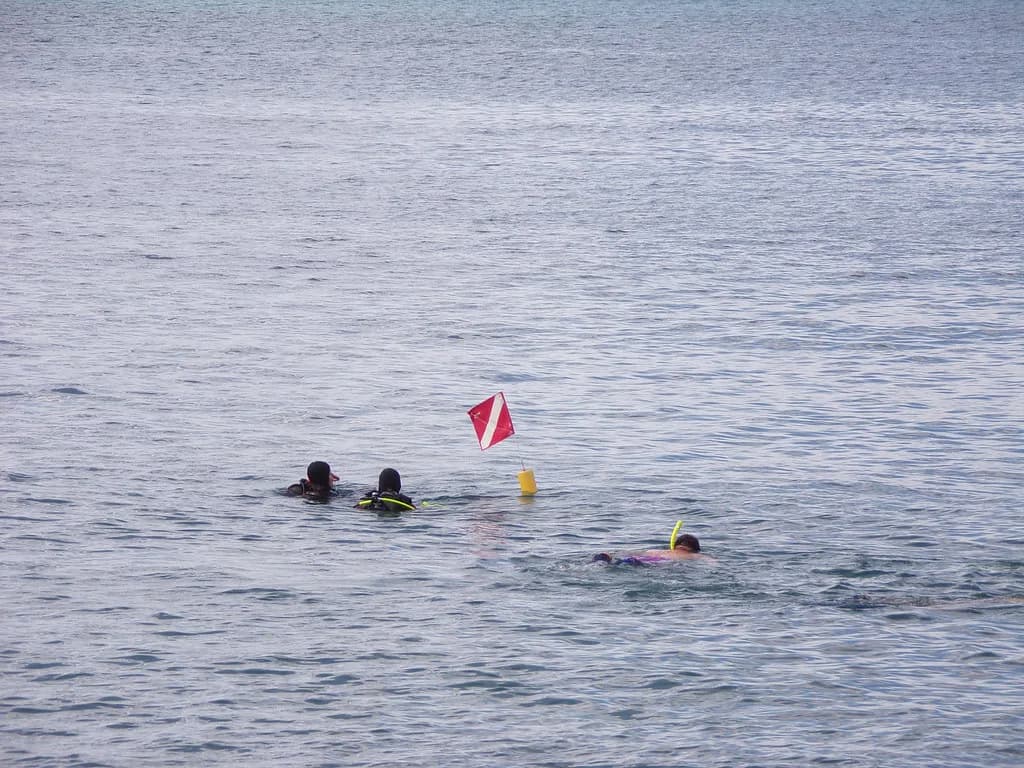
Plan the swim as an out-and-back with a floatation device, which Auntie Snorkel recommends even for strong swimmers on this route so you can rest and stay out longer. Swim with a buddy, keep the shore and the rocky line in sight, and turn around with enough energy left for the return.
What You Will See: Lava Arches, Reef Fish and Turtles
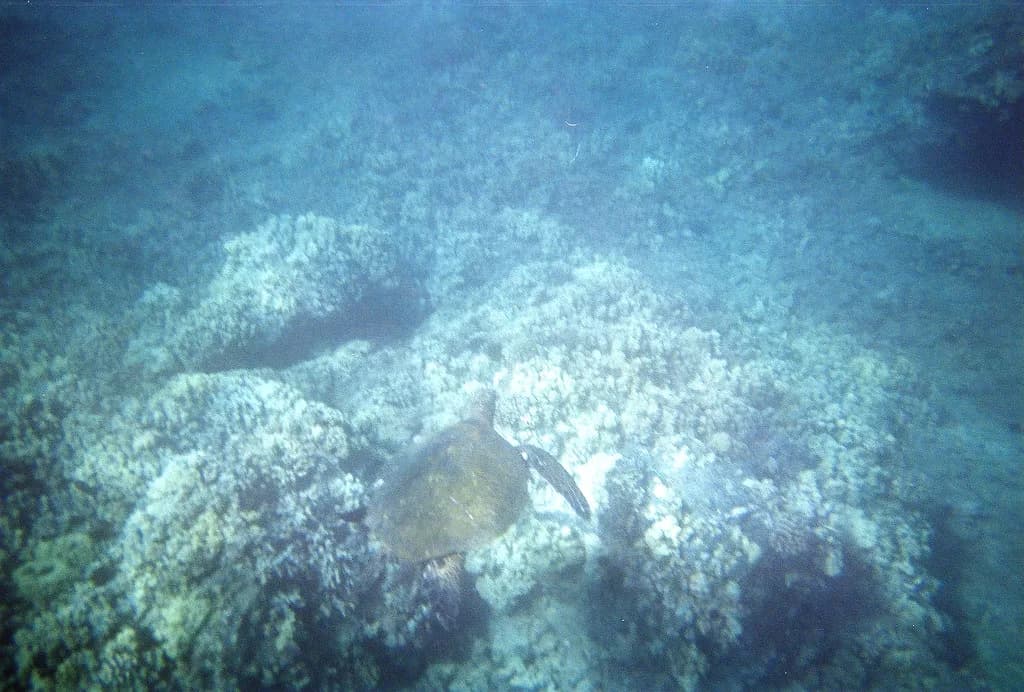
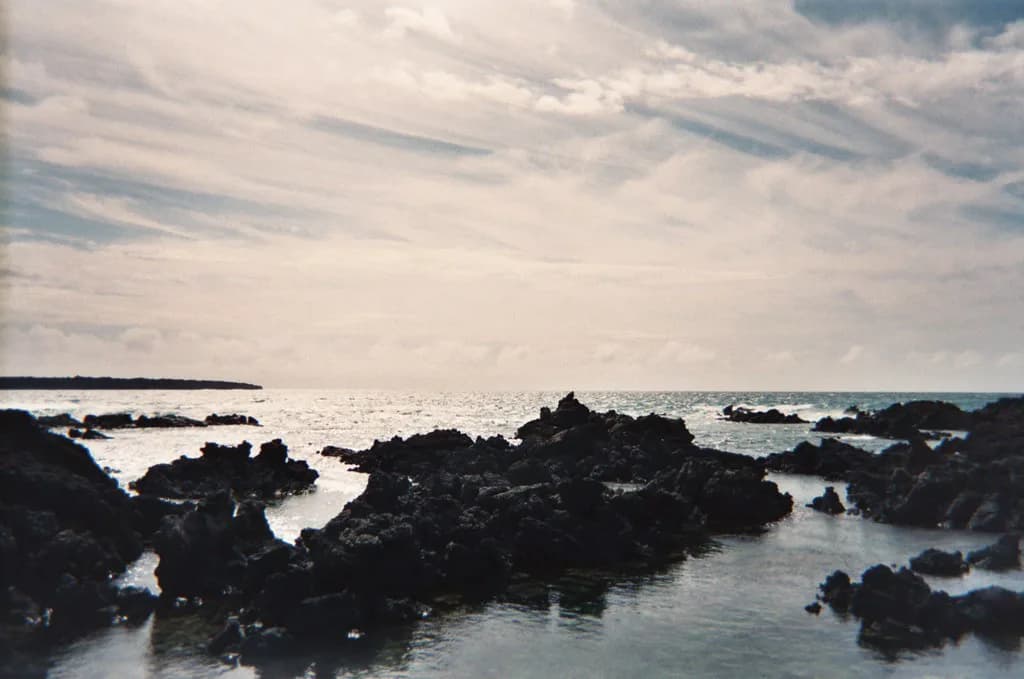
The draw at Turtle Town is the underwater terrain: a collection of lava fingers and arches extending from the coast that now serve as habitat for a wide range of marine species. That structure is what makes the swim worthwhile, with fish life concentrated around the rock rather than over bare sand.
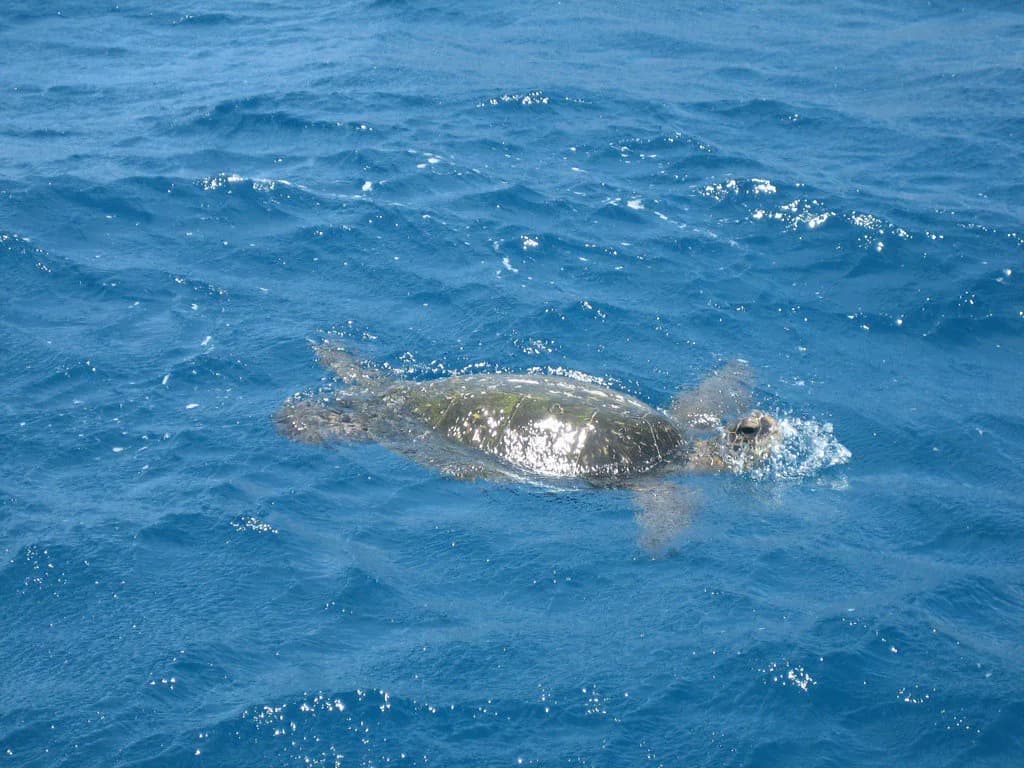
Around the coral and lava formations, expect a mix of reef fish such as tangs, butterflyfish and wrasses. Sea turtles are possible in the area but not guaranteed; treat any turtle as a viewing subject at a distance and never touch, feed, chase or block one from surfacing.
Maluaka Beach, just south of Makena Landing, is also nicknamed Turtle Town, and its shallow reef extends 50-100 yards offshore according to Luxe Maui Properties. If turtles are the goal and the long swim is not, that shorter reef is the more forgiving option.
Depth, Visibility and How the Terrain Changes
The terrain changes from shallow sand at the entry to lava rock and reef structure farther out. Near the entry, beginners can find some fun things to explore close to shore, but the more spectacular sights are farther out, according to Auntie Snorkel. Visibility and depth vary with conditions, so read the water on the day rather than expecting a fixed view.
Because the reef follows the rocky outcropping, your route is linear rather than a circular tour. Follow the structure out, explore the arches and fingers, then retrace the same line back. That makes navigation simple and keeps you from drifting past the entry.
Skill Level: An Intermediate Spot, Not a First-Timer Beach
Auntie Snorkel classifies Makena Landing as an intermediate spot, specifically because the best snorkeling requires a longer swim to reach. Beginners can play close to shore, but the Turtle Town terrain that gives the spot its reputation sits well beyond the entry.
If you are new to snorkeling, start at Maluaka Beach instead: a long, sandy, family-friendly beach with gentle sandy water access, generally calm and clear water close to shore, and a short walk from the free parking lot. Move up to Makena Landing once a 200-300 yard swim with a floatation device feels comfortable.
Best Time to Go: Ahead of the Boat Tours
The Turtle Town area gets crowded with boat-tour visitors after around 9:30 a.m., according to Auntie Snorkel, so an early start is the practical way to have the reef more to yourself. Arriving at the landing and being in the water before that window also matches calmer morning conditions.
Boat traffic is part of the equation, not just crowds. Tour boats run snorkelers to Molokini Crater and Turtle Town from the Kihei Boat Ramp at 2800 S Kihei Rd, and Makena Coast Charters lists 6 a.m. to 9 p.m. daily as its office hours. Surfacing deliberately, keeping a hand or fin visible, and avoiding the middle of the channel between the entry and the reef are sensible habits in shared water.
Sea State and Swell Before You Commit
Makena Landing faces the open ocean on Maui's south shore, so a calm day looks like flat water at the sandy entry with no surge pushing through the rocks. If the entry is washing up the sand or whitewater is breaking on the outcropping, the long swim out is not the day's plan.
Use the National Weather Service forecast and Maui's surf advisories to judge the day, and pick a morning with light wind and a small swell. On bigger days, Maluaka Beach's generally calm, shallow water close to shore is the better fallback.
Hazards: Distance, Surge and Shared Water
The main hazards are the length of the swim, surge around the lava rock, and boat traffic in the Turtle Town area. Auntie Snorkel notes that Makena Landing's more spectacular sights are farther out and recommends a floatation device even for strong swimmers. Plan as a self-reliant pair or group.
Do not swim into the rocky outcropping when surge is running; give the rock a margin and cross open water instead. If you feel the current pushing you along the point, angle back toward the sandy entry early rather than continuing the route.
Parking and Facilities at the Landing
Parking at Makena Landing is in a free lot close to the shoreline, according to Auntie Snorkel, which keeps the walk to the entry short. The same source describes the park as small with good facilities, making it a practical base for a longer swim.
Arrive early for both the parking and the water. The lot is compact, and the pre-9:30 a.m. window is when the reef is quietest. Bring water and sun protection; a morning swim of 200-300 yards each way takes longer than a beach paddle.
Rules and Wildlife Distance
Turtle Town sits in Maui's nearshore reef, and Hawaiian sea turtles are protected. Keep a respectful distance, never touch, feed or chase them, and give a surfacing turtle room to breathe. Do not stand on or hold coral, and use reef-safe sunscreen.
Ahihi Bay to the south, part of the Ahihi-Kinau Natural Area Reserve, is a marine preserve where the rules are stricter and the entry is rockier. If you plan to combine spots, read the reserve rules before you go and treat the reserve's no-take protections as the standard for the whole south shore.
Renting Gear Before You Drive South from Kihei
Auntie Snorkel's South Maui shop at 2439 S Kihei Rd serves Kihei, Wailea and Makena and rents snorkel gear, fins, life jackets and float belts. Picking up gear on the way south means you arrive at the landing ready for the longer swim rather than detouring after parking.
A floatation device is part of the kit for this route, not an optional extra, given the 200-300 yard swim. Confirm rental availability and pickup hours with the shop when you book, and test the mask fit before you leave the store.
Combining Makena Landing with Maluaka Beach and Ahihi Bay
South Maui stacks three snorkel spots within a short drive, sorted by skill level. Maluaka Beach is the beginner option with sandy access and a shallow reef 50-100 yards out; Makena Landing is the intermediate long swim to Turtle Town; Ahihi Bay is the advanced option with a paid lot and a rocky, slippery entry at the fish sign at the south end of the bay, per Auntie Snorkel. If you are comparing islands, snorkeling in Big Island follows a similar shore-vs-boat logic.
A sensible day pairs an early Makena Landing swim with a later, easier session at Maluaka Beach, or saves Ahihi Bay for confident open-water swimmers. If you want a completely different Maui reef, Honolua Bay on the west side is a marine reserve with its own entry and rules, worth a separate day rather than a same-day add-on.
Boat-Tour Alternative: Molokini Crater and Turtle Town Charters
If the 200-300 yard swim is not appealing, the boat-tour version reaches Turtle Town and Molokini Crater without the open-water transit. Makena Coast Charters runs a three-hour Molokini Crater plus Turtle Town snorkel tour from the Kihei Boat Ramp, with posted pricing starting at $159 per person and free cancellation with 24-hour notice (48 hours for groups of 5+).
The trade-off is cost and schedule versus shore access: a charter handles the distance and boat traffic, but you share the site with other tours and follow the captain's timing. Shore snorkelers at Makena Landing control their own schedule and pay only for parking and gear. Either way, check current prices and departure times with Makena Coast Charters or Auntie Snorkel before you commit.
What to Bring for a Longer Swim
Pack for distance: a well-fitted mask and snorkel, fins for the 200-300 yard transit, a floatation device, and a rash guard or wetsuit top for time in the water. A waterproof watch or timer helps you track the swim out and the return.
Add water, sun protection, a towel and a dry bag for the walk back to the free lot. Leave valuables at home or locked out of sight, and carry out everything you bring to the small park.
Plan Your Visit
Makena Landing rewards snorkelers who can handle a 200-300 yard open-water swim along the rocky outcropping to Turtle Town. Enter at the sand, follow the rock line out, explore the lava fingers and arches, and turn back with energy in reserve.
Start before the boat tours arrive around 9:30 a.m., pick a calm morning, and carry a floatation device. Beginners should build confidence at Maluaka Beach first, and strong swimmers can add Ahihi Bay as the advanced option on another day.
Frequently Asked Questions
How far do you swim from Makena Landing to Turtle Town?
The swim is at least 200-300 yards out from the entry, following the rocky outcropping to the right, according to Auntie Snorkel. That is a genuine open-water transit, not a short paddle from the sand, so plan for the return leg as well.
Is Makena Landing good for beginner snorkelers?
It is an intermediate spot because the best snorkeling requires the longer swim. Beginners can explore close to shore, but Maluaka Beach, with its sandy entry and shallow reef close in, is the better first-timer choice in South Maui.
What will I see snorkeling at Makena Landing?
Expect lava fingers and arches that serve as reef habitat, with tangs, butterflyfish, wrasses and occasionally moray eels around the coral and rock. Sea turtles are possible in the Turtle Town area but not guaranteed; view them from a distance and never touch or chase them.
What time should I snorkel Makena Landing to avoid the boat tours?
Auntie Snorkel notes that Turtle Town gets crowded with boat-tour visitors after around 9:30 a.m., so an early start before that window is the practical way to have the reef quieter. Morning conditions also tend to be calmer.
Is there parking at Makena Landing?
Yes. Auntie Snorkel describes a free lot close to the shoreline, which keeps the walk to the sandy entry short. The park is small, so arriving early helps with both parking and the pre-9:30 a.m. window.
Which is better for snorkeling, Makena Landing or Maluaka Beach?
It depends on your comfort in open water. Makena Landing is the longer, more rewarding swim to Turtle Town's lava terrain, while Maluaka Beach offers sandy access and a shallow reef closer to shore, making it the easier beginner option.
Can you snorkel Turtle Town without a boat tour?
Yes. Shore snorkelers reach the Turtle Town area from Makena Landing by following the rocky outcropping to the right for at least 200-300 yards. A boat charter is the alternative if you would rather skip the long swim or the boat traffic.
Sources
Snorkeling notes for your next trip
Optional updates to our snorkeling guides.
You might also like
Continue reading
More guides you'll find useful