Mala Wharf Snorkeling, Maui: Entry, Turtles and Boat Traffic
Mala Wharf snorkeling in Lahaina rewards confident swimmers with turtles and reef fish, but rocky entry and active boat traffic shape the plan.
On this page
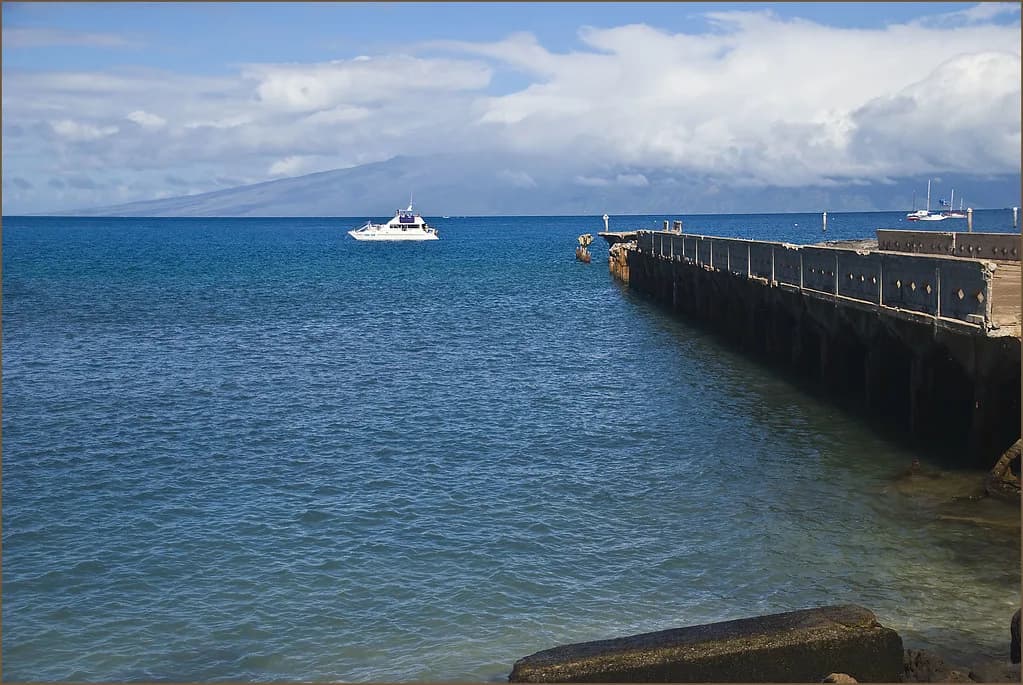
Mala Wharf rewards snorkelers who are comfortable in open water with something shore reef rarely offers: heavy structure in the water, and the marine life that gathers around it. Turtles and fish work the pilings and submerged wreckage, and the wharf is the one Lahaina-side snorkel spot on the West Maui list that sits right in town. It suits strong swimmers who can handle a rocky entry and a working pier; families with young kids will have a better day at a protected sandy bay.
Where Mala Wharf Is in Lahaina
Mala Wharf sits at the north end of Lahaina town, a short drive from Front Street and within easy reach of the Ka'anapali resort strip. It is the only spot on West Maui's Lahaina-side snorkel list that is actually in Lahaina — everything else on that list is a drive north to Kapalua and Honolua or south to Olowalu. That makes it the most convenient option if you are staying in town and want a swim without a long drive.
Getting in: Two Shore Entries, Both Rocky
There are two ways into the water, and neither is a sandy walk-in. The south side of the wharf gives you a rocky, shallow approach that demands careful footing before you reach swimmable water; entering just off the pier is the alternative, but it puts you beside an active pier where boats come and go. Both entries favor booties, a hand on the rocks and a buddy watching the boat lane.
Because the entry is the hard part, plan your exit before you get in: note where you entered, pick a landmark on shore, and keep the swim close to the structure rather than wandering. Snorkelers who are uneasy on uneven rock, or who need a standing-depth entry, should choose a bay with sand instead.
How Far the Reef Is and the Swim to the Wharf Tip
The good structure is out along the wharf, and the swim from shore is long enough that it counts as a workout rather than a wade. Boats regularly stop here precisely because the snorkeling out at the wharf is so good, which tells you the payoff sits away from the beach. If you cannot comfortably swim that distance and back with energy left, book a boat-based trip instead of attempting the shore swim.
What You Will See Around the Pilings
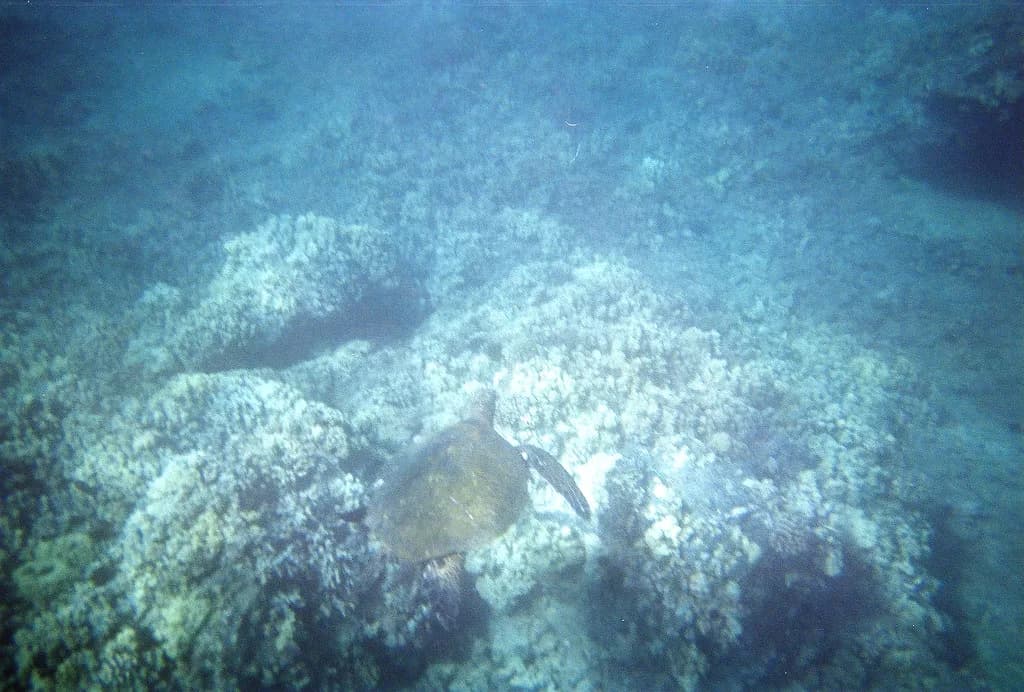
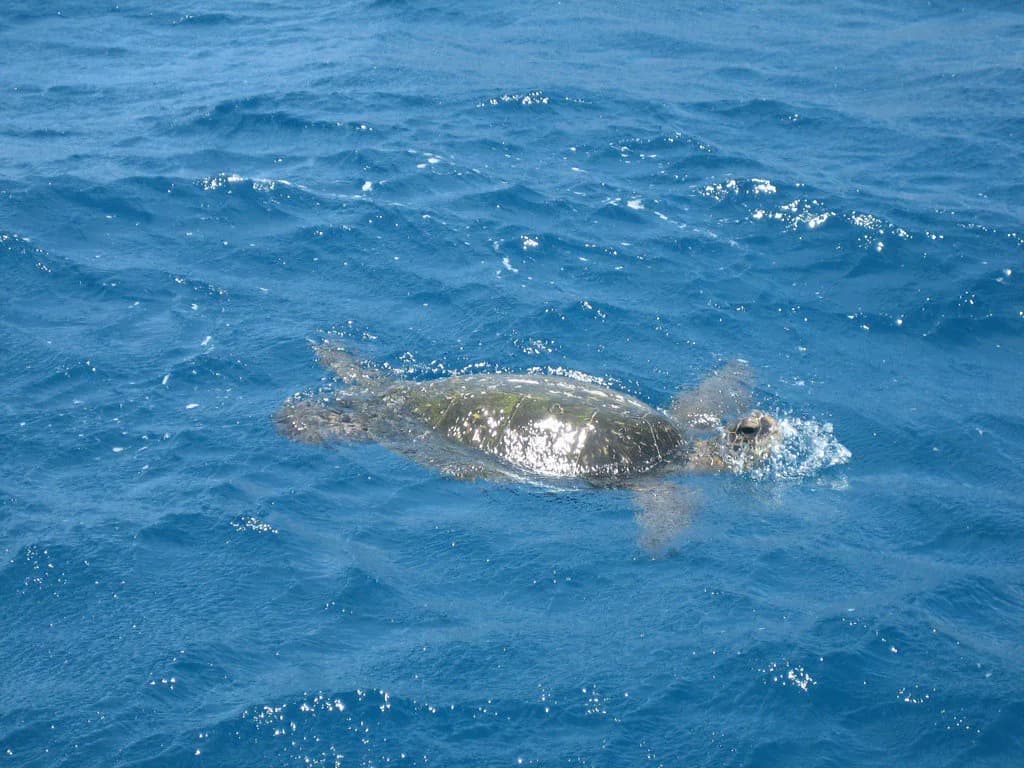
Mala Wharf is known for sea turtles and whitetip reef sharks, along with the usual reef fish that cluster around structure. The pilings and wreckage act as a fish magnet, so you can hover in one place and let the animals come to you rather than chasing them down the reef. Keep your distance, stay still near the bottom, and let the wharf do the work. Green sea turtles are protected, and viewing from a respectful distance is the standard here.
Skill Level: Not a Beginner Entry
Treat Mala Wharf as an intermediate-to-advanced shore snorkel. The combination of a rocky, shallow entry, a long swim and active boat traffic at the pier rules it out for young children and first-timers. Strong swimmers who are comfortable in deeper water and used to sharing the ocean with boats will get the most out of it.
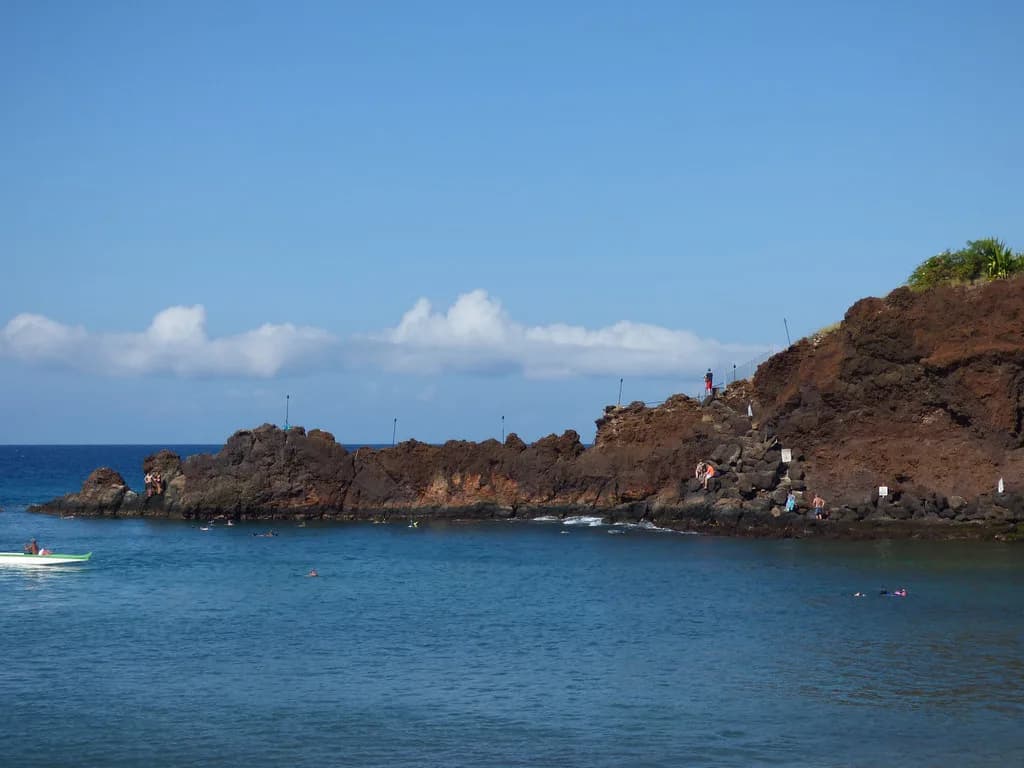
If you want the same West Maui marine life with an easier entry, Kapalua Bay and Black Rock offer protected, sand-friendly swims, and Kahekili Beach pairs a reef with restrooms and showers. Those three make a sensible warm-up day before you take on Mala Wharf. If you are island-hopping and want the same shore-versus-boat trade-off elsewhere, see this guide to snorkeling in Big Island for how its spots compare.
Best Time of Day and Swell Direction
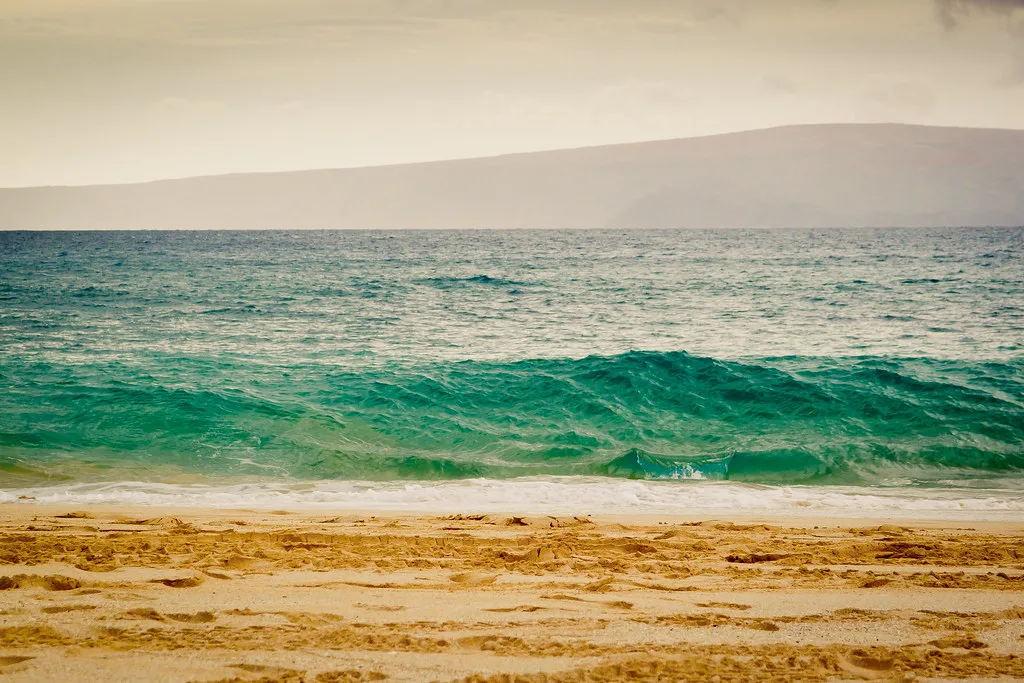
Aim for calm mornings before the trade winds and boat traffic build. West Maui's Lahaina-side bays, including Honolua, are generally calmest in summer, when the north swell backs off; on days with big waves or murk, skip the wharf swim. Check the day's surf and wind forecast through the National Weather Service before you commit.
Hazards: Rocks, Shallows and a Working Pier
The wharf is an active pier, so boats arrive and depart while you are in the water. The source warns that swimming out to the tip involves significant boat traffic, and that is the single biggest planning factor here. Stay close to the structure, keep your head up on the surface, and avoid the boat lane entirely.
Shallow rocks near the entry can be slippery and hard on ankles, and the surge against the wharf can push you around. Snorkel with a buddy, stay within sight of shore, and turn back early if the water turns murky or the wind picks up. A surface marker or bright snorkel helps boats see you.
Turtle and Wildlife Viewing Rules
Green sea turtles are protected in Hawaii, and snorkelers should keep at least 10 feet away in the water so the animals are not disturbed. Do not touch, feed or chase turtles, and give them room to surface for air. Spinner dolphins are sometimes seen offshore, but they are best watched from a boat with a licensed operator rather than pursued from shore.
Parking and Facilities Around Lahaina
Mala Wharf is a working pier, not a beach park, so do not count on showers, restrooms or a sandy spot to lay out a towel. For a full-amenity day, Kahekili Beach has bathrooms, showers and picnic tables along with its reef, which makes it the better base if you have non-snorkelers in the group.
Guided and Boat Trips to the Wharf
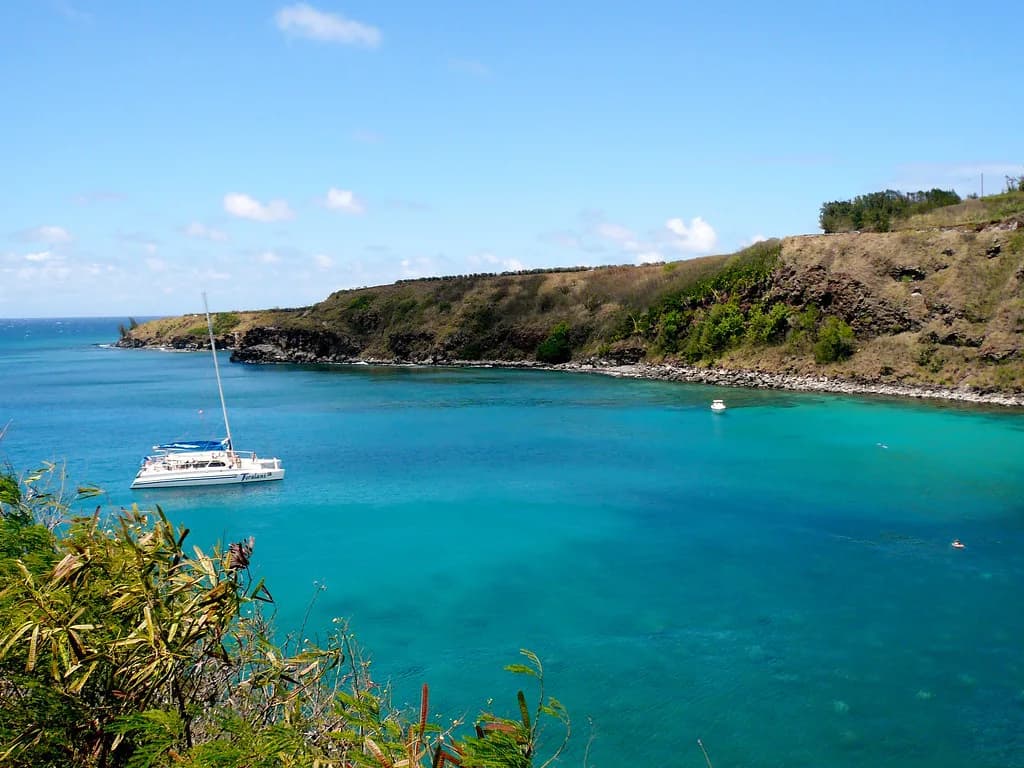
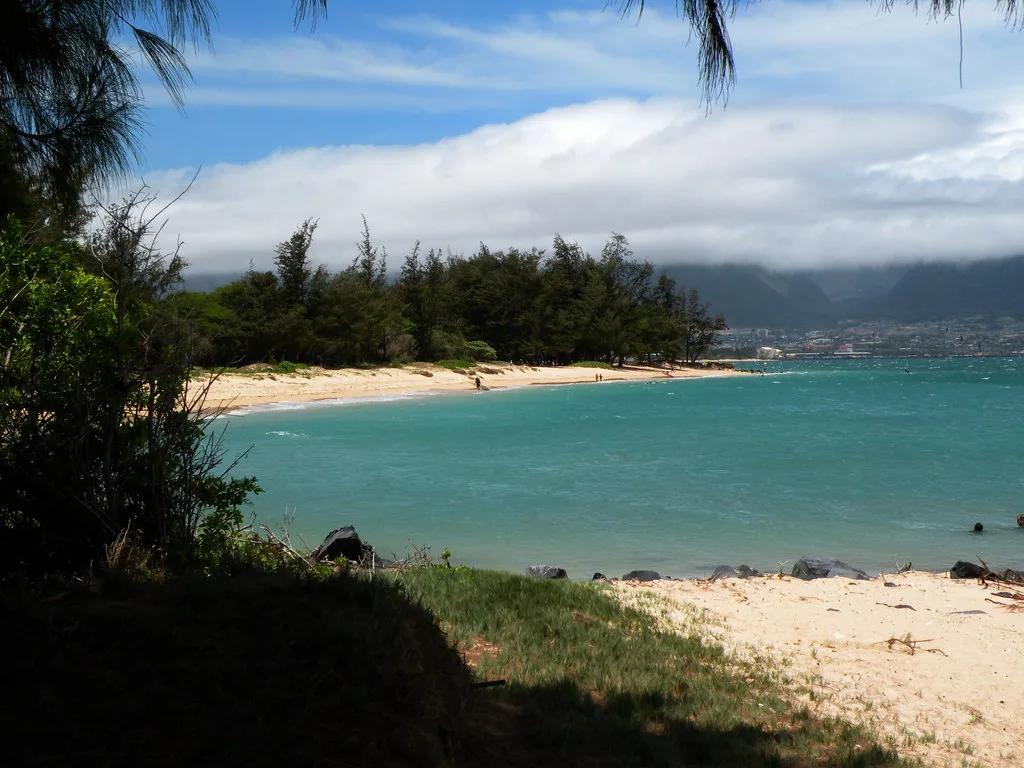
Several operators run guided snorkel trips that include Mala Wharf, which is the smart choice if you want the reef without managing the rocky entry and boat lane yourself. Small-group sea-scooter tours depart for the wharf, and Lahaina-based boat trips also combine it with other West Maui sites. Book ahead in peak season, and ask the tour company directly about entry method, group size and whether equipment is included.
For contrast, a Molokini Crater trip offers a completely different day — a crater in open water rather than a shore reef beside a pier — and is a good add-on if you have several snorkel days on Maui.
Nearby Spots to Combine
Pair Mala Wharf with spots that suit different skill levels on the same trip. Kahekili Beach, five miles north, has easier parking and a gentler reef; Black Rock offers convenient access from the Ka'anapali resorts with turtles right off the cliff; and Olowalu, six miles south, holds one of the oldest reefs in the islands, though its best coral requires a long swim or a kayak tour.
What to Bring for a Rocky-Entry Reef Swim
Pack reef-safe sunscreen, booties or sturdy sandals for the rocks, and a mask that fits well enough to keep water out on the long swim. A rash guard adds warmth and sun protection, and a float or surface marker helps boats spot you near the pier. Leave valuables at the hotel and carry water for the walk back.
Plan Your Mala Wharf Snorkel Day
Mala Wharf is the right call for confident swimmers who want turtles, reef fish and heavy structure close to Lahaina, and the wrong call for beginners and young families. Go early on a calm morning, plan the rocky entry and exit, and keep well clear of the boat lane.
If you want a guide or a boat drop, book a small-group trip; if you want sand and showers, head to Kahekili Beach instead. For the wider picture of West Maui snorkel sites and how they compare, use the full Maui guide to build your day.
Frequently Asked Questions
Is Mala Wharf good for snorkeling?
Yes, it is one of West Maui's best shore snorkel sites for confident swimmers, thanks to turtles, whitetip reef sharks and reef fish around the wharf structure. The trade-off is a rocky entry and a long swim out.
Can you snorkel at Mala Wharf from shore?
You can enter from shore on the south side of the wharf or just off the pier, but both entries involve rocks and shallow water, and the pier is active with boats. A buddy and careful footing are essential.
What can you see snorkeling at Mala Wharf?
Expect green sea turtles, whitetip reef sharks and reef fish around the pilings and wreckage. Keep your distance and never touch or chase the animals.
Is Mala Wharf snorkeling good for beginners?
No. The rocky entry, long swim to the wharf and active boat traffic make it better suited to intermediate or advanced snorkelers. Beginners should start at protected sandy bays like Kapalua or Black Rock.
When is the best time to snorkel at Mala Wharf?
Calm mornings are best, before wind and boat traffic build. West Maui bays are generally calmest in summer, and you should skip the swim on days with big waves or murky water. Check the National Weather Service surf forecast.
Are there snorkel tours to Mala Wharf?
Yes. Small-group guided trips and sea-scooter tours include the wharf, and boat-based Lahaina snorkel trips may also stop there. Ask about entry method, group size and equipment.
What other Maui snorkel spots are near Mala Wharf?
Kahekili Beach, Black Rock and Olowalu are all within a short drive. Kahekili has the easiest amenities, Black Rock has convenient resort access, and Olowalu holds one of the islands' oldest reefs.
What should you bring to snorkel Mala Wharf?
Booties for the rocks, reef-safe sunscreen, a well-fitting mask, a rash guard and water. A surface marker helps boats see you near the pier.
Sources
Snorkeling notes for your next trip
Optional updates to our snorkeling guides.
You might also like
Continue reading
More guides you'll find useful