Maluaka Beach Snorkeling: Turtle Town Entry, Reef and Tips
Maluaka Beach in Makena is Maui's shore-access Turtle Town. Learn where the reef starts, how deep it runs, the best morning window and the 10-foot turtle rule.
On this page
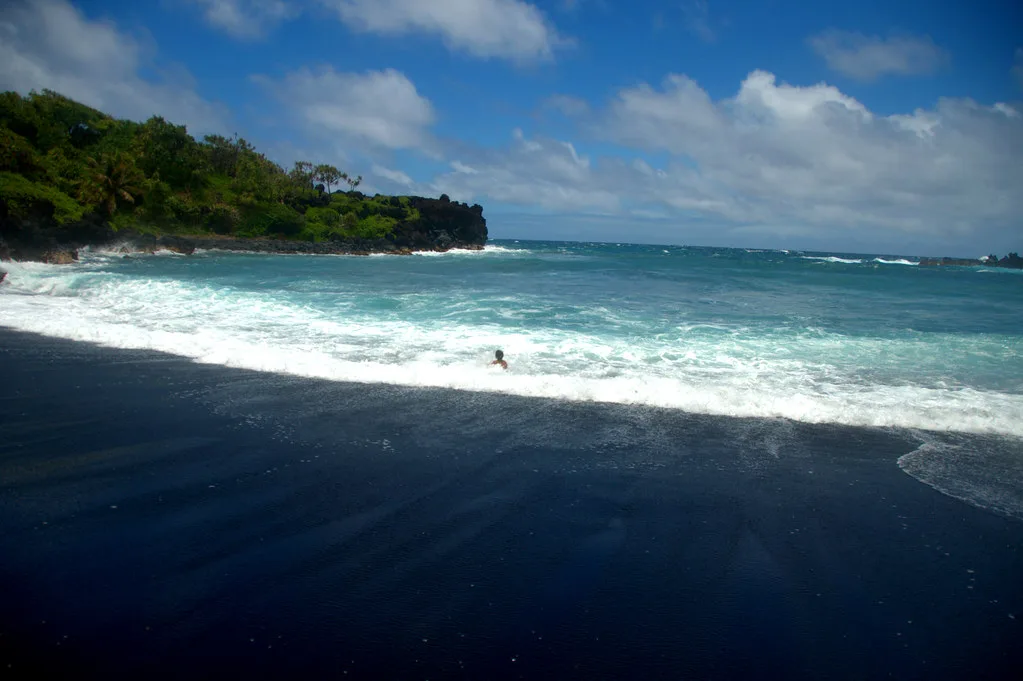
Maluaka Beach earns its nickname, Turtle Town, because Hawaiian green sea turtles feed on the algae-covered rock and coral just past the sand. The payoff for snorkelers is unusual: a soft, gradual entry that suits beginners and kids, with the main reef only a short swim from shore. Strong swimmers get a longer reef line to follow, and nobody needs a boat to reach it.
The beach sits at the end of Makena Road in South Maui, a few minutes south of Wailea and Kihei. That makes it an easy half-day add-on to a South Maui itinerary rather than a full expedition. Plan the swim for the morning and the rest of the day falls into place.
Why Maluaka Beach Is Worth the Swim
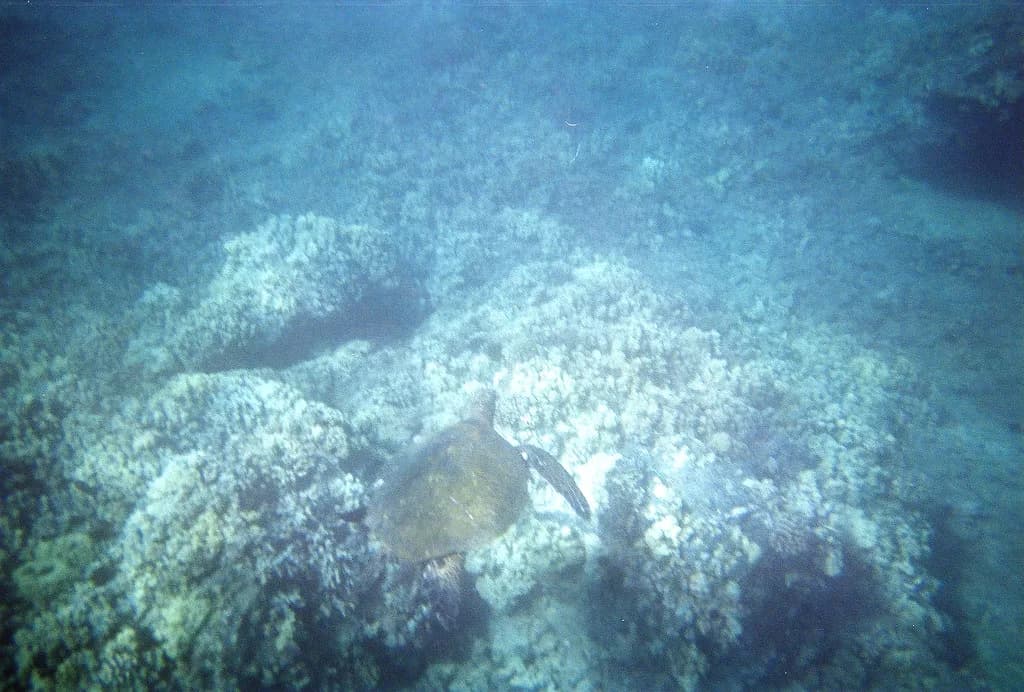
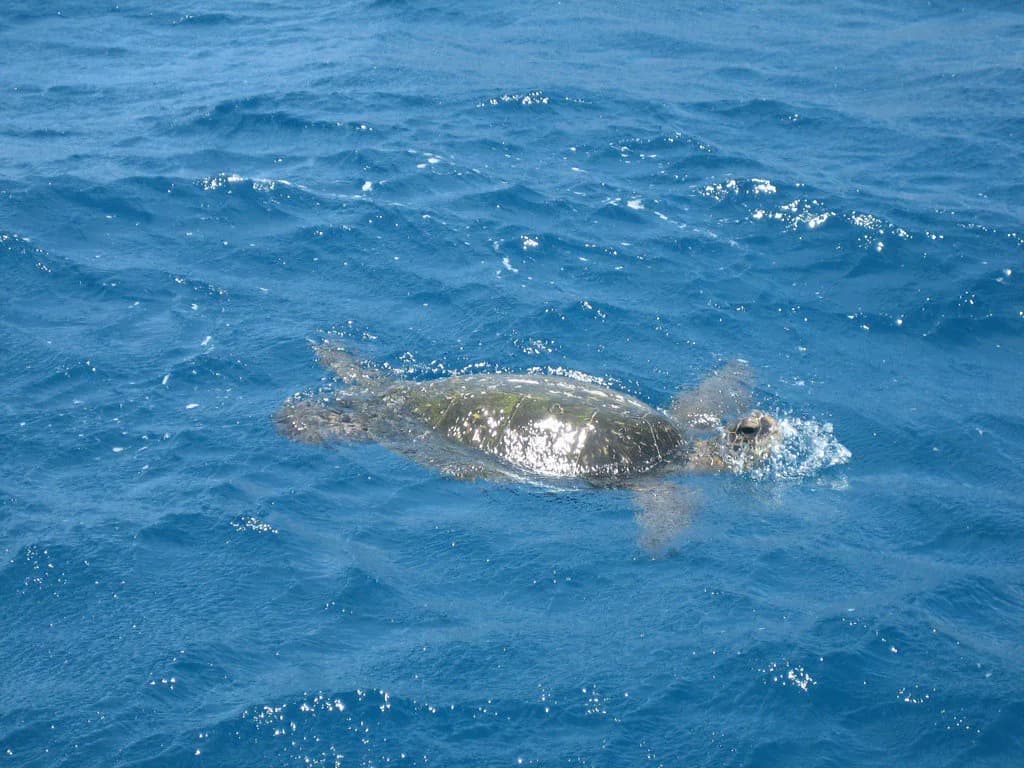
The draw is honu at close range in calm, protected water. Green sea turtles gather here year-round to graze on limu, the seaweed growing on the reef, and they often feed in surprisingly shallow water. Look near the rocks rather than straight out into the blue, and keep your fins still so you do not spook them.
Beyond turtles, the reef holds the standard Hawaiian cast: butterflyfish, parrotfish, tangs, wrasse and the humuhumunukunukuapuaʻa, the state fish. Watch for octopus tucked into crevices and moray eels peeking from dens. Eagle rays cruise past on some days, and spinner dolphins and humpback whales show up offshore in season, though neither is a snorkeling certainty.
The beach itself is quieter than the big Wailea resort strips, with a sandy bottom and an accessible reef. Beginners and families with confident-swimming kids fit here best. Weak swimmers should bring a flotation vest or noodle and stay inside the calmer sand entry rather than pushing along the rocky edge.
Where Maluaka Beach Is
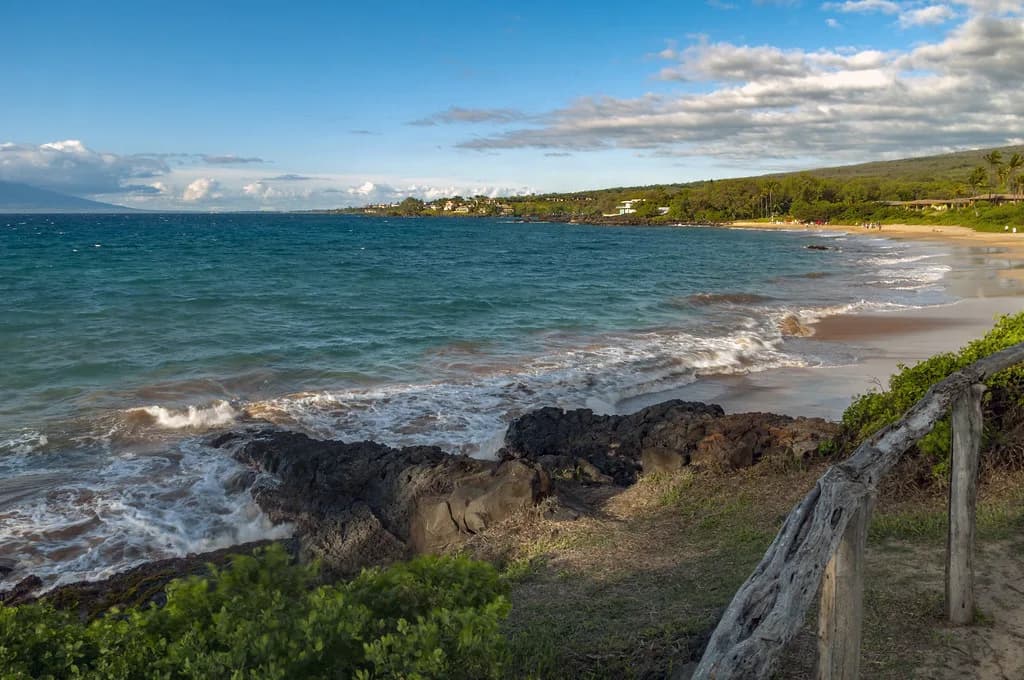
Maluaka Beach lies in Makena, at the southern end of South Maui, roughly 20 minutes south of Wailea. From Wailea Alanui Drive the road becomes Makena Alanui Drive; turn right on Honoiki Street, follow it to the end and turn left onto Makena Road for the north lot. For the south end, continue past the Makena Beach Resort and turn right onto Makena Road again.
The beach sits between Nahuna Point and Black Sand Beach, and Haleakala shelters the coastline from the prevailing trade winds. That geography is why the water here often stays calmer than exposed west-facing beaches. It also makes the spot a reliable fallback when wind is forecast to build elsewhere on the island.
Getting In
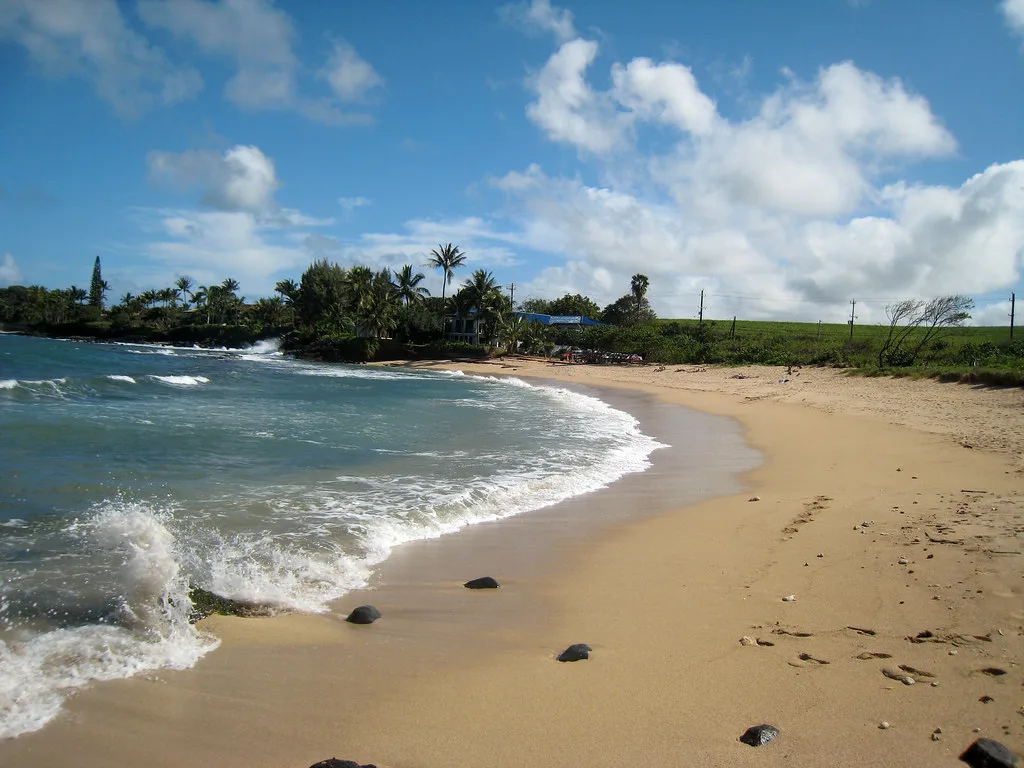
Entry is from the sand, and the bottom slopes gradually, so you can wade in and put your mask on in waist-deep water. That easy entry is the main reason Maluaka works for first-timers. Enter from the middle of the beach, then angle toward the southern end as you swim.
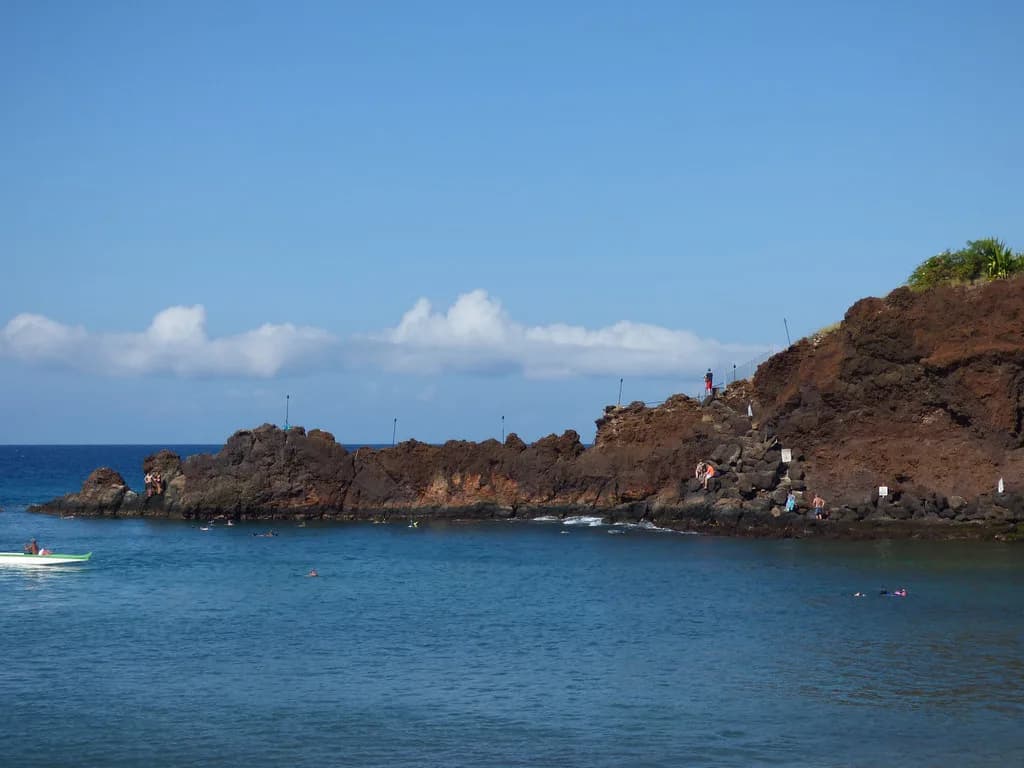
Walk south along the sand until you reach the rocky outcroppings at the end of the beach. That is where the coral reef begins. Enter the water there only if the surge looks manageable; otherwise swim out from the sand and follow the reef line south to meet it.
The Reef: Depth and Layout
The reef runs parallel to the coastline, so the natural route is to swim out a short distance, turn south and follow the coral along the shore. Water over the reef reaches roughly 15 feet in places, deep enough that you will be floating rather than standing. Stay on the surface and look down instead of trying to touch bottom.
Turtles cluster where the reef meets sand and around coral heads where cleaner fish work. Scan the shallow margins first, since a resting turtle can look exactly like a rock until it lifts its head. Keep a steady pace along the reef line and work back the same way rather than cutting across open water.
What You Will See
Honu are the headline. Green sea turtles graze the algae-covered reef in shallow water, often within easy viewing distance of the entry. They can be large, so give them room and let them move on their own. Other regulars include butterflyfish, parrotfish leaving trails of sand, yellow tang and several wrasse species.
Look under ledges and in coral crevices for octopus and moray eels, and watch the blue beyond the reef for eagle rays. Hawaiian monk seals sometimes haul out on South Maui beaches; if one is resting on the sand, keep well back and give it space to return to the water.
In winter, humpback whales are sometimes visible offshore, and spinner dolphins pass by on occasion. Treat both as a bonus rather than a plan, and stay focused on the reef. Sightings depend on season and conditions, and no operator can promise them.
Turtle Etiquette and Federal Rules
Hawaiian green sea turtles are federally protected under the Endangered Species Act, and feeding, chasing or riding them is illegal. The rule that matters most at Maluaka is simple: stay at least 10 feet from any turtle, in the water or on the sand. If a turtle swims toward you, hold still and let it pass.
Never stand on or grab coral, and keep fins off the bottom. Use mineral-based sunscreen with zinc oxide or titanium dioxide, or wear a rash guard instead. Pack out everything you bring, including fishing line, which is especially dangerous to marine life.
Skill Level and Gear
Maluaka is a beginner-friendly snorkel as long as you stay near the sand entry and the shallower reef. Intermediate snorkelers can follow the reef line south; strong swimmers can push a little farther and deeper. A snorkel vest or noodle helps weaker swimmers conserve energy and stay relaxed.
Bring your own well-fitting mask, snorkel and fins if you have them, since shore snorkelers at Maluaka have no on-site rental operation. A rash guard beats sunscreen for sun protection and reduces what washes off into the water. Pack water and snacks, as there are no food vendors at the beach.
Best Time of Day and Season
Go early, ideally arriving before 10 or 11 AM. Morning brings calmer seas and better visibility, and afternoon trade winds tend to stir up the surface and reduce clarity. Summer months generally offer the calmest, warmest conditions, though Haleakala keeps this stretch protected even when wind picks up elsewhere.
Turtles are present year-round, so there is no specific turtle season to plan around. That said, calm morning water makes them easier to spot and watch. Winter brings bigger northwest swell to Maui's north and west shores; check the Maui snorkeling conditions page and the day's surf report before committing to a South Maui plan.
Hazards
Maluaka Beach has no lifeguards on duty, so self-limit based on your own ability and keep a buddy in the water. Afternoon wind chop cuts visibility and makes the swim back harder, which is another reason to snorkel early. Watch for surge and slippery rock at the rocky south end, where the reef begins.
Boat traffic stays offshore of the reef here, but keep an eye seaward and stay close to the coral line rather than drifting into open water. Currents can run along the coast when a swell builds. If the surf looks heavy or the water murky, save the swim and come back the next morning.
Parking and Facilities
There are public parking lots at both the north and south ends of Maluaka Beach, and they fill quickly on busy days. Restrooms and freshwater showers sit near the parking areas. Arrive early to snag a space and rinse off after the swim.
Stock water and snacks in Wailea or Kihei before driving down, since there are no food vendors at the beach. The drive from Kahului Airport takes roughly 30 minutes. Check county park information for any current parking rules or closures before you go.
Shore Snorkeling Versus a Boat Tour
Shore snorkeling at Maluaka is the low-cost, flexible option. You set your own pace, arrive at dawn and leave when you like, and the reef that holds the turtles is right off the sand. The trade-off is that you miss deeper reef structures and the turtle cleaning stations that local operators know.
Boat tours add access to spots beyond the beach, plus guides, gear and instruction. Molokini Crater is the classic South Maui boat run for clear water and a protected crater; Turtle Town tours focus on honu. Compare cost against convenience, and remember that tours run on a schedule while shore snorkeling starts when you do.
Nearby Spots to Combine
Makena and South Maui hold several other snorkel options in the same morning. Kamaole Beach Park I near Kihei is a gentle sand entry with easy facilities, and Maluaka pairs naturally with a Makena beach day. Farther north, Honolua Bay on the west side is a different, rockier experience best saved for calm days.
If you are building a multi-day plan, rotate between one early South Maui session at Maluaka, a boat trip to Molokini and a west-side morning at Black Rock. That covers three different reef types without repeating the same entry. If your trip continues to another island, the same early-morning, sheltered-shore logic applies to snorkeling in Oahu.
What to Bring
Pack a well-fitted mask, snorkel, fins and a rash guard, plus a flotation vest or noodle if you are not a strong swimmer. Bring a towel, dry bag, drinking water, snacks and mineral-based reef-safe sunscreen. A light windbreaker helps on cool mornings and after the swim.
Leave valuables at the hotel and carry out all trash. A simple mesh bag keeps gear organized and sand out of your car. Check the day's Maui snorkeling conditions and surf report before you drive down.
Plan Your Maluaka Snorkel Day
Maluaka Beach rewards an early start: soft sand entry, a reef that holds honu within easy reach of shore and a sheltered coastline that stays calm when trade winds build. Arrive before 10 AM, walk south to the rocky outcroppings, follow the reef line and keep a full 10 feet from every turtle.
Pair the swim with lunch in Wailea or Kihei and leave the afternoon for dry land. Confirm closures, parking rules and conditions with Maui County parks and the day's ocean report, and the rest of the plan mostly takes care of itself.
Frequently Asked Questions
Can you snorkel at Maluaka Beach from shore?
Yes. Maluaka Beach has a soft sandy entry and a gradual slope, and the reef begins near the rocky outcroppings at the southern end of the sand. You do not need a boat to see honu; the turtles often feed in shallow water just off the reef.
How deep is the water at the Maluaka Beach snorkeling area?
Water over the reef reaches roughly 15 feet in places, deep enough that you will be floating rather than standing. The sand entry itself is shallow and slopes gradually, so beginners can ease in. Strong swimmers can follow the reef line farther south for more coverage.
Where do you enter the water at Maluaka Beach?
Walk south along the sand to the rocky outcroppings at the end of the beach, where the coral reef begins, and enter there if the surge is manageable. Otherwise, enter from the middle of the sand and swim south along the reef line.
Do you need a tour to snorkel Turtle Town?
No. Shore snorkeling from Maluaka Beach gives you direct access to the reef that holds the turtles. A guided tour adds deeper reef access, gear, instruction and local knowledge of turtle cleaning stations, in exchange for cost and a fixed schedule.
What time of day is best for snorkeling Maluaka Beach?
Mornings before 10 or 11 AM bring the calmest water and best visibility. Afternoon trade winds stir up the surface and cut clarity. Summer months generally offer the calmest seas, though Haleakala shelters this coast most of the year.
Is Maluaka Beach good for beginner snorkelers?
Yes, the gentle sand entry and shallow reef make it a good beginner spot. Stay near the entry and the reef line, use a flotation vest or noodle if you want extra support and swim with a buddy. The beach has no lifeguards, so self-limit based on your comfort.
Are there lifeguards at Maluaka Beach?
The beach does not have lifeguards on duty. Swim with a buddy, stay inside your ability, avoid the rocky south end when surge builds and leave the water if conditions deteriorate.
How close can you get to sea turtles in Hawaii?
Federal rules require you to stay at least 10 feet from Hawaiian green sea turtles, in the water or on the sand. Never touch, chase or feed them. If a turtle swims toward you, hold still and let it pass.
Sources
Snorkeling notes for your next trip
Optional updates to our snorkeling guides.
You might also like
Continue reading
More guides you'll find useful