Lovers Cove, Catalina Island: Snorkeling Guide for Beginners
Lovers Cove is Catalina's easiest shore snorkel, a protected marine preserve near Avalon where garibaldi, opaleye and kelp bass gather in shallow water.
On this page
Lovers Cove is the rare Catalina snorkel you can start by walking into the water, which is exactly why it suits first-timers, families with older kids and anyone who would rather not commit to a boat trip. The cove sits in sheltered water outside Avalon and holds enough resident fish that the shallows stay busy without you swimming far. It is also a working stop for the island's glass-bottom boats and semi-submersibles, so expect company on the surface.
Why Lovers Cove Suits First-Time Snorkelers
The appeal is structural rather than scenic: protected water, a shoreline you can wade from and fish concentrated close in. Catalina's tour boats have used the cove for more than a century, first as modified rowboats with glass bottoms and now with air-conditioned semi-submersibles, which tells you the water stays clear enough to see through on a normal day. For a beginner, that means the reef life comes to you instead of requiring a long surface swim.
The trade-off is traffic. Because the cove doubles as a viewing stop, snorkelers share the water with tour vessels, and the fish here are accustomed to people rather than shy of them. If you want solitude and kelp forest without an audience, plan a quieter Catalina site; if you want an easy first entry with plenty to look at, this is the one to pick. Families with younger children should treat the boat traffic as the main thing to manage, keeping kids close and visible.
Where Lovers Cove Sits Relative to Avalon
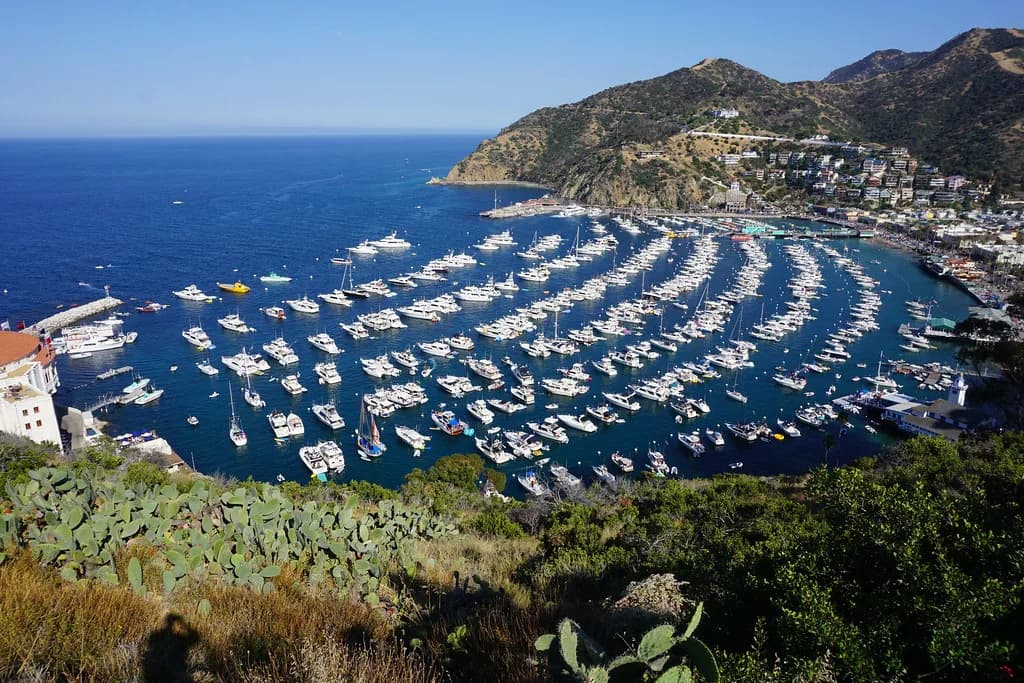
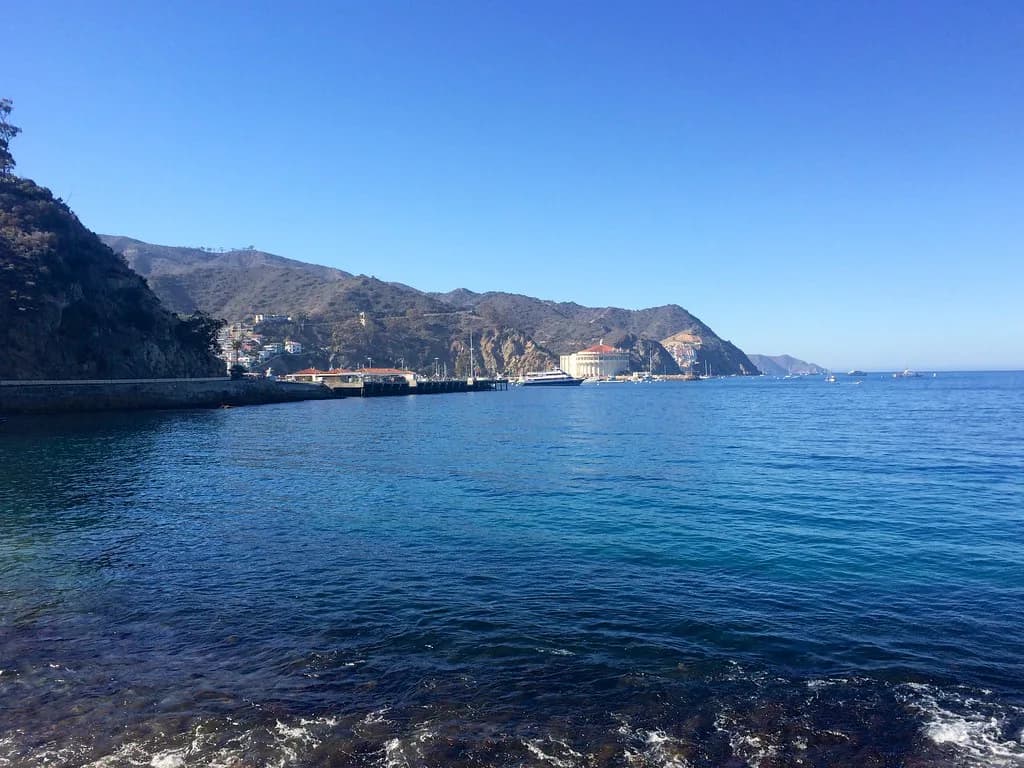
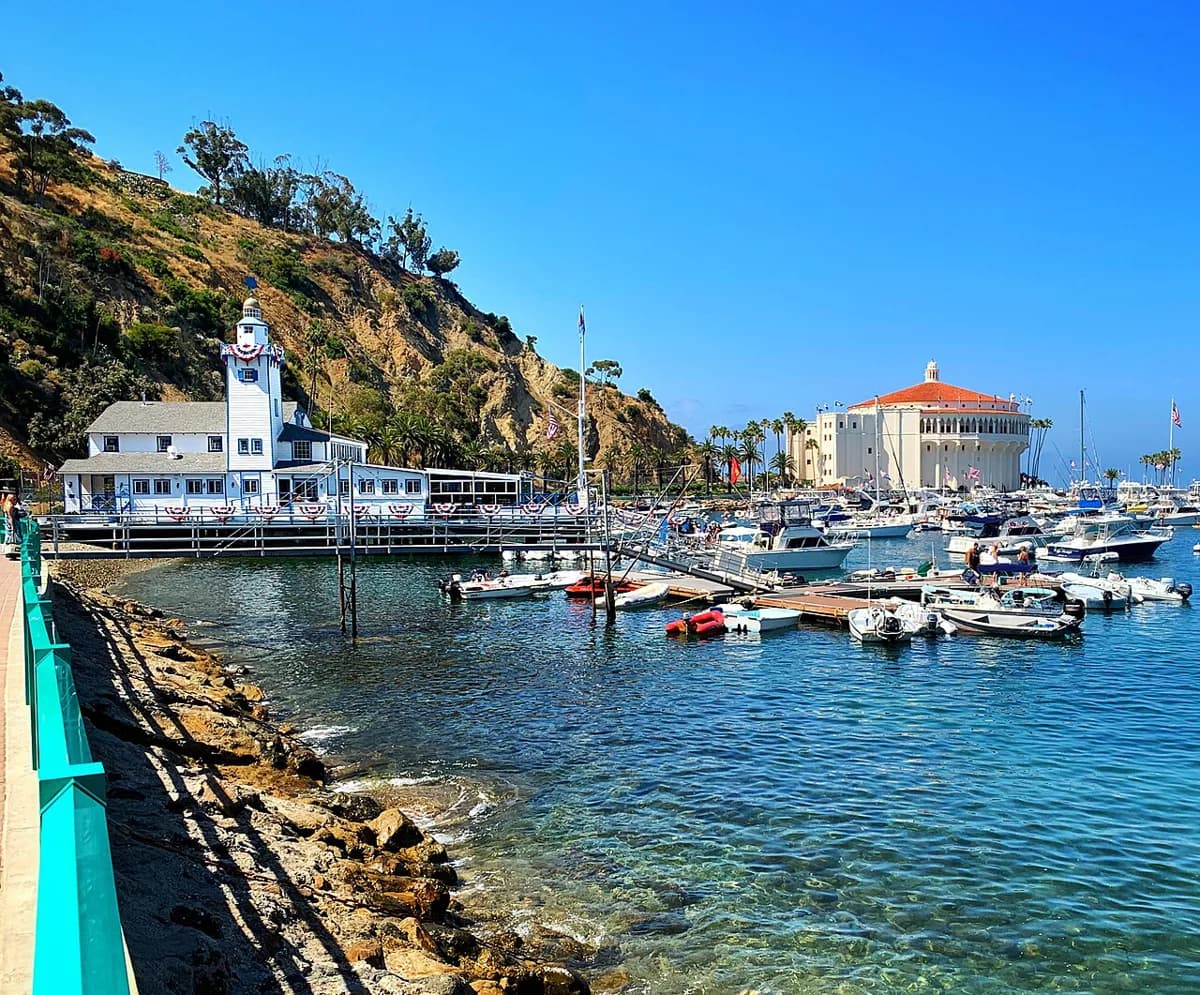
Lovers Cove lies just outside Avalon on Santa Catalina Island, close enough to reach on foot or by a short ride from the town waterfront rather than as a full-day expedition. That proximity is what makes it a half-day option: you can snorkel, dry off and still have the afternoon in Avalon. Cruise passengers and day visitors from the mainland can fit it into a port call without booking transport across the island.
Treat Avalon as your base for gear, food and anything you forgot, then walk or ride the short distance to the cove. The walk back is uphill in places, so carrying fins and a mask in a bag beats hauling a cooler. If you are weighing the cove against the island's other shore entries, the broader guide to snorkeling in catalina island lays out how Avalon-area sites compare.
Getting in at Lovers Cove
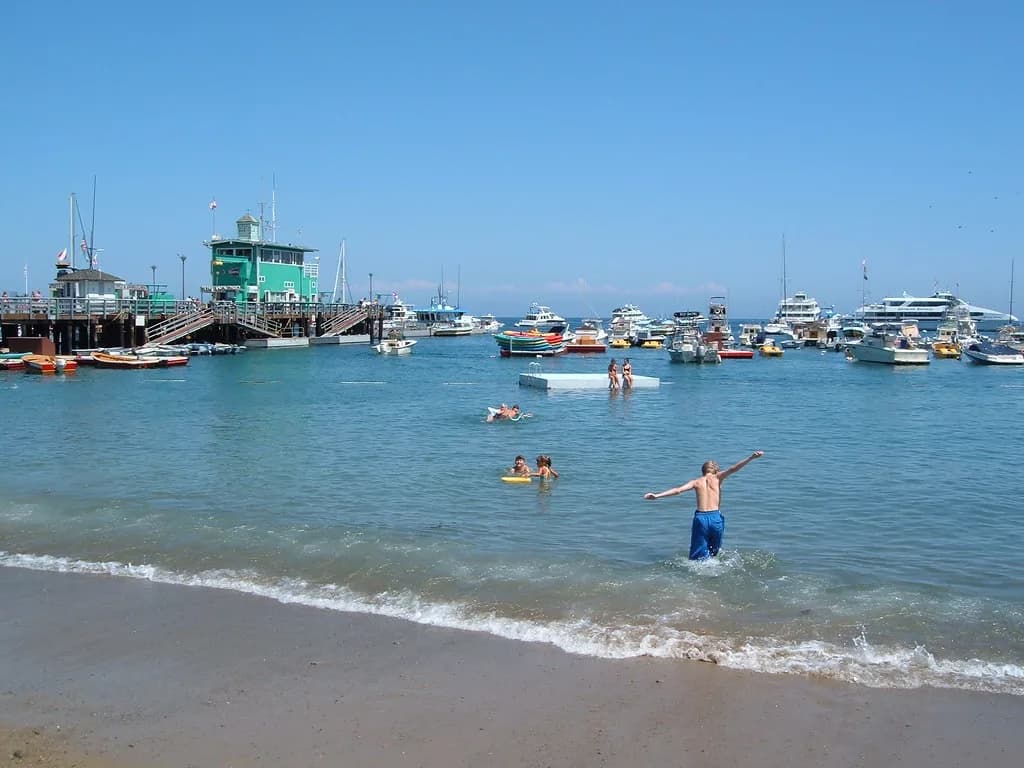
Entry is from the shore, into protected water, which removes the two things that trip up new snorkelers most: boat boarding and deep-water starts. Walk in, put your mask on in waist-deep water, and swim out at your own pace. Rocky edges frame the cove, so pick a sandy line for your first entry and exit rather than stepping over wet rock in fins.
What You Will See
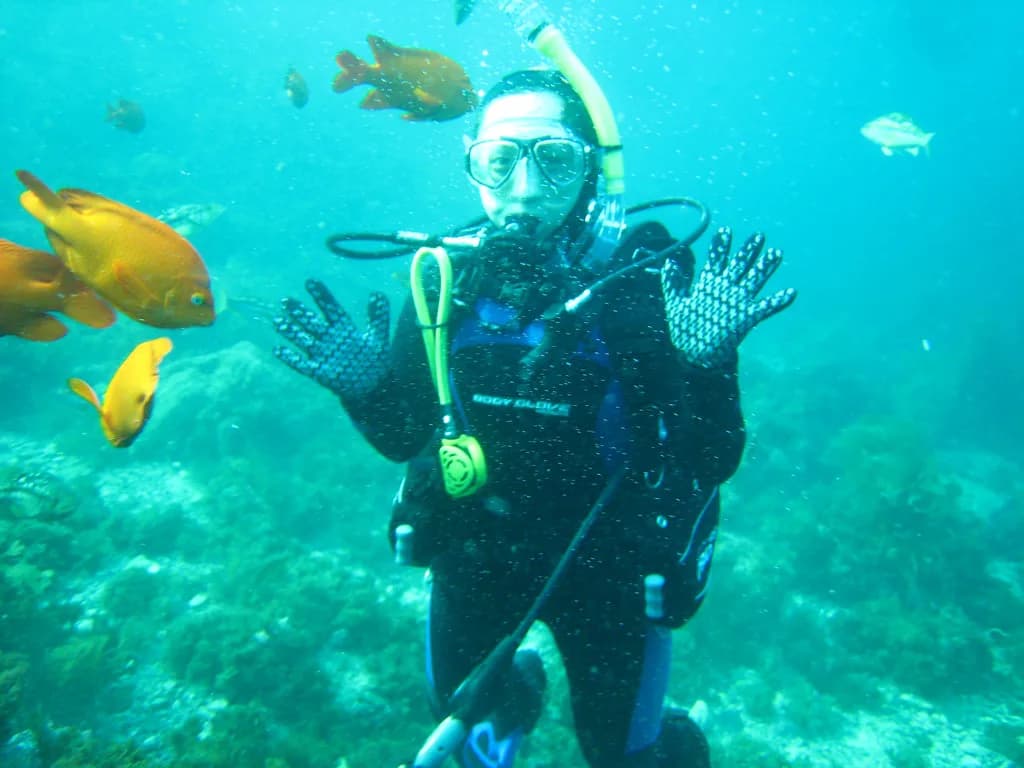
The resident cast is the draw: garibaldi, the bright orange damselfish, along with opaleye and calico bass, and kelp bass hanging around the kelp itself. Garibaldi are territorial and curious, and they will approach a snorkeler who stays still. Look for them over rocky structure and in the kelp fronds rather than out in open sand.
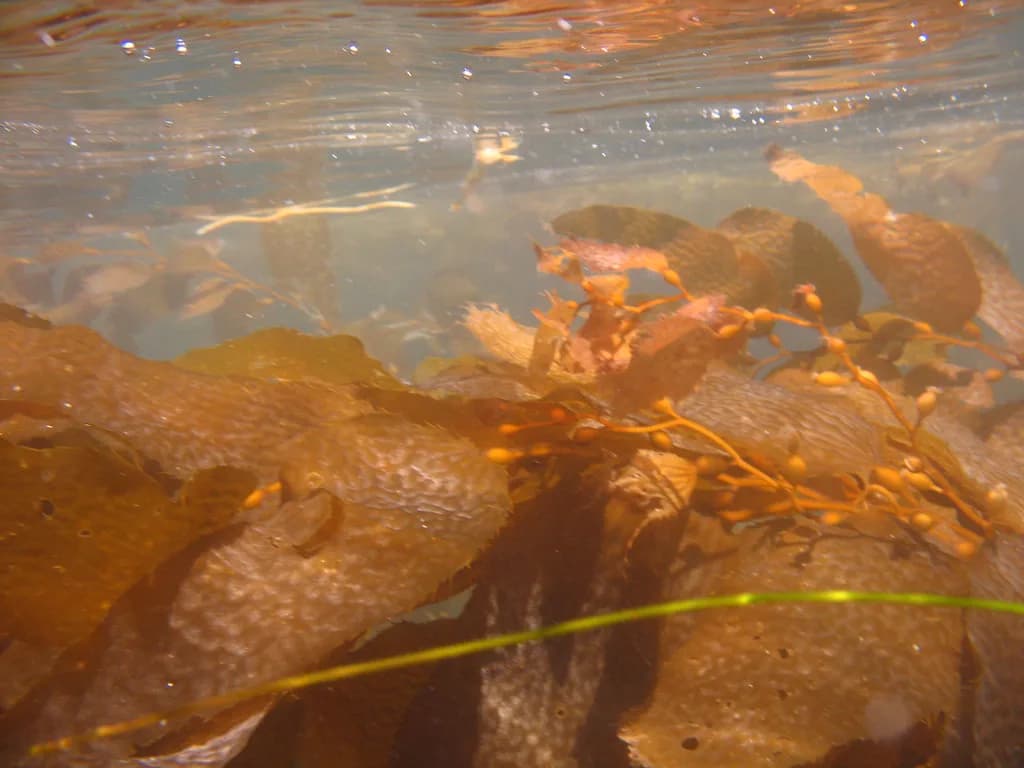
Kelp bass and calico bass sit lower in the water column near the kelp holdfasts and rock edges, so scan downward as well as straight ahead. The kelp forest itself is the second attraction: light filtering through fronds, small fish sheltering between stipes. Move slowly and let fish settle around you instead of swimming at them.
Depth and How Far Out to Swim
You do not need to cross the cove to find fish. The shallows near the entry hold garibaldi and opaleye, and the kelp edge sits within a comfortable swim from shore. Snorkelers who want more structure can follow the rocky margin around the cove, where the bottom varies and fish concentrate. Stay inside the cove's sheltered water rather than pushing toward open water where tour boats maneuver.
Skill Level and Who Should Skip It
This is a beginner site: shore entry, sheltered water and fish close in. It suits nervous first-timers, families with kids who swim, and snorkelers who prefer to stay within sight of the beach. Strong swimmers who want long swims, wall drop-offs or serious kelp diving will find the cove small and busy.
Anyone uncomfortable in cold water should plan for a wetsuit rather than a swimsuit, because southern California water off Catalina stays cool enough that a thin suit extends your time in the water considerably. Bring a rash guard even in summer and judge the day by how you feel in the first five minutes, not by the air temperature on the beach.

Marine Preserve Rules
Lovers Cove is a marine preserve, and the rules are specific: snorkeling is permitted but SCUBA diving is not, which keeps the site a surface-level experience. Read that as a cue for behavior too: observe fish, do not feed or chase them. The cove has a long history of visitors hand-feeding fish, and the residents are bold as a result; handouts are not part of a preserve visit.
Keep your hands off coral and rock surfaces, give animals room to move away, and pack out everything you brought, including food wrappers that blow off a towel. If a seal or sea lion shows up, yield the water rather than swimming toward it. Preserve status means the site is protected for the animals first and visitors second.
Best Time of Day and Sea Conditions
Mornings are the practical choice: lighter wind, flatter water and fewer tour boats circling the cove. Midday brings the heaviest vessel traffic and the most snorkelers, so the fish are surrounded and the surface is choppier. Check the day's marine forecast before you commit, since swell wrapping into the cove changes visibility and entry comfort.
On a windy or swell-heavy day the cove's protection weakens and entry over rock gets awkward, so shift your plan to a calmer window rather than forcing it. Afternoon wind typically builds through the early afternoon on Catalina, which argues for getting in before lunch.
Parking and Facilities in Avalon
Avalon is compact, and most visitors reach the cove on foot, by shuttle or by golf cart rather than parking at the water's edge. Leave the car in town, carry what you need and treat the walk as part of the day. Check current access details with the Catalina Island Company or the Avalon town services office before you set out, since transport options change with the season.
Guided Tours Versus Going on Your Own
Going independently means bringing or renting your own mask, fins and snorkel and timing your entry around boat traffic. A guided session adds a guide who knows the cove's layout, gear provided and a group to follow, which takes the guesswork out of a first attempt. Catalina's outfitters run guided snorkeling from Avalon, and the local dive operator, Catalina Divers Supply, supplies the island's rental and instruction infrastructure.
Choose a tour if you are traveling with beginners, want gear handled for you or prefer structure on a short port day. Choose DIY if you already own well-fitting gear and want to snorkel on your own schedule. Either way, ask the tour company what is included when you book, since gear, wetsuit and transport vary between trips; the roundup of catalina island snorkeling tours compares the options.

Gear: Renting or Bringing Your Own
A mask that seals is the single most important piece of gear here, because a leaky mask ruins a shallow, fish-dense site where you want to look down constantly. Fit matters more than price: press the mask to your face without the strap and check it holds. Bring a snorkel you can clear easily and fins that fit without socks; rental gear in Avalon is workable but fit is a lottery.
Add a thin wetsuit or rash guard for warmth and sun protection, and consider a lightweight dive skin for the walk to the water. A mesh bag keeps wet gear off the beach and out of the way of other visitors. Reef-safe sunscreen is the sensible default for any Catalina snorkel day.
Hazards: Boat Traffic, Harbor Wash and Cold Water
The main hazard is surface traffic. Tour boats and semi-submersibles work the cove, so snorkel with a buddy, keep your head up when crossing open water and stay close to the shoreline edge rather than the middle of the cove. Harbor wash and wake make the surface choppy even on calm days.
Cold water is the second factor: southern California water off Catalina is cool enough to sap energy, so limit your first session and warm up on the beach before going back in. Rocky entry and exit points get slippery, and fins on wet rock are a bad combination. Skip the swim if you are cold, tired or the surface is confused.
Post any advisories at the site and follow them, and check the day's marine forecast with the National Weather Service before you gear up. Guides on the ground can tell you how the water is behaving that morning, so ask before entering if you are unsure.
Nearby Spots to Combine With Lovers Cove
Casino Point Dive Park, at the Casino Building end of Avalon harbor, is the other shore-entry snorkel in town and the natural pairing for a cove visit: one in the morning, one in the afternoon. It has its own character and entry, so read up on casino point snorkeling before you go. Between the two you get a full day of Avalon snorkeling without leaving town.
If you have a second day, Two Harbors on the island's west end offers a quieter, less developed base with its own snorkeling and a very different pace from Avalon. The crossing takes planning, so treat it as a separate outing rather than an add-on to a cove morning. For a similar comparison of shore entries versus boat-access sites, the guide to snorkeling in Channel Islands is a useful counterpart.
What to Bring for a Half-Day at the Cove
Pack light: mask and snorkel, fins, a rash guard or thin wetsuit, a towel, water and reef-safe sunscreen. A dry bag protects a phone and a light layer for the walk back. Bring a snack rather than a full picnic, since the cove is a snorkel stop, not a beach day with facilities.
Carry out everything you bring, including fruit peels and wrappers, and leave the cove as you found it. Snorkeling gear dries slowly, so a mesh bag keeps wet items separate from the rest of your kit on the walk back into town.
Plan Your Lovers Cove Snorkel
Lovers Cove earns its place as Catalina's beginner snorkel: shore entry, sheltered water and garibaldi, opaleye and kelp bass within an easy swim. Go early, keep clear of tour boat traffic, respect the preserve rules and bring gear that fits. Pair it with Avalon's other shore site for a full day and you have the island's easiest introduction to the water.
Frequently Asked Questions
Can you snorkel at Lovers Cove without a boat?
Yes. Lovers Cove has a shoreline entry into protected water, so you can wade in and snorkel without booking a boat trip. That shore access is the reason the cove works well for first-timers and families.
Is Lovers Cove a marine preserve?
Yes. Lovers Cove was set aside as a marine preserve, and the rules permit snorkeling but not SCUBA diving. Treat it accordingly: observe fish from a distance and do not feed, chase or handle animals.
What fish will you see at Lovers Cove?
Expect garibaldi, the bright orange damselfish, along with opaleye, calico bass and kelp bass near the kelp. Sightings vary with conditions and season, so treat any list as likely rather than guaranteed.
Do you need a tour to snorkel Lovers Cove?
No. Guided snorkeling is available from Avalon and includes gear, which helps first-timers, but you can also rent gear locally and swim from shore on your own schedule. Compare what a tour includes before deciding.
Is Lovers Cove good for beginners and kids?
It is a strong choice for beginners because of the sheltered water and shore entry, and older kids who swim comfortably do well here. Keep children close and visible, since tour boats and semi-submersibles work the cove.
Sources
Snorkeling notes for your next trip
Optional updates to our snorkeling guides.
You might also like

Continue reading
More guides you'll find useful