San Juan Snorkeling: Escambrón Beach and Where to Get In
San Juan snorkeling centers on Escambrón Beach and its marine reserve. Here is how to get in, what you might see, when to go and how guided tours work.
On this page
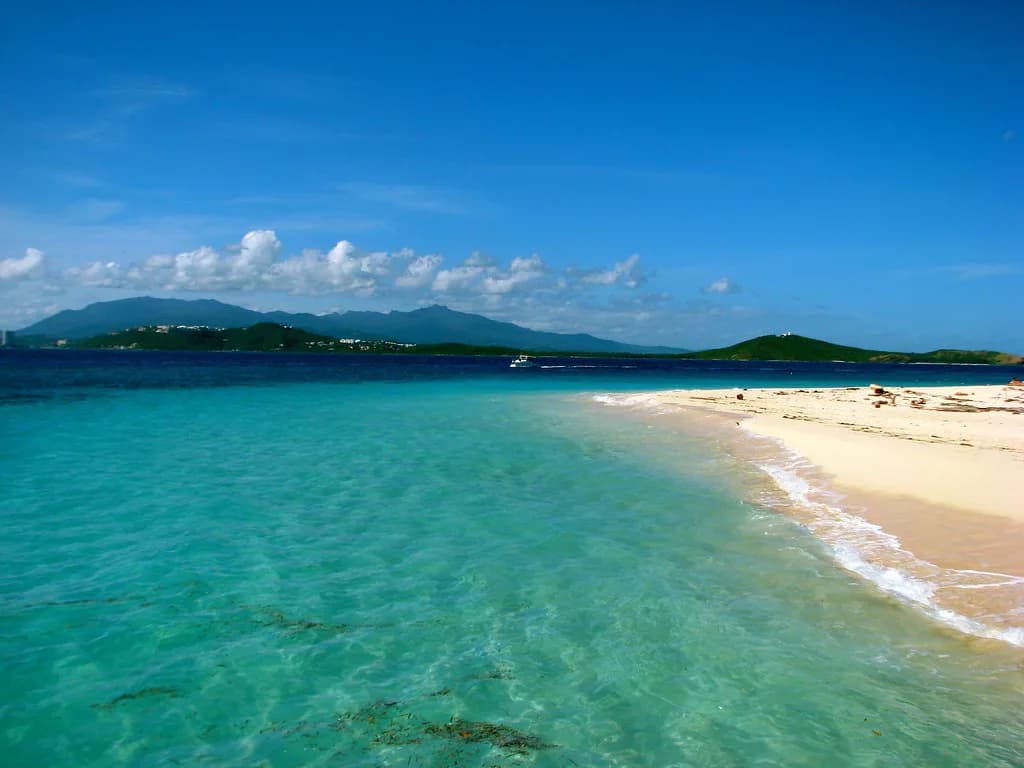
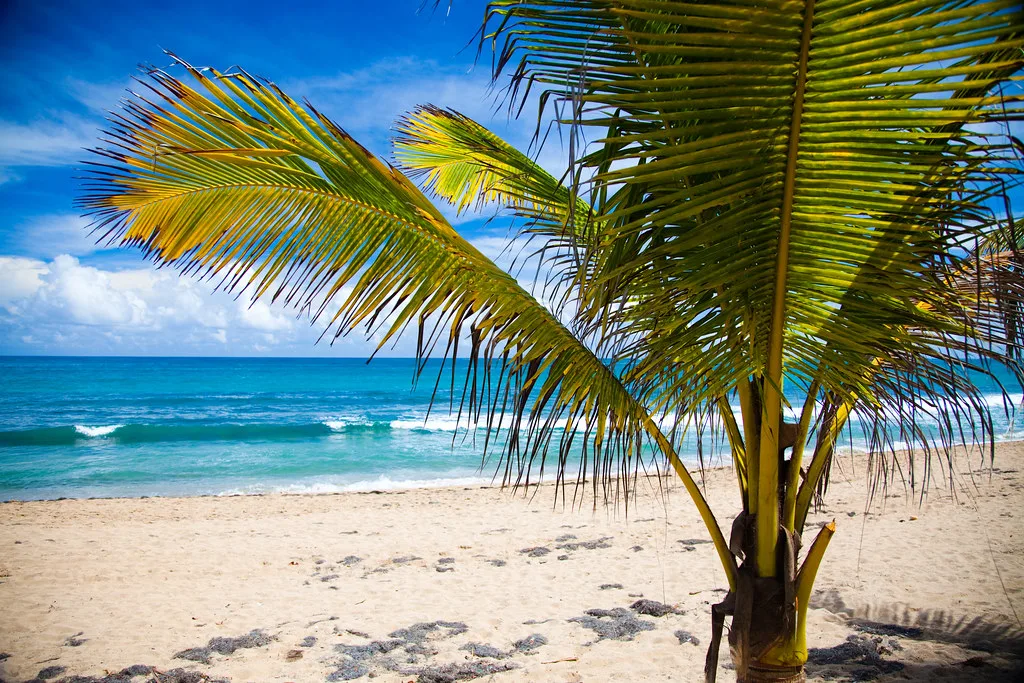
San Juan snorkeling has one clear center of gravity: Escambrón Beach and the marine reserve that wraps around it, where a shallow coral reef sits within easy swimming distance of a sand entry. That combination of easy access and reef life makes it the spot to plan a day around, whether you are a first-time snorkeler or a parent with kids in tow.
The other decision is how you get in the water. You can wade out yourself from the beach, or join a guided tour that starts from San Juan and takes beginners out over the reef with a guide leading the way. Both routes put you over the same protected water; the choice comes down to confidence, gear and budget.
Why Escambrón Beach Is the San Juan Snorkel Spot
Escambrón Beach anchors San Juan snorkeling because the reef and the protected marine reserve sit right off the beach rather than a boat ride away. Operators running out of San Juan describe the reserve at Escambrón as home to colorful fish and sea turtles, which is exactly the pairing that draws snorkelers to this corner of the city.
It suits a wide range of swimmers. Beginners and families get a beach entry and shallow water close to shore, while stronger swimmers can push further along the reef edge. If you want a broader map of the island's snorkel options before committing, the wider guide to snorkeling in puerto rico puts Escambrón in context with the coast's other beaches. Snorkelers weighing a Caribbean island hop can compare the shore-entry reefs here with snorkeling in St. Thomas.
Where It Is
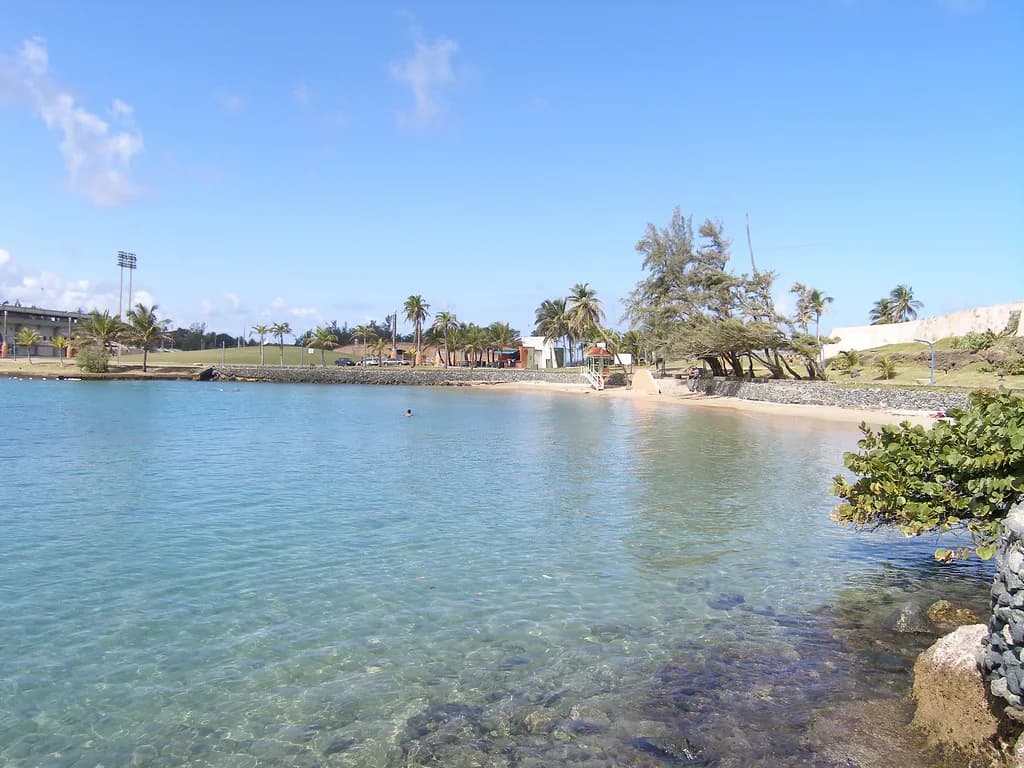
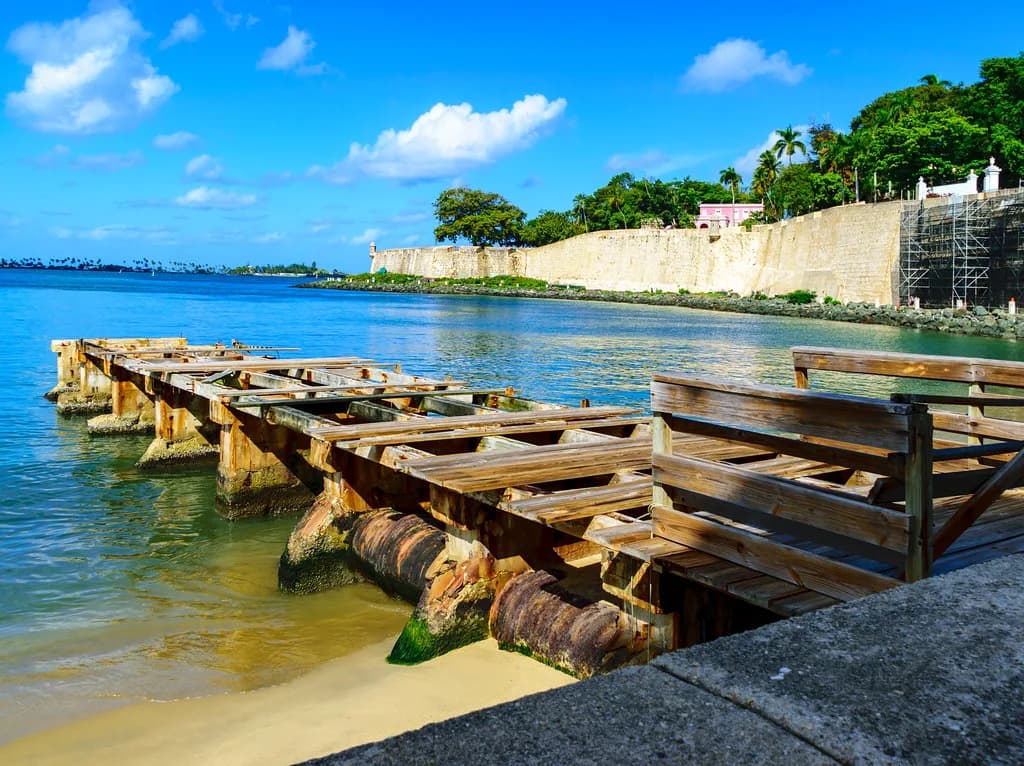
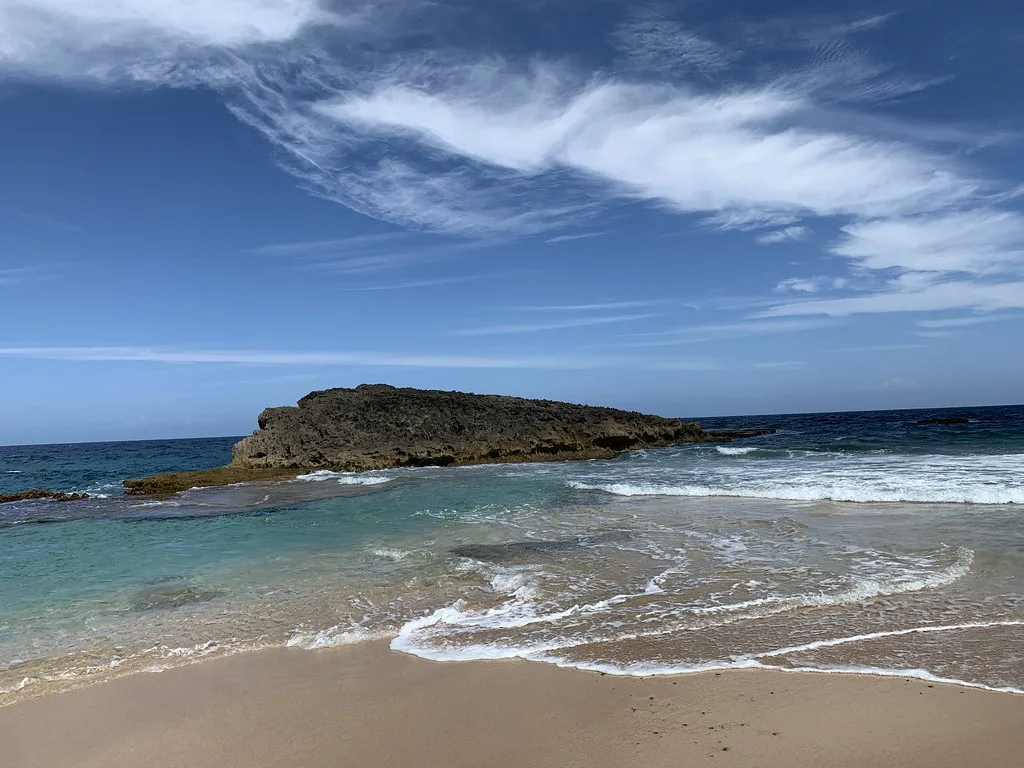
Escambrón Beach sits on the Atlantic-facing edge of San Juan, just outside the old city and a short drive from Condado and Isla Verde. It is a city beach with a park setting, so you are snorkeling from an urban shoreline rather than a remote cove, which makes it easy to fold into a half-day of sightseeing.
The protected water is the marine reserve itself, a sanctuary zone where marine life is left to roam undisturbed. Treat the reserve boundary as the limit of what you explore: plan your swim around the reef and the beach inside it rather than ranging along the open coast, and give any wildlife you meet room to move.
Getting In
The appeal of Escambrón for self-guided snorkeling is the sand entry: you walk in from the beach and swim out to the reef instead of lowering yourself off rocks or a ladder. Start at the calmest part of the beach you can find, put your mask on in waist-deep water, and swim out along the sand until the reef structure comes into view below you.
Guided tours from San Juan handle the entry question differently. On a beginner snorkel tour, guides lead you from the beach out to the reef and stay with the group, which means you follow a route someone else has chosen rather than finding the reef edge yourself. That is the practical trade-off: you give up some freedom and gain a guided line out and back.
Depth and Layout
Think of the bay in two zones. The sheltered side, closest to the sand, is where you stand, adjust gear and get comfortable in shallow water; the reef lies further out, where the bottom drops away and the coral structure begins. Snorkelers who are new to the water should spend their first ten minutes in the shallows before committing to the swim out.
The more exposed side of the bay takes whatever swell is running, so it is the side to leave for confident swimmers or calm days. On a guided tour the guide sets the route and keeps beginners in the gentler water; on your own, judge the surface before you commit and turn back early if the swell is building.
What You Will See
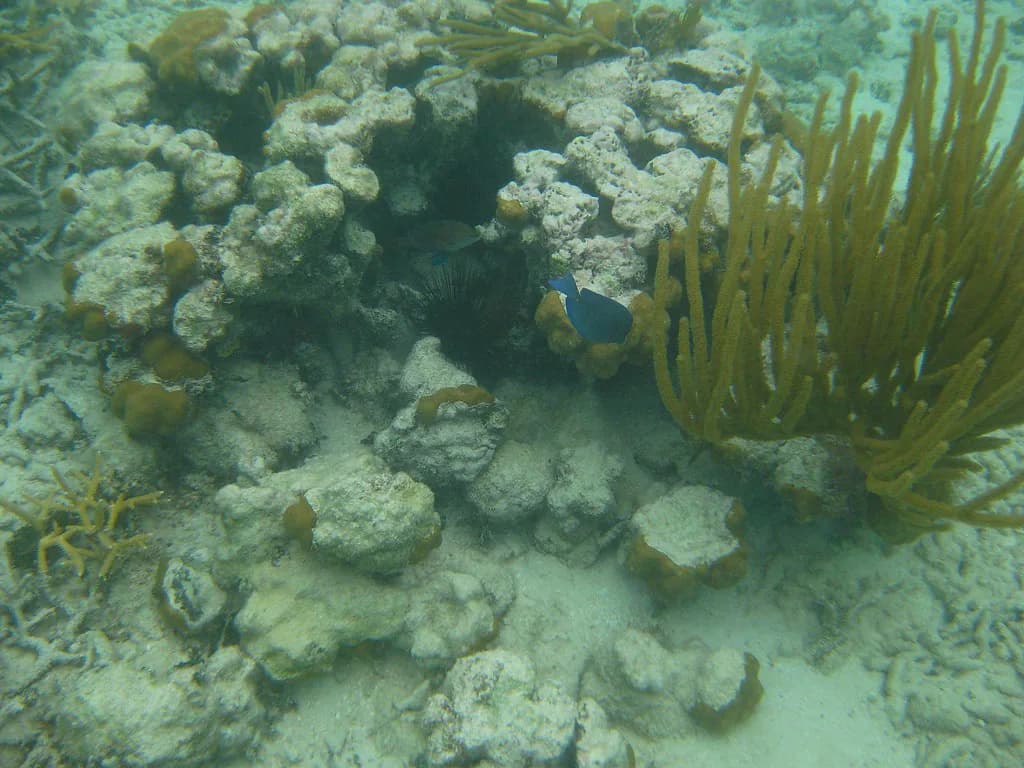
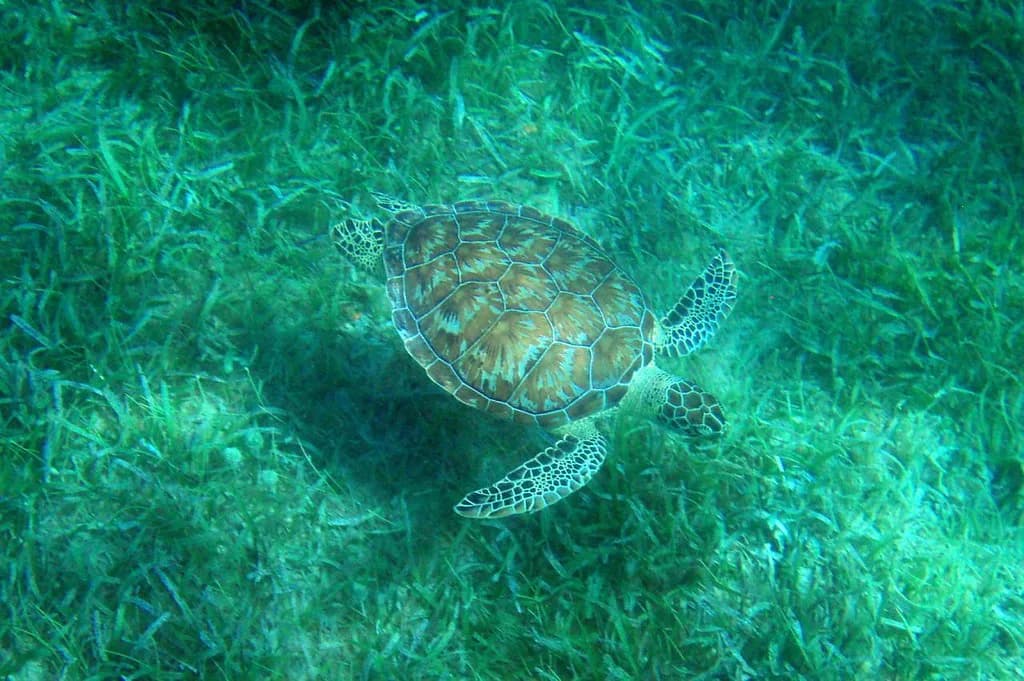
The reserve's draw is reef fish over coral plus the chance of sea turtles, the combination San Juan operators build their tours around. Sightings are never guaranteed, so plan the day around the reef itself and treat a turtle as a bonus rather than the goal.
Watch the wildlife without changing its behavior: keep your distance, never touch or feed anything, and let turtles and fish come and go on their own terms. Turtles in particular surface to breathe, so give them space at the surface as well as on the reef. Photography works best when you hover still and let the animals move past you instead of swimming after them.
Guided Snorkel Tours from San Juan
Guided snorkeling tours from San Juan are built for people with no prior experience, with guides leading beginners out to the reef and pointing out marine life along the way. Try Scuba Diving's San Juan snorkel tour starts at $39, runs up to two hours and has a minimum age of eight, which makes it a realistic option for families with school-age kids.
Try Scuba Diving also runs a longer menu of water tours from the city, including beginner scuba and specialty snorkel formats, so compare duration and age minimums when choosing a tour. When you reserve, ask Try Scuba Diving about the meeting point, what gear is included and whether photos are part of the package, since those details vary by tour rather than by beach.
Skill Level, Kids and Strong Swimmers
Beginners and kids fit Escambrón best in the shallow, sheltered zone near the sand, and a guided tour removes the navigation question entirely. Strong swimmers get more out of the outer reef, where the water is deeper and the coral more developed, but should still swim with a buddy and keep an eye on how far the entry point has drifted.
For families, the real constraint is surface conditions rather than depth. On a day with swell running on the exposed side, keep younger children in the calm water and consider a guided tour so an adult is not splitting attention between the group and the route.
Best Time of Day and Season
Morning is the practical window: lighter wind, flatter surface and clearer water before the day's chop builds, plus easier going for anyone nervous about the swim out. Mornings also tend to be quieter on the beach, which matters when you are sharing a small reef with other snorkelers.
Puerto Rico's snorkel season runs through the drier, calmer months, when the water is clearest and the surface most forgiving. Swell direction matters more than the calendar on any given day: an onshore swell stirs up the exposed side of the bay and pushes surf onto the beach, so pick your day by the forecast rather than by the month alone. Check the local marine forecast with the Puerto Rico Department of Natural and Environmental Resources before you commit to a self-guided swim.
Hazards
The two hazards that matter at Escambrón are surf and current on the exposed side of the bay and boat traffic near the reserve. High surf pushes water onto the beach and clouds the shallows; currents can carry you along the shore away from your entry point. Enter and exit at the same place, and if the surface looks rough from the sand, it will be rougher at the reef.
Give boats a wide berth, keep a bright surface marker or dive flag visible if you swim far out, and never snorkel alone in deeper water. If the beach is flying warning flags or lifeguards have posted an advisory, treat that as the day's plan.
Parking, Fees and Facilities
Escambrón is a city beach park, so plan on arriving by car or taxi and parking in the beach lot, then walking your gear to the sand. Arrive early in the morning for the easiest parking and the calmest water, and travel light enough that one person can carry the gear while another watches the kids.
Facilities, any parking charges and lifeguard coverage vary with the season and with whichever agency manages the beach, so check what is open on the day you go before you rely on showers or rentals. If you need gear, book through a tour company such as Try Scuba Diving that supplies it, since a rental stand is not always present.
Rules in the Marine Reserve
The reserve at Escambrón is a protected marine sanctuary, which means the wildlife is the point and you are a guest in it. Do not touch, feed, chase or ride any animal, keep well back from turtles and reef structures, and stay horizontal on the surface over shallow coral rather than standing on it.
Use reef-safe sunscreen and cover up with a rash guard instead of relying on lotion, and take everything you brought back off the beach with you. Rules on sunscreen ingredients and reserve boundaries are set by Puerto Rico's environmental authorities, so read the posted signage at the beach entrance before you get in the water.
Nearby Spots to Combine
Condado Lagoon is the calm, sheltered counterpart to Escambrón's ocean-facing reef, a good add-on for a second swim or a paddle when the surf is up on the Atlantic side. Isla Verde gives you a longer beach and a different shoreline to explore on another day rather than a substitute for the reserve.
If you are building an island itinerary, Crash Boat Beach on the west coast is a well-known snorkel stop worth the drive, and Flamenco Beach on Culebra is the classic clear-water beach day to pair with a ferry trip. Neither replaces Escambrón for a city-based snorkel, but both reward a dedicated excursion.
What to Bring
Bring your own mask, snorkel and fins if you have them, fitted before you travel so the mask seals without tightening it hard against your face. A rash guard beats sunscreen for sun protection in the water, and a dive flag or bright surface marker is worth carrying if you plan to swim out to the reef edge.
Pack water, a dry bag for phones and keys, and sandals for the walk from the car. If you are joining a guided tour, ask the tour company what it supplies so you are not carrying duplicate gear to the beach.
Plan Your San Juan Snorkel Day
Build your San Juan snorkel day around Escambrón Beach and its marine reserve, choosing the sheltered shallows for a first swim and the outer reef only when the surface is calm. Book a guided tour if you want a guide to set the route and handle gear, and go self-guided if you are comfortable reading the water yourself.
Either way, go early, watch the swell forecast, and treat the reserve's wildlife with the distance it deserves. One morning at Escambrón, with a guided reef swim or a self-guided loop from the sand, is the most reliable snorkel experience San Juan offers.
Frequently Asked Questions
Does San Juan have good snorkeling?
Yes, and it is concentrated at Escambrón Beach, where a coral reef and a protected marine reserve sit directly off a sand-entry city beach. San Juan tour operators run beginner snorkel trips from the beach out to that reef, so you do not need a boat to reach worthwhile water.
Where do you snorkel in San Juan for free?
Escambrón Beach is the practical answer: you walk in from the sand and swim to the reef on your own, without paying for a boat or a guide. You supply your own mask, snorkel and fins, and any parking charge at the beach park is posted on site.
Can you see turtles snorkeling in San Juan?
Sea turtles are a real possibility in the Escambrón marine reserve, and guided turtle snorkel tours from San Juan are built around that chance. No operator can guarantee a sighting, so keep your distance, never touch or chase a turtle, and give it space at the surface when it comes up to breathe.
Is San Juan snorkeling good for beginners and kids?
It is one of the easier Caribbean city snorkel options because you enter from the sand rather than rocks or a ladder. Families with younger children do best in the sheltered shallows near the beach, and a guided beginner tour with an age minimum of eight suits school-age kids who want to reach the reef.
What is the best time of year to snorkel in San Juan?
The drier, calmer months give the clearest water and the most forgiving surface, and mornings are better than afternoons on almost any day. Swell direction decides conditions more than the calendar, so plan around the marine forecast rather than a fixed month.
Do you need a tour to snorkel in San Juan?
No. Escambrón Beach allows a self-guided swim from the sand out to the reef, which suits confident swimmers who can judge surf and current. A guided tour makes more sense if you are new to snorkeling, want gear supplied, or would rather follow a guide's route than find the reef edge yourself.
Sources
Snorkeling notes for your next trip
Optional updates to our snorkeling guides.
You might also like
Continue reading
More guides you'll find useful