Shacks Beach Snorkeling: Puerto Rico Reef Guide
Shacks Beach in Isabela, Puerto Rico, puts rock structures, coral and fish just off the sand. Here is how to plan a snorkel day around the Blue Hole reef.
On this page
Shacks Beach suits snorkelers who would rather swim out over rock and coral than ride a boat, and the reef sits close enough to shore that a modest swim gets you over fish and structure. It also rewards preparation: entry crosses rock, wind reshapes the water, and footing matters as much as your mask. This guide covers where the beach sits in Isabela, how the reef is arranged, who it fits and how to stack the day so the swim stays comfortable.
Why Shacks Beach Suits Reef-Curious Snorkelers
The draw here is proximity: you walk in from the sand and the bottom starts to change within a short swim, with rock structures, fish and coral stacked in the same stretch of water. Snorkelers who want variety without a long surface swim find that appealing, since you can move between sandy patches and reef without covering much distance. It is a shore-entry reef day rather than a boat day, which keeps logistics simple and the cost of trying it low.
What it is not is a beginner pool. The water is open Atlantic coast, so wind and swell decide the day more than your gear does, and the reef sits among rocks that reward careful footwork. Come expecting to read conditions before you commit and to keep the swim modest when the sea is up. Snorkelers comfortable in open water with a buddy get the most out of it.
Where Shacks Beach Is in Isabela
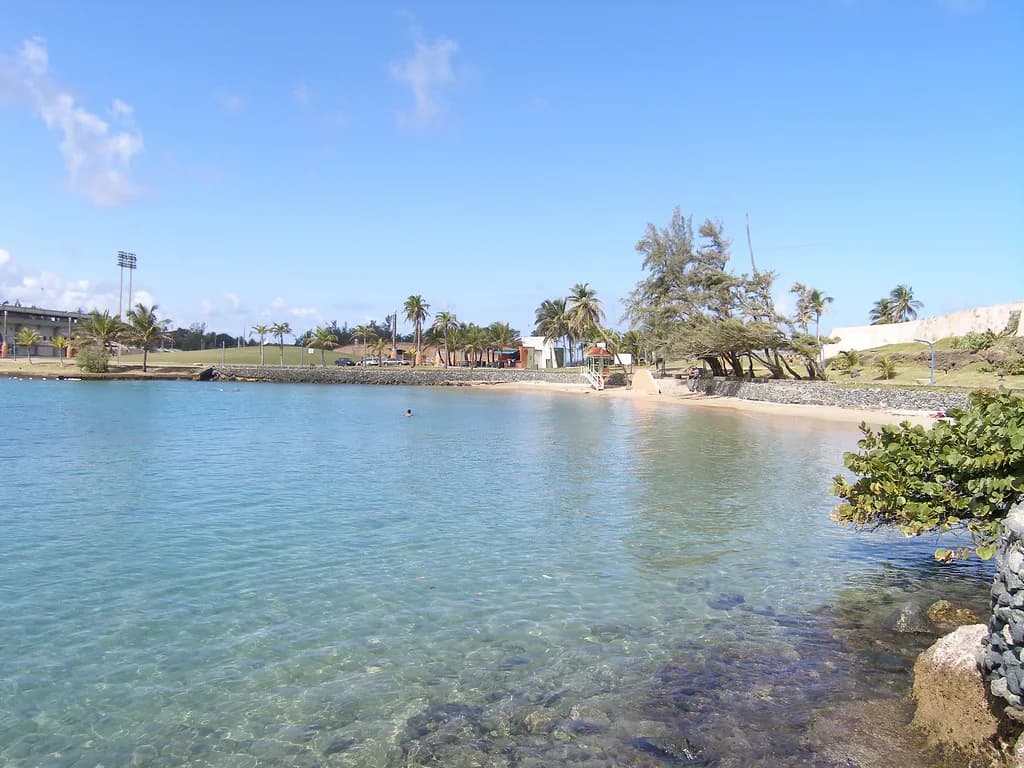
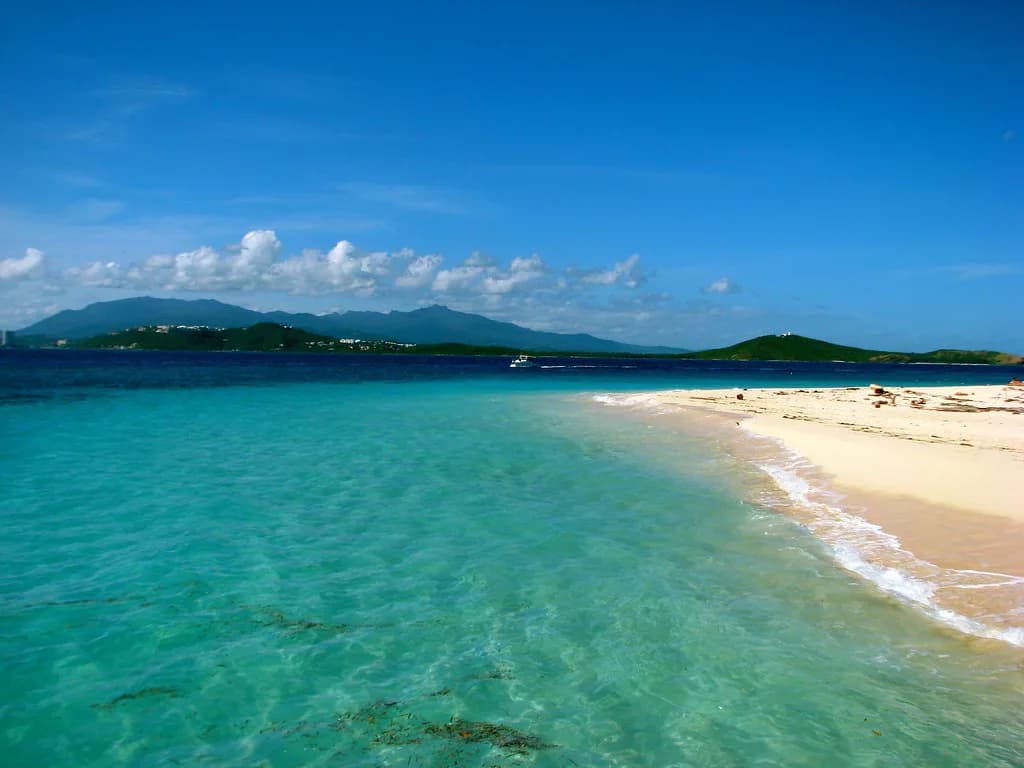
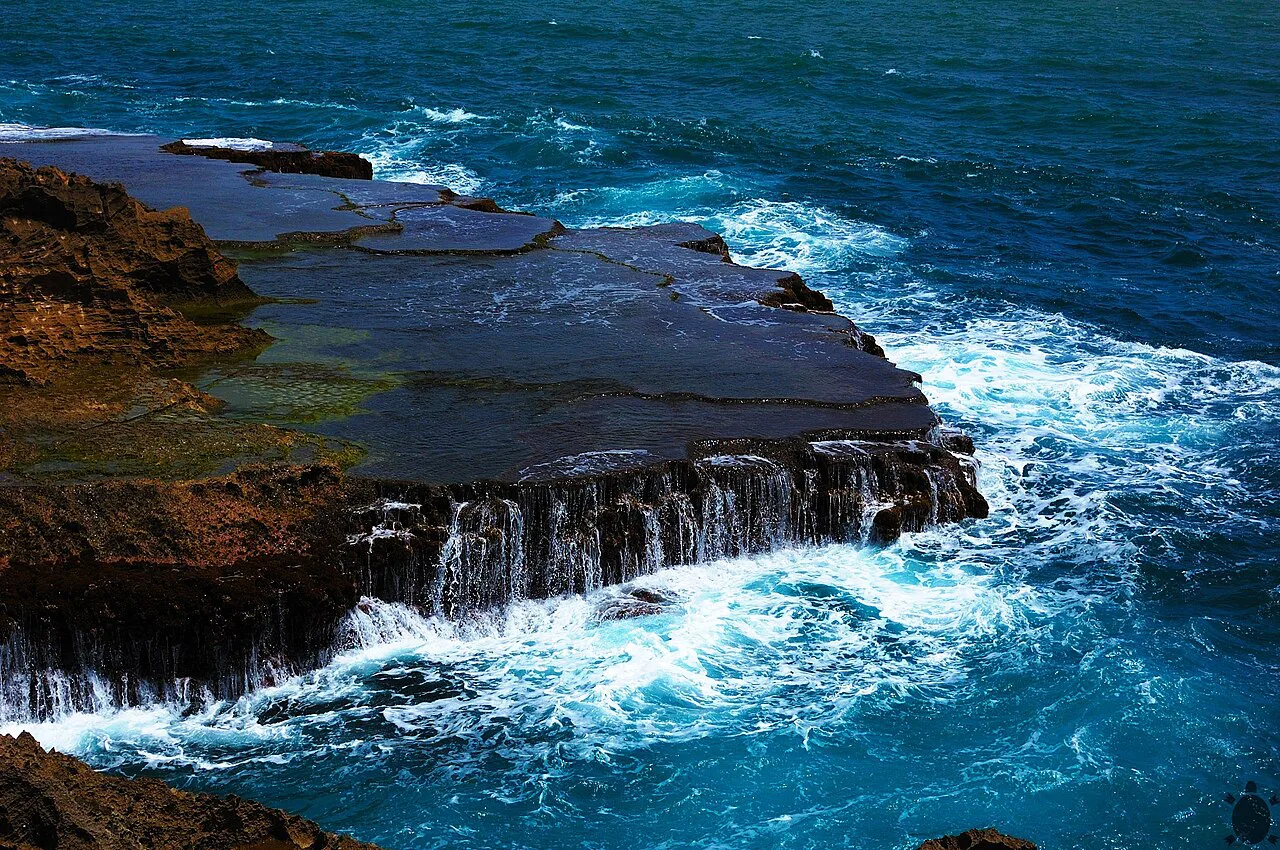
Shacks Beach sits on the northwest coast of Puerto Rico in Isabela, a surf-and-snorkel town on the west side of the island roughly between Aguadilla and Rincón. The beach is a local name for a stretch of coast rather than a single signed park entrance, so orient yourself by the shoreline: rocky points and reef-flat edges break up sections of sand and rubble.
Arrive by road from Isabela town or Route 2, and use the access lanes locals use rather than expecting a formal visitor center. Because the beach reads as a series of small coves and rock shelves, walk a little before you commit: note where the sand meets rock, where other snorkelers enter, and which side looks calmer. That short scouting walk saves you from a bad entry later.
Getting In: Sand and Rock Entry
Entry at Shacks typically combines a short walk over sand with a rock shelf, so plan for a wet, uneven step rather than a pure sandy beach walk. Water shoes or reef booties make the difference: they protect against urchins and sharp rock and let you walk out until the water is deep enough to put your fins on. Put fins on in waist-deep water and back out rather than walking on them.
On a calm morning, entry is straightforward. When swell pushes against the rocks, the same shelf turns slippery and surge can knock you off balance, so time your entry between sets and keep both hands free. If the rocks are wet and the surge is strong, walk to a sandier gap or come back another day; the reef is not going anywhere.
The Reef Layout and the Blue Hole
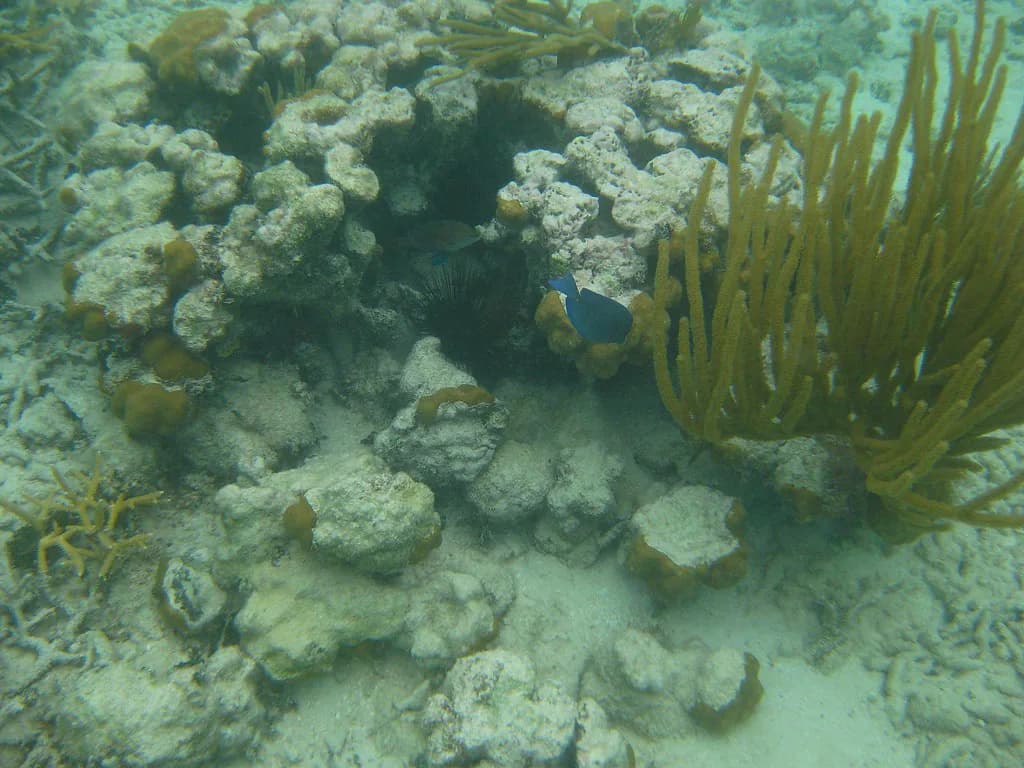
The underwater landscape is a mix of rock structures, coral cover and sand channels, with the Blue Hole area described as the standout for snorkelers who want rock formations, fish and coral in one view. Think of the reef as patchy rather than a continuous wall: swim along the rock edges and you pass over coral heads, then open sand, then more structure.
Because the structures rise from a shallow-to-moderate bottom, the most productive water is often right beside the rock rather than out in the open. Work the edges slowly, hold your position against the rock without touching it, and let fish come back around you. Keep an eye on where you entered, since the reef can hide the shoreline once you are focused on the bottom.
What You Will See
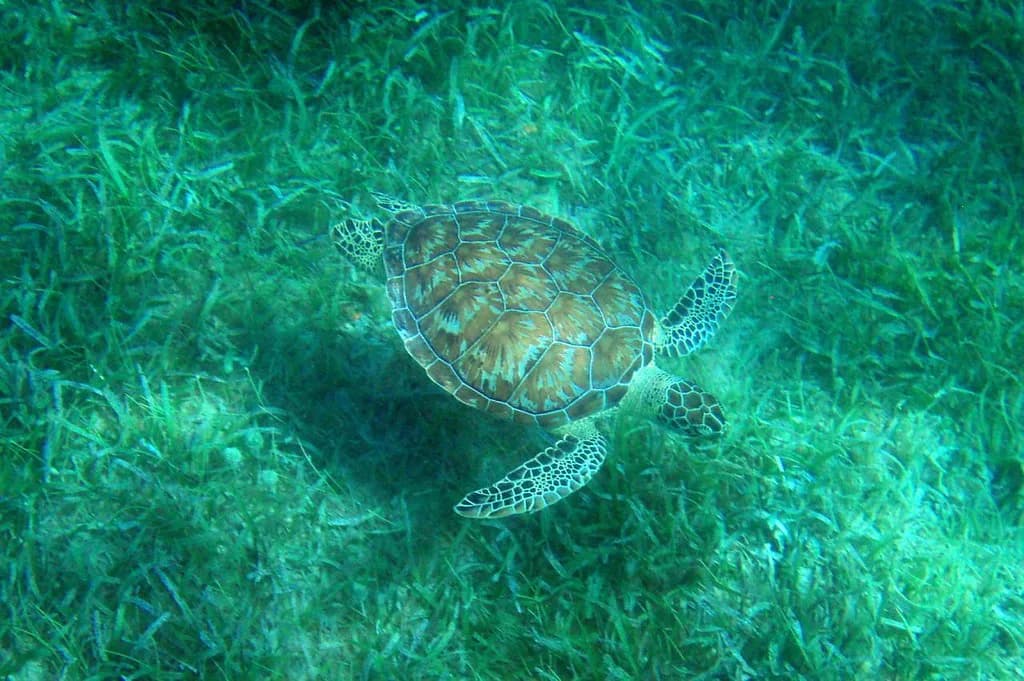
Expect reef fish rather than guaranteed marquee sightings: parrotfish working the coral, sergeant majors hovering over structure, and smaller damselfish and wrasses darting around the rock. Coral cover is a mix of hard and soft types on the structures, with sandy patches between them where you might spot a stingray or a resting fish. Sea turtles move through west-coast reefs, so they are possible rather than promised.
Fish behavior follows structure, so slow down over the coral heads and scan the shadowed sides of rocks where larger fish hold. Look into the sand channels too; that is where rays and flatfish sit half-buried. Give animals space and never reach into holes, both for your hands and for the reef.
Depth, Distance and a Shallow-Stay Option
You do not need to swim far to find reef here, which is the point: the structures begin within a short distance of the entry and continue outward. Weak swimmers can stay over the shallower rock and sand near shore and still see fish, while stronger swimmers work farther along the reef edge. Treat depth as variable and watch it yourself rather than trusting a single number.
A good rule is to plan the return before you get tired. Pick a landmark on shore, note the direction of any current, and turn around with enough energy to swim back against it. Flotation, a buddy and a bright surface marker help boats and other swimmers see you.
Skill Level and Who It Suits
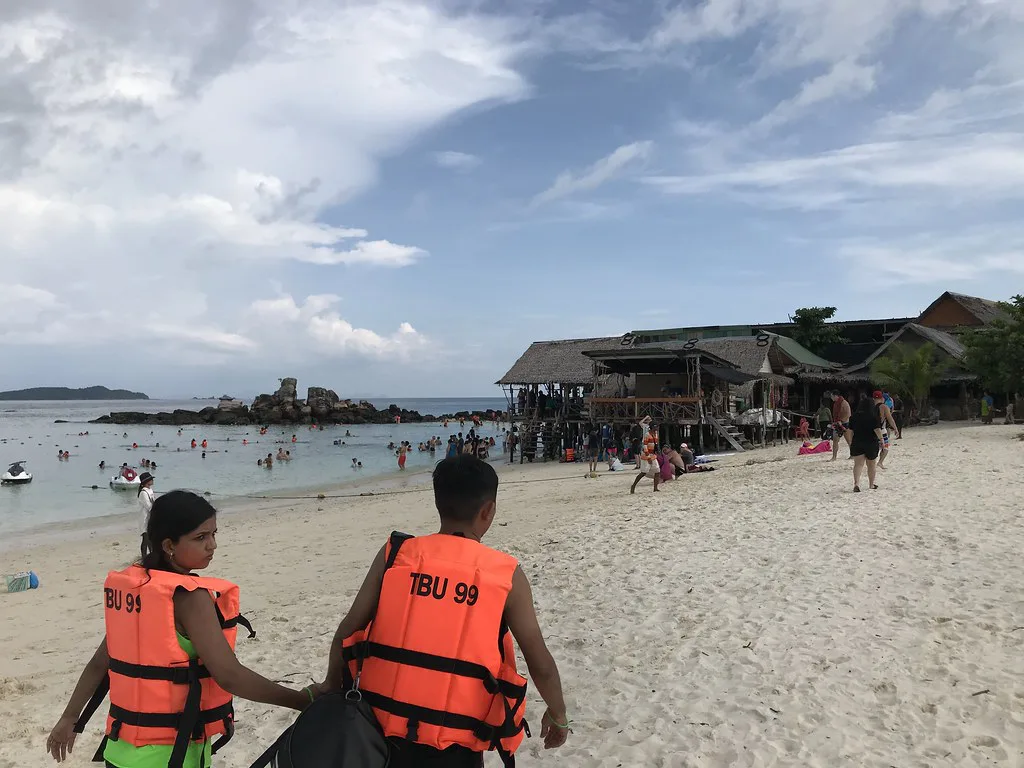
Shacks suits confident beginners and up: snorkelers who can swim, clear a mask and handle a little chop without panic. Kids who are strong swimmers and used to open water do fine on calm days with a flotation vest and an adult alongside, but this is not the beach for a first-ever swim. Nervous swimmers should start in flatter water and build up.
Guided snorkel options on the west coast run from Rincón, where operators teach basic skills, fit gear and lead shore-entry reef tours for all levels from beginners up. That makes a good first step if you want an instructor beside you before trying a rocky entry on your own. Tours typically include mask, snorkel, fins and a flotation vest.
Wind and Swell: Reading the Day
Wind is the deciding factor at Shacks. A breezy day chops the surface, pushes you sideways and cuts visibility, while a settled day leaves the rock structures clear and the entry manageable. Check the wind direction and swell height before you drive over, and be honest about whether the exposed side of the beach looks workable.
When the swell is up, surge moves through the shallows and stirs sand, and the rock entry becomes the hard part of the day. On those days, either stay close to shore over the shallowest structure or shift to a more sheltered Puerto Rico snorkeling spot for the afternoon. The National Weather Service marine forecast is the place to check surf and wind before you commit.
Best Time of Day and Season
Morning is the reliable window: wind typically builds through the day, so early entry gives you the flattest water and the best light for spotting fish on the reef. Aim to be in the water before the beach crowd arrives and the sun gets high. A calm, overcast morning still works well for visibility but raises the sunburn risk, so cover up.
The drier winter-to-spring months are generally the friendlier stretch for clear water on the west coast, while summer and fall bring more swell and tropical weather to watch. That is a general pattern, not a promise: a settled day in any month beats a windy one in a good month. Build a backup beach into your plan.
Hazards: Surge, Rock and Footing
The main hazards are the ones that come with a rocky Atlantic shore: surge against the shelf, slippery rock at the entry, and uneven footing where reef meets sand. Sea urchins and fire coral appear on reef flats, so keep your hands and knees off the bottom and wear foot protection. A buddy and a flotation vest are sensible defaults here.
Do not turn your back on the ocean while you gear up on the rocks; watch the water and time your exit the same way you timed your entry. If you are being pushed toward rocks, swim parallel to shore until you find a calmer gap rather than fighting straight in. Snorkel within your comfort zone and end the session while you still have energy.
Parking and Beach Facilities
Shacks Beach is a local beach rather than a staffed balneario, so plan for informal roadside or neighborhood parking and carry out what you carry in. Setups vary by access point and can change with the season, so look for posted signage where you park and keep valuables out of sight. A dry bag you can tow while you snorkel solves the valuables problem on remote stretches of beach.
If you want lifeguards, showers and restrooms as part of the day, build the snorkel session around a managed beach and treat Shacks as the reef stop. Puerto Rico's managed beaches vary in what they offer, so match the facility to the group you are bringing. Families with young children often prefer that split.
Rules: Sunscreen, Coral and Wildlife
Follow the standard reef rules: no touching or standing on coral, no feeding fish, and no chasing or handling turtles or other wildlife. Use reef-safe sunscreen and apply it before you arrive so it soaks in rather than washing off over the reef. Operators on the west coast ask the same of their guests and sell ocean-friendly formulas.
Some Puerto Rico snorkel areas sit inside no-take marine reserves with posted entry points and reef markers, and the same etiquette carries over to unprotected reef: look, do not collect, and leave shells and coral where they are. Check for signage at your access point before you walk in. A rash guard cuts how much sunscreen you need in the first place.
Gear and Guided Options in the Isabela Area
Bring your own mask that fits, a snorkel, fins and a rash guard, plus booties for the rock entry; that kit covers Shacks on a calm day without any rental logistics. If you would rather not travel with gear, the Rincón dive shop that runs the reserve tours fits masks, snorkels and fins and supplies a flotation vest with every participant.
Guided tours make sense if you want a divemaster reading conditions, pointing out species and carrying safety gear, and they suit families with children since flotation and briefings are built in. Book ahead in high season and ask how the group handles a windy forecast. Then rent or buy only what the tour does not include.
Nearby Spots to Combine
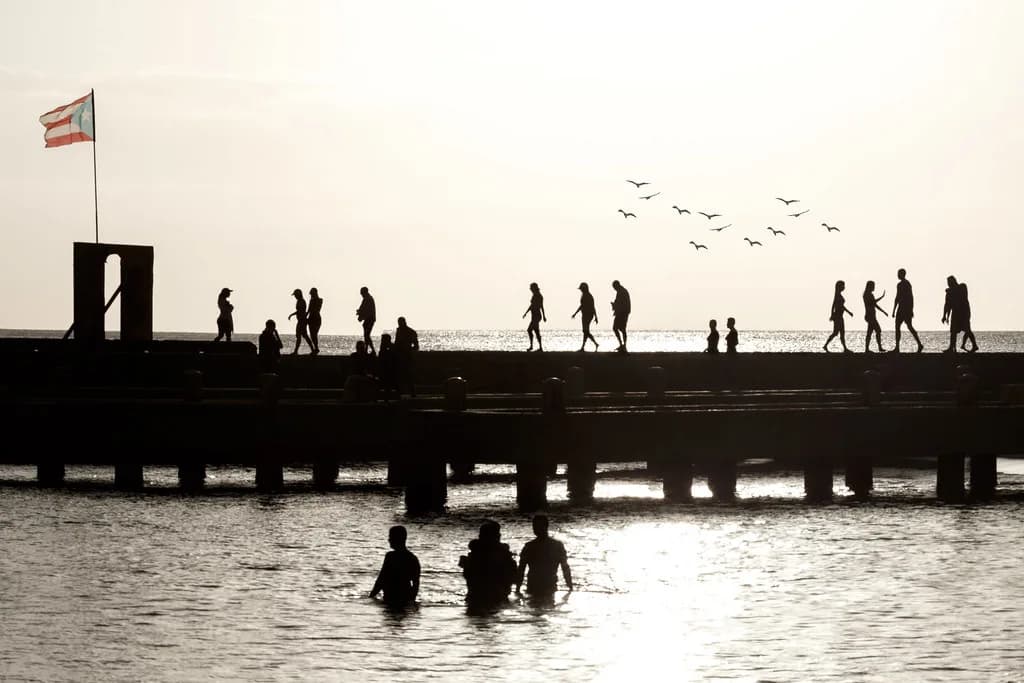
Crash Boat Beach in Aguadilla, a short drive north, pairs a sandy beach day with snorkeling around the old pier pilings, and its sheltered setting makes it an easier alternative when Shacks is choppy. The beach is free to visit and open daily year-round, with parking charged and some free street parking for early arrivals. Pair the two for a full west-coast day: reef in the morning, food kiosks and a swim in the afternoon.
Rincón's Tres Palmas Marine Reserve lies south along the same coast and offers guided shallow-reef snorkeling straight off the beach, with no boat required. Tours run about three hours and meet at the dive center before a short drive to the entry point. Pick it when you want a reserve setting and a guide, and keep Shacks for the day you want to explore rock structures on your own.
If your trip takes you east, Flamenco Beach on Culebra pairs a wide white-sand day with reef a short swim from shore, and the rock-and-piling stretch at the east end is the better snorkel. It is a useful contrast to Shacks: sandier entry, calmer planning, and a ferry or flight to reach the island. If you are weighing other islands for a shore-entry reef day, snorkeling in St. Thomas offers the same walk-in appeal.
What to Bring for a Rocky-Shore Reef Swim
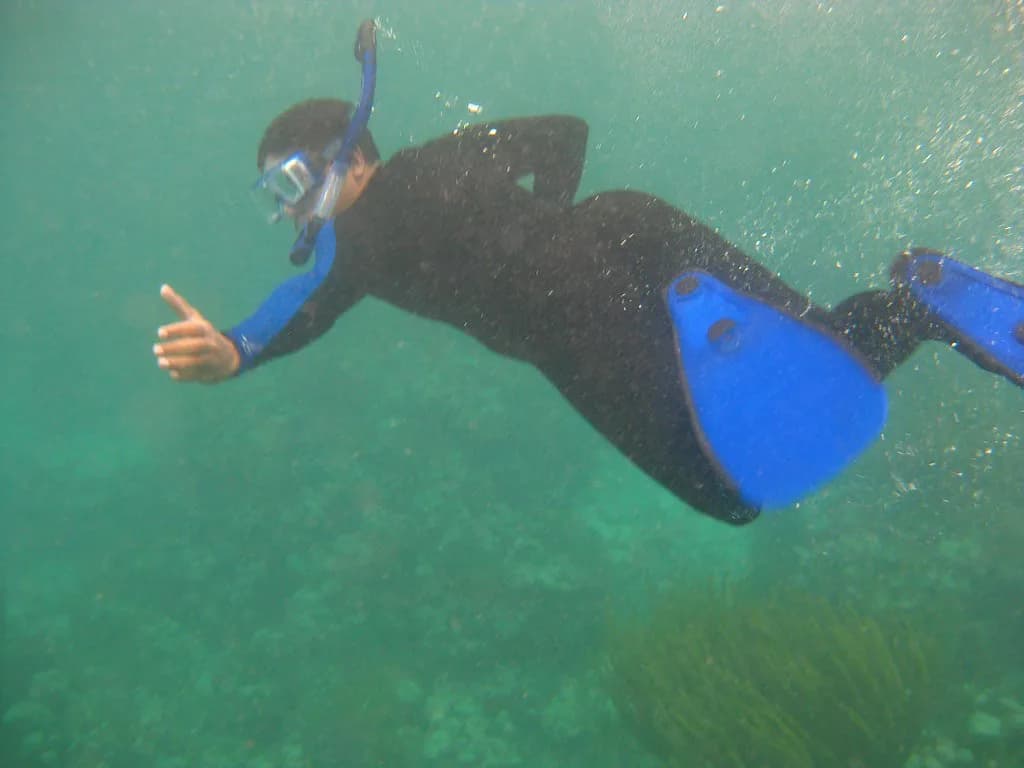
Pack a fitted mask, snorkel, fins and reef booties, a rash guard and reef-safe sunscreen, plus water and a dry bag for keys and phones. A snorkel vest adds confidence and buoyancy over deeper sections. A bright bag or surface float also makes you easier to spot.
Skip the bulky beach setup for this one and travel light: a towel, a change of clothes and a plan for where you eat afterward are enough. West-coast beaches often have food kiosks nearby rather than on-site, so sort lunch before you get sandy. Then lock the car and walk the shoreline before you swim.
Plan Your Shacks Beach Day
Shacks Beach is a reef-first stop for snorkelers who want rock structures, coral and fish within an easy swim of the sand, with the Blue Hole area as the focal point. Go early, wear foot protection for the rock entry, and let wind and swell decide how far you go. On rough days, shift to a sheltered beach and come back when the sea settles.
Frequently Asked Questions
Is Shacks Beach good for snorkeling?
Yes, if you are comfortable with shore entry over rock. The draw is rock structure, coral and reef fish close to the sand, including the Blue Hole area. It is an open Atlantic coast, so wind and swell decide how good the day is; morning tends to be calmer.
How do you get into the water at Shacks Beach?
You walk in from the sand and cross a rock shelf, so reef booties or water shoes make the entry easier and safer. Put fins on in waist-deep water. When swell pushes against the rocks, time your entry between sets or move to a sandier gap.
How deep is the water at Shacks Beach?
Depth varies as the reef steps down and back up, so treat it as shallow to moderate near shore and deeper along the outer rock. Stay over the shallow structure if you are a weaker swimmer, and keep to a depth you can comfortably surface from.
What will I see snorkeling at Shacks Beach?
Look for parrotfish, sergeant majors and smaller reef fish around the coral heads, with rays possible in the sand channels. Sea turtles move through west-coast reefs but are never guaranteed. Stay off the coral and give animals room.
Is Shacks Beach good for beginners?
Confident beginners do fine on calm days, but the rock entry and open-coast swell make it a poor first-ever swim. A guided shore tour from a west-coast dive shop is the better starting point if you want instruction, gear fitting and flotation before trying it solo.
When is the best time to snorkel Shacks Beach?
Morning is the usual window, since wind tends to build through the day and a calm surface gives the best light and visibility. Drier months generally bring friendlier water on the west coast. Check the National Weather Service marine forecast for wind and swell before you go.
What should I bring to snorkel Shacks Beach?
Bring a fitted mask, snorkel, fins, reef booties, a rash guard, reef-safe sunscreen, water and a dry bag for valuables. A snorkel vest helps over deeper sections. Travel light and sort lunch off the beach, since facilities are limited.
Sources
Snorkeling notes for your next trip
Optional updates to our snorkeling guides.
You might also like
Continue reading
More guides you'll find useful