Vieques Snorkeling: Shore Entries, Reefs and Tour Options
Plan Vieques snorkeling around Esperanza pier and the south-coast beaches, with shore entries, reef depths, hazards and when to book a guided tour.
On this page
Vieques rewards snorkelers who like walking in from the sand rather than climbing onto a boat. The island's south coast strings together calm, shallow bays where reef and rock sit within an easy swim of the beach, which makes it a good fit for families, first-timers and anyone who wants a flexible half-day rather than a fixed tour slot. Strong swimmers and confident snorkelers get a second, wilder set of options on the north shore and out at the more remote cays.
Why Vieques Rewards Shore Snorkelers
The main reason to plan Vieques around shore entries is geography: the best-known snorkel spots sit along the south coast, where beaches and their reef fringes are reachable from the sand. That removes the need for a boat, a strict schedule or a big group, so you can snorkel early, dry off, drive to the next bay and repeat. It also means your day is only as good as the wind, which is why a flexible plan beats a fixed itinerary here.
Shore snorkeling does not mean shallow throughout. At Esperanza, the most accessible spot on the island, the interesting structure is directly under and around the concrete pier, with the area in front of the beach also worth working. Treat that pier as the anchor of a south-coast day rather than a quick stop, and give yourself time to swim both the shadowed structure and the open sand-and-rock patches nearby.
How the Island's Snorkeling Is Laid Out
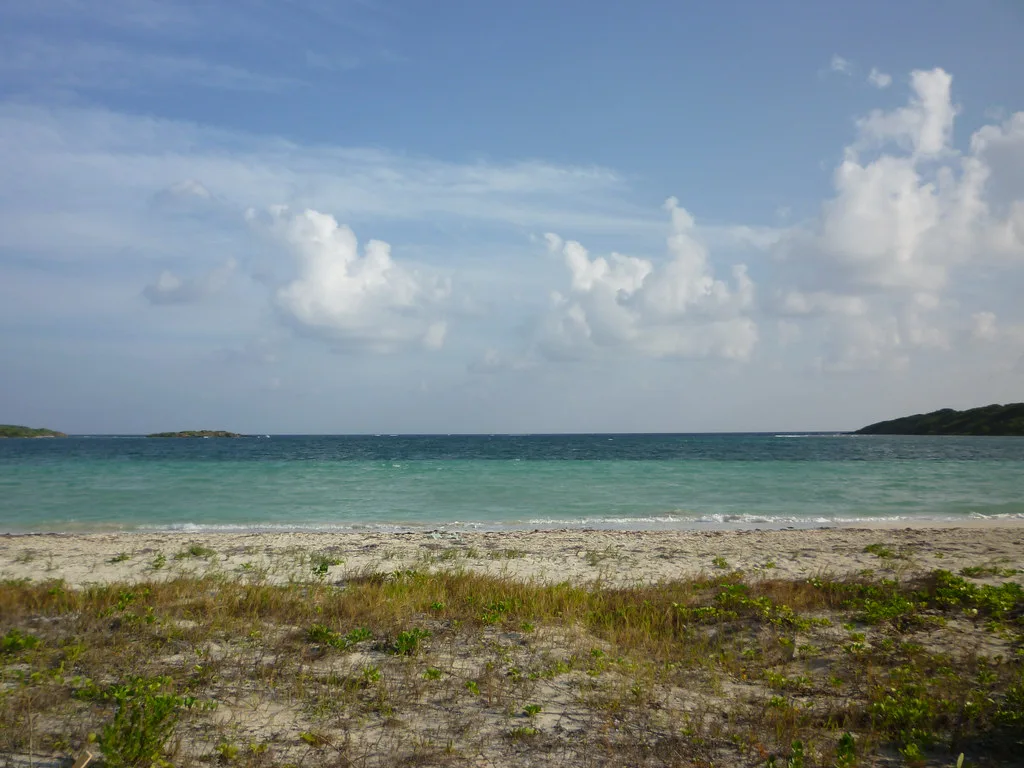
Think of Vieques as two coastlines with different personalities. The south coast, from Esperanza east through the string of beaches inside the wildlife refuge, is where most snorkelers spend their time: calmer water, easier entries and the shortest swims to reef. The north shore is more exposed, with rougher surf and fewer obvious entry points, so it suits days when the wind drops and you want a wilder shoreline rather than a reliable family swim. If you are weighing another island with a similar shore-entry approach, snorkeling in St. Croix offers a useful comparison.
Bahia de La Chiva, known as Blue Beach, is the signature stop on that south-coast run and the most popular of the island's snorkel beaches. It sits within the same beach chain, so you can treat Esperanza and La Chiva as the two fixed points of a day and fill the gaps with the smaller bays between them. Build the plan around those two and you will not spend the day driving.
Esperanza Beach and the Pier
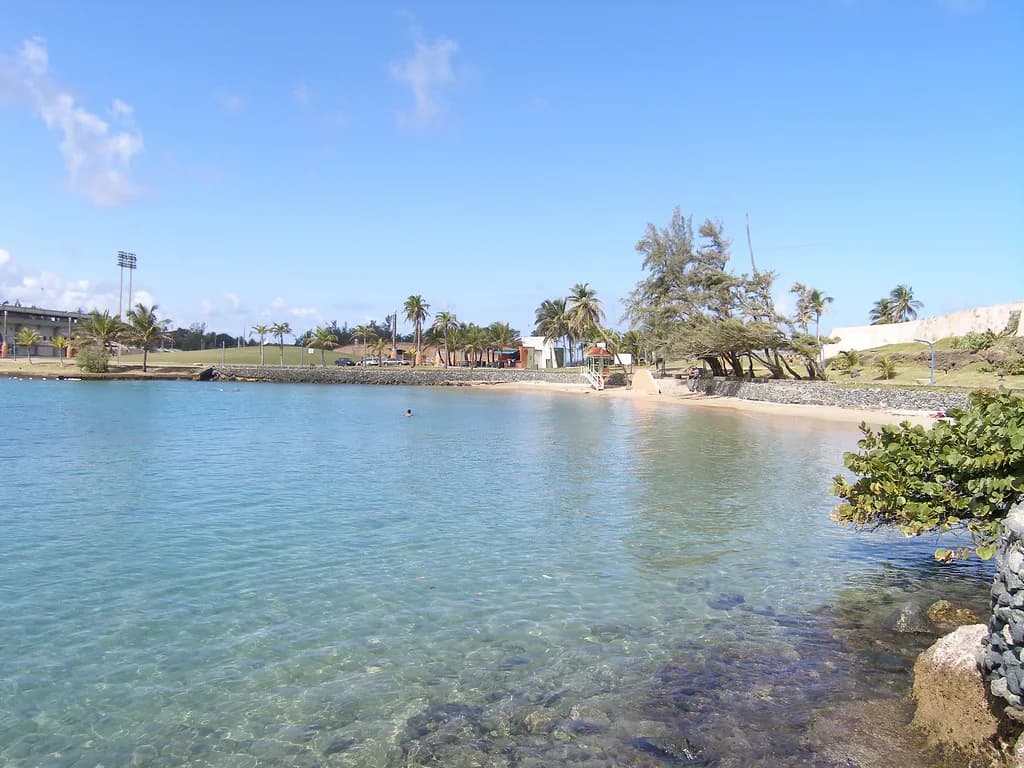
Esperanza is the easiest place on Vieques to get wet. You walk in from the beach, and the structure of the concrete pier creates shade, pilings and edge habitat that hold fish close to shore, which is why it works well for a first snorkel of the trip or a low-effort afternoon. The area right in front of the beach is also worth a pass, especially if the water under the pier is busy with other swimmers.
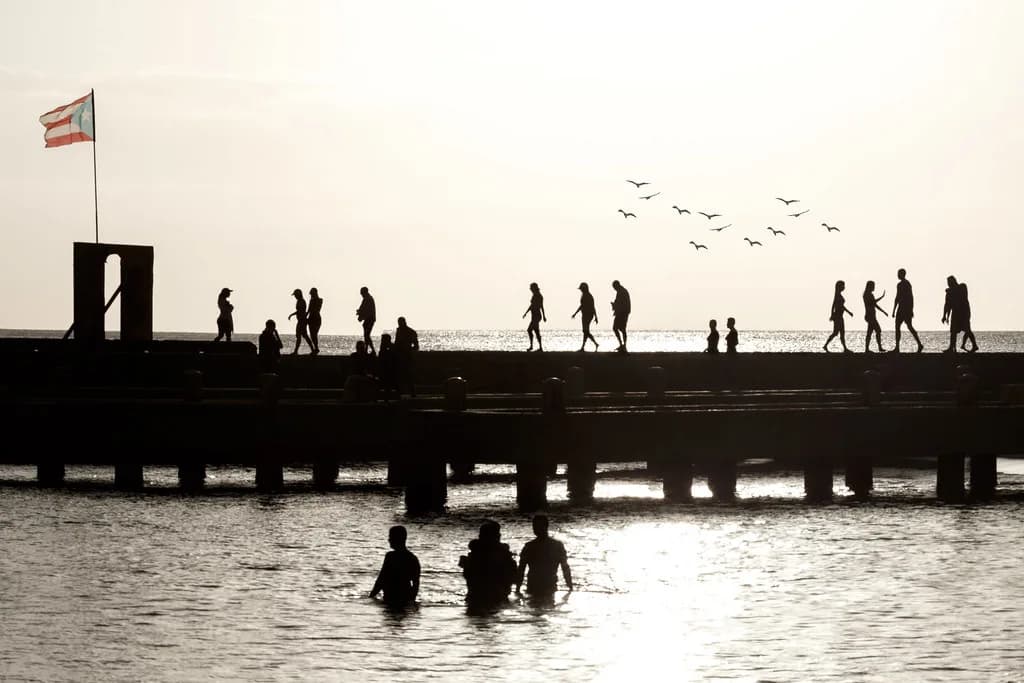
Because the pier is a working structure, treat the pilings and the boat side with care: stay clear of anything moving, keep your distance from the shadow line when a boat is maneuvering, and snorkel the beach side if traffic picks up. Water here is generally shallow over sand and rock, so it suits beginners and children who are comfortable in waist-deep water, but keep them within arm's reach near the structure.
The town side of Esperanza also makes the logistics simple. You are close to food, shade and the malecón, so you can snorkel in the morning, eat, and drive east in the afternoon without hauling gear far. It is the obvious base if you want to snorkel more than once in a day.
Bahia de La Chiva (Blue Beach)
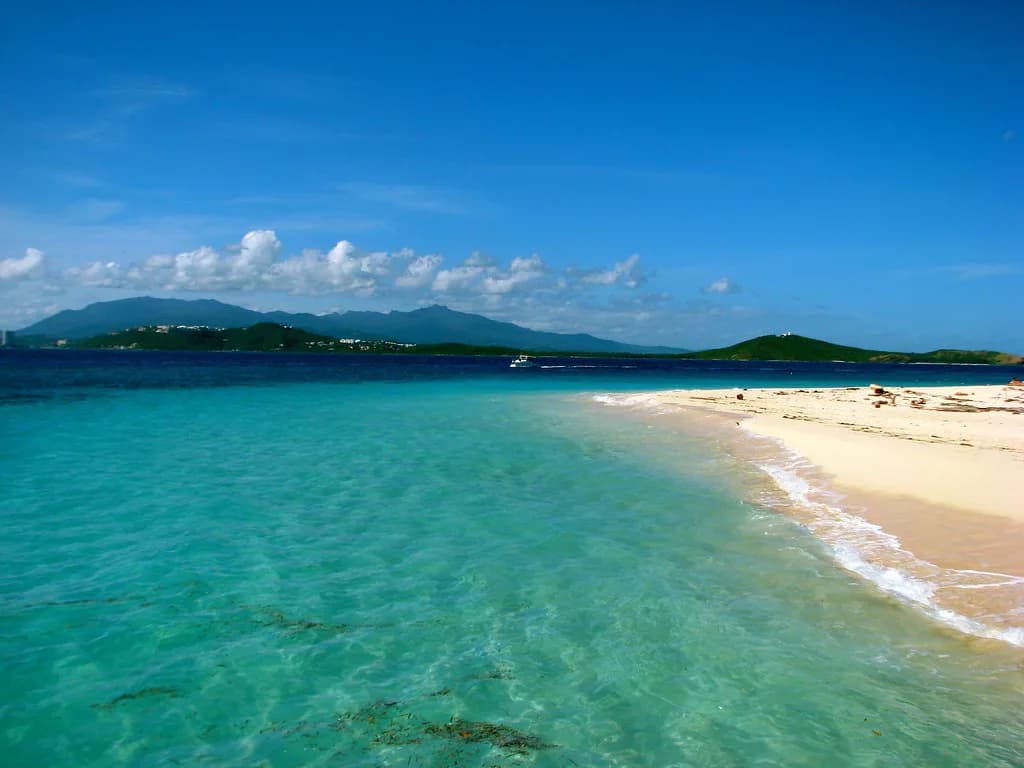
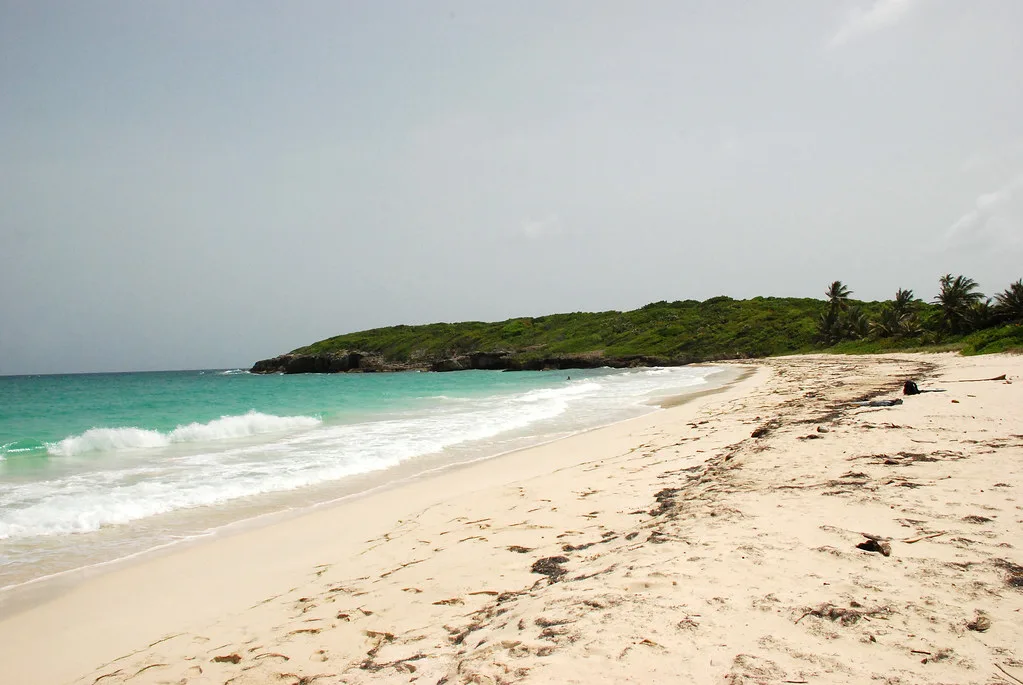
La Chiva is the bay people picture when they think of Vieques: a long crescent of pale sand with scattered rocks and reef patches offshore. Entry is from the sand, and the reefs start within a short swim of the beach in several places along the curve, so you can pick a stretch based on where other people are and how much space you want. The bay is large enough that a full lap is unnecessary; choose one section and work it slowly.
The trade-off is that La Chiva is popular and has less natural shade than you might expect for a full day. Bring an umbrella or shade structure, water and reef-safe sunscreen, and arrive early enough to claim space and swim before the afternoon wind builds. Since the bay curves, the calmest water is usually on the more sheltered side, so look at the surface before you commit to a spot.
Combining the South-Coast Beaches
A realistic day runs west to east or east to west along the south-coast beach road rather than bouncing back and forth. Start at Esperanza for an easy warm-up swim under the pier while the water is flat, then drive east and spend the middle of the day at La Chiva, and finish at one of the smaller bays on the way back if you still have energy and light. This order keeps driving short and puts the most popular stop in the middle rather than at the crowded end of the day.
Timing matters more than distance. Aim to be in the water by mid-morning, break for lunch and shade during the strongest sun, and snorkel again in the late afternoon when the light softens and the beach empties. Carry more water than you think you need and keep gear in the shade between swims, because the south coast offers little cover once you leave the developed areas.
Skill Levels and Who Each Spot Suits
Beginners, children and cautious swimmers should base themselves at Esperanza and the gentler end of La Chiva. Both allow sand entry, shallow starts and the option to turn around at any point, which is the main safety advantage of shore snorkeling. Families do best in the morning before the beach fills and the wind picks up, and with one adult staying close to the pier structure.
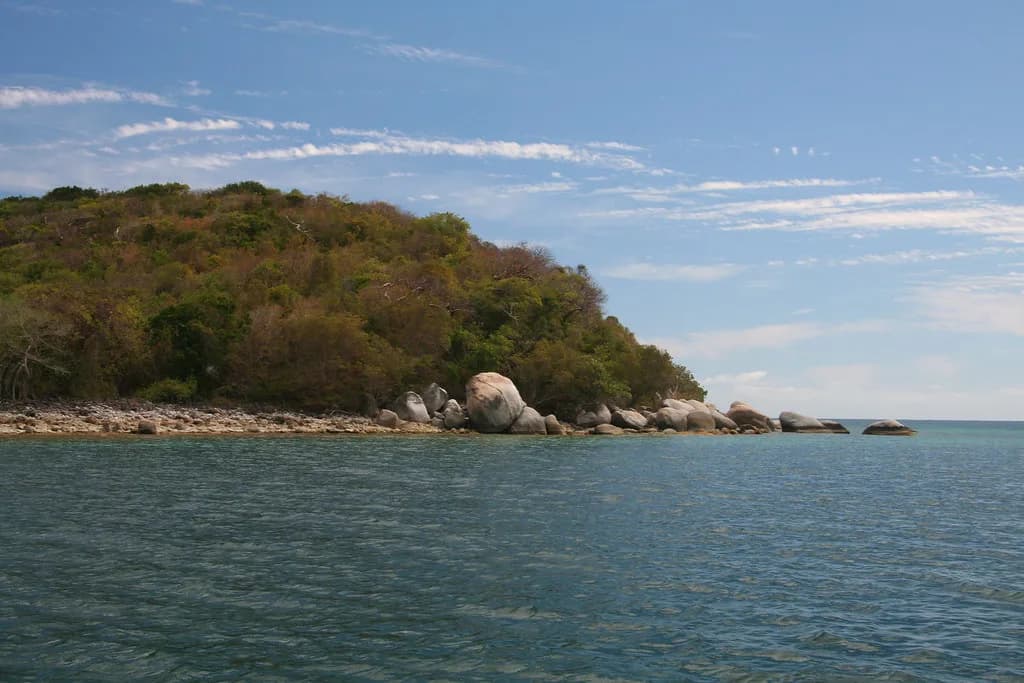
Confident snorkelers get more from Vieques by going further afield. Abe's runs a Tres Palmitas snorkeling trip that combines paddling through mangroves, a remote beach and a paddle near sea caves, and Abe's rates it for intermediate and advanced participants. That rating is the tell: if you are new to the water, book a gentler outing or stick to the shore; if you swim well and want distance and variety, this is the kind of trip worth considering.
What You Will See
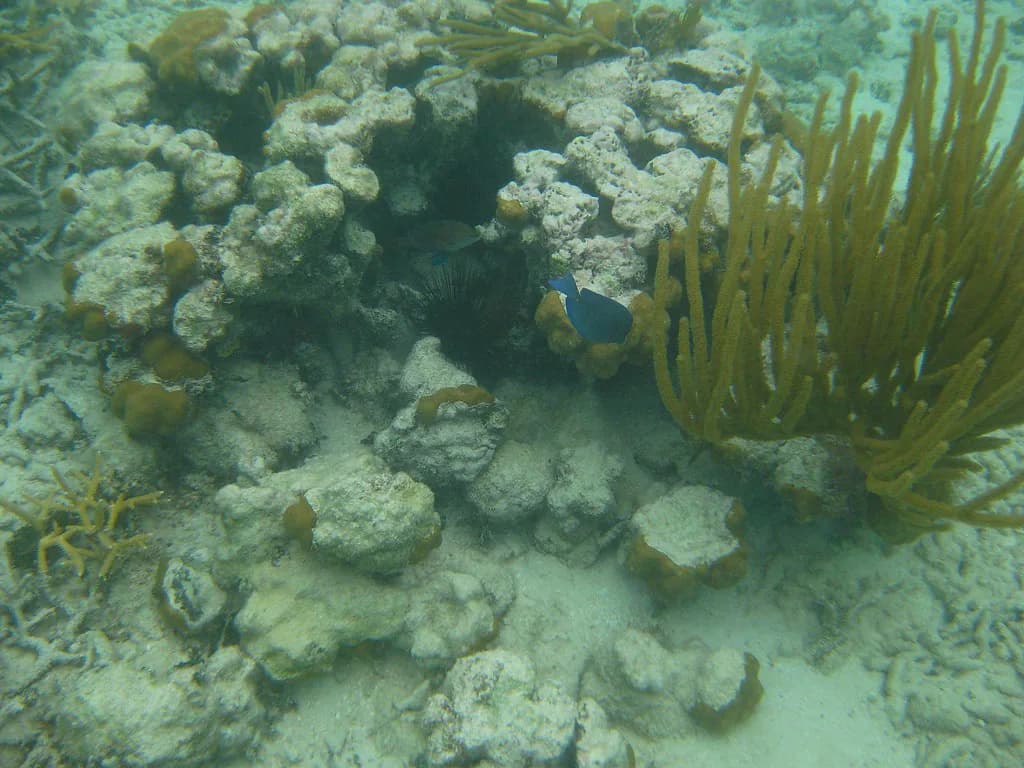
Expect the typical Caribbean reef mix rather than a single headline species: parrotfish grazing on coral, sergeant majors and damselfish hovering over rock and pilings, wrasses and snappers moving along the edges, and the occasional ray over sand. Under the Esperanza pier, structure concentrates fish close to shore, so you can see a lot in a small area. At La Chiva, the reef patches and rock edges reward slow, quiet swimming rather than covering distance.
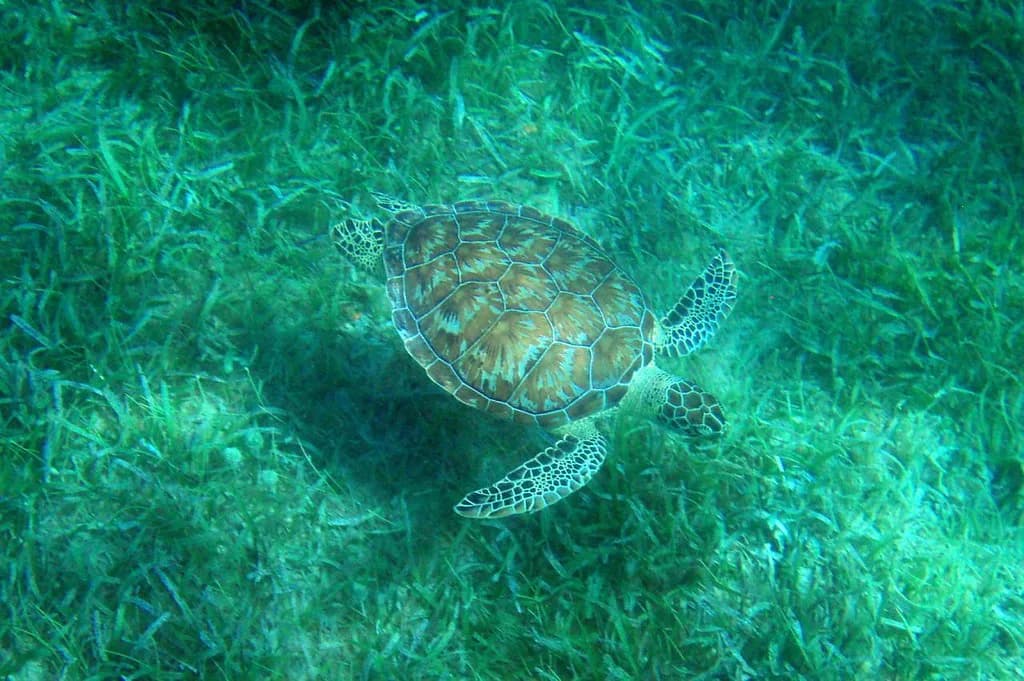
Turtles and rays appear in these waters, and the rules are simple: never touch, feed, chase or block an animal's path, and give turtles and rays room to surface and move away. Keep your fins off the bottom and your body horizontal over coral, since even a light brush damages it. If an animal approaches, stay still and let it pass.
Best Time of Day, Season and Swell Direction
Wind and swell decide which coast works on a given day. When the trade winds are up, the south coast is typically the calmer, more sheltered choice and the north shore gets rougher, so plan shore snorkeling around the south and save the north for settled days. Early morning usually brings the lightest wind and the clearest water, which matters most at shallow spots like the pier where silt and swimmer traffic reduce visibility.
Seasonally, the same logic holds: pick the leeward side for the day's conditions rather than committing to a beach in advance. If the south coast looks choppy, it is a good day for a guided trip or a land-based activity, and if it is flat, make the most of it with an early start. Vieques' biobay tours run at night and do not conflict with a snorkel day, so they pair well.
Hazards to Plan Around
The main hazards are ordinary ones: boat traffic near the Esperanza pier, sun exposure with little natural shade, and surf or current on exposed shores. Stay close to the beach at the pier when boats are moving, keep a float or board for weaker swimmers, and avoid the water when the surface is whitecapping or the lifeguard station is unstaffed. There is no substitute for looking at the water before you commit.
Currents can run along the beach even when the surface looks calm, particularly where the coastline curves. Swim parallel to shore, check your exit point regularly, and set a turnaround time rather than a distance. On the more exposed north shore, rock entries and surge are additional reasons to keep ambitions modest and to snorkel with a buddy.
Guided Snorkeling and Boat Tours
A guided trip adds three things a shore swim does not: access to reefs and cays you cannot easily reach from the beach, a guide who reads conditions, and instruction for anyone still learning equipment and technique. Abe's frames its guided snorkeling around safety, reef protection and species identification, which is the honest case for hiring a guide rather than a promise of better fish. Its Tres Palmitas tour is the more demanding option and is rated for intermediate to advanced snorkelers.
Book ahead if your dates are fixed, especially in high season, and match the tour rating to your group rather than to your enthusiasm. Small-group trips suit mixed-ability families who want a guide's eyes on the water, while strong swimmers may prefer a longer, more remote itinerary. If you are weighing islands, compare Vieques with Culebra snorkeling before you commit, since the two reward different styles of trip.
Gear, Sunscreen and What to Leave Behind
Bring a mask that fits, fins you can control in shallow water and a rash guard for sun and abrasion. Water shoes help on rocky entries and around the pier pilings, and a float or board is useful for children and weaker swimmers. Leave behind anything you would not want to carry back up the beach, and pack out all trash.
Puerto Rico protects coral, and reef-safe sunscreen is the practical default for any Vieques swim; apply it before you get in and reapply on the beach rather than in the water. Read the posted rules at each beach and follow them, including any restrictions on where you can walk or swim within the wildlife refuge. Where a specific rule matters to your plan, check current guidance with the U.S. Fish and Wildlife Service, which manages the Vieques National Wildlife Refuge, or with your tour company such as Abe's Snorkeling & Biobay Tours.
Getting Around and Pairing Vieques with the Rest of Puerto Rico
Vieques is a small island, and a rental car or jeep makes the south-coast beach chain far easier to work through than taxis. Distances are short, but the beach road is slow and parking at the popular bays fills up, so start early and plan to move once rather than several times. Fuel up and buy supplies in town before you head east.
If you are building a wider trip, treat Vieques as the shore-snorkeling chapter of your Puerto Rico snorkeling itinerary and save the boat-and-cay days for elsewhere. Elsewhere in Puerto Rico, Crash Boat Beach snorkeling on the west coast is a different kind of day, with structure and clear water close to shore, and Escambrón Beach Snorkeling near San Juan works as a city-side warm-up. On Culebra, Flamenco Beach snorkeling is the obvious counterpart if you want to compare islands.
Plan Your Visit
Vieques snorkeling works best as a two-anchor day: an easy, structure-rich swim at Esperanza in the morning and a longer session at La Chiva when the wind allows, with a guided trip filling the gap for strong swimmers who want the cays and sea caves. Choose by conditions rather than by a ranked list, and let wind and swell decide which coast gets your time.
If conditions look marginal, ask your tour operator or the local land manager before heading out; they know the day's water better than any forecast. Otherwise, pack water and shade, wear reef-safe sunscreen, keep your distance from turtles and rays, and give the reef the slow, quiet pass it deserves.
Frequently Asked Questions
Is snorkeling better in Vieques or Culebra?
They suit different trips. Vieques is strong for shore snorkeling, with sand entries and reef close to the south-coast beaches, so it fits travelers who want flexible half-days without a boat. Culebra is better known for boat-based days and its beach scenery. If you only have time for one, pick Vieques for easy shore access and Culebra if you want a boat-led itinerary.
Is Vieques or Icacos better for snorkeling?
Vieques gives you more independence because you can walk in from the beach at Esperanza and along the south coast without booking anything. Icacos is typically a boat-day destination. Choose Vieques if you want to snorkel on your own schedule and drive between bays; choose a boat trip if you prefer a guided, fixed itinerary.
Do you need a tour to snorkel in Vieques?
No. The most accessible spots, including Esperanza and the south-coast beaches, are reachable from shore. A guided trip helps if you want to reach more remote reefs and cays, want instruction on equipment and technique, or are traveling with a mixed-ability group. Abe's rates its Tres Palmitas trip for intermediate and advanced participants, so match the tour to your comfort in the water.
Where do you snorkel from shore in Vieques?
Start at Esperanza Beach, where the concrete pier and the water in front of the beach give you easy entry and structure close to shore. Then work east along the south coast to Bahia de La Chiva, known as Blue Beach, and the smaller bays between them. Choose your stretch based on which side of the bay looks calm on the day.
What is the best time of day for Vieques snorkeling?
Early morning usually brings lighter wind and clearer water, which matters most at shallow spots near the pier. Aim for a mid-morning swim, break during the strongest sun, and snorkel again in the late afternoon. Let the day's wind and swell decide which coast you visit rather than committing to a beach in advance.
What will I see snorkeling in Vieques?
Expect a typical Caribbean reef mix: parrotfish, sergeant majors, damselfish, wrasses and snappers around coral and rock, with rays over sand and the chance of turtles. Structure like the Esperanza pier concentrates fish close to shore. Never touch, feed or chase wildlife, and give turtles and rays room to surface and move away.
What hazards should I plan for?
Boat traffic near the Esperanza pier, sun exposure with limited natural shade, and surf or current on exposed shores. Swim parallel to shore, check your exit point regularly, and keep children close near the pier structure. If the water looks rough or the beach is unstaffed, choose another bay or a guided trip instead.
What should I bring for a Vieques snorkel day?
A well-fitting mask, fins you can control in shallow water, a rash guard, water shoes for rocky entries, water and shade. Apply reef-safe sunscreen before you get in and reapply on the beach. Carry out your trash and follow posted rules at each beach, including within the wildlife refuge.
Sources
Snorkeling notes for your next trip
Optional updates to our snorkeling guides.
You might also like
Continue reading
More guides you'll find useful