La Jolla Cove Snorkeling Guide: Entry, Marine Life, and Tips
La Jolla Cove snorkeling pairs a protected reserve with kelp, garibaldi and leopard sharks. Learn the entry, depth, wetsuit needs, and best time to go.
On this page
La Jolla Cove is the rare California snorkel site where you can wade in from a protected pocket of beach and be over reef, kelp and sand flats within a short swim. It suits confident swimmers who want wildlife close to shore and don't mind cold water, while families with small kids often do better at the neighboring sandy beach. This guide covers the entry, what sits below, and how to plan the day.
Why the Cove Is Worth a Snorkel
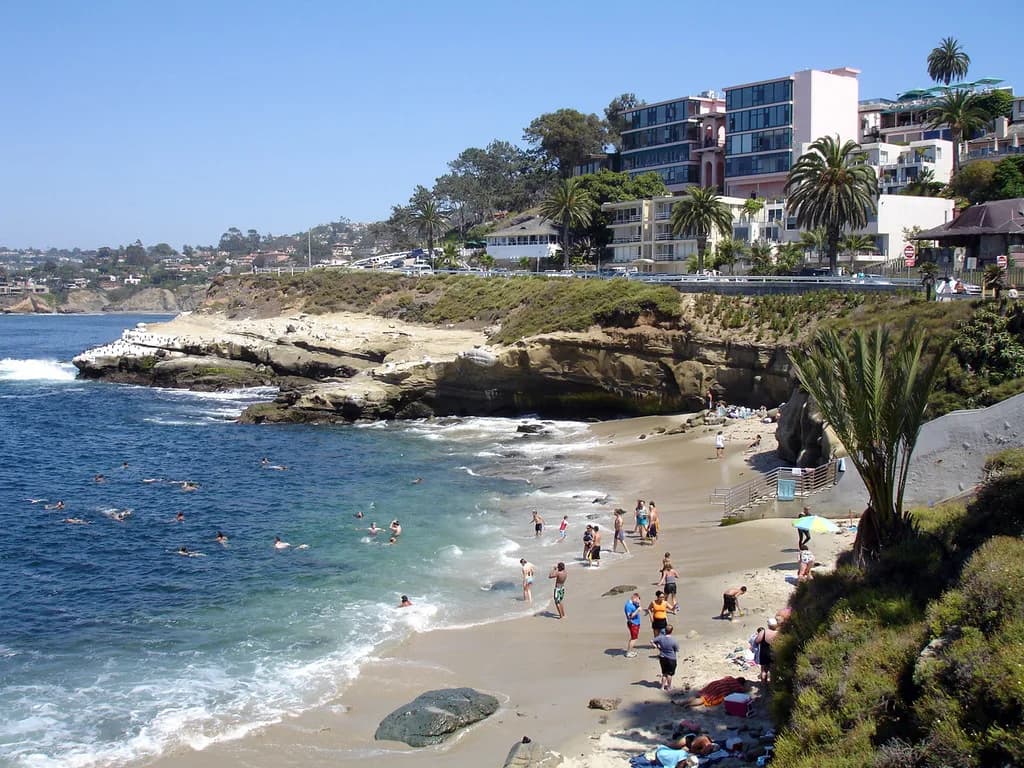
The cove is the calm, cliff-backed notch on Coast Boulevard, and it sits inside the San Diego-La Jolla Underwater Park, a protected marine area of roughly 6,000 acres. Protected zones are sectioned off by buoys, and no fishing is allowed inside them, so fish life is dense and approachable. That protection is why the cove sees so much marine life close to shore.
The cove is also the easiest entry in La Jolla for shore snorkeling, which is why it draws crowds. If you want the short version of how the cove fits into the wider scene, the broader guide to snorkeling in La Jolla covers the surrounding sites and how they compare.
Where the Spot Is and Getting In
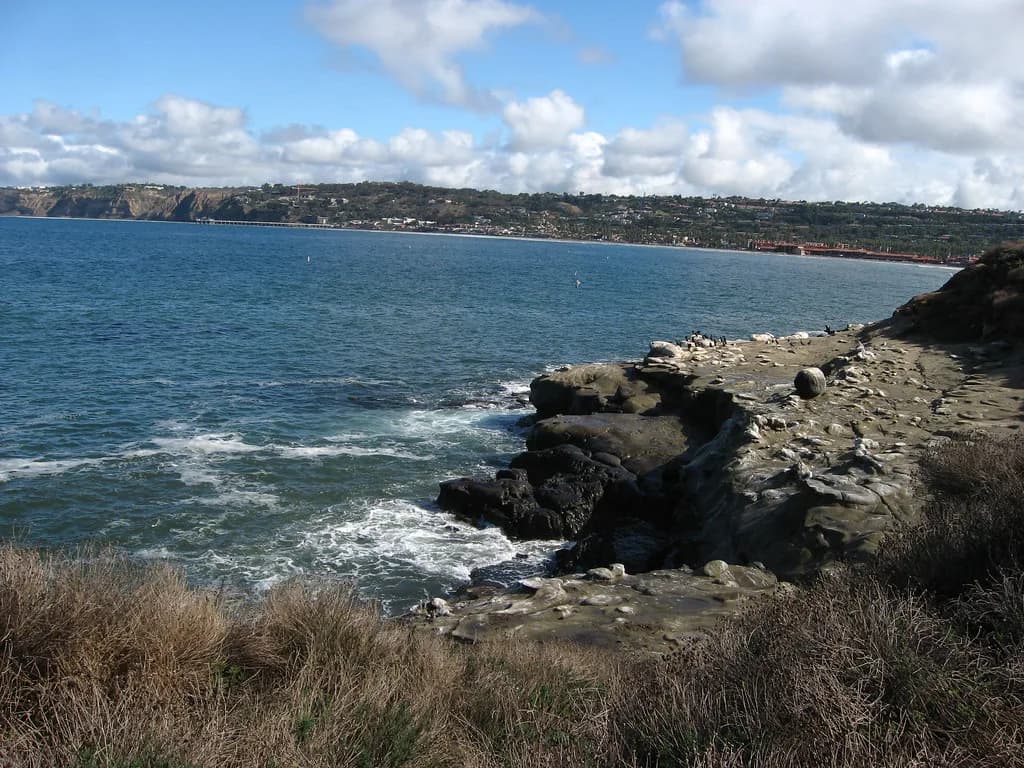
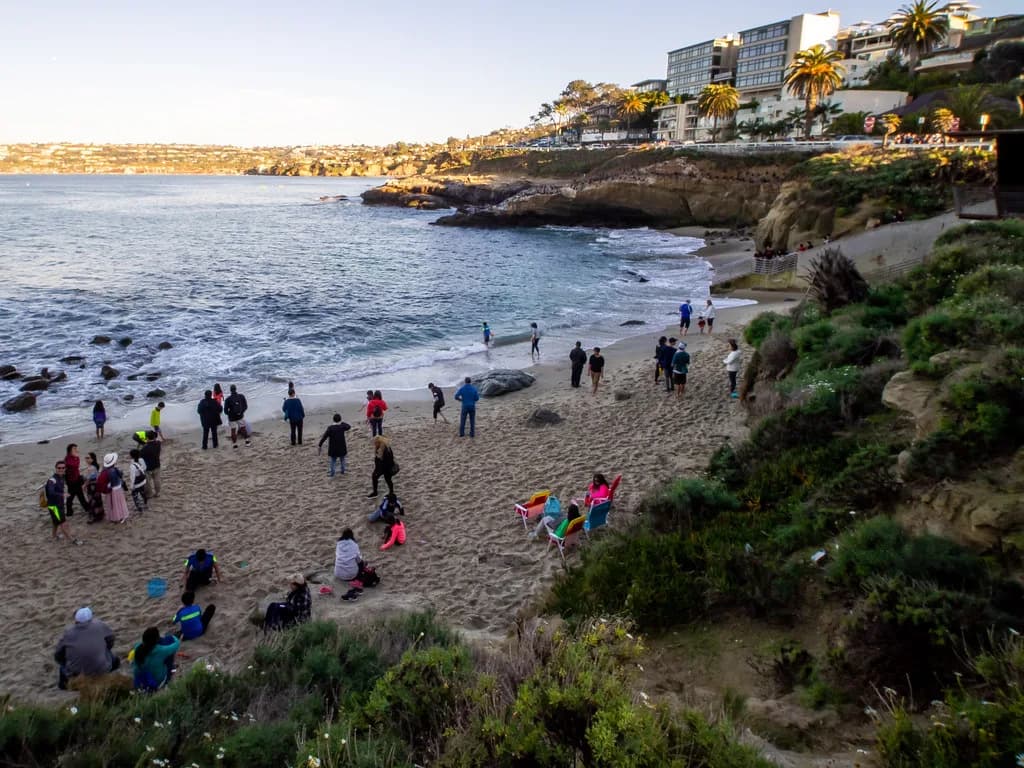
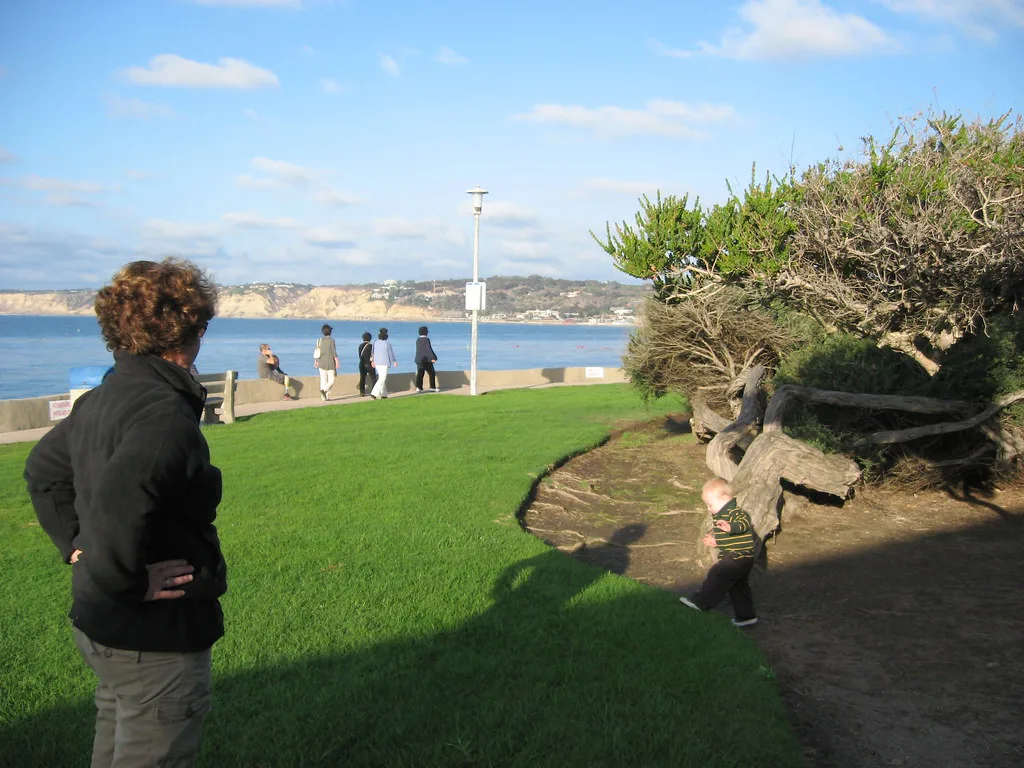
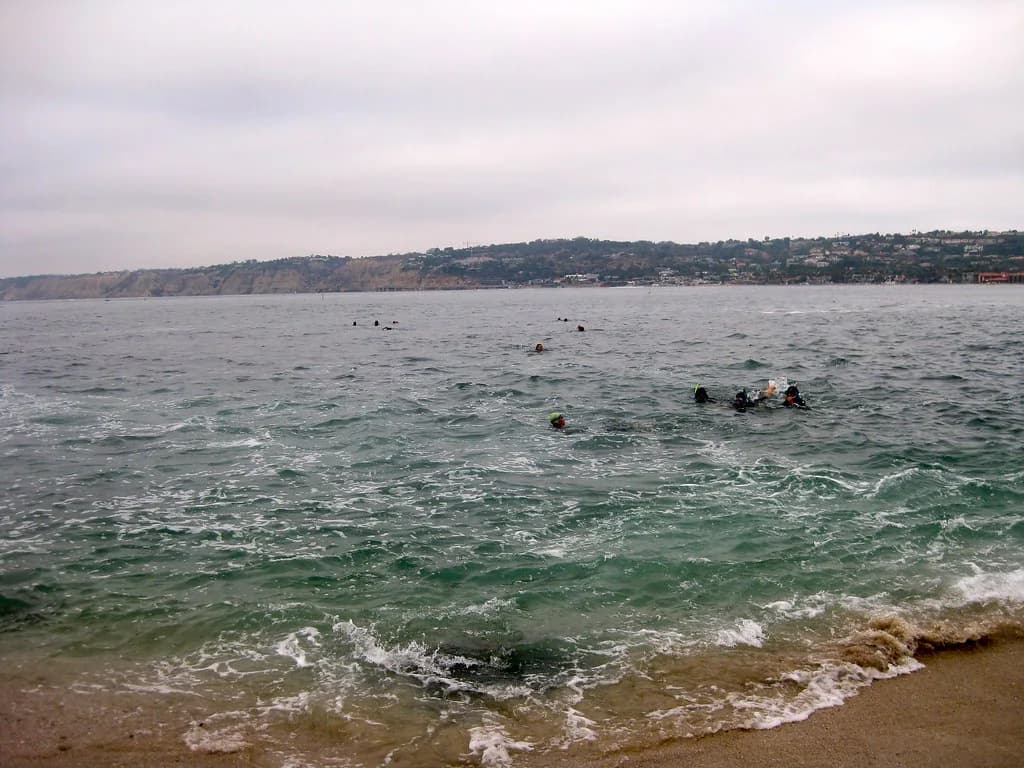
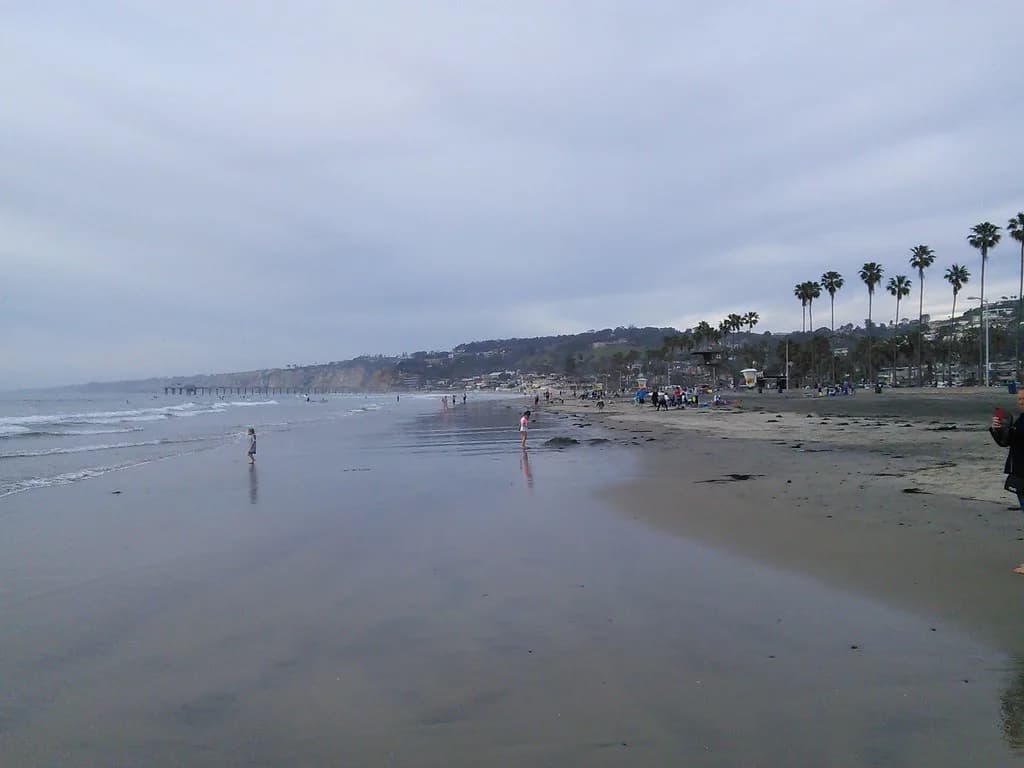
The cove fronts Coast Boulevard, with grassy cliffs and sidewalks above and sand plus shallow rock at water level. You walk down from the street, wade off the sand, and swim out through the mouth of the cove toward open water. Expect some surge on the way out, especially when swell wraps around the point.
Gear gets lost in the surf here, so keep your mask around your neck rather than on your forehead and carry your fins in your hands until you are past the wash. Enter on the sandiest line you can find and avoid stepping on the shallow rock at the edges of the cove.
How Far Out the Reef and Canyon Sit
The reef and kelp sit a short swim from the entry, and beyond the cove the bottom falls away into a canyon that drops roughly 500 feet. That steep relief is what brings deep-water life close to the shoreline. Snorkelers working the surface over the kelp edge see far more than those who stay over bare sand.
Plan your line around the buoyed boundaries and stay on the inside of the protected zone. Kelp stands grow tall enough to shade the surface, so keep your buddy in sight and watch for kelp fronds catching on your fins.
What You Will See
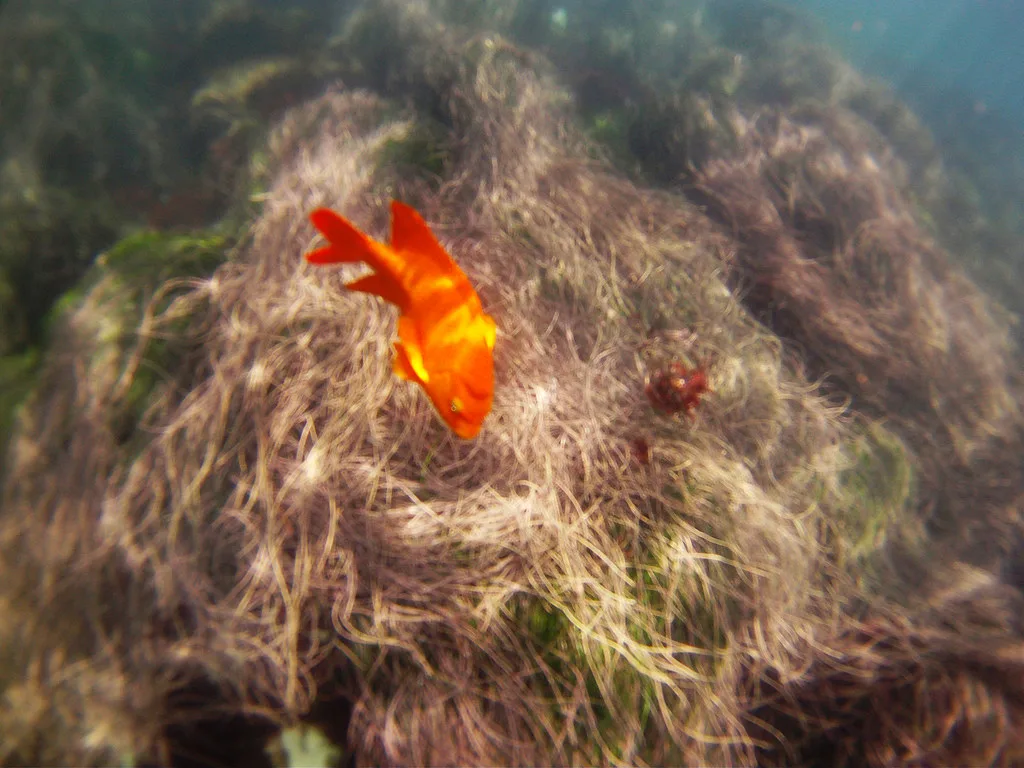
Garibaldi, the bright orange damselfish, are the signature sight, along with schooling fish over the reef and California spiny lobster tucked into crevices. Kelp bass, sheephead and blacksmith turn up on almost any San Diego snorkel, while giant sea bass, horn sharks and green sea turtles are the patient snorkeler's reward.
Leopard sharks are the cove's seasonal draw, and they are docile bottom feeders that are often visible right from the surface over sandy patches. They are easy to spot without diving down, which makes them a good target for snorkelers who stay at the top of the water column.
Offshore, sea lions and harbor seals work the kelp and the open water beyond the cove. A guided trip is the practical way to reach them if you want to see the colonies without a long surface swim.
Leopard Shark Timing
Leopard sharks are most reliably present from June through January, when they gather over sand and are visible from the surface. Winter also brings mating activity, so the sandy flats can hold good numbers even when the air is cool.
Look over the sand between reef outcrops rather than over the kelp itself, and swim slowly so you don't scatter them. If leopard sharks are your main goal, the dedicated guide to snorkeling leopard sharks la jolla explains where they concentrate and how to time a visit around them.
Sea Lion and Seal Etiquette
Seal Beach sits within the cove, and seals and humans share the sand there. Keep your distance and never pet or chase them, and give seals on the beach a wide berth so they can rest.
In the water, let sea lions and seals come to you rather than swimming at them. Give mothers with pups extra room, and back off if an animal changes direction toward you.
Skill Level and Who It Suits
The cove rewards top swimmers and comfortable snorkelers who can handle surge, cold water and a surface swim through the mouth of the cove. Beginners can enjoy the inside of the cove on calm days, but the wildlife-rich outer edges and the canyon are not the place to learn.
Families with young kids usually prefer La Jolla Shores, where the sand entry is gentler and the flats are shallower. For a direct comparison, Snorkeling at La Jolla Shores lays out that easier alternative.
Guided snorkel tours in the cove and caves suit first-timers who want an entry point and a guide who can point out species. A local guide also handles the route through the cave and kelp areas that are tricky to read from shore.
Wetsuit Expectations
Water temperatures here run roughly 58°F to 70°F, and the bottom is colder still. This is cold-water snorkeling, and exposure protection is not optional.
A full 5mm wetsuit is the summer norm, while winter snorkelers are better off in a full 7mm suit with a hood. Bring booties for the rock entry, and rinse everything with fresh water after a saltwater swim.
Best Time of Day and Swell Direction
Early morning is the best window: the reef is active and the surface is typically calmer before the afternoon wind fills in. Visibility changes hourly here, with averages of 15 to 30 feet and the best days reaching 50 feet or more in fall and winter.
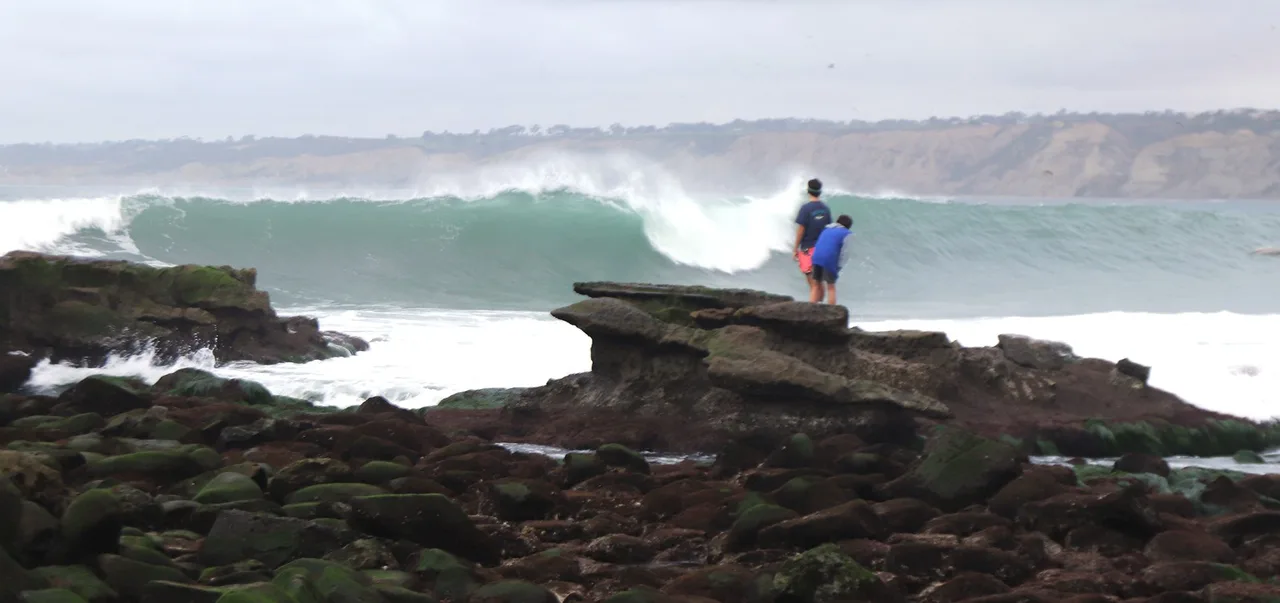
Swell direction matters more than most snorkelers expect. When swell wraps into the mouth of the cove, the inside gets surgy and the sand entry churns; on those days the calmer water tends to be on the more sheltered side of the cove, away from the open mouth.
Fall and winter deliver the clearest water, but they also bring bigger surf and colder temperatures. Summer trades some visibility for warmer air and easier surface conditions.
Hazards
The main hazards are the surgy entry, shallow rock at the edges of the cove, cold water and boat traffic outside the buoyed zone. Kelp can tangle fins and obscure your buddy, so stay close and keep your surface intervals short.
Check the marine forecast and any posted advisories before you commit, and pick another day if surf is up. The City of San Diego publishes beach and water-quality advisories that are worth a look the morning you plan to go.
Parking and Access
Parking around the cove is tight, and Coast Boulevard can jam in summer. A paid garage option and free street parking in the neighborhoods near Torrey Pines Road are the practical alternatives, with a short walk back to the water.
Plan to arrive early to claim a space and to get in the water before the crowds build. Facilities in the immediate cove area are limited, so bring water, a towel and a dry bag with you.
Rules in the Underwater Park
The protected areas inside the park are marked by buoys, and fishing is not allowed within them. Take only photos, never touch or collect marine life, and give seals, sea lions and sharks room to move.
Reef-safe sunscreen rules vary by destination, so read the signage at the cove and follow whatever the park posts. Carry out everything you bring in, including snack wrappers and fin straps.
Nearby Spots to Combine
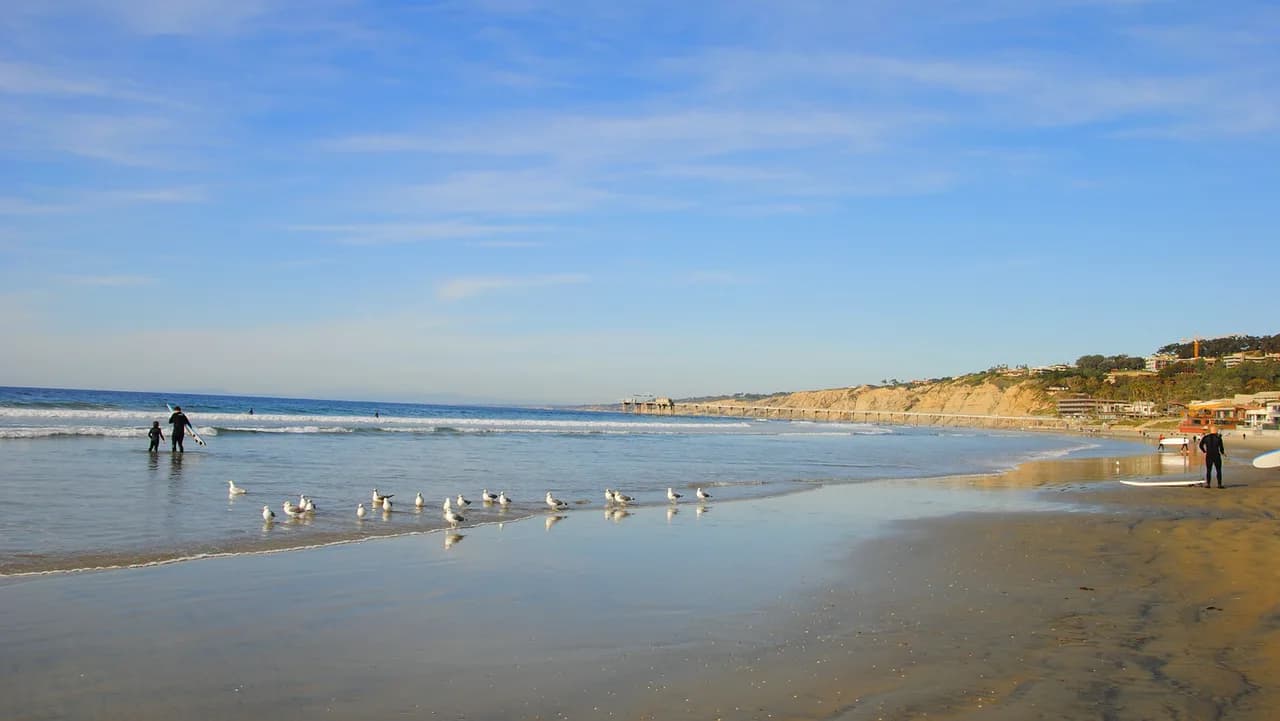
La Jolla Shores is the natural second stop, with a sandy entry and shallow flats that suit a gentler second swim. Pair the cove in the morning with the shores in the afternoon for two very different days on the water.
For a wider look at the region, the guide to san diego snorkeling covers the other La Jolla and Point Loma sites and how to pick between them. If you want the seasonal detail, the best time to snorkel in la jolla explains how fall and winter compare with summer. For an island trip with similarly protected waters and kelp, the guide to snorkeling in Catalina Island is the closest comparison.
Tours and Rentals
Local operators run guided cove and cave snorkel trips, and several La Jolla shops rent masks, fins and wetsuits for shore snorkelers. Booking a tour is the simplest way to get an entry briefing and a guide who can find the leopard sharks and garibaldi.
Plan Your Visit
La Jolla Cove delivers reef, kelp, garibaldi and leopard sharks within a short swim of a sand entry, all inside a protected underwater park. It rewards confident snorkelers who arrive early, wear a proper wetsuit and respect the buoyed boundaries.
Bring a 5mm suit in summer and a 7mm suit with a hood in winter, check the City of San Diego surf and water-quality advisories before you go, and keep your distance from seals, sea lions and sharks.
Frequently Asked Questions
What time of year is best for leopard sharks at La Jolla Cove?
Leopard sharks are most reliably present from June through January, when they gather over sandy patches and are often visible from the surface. Winter also brings mating activity, so the sand flats can hold good numbers even when the air is cool. Look over sand between reef outcrops rather than over the kelp, and swim slowly so you do not scatter them.
Is La Jolla Cove good for beginner snorkelers?
Beginners can enjoy the sheltered inside of the cove on calm days, but the cove as a whole rewards confident swimmers who can handle surge, cold water and a surface swim through the mouth of the cove. The wildlife-rich outer edges and the canyon drop-off are not the place to learn. Families with young kids generally get a gentler day at La Jolla Shores, where the sand entry is easier and the flats are shallower.
Do you need a wetsuit to snorkel La Jolla Cove?
Yes. Water temperatures here run roughly 58°F to 70°F, and the bottom is colder still, so this is cold-water snorkeling and exposure protection is not optional. A full 5mm wetsuit is the summer norm, while winter snorkelers are better off in a full 7mm suit with a hood. Bring booties for the rock entry.
Can you snorkel with sea lions at La Jolla Cove?
Sea lions and harbor seals work the kelp and open water beyond the cove, and a guided boat trip is the practical way to reach them without a long surface swim. In the water, let animals come to you rather than swimming at them, and give mothers with pups extra room. Seals also share the sand at Seal Beach inside the cove, where you should keep your distance and never pet or chase them.
What will I see snorkeling at La Jolla Cove?
Garibaldi, the bright orange damselfish, are the signature sight, along with schooling fish over the reef and California spiny lobster in crevices. Kelp bass, sheephead and blacksmith turn up on almost any San Diego snorkel, while giant sea bass, horn sharks and green sea turtles are the patient snorkeler's reward. Leopard sharks are the seasonal draw over sandy patches.
Sources
Snorkeling notes for your next trip
Optional updates to our snorkeling guides.
You might also like
Continue reading
More guides you'll find useful