Snorkeling Leopard Sharks in La Jolla: La Jolla Shores Guide
Leopard sharks gather in the warm shallows off La Jolla Shores in summer. Here is how the sandy entry works, what you will see, and when to go.
On this page
Leopard sharks are the reason many snorkelers plan a summer trip to La Jolla, and the appeal is simple: a sandy beach entry, waist- to chest-deep water, and patterned sharks gliding over the bottom a short wade from shore. Unlike a boat dive or a cliff jump, this is an encounter you can reach on foot with a mask and fins.
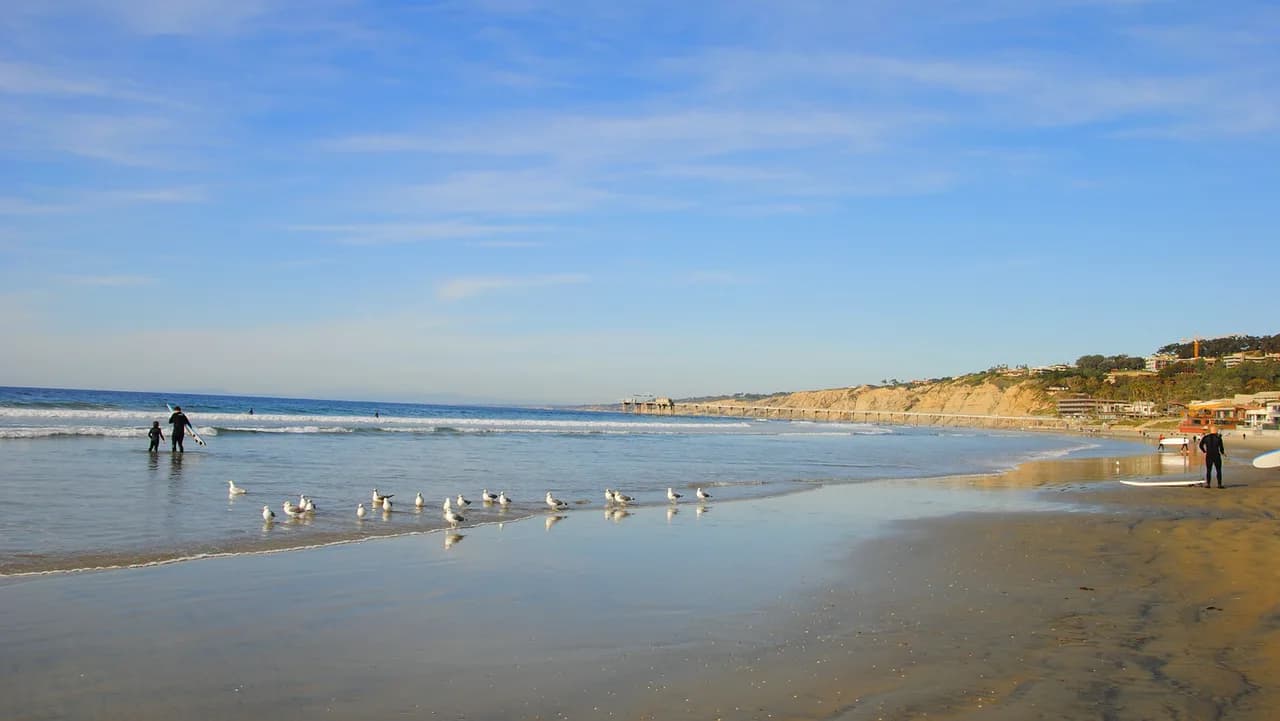
The aggregation centers on La Jolla Shores Beach, where the shoreline curves into the La Jolla Ecological Reserve. That combination of protected habitat, gentle surf and warm coastal water is what draws the sharks, and it is also what makes the site workable for families and first-time snorkelers.
Why La Jolla Shores Is the Spot
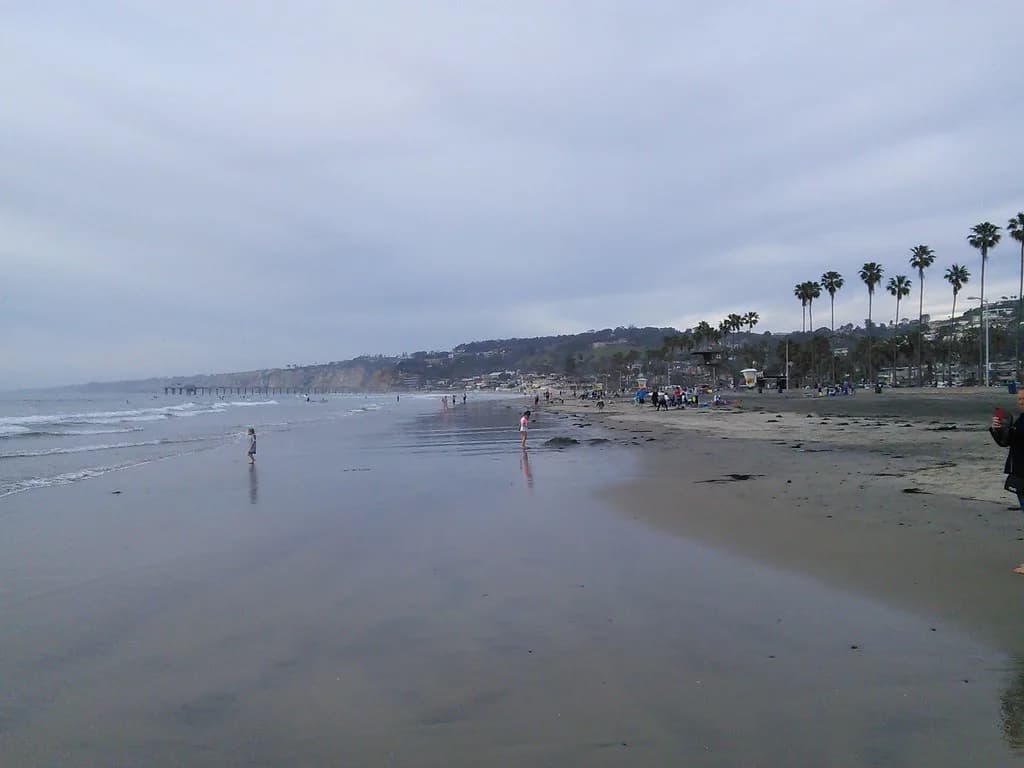
La Jolla Shores has the gentlest approach of the La Jolla snorkel sites: a broad sand beach with a shallow grade, so you walk in rather than pick your way down rocks. The reserve protection keeps the water calm and the bottom sandy in the shallows, which is exactly the habitat leopard sharks favor when they move in for the summer.
Every summer, hundreds of leopard sharks gather in the warm, shallow water just off La Jolla Shores Beach, and the area's calm surf and protected habitat make it comfortable for both the sharks and the people watching them. That is the core trade-off here: you give up the dramatic kelp and reef structure of a cove in exchange for easy access and a good chance of a close, low-stress wildlife encounter.
Where the Sharks Are
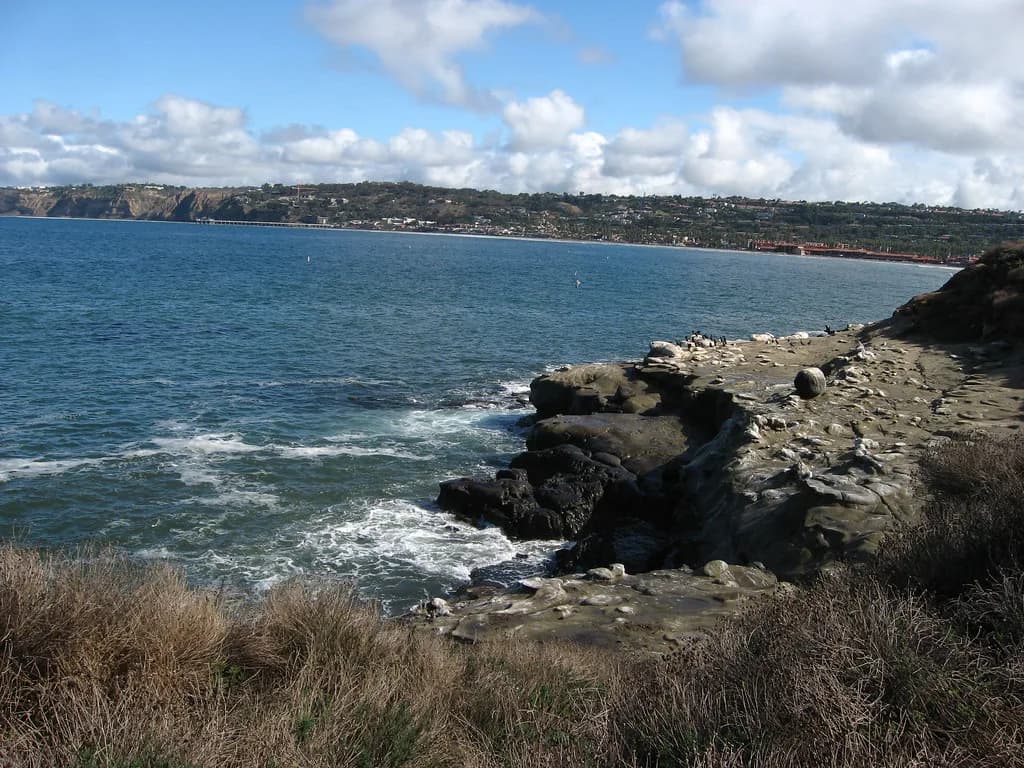
The aggregation sits within the La Jolla Ecological Reserve, the protected marine zone that runs off La Jolla Shores toward the cove. Female leopard sharks migrate into the reserve during summer to feed, breed and give birth, which is why the sharks concentrate here rather than spread evenly along the San Diego coast.
In practice, you are looking at the sandy flats and the shallow margin where the beach drops off, not the deep reef. Scan for dark, patterned shapes resting on or hovering just above the sand, and give the whole area a slow sweep rather than fixing on one patch. The reserve is part of the larger San Diego-La Jolla Underwater Park system, so the same protections that shelter the sharks apply to everything else you see.
Getting In
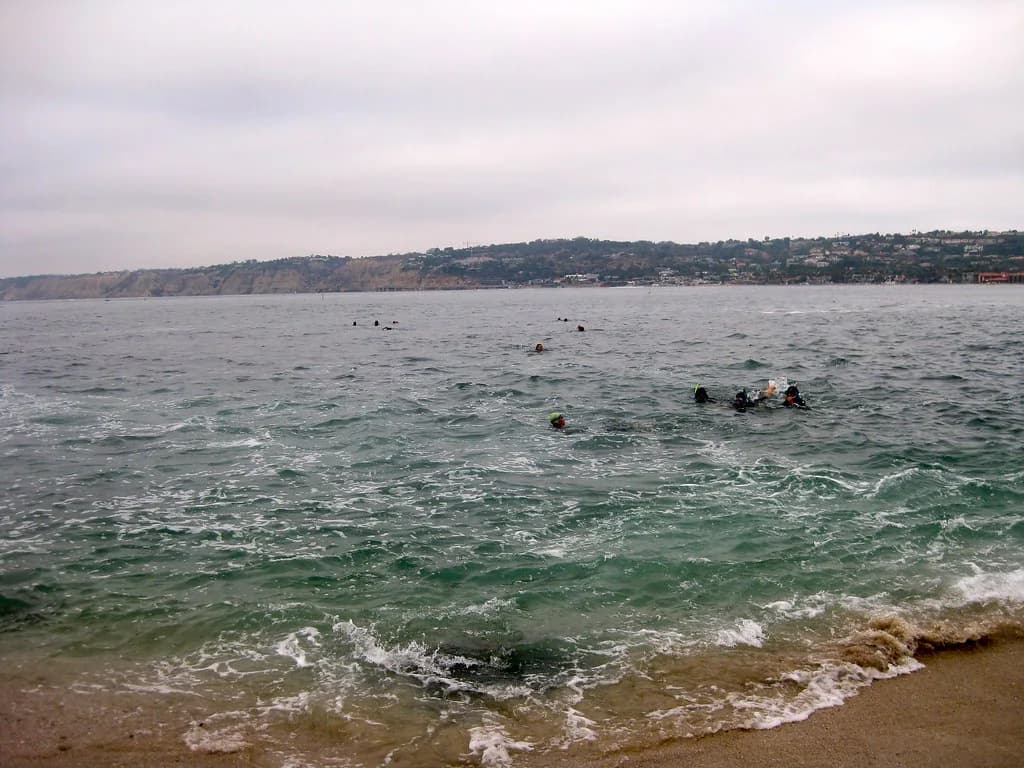
Entry is a straight beach walk-in from the sand at La Jolla Shores, and the encounter stays in waist- to chest-deep water. That means no ladder, no stairs and no swim across a channel; you wade until the depth suits you, then put your mask down and start looking.
Because the water is shallow, fins are optional but help you cover ground without kicking up sand. Walk out past the shorebreak before pulling fins on, keep your body low and your fin tips below the surface, and you will keep visibility intact for yourself and everyone behind you.
Depth and Distance
The leopard shark encounter is a shallow-water experience, typically waist- to chest-deep, so you are wading and floating rather than diving. The reef edge further out is not the target here; the sharks work the sand close to the beach, which keeps the swim short and the exit easy.
Stay oriented by keeping the beach and its landmarks in view and by glancing back at your entry point regularly. In shallow water, a slow surface glide with your face down beats swimming hard, since the sharks are bottom-dwellers that you spot by scanning ahead rather than by chasing distance.
When to Go
The aggregation is seasonal. From July to September, leopard sharks gather in the warm shallows off La Jolla Shores Beach, so plan the trip inside that window rather than treating the sharks as a year-round certainty. Outside it, the beach still snorkels, but the sharks are the summer story.
Morning is the better half of the day: the water is typically calmest and clearest before the afternoon breeze builds and the beach fills with swimmers. Early arrivals also get the easier parking and a quieter line of sight across the sand. For a wider look at how seasons and swell affect the area, see this guide to the best time to snorkel in la jolla.
Sightings are never guaranteed on a given day. Ask San Diego Fire-Rescue lifeguards about current water conditions and any posted advisories before you wade in, and treat a clear, calm morning as your best odds rather than a promise.
What You Will See
Leopard sharks are the headliner, and they are bottom-feeders with a gentle, shy manner, patterned like their namesake and content to cruise the sand below you. Watch from the surface and let them choose the distance; a shark that swims away is behaving normally, not fleeing a threat.
The same shallow flats hold rays, and the reserve's rocky margins and kelp nearby bring garibaldi, the bright orange damselfish that is hard to miss. Look for rays half-buried in the sand as dark outlines, and keep your fins off the bottom so you do not disturb them or silt the water.
Skill Level and Who It Suits
This is one of the most beginner-friendly wildlife snorkels in Southern California: shallow depth, sandy entry and calm summer surf suit families, kids who are comfortable in the water, and first-time snorkelers. Strong swimmers get less of an advantage here than at a reef site, because the encounter is close to shore and unhurried.
The main skill is being calm and quiet in shallow water. If you can float face-down, breathe through a snorkel and stand up when you want to, you have what the site asks for; if you are new to the ocean, go with a guide or a stronger partner the first time.
Hazards and Etiquette
The hazards are ordinary beach ones: shorebreak on entry and exit, other swimmers and paddlers sharing the shallows, and boat or kayak traffic further out. Keep your head up when moving, stay inside the shallow band where you can stand, and avoid drifting past the area where you can touch bottom.
Etiquette matters more than gear here. Never touch, feed or chase the sharks or any other animal, and never block a shark's path to open water; stay at the surface and let the encounter happen on the animal's terms. Bring reef-safe sunscreen, since the reserve is a protected marine area and what washes off you ends up in it.
Gear, Rentals and Guided Tours
Nearby rental shops stock masks, snorkels, fins and wetsuits, which saves luggage space if you are traveling light. A properly fitted mask and a wetsuit suited to summer water temperatures matter more than brand, so try the fit before you commit to a long morning in the shallows.
Guided tours run with a marine naturalist and typically last around 90 minutes, including wetsuit and snorkel gear and small group sizes, with commentary on the local sea life. That structure suits anyone who wants the sharks explained as they go, and it removes the guesswork about where to wade in.
Rules in the Reserve
La Jolla Shores sits inside a protected marine reserve, so the wildlife distance rules are not optional advice. Keep your hands to yourself, do not ride or herd animals, and do not collect shells, rocks or anything else from the bottom; the reserve exists to keep this habitat functioning for the sharks and everything else that uses it.
Reef-safe sunscreen belongs in the same category as good conduct rather than a marketing checkbox. Look for a mineral-based formula labeled reef-safe and apply it before you arrive, since even permitted products belong on your skin, not in the water.
Nearby Spots to Combine
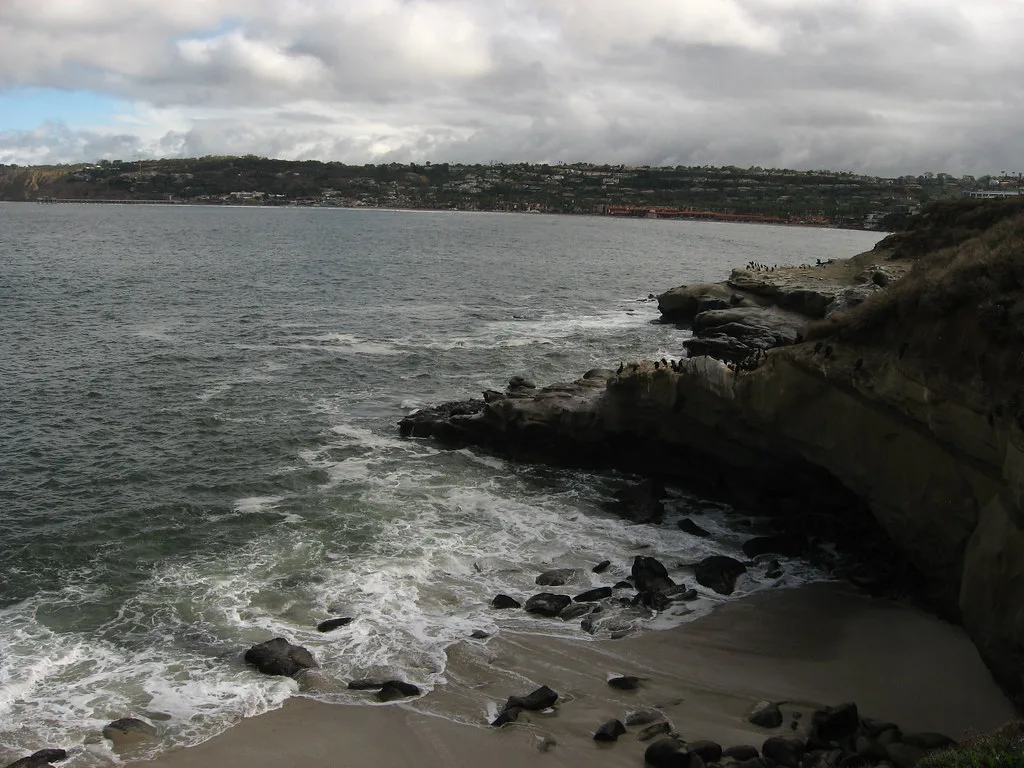
La Jolla Cove is a short drive north and offers a different swim entirely: rocky entries, kelp, sea lions and clearer structure for fish life. If you're weighing a different Southern California island trip, this guide to snorkeling in Catalina Island covers another shallow, wildlife-focused option worth comparing. Pair the Shores shark wade in the morning with a cove snorkel later, but treat them as separate launches with their own entry skills.
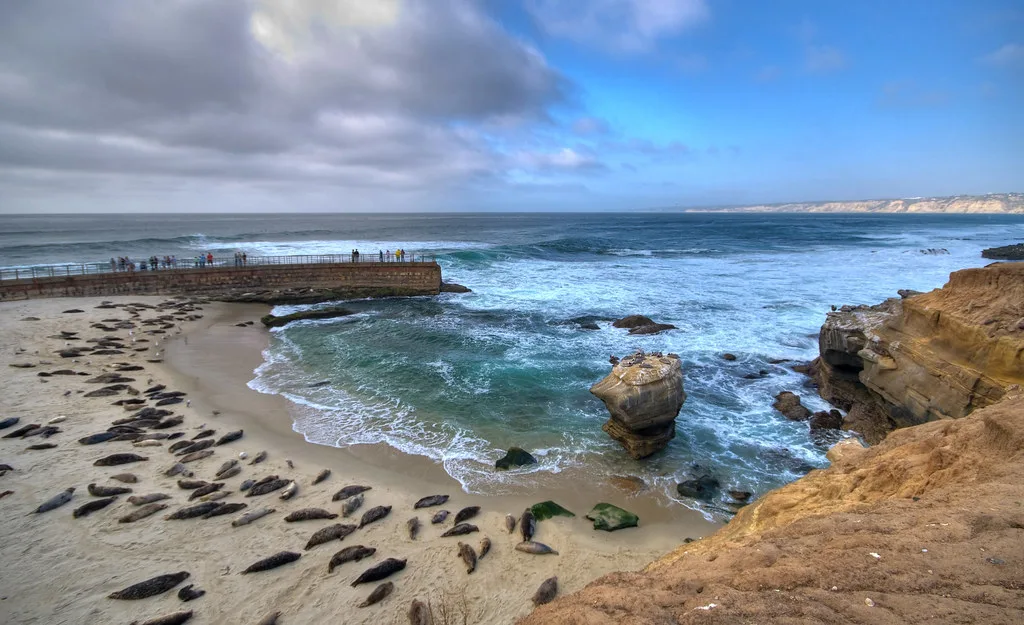
The Children's Pool lies between the two, known for seals hauled out on the sand and calm water inside the breakwater. Give seals plenty of space and stay out of roped-off areas, and read the La Jolla Cove Snorkeling Guide before choosing which site suits your group.
Parking, Facilities and Timing Your Day
La Jolla Shores is a full-service beach with a parking lot at the foot of the sand and a village strip a few blocks away for food and coffee. Arrive early in summer, when the lot fills with beachgoers and snorkelers, and plan to walk a few blocks if the main lot is full.
A good rhythm: park by mid-morning, wade out while the water is glassy, rinse off and eat, then drive to the cove for the afternoon. That sequence gets you the calmest water and puts the crowded midday window to use on land instead of in the shallows.
For a broader map of launches and conditions across the area, the San Diego snorkeling guide to La Jolla Cove and its neighbors is worth a read before you lock in a plan.
Plan Your Shark Season Swim
Leopard sharks reward a simple plan: a summer trip, an early start, a sandy wade at La Jolla Shores, and the discipline to watch from the surface without crowding the animals. Build the day around July through September and morning water, and keep the plan flexible enough to shift to the cove if the shallows are murky.
Bring a fitted mask, fins and reef-safe sunscreen, and decide in advance whether you want a self-guided wade or a naturalist tour that handles gear and teaches the local sea life. Either way, the memory is a patterned shark cruising beneath you in water you can stand up in.
Frequently Asked Questions
When is leopard shark season in La Jolla?
The leopard shark aggregation off La Jolla Shores is a summer event. From July to September, hundreds of leopard sharks gather in the warm, shallow water just off the beach, according to the Cormorant Boutique Hotel's guide to the area. Plan your trip inside that window. Outside those months the beach remains a pleasant snorkel, but the sharks are not the draw.
Where do you enter the water to see leopard sharks at La Jolla Shores?
You walk in from the sand at La Jolla Shores Beach, on the southern side of La Jolla village. The encounter happens in waist- to chest-deep water, so there is no ladder, stairway or boat ride involved. Wade out until the depth suits you, put your mask down, and scan the sandy bottom ahead rather than swimming far offshore.
Are leopard sharks dangerous to snorkelers?
Leopard sharks are bottom-feeding, gentle and shy animals. The Cormorant guide describes them as harmless to humans and notes that they cruise the sand below snorkelers. Watch from the surface, never touch, feed or chase them, and let the shark choose the distance. A shark that swims away is behaving normally.
Do you need a tour to snorkel with leopard sharks in La Jolla?
No tour is required. Local rental shops near La Jolla Shores carry masks, snorkels, fins and wetsuits, so a self-guided wade with the right gear is a realistic option for confident swimmers. Guided tours led by a marine naturalist typically last around 90 minutes and include wetsuit and snorkel gear, small group sizes and commentary on local sea life, which helps first-timers.
What time of day is best for seeing leopard sharks in La Jolla?
Morning gives you the calmest water and the clearest visibility, before the afternoon breeze builds and the beach fills with swimmers. Early arrivals also find parking easier. Sightings are never guaranteed on a particular day, so treat a clear, calm morning as your best odds rather than a promise.
What else can you see snorkeling at La Jolla Shores?
Beyond the leopard sharks, the shallow flats hold rays, which often sit half-buried in the sand as dark outlines. The reserve's rocky margins and nearby kelp bring garibaldi, the bright orange damselfish, along with other local fish. Keep your fins off the bottom so you do not silt the water or disturb animals resting there.
Sources
Snorkeling notes for your next trip
Optional updates to our snorkeling guides.
You might also like

Continue reading
More guides you'll find useful