La Jolla Shores Snorkeling: Reef Depth & Wildlife Guide
Snorkeling at La Jolla Shores starts from a wide sandy beach with lifeguards, then opens onto sand flats, kelp and the La Jolla underwater canyon.
On this page
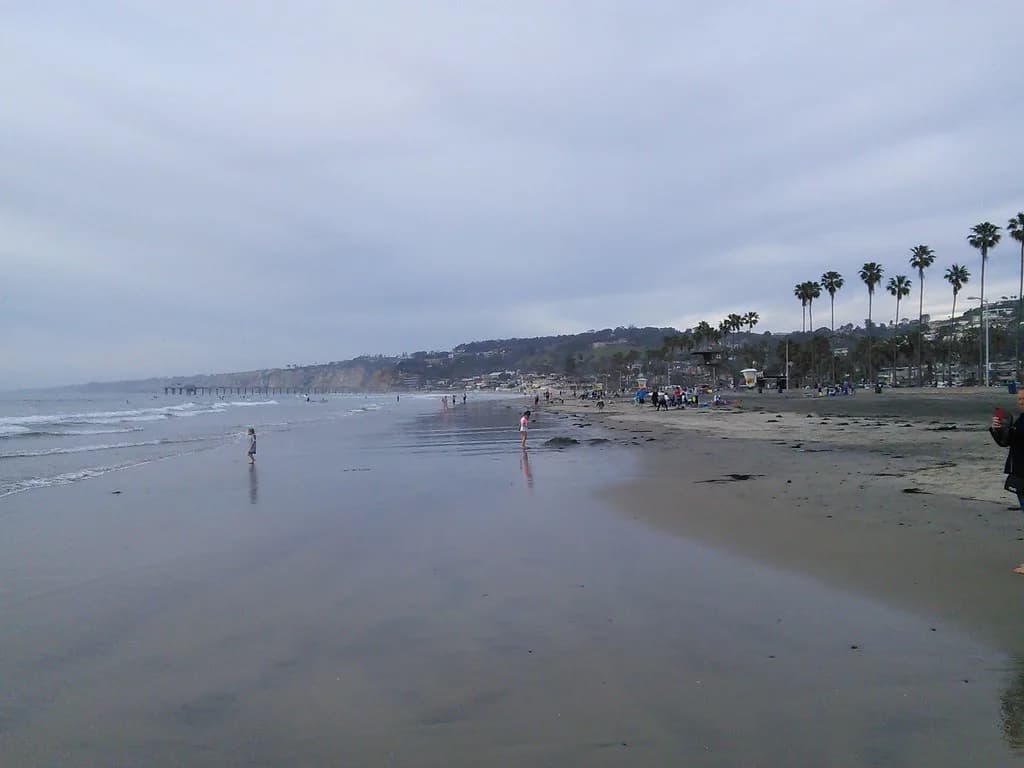
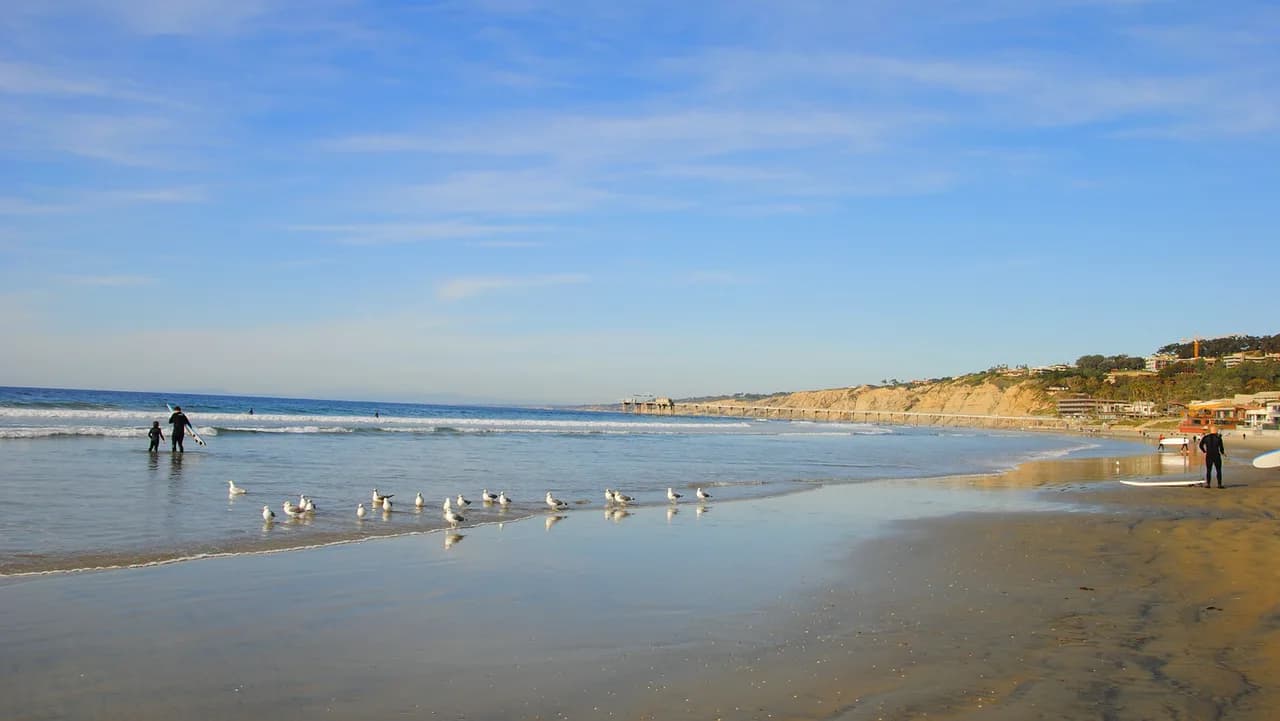
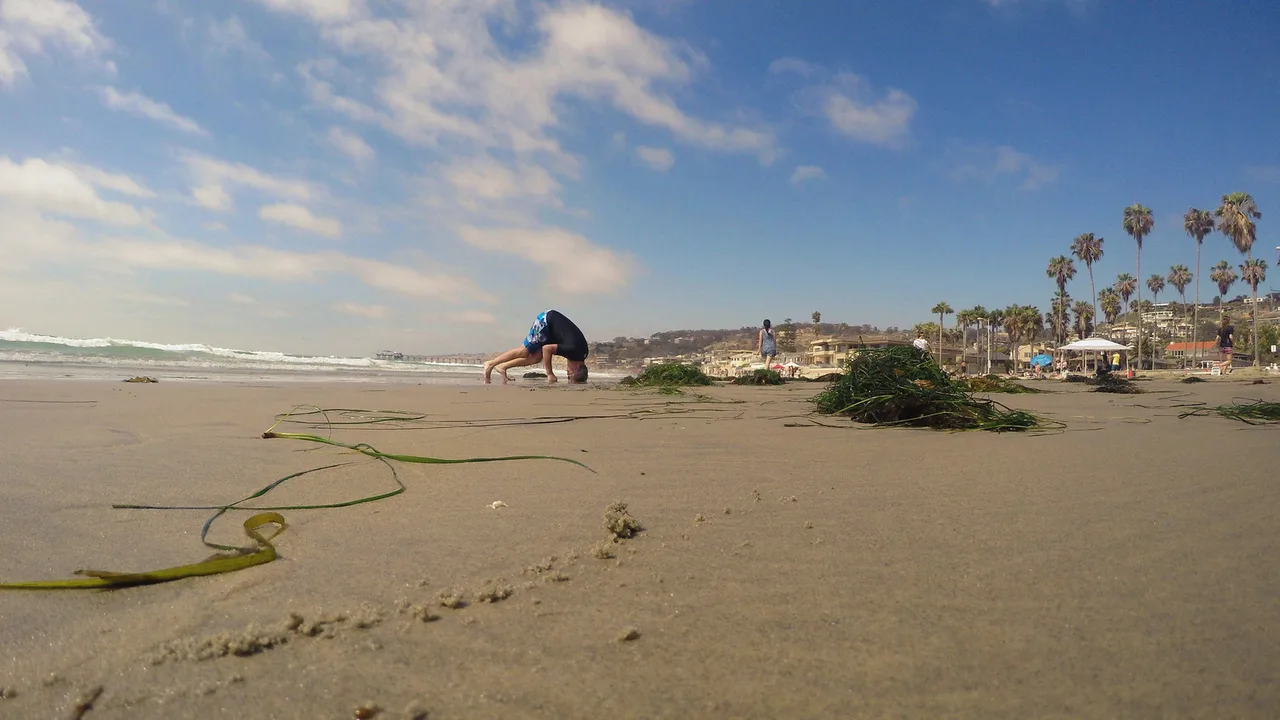
La Jolla Shores is the beach to pick when you want to snorkel without scrambling over rocks. A wide ribbon of sand runs from the village at Avenida de la Playa down to the Marine Room at the south end, and you simply wade in and start swimming. That walk-in entry makes it the natural first stop for families, new snorkelers and anyone carrying fins and a camera rather than climbing gear.
The trade-off is that the interesting structure sits farther offshore than the entry suggests. Close in you are over open sand; eelgrass, rocky reef and the drop toward the La Jolla underwater canyon come after a longer swim. Plan the day around that distance, and the beach rewards you with a very different snorkel from the rocky coves a few minutes north.
Where La Jolla Shores Is
The beach and its adjacent park sit at the foot of Avenida de la Playa, on the north side of La Jolla in San Diego. La Jolla Shores village — surf shops, cafes and a cluster of places to eat — is a short walk from the sand, which makes it practical to park once and carry gear on foot. The Marine Room shoreline marks the south end of the beach, where the sand narrows against the bluffs.
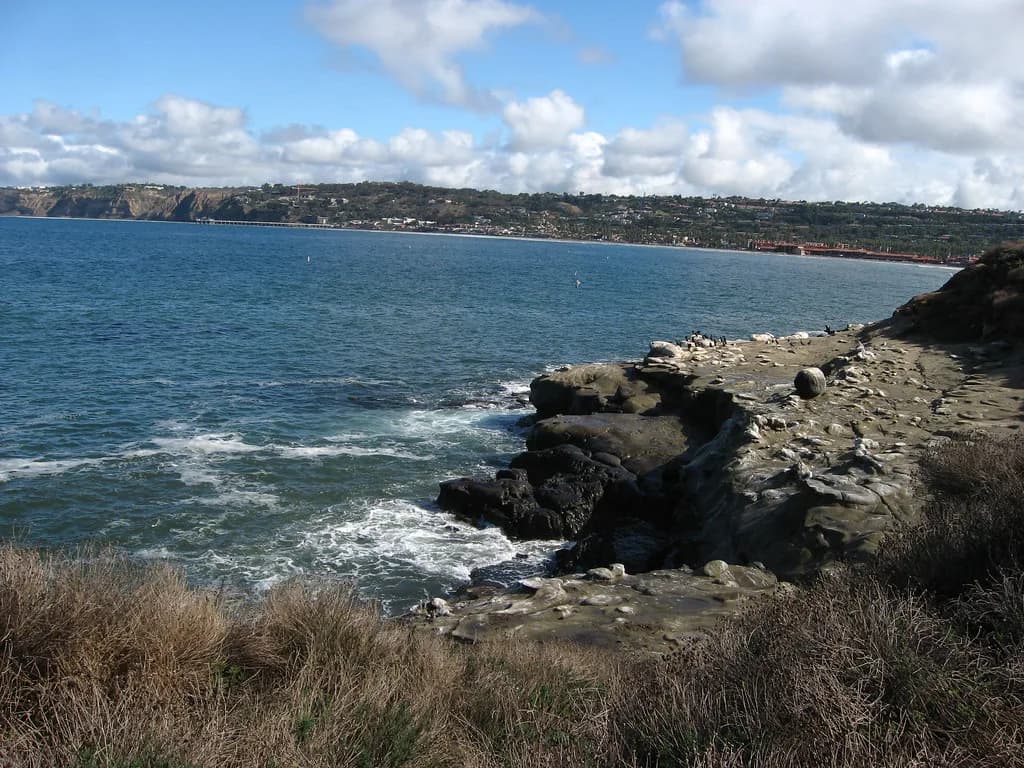
This is a separate beach from La Jolla Cove, though the two are only minutes apart. The cove is the rocky, cliff-backed pocket that draws crowds for its sea lions and caves; the Shores is the long sandy beach where you walk in. Knowing which one you are heading to matters, because the entry, the depth and the crowd are all different.
Getting In
Entry is straight off the sand. Walk in from the main beach, put your mask on in waist-deep water and swim out; there are no stairs, ladders or rock shelves to negotiate. The gentlest approach is usually toward the northern half of the beach, where the sand slope is more gradual and the crowd thinner than in front of the main access point.
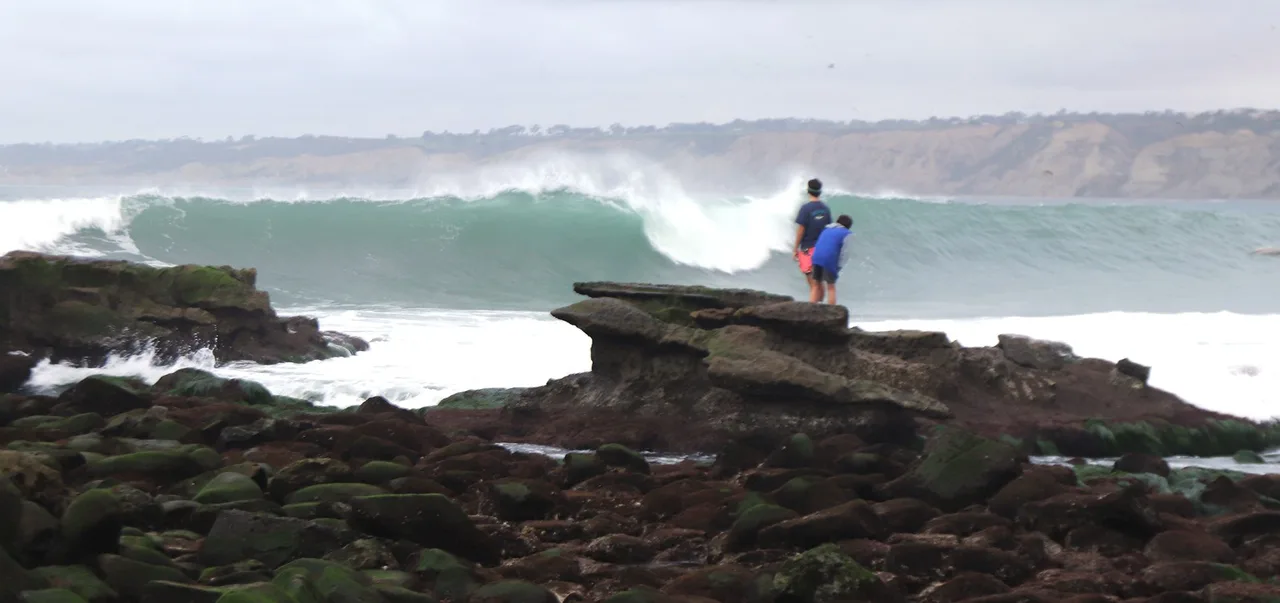
Expect a wade of a few steps before the bottom drops away, then a stretch of shallow water over sand. On bigger surf days the shorebreak itself is the hardest part of the entry and exit, so watch a few sets before you commit and time your walk-out for a lull. Boat and kayak traffic also launches from this beach, so surface often and stay visible while you cross the shallows.
What the Bottom Looks Like
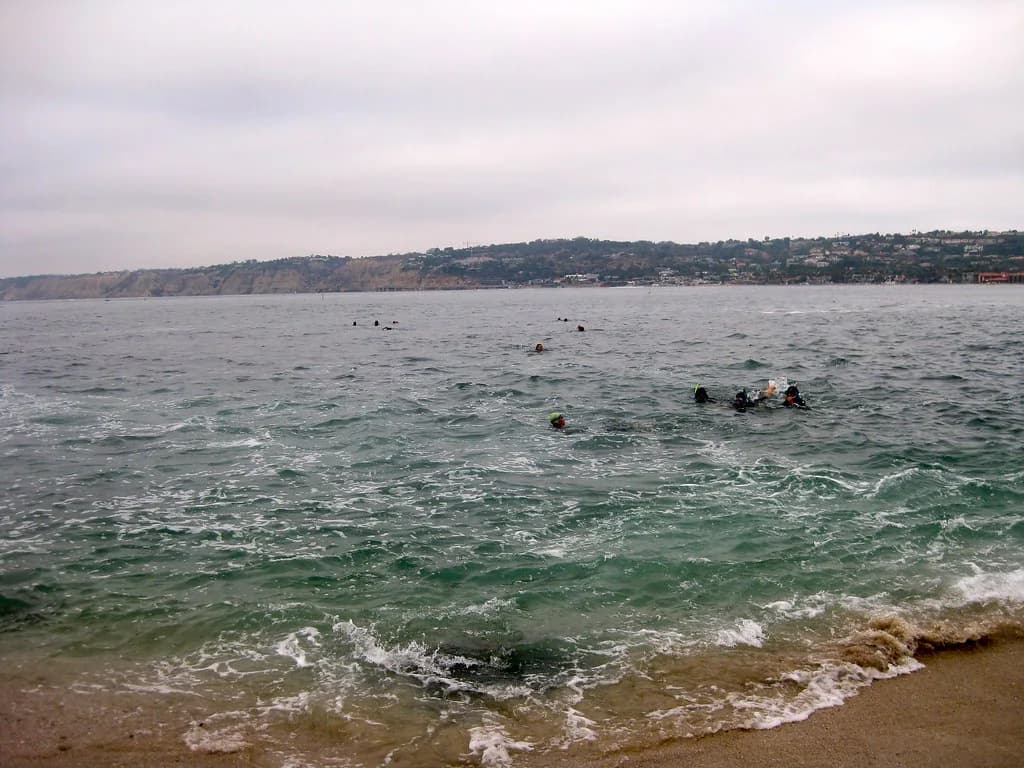
The bottom reads in bands as you swim out. Right off the beach it is sand, then patches of eelgrass and scattered rock, then more continuous reef structure with kelp beyond. Because the shallow zone is mostly open sand, you cover distance before you reach the textured habitat where fish concentrate; budget time for the swim rather than expecting structure at your fins.
Farther out, the seafloor falls away toward the La Jolla underwater canyon, the deep feature that gives this stretch of coast its reputation for clear, cold, nutrient-rich water. That drop is the domain of strong swimmers, not a shoreline paddle, and it is where currents deserve the most respect. The adjoining La Jolla reserve is a protected no-take area, so look and photograph only — nothing comes out of the water.
What You Will See
Over the sand flats, look for rays and leopard sharks lying still or cruising low, often in the warmer months. They are bottom-dwellers using open sand, not the reef, so you find them by scanning ahead rather than peering into crevices. Keep your distance, stay above them and let them move off on their own; the reserve's wildlife rules apply to sharks and rays just as they do to sea lions.
On the reef and kelp side, expect the classic Southern California cast: bright orange Garibaldi, kelp bass holding around structure, and schools of small fish moving along the reef edge. Local operators describe La Jolla Cove and its surrounding waters as habitat for Garibaldi, rays, harmless sharks and schooling fish, and the same assembly turns up along the Shores reef. Sightings vary by season and condition, so treat any list as a possibility rather than a promise.
Skill Level and Who It Suits
Beginners and kids are best kept in the shallow sand-and-eelgrass zone close to shore, where you can stand, the entry is easy and a lifeguarded beach is right behind you. Families can make a full morning of it without ever swimming far, and the walk-in entry removes the rock-scramble anxiety that puts new snorkelers off other La Jolla spots.
Strong swimmers and confident snorkelers can push out to the reef edge and toward the canyon side for the better structure and the clearer water that comes with it. That is a genuine step up in commitment: longer swim, deeper water, more exposure to current. Treat the two zones as separate trips on the same beach and decide before you get wet which one you are doing.
Best Time to Go
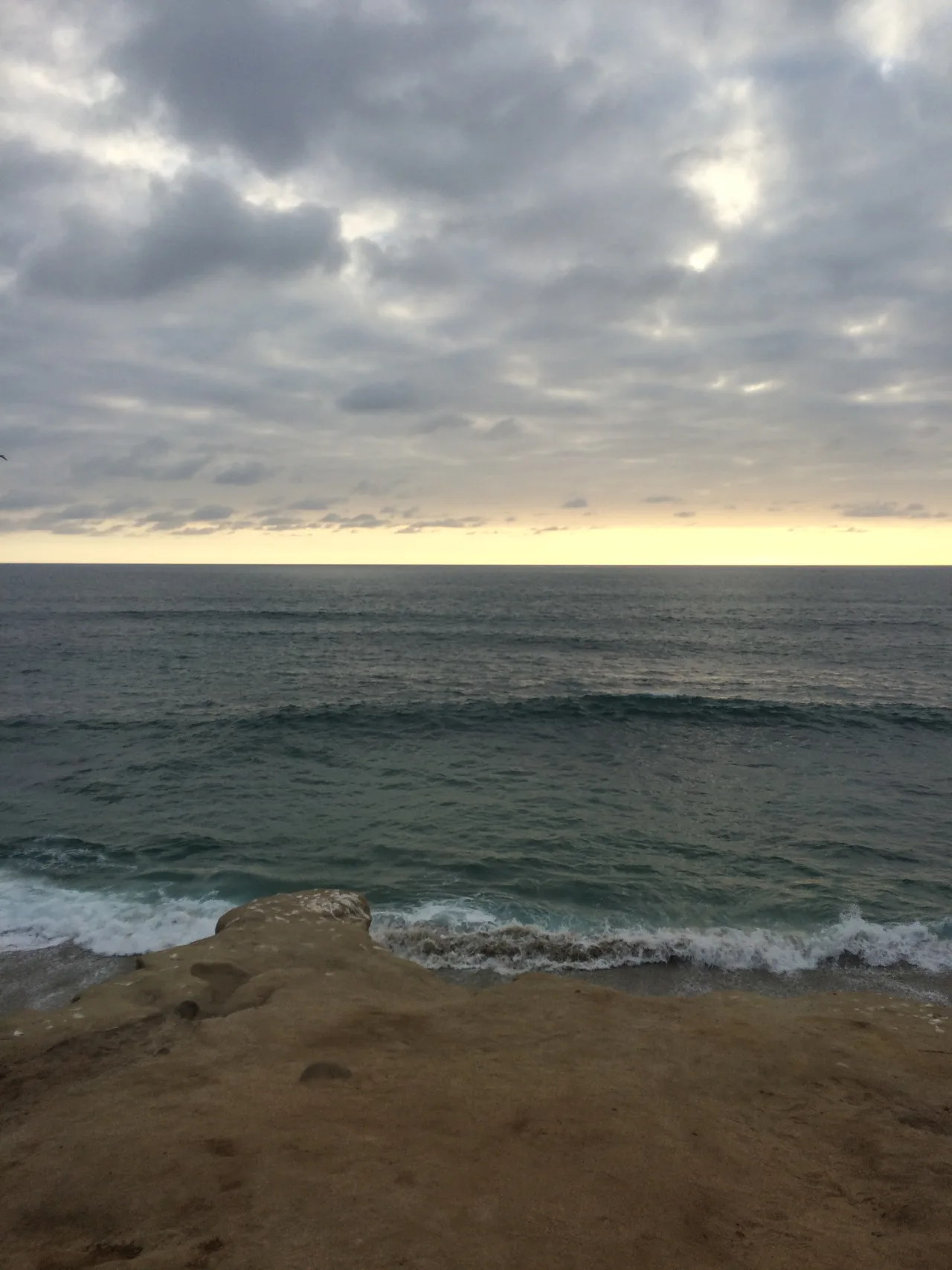
Morning is the reliable window. Wind typically builds through the day and stirs up sand in the shallows, so an early start gives you the calmest surface and the cleanest water over the flats. Summer is when visibility is most often at its best along this coast, though conditions change day to day and no forecast is a guarantee.
Swell direction matters more than any calendar. Long-period west swell pushes shorebreak onto the beach and clouds the shallows, while smaller, cleaner days let the sand settle and the reef read clearly. Check the surf forecast before you load the car and be ready to shift your plan if the swell is up.
Hazards
The three things to plan around are shorebreak, current near the canyon edge and traffic. West swell makes the entry and exit the riskiest moments of the day, so time your walk-out between sets. Farther out, current strengthens near the drop-off, and kayaks and boats launch from the same beach, so stay visible and cross the launch area promptly.
Stingrays resting in the sand are a real presence in the shallows. The standard shuffle — dragging your feet along the bottom as you wade — gives them time to move off before you step on one. Current ocean conditions and any posted advisories are published by San Diego lifeguards, who staff this beach.
Parking and Fees
Parking is the practical constraint at the Shores. A beach lot sits near the foot of Avenida de la Playa, with street parking through the surrounding village, and both fill quickly on sunny weekends and in summer. Arriving early solves most of it; circling the village at mid-morning does not.
Rates, lot hours and any seasonal changes are posted at the lot itself and by the City of San Diego, so read the signs when you arrive rather than budgeting from an old figure. Walking from village parking to the sand is short, which makes a single paid spot workable for a half-day.
Facilities and Rules
This is a staffed, developed beach rather than a wild shoreline. Expect restrooms and outdoor showers near the main access, lifeguards on duty, and rental and lesson operators based in the village for anyone who wants gear or instruction without hauling their own.
The adjoining La Jolla reserve is a protected no-take zone, which means no collecting, no fishing and no handling of wildlife. Give sea lions, sharks and rays room, never touch or feed them, and keep below the surface quietly rather than chasing a photo. Guided trips run in these waters, and one local operator advertises a 90-minute snorkel outing including all equipment and a wetsuit, so compare what each booking covers before you reserve.
Nearby Spots to Combine
La Jolla Cove is the obvious second stop: a rocky entry, cliffs, sea lions and the caves, all a short drive or a longer walk north. It snorkels very differently from the Shores, so pairing the two gives you a sand entry and a rock entry in one day. The cove is where you go for the postcard setting and the denser fish life around structure. If you want to widen the comparison beyond La Jolla, snorkeling in Catalina Island offers another island take on the same sand-versus-rock entry decision.
The sea caves and the Marine Room shoreline at the south end of the Shores beach round out a full day. Kayak and snorkel operators run cave trips from the Shores launch, and the southern end gives you a quieter stretch of sand away from the main access crowd. Build the day around a morning snorkel, a walk for food in the village, and a second session when the wind drops.
What to Bring
Cold water is the defining gear problem here, not warm-water kit. A well-fitted mask and snorkel, fins for the swim out, and a wetsuit to match the season make the difference between a comfortable hour and a short one; the local operator's tours include a wetsuit for exactly that reason.
Add a rash guard for sun, reef-safe sunscreen where required, and something to carry gear from the car in. If you plan to swim to the reef edge, a brightly colored snorkel or vest helps kayaks and boats see you in the launch corridor. Leave room in the bag for dry layers, because the swim back in is cooler than the swim out.
Plan Your La Jolla Shores Snorkel Day
La Jolla Shores works because it removes the hardest part of snorkeling — the entry. Walk in from the sand, spend your first session over the flats close to shore, and save the reef edge and canyon side for when you have the legs and the conditions for a longer swim.
Go early, read the surf before you commit, shuffle through the shallows, and give the sharks, rays and sea lions their space. Pair it with the cove for a second, rockier session, and the Shores becomes the anchor of a very good La Jolla day on the water.
Frequently Asked Questions
Can you snorkel right off the beach at La Jolla Shores?
Yes. The entry is straight off the sand, with no stairs, ladders or rock shelves. Walk in from the main beach until the water is deep enough to swim, and expect shallow sand for the first stretch before eelgrass and reef appear farther out.
Is La Jolla Shores better than La Jolla Cove for beginner snorkelers?
For most beginners, yes. The Shores offers a wide sandy walk-in entry and a shallow zone where you can stand, which suits kids and first-timers. The cove has a rockier entry and denser structure, so it rewards confident swimmers more. Families often do the Shores first and visit the cove separately.
How far out is the reef at La Jolla Shores?
The bottom runs in bands: sand close to the beach, then eelgrass and scattered rock, then more continuous reef with kelp beyond, and finally the fall toward the underwater canyon. Plan on a real swim to reach the textured habitat, and treat the canyon side as strong-swimmer territory rather than a shoreline paddle.
What animals can you see snorkeling at La Jolla Shores?
Over the sand flats, rays and leopard sharks are the classic sightings, especially in the warmer months. On the reef and kelp side, look for Garibaldi, kelp bass and schools of small fish along the structure. Sightings depend on season and conditions, and the reserve's wildlife rules apply to everything you encounter.
Is there parking at La Jolla Shores beach?
Yes. A beach lot sits near the foot of Avenida de la Playa, with street parking through La Jolla Shores village. Both fill quickly on sunny weekends and in summer, so arriving early is the practical fix; rates and lot hours are posted at the lot and by the City of San Diego.
When is the water clearest at La Jolla Shores?
Mornings are usually calmest, before the wind builds and stirs sand in the shallows, and summer tends to bring the best visibility along this coast. Swell direction matters just as much — a long-period west swell clouds the shallows. Check the surf forecast before you go and shift your plan if the swell is up.
Can you swim with sea lions at La Jolla Shores?
Sea lions are part of the local marine life, but the reserve is a protected no-take zone with wildlife viewing rules. Never touch, feed or chase them, and keep a respectful distance. The rocky cove to the north is the more typical place to see them hauled out.
Are there lifeguards at La Jolla Shores?
The beach is staffed and developed, with lifeguards on duty, restrooms and outdoor showers near the main access. Lifeguard hours and staffing change with the season, so check with San Diego lifeguards for current coverage and any posted ocean advisories before you swim.
Sources
Snorkeling notes for your next trip
Optional updates to our snorkeling guides.
You might also like

Continue reading
More guides you'll find useful