La Perouse Bay Snorkeling: Maui Lava Entry and Reef Hazards
La Perouse Bay snorkeling means a rough lava-rock entry into a marine reserve with clear water and reef fish. Here is who it suits and how to plan a day.
On this page
La Perouse Bay is the South Maui snorkel that starts with a decision on dry land: whether you are comfortable walking and entering over sharp black lava before you ever put your mask in the water. The bay sits at the end of Makena Road beyond Wailea, where the coastline turns rugged and the water runs clear over a reef of rock, coral and rubble. It suits strong swimmers who can handle a rocky entry and an exposed shoreline, and it is the wrong first ocean day for a child who has never worn fins.
Why La Perouse Bay Is Worth the Swim
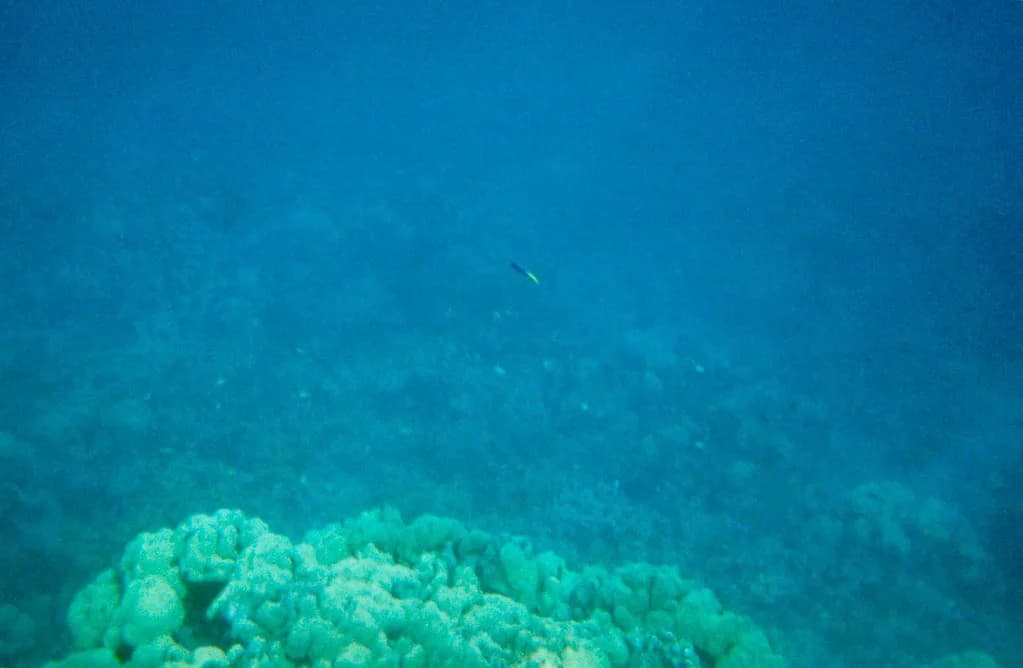
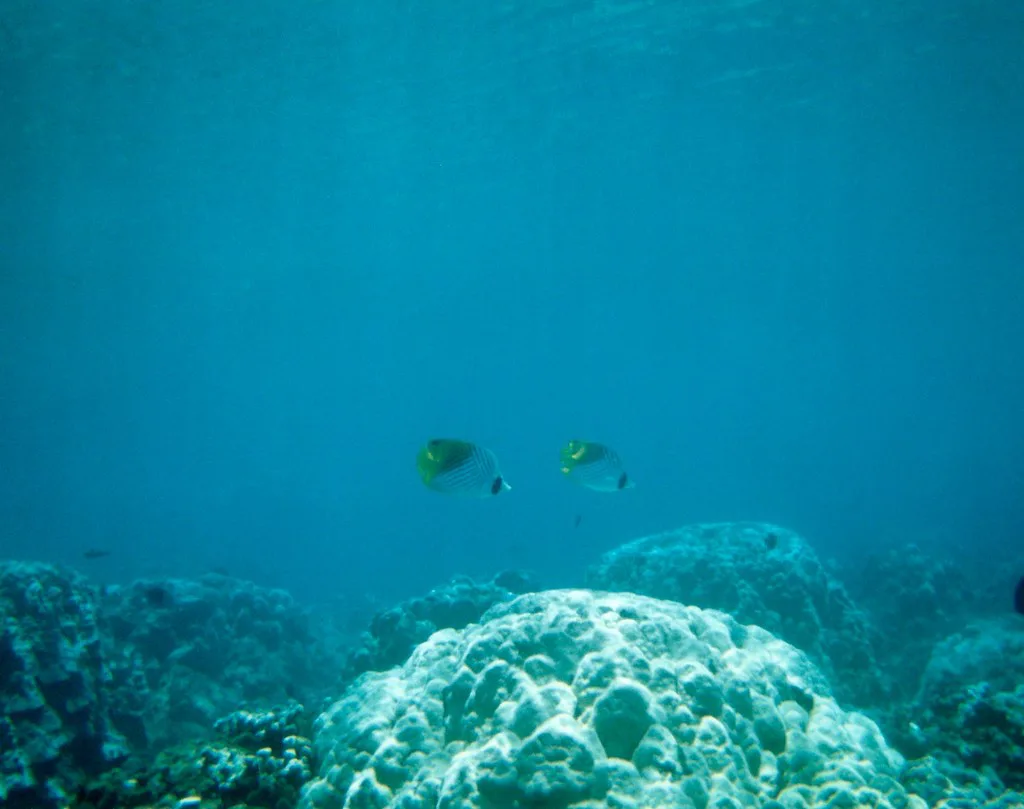
The draw here is clear water over a shallow volcanic shelf, with a fish community that snorkelers regularly report seeing in numbers: yellow tang, Achilles tang, butterflyfish and larger parrotfish. The bottom is a mix of lava rock, coral heads and rubble rather than soft sand, which keeps visibility clean when the ocean is calm. That lava coast is also what makes the bay different from sandy Kihei beach parks where you wade in and swim out, so it helps to compare this entry with the gentler options when planning a first reef day, and snorkeling in Oahu covers a similar trade-off between lava entries and sand.
The bay is part of the Ahihi-Kinau reserve area at Maui's southwest tip, so the appeal is as much about protected reef as it is about visibility. Treat the swim as a reef visit first and a beach day second, because the shoreline gives you few soft places to sit or stand. For a wider comparison of Maui's shore and boat options before you commit, see this guide to snorkeling in maui.
Where the Bay Sits and How the Coastline Lays Out
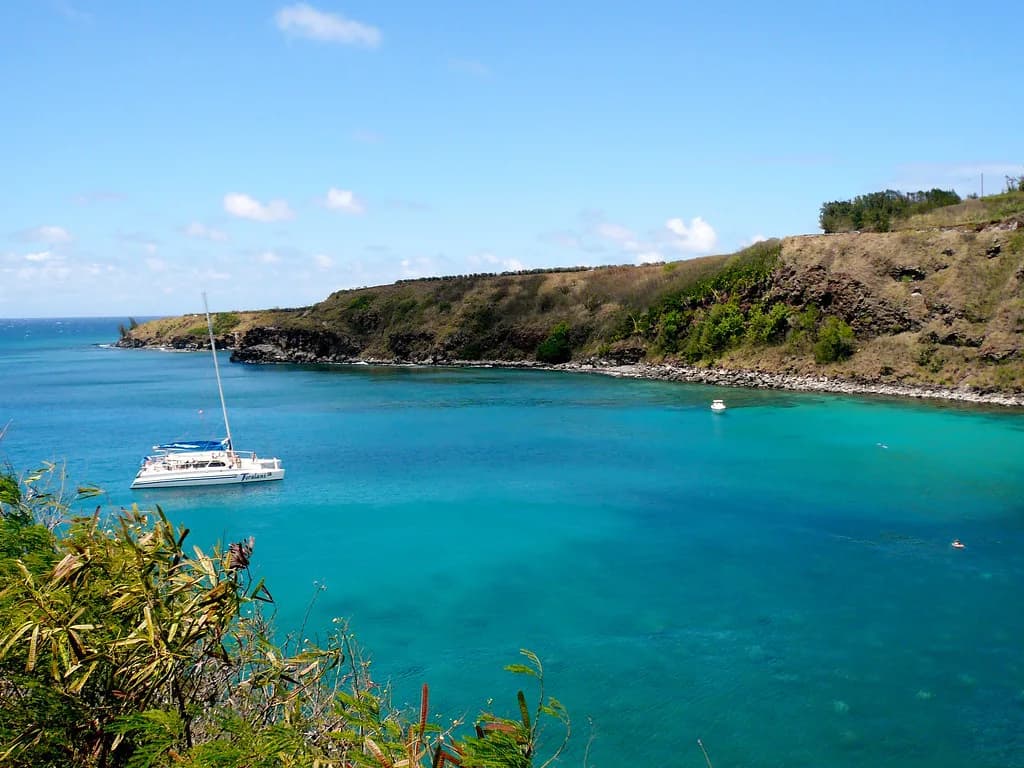
La Perouse Bay lies at the southern end of Makena Road, past Wailea and Makena, where the paved road runs out against the lava field and the coastline bends west. The bay opens to the south and southwest, so it catches whatever swell is running on that side of the island. Pick your entry by looking at how the surge behaves against the rock shelves rather than choosing the first flat-looking ledge you reach.
South Maui, including Kihei a few miles north, tends to stay sunny and dry, which is why this stretch of coast is popular for beach days and morning ocean plans. That sunshine does not flatten the ocean, and the drive from Kihei to the end of Makena Road adds time to any morning plan. Base the day here only if the south-shore water is genuinely calm, not just bright.
Getting in Over the Lava Rock
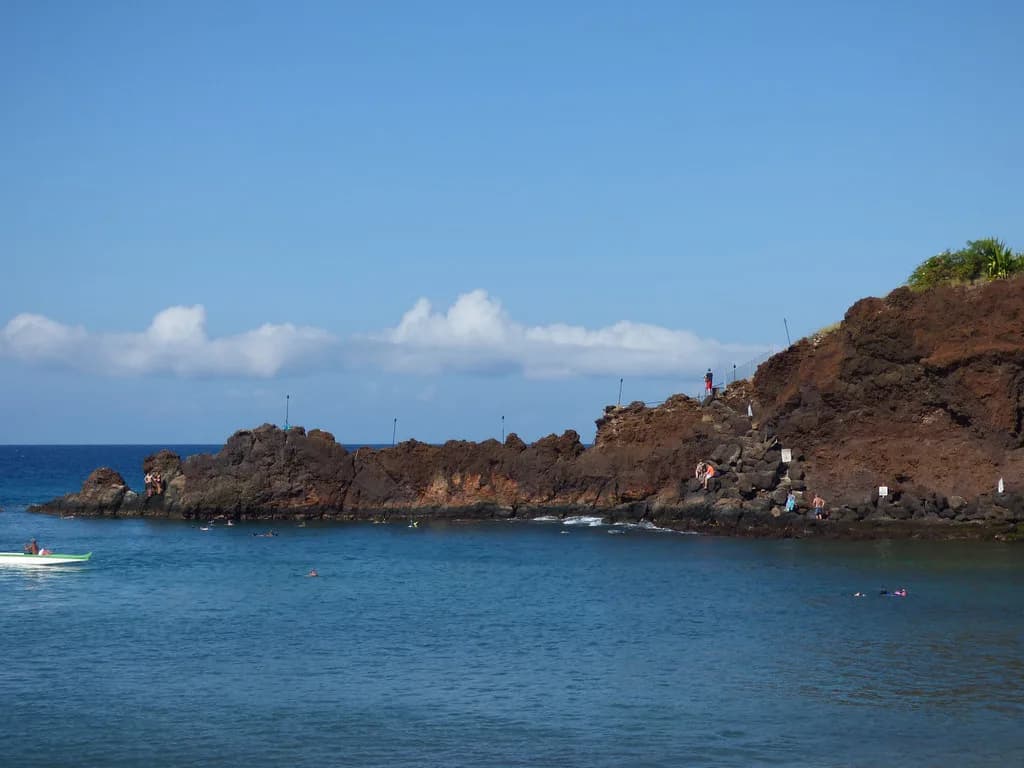
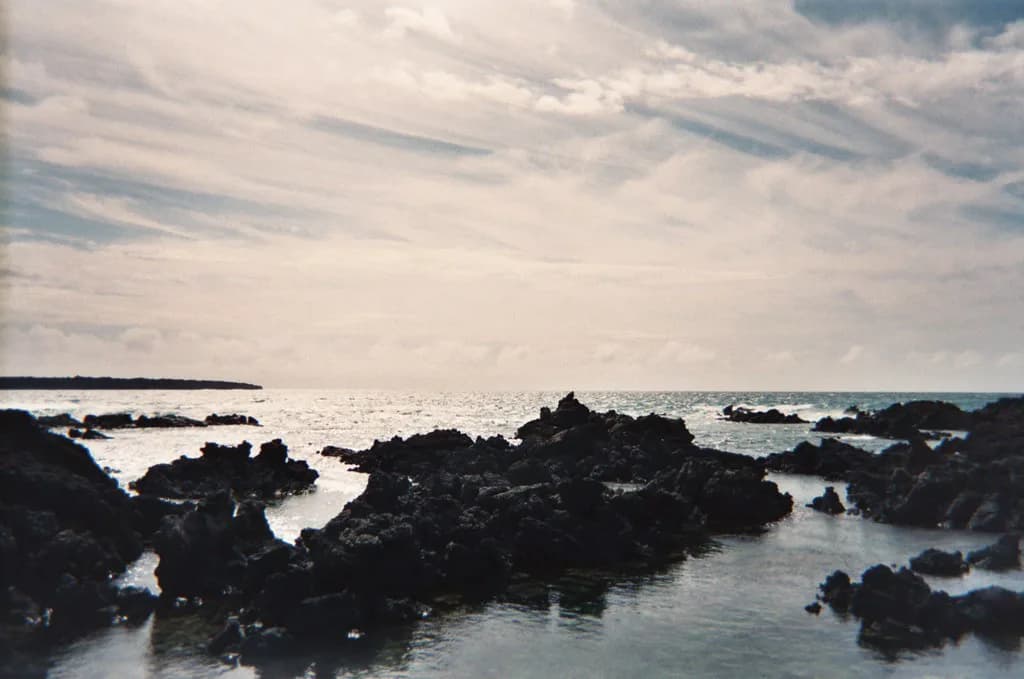
There is no sand entry. You pick a low, flat rock shelf, stage your gear on dry rock well above the surge, and walk in where the water is deep enough to float free without scraping. Put your mask on first, carry your fins to the water's edge, and put them on last while floating, because walking over uneven lava in fins is the fastest way to fall.
Watch how the water rises and falls against the shelf for a full set of surge before you step in, then time your entry on a rising pulse and your exit the same way. Coral and rock sit close to the surface in places, so float flat over shallow ground instead of kicking down. A full set of fins and a snug mask matter more here than at a sandy beach park; Auntie Snorkel's Kihei and Lahaina shops rent snorkel sets with a fitted mask, fins and a mesh bag, and both stores open daily.
Reef Depth and How Far Out You Go
The snorkelable ground begins within a short swim of the entry rocks, with shallow lava and coral heads close in and a gradual drop toward deeper rock and rubble farther out. Most of what you want to see sits in the first band of shallow water, so you do not need to swim far to find fish. Stay over the structure and keep the entry rocks in sight as your reference point.
Depth changes quickly around the lava fingers, and deeper water off the points is not where the best visibility or the most fish sit. Yellow tang and butterflyfish work the shallow rock, while larger parrotfish tend to move along the edges where rock meets open ground. Keep your session inside your comfort level and turn back before you are tired.
What You Are Likely to See
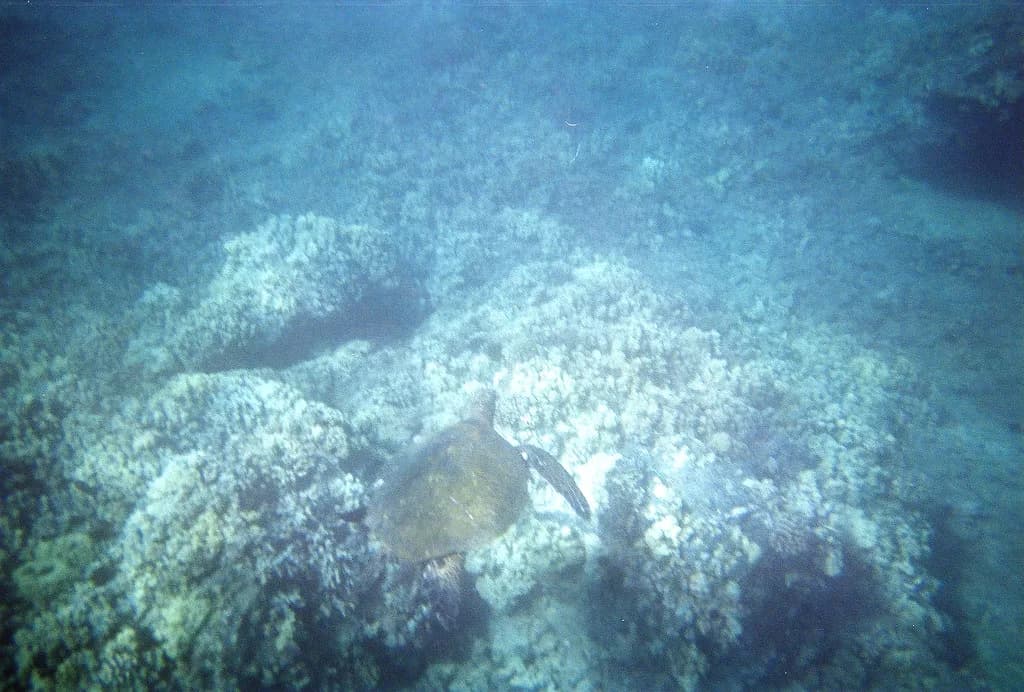
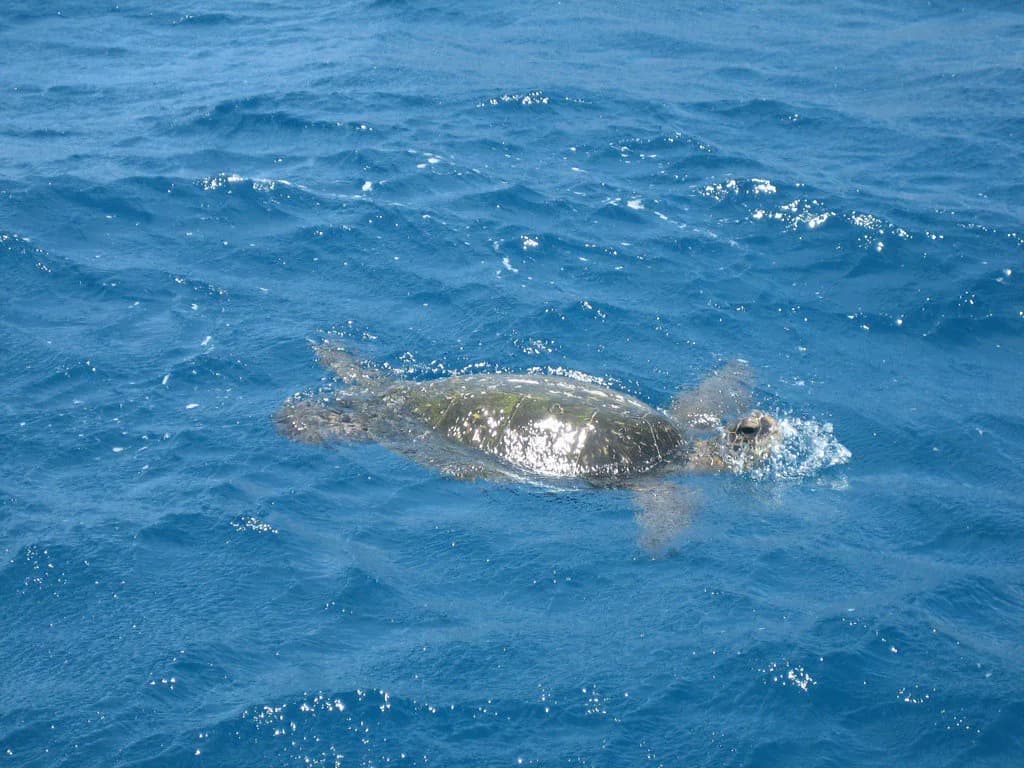
Snorkelers at La Perouse Bay report schools of yellow tang and Achilles tang, butterflyfish working the coral, and parrotfish cruising the rock edges, with visibility that is often excellent when the south shore is calm. The reef is the main attraction, so move slowly and look into the rock rather than sprinting across the top of it. Hawaiian green sea turtles use this coast, and if one appears, give it space and let it swim on.
Nothing here is guaranteed on a given morning, so plan the day around the entry and the reef rather than a specific animal. Federal rules protect Hawaiian spinner dolphins from close approach, and that same restraint applies to turtles and any seal you encounter: watch, do not follow, and never reach out.
Skill Level: Who Should Snorkel Here and Who Should Skip It
This is a spot for strong, confident swimmers who are comfortable in open water, can self-rescue at a rock shelf, and have entered the ocean over uneven lava before. Beginners can manage it on a genuinely calm day with a buddy and a plan, but the learning curve is steep because the entry and exit demand as much attention as the swim. Children who are new to snorkeling will have a better first day at a lifeguarded beach park with a sand entry.
Skip the bay when the south shore is running surf, when the surge against the shelf is strong, or when the water is murky. If you want an easier South Maui shoreline day, Kihei's beach parks offer graded entries and lifeguards during staffed hours, and the paved lots at Kamaole I and III charge nonresident parking through Park Maui, with standard spaces reserved for Hawaii residents before 10 a.m. on weekends and county holidays.
Best Time to Go
Mornings usually bring lighter winds on the south shore, which means flatter water and cleaner visibility before the afternoon trade winds build. Arrive early enough to watch the surge before you commit, and plan to be out of the water before conditions change. If the wind comes up and the surface chops, call it and save the drive for another morning.
South and southwest swell is the pattern to watch, because the bay faces that direction and takes the brunt of it when a swell arrives. Winter can bring larger northwest swell to Maui's west side, and the south coast has its own swell windows; a calm-looking forecast at a sheltered beach does not mean the bay is calm. Check the swell direction and the ocean report with the lifeguards or ocean-safety agency before you drive south.
Hazards on the Lava Coast
Surge against the rocks is the main hazard: it can push you onto the shelf on entry or pull you off it at exit, and the lava is sharp. Currents run along the points, so keep clear of the headlands and stay where you can swim straight back to your entry point. Sea urchins live in the rock crevices, which is another reason to float over shallow ground rather than stand on it.
Boat traffic is limited here compared with Molokini, but the coast is exposed and help is not immediate. Snorkel with a buddy, use a float or board if it helps you rest, and keep a wide margin from the rocks when the surge is running. Box jellyfish appear on Maui's south shore at times, so ask about posted advisories at the beach and stay out of the water if one is in effect.
Reserve Rules and Closed Water
La Perouse Bay sits within the Ahihi-Kinau Natural Area Reserve, where marine protections apply and some portions of the reserve are closed to entry. Read the reserve's rules and closure map before you choose an entry point, because the closed water is not always marked with an obvious barrier from the beach. Snorkeling is permitted in open areas; taking marine life, coral or rock is not.
Treat the reserve as a look-only reef: no touching coral, no feeding fish, no chasing turtles, and no collecting of any kind. Wildlife distance rules apply to turtles, dolphins and seals, and federal rules prohibit swimming with spinner dolphins. If a seal hauls out on the rocks, back away and give it the beach.
Parking and Access at the End of the Road
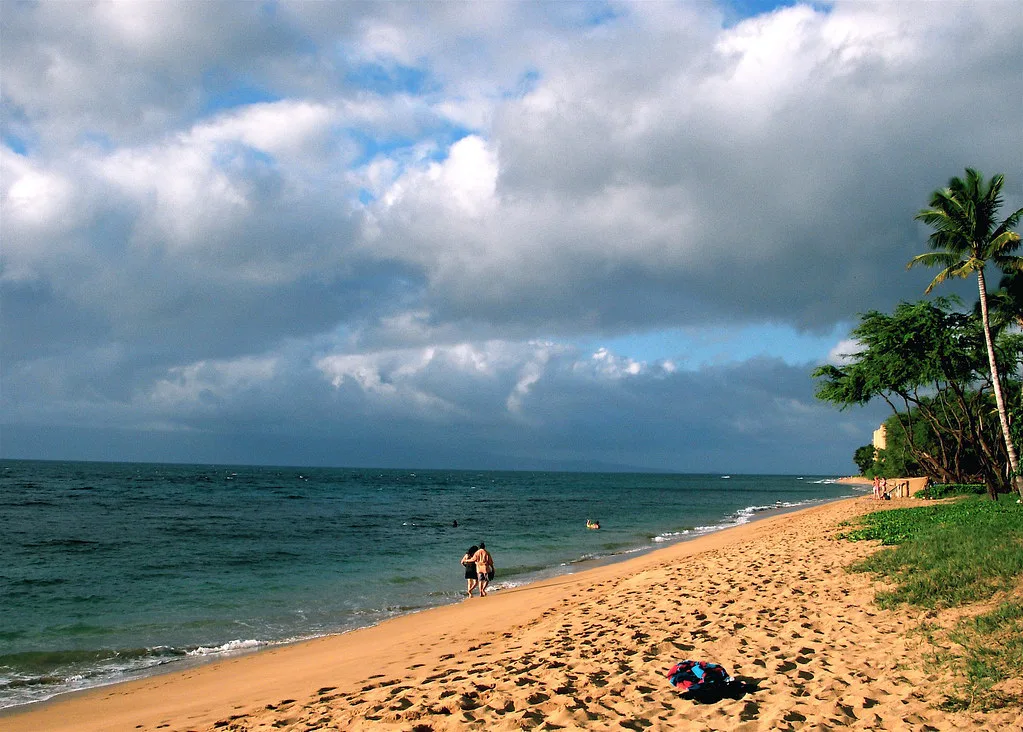
The road ends at the bay, and the parking area at the end of Makena Road is the staging point for the swim. The shoreline gives you little shade and few conveniences, so bring water, sun protection and footwear for the lava walk, and pack out everything you carry in. Plan to arrive early in the morning when the small lot fills and the water is at its calmest.
The drive from Kihei to the end of Makena Road takes time, so combine the swim with a plan for the rest of the day rather than treating it as a quick stop. Bring reef-safe sunscreen, since Hawaii restricts sunscreens containing oxybenzone and octinoxate, and apply it before you get in the water. If you need gear, rent it in Kihei before you drive south.
Nearby Spots to Combine
Makena's beaches and the Kihei beach parks make good add-ons on either side of a La Perouse swim, with calmer water and easier entries when the lava coast is too rough. Keawakapu Beach near the Wailea border offers a calmer shoreline, and the Kamaole parks give you lifeguards and facilities for a family afternoon. Build the day so the bay is your morning stop and the gentle beaches come after.
If you want a second reef day on West Maui, honolua bay snorkeling is a boat-friendly bay with coral and turtles, and black rock maui snorkeling gives you a shore entry with a known current around the point. Both work as separate mornings rather than a same-day pairing with La Perouse.
Snorkeling Molokini Crater is the boat alternative when the south shore is blown out, with clear water and a sheltered crater that suits a range of abilities. Boats leave from Ma'alaea Harbor and Kihei, and the crater is a marine life conservation district with its own rules. Compare that with the lava entry here and you can decide which day gets which plan.
When to Book a Boat Instead
Book a boat when the south swell is up, when you want a guide in the water, or when you are traveling with kids who need an easy entry. Molokini Crater snorkeling is the classic Molokini trip, and a powered raft from Kihei Boat Ramp reaches the crater in about 15 minutes, which makes it a realistic half-day option from South Maui. Shorter express trips run a couple of hours, while longer raft tours add the back wall and a second stop.
From West Maui, beach-loading catamarans leave directly from Ka'anapali Beach in front of Whalers Village, with operators choosing among Olowalu, Mala Wharf, Honolua Bay and Cliff House depending on conditions. Sea Maui's half-day West Maui snorkel runs 8:30 a.m. to 1:00 p.m. and includes breakfast, lunch and a complimentary bar, with ocean conditions deciding the snorkel stop. Expect to get wet to the knees during beach loading and bring a towel.
Plan Your La Perouse Day
La Perouse Bay is a morning swim for snorkelers who can handle a lava-rock entry, read the surge at the shelf, and stay inside the open part of the reserve. Pick a calm south-shore morning, stage your gear on dry rock, put your fins on last in the water, and give the reef and its fish room. If the swell is up or the group includes new snorkelers, switch to a sandy South Maui beach park or a boat trip out of Ma'alaea or Kihei.
Frequently Asked Questions
Is La Perouse Bay good for snorkeling?
It can be excellent on a calm day: clear water over lava and coral with yellow tang, Achilles tang, butterflyfish and parrotfish reported by snorkelers. The trade-off is the entry, which is over sharp lava rock with surge, so it rewards confident swimmers rather than casual waders.
Can beginners snorkel at La Perouse Bay?
A beginner who is a strong swimmer and comfortable in open water can manage it on a genuinely calm morning with a buddy, but the rock entry and exit are the hard part. New snorkelers and young kids will do better at a lifeguarded Kihei beach park with a sand entry, or on a boat trip.
Is there a snorkeling tour to La Perouse Bay?
Guided trips on this coast are not the norm; operators run Molokini, Lanai and West Maui itineraries instead. Plan La Perouse as a self-guided shore snorkel and book a boat only as your backup plan for rough days.
What fish will I see at La Perouse Bay?
Snorkelers report yellow tang, Achilles tang, butterflyfish and parrotfish over the rock and coral, with Hawaiian green sea turtles using the coast. Sightings vary by day, so treat any particular animal as a possibility and give turtles and seals plenty of distance.
Do I need a reservation to snorkel La Perouse Bay?
Plan on a self-guided shore entry with no reservation; the important preparation is knowing the reserve's rules and which portions of the water are closed. Read the Ahihi-Kinau reserve page for the closure boundaries before you pick an entry point.
When is the water calmest at La Perouse Bay?
Mornings usually bring lighter winds and flatter water on the south shore, before the afternoon trade winds build. The bay faces south and southwest, so any south swell will stir it up, and a bright forecast elsewhere on the island does not guarantee calm water here.
Sources
Snorkeling notes for your next trip
Optional updates to our snorkeling guides.
You might also like
Continue reading
More guides you'll find useful