La Jolla Underwater Park Snorkeling: Entry Points & Sharks
Snorkel the La Jolla Underwater Park from the Shores or the Cove: sand entry, shallow leopard shark flats, and the right depth to swim in summer.
On this page
The La Jolla Underwater Park gives you two snorkels in one stretch of coastline. Off La Jolla Shores you swim over a broad sand flat where leopard sharks congregate in the warm months, while the Cove side offers rock and reef structure and resident reef fish. New snorkelers and families fit the Shores best; confident swimmers who like rocky edges gravitate to the Cove.
The park rewards plain planning rather than gear. You need a mask that fits, fins for the swim out, and a short walk to a sandy or rocky entry. The sharks sit in water shallow enough to stand, so the real skill is finding the right depth band and staying in it rather than swimming hard offshore.
How the Park Is Laid Out
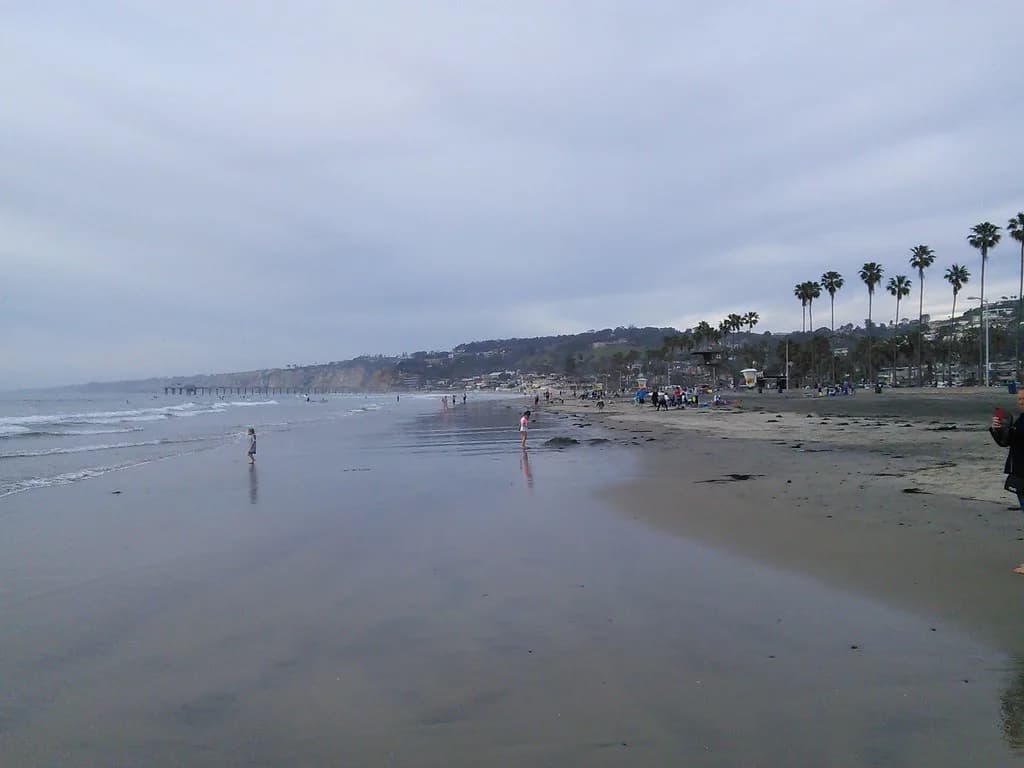
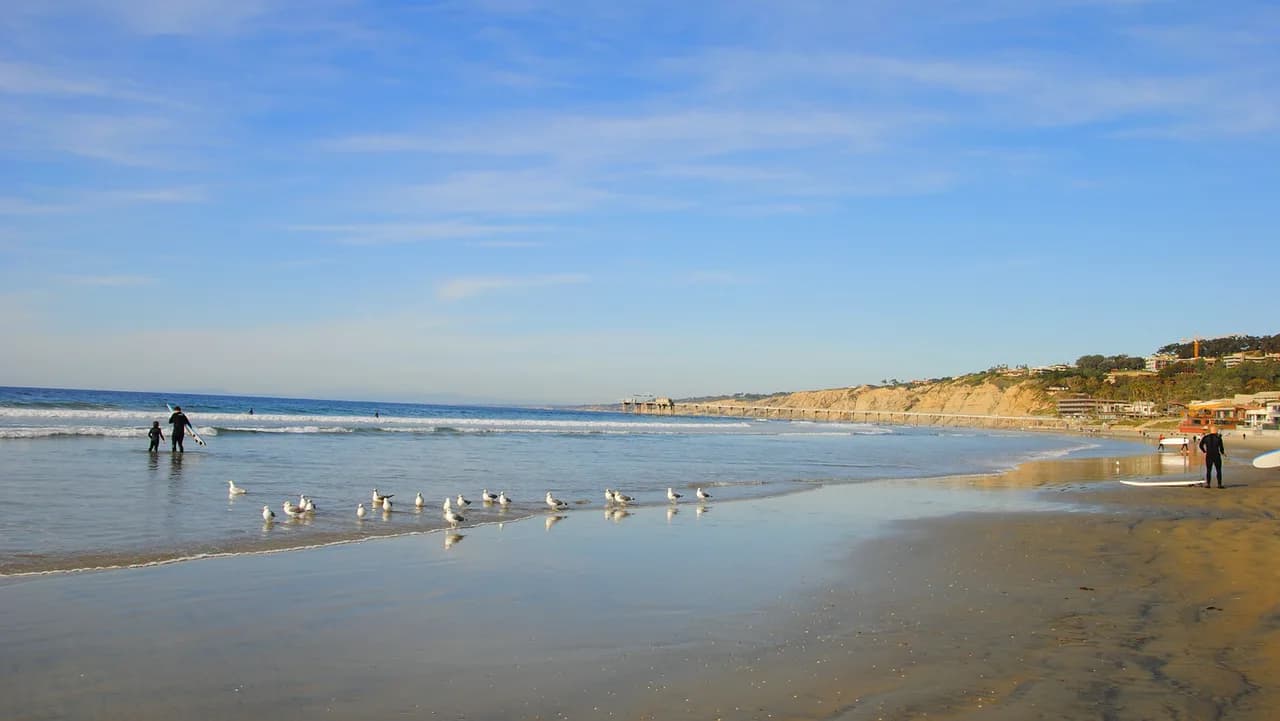
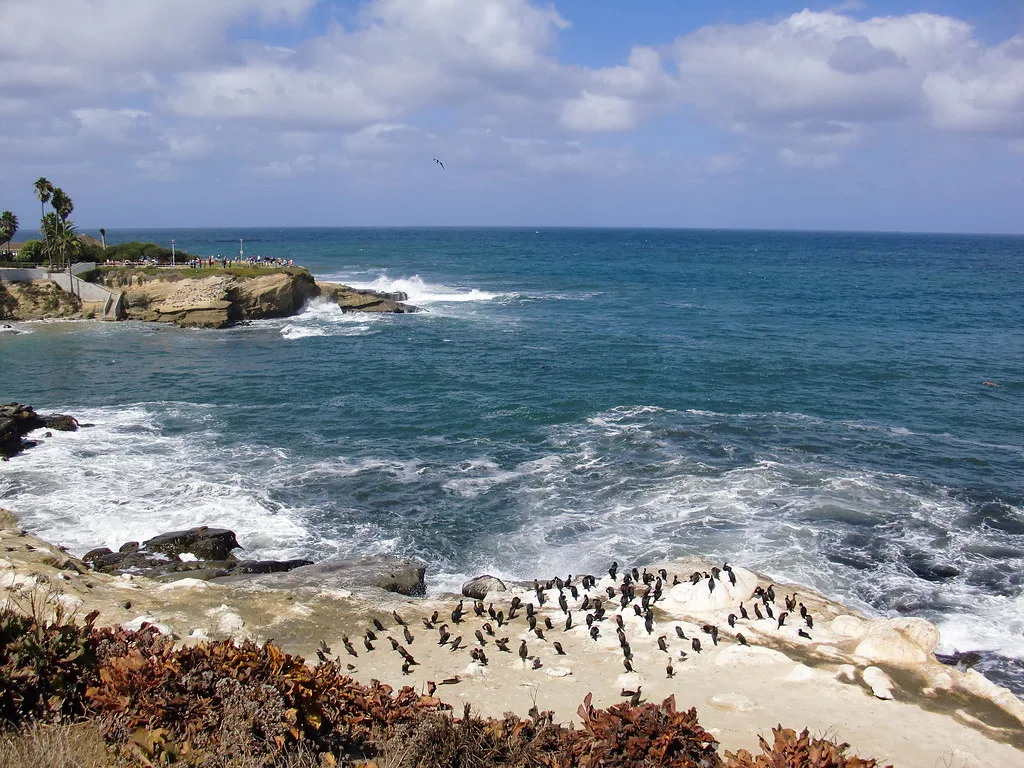
The park runs along the La Jolla shoreline south of the Shores beach, with La Jolla Shores and the Cove as its two most useful snorkel entry points. The Shores is a wide, sandy beach at Kellogg Park; the Cove sits just down the road and is where rocky entries and reef fish dominate. Treat them as separate trips, because the water, depth and hazards differ sharply between them.
La Jolla Shores sits right down the road from La Jolla Cove in San Diego and doubles as one of the nicer sunning and swimming beaches on the West Coast. That popularity matters for timing: the beach fills on sunny weekends, so arriving early gives you a better shot at street parking and quieter water at the entry.
Getting in at La Jolla Shores
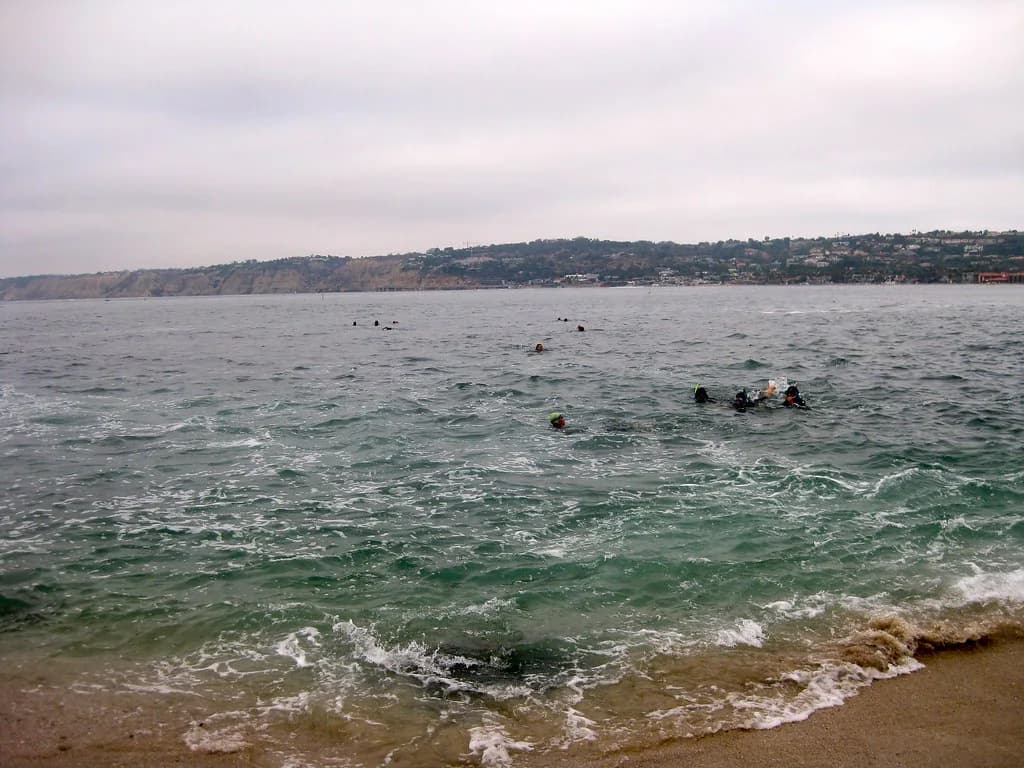
The standard entry is the sand in front of the Marine Room Restaurant, at the south end of La Jolla Shores beach near the tennis club. You walk straight off the sand into shallow water over a flat bottom, which is about as forgiving as entry gets. Shuffle your feet as you walk in and out so you do not step on a ray buried in the sand.
There is a second, more direct access: a small alley-type path beside the Marine Room Restaurant that leads almost straight to the water where the sharks sit. The trade-off is tide. At high tide the beach narrows to the buildings, so the alley becomes a wet, awkward entry; at lower stages you get a proper stretch of sand to walk in from.
If you prefer facilities over directness, park at Kellogg Park and walk south along the beach to the Marine Room frontage. You get fresh water showers and restrooms at the park for the rinse afterward, at the cost of a longer walk and often harder parking in the surrounding streets. Choose the alley for a quick dive, Kellogg Park for a full beach day.
Where the Leopard Sharks Are
In summer, leopard sharks gather in the hundreds on the shallow sand at the south end of the beach, in front of the tennis club and the Marine Room. The key detail is depth: they hold in roughly four to five feet of water. Swim out until you are in that band, then work left and right along the depth line instead of heading farther offshore, where the bottom drops away and the sharks thin out.
These are small, harmless sharks that top out around 4.9 feet, with mouths built for clams, crabs and fish eggs rather than anything larger. Keep a respectful distance, let them swim past, and do not chase or touch them. On wavy days visibility drops, and the sharks are often easiest to spot where the water begins to clear in slightly deeper water along the flat.
Working the Depth Line
Treat the sand flat like a search grid rather than a destination. Enter, swim out to the four-to-five-foot band, then traverse parallel to the beach, covering ground until you find the group. Because the bottom is uniform sand, it pays to stay put once you find them and let the animals move around you rather than swimming after them.
Outside the shark months, the same flat still holds small rays and little else over the sand. If you want fish and structure, cross to the Cove side of the park or plan a separate Cove session, where rock and reef cover supports reef fish such as Garibaldi.
The Cove Side of the Park
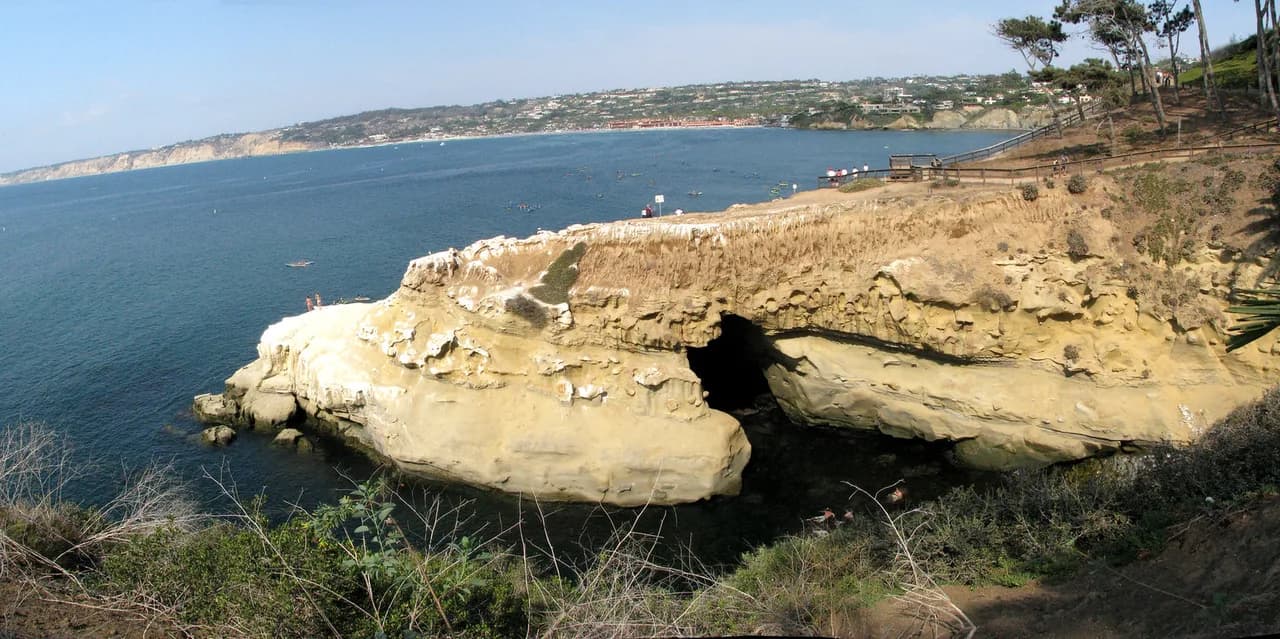
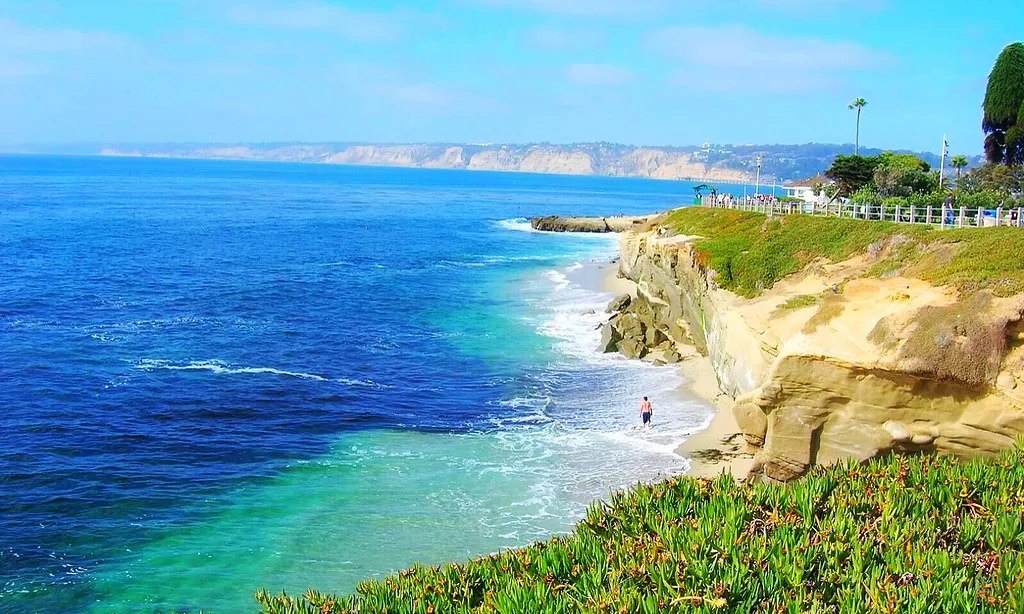
La Jolla Cove is the rocky half of the park: entries off rock and reef rather than sand, with Garibaldi and other reef fish on the structure and sea lions around the edges. That makes it a stronger fit for confident swimmers comfortable with rock entries and surge, and a weaker fit for young children or first-timers.
Wildlife rules apply on this side. Give sea lions room, never block their path to the water, and keep your distance rather than approaching for a closer look. The same etiquette that keeps the sharks calm on the flat applies to the fish and marine mammals at the Cove.
What You Will See
On the Shores side the draw is the leopard sharks themselves: spotted, graceful animals over sand, plus small rays, most often a baby ray on the flat. The underwater scenery is plain sand, so come for the animals rather than coral or rock structure.
At the Cove, reef fish including Garibaldi occupy the rocky areas, and sea lions are commonly part of the scene. The two zones complement each other well: sharks and rays over sand at the Shores, fish and rock at the Cove, both inside the same protected area.
Depth, Visibility and Water Temperature
The shark flat is shallow, and the water over it stays relatively warm because of the sandy bottom, so thick-skinned swimmers may be comfortable without a wetsuit. A shorty wetsuit adds warmth and sun protection on longer sessions. Visibility varies with swell: waves stir the sand, and the clearest water usually sits just beyond the murkier shallows.
Skill Level and Kids
The Shores suits beginners, families and kids able to swim in shallow water, because the entry is sand and the shark flat is only a short swim from shore. The Cove suits stronger swimmers who can handle rock entries, surge and more exposure. A guided tour is a reasonable choice for groups that want gear and a wetsuit included and someone else reading the water.
Guided snorkel trips in the area are typically run as timed sessions that include equipment, so check what each operator provides and how long the outing runs before booking. That matters most for families juggling gear for several people.
Best Time of Day, Season and Swell
Summer is the season for the leopard sharks at the Shores, when the congregation forms on the shallow flat. Outside that window, plan the trip around the Cove's reef fish instead, or use the Shores as a simple shallow swim. Morning tends to bring lighter wind and fewer people on the sand at both entries.
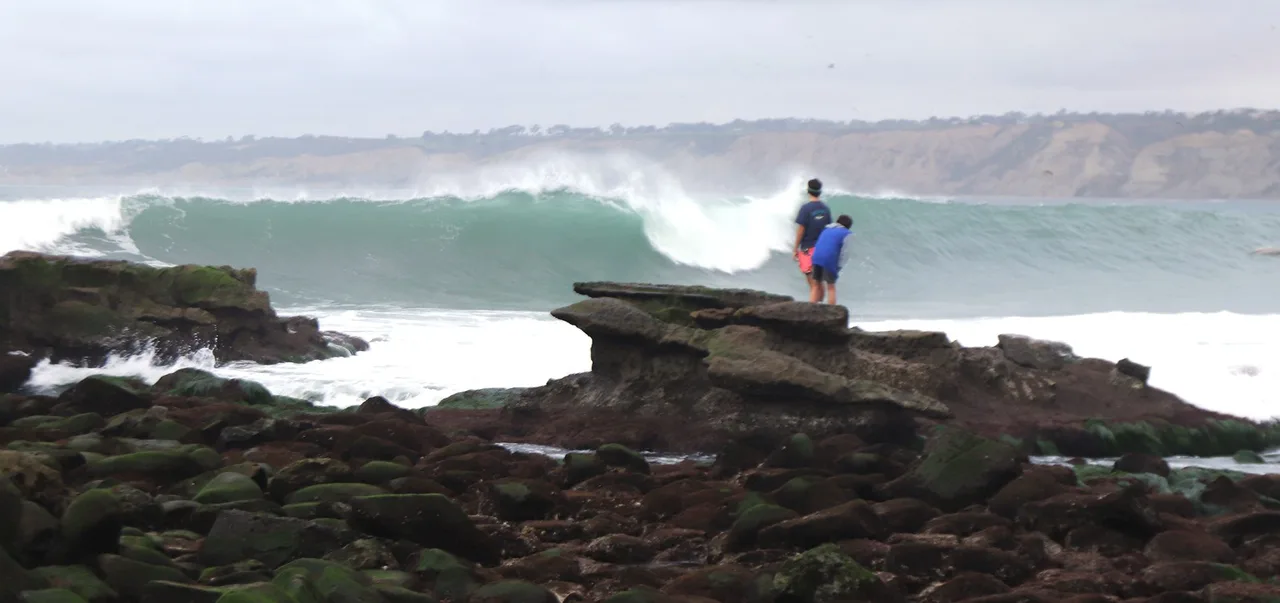
Swell direction changes which entry behaves best. Sizeable surf stirs the Shores flat and cuts visibility, which makes the calmer Cove side the better fallback; a settled day opens up the shallow sand and the sharks with it. Match your entry to the day's conditions rather than committing to one beach in advance.
Hazards
Rays buried in the sand are the most practical hazard on the Shores flat, which is why shuffling your feet on entry and exit matters so much. Waves at the entry can knock you off balance, and the surf zone is where most people get into trouble rather than out on the flat.
Lifeguards cover La Jolla Shores, but the shark area sits at the far south end of the beach, near the edge of their view. Assume you are largely on your own there and snorkel with a buddy.
Parking Around the Park
Parking is the main friction point at the Shores. Kellogg Park and the surrounding neighborhood fill up, and street parking near the Marine Room is tight on beach days. Arrive early or accept a walk from the neighborhood streets to the entry.
Facilities at the Shores
Kellogg Park has fresh water showers and restrooms for rinsing off after the salt water, which is a real advantage when you are snorkeling with kids. They sit at the park end of the beach, so pair them with a Kellogg Park start if showers matter to your group.
Rules in the Protected Area
The park is a protected marine area, so treat everything in it as look-only: no touching, feeding or chasing sharks, rays, fish or marine mammals, and no taking of marine life. Reef-safe sunscreen matters here as everywhere; check the labeling on what you bring, since sunscreen rules differ by destination.
Combining the Park with Nearby Spots
The obvious pairing is the Shores in the morning and the Cove afterward, since they sit within a short drive of each other. Do the sand entry first while the beach is quiet, then move to the Cove for rock and reef fish. Add a third stop at another San Diego snorkel site if you have a full day, and if you want to compare a sand-flat shark snorkel with a boat-access island trip, see snorkeling in Channel Islands.
What to Bring
Pack a well-fitted mask, fins for the swim out, a rash guard or shorty wetsuit for warmth and sun protection, and reef-safe sunscreen. Leave valuables at home or locked in the car, since the alley entry gives you no secure place to stash a bag. A towel and a rinse at Kellogg Park finish the day cleanly.
Plan Your La Jolla Snorkel Day
Pick your entry by skill and goal: the Marine Room frontage at La Jolla Shores for an easy sand entry and a shot at the summer leopard sharks, or the Cove for rock, reef fish and sea lions. Arrive early for parking, shuffle your feet on the sand, and work the four-to-five-foot band rather than swimming out.
Check surf and wind forecasts before you commit, since swell decides which side of the park works that day. The La Jolla snorkeling guide covers the rest of the coastline if you want to extend the trip.
Frequently Asked Questions
Where do you enter the water for snorkeling at La Jolla Shores?
The main entry is the sand in front of the Marine Room Restaurant at the south end of the beach, where you walk off the sand into shallow water. A small alley beside the restaurant gives a more direct path to the water; at high tide the beach narrows there, so the walk-in is easier at lower stages.
How deep is the water where the leopard sharks swim?
The sharks hold in roughly four to five feet of water on the sand flat in front of the Marine Room Restaurant. Swim out to that depth band and then work left and right along the flat. Swimming farther offshore puts you past them as the bottom drops away.
Which side of the La Jolla Underwater Park is better for beginners?
La Jolla Shores is the better beginner side, with a sand entry, shallow water and a short swim to the shark flat. The Cove side has rock entries, surge and more exposure, which suits confident swimmers better than first-timers or young children.
When can you see leopard sharks in La Jolla?
Leopard sharks congregate on the shallow sand off La Jolla Shores in summer, when hundreds gather in front of the tennis club and the Marine Room Restaurant. They are not guaranteed on any given day, so plan around the season rather than a specific date.
Is there a lifeguard at the leopard shark area?
Lifeguards cover La Jolla Shores, but the shark flat sits at the far south end of the beach, near the edge of their view. Treat that area as largely self-reliant and snorkel with a buddy.
What should you watch out for when snorkeling the sand flat?
Stingrays rest in the sand, so shuffle your feet as you walk in and out rather than stepping down hard. Surf at the entry is the other common problem, especially on days with sizeable swell.
Where do you park for snorkeling La Jolla Shores?
Kellogg Park and the surrounding neighborhood streets are the usual options, and they fill up on beach days. Arriving early improves your chance of a spot and shortens the walk to the entry.
Are guided snorkel tours available in the park?
Guided trips operate out of the La Jolla area, typically as timed sessions that include snorkel equipment and wetsuits. Each operator's inclusions and outing length vary, which matters especially for families.
Sources
Snorkeling notes for your next trip
Optional updates to our snorkeling guides.
You might also like

Continue reading
More guides you'll find useful