Kihei Snorkeling: Shore Spots, Reefs and Boat Trips
Kihei snorkeling means rocky points at Kamaole and Keawakapu on calm mornings, plus boat trips to Molokini. Here is how each entry works and who it suits.
On this page
Kihei works as a snorkel base because the water is reachable on foot from three lifeguarded beach parks and a handful of neighborhood beaches, not because any single reef is famous. The snorkeling here sits at the rocky ends of sandy beaches, which means you swim out over sand and pick your way around basalt points rather than dropping onto a fringing reef from the beach. That layout suits experienced ocean swimmers who can read a shoreline and don't need a boat, a guide or a rental counter to get wet.
It also suits travelers who want options: a calm-morning shoreline session, then a drive to Ma'alaea Harbor for a Molokini trip, then an afternoon at a beach park with showers and a lifeguard. The trade-off is that South Kihei's shoreline is exposed to whatever swell is running, so a planned snorkel can turn into a beach walk without much warning. Kihei sits on Maui's south shore between Ma'alaea and Wailea and tends to stay sunnier than much of the island, which helps with visibility but does not guarantee flat water. If you are weighing which island to base a trip around, this same shoreline-versus-boat calculus is worth comparing with snorkeling in Oahu.
How Kihei's Coastline Lays Out
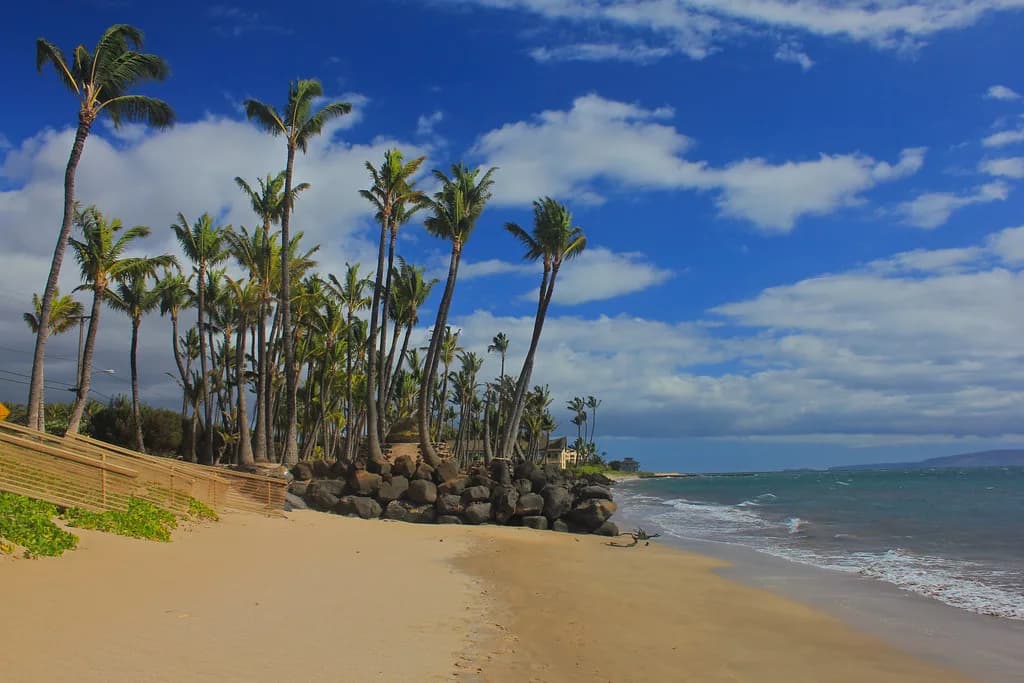
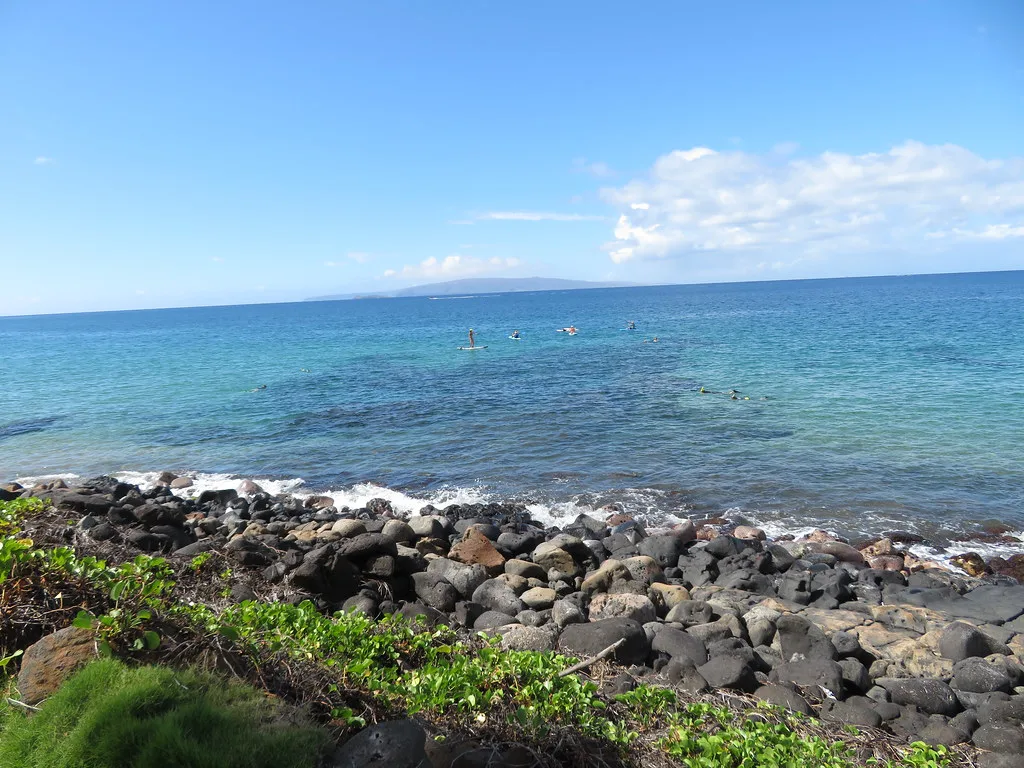
Think of the Kihei coast as one long string of beaches along South Kihei Road, running from North Kihei's Sugar Beach down through the Kamaole parks to the Wailea border. For snorkeling, the southern half matters most: Kamaole Beach Park III, Charley Young Beach, the edges of Kamaole I and II, and Keawakapu Beach at the border. Distances are short but not walkable end to end with gear, so pick one beach per session and drive between them.
The character changes as you go south. North Kihei is long sand and shoreline walking with fewer rocky edges; the Kamaole area packs facilities, lifeguards and parking into a compact stretch; Keawakapu and the Wailea border feel quieter and more residential. If you are staying in South Kihei near the Kamaole parks, you can reach three lifeguarded beaches on foot, which is the single biggest practical advantage of basing there.
Shore Snorkeling at Kamaole Beach Park III
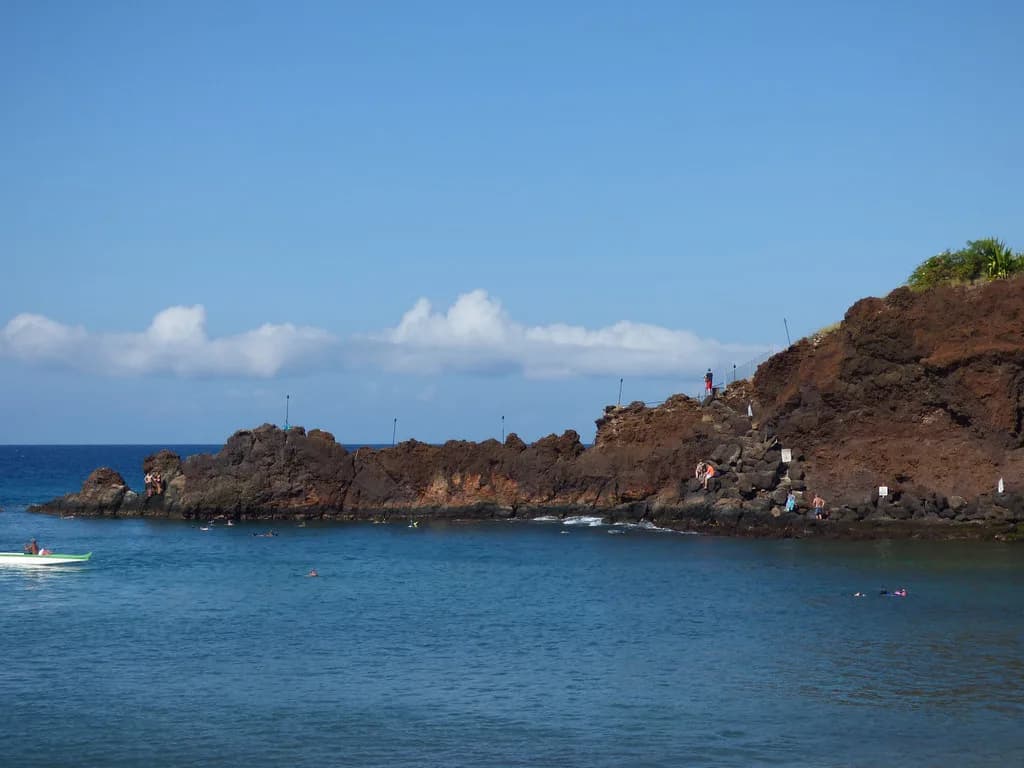
Kamaole III is the most family-friendly of the three parks, with restrooms, portable toilets, outdoor showers, picnic tables, grills and a swing set, plus lifeguard coverage during staffed hours. The snorkeling is at the rocky ends of the beach rather than the sandy middle, so walk the cove first and watch where the rock meets sand before you commit. Entry is over sand with a short swim to the rock, which is easier on fins and ankles than a lava-rock scramble.
On a calm morning you can work along the rock edge at the ends of the cove, where reef fish gather against structure and visibility is often better before the trade winds build. Depth over the sand stays shallow close in and drops a little as you follow the point; you do not need to swim far offshore to find anything worth seeing. If the water is rough or murky, treat the park as a beach day and skip the swim.
Charley Young Beach and the Kamaole I and II Edges
Charley Young Beach, at the north end of the Kamaole sequence, is the quieter option: no lifeguard, a portable toilet and an outdoor shower, and a public lot at Kaia'u Place and South Kihei Road. Its rocky areas are worth a calm-morning look, and the lack of crowds makes for an easier entry than the busier parks. Go early, since the small lot fills and the beach has no backup parking of its own.
Kamaole I and II are the fallback when you want facilities over solitude. Kamaole I has restrooms, outdoor showers, picnic tables, grills and a volleyball area with lifeguards on duty during staffed hours; Kamaole II has restrooms, an outdoor shower, water fountains, picnic tables and grills, with street parking under posted restrictions. Both are sandy swimming beaches first, so treat the rocky fringes as a bonus rather than a destination reef.
Keawakapu Beach at the Wailea Border
Keawakapu is the spot for confident swimmers who want a quieter session near Wailea. The beach has a portable restroom nearby and shower access, with public parking across the street on Kilohana Drive under posted signs, and no lifeguard. The rocky ends at the border of the beach are the snorkel ground, reached by swimming along the sand from a comfortable entry point.
Because there is no lifeguard and the beach runs long, plan your exit before you enter and keep the session inside your energy budget. Morning is the better window: winds are usually lighter then, visibility often improves, and the beach is calmer for a shore entry. A calm-looking beach is not a guarantee, so ask a lifeguard at one of the staffed parks about conditions before driving over.
What You Will See on the Rocky Points
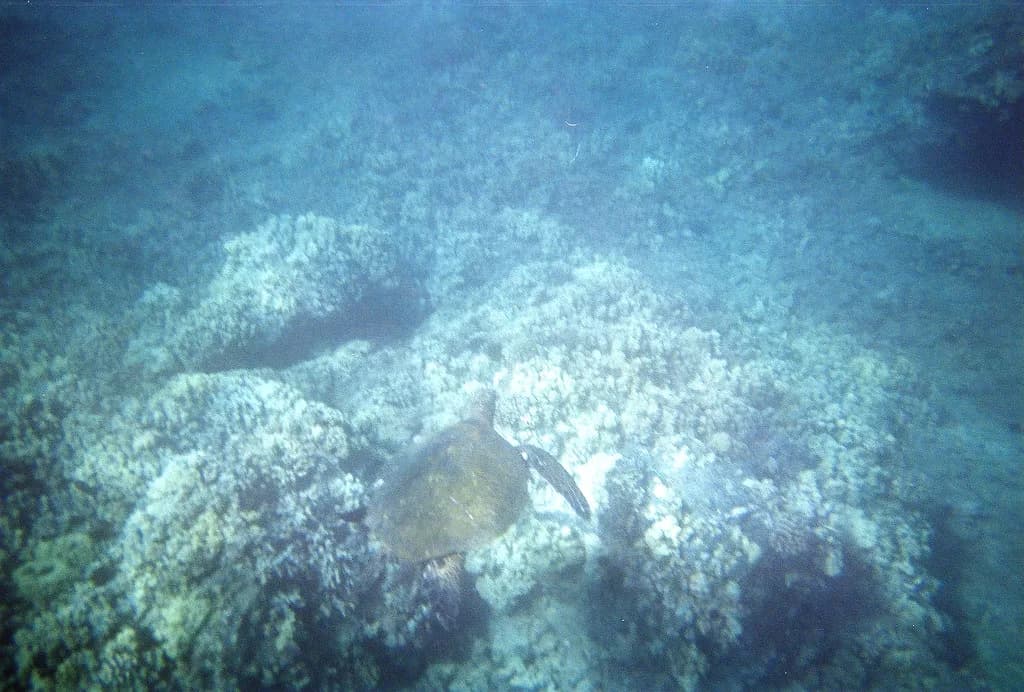
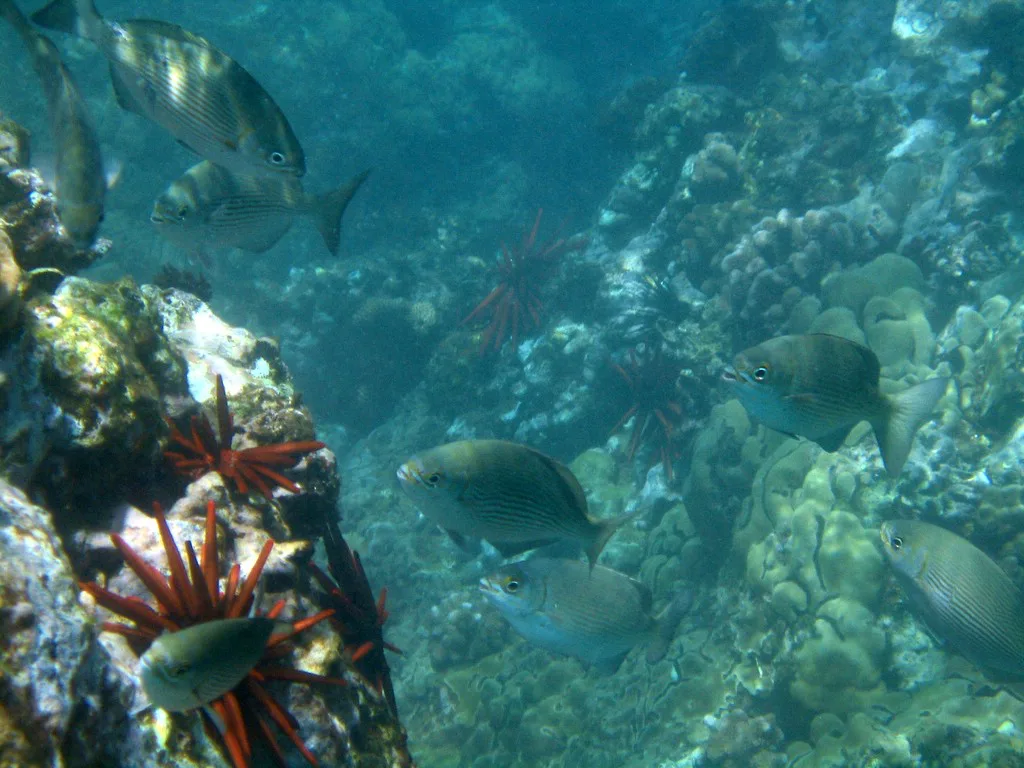
Kihei's shoreline snorkeling is about structure, not sprawling coral gardens. Reef fish congregate around the basalt points and the sand-rock transition, and honu sometimes appear near the rocky edges, though no sighting is promised on any given morning. Coral sits on and around the rock rather than across open sand, so the productive water is narrow and close to shore.
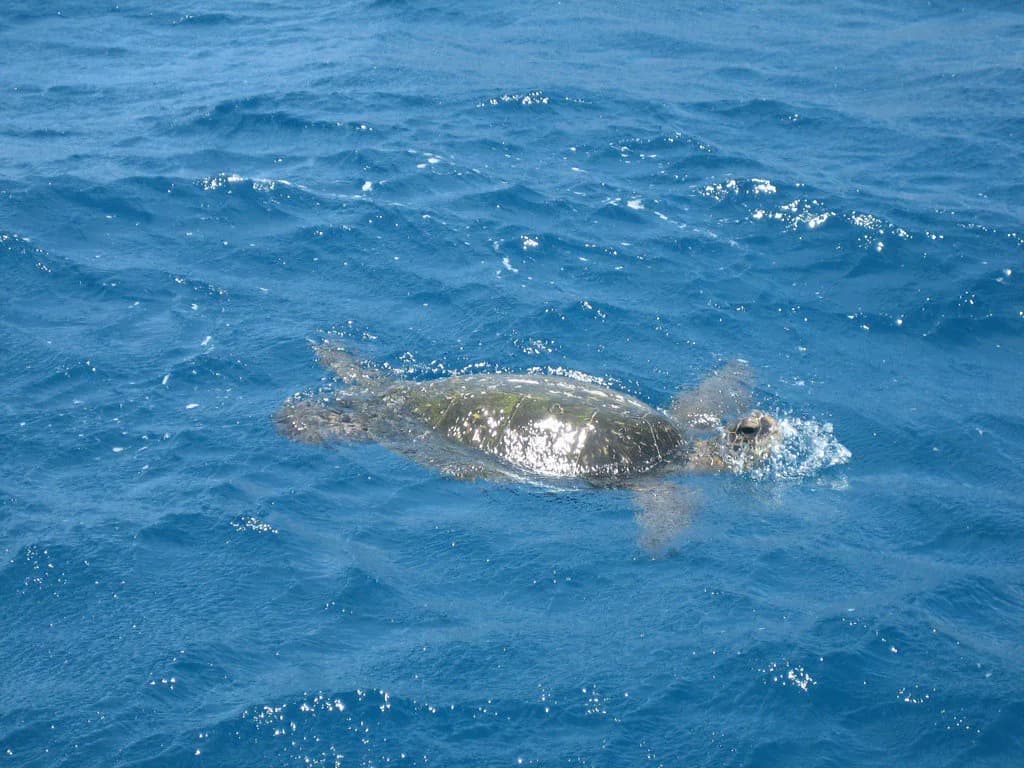
Give turtles and other wildlife plenty of space, keep your hands off the rock, and never chase or corner an animal against the shoreline. Buoyancy matters more than distance here: hovering still over a patch of rock shows you more than covering ground. Visibility and the day's stops vary with ocean conditions, so a murky morning is a signal to try a different bay rather than push further out.
Skill Level and Who It Suits
Kihei shore snorkeling is for experienced ocean swimmers who can swim independently, feel comfortable in open water and judge an entry from the sand. Beginners and kids are better served by a lesson or a guided shore session than by a rocky point on an unfamiliar coast. Go with a buddy and head back before you are tired.
If your group mixes abilities, split the day: strong swimmers take a calm-morning rocky point while others use the lifeguarded beach at Kamaole III or I. Families with young children will get more out of the park facilities and shallow sand than out of the rock edges. A boat trip is the equalizer for groups that want everyone in the water with crew guidance.
Best Time of Day, Trade Winds and Swell
Mornings are usually lighter-winded and often clearer, which makes them the practical window for a shore session in Kihei. Afternoon trade winds pick up and chop the surface, and onshore conditions can push surge over the rocks at the points. Check the day's swell direction against the beach you plan to use: a south shore exposed to a running swell will be surging at the rocky ends while the sandy middle stays merely bouncy.
Look for clear water, a manageable entry and exit, and no posted warnings or water-quality advisories before you gear up. Conditions override any time-of-day rule, so a calm forecast still needs a look at the water. If the ocean is rough or murky, enjoy the views from shore and try again the next morning.
Hazards: Currents, Surge and Boat Traffic
The main hazards are ordinary ones: surge against the rock at the points, currents that run along the shoreline, and the drop-off in visibility when the wind picks up. The Cove, at the north end of the Kamaole stretch, is a surf-lesson beach with a boat ramp and a small lot, so expect surfers, paddlers and ramp traffic in the water and the parking area.
Lifeguard coverage applies only at staffed parks and only during staffed hours, so a no-lifeguard beach like Charley Young or Keawakapu demands more self-reliance. Stay clear of the ramp channel and any boat launching, and keep a buddy watching the surface while you look down. None of this is exotic risk; it is the ordinary attention that shore snorkeling on an exposed coast requires.
Parking and Fees at the Kamaole Lots
The paved lots at Kamaole I and III use PARK MAUI, where standard nonresident parking is currently $10 per day, payable through the app or an on-site pay station. On weekends and County-observed holidays, standard spaces in those paved lots are reserved for Hawai'i residents before 10 a.m.; the beaches remain open to everyone. Vehicles displaying a valid, unexpired U.S. disability placard can use reserved accessible stalls free of charge, including during resident recreation hours.
Elsewhere the picture is simpler and less predictable: Kamaole II relies on street parking under posted restrictions, Charley Young has a small public lot at Kaia'u Place, and Keawakapu uses public parking across the street on Kilohana Drive. Follow posted signs, keep driveways and access lanes clear, and have a second beach in mind if your first choice is full. The trade-off is real: the paid lots buy you showers and restrooms, while the neighborhood beaches buy you quiet at the cost of a walk.
Rules: Marine Protection, Wildlife and Sunscreen
Molokini Crater is a Hawai'i Marine Life Conservation District, with specific rules protecting its marine resources, so boat trips there operate under a stricter set of expectations than a beach entry. Whether you snorkel from shore or from a boat, give honu and other wildlife plenty of space, never touch or feed animals, and never chase them. The fishpond at Kalepolepo is a heritage site to view from shore rather than climb.
Reef-safe sunscreen is the norm across Maui's marine areas, and it is the easy choice when you are in the water near coral. Read the label before you buy, since a bottle marketed for the beach does not always qualify. Rules and protections are administered by state agencies, and the posted signage at each site is the version that applies to your visit.
Boat Snorkeling from Ma'alaea Harbor
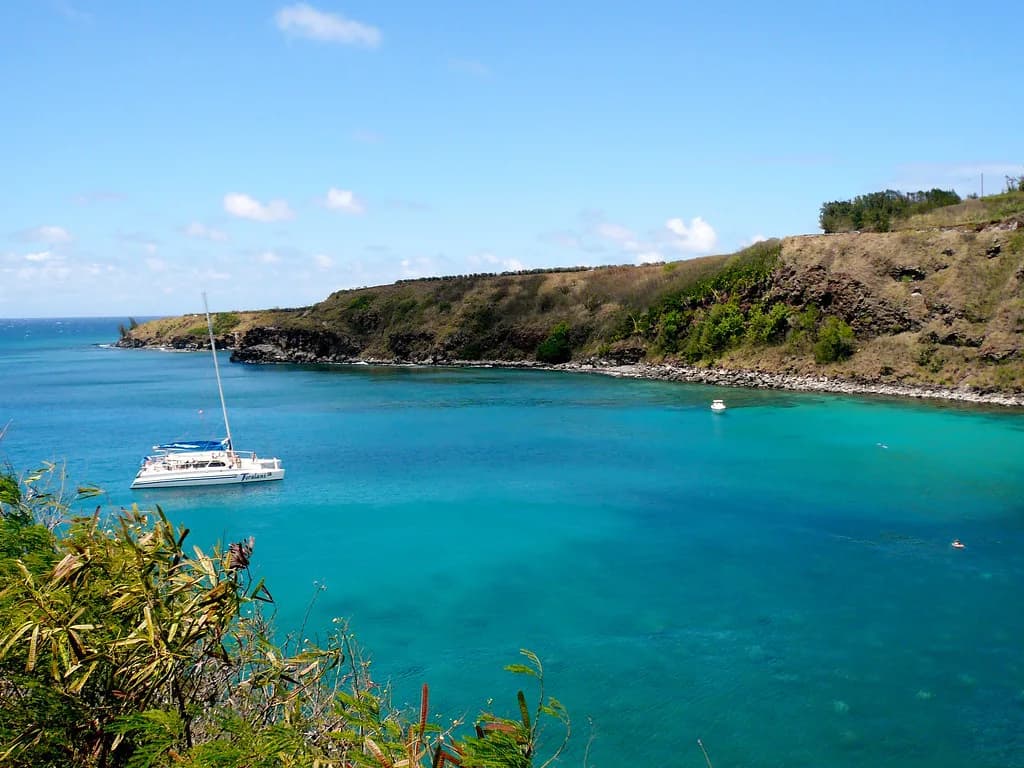
Ma'alaea Harbor is roughly a 15 to 25 minute drive from many Kihei accommodations depending on traffic and your starting point, which makes a boat trip an easy add-on rather than a separate day. Molokini Crater Snorkeling Tour operators run a morning trip with check-in at 6:30 a.m. for a 7 a.m. departure and a return around noon, with planned stops at Molokini Crater and Turtle Town, conditions permitting; breakfast, lunch and snorkel gear are included. Afternoon trips check in at 12:30 p.m. for a 1 p.m. departure and return around 4 p.m., heading to Coral Gardens or another reef chosen for the day.
The trade-off against shore snorkeling is cost, scheduling and a fixed route. In exchange you get gear, crew guidance, a boat ride to water you cannot reach from the beach, and a schedule that does not depend on you reading a shoreline. Route and snorkel stops depend on the day's conditions, so treat the named sites as a plan rather than a promise.
Combining Kihei with Wailea, Makena and a Harbor Departure
A sensible Kihei day pairs one shore session with one non-snorkel stop. Snorkel a rocky point at Keawakapu early, then drive into Wailea for breakfast, or work the Kamaole III edge and spend the afternoon at the park's picnic tables. Kalepolepo and the Ko'ie'ie Fishpond add a short cultural stop with coastal views, and the nearby Hawaiian Islands Humpback Whale National Marine Sanctuary visitor center has exhibits on whales and Maui's marine environment.
If you are heading to Ma'alaea for a boat, leave extra time to park, pay and walk to check-in rather than treating the harbor as a five-minute detour. A car makes all of this easier: Kihei is a workable base without one for beach-and-restaurant days, but distances add up fast once you are chasing conditions or day trips.
Plan Your Kihei Snorkel Morning
Build the day around one rocky point, one calm morning and one clear exit plan. Kamaole III suits families and first-timers who want facilities and a lifeguard; Charley Young and Keawakapu reward confident swimmers with quieter water; Kamaole I and II are the convenient middle. Check the posted parking rules before you leave and keep a backup beach in mind.
If the shore is blown out, Ma'alaea Harbor is close enough that a boat trip is a genuine alternative rather than a consolation prize. Either way, the water decides the plan: lighter morning wind, a swimmable entry and a body of water you can read are worth more than any list of spots.
Frequently Asked Questions
Where can I go snorkeling near Kihei without a boat?
The rocky ends of Kamaole Beach Park III, Charley Young Beach, the fringes of Kamaole I and II, and Keawakapu Beach at the Wailea border are the shore options. Each is a sandy beach with structure at the points rather than a fringing reef, so you swim out over sand and work the rock edge on a calm morning. These are open-water swims suited to experienced swimmers.
Is Kihei snorkeling good for beginners?
Beginners are better off with a lesson or a guided shore session than with a rocky point. The Kihei entries require you to judge surf, surge and current from the sand, and several of the better spots have no lifeguard. Families with young children get more from the lifeguarded parks, where the shallow sand and facilities make for an easier day.
Which Kihei beach is best for snorkeling?
It depends on your comfort in the water. Kamaole III is the easiest all-round choice because it combines rocky ends with restrooms, showers, picnic tables and lifeguards. Charley Young and Keawakapu are quieter and better for confident swimmers, with smaller lots and less support. Kamaole I and II are convenient fallbacks when you want facilities near the sand.
Is it worth taking a boat to Molokini Crater instead?
A Molokini trip gets you to water you cannot reach from a Kihei beach, with gear and crew guidance included, and Molokini is a Hawai'i Marine Life Conservation District with rules protecting its marine resources. The trade-off is cost, an early check-in and a route that depends on the day's conditions. Shore snorkeling is free and flexible but far more weather-dependent.
What time of day is best for snorkeling in Kihei?
Morning is usually the better window, when winds are lighter and visibility is often clearer before the afternoon trade winds build. Swell and posted advisories override the time of day, so look at the water and any warnings before you gear up. If the ocean is rough or murky, plan a beach walk instead.
Do I need to pay for parking at Kihei beaches?
The paved lots at Kamaole I and III use PARK MAUI, where standard nonresident parking is charged per day, payable by app or at an on-site pay station; the current rate is posted on the payment page and on signs at the lot. On weekends and County-observed holidays, standard spaces there are reserved for Hawai'i residents before 10 a.m. The beaches stay open to everyone, and other beaches rely on street or small public lots under posted signs.
Sources
Snorkeling notes for your next trip
Optional updates to our snorkeling guides.
You might also like
Continue reading
More guides you'll find useful