Oahu Snorkel Report: Choosing the Best Day to Go
An Oahu snorkel report you can use: how wind, swell and tide shape shore visibility, which coast works on which day, and what each entry feels like.
On this page
Oahu rewards snorkelers who pick a coast before they pick a beach. The island's two shorelines catch different swells, so a windy, churned-up morning on one side often pairs with flatter water on the other. This guide breaks down how to read the signals, what each entry is like, and how to turn a report into a two-hour shore plan.
Why an Oahu snorkel report is really a wind and swell report
Oahu's reefs sit close to shore in most places, which means surface chop matters as much as underwater visibility. Trade winds typically build through the day, so an early start usually beats an afternoon swim. When the wind is up, the shallows turn cloudy and the swim out gets tiring.
Swell direction decides which coast is workable. A south swell pushes water onto the south shore, while north and west swell energy hits the North Shore and windward beaches. A day with a small south swell can be a great windward day, and vice versa. Checking both the wind and the swell direction is the single most useful habit before you leave the hotel, and the same approach to reading maui snorkeling conditions applies if you snorkel other Hawaiian islands.
Tide is the quieter variable. A low tide can expose shallow reef flats and make entries over rock trickier, while a high tide gives more depth over the same coral. Neither is automatically better; the right call depends on which entry you choose. Oʻahu's water activities pages point visitors toward reef areas with tropical fish and occasional sea turtle visits, which is the kind of day to aim for.
South shore versus windward: how the two coasts split the day
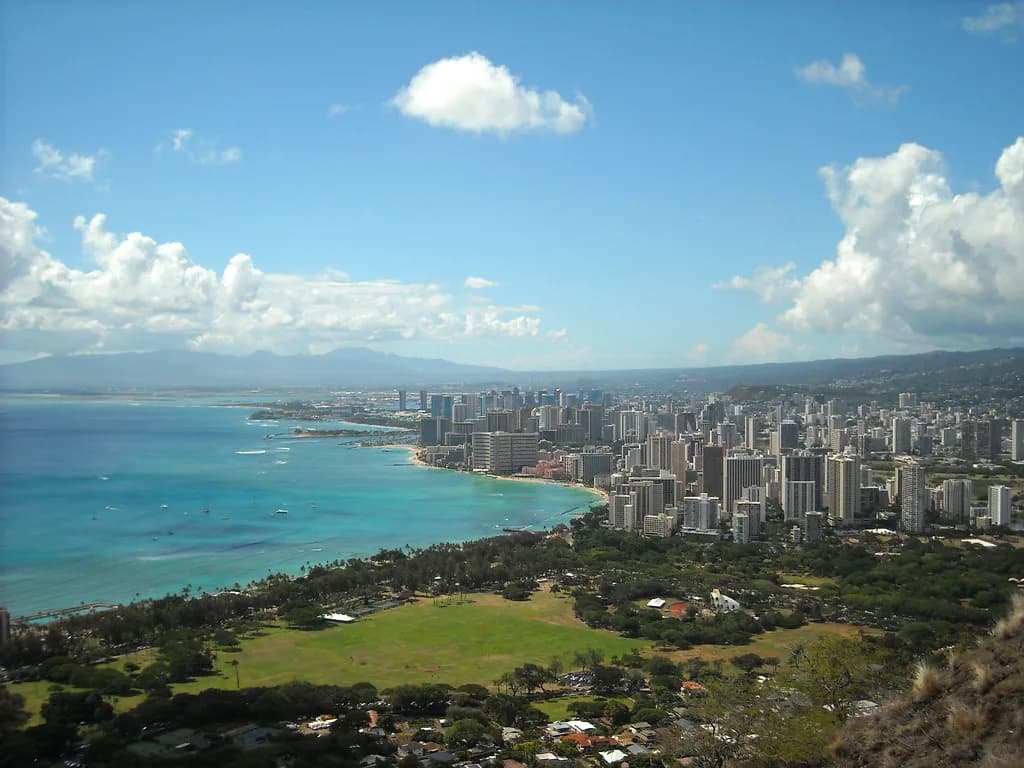
The south shore runs from Hanauma Bay through Koko Head and Maunalua Bay to Waikiki and Diamond Head. It is the most popular snorkeling coast, with sand entries at Waikiki and Hanauma and boat access to reefs farther offshore. On a small south swell it is usually the calmer side, but a building south swell makes the sandy entries murkier and the rocky ones splashier.
The windward coast, from Kailua and Lanikai up through Kaneohe Bay, catches more trade-wind chop and north swell. In exchange it offers long shallow reef flats and the protected waters of Kaneohe Bay. If the south shore is blown out, the windward side is often the better bet, and the reverse holds when a north swell arrives.
Reading the signals: trade winds, swell and afternoon chop
Trade winds are the default Oahu pattern, and they usually strengthen after midday. A light morning breeze that feels pleasant on the beach translates into a much calmer surface over the reef. If the forecast shows gusty trades, plan to be in the water before they peak.
For a current read, look at the forecast page before you leave. Operator forecasts list wind speed, wind direction, cloud cover and UV, which together tell you whether the surface will be glassy or choppy. A northeast wind of 13 mph, for example, is enough to put texture on open water.
Swell reports matter most when they come from a direction the coast faces. A south swell recorded at 2 to 4 feet is the kind of reading that makes south-shore entries lively while leaving windward beaches flatter. Reading the swell direction alongside the height is the difference between a lucky guess and a plan. Local dive reports regularly log south swell and building trade winds as the two forces that shape a day on the water.
South shore entries: Hanauma Bay, Koko Head and Waikiki
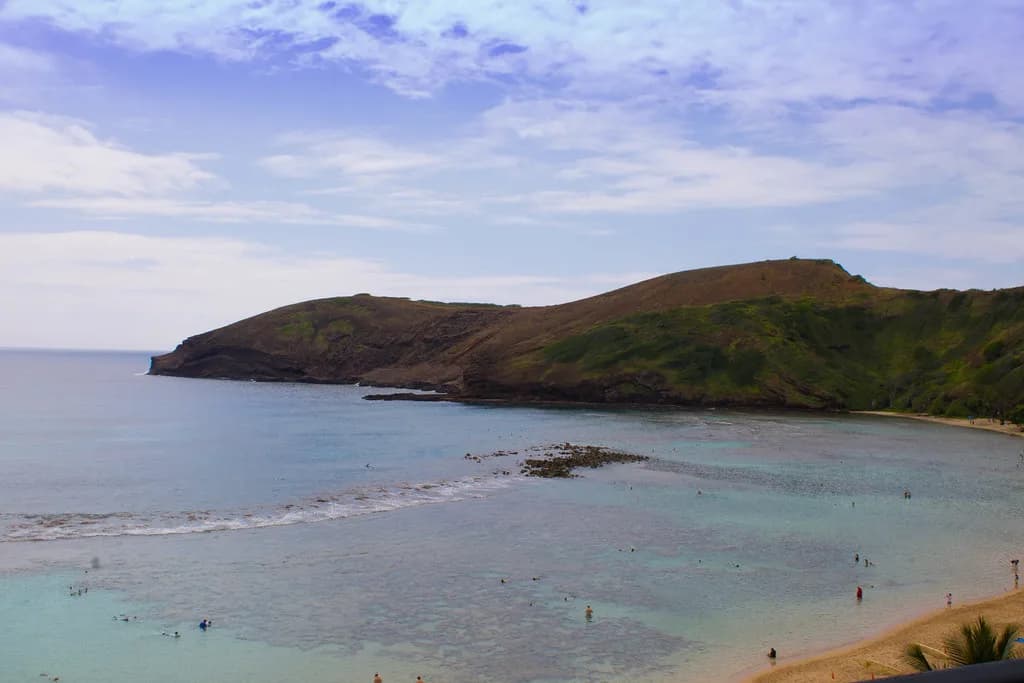
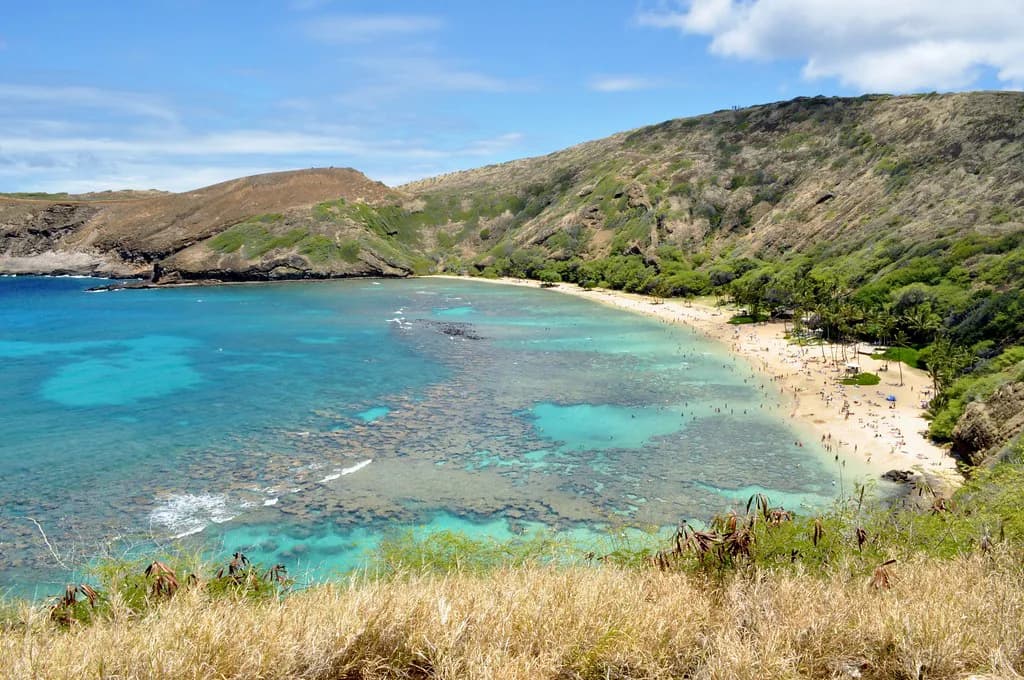
Hanauma Bay is the island's best-known shore snorkel, set in a flooded crater off Kalanianaole Highway. The entry is a sandy beach inside a protected bay, and the reef begins close to shore, making it a good fit for beginners and families. Because it is a popular destination, access is managed, so sort out entry details before you drive out. The Hanauma Bay Nature Preserve page covers the bay layout and what to expect.
Koko Head and Maunalua Bay sit east of Waikiki and are mostly boat territory. Reefs such as Koko Craters and Turtle Canyons lie offshore, with Koko Craters dived at a max depth of about 40 feet and Turtle Canyons shallower still, well beyond a comfortable shore swim, and dive reports note green sea turtles and a range of moray eels there. For a shore day, treat this coast as a launching point rather than a walk-in snorkel.
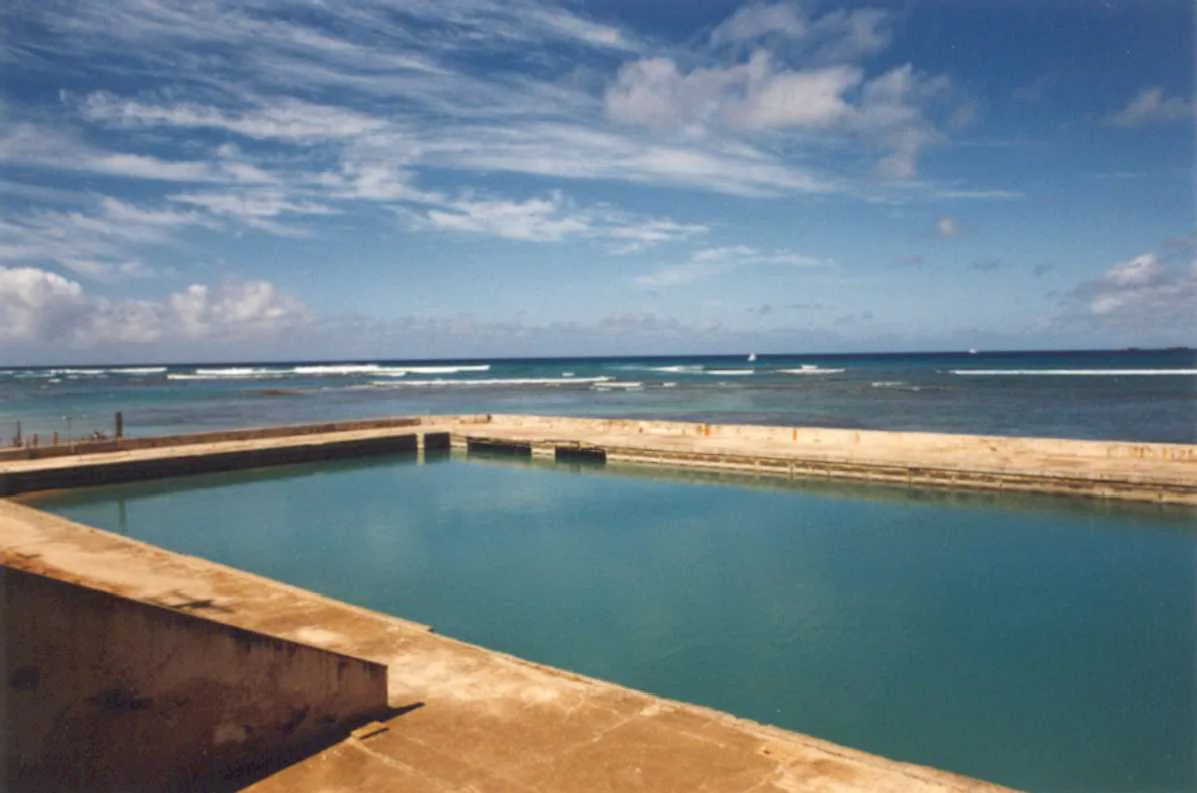
Waikiki and Diamond Head offer the easiest sand entries on the south shore. Waikiki's beaches slope gently into water that is usually calm in the morning, and the reef sits a short swim out. Diamond Head's sheltered coves work well when the trade winds are light. Both are good choices for a first morning snorkel with kids.
Windward entries: Lanikai, Kailua, Kaneohe Bay and Sharks Cove
Lanikai and Kailua beaches face the trade winds and have long, shallow reef flats. The entry is sand, but the reef sits far out, so plan for a longer swim than on the south shore. These beaches suit confident swimmers who want space and don't mind a bit of chop. Early morning is the calmest window.
Kaneohe Bay is protected by offshore reefs and islets, which makes it the calmest windward water on most days. Much of the bay is reached by boat, and the shallow patch reefs hold coral and reef fish. Shore access is limited, so this is a coast to combine with a boat trip rather than a pure walk-in day.
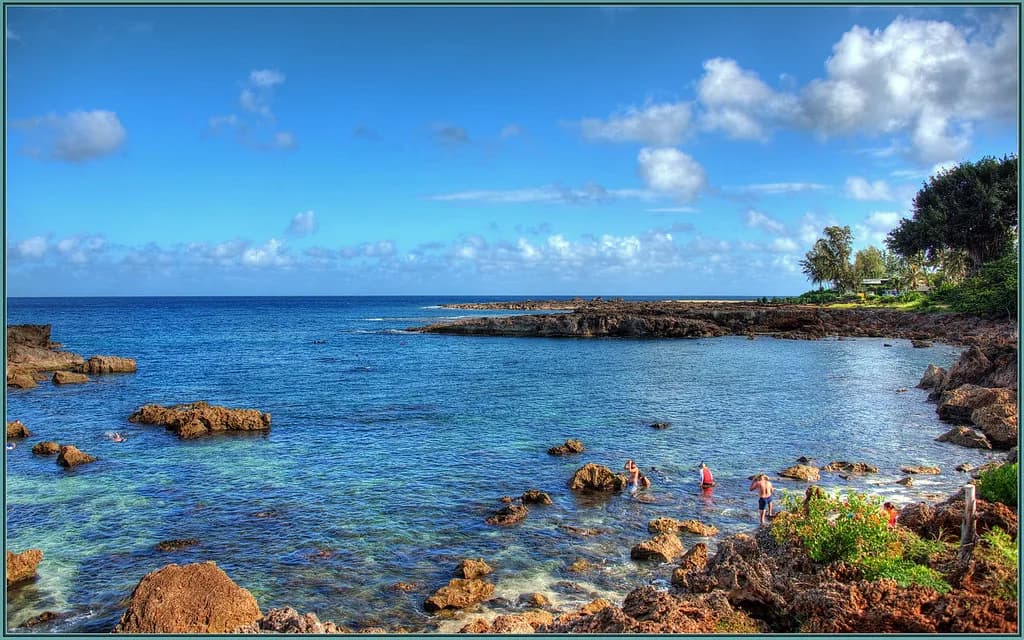
Sharks Cove on the North Shore is the classic rock entry: a lava shelf with tide pools and a reef beyond. In summer it is one of the island's best shore snorkels, and in winter north swell makes it dangerous. Check the season and swell before committing, and wear reef shoes for the shelf.
What a good snorkel day looks like on each coast
On the south shore, a good day is light wind, a small or no south swell, and a morning high tide. Waikiki and Hanauma are the easiest entries, and the water is usually clear enough to see the sand between coral heads. This is the coast to choose for beginners and children.
On the windward side, a good day is a moderate trade wind with no north swell. Lanikai and Kailua reward strong swimmers with long reef flats, while Kaneohe Bay stays calm enough for a relaxed boat snorkel. Sharks Cove works best in summer, when the north swell is gone.
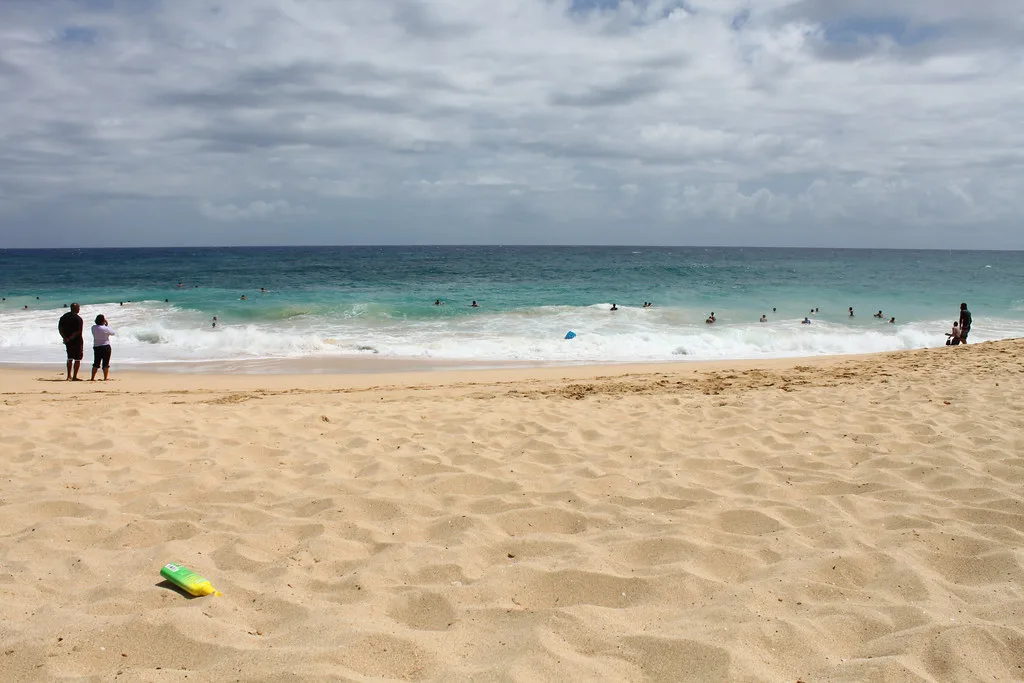
What you will see on Oahu's reefs
Oahu's reefs hold green sea turtles, parrotfish, moorish idols, and a variety of moray eels. Dive reports also list cushion sea stars, octopus, and reef fish such as blue-striped snapper and butterflyfish around the Koko Head and Maunalua Bay reefs. Turtles are most often seen resting on the bottom or grazing on algae in the shallows.
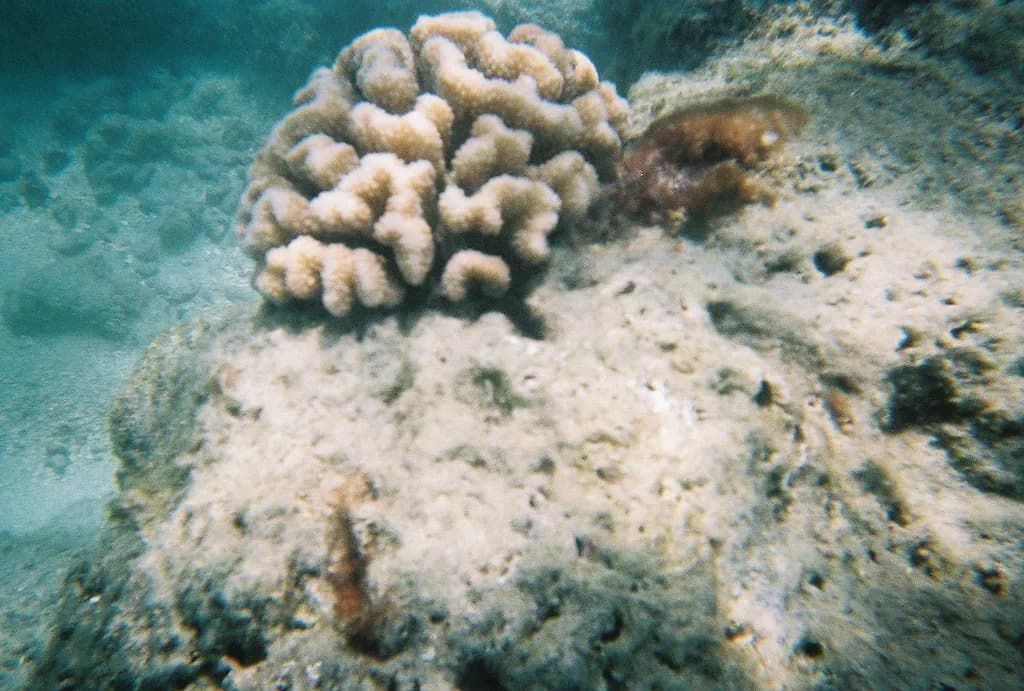
Coral coverage varies by site. Reports describe healthy hard coral on the reefs off Maunalua Bay and the windward side, with the best growth in areas that see less runoff. Snorkelers should look along reef edges and drop-offs, where fish concentrate. Keep a respectful distance and never touch or chase animals.
Best time of day for visibility and crowds
Morning is the best window on both coasts. The trade winds are usually lightest before midday, which keeps the surface calm and the water clear. Popular south-shore beaches like Hanauma also fill up early, so an early arrival gets you in the water before the crowds.
Afternoon chop is the main reason to skip a late start. As the trades build, the surface gets textured and the shallows turn murkier. If you can only snorkel after lunch, choose the most sheltered water you can find, such as Kaneohe Bay or a Waikiki cove.
Hazards: currents, surf and boat traffic
Currents at channel edges are the most common hazard on Oahu's shore snorkels. Reef passes and the edges of bays can pull, especially when the tide is moving. Swim with a buddy, stay inside sheltered water, and avoid channels that funnel water out.
Surf over shallow reef is a real risk in winter on the North Shore and during south swells on the south shore. If the surf is breaking over the reef, snorkeling there is not safe. Boat traffic is another concern on the south shore, where dive boats and tour catamarans use the same reefs; stay close to shore and keep a visible float.
Rules to know: reserves, wildlife and sunscreen
Hanauma Bay is a protected marine reserve, and rules there are enforced. The Nature Preserve page explains the bay's designation and what visitors should know before entering the water. As a general rule on Oahu, don't touch or feed marine life, and give sea turtles and monk seals plenty of space.
Reef-safe sunscreen is encouraged across the island, and some beaches and tours require it. Choose mineral-based products and apply before you get in the water. Wildlife distance rules apply everywhere: stay at least a few body lengths from turtles and seals, and never chase or ride an animal.
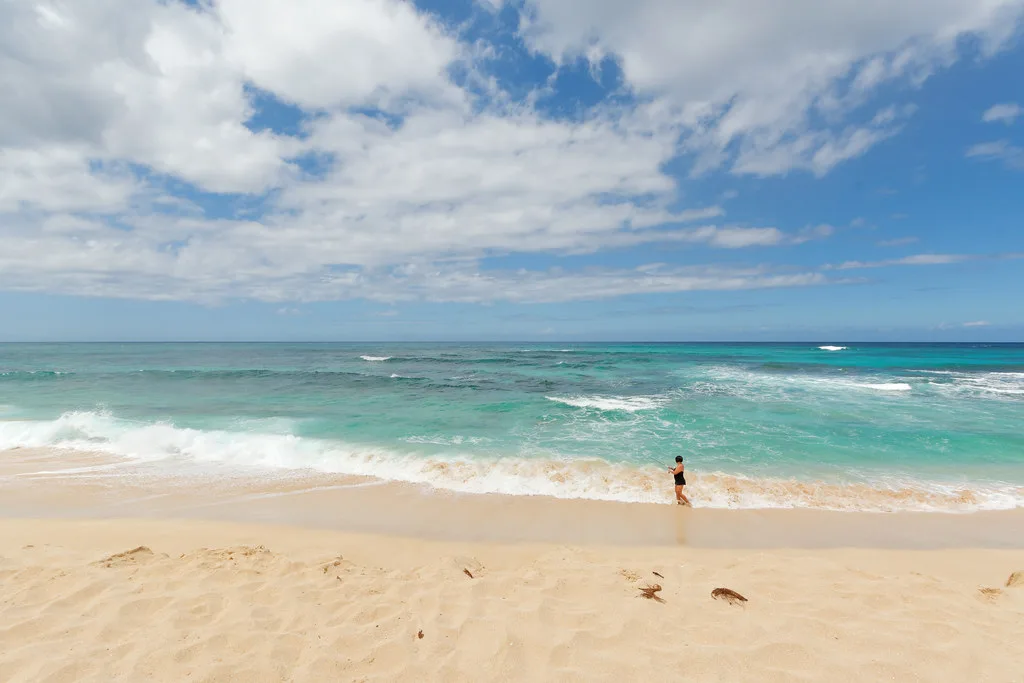
Parking, facilities and access trade-offs
Parking is the main squeeze on the south shore. Hanauma Bay has a managed lot that fills early, and Waikiki and Diamond Head have limited street parking. Arrive early, or plan to use a shuttle or tour. Facilities vary: Hanauma has restrooms and showers, while many windward entries have none.
The quieter windward beaches trade facilities for space. Lanikai and Kailua have restrooms and showers at the main beach parks, but the reef is a longer swim out. Sharks Cove has no facilities beyond nearby shops, so bring water and a change of clothes. Choose your entry based on what you need, not just what's closest.
Combining spots into a half-day itinerary
A south-shore half-day can start with an early Hanauma Bay snorkel, then move to Waikiki for a second swim and lunch. Keep the drive short and check the swell before you go. This plan suits beginners and families who want sand entries and facilities.
A windward half-day can start at Lanikai or Kailua for a long reef swim, then continue to Kaneohe Bay for a boat snorkel. This plan suits strong swimmers who don't mind a longer swim and fewer facilities. In summer, add Sharks Cove on the North Shore for a rock-entry snorkel.
What to bring for a two-hour shore snorkel
Bring a mask that fits, a snorkel, fins, and a rash guard for sun protection. Reef shoes help on rock entries like Sharks Cove. If you don't own gear, arrange a snorkel rental on Oahu before you leave your hotel, since rental shops near the beach can be busy.
Pack water, a towel, and a light layer for the wind. A waterproof float or dry bag keeps your keys and phone safe. Use reef-safe sunscreen and reapply after your swim. A two-hour shore snorkel is plenty of time to see a reef without getting cold or tired.
Where to get today's conditions
For current conditions, check an operator forecast page and the official Oʻahu snorkeling page. These sources list wind, swell, and general water conditions, which you can match to the coast you plan to visit. If the forecast shows strong trades or a building swell, adjust your plan.
The snorkeling in oahu guide covers individual entries in more detail once you've picked a coast. Use it to match your skill level and the day's conditions to a specific beach. The forecast page is the fastest way to decide between the south shore and the windward side on the morning of your swim.
Plan Your Oahu Snorkel Day
The best Oahu snorkel day starts with a look at the wind and swell, then a decision about which coast to visit. South shore entries like Hanauma and Waikiki suit beginners and families, while windward spots like Lanikai and Sharks Cove reward stronger swimmers. Morning is almost always the better window.
Once you've chosen a coast, use the forecast and the individual spot pages to confirm the entry and facilities. Keep your plan flexible, respect wildlife, and you'll get the most out of a two-hour shore snorkel.
Frequently Asked Questions
What is the best time of day to snorkel on Oahu?
Morning is best on both coasts. The trade winds are usually lighter before midday, which keeps the surface calm and the water clearer. Popular beaches also fill up early, so an early start gets you in the water before the crowds.
Which side of Oahu has calmer water for snorkeling?
It depends on the swell direction. The south shore is usually calmer on days with a north or windward swell, and the windward side is calmer when a south swell arrives. Check the forecast for the coast you plan to visit.
Is Oahu snorkeling good for beginners?
Yes, especially at sand entries on the south shore. Hanauma Bay and Waikiki have gentle entries and calm water in the morning. Beginners should stay inside sheltered water and avoid channels where currents pull.
What can you see snorkeling on Oahu?
Green sea turtles, parrotfish, moorish idols, moray eels, and coral are common on Oahu reefs. You may also see cushion sea stars and octopus. Keep your distance and never touch or feed the animals.
Do you need a reservation to snorkel Hanauma Bay?
Hanauma Bay is a managed marine reserve, and entry details are set by the Honolulu Department of Parks and Recreation. Check their page for current entry rules before you plan your visit.
Is a catamaran snorkel tour better than shore snorkeling on Oahu?
It depends on what you want. Tours reach offshore reefs like Koko Craters and Turtle Canyons that are beyond a shore swim, while shore entries give you more flexibility. Choose a tour for deeper reefs and a shore entry for an easy morning swim.
Sources
Snorkeling notes for your next trip
Optional updates to our snorkeling guides.
You might also like
Continue reading
More guides you'll find useful