Snuba vs Snorkeling: Which One Fits Your Ocean Day?
Snuba keeps the air supply on a surface raft and lets you breathe underwater on a hose, while snorkeling keeps you at the surface. Here is how to choose.
On this page
Snorkeling and SNUBA both put you face-down over a reef, but they answer a different question: do you want to watch from the surface, or do you want to breathe underwater without a certification course? Snorkeling suits anyone comfortable floating and kicking in a mask, while SNUBA suits people who want a few minutes on the bottom and are happy to follow a guide. The gap between them is mostly about where your air sits and how far you can follow a fish.
Surface Viewing Versus Time Underwater
A snorkeler floats, breathes through a tube and dives on a held breath, which means every descent lasts seconds and every return to the surface is a decision about air. A SNUBA diver breathes from a regulator fed by a hose, so the limit becomes the hose length and the guide, not lung capacity. That single difference decides which activity fits a nervous first-timer and which fits a strong swimmer who just wants to cover water.
Only briefly.
Think about what you want from the day rather than assuming one option suits everyone. If your goal is long, relaxed drifts over shallow coral with frequent stops to point things out, a mask and fins are enough; if your goal is hovering a few feet above a fish or looking under a ledge, breathing underwater changes the experience. Neither is the advanced version of the other, and plenty of snorkelers never want to leave the surface.
What Snorkeling Actually Is
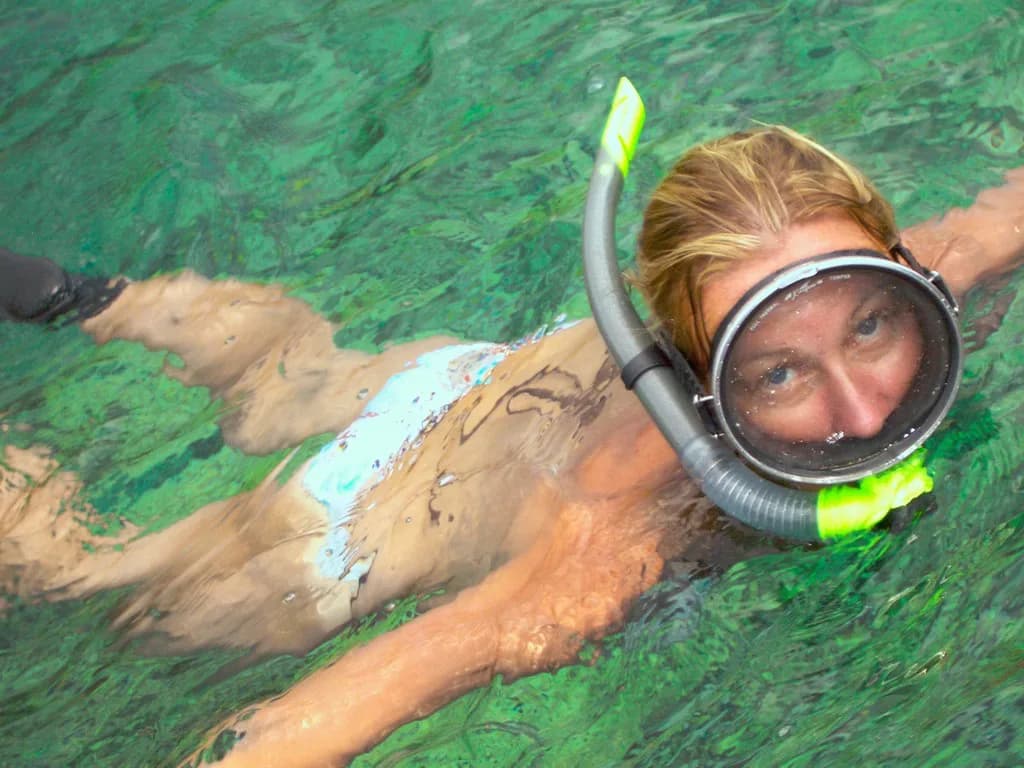
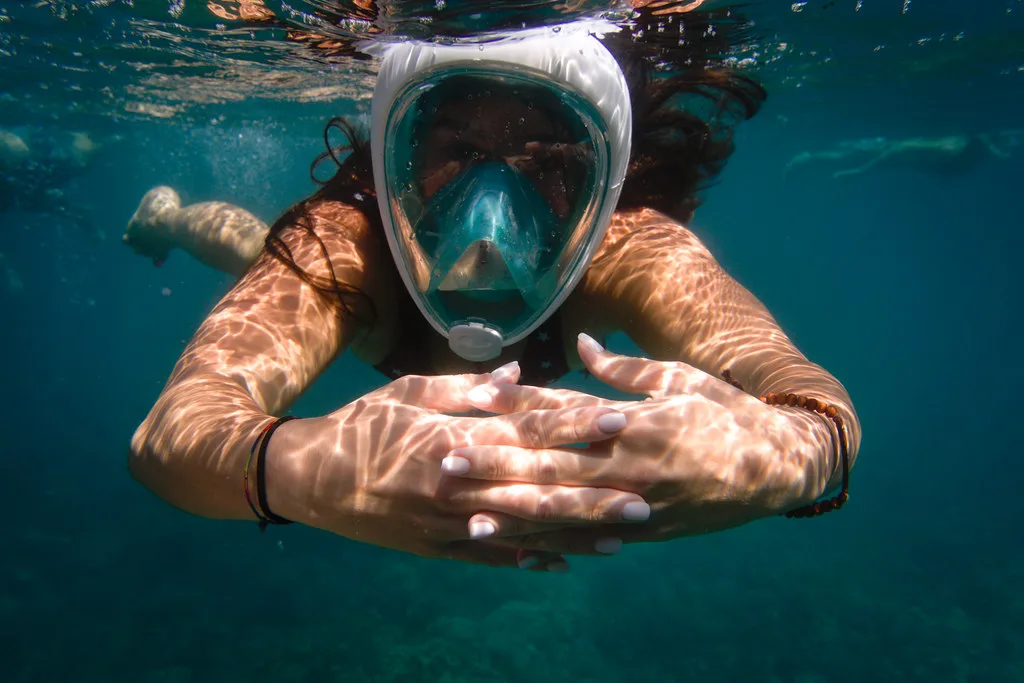
Snorkeling is surface swimming with a mask over your eyes and nose, a tube in your mouth and fins on your feet. You float face-down, breathe normally through the snorkel, and see the reef from above; when you want a closer look you take a breath and duck under briefly. Learning the basics is a matter of clearing your mask and snorkel and getting comfortable with your face in the water, which is what our guide to how to snorkel walks through step by step.
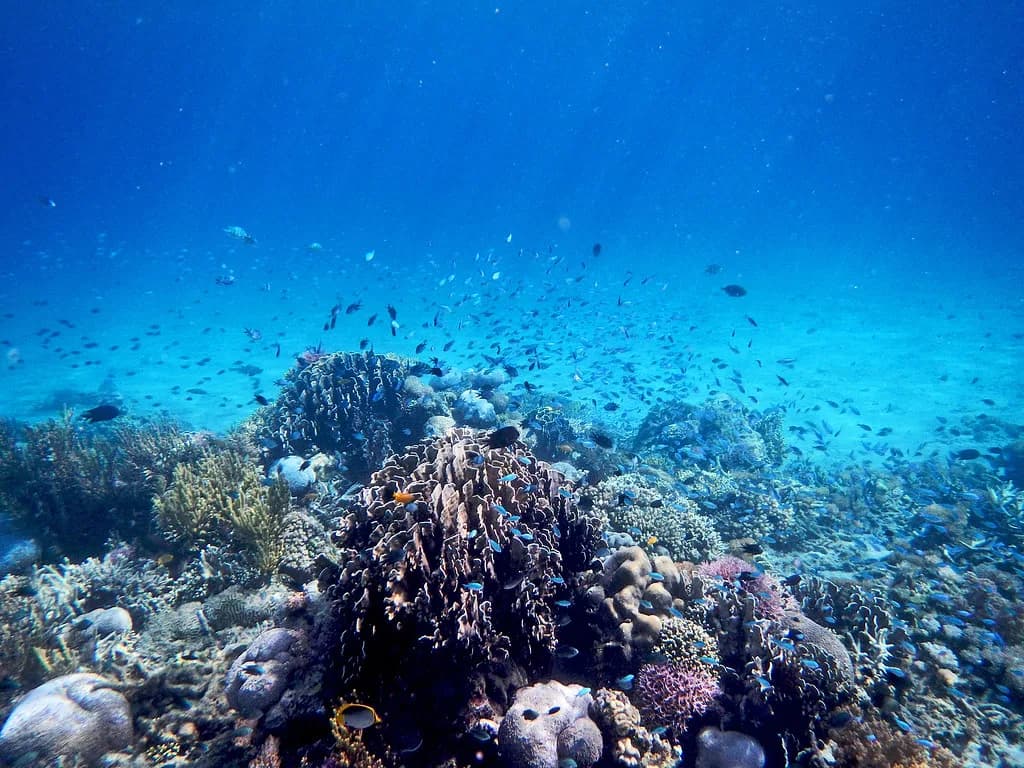
Most of the visible reef in calm, shallow water sits within a snorkeler's view without any descent at all, so the gear list stays short: a well-fitting mask, a tube you can clear, and fins that do not rub. A dry snorkel with a top valve keeps splashy chop out of the tube on breezy afternoons, and a mask that seals without overtightening is worth more than any other upgrade. If you are still sorting out the tube itself, our explainer on how does a snorkel work covers valves, purges and sizing.
What SNUBA Is
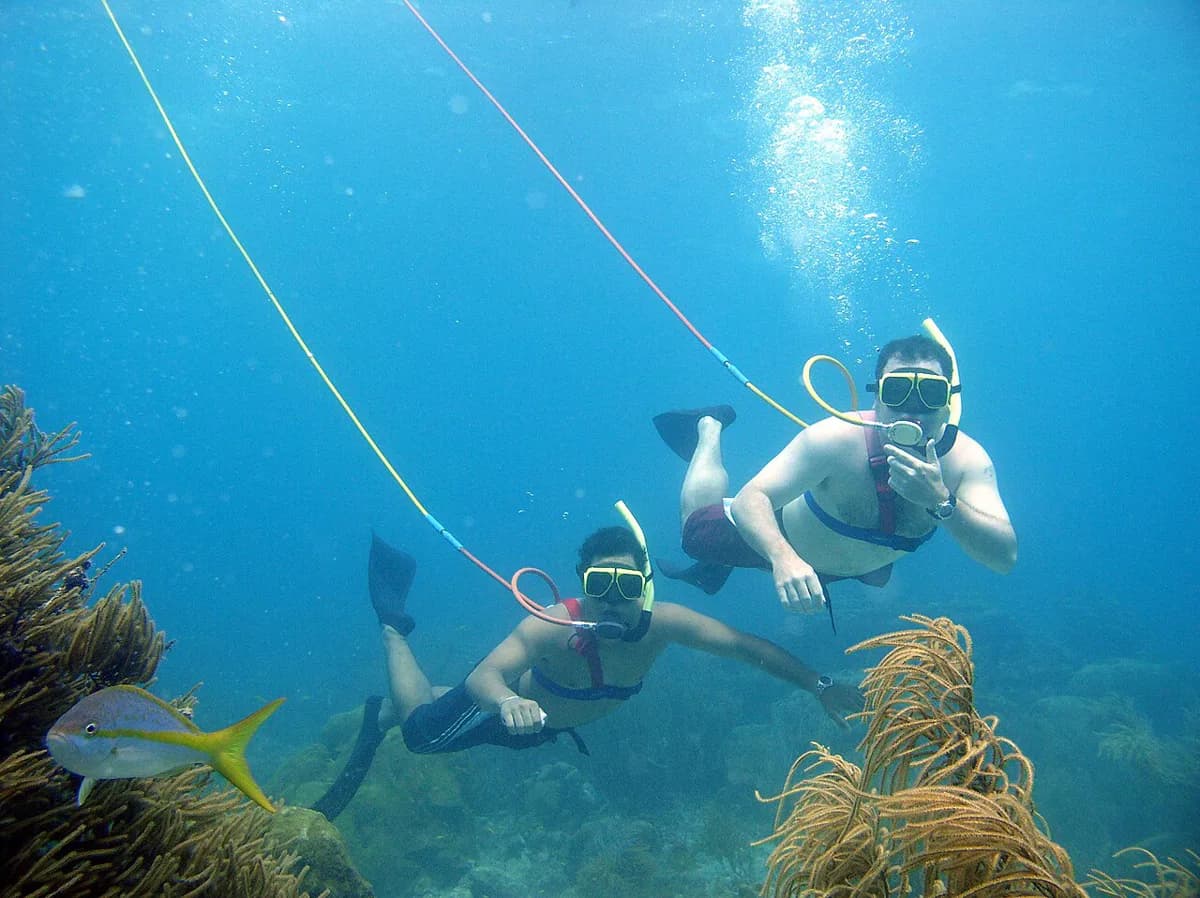
SNUBA is a hybrid between snorkeling and scuba: you wear a harness and a weight belt, breathe through a regulator, and the air tank rides on a small raft that floats above you. A hose connects the regulator to that raft, and because the tank is not strapped to your back, you do not carry it. Shoreline Snuba Maui describes the setup as a surface raft carrying the tank with a regulator on an air line, after a short safety briefing with a guide.
No certification is involved in SNUBA, which is the practical reason it exists alongside scuba. Shoreline's guide-led format runs a briefing first and then takes you into the water under supervision, so the activity is about breathing and buoyancy rather than written coursework. If you want the full comparison against tanks and training, our diving vs snorkeling breakdown sets scuba, SNUBA and surface snorkeling side by side.
Depth and Range
Depth is where the two diverge most obviously. Shoreline Snuba Maui states its participants can dive up to 20 feet, limited by the hose and the guide's supervision rather than by a tank on the back. A snorkeler working from the surface sees the same reef from above and can drop a few feet on a breath, but cannot settle on the bottom and stay there.
Hose length varies by company, and it is worth asking about before booking. Shoreline says it uses 20-foot hoses while many boat operations use 10-foot hoses under state regulations, which it frames as the difference between exploring a wider patch of reef and staying near the raft. Treat that as Shoreline's description of its own setup and ask whichever company you choose about hose length, since the range you get shapes how much reef you actually cover.
Equipment Compared
Snorkeling gear is what you wear and carry yourself: mask, snorkel, fins and often a rash guard or thin wetsuit for warmth and sun. SNUBA gear adds a harness, weight belt and regulator, and moves the heavy piece, the tank, onto a raft at the surface. That redistribution is the whole trick: you get underwater breathing without the weight and bulk of a scuba tank on your spine.
Rental inclusions differ enough to ask about specifics. Shoreline lists wetsuit use, optical prescription masks and underwater photos as part of its dives and compares that with boat operators that may charge extra for photos, wetsuits or specialty masks. Ask each operator what is in the base rate before you compare headline figures, because a cheaper trip with add-ons is not cheaper.
Entry and Exit
How you get in the water matters more than most people expect. Shore entry means walking in from the beach and starting in shallow water where you can stand, learn the regulator or mask, and walk out if you have had enough. Boat entry means a ride out, a step off the platform into deeper water, and a schedule you do not control. Shoreline builds its program around beach entry and pitches it as easier for first-timers and nervous swimmers.
For snorkelers, shore entry is the norm at most beach parks: you walk in over sand or rock and swim out to the reef line. The trade-off is that a shore site is whatever the day gives you, while a boat can reach farther reefs but commits you to the ride and the group's pace. If anyone in your party is uneasy in deep water, start from a beach where the bottom slopes gradually and the exit stays visible.
Kids and Families
Age rules come from the dive company, not from the activity's name. Shoreline describes a SNUBA doo program for children ages six to seven that uses the same equipment with a special vest, and notes that scuba generally requires participants to be at least 10 years old. Ask any company you are considering for its own minimum ages and whether a parent must be in the water, because policies are not uniform.
Pace is the other family question. A private shore session lets one child warm up in the shallows while another waits on the sand, whereas a boat trip tends to run on a fixed schedule for everyone aboard. Snorkeling has the same advantage: a beach site lets you split up, with stronger swimmers on the outer reef and beginners over the sandy shallows. Match the format to the least confident person in the group, not the most.
Swimming Ability and Comfort
SNUBA removes the certification barrier, but it does not remove the water. You still float, kick and manage your breathing, and you are attached to a raft you should be able to reach. Shoreline markets its shore-entry format to first-time divers, families with children, nervous swimmers and non-swimmers who want to breathe underwater, and its private-guide structure lets the pace adjust to the group.
If swimming is the sticking point, deal with it before you decide between the two activities. A snorkeler who is not a strong swimmer can use a coastguard-approved flotation vest, stay over shallow bottom and snorkel beside a confident buddy. Our guide on can you snorkel without knowing how to swim lays out a sensible progression for building comfort at the surface first.
Seasickness and Time on the Water
Boat time is a real variable for anyone prone to motion sickness, and it is often the reason a shore option wins. Shoreline points out that beach-entry SNUBA involves no boat ride, while boat-based trips add transit time to and from the site plus a longer overall commitment. A snorkeler can also walk in from the sand at a beach park and be back on the towel in minutes if the swell picks up.
Time is the quieter trade-off. With a boat trip, part of your day goes to the ride, the briefing and the group's schedule; with a shore session, almost all of it happens in the water or on the sand beside it. Neither is better in the abstract, but if you have only one ocean morning, count the transit hours before you count the minutes underwater.
Costs and What Is Typically Included
Rates change by season, group size and operator, so ask for a current quote rather than relying on a blog figure. The comparison that matters is what sits inside the base rate: Shoreline notes that boat operators may charge extra for photos, wetsuits or specialty masks, and that its own dives include those items. Get the inclusions in writing, then compare total cost for your group.
Snorkeling can be as cheap as the gear you already own, or as simple as a beach-rental shack near the sand. SNUBA always involves a guided session and the raft-and-hose equipment, so budget for a booked activity rather than a walk-in swim. If you are pricing a first trip, put the gear you would buy anyway against the guided session and decide which one you will actually use again.
Reef Etiquette and Wildlife Rules
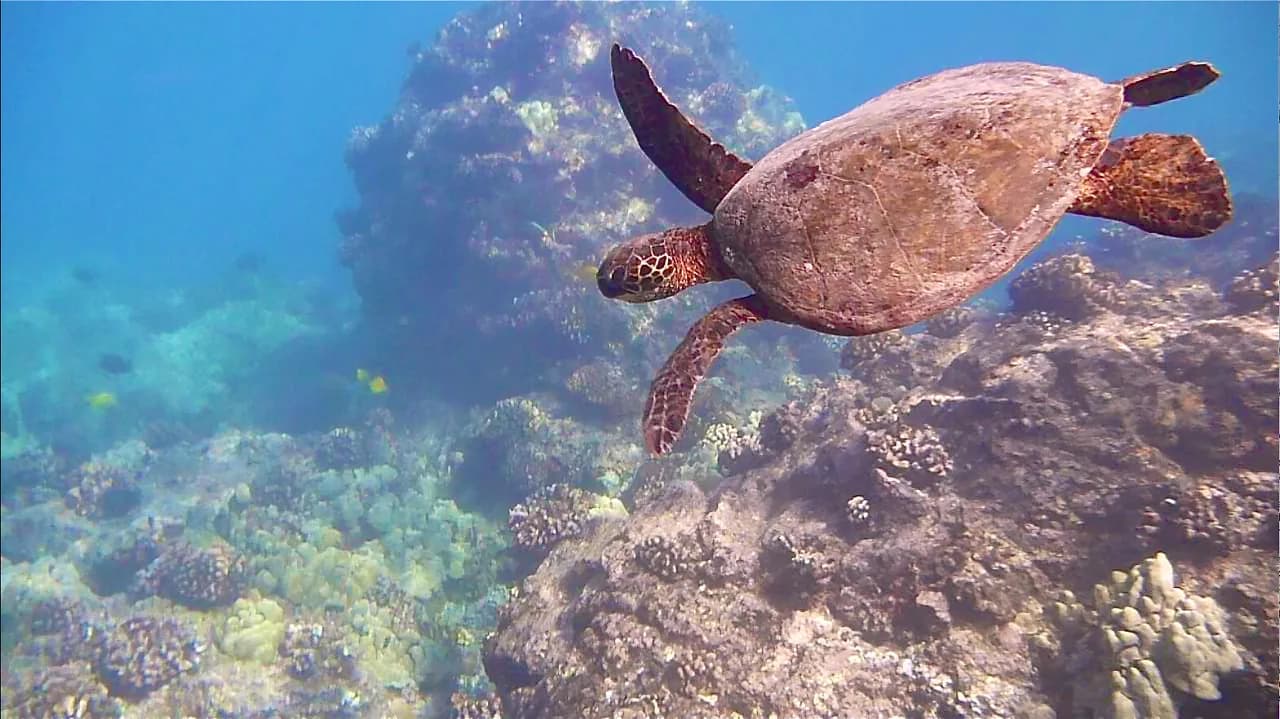
The decision between surface and bottom does not change the rules once you are over the reef. Do not stand on or touch coral, keep a respectful distance from sea turtles, monk seals and other protected animals, and never feed or chase wildlife; a SNUBA hose gives you reach but not permission to crowd an animal. Choose reef-safe sunscreen where local rules require it and check the specific marine reserve rules for your site before you get in.
Marine reserves and no-take zones apply to snorkelers and SNUBA divers alike, and gear type does not exempt anyone. Check the managing agency's page for the bay or park you plan to visit, since rules on sunscreen, wildlife distance and collecting differ between Hawaii, Florida, Puerto Rico and California. If you are still choosing a destination, our roundup of the best snorkeling in the us covers reef areas worth planning a trip around.
Sea Conditions That Favor One or the Other
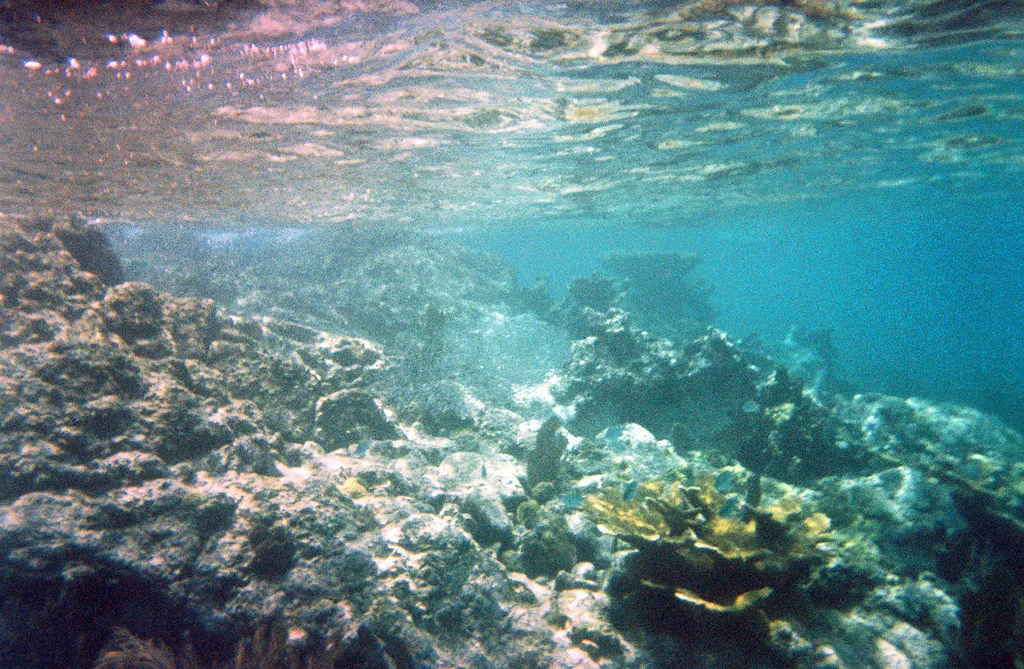
Flat, clear water over a shallow reef is snorkeling's home ground, and it is where surface viewing works best. When the swell builds, chop pushes water into a snorkel tube and surge rocks you over the coral, so shore snorkelers should pick a protected bay or stay out. Check the day's surf and wind forecast from the local ocean-safety agency before committing, and treat a high-surf advisory as a signal to move to a sheltered shore or reschedule. For a worked example of picking sheltered spots, see this guide to Catalina Island snorkeling, which applies the same calm-water logic to another destination.
SNUBA is not an all-weather activity either, and shore-entry sessions depend on the same beach conditions a snorkeler faces. Ask the dive company how it handles a rough day: whether it moves to a calmer site, reschedules or refunds. A company that will not answer that question before booking is telling you something about how it handles the day itself.
How to Decide for Your Group
Start with the person who is least sure about the ocean. If that person wants to stay at the surface, can float with a vest and likes the idea of walking in from the sand, plan a snorkel day and add a boat trip only if the whole group is comfortable. If that person wants to breathe underwater and is willing to follow a guide, a shore-entry SNUBA session is the lower-pressure way to try it.
Then weigh the practical limits: certification, depth, hose length, group size, boat time and what the base rate includes. Write the answers next to each option, because the cheapest or shortest listing is rarely the one that fits a mixed-ability group. A private guide and a shallow start cost more than a shared boat trip but often decide whether a nervous first-timer gets in at all.
Combining Both on One Trip
There is no rule that says you must pick one. A sensible split is a snorkel day on a calm shallow reef to build confidence, then a guided SNUBA session later in the trip once the group is comfortable in the water. On Maui, that could mean a beach snorkel at a protected bay first and a shore-entry SNUBA session after, with no boat ride involved in either.
If a boat trip is on the list, look at where it goes and what it offers beyond SNUBA. Many boat excursions treat SNUBA as an add-on to a snorkeling itinerary, which means you may get both activities in one day at the cost of a fixed schedule and larger groups. Ask how many people are aboard and how the SNUBA portion is supervised before you commit.
Certification, Gear and the Scuba Question
SNUBA is often described as a taste of scuba, and the comparison is fair as far as it goes. Shoreline states that scuba requires certification and training while SNUBA does not, and one forum discussion on snorkel versus snuba frames SNUBA as scuba done a bit differently. What SNUBA is not is a substitute for a certification course if your goal is independent diving.
Gear choice for snorkeling stays with you after the trip, which is why it is worth getting right. A mask that fits your face and a snorkel you can clear will serve you on every beach day, whereas SNUBA equipment is supplied by the dive company and stays with the reef. If you are building a kit, read the mask and snorkel sections of our how to snorkel guide before you buy.
Plan Your Ocean Day
Snorkeling wins when you want flexibility, low cost and the freedom to drift over shallow reef at your own pace with gear you already own. SNUBA wins when someone in the group wants to breathe underwater and settle a few feet down without a certification course, and a shore-entry, private session removes the boat ride and the group schedule from the equation. Decide based on the least confident swimmer, then ask about hose length, age minimums and inclusions when you choose a dive company.
Whichever you choose, treat the reef as the reason you came. Keep your distance from wildlife, stay off the coral, watch the surf forecast from the local ocean-safety agency, and check current conditions with the dive company before your session.
Frequently Asked Questions
Can you go fully underwater with a snorkel?
Only briefly. A snorkeler takes a breath at the surface and ducks under on a held breath, then returns to the tube to breathe, so time below is measured in seconds. SNUBA replaces the tube with a regulator on a hose, which is what allows a sustained stay under the surface.
Is SNUBA the same as scuba diving?
No. Scuba requires certification and training and puts the tank on your back, while SNUBA keeps the tank on a floating raft and feeds you air through a hose under a guide's supervision. It is often described as a way to experience breathing underwater without a certification course.
How deep can you go with SNUBA compared with snorkeling?
Shoreline Snuba Maui states its participants can dive up to 20 feet, with the hose and guide setting the limit. A snorkeler sees the reef from the surface and can drop a few feet on a breath, but cannot stay on the bottom. Hose length varies by operator, so ask before booking.
Do you have to know how to swim to SNUBA?
Shoreline markets its shore-entry sessions to nervous swimmers and non-swimmers who want to try breathing underwater, with a private guide adjusting the pace. You still float and kick in the water, so build comfort at the surface first if swimming is new to you, and tell the operator about any hesitation when you book.
Is SNUBA safer than snorkeling?
They carry different risks rather than one being safer overall. SNUBA adds a regulator, a weight belt and a raft, and is run by a guide after a safety briefing; snorkeling keeps you at the surface but exposes you to chop, currents and breath-hold limits. Both depend on the day's conditions, so check the surf forecast with the local ocean-safety agency before either.
What is the main difference between snorkeling and scuba diving?
Snorkeling keeps you at the surface breathing through a tube, with no certification and minimal gear. Scuba puts a tank on your back and requires training and certification, which lets you dive independently at depth. SNUBA sits between them by supplying air from a surface raft without certification.
Which is better for kids, snorkeling or SNUBA?
It depends on the child. Shoreline describes a SNUBA doo program for ages six to seven and notes that scuba generally starts at 10, but minimum ages are set by each operator. Snorkeling lets a child stay in shallow water beside an adult, so match the format to the child's comfort rather than the activity's reputation.
Do you need your own gear for SNUBA?
No. SNUBA operators supply the harness, regulator, weight belt, fins and mask, and Shoreline lists wetsuit use and optical masks as part of its dives. Snorkeling can be done with rented or owned mask, snorkel and fins, so it is the easier activity to try without buying anything.
Sources
Snorkeling notes for your next trip
Optional updates to our snorkeling guides.
You might also like

Continue reading
More guides you'll find useful