Snorkeling With Glasses: Prescription Masks, Contacts and Lens Inserts
Regular glasses can't sit inside a snorkel mask without breaking the seal. Compare prescription masks, contacts and drop-in lens inserts for clear water vision.
On this page
Snorkeling with glasses is a solvable problem, and the fix you choose depends mostly on how strong your prescription is and how often you get in the water. A nearsighted swimmer on one tropical trip and a strong-prescription snorkeler who goes out every summer end up with very different setups. This guide sorts the options by strength and frequency, then covers the mask fit that decides whether any of them works.
Why Regular Glasses Don't Work in a Snorkel Mask
A snorkel mask keeps water out with a silicone skirt that presses flat against the skin around your eyes and nose. The moment eyeglass frames and temple arms sit between your face and that skirt, they create gaps, and water seeps in almost immediately while the arms press uncomfortably against your temples.
No.
Fogging compounds the problem. Two lens surfaces inside one small air space collect condensation faster, especially in warm water, so even a forced fit would leave you peering through haze. The practical takeaway is simple: treat your everyday glasses as shore-only equipment and plan a water-specific vision solution.
How Much Vision You Actually Need Underwater
Water refraction magnifies and brightens objects in shallow, clear reef water, which is why plenty of mildly nearsighted beginners take off their glasses, look down, and find coral and nearby fish perfectly readable. Casual beach snorkeling over a bright sandy-bottom reef is the most forgiving setting there is, and if you want to compare easy reef-flat conditions with your own options, see this guide to snorkeling in Palm Beach.
Blur starts to cost you in specific situations: navigating a rocky shore entry, keeping track of boat traffic, spotting marine life at a distance, and supervising children or first-timers. If your plan involves any of those, correction is worth arranging rather than gambling on refraction.
Which Setup Fits Your Prescription and Trip Style
Match the option to two variables: prescription strength and how many days you will actually snorkel. Mild prescription plus one trip points toward trying uncorrected snorkeling first, or daily contacts. Moderate prescription plus regular travel points toward contacts or a prescription mask, and a strong prescription points toward a prescription mask.
If you have astigmatism or farsightedness rather than simple nearsightedness, expect fewer off-the-shelf choices and plan further ahead, because simple diopter masks are built for nearsighted swimmers. Frequent snorkelers who answer yes to correction usually find the investment pays off across seasons of use.
Option 1: Prescription Snorkel Masks
A prescription mask swaps the standard tempered glass lenses for corrective ones inside a normal mask body. Off-the-shelf diopter masks cover common nearsighted prescriptions and are the simplest path for most people; farsighted swimmers and those with astigmatism generally need custom lenses.
This is the best long-term answer for strong prescriptions and anyone who snorkels more than once a year, since you use the same pair of eyes in and out of the water without fussing with contacts. Pre-made diopter masks and custom builds sit at very different points on the cost scale, so price your specific prescription with an optical supplier before committing.
Option 2: Contact Lenses
Contacts are the travel-friendly answer because they let you use whatever rental or borrowed mask is at hand, and you see clearly on the boat as well as below it. Soft lenses are generally workable in saltwater, but a leak into your mask can cause irritation or contamination, so a well-sealed mask matters even more than usual.
Daily disposables are the practical choice for water days: wear a fresh pair, keep your eyes behind the mask rather than opening them underwater, and discard the lenses afterward. Pack spare lenses in your dry bag in case one is lost or uncomfortable, and rinse your eyes with clean solution once you are back ashore.
Option 3: Drop-In Corrective Lens Inserts
Some mask models accept snap-in prescription inserts that sit behind the main lens and can be removed for other wearers. They cost less than a fully custom mask and let you keep a favorite mask body, which makes them a sensible middle ground for occasional snorkelers.
Check compatibility before buying: inserts are built for specific mask models, so confirm the lens shape and mounting system match the mask you own or plan to buy. Dual-lens masks tend to be the easier platform for inserts because each eye gets its own corrective lens.
Option 4: Full-Face Masks With Corrective Options
Full-face masks cover the eyes and nose in one wide window and let you breathe through your nose and mouth, which some nervous beginners prefer. Corrective versions exist, but the range is much narrower than for traditional two-piece mask-and-snorkel setups, and custom work is often required.
The wide single window gives an uninterrupted field of view that helps with spotting fish and keeping an eye on your group. The trade-off is fewer fit adjustments and a smaller market for prescription adaptation, so treat a corrective full-face mask as a special-order project rather than a quick pickup.
Choosing the Mask Itself
Run the no-strap seal test before you worry about lenses: place the mask on your face without threading the strap, inhale gently through your nose, and see whether it stays put for a moment. If it holds, the seal is good; if it slips, no prescription will save the dive. Check comfort around the nose bridge, especially if you normally wear glasses there.
A soft silicone skirt seals better than stiff budget materials, and tempered glass lenses with anti-fog treatment stay clearer. Single-lens masks give a wide uninterrupted view, while dual-lens designs are easier to fit with corrective lenses. If you are still sorting out the breathing side of the setup, this guide to the snorkel mask covers tube design alongside mask fit.
Where Sharp Vision Matters Most
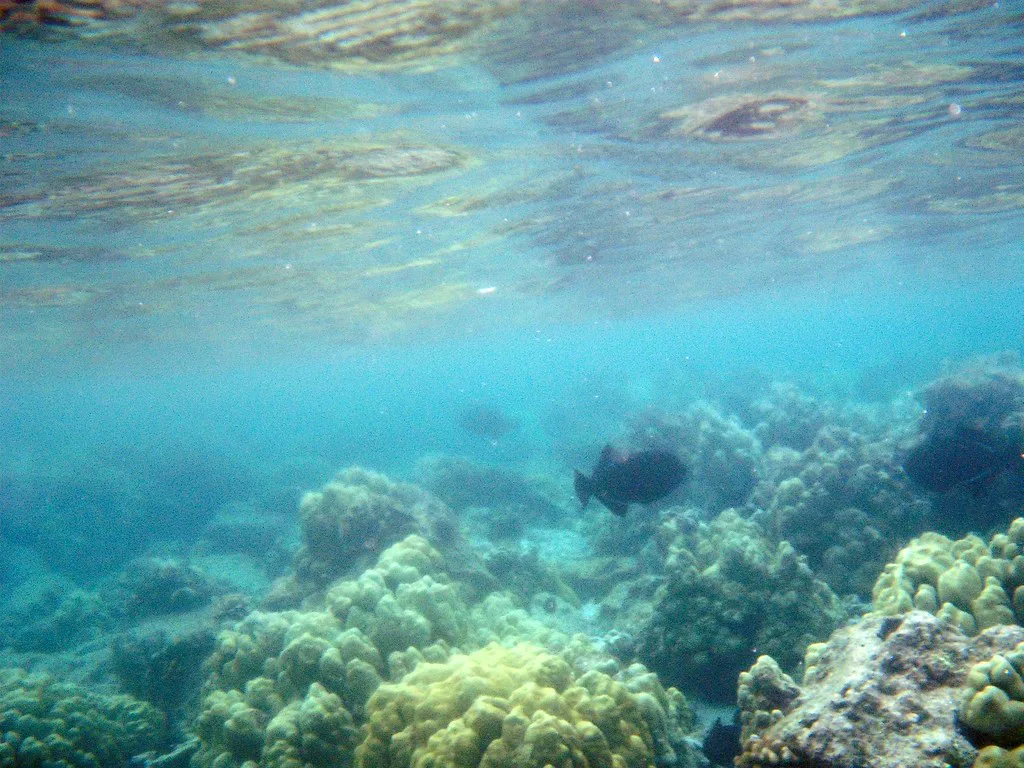
Clear sight pays off most at rocky shore entries, in low-visibility water, when watching for boat traffic, and when guiding children or beginners. Those are the moments when blur becomes a safety issue rather than a minor annoyance, so if your trip includes them, arrange correction in advance rather than deciding at the water's edge.
Shallow, bright reef flats are the opposite case, and a mild prescription often copes fine there. Build your plan around the hardest entry on your itinerary, not the easiest one.
Pairing Your Vision Setup With the Rest of Your Kit
A dry snorkel keeps splashes out on choppy days, and a defog routine keeps your corrected lenses clear once you are in. If you are learning how to snorkel from scratch, start with a calm shallow entry and build confidence before adding prescription lenses to the mix.
Reef-safe sunscreen belongs on your face and hands, and it should go on before your mask so residue does not smear the lens. If you are weighing how much gear you need, note that snorkeling keeps you at the surface with a mask and fins, unlike the heavier kit and training that diving vs snorkeling involves.
If you are planning a first trip, island shore entries and reef flats reward clear vision and a mask that seals well. The best snorkeling in the us spans both easy beach parks and deeper boat-only sites with different demands on your eyes and your swimming.
Plan Your Visit
Start with your prescription and your calendar: mild prescription and one trip means try the water uncorrected or pack daily disposables, while a strong prescription or a regular snorkeling habit points to a prescription mask or inserts for a mask you already own. Either way, run the no-strap seal test before you commit, because a leaking mask ruins every corrective setup.
Gather your gear a few weeks before departure so custom lenses or inserts have time to arrive, and pack spares of whatever goes in your eyes. If your trip includes rocky entries or boat traffic, prioritize clear vision over saving on equipment.
Frequently Asked Questions
Can you wear glasses under a snorkel mask?
No. Regular frames and temples sit between your face and the silicone skirt, breaking the seal and letting water in. Even if you forced a fit, the extra lens surfaces would fog quickly. The workable alternatives are a prescription mask, contact lenses, or removable corrective inserts.
Can you snorkel with contact lenses?
Many people do. Soft lenses are generally safe in saltwater, but a leak into your mask can cause irritation or contamination, so use a mask that seals well and avoid opening your eyes underwater. Daily disposables are the practical choice because you can discard them after the water exposure and carry spares.
Do rental shops offer prescription masks?
Some do, but options are limited and availability depends on location. Do not count on finding your exact prescription at the beach. If you need correction, bring your own mask, inserts or contacts rather than planning to rent.
Do you really need a prescription mask for snorkeling?
Not always. In clear, shallow water over a bright reef, mild nearsightedness often copes without correction because water magnifies and brightens what you see. Correction becomes worthwhile with a strong prescription, for spotting fish at a distance, or for rocky entries, boat traffic and supervising beginners.
Are there prescription goggles for snorkeling?
Corrective options are built into masks rather than separate goggles. You can choose an off-the-shelf diopter mask for common nearsighted prescriptions, order custom lenses for farsightedness or astigmatism, or fit snap-in inserts behind the lens of a compatible mask.
Can you get a full-face snorkel mask with prescription lenses?
Some brands offer custom corrective options for full-face masks, but the range is much narrower than for traditional masks. Expect fewer fit choices and longer lead times. Confirm compatibility with the specific mask model before ordering.
Sources
Snorkeling notes for your next trip
Optional updates to our snorkeling guides.
You might also like

Continue reading
More guides you'll find useful