Snorkeling With a Beard: How to Get a Mask Seal That Holds
A beard and a leaking mask are not a done deal. Learn how mask skirts seal over facial hair, which trims help and how to test fit before buying.
On this page
A beard does not rule out snorkeling, but it changes the job your mask has to do. The seal depends on a continuous band of smooth skin under the silicone skirt, and hair interrupts that band. The good news is that the leak is usually a narrow gap at the upper lip or under the nose rather than a failure of the whole mask, so a small adjustment often pays off more than a new purchase.
This guide treats the beard as a fit variable. It covers where the mask contacts your face, how much length matters, the trade-off between trimming a thin seal line and keeping the beard, which skirt shapes suit coarse hair, and how to test a mask in a shop before you spend money. If you are new to the sport overall, start with our guide on how to snorkel and come back to mask fit once the basics are clear.
How a Mask Seal Works Against Facial Hair
A dive mask does not seal because it is tight. It seals because the soft silicone skirt presses against your face, and the slight pressure difference between the water and the air inside holds it in place. That airtight contact needs smooth, hair-free skin along the whole rim, so the mask only has to lose the seal in one small spot to start seeping.
Often, yes, but usually at specific points rather than everywhere.
On a bearded face, the vulnerable zones are predictable. The skirt crosses the skin between your nose and upper lip, wraps around the corners of the mouth and runs along the cheek line where the beard begins. Hair in any of those bands props the silicone edge up by a millimeter or two, and that is enough for a slow trickle at depth.
This is why a full beard can sometimes seal better than a patchy mustache. Coarse hair lying flat under a soft skirt is easier to work around than short, stiff stubble that pushes straight up into the silicone. The practical target is a clean contact line, not a shaved face, and a mask with a supple skirt does more of that work than a firmer one.
Which Zones Matter Most
Rank the problem areas before you decide what to change. The upper lip strip directly under the nose is the single most important band, because it sits where mask volume and face shape put the most leverage on the skirt. The two small areas at the corners of the mouth come next, followed by the outer cheek line where the beard meets the jaw.
A mustache that grows over the top lip is the most common culprit and the easiest to fix. Trimming a narrow channel there costs very little visually and buys the largest single improvement in seal. A long chin beard matters less than most people expect, because the skirt usually rides above it or over hair that lies flat.
Length is a factor, stiffness is the bigger one. Short, dense stubble behaves like sandpaper under a skirt and is harder to seal over than a longer beard you can part and flatten. If you keep stubble year-round and plan to snorkel often, a small trim before the trip is the lower-effort route.
Trimming for a Seal: What You Gain and Give Up
The standard compromise is a narrow shaved or closely trimmed line that follows the mask rim: under the nose, along the upper lip and, if needed, a short taper at the mouth corners. You are not changing your beard, you are clearing a landing strip the silicone can sit on. Most people find a trimmer with a short guard is enough and a razor is not required.
The trade-off is visible. A shaved strip under the nose reads clearly in photos and changes the shape of a mustache you may have worn for years. For a week-long trip where you snorkel daily, the seal improvement usually wins; for a single afternoon in the water, a seal stick and a well-fitted mask may be enough. Decide before you pack, because trimming on the morning of a boat trip leaves red, freshly shaved skin that can sting in salt water.
Give the trim a day or two before you dive. Freshly cut skin is more sensitive, and a slower timeline also lets you test the new seal line in a pool or calm shallows rather than on the reef. If you are weighing snorkeling against other water activities, our comparison of diving vs snorkeling explains why mask seal matters for both.
Mask Choice for Bearded Faces
Skirt softness beats skirt thickness. A pliable silicone skirt conforms around hair and closes small gaps; a stiff or thick skirt bridges over stubble and leaks in several places at once. Look at the rim where it meets the face and press it gently with a thumb: if it folds easily and springs back, it will wrap around hair more forgivingly.
Frameless masks and low-volume masks are worth trying first. A frameless design has fewer hard edges pressing the skirt against your face, and a low-volume mask sits closer to the eyes, which usually moves the lower rim up onto smoother skin and reduces the distance it has to seal across the upper lip. Framed masks with a wide nose pocket can sit lower and run straight into mustache hair.
Shape matters more than brand. A mask that fits a narrow face may cut across the beard line on a broad one, and the reverse is just as common. Treat any recommendation as a starting point and let the dry-land test decide. If you also use a dry snorkel, fit the mask first, since a leaking mask ruins the benefit of a dry tube.
The Dry-Land Fit Test
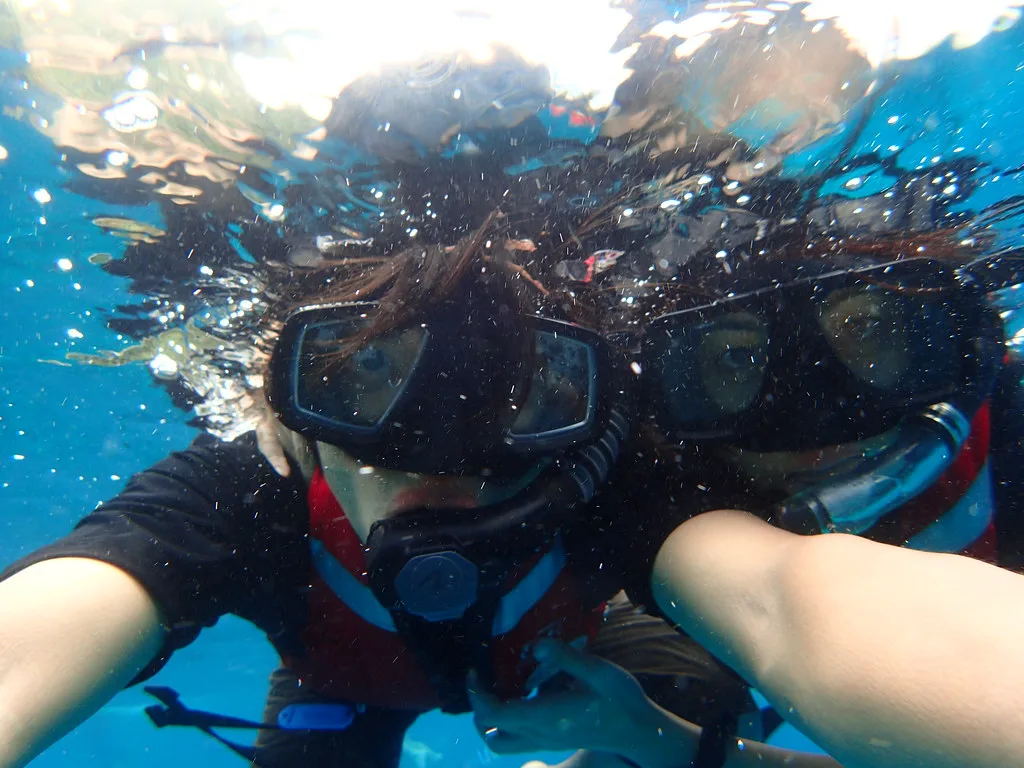
Run the no-strap inhale test before you buy anything. Seat the mask on your bare face with no strap over your head, press the skirt lightly if needed, and inhale gently through your nose. A good mask holds itself in place for several seconds and then releases with a small pop when you stop. If it falls away immediately, the skirt is not meeting skin anywhere near the upper lip.
Next, feel around the rim with a fingertip while the mask is held by suction. You are checking for a limp edge, a folded lip or a spot where the skirt is lifted off the skin by hair. A good seal feels even all the way around, with no single point you can slide a fingernail under. Repeat the test after trimming, since the answer can change completely.
Do the same test with a regulator or snorkel mouthpiece in place, because opening your mouth moves the lower skirt. Many bearded snorkelers pass the resting test and fail the moment they bite down. It also helps to know how does a snorkel work so you can practice breathing through the tube in the shop without lifting the mask each time.
Seal Aids and What to Avoid
Silicone sealant sticks are the usual workaround for a stubborn gap. You draw a thin line of silicone along the skirt edge where it crosses hair, let it set for a moment and seat the mask. The material fills the small voids hair creates and stays put for a session, though it needs reapplying each time and can smear if you are generous with it.
Petroleum jelly is the option to think twice about. It can degrade silicone over time and leave a slippery film that makes the skirt slide rather than grip, so what starts as a fix can make the leak worse and shorten the life of the mask. If you use a lubricant, choose one made for silicone masks and apply it sparingly.
Full-Face Masks and Beards
A full-face snorkel mask seals across a much larger band of the face, running over the cheeks, around the mouth and often across the forehead. That bigger contact area crosses more facial hair, and the seal has to hold along its entire length rather than at a few points. A beard makes that substantially harder, which is why bearded snorkelers report that most diving sites flag full-face masks as unsafe for beard wearers, though a thin band of smooth skin below the seal can help.
The consequence is more serious than a trickle into a standard mask. A full-face mask that leaks around the chin can flood the breathing space, and clearing it is not as simple as lifting the lower rim. If you have a full beard and want to try one, test the seal on dry land exactly as you would a two-window mask and be ready to switch back if it does not hold.
Keeping Water Out in the Water
Re-seat the mask after you enter, not before. Water pressure and the movement of entry shift the skirt, and a mask that sealed in the shop can sit a few millimeters off after a jump or a duck under a wave. Press the rim against your face, exhale gently through your nose and let the seal set before you put your face down.
If water gets in, clear it early rather than letting it pool. Lift the lower edge slightly, exhale through your nose and reseat. Small leaks become big ones when you tilt your head back to look at the surface, so keep your chin neutral and your mask rim clear of your hood or strap, which is the usual cause of a slow seep along one side.
Strap tension is not the fix. Overtightening pulls the skirt away from the upper lip and makes leaks worse, and it leaves marks that last the day. Set the strap just tight enough to keep the mask in place and rely on the skirt and a clean contact line for the seal.
If It Still Leaks
Separate a beard problem from a fit problem before you spend more money. If the leak persists around the eyes or the bridge of the nose, where there is no hair, the mask shape is wrong for your face. If it only seeps at the upper lip and mouth corners, the beard is the variable and a trim or a seal stick is the cheaper first move.
A dive-shop fitting session is worth the time if you are buying rather than renting. Staff can hand you several skirt shapes in one visit and watch the inhale test, which is faster than ordering and returning masks online. Bring the same trim you plan to snorkel with, so the test reflects reality.
When the seal still fights you, adjust the plan rather than the beard. Calm, shallow water close to shore gives you room to reseat the mask without a long swim back, and a guided boat trip puts a crew member nearby if you need a hand. If you are unsure about swimming ability as well, read can you snorkel without knowing how to swim before booking anything. The same logic applies when choosing where to swim near Pensacola snorkel spots, since sheltered shore entries near home make a bearded mask far easier to manage than an open-water charter.
Beard Care Before a Trip
Time your trim a few days before you travel, not the night before. That gives freshly cut skin time to settle and lets you retest the mask seal at home. Pack a small trimmer if you snorkel daily, since stubble grows back fast and a two-millimeter regrowth can undo a clean seal line.
Exposed skin still needs sun protection, and many snorkeling destinations have rules on what you may wear in the water. Hawaii and Maui have banned non-mineral sunscreens, so check the active ingredients label and look for non-nanotized zinc oxide or titanium dioxide. A rash guard covers the shoulders and back without any sunscreen at all.
Rinse the mask, snorkel and your beard in fresh water after every saltwater session. Salt crystallizes on the skirt and stiffens it, and a stiff skirt seals poorly on hair the next morning. Store the mask loosely in a cool, shaded place rather than crammed in a bag where the skirt can warp.
Plan Around Your Beard, Not Against It
A beard narrows your mask options but does not close them off. Clear a thin seal band under the nose and along the upper lip if you can, choose a soft low-volume skirt, run the no-strap inhale test with a mouthpiece in place, and keep a silicone seal stick in the bag for the days the seal will not cooperate.
Treat the first swim as a test and keep it close to shore, where reseating a mask costs nothing. For more on breathing, clearing and tube choice, see How Does a Snorkel Work? Breathing, Clearing and Choosing the Right Tube, and follow the printed guidance from your mask maker on silicone contact. This guide is general information, not medical or safety certification, and you are responsible for your own judgment in the water.
Frequently Asked Questions
Does a beard make a snorkel mask leak?
Often, yes, but usually at specific points rather than everywhere. The silicone skirt needs smooth skin to seal against, and hair under the nose or along the upper lip lifts the edge enough for water to seep in. A soft skirt, a narrow trim line or a seal stick closes most of that gap.
How do I stop my snorkel mask leaking with a beard?
Start with the seal line: trim closely under the nose and along the upper lip, since that band does most of the work. Then pick a pliable, low-volume skirt, run the no-strap inhale test with a mouthpiece in place, and reseat the mask after entry. A silicone sealant stick fills leftover gaps.
Should I shave before snorkeling?
You do not need a full shave. A narrow trim that follows the mask rim is usually enough, and it leaves the rest of the beard intact. Do it a day or two before you travel so the skin settles and you can retest the seal at home.
Is a full-face snorkel mask safe with a beard?
A full-face mask has to seal across a much larger area, including the chin and cheeks where facial hair is thickest. With a full beard, that seal is hard to achieve, and a leak around the chin can flood the breathing space. Test it on dry land first and be ready to return to a standard mask.
What is the best mask for someone with a beard?
Look for a soft silicone skirt and a low-volume or frameless shape, which usually sits higher on the upper lip and has fewer hard edges pressing into hair. Fit matters more than brand, so run the inhale test on your own face before you buy.
Do mask seal sticks work over facial hair?
They help by filling the small voids hair creates along the skirt edge. Apply a thin line where the mask crosses hair, let it set briefly, then seat the mask. You will need to reapply each session, and a heavy layer can smear.
Sources
Snorkeling notes for your next trip
Optional updates to our snorkeling guides.
You might also like

Continue reading
More guides you'll find useful