Snorkeling While Pregnant: A Low-Effort, Shallow-Water Plan
Snorkeling while pregnant works best as a short, shallow float where you can stand. Plan easy exits, low effort, a close buddy and honest limits by trimester.
On this page
A good snorkel day while pregnant looks smaller than the one you might have planned before: a protected cove, clear shallow water, a short float and a long rest on the sand. That version suits anyone who wants the underwater view without turning the outing into a workout, especially in the first and third trimesters when energy is at its lowest.
The useful reframe is that snorkeling is a breathing-and-exertion activity before it is sightseeing. Some incidents begin with breathing difficulty rather than with water going down the wrong way, so the plan that keeps you comfortable is the one that manages effort first and views second.
Why Breathing and Effort Matter More Than Swimming Ability
Snorkel safety research from Hawai‘i describes Snorkel Induced Rapid Onset Pulmonary Edema, or SI-ROPE, as a common factor in snorkel-related drowning and near-drowning events. The reported sequence is quick: sudden shortness of breath and fatigue, a wave of panic, then diminishing consciousness, without the thrashing most people picture.
There is no universal yes or no.
Risk factors linked to SI-ROPE include resistance to inhalation through the snorkel, certain medical conditions and increased exertion. Pregnancy does not automatically rule out snorkeling, but it is a reason to build a wide margin around breathing comfort and to keep the whole session short.
Experience is a weaker shield than it feels like. Among survey participants, lack of swimming or snorkeling experience was rarely a factor in near-drowning incidents, which means confidence is no guarantee and the plan has to do the work.
Who This Plan Suits, and When to Keep It Very Small
Swimming is generally treated as good exercise in the first two trimesters and a bit riskier in the third, as energy and dexterity decrease. Snorkeling fits the same rough shape, so treat early pregnancy and late pregnancy as seasons for shorter, flatter, closer-to-shore sessions.
Snorkeling is not normally classed as vigorous exercise, but your fitness, whether you wear an inflatable vest and the location all change the load. Anyone with a history of premature labor, anemia or high blood pressure should raise the plan with their clinician before getting in.
Arriving after a long flight is a plain travel reason to wait a few days before snorkeling; Hawai‘i safety guidance reflects that as a prudent pause. Use the first beach days for walking, shade and shallow wading, then add the mask once you have settled.
Choosing Your Spot: Standable Depth, Sand Entry, Quick Exit
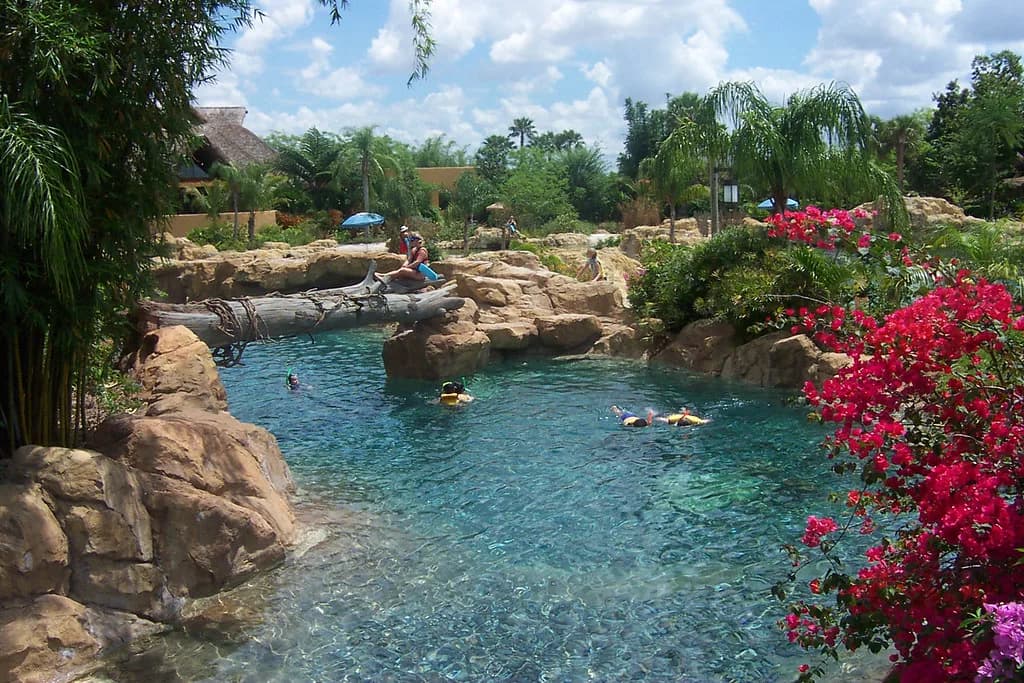
Pick water where you can touch bottom comfortably and walk out. Almost all the events in the research took place where the person could not touch bottom, and a standable spot gives you an exit ramp you can use the instant breathing feels wrong.
A sand entry beats a rocky one, and a beach with lifeguards or an operator with a guide gives you another set of eyes on the water. In places such as Hanauma Bay the shallow inner reef is the right target, and you can browse our roundup of the best snorkeling in the us to find calm, protected bays that match this profile. If you are weighing a shore entry against a guided boat, our snorkeling in Sarasota guide frames that same choice between rocky shore points and calmer boat trips.
Route your swim parallel to shore rather than out to a distant reef line, and keep the exit landmark in view over your shoulder. Check your position every few minutes, because drift adds up faster than it feels like from the surface.
Reading Conditions: Current, Chop and Visibility
Choose a calm day with minimal current and good visibility, and prefer a lifeguarded beach when one is available. Chop matters more than it looks: every bit of surface slop makes you lift your head and work harder for breath.
Water that looks flat can switch to high breaks, so research the currents at the spot you have chosen before you commit. On exposed coasts, a sheltered bay or the lee side of a headland will usually be calmer than the open shoreline on the same day.
If you are floating outside a protected area, use a dive flag so boaters can see you. That single piece of equipment changes how visible you are to traffic and is worth carrying even on a short session.
The Effort Trap: How a Mellow Float Becomes Cardio
The ocean quietly ups the workload: you drift and kick back up-current, you chase one more interesting thing, chop forces your head up, and you realize the entry is farther than you thought. Hawai‘i snorkel safety messaging is blunt about the fix: do not increase exertion while breathing through a snorkel.
Treat the first sign of effort as the cue to change the plan, not to push on. Turn back early, stand up, or exit, then rest on the beach before deciding whether a second short float makes sense.
Gear Decisions: Mask Fit, Snorkel Resistance and Vests
Fit comes before features. A mask that seals without a tight strap and a snorkel you can breathe through without effort make a bigger difference than any upgrade, and our guide to the snorkel mask covers fit checks, clearing and field of view.
Breathing resistance is a listed risk factor for snorkel trouble, so a simple open tube you can clear easily often beats a complicated valve system. If you want to understand how tube diameter and purge valves affect breathing, read how does a snorkel work before you buy.
Inflatable vests and fins raise your comfort, but they also raise the effort profile of the session, so keep the route short when you add either. Fins help you cover ground with less kicking once your legs are used to them.
Full-Face Mask Trade-Offs
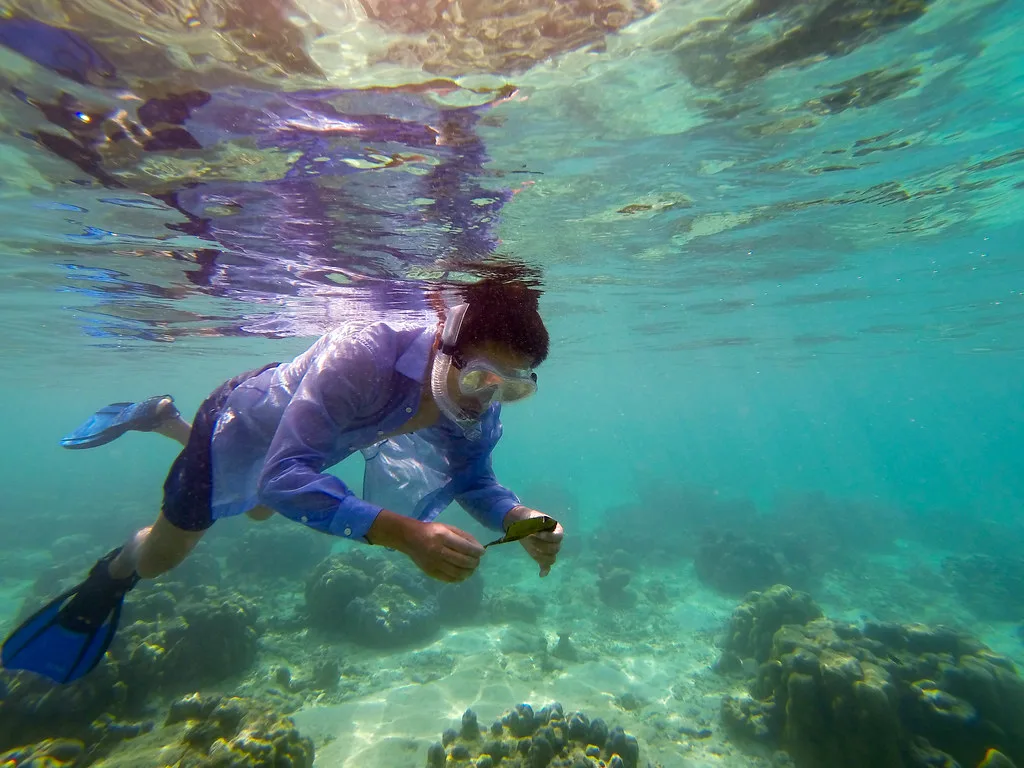
In the Hawai‘i survey, 38 percent of participants used a full-face mask, and 90 percent of those users considered it a contributing factor to their trouble. That is a survey finding rather than proof of cause, but it is enough to make a simple two-piece mask and snorkel the conservative choice.
One manufacturer is explicit that its full-face mask is designed for surface snorkeling only and is recreational equipment, not medical or life-saving gear. Fit, health, conditions and responsible use still decide how the day goes, and no mask removes the inherent risks of ocean activities.
A Conservative Session Plan
Before you get in, hydrate, keep the plan short and choose the calm day rather than the convenient one. You can always do a second round later, and a short first session tells you more about how your body feels in the water than a long one.
Start in waist-to-chest-deep water and breathe normally for a few minutes before you start finning. Confirm you can remove your mask quickly and smoothly, and if anything feels tight, breathy or off, end the session and reassess on the sand.
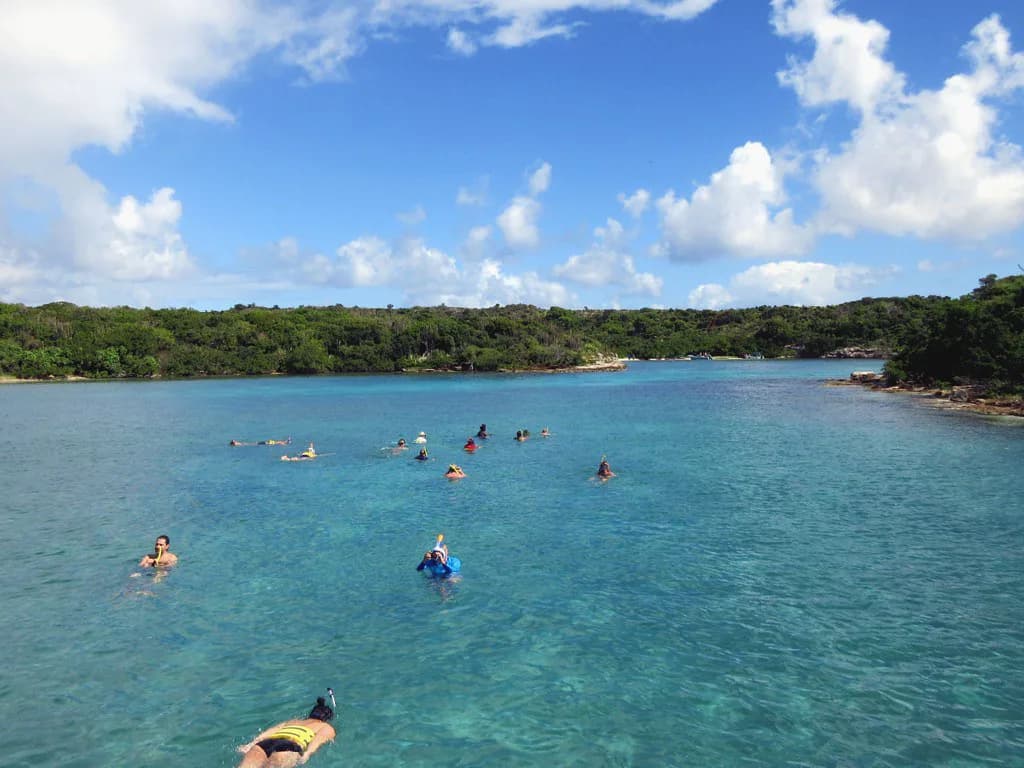
In the water, buddy up close enough to help quickly and keep your route parallel to shore. If you need a foundation in the basics first, our pillar guide on how to snorkel walks through breathing, clearing and floating without a lot of kicking.
Buddies, Lifeguards and Boat Traffic
Never snorkel alone; a buddy within arm's reach can respond in seconds and is the single most useful piece of company you can bring. Pair that with a lifeguarded beach when one is available, and brief your buddy on the stop rule before you enter.
Stay inside any marked swimming zone and keep your head up when crossing channels where boats run. A dive flag helps in open areas, and a bright fin or float makes you easier to spot from a hull.
Heat, Hydration and Sun Protection
You can underestimate body temperature in the water even when the surface feels cool, so sip water frequently and take regular breaks out of the sun. A sustained body temperature of 38.9 degrees Celsius for more than ten minutes is a caution flagged for pregnancy, and dehydration is a later concern.
Build the day around shade, hydration and a rash guard instead of long uninterrupted water time. Keep the session short, rest between rounds and cover up when you come out.
Hazards to Plan Around: Urchins, Jellyfish and Reef Cuts
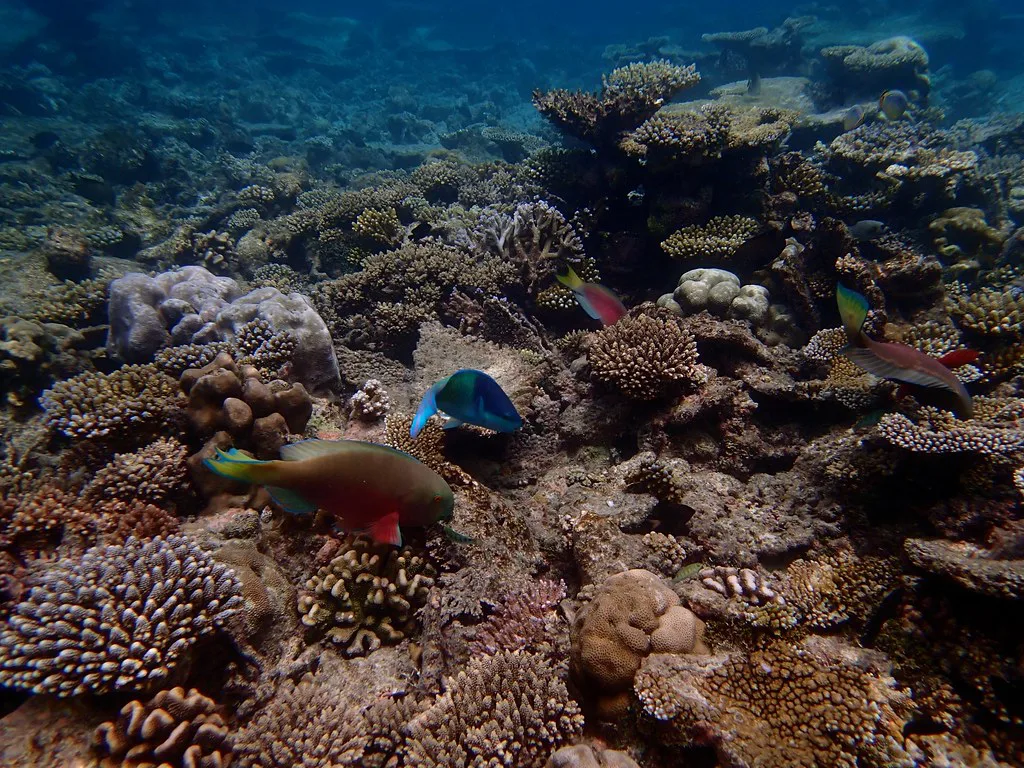
Sea urchin spines and jellyfish are the two hazards most worth planning around; watch where you put your hands and feet near rock and coral. Enter and exit carefully to avoid cuts from reef outcrops, which can become infected.
If you prefer to snorkel in a place you can stand rather than in open water beyond the reef, our guide for those who can you snorkel without knowing how to swim lays out a shallow, close-to-shore approach that matches this plan.
What to Do If You Feel Short of Breath
Treat unexpected shortness of breath as a danger signal and act decisively. Stop and signal your buddy, remove the snorkel and mask as needed, roll onto your back and breathe slowly and deeply, then stand up and exit if you can.
If symptoms do not resolve quickly or feel severe, seek medical evaluation rather than returning to the water. Ending the session is the win, and the beach day continues on dry land.
Why Scuba and Breath-Hold Diving Are Different
Scuba is the activity to leave alone while pregnant because of decompression sickness and the risks of nitrogen bubbles forming on ascent. Breath-holding is also advised against, since your baby needs a constant supply of oxygen.
Surface snorkeling with steady breathing is a different activity from descending on compressed air, and our diving vs snorkeling comparison sets out where the line falls. If you want the water without the descent, stay on the surface and keep the session shallow.
Combining a Short Snorkel With a Beach Day
The best structure for pregnancy is a beach day with a short snorkel inside it: one shallow float in the morning while the water is calmest, a long rest, then shade and a walk. A protected cove such as Molokini Crater on a guided boat trip can work if the tour company offers shallow, supervised time in the water, and it is worth checking current prices and departure times before you book.
Keep a second short round as an option rather than a goal, and let how you feel after the first float decide the rest of the day. That rhythm keeps the outing a beach day with snorkeling in it rather than a snorkel expedition with a beach attached.
Plan the Calm Version
Snorkeling while pregnant comes down to four choices: shallow water you can stand in, a calm day, a short route parallel to shore and a buddy within reach. Build the session around breathing comfort and easy exits, and the underwater view becomes a bonus rather than the objective.
Take any health question to your clinician before you get in, and treat the first hint of breathlessness as the end of the session rather than a challenge. If the plan needs shrinking further, a five-minute float in knee-deep water still counts as a good day.
Frequently Asked Questions
Is snorkeling safe during pregnancy?
There is no universal yes or no. Swimming and floating are often described as good exercise in the first two trimesters and riskier in the third as energy and dexterity drop, and snorkeling follows a similar shape. Health questions belong with your clinician; the practical job is to keep the session shallow, short and low-effort with an easy exit.
Why do snorkel incidents happen in water where you cannot stand?
Research from Hawai‘i found that almost all the events studied took place where the person could not touch bottom. Without a standable exit, a breathing problem becomes a long swim instead of an immediate stop. Choosing waist-to-chest-deep water gives you a way to end the session in seconds.
Are full-face masks a good idea while pregnant?
A Hawai‘i survey found 38 percent of participants used a full-face mask and 90 percent of those users considered it a contributing factor to their trouble. That is a survey finding, not proof of cause, but it points toward a simple two-piece mask and snorkel. One maker also labels its full-face mask as surface-only recreational gear, not life-saving equipment.
Should you wear a snorkel vest while pregnant?
A vest changes the effort profile of the session, just as fins do, so add either and shorten the route. Vests help you float and rest without treading water, which suits a shallow, low-effort plan. Test any vest in waist-deep water first to check that it does not ride up or restrict breathing.
Why is scuba diving different from snorkeling during pregnancy?
Scuba exposes you to decompression sickness and the risk of nitrogen bubbles on ascent, and breath-holding is advised against because your baby needs a constant oxygen supply. Surface snorkeling with steady breathing avoids the descent entirely. Keep to the surface and leave compressed-air diving for later.
How long should a snorkel session last while pregnant?
Keep the first session short, treat it as a test, and plan a second round only if the first felt easy. The real limit is breathing comfort and effort, not a stopwatch: if the float starts to feel like cardio, turn back. Hydrate and rest between rounds rather than extending one long session.
What should you do if you get short of breath in the water?
Stop, signal your buddy, remove the snorkel and mask as needed, roll onto your back and breathe slowly and deeply. Stand up and exit if you can. If symptoms do not resolve quickly or feel severe, seek medical evaluation rather than returning to the water.
Is snorkeling in the first trimester different from the third?
Exhaustion tends to be greatest in the first and third trimesters, so those are the seasons for the shortest, shallowest floats. The third trimester also brings reduced energy and dexterity, which makes a sand entry and standable depth more important. The middle months usually allow a little more time in the water, still with a buddy close by.
Sources
Snorkeling notes for your next trip
Optional updates to our snorkeling guides.
You might also like
Continue reading
More guides you'll find useful