How Does a Snorkel Work: Learn to Snorkel Guide
A snorkel is a breathing tube that keeps your face underwater while you breathe air from the surface. Learn how to breathe, clear water and choose a tube.
On this page
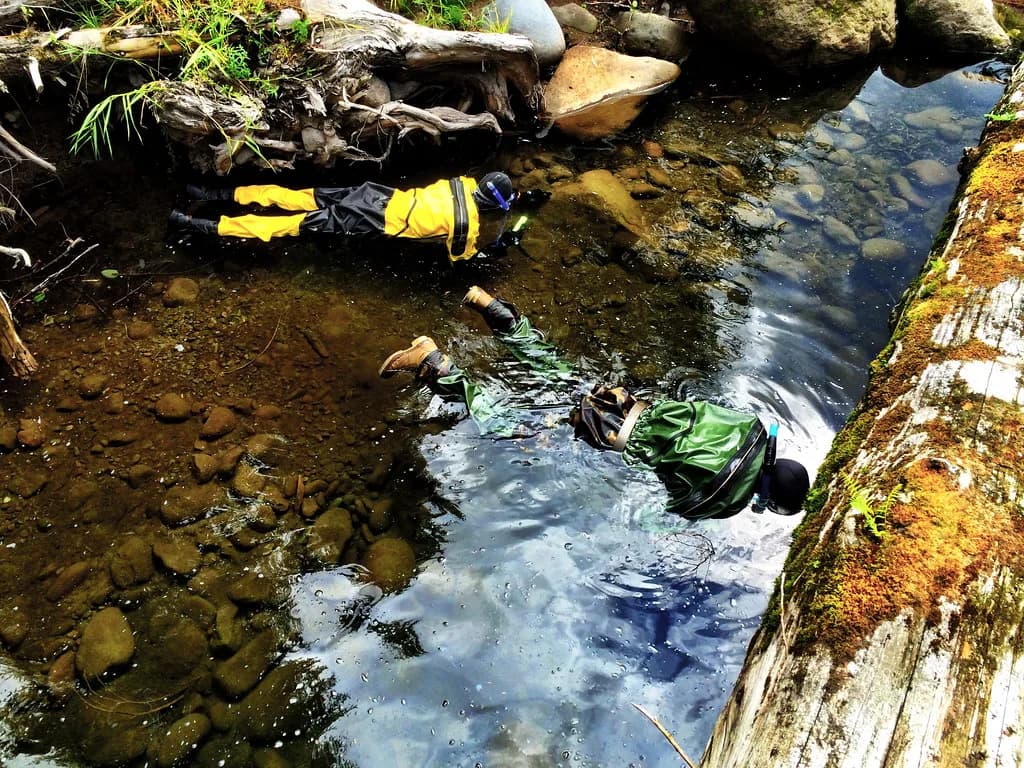
A snorkel is a simple idea that changes a whole day on the water: a tube that lets you keep your face submerged and your eyes on the reef while you breathe air from above the surface. It suits beginners, kids and tired swimmers best, because you can rest flat on the surface instead of treading water between looks. A mask alone shows you the bottom for a second or two; a snorkel lets you watch it steadily.
The trade-off is that everything depends on a good seal at your lips and a mask that stays put, so learning the breathing rhythm matters more than buying the fanciest top. This guide walks through the parts, the three top designs, clearing drills, duck dives and mask fit, in the order you would practice them.
What a Snorkel Lets You Do
Face down with a mask on, you can see the reef, but you cannot breathe comfortably, and lifting your head every few seconds breaks the view and wastes energy. A snorkel solves that by putting the air intake above the water while your mouth stays below it. That is why the tool is popular with beginners, children and anyone who floats better than they swim.
Only as long as you can comfortably hold your breath on a deliberate duck dive, and that varies by person and by day.
Think of the snorkel as surface equipment, not a life-support system. It gives you air while your face is in the water and nothing more; it does not supply air underwater, keep you afloat, or replace judgment about currents, surf and fatigue. Snorkelers who understand that limit make better decisions about when to head in.
A snorkel mask is the paired piece, and it needs to fit before the tube matters at all. A leaking mask forces you to stop, drain and reseat it, which wrecks the slow breathing rhythm the tube depends on. Test the seal at home before you pack it.
The Parts of a Snorkel
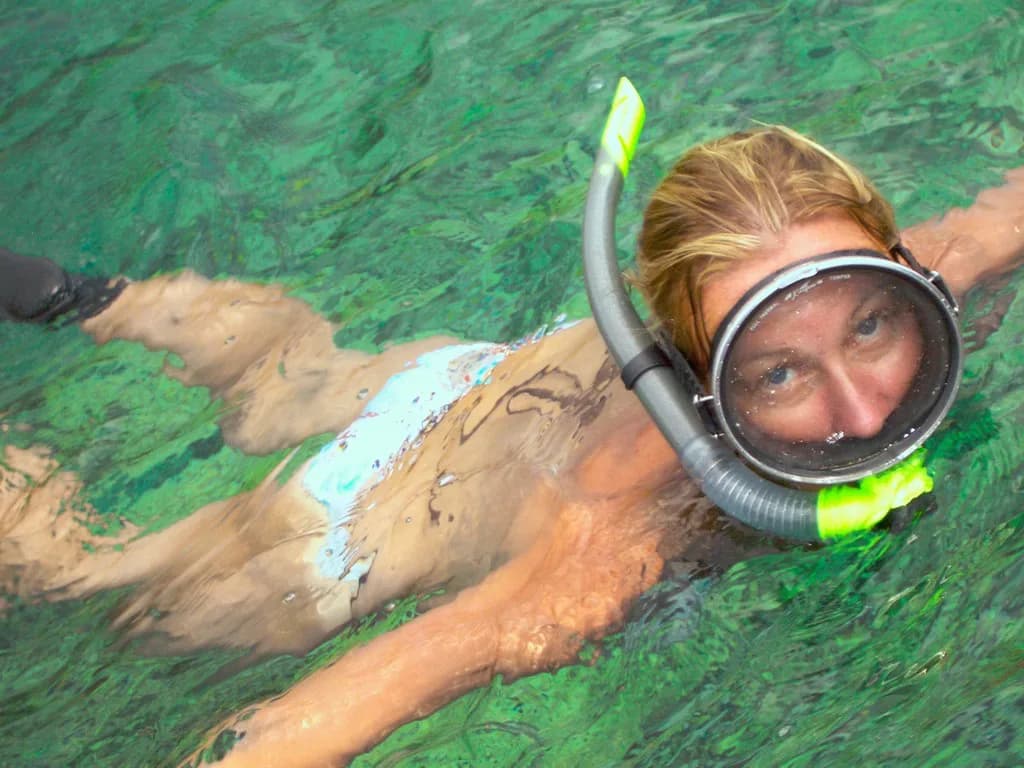
Every snorkel has three working parts: the mouthpiece that sits between your teeth and lips, the barrel or tube that carries air, and the opening at the top where fresh air enters. The mouthpiece must seal against your lips without clamping your jaw, and the barrel should be long enough to clear splashes but not so long that breathing feels like work.
The top opening is where designs diverge. Some are plain open tubes; others add a splash guard, a flexible upper section, or a one-way valve that closes when water covers the top. The valve is the mechanism behind the dry and semi-dry labels, and it changes how much water reaches your mouth when a wave breaks over you.
The mask and snorkel usually connect with a small clip on the mask strap, which keeps the tube upright and out of your way. If the clip lets the tube droop, air intake gets closer to the water and splashes find their way in more often. Adjust the clip so the top stands as vertical as possible while you lie flat.
How Breathing Works
Breathe slowly and fully through the tube, letting each breath push the previous one out of the barrel. The tube holds a small volume of air, and short panting breaths leave more of that stale, carbon-dioxide-rich air behind with each cycle. Long, even breaths replace it and keep you relaxed, which is the whole point of using a snorkel.
Relax your jaw and let the mouthpiece rest between your teeth and lips rather than biting down hard. Gripping the mouthpiece tightens your face, shortens your breath and makes the mask shift. If you feel the urge to breathe fast, stop, lift your head and reset before you continue.
Hold your breath only when you deliberately dive, and never as a habit on the surface. Surface breath-holding through a snorkel serves no purpose and raises the risk of feeling lightheaded. The Everyday California diving guide makes the same point: sustained, deep breathing is the technique to practice, and breath-holding is reserved for the descent.
Wet, Semi-Dry and Dry Snorkels
A wet snorkel is a plain open tube: water enters the top whenever a wave or a duck dive submerges it, and you clear it yourself. It is the simplest and least mechanically fussy option, and confident snorkelers who dive often sometimes prefer it because there is no valve to fight on the way down.
A semi-dry snorkel adds a splash guard or partial valve at the top, which deflects most spray and slows water entry when the top dips briefly below the surface. It is a middle ground: less water to clear than a wet tube, less mechanism than a dry one.
A dry snorkel uses a float valve that seals the opening when the top goes underwater and reopens when it surfaces. Beginners and children often find this forgiving, because a passing wave does not flood the tube, but the valve adds parts that need rinsing and can be sticky if sand or salt builds up. Our how to snorkel guide steps through the mask fit and breathing drills that come before any tube choice.
Choose by the conditions you actually snorkel in rather than by the label. Calm, flat water makes a wet tube easy to manage; chop, boat wake or frequent duck dives make the valve worthwhile for less experienced swimmers. Either way, learn to clear the tube, because valves reduce water entry and do not eliminate it.
How to Clear a Snorkel
The blast method: take a normal breath, put your mouth back on the mouthpiece, and exhale sharply and briefly to push the water out the top in one go. It works fast and suits a tube that has taken on a lot of water, but it uses air you may want for the swim.
The gentle method: exhale steadily and continuously while the top is above water, letting the water drain before you take your next breath. It is slower and quieter, and it is the technique to learn first because it teaches you where the water sits in the tube.
Practice both in waist-deep water before you snorkel at reef depth. Fill the tube deliberately by ducking the top under, then clear it with the gentle exhale until it feels routine, then try the blast. Rehearsing in calm, shallow water is the step the Everyday California guide recommends before moving into deeper water or below the surface.
Duck Dives and Equalizing
A duck dive is a short descent from the surface: take a breath, bend at the waist and aim the mask down, then let your fins carry you rather than your arms. Seal your lips around the mouthpiece, keep the tube in place, and start back up before you feel any urgency for air.
Going down changes the pressure on your ears, and the Everyday California guide describes exhaling gently to relieve it as you descend. If pressure does not ease on the way down, stop descending and return to the surface rather than pushing through it. Snorkeling on the surface requires no equalizing at all.
Hyperventilating before a dive is a mistake, not a shortcut to more bottom time. Fast, deep breaths before you go down can make you feel ready while actually reducing your awareness, so keep your breathing normal at the surface. Short, relaxed duck dives on a reef you can see from above are plenty, and the difference from a scuba tank should be clear before you plan any depth.
Mask Fit and Seal
A leaking mask ruins the breathing rhythm more than any other single piece of gear, because every trickle forces you to stop and clear. Test the seal before you get in: place the mask on your face without the strap, inhale gently through your nose, and see whether it holds. If it slips, try a different size or shape.
Hair, sunscreen and a poor seal around the nose pocket all cause the same symptom, so check those before you blame the mask. A mask that fits properly also keeps your eyes clear enough to watch the reef, which is the reason you are wearing the snorkel in the first place.
If you wear eyeglasses, a prescription snorkel mask solves the problem without contact lenses. That matters for snorkeling, where judging distance to coral and rocks is part of staying safe.
Fins and Body Position
Fins are not required, but they make surface snorkeling far more efficient, letting you cover water and return to the surface with less effort. The Everyday California guide puts it plainly: with fins you get where you are going faster and with less work, and without them you simply expend more energy.
Keep your body flat and streamlined, looking down and ahead rather than lifting your head. Your legs do the work; arms are for steering and balance, not propulsion. A flat position keeps the snorkel top upright and out of the water, which is where it needs to be.
Common Mistakes
Four habits cause most of the trouble: breathing too fast, holding your breath on the surface, clamping down on the mouthpiece and heading into deeper water before the basics feel routine. Each one is fixable with a few minutes of practice in shallow water.
Pushing into deeper water too soon is the one with the biggest consequences, because fatigue and current build quietly. Stay where you can stand, get the breathing and clearing automatic, then extend your range. A snorkel gives you air at the surface; it does not give you the ability to handle a current you did not notice.
Where to Practice
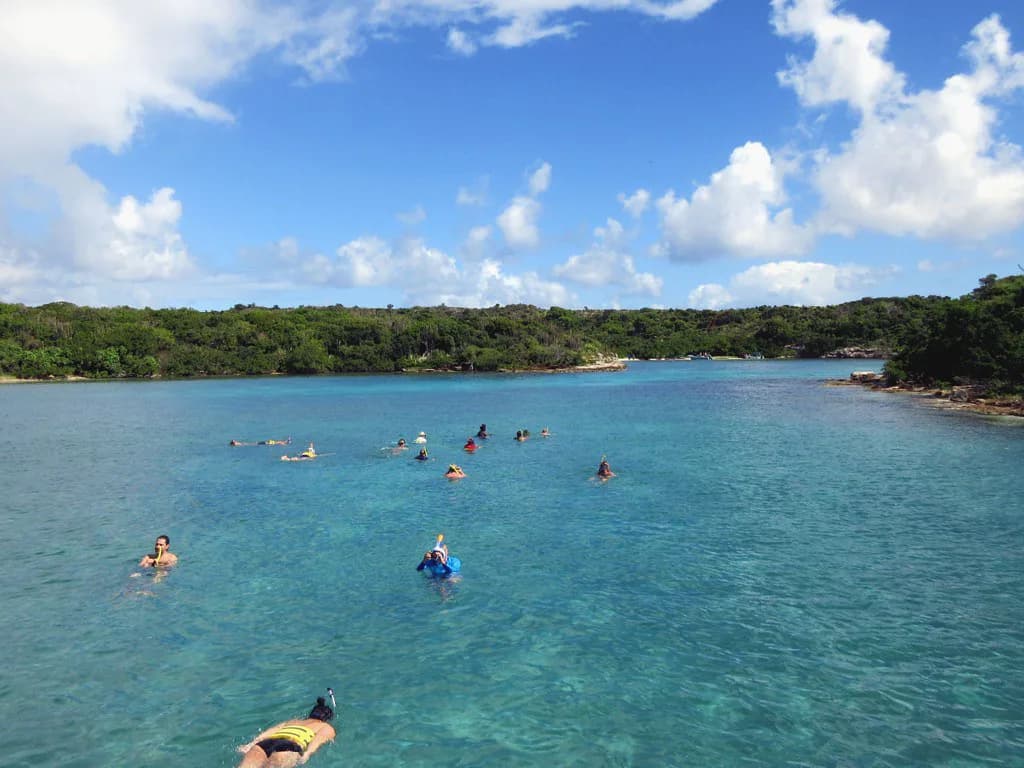
Start in calm, shallow water with a sand entry and no surf, where you can stand up whenever you want. Waist-deep water lets you practice the seal, the gentle clear and the blast clear without committing to anything. Facilities set their own policies on masks and snorkels in pools, so ask at the desk before you plan a pool session.
Move to reef depth only after breathing and clearing feel automatic, and choose flat days with light wind. Surf, current and boat traffic are the conditions to avoid, not to push through. The reader planning a first ocean session should get a current forecast from the local ocean-safety agency before choosing a day.
Once you are comfortable, destinations with easy entries make the next step pleasant. Our guide to the best snorkeling in the us covers calm bays and reef sites worth the trip. If a Hawaiian island is on your list, see this guide to snorkeling in Oahu for spots, seasons and planning.
Hazards and Limits
A snorkel is surface equipment, and the hazards are the water's: currents, surf, boat traffic, cold and fatigue. None of these are solved by a tube in your mouth, and all of them are reasons to snorkel with a buddy and stay inside your comfort zone.
Fatigue is the quiet hazard, because it builds while you are enjoying the view. Plan a turn-around point and stick to it, and head in before you feel tired rather than after. Cold water drains energy faster than warm water, so shorten sessions when the water is cool.
Wildlife and Reef Etiquette
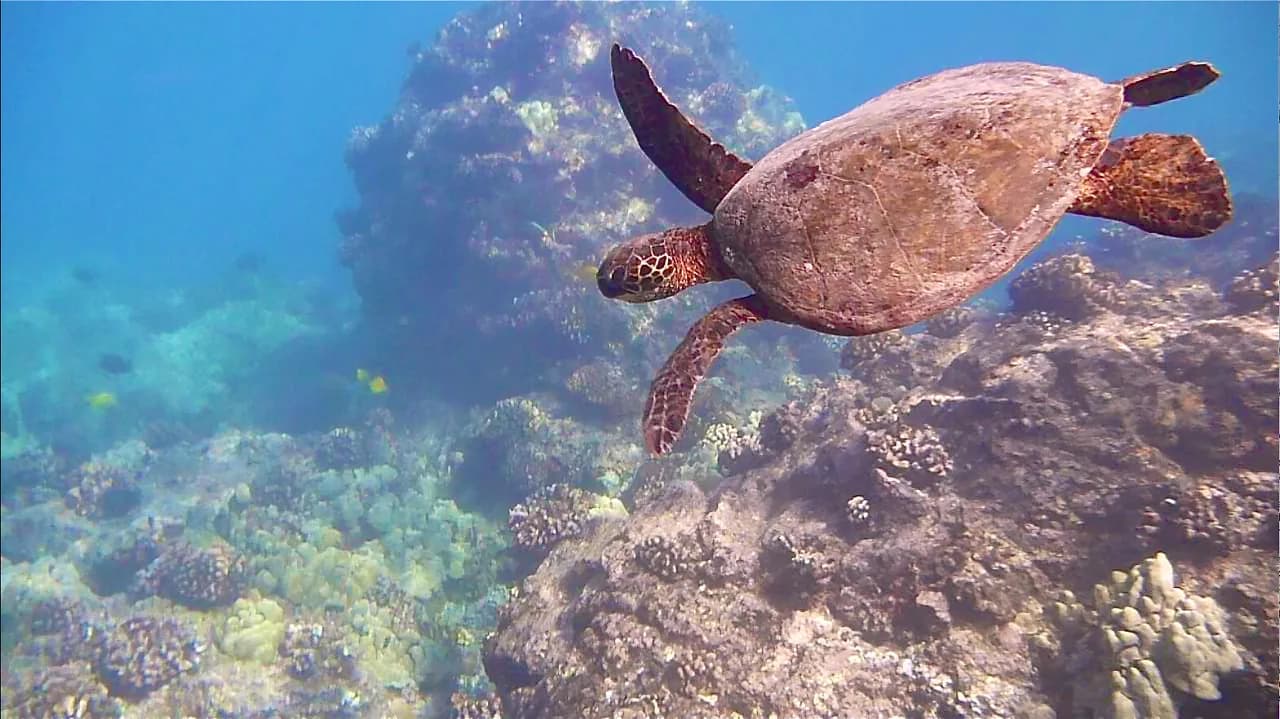
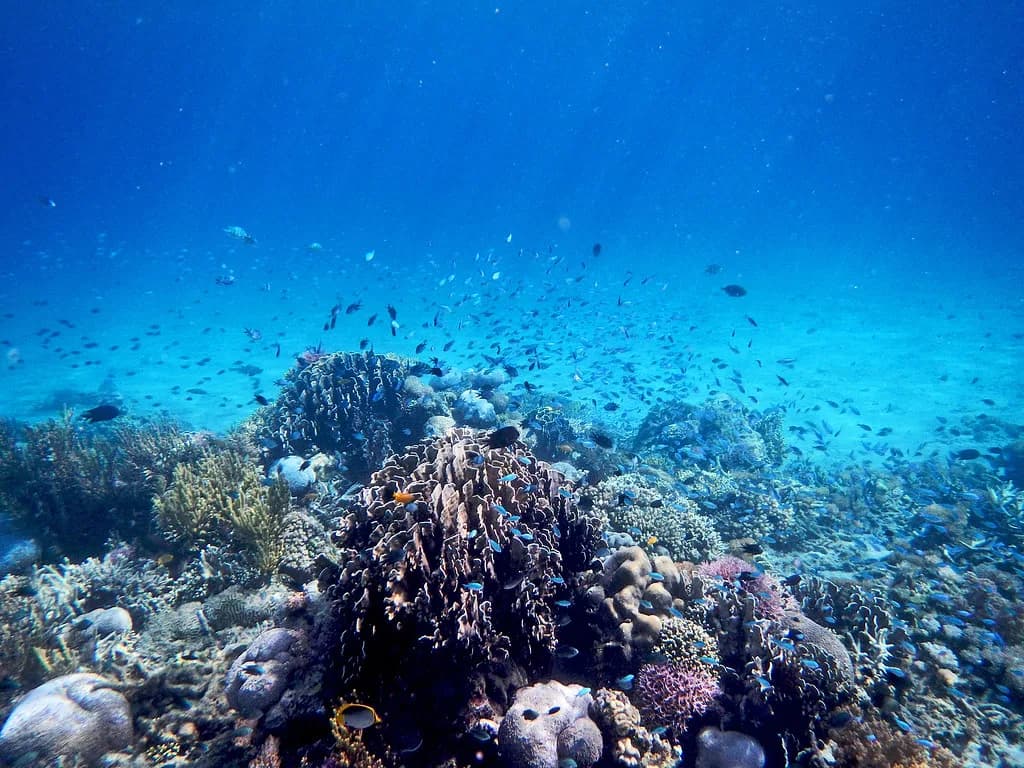
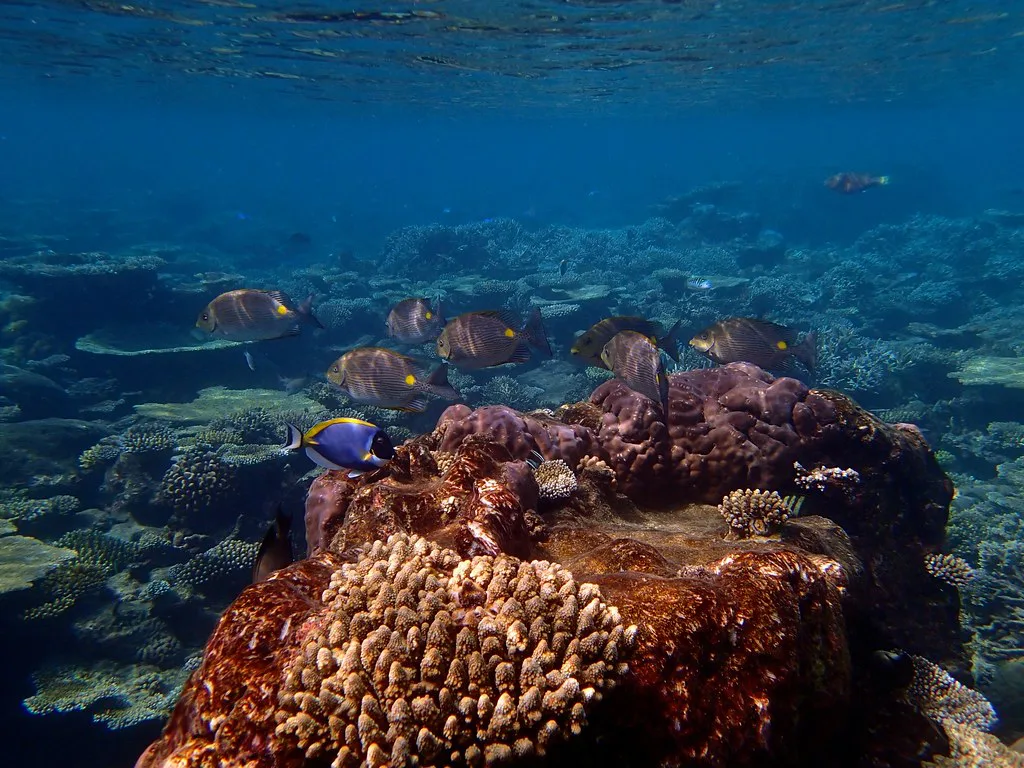
A snorkel lets you hover quietly above the reef, which is the best way to watch fish, turtles and coral without disturbing them. Keep a respectful distance, never touch or stand on coral, and never feed or chase animals. Those rules come from the marine agencies that manage the reef, and they apply whether you are on a tour or swimming from shore.
Sea turtles, rays and reef fish may or may not appear on any given day, and a snorkel does not guarantee sightings. Treat every encounter as a bonus and let the animal choose the distance. That approach keeps the reef healthy and keeps you out of trouble.
What to Buy or Rent
Match the gear to the snorkeler, not the marketing. A half-face mask with a wet or semi-dry tube is a straightforward starting kit for an adult; a dry top is easier for a nervous beginner or a child. Full-face masks offer a wide view, but they are a different breathing system and worth understanding before you commit.
Fit and published specifications matter more than price. Check the mask seal first, then the mouthpiece size, then the tube design, and only then compare cost. Rental gear is a reasonable way to try a design before buying, and rental desks can tell you what they stock.
Plan Your Snorkel Day
Learn the tube in this order: mask seal, slow full breaths, gentle clear, blast clear, then a short duck dive. Each step takes minutes in shallow water, and together they turn a snorkel from a piece of plastic into a tool you can trust.
Then choose water that matches your skill: calm, shallow and sandy first, reef depth once the rhythm is automatic. A snorkel gives you air at the surface and a steady view of the reef below, and that is more than enough for a good day.
Frequently Asked Questions
How long can you go underwater with a snorkel?
Only as long as you can comfortably hold your breath on a deliberate duck dive, and that varies by person and by day. A snorkel itself does not supply air underwater; it carries surface air to your mouth. Keep dives short and relaxed rather than testing a limit, and never hyperventilate beforehand to extend bottom time.
How does a snorkel work step by step?
The mouthpiece goes between your teeth and lips, the barrel carries air, and the top opening sits above the water while your face is submerged. You breathe slowly and fully through the tube, and when water enters the top you clear it with a sharp exhale or a steady one. The mask keeps your eyes clear and holds the tube upright with a clip.
How do you breathe with a snorkel underwater?
Breathe slowly and fully, letting each breath push the previous one out of the barrel. Short panting breaths leave stale air in the tube and make you feel rushed, while long breaths keep you relaxed. Relax your jaw, let the mouthpiece rest lightly, and lift your head to reset if your breathing gets fast.
Do you need a dry snorkel as a beginner?
No, but a dry or semi-dry top is more forgiving when chop or boat wake covers the opening. A wet snorkel is simpler and has no valve to maintain, which some confident snorkelers prefer. Choose by the conditions you actually snorkel in, and learn to clear the tube either way.
How do you clear water out of a snorkel?
Use the gentle method first: exhale steadily while the top is above water and let the water drain before you inhale. For a tube with more water, use the blast method: take a normal breath, seal your lips, and exhale sharply to push the water out the top. Practice both in waist-deep water before you snorkel at reef depth.
Why can't you wear snorkeling masks in swimming pools?
Facilities set their own policies, and some restrict masks or snorkels in pools for safety and hygiene reasons. Ask at the front desk before you plan a pool practice session, and use the pool for breathing and clearing drills only if it is allowed. Shallow open water with a sand entry is the alternative.
What are the health benefits of snorkeling?
Snorkeling is low-impact surface swimming that lets you watch the reef without lifting your head, and it rewards slow, steady breathing. It is not a substitute for swimming ability, and anyone with concerns about ears, breathing or fatigue should get advice from a qualified professional rather than from a gear guide. Treat it as recreation, not therapy.
Sources
Snorkeling notes for your next trip
Optional updates to our snorkeling guides.
You might also like

Continue reading
More guides you'll find useful