Is Snorkeling Dangerous? Learn to Snorkel Safely
Snorkeling is usually calm and low-risk, but currents, breathing resistance and heart conditions can turn a fun swim into an emergency. Here is how to manage it.
On this page
Snorkeling rewards you with turtles, parrotfish and reef structure on a single breath, which is why it suits families, hesitant swimmers and anyone who wants the ocean without a tank. It is also the water activity that has caused the most deaths in Hawaii, and the reasons are not the ones most people worry about. Understanding those reasons makes you a calmer, better-prepared snorkeler rather than a fearful one.
This guide treats risk as something you manage: pick the right spot, choose simple gear, go with a buddy and know what a bad day feels like in your own body. If you are still deciding whether to take up the sport, start with how to snorkel and learn the breathing rhythm before you book anything.
Why snorkeling is mostly safe but not risk-free
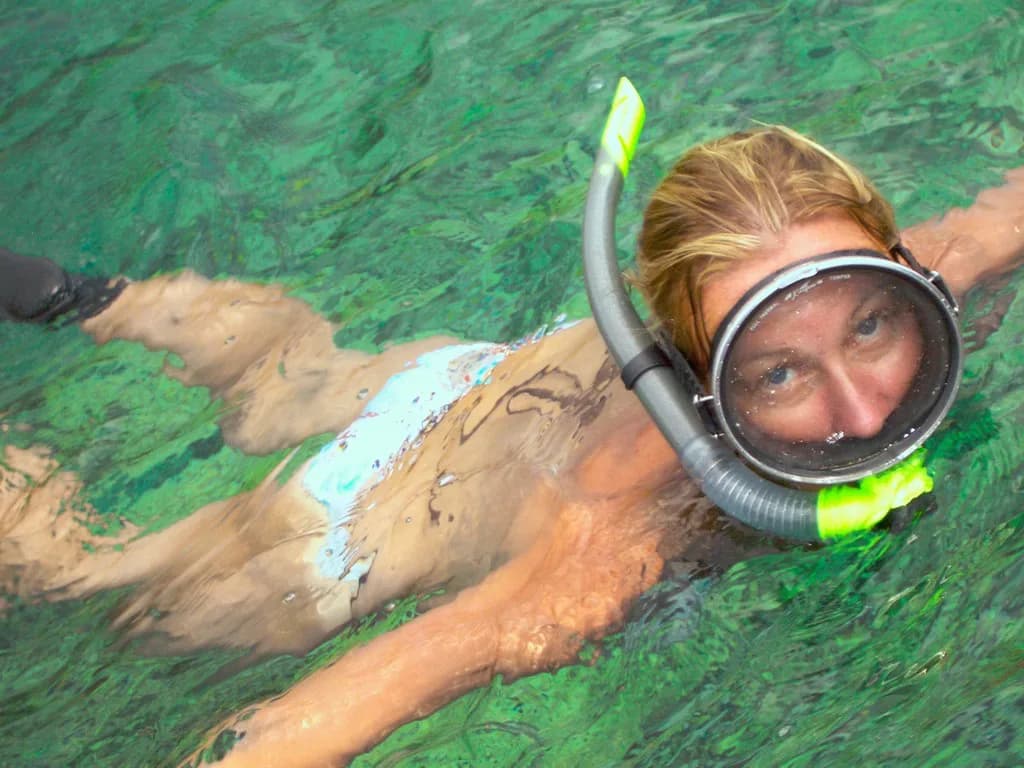
Most snorkel sessions end with nothing worse than a sunburned back and a mouthful of salt water. You float on the surface, breathe through a tube and look down, which demands far less of your body than diving or open-water swimming. That low demand is exactly why the sport suits beginners and children who are comfortable in water.
Hawaii's Snorkel Safety Study flagged recent long-haul air travel as a possible contributor to SIROPE, the sudden fluid buildup in the lungs that can affect snorkelers, but the researchers describe that link as a hypothesis rather than an established cause.
The catch is that snorkeling happens in the ocean, where wind, swell and current change hour to hour. A bay that was glassy at breakfast can have shorebreak by afternoon, and a shallow reef that felt easy on the way out can be a hard swim back against a current. Treat the forecast as part of your planning, not an afterthought, and choose a spot with an easy exit rather than the most dramatic one.
Snorkeling safely also means not doing it alone. A buddy can steady you, tow you in or call for help, and a second set of eyes catches boat traffic and drifting gear. If you cannot find a partner, joining a guided group gives you the same support and a briefing on local hazards.
The biggest real danger: rapid-onset pulmonary edema (SIROPE)
Hawaii's Snorkel Safety Study reached a conclusion that surprises most visitors: a condition called SIROPE, or snorkeling-induced rapid onset pulmonary edema, likely accounts for some and possibly most fatal and non-fatal snorkel-related drownings. Fluid seeps into the lungs, oxygen transfer drops and the snorkeler can become unresponsive close to shore in calm water within minutes, without the struggle people associate with drowning.
The typical picture is a middle-aged visitor, often male, in easy conditions near the beach. Risk factors identified by the study include undiagnosed diastolic dysfunction, which is common with age and may show up as a history of high blood pressure, along with exertion while breathing through a snorkel. The study also flagged recent long-haul air travel as a possible contributor, though that link remains a hypothesis.
Early signs include shortness of breath, unusual fatigue, confusion, weakness, a racing heart, nausea and panic. Because hypoxia dulls your ability to signal, the person affected often cannot wave or shout. This is where a buddy earns their keep: watch for anyone who stops moving, floats on their back or lags behind, and get them out of the water rather than asking them to swim in.
How currents, waves and shorebreak create trouble
Currents are the classic ocean hazard and the one most snorkelers have heard about, but the response matters more than the warning. Swimming straight against a rip current burns energy fast, especially with a snorkel in your mouth; swim parallel to shore until you leave the flow, then angle back in. Drifting far from shore or your group puts you in deeper, lower-visibility water where it is harder to judge direction.
Shorebreak is the other common problem, and it catches people at the exit rather than the entry. A beach with dumping waves can knock you over in ankle-deep water and push you onto sand or rock, so pick a bay with a sheltered side and watch a few sets before committing. Rocks, sea urchins and coral add their own cuts and punctures when you are being pushed around.
Sun and dehydration quietly compound everything. Hours face-down in the water with an exposed back drains energy, and dehydration makes you tire sooner. A long-sleeve rash guard, shade breaks and water on the beach are practical gear, not luxuries. Bullet Speedboats lists hydration, sun protection and staying calm as core precautions for any snorkel trip.
Gear matters: snorkel resistance and full-face masks
A snorkel that makes inhalation hard is a genuine physiological problem, not just an annoyance. The Snorkel Safety Study's investigators measured 49 snorkels and four full-face masks and found that simpler tubes generally create less airway resistance, which is not something you can judge by looking at the product. Higher resistance can contribute to the pressure changes behind SIROPE, so if you are buying, favor a plain, wide-bore tube over an elaborate one.
Full-face masks were found to offer no inherent advantage or disadvantage for SIROPE, but they are harder to clear or remove in an emergency and awkward for duck-diving. A conventional mask and snorkel you can flood and clear calmly is the more forgiving choice for beginners. Our guide to how a snorkel works walks through breathing, clearing and tube design if you are choosing your first setup.
Fit matters as much as design. A leaky mask fogs, a loose strap slips and a poor seal makes you tense, which raises exertion. Test the seal at home before your trip, rinse gear in fresh water after each use and store it out of direct sun so the silicone stays supple.
Marine life encounters: what can actually hurt you
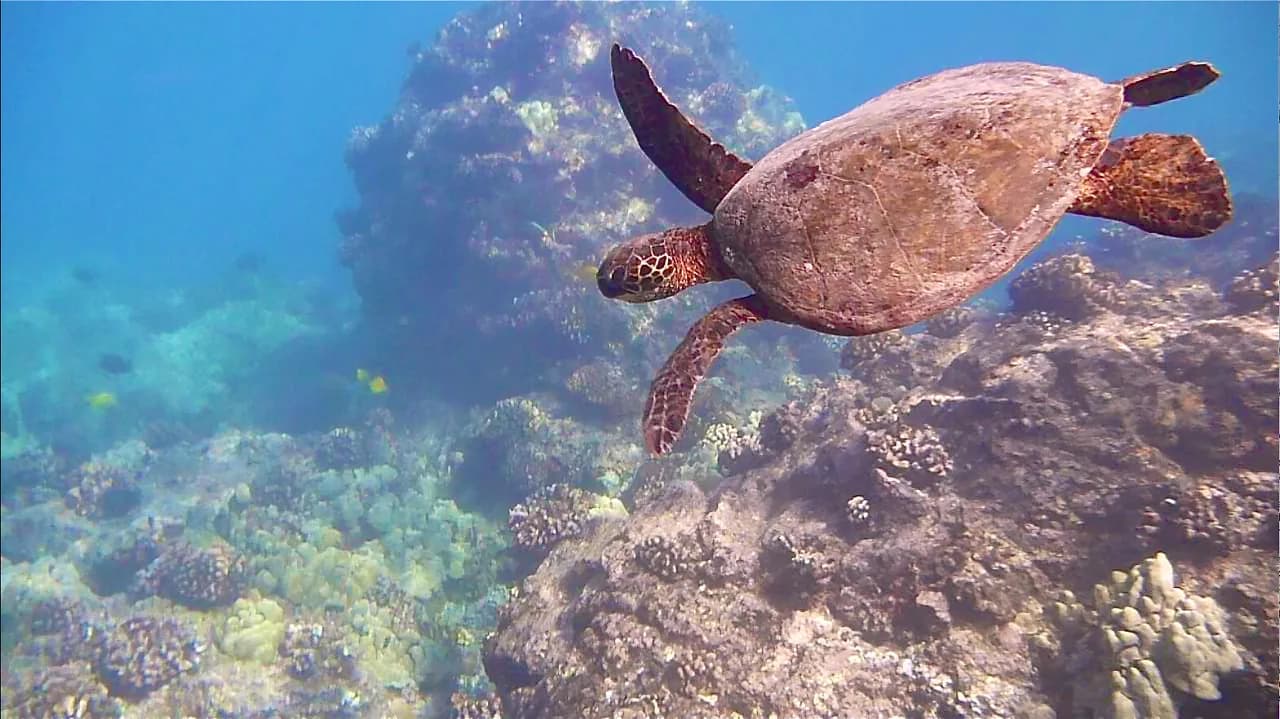
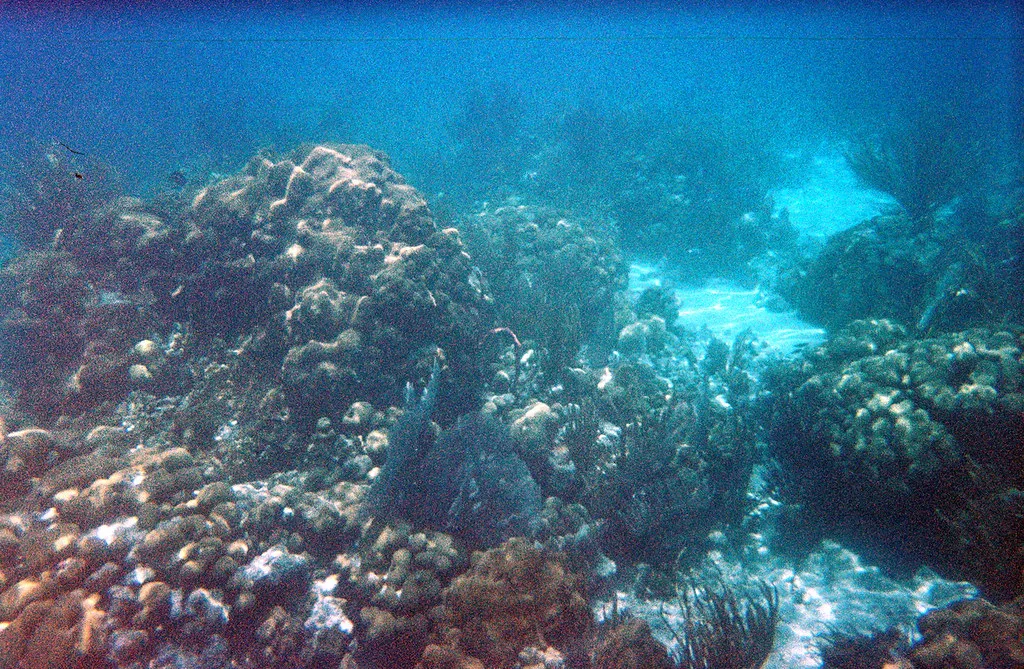
Sharks and rays are rarely the issue. The injuries that actually happen are jellyfish stings, sea urchin spines, coral cuts and scrapes from touching reef, and almost all of them come from getting too close or standing on the bottom. Keep your fins off the coral, float horizontally and give turtles and other animals room to move away on their own terms.
Feeding fish is illegal in some managed areas, and it is a bad idea everywhere: it changes fish behavior and can draw larger animals toward snorkelers. Harassing wildlife, chasing turtles or blocking a ray's path also stresses the animals and puts you in contact with something that reacts defensively. Watching calmly is both safer and a better show.
Sunscreen is part of this picture. Hawaii and Maui County have banned non-mineral sunscreens, and the active ingredients to look for are non-nanotized zinc oxide or titanium dioxide. A rash guard cuts how much lotion you need and protects your back on a long session. Auntie Snorkel covers these rules and other snorkeling etiquette points in its list of things not to do.
Who should skip snorkeling or get medical clearance
People with known heart conditions, particularly those affecting the left ventricle, are the group the Snorkel Safety Study singles out as high risk. If you have high blood pressure, a heart diagnosis or unexplained breathlessness on exertion, talk to your doctor before you get in the water. This is a conversation to have before your trip, not on the beach.
Anyone who cannot swim should not snorkel without instruction and flotation support, and even confident swimmers should be honest about their comfort in deep water. If the thought of not touching bottom makes you anxious, choose a shallow, lifeguarded beach where you can stand. Our guide on whether you can snorkel without knowing how to swim explains what flotation and a shallow site can realistically do.
The study's advice on exertion is worth taking literally: keep your effort low. If you find yourself working hard against a current, breathing rapidly or feeling oddly weak, that is your signal to stop, not to push through.
How to choose a safer spot and calmer conditions
Site selection does more for your safety than any piece of gear. Look for a bay protected from the prevailing swell, a sandy entry, shallow water you can stand in, and a reef close enough to reach without a long surface swim. Lifeguarded beaches give you someone watching conditions and the exit; Auntie Snorkel points to Kamaole I, II and III beach parks on Maui as lifeguarded options. If you are weighing destinations, our Big Island snorkeling guide applies the same criteria to that island's bays and beaches.
Morning is usually the calmer window, before wind chop builds and afternoon shorebreak picks up. Check the marine forecast for wind, swell and tide the evening before and again on the morning of your swim, and be willing to change plans. An onshore wind against a falling tide is a recipe for murky water and a harder exit.
Where you enter matters as much as where you swim. Boat snorkeling, as the study notes, drops you into deep water with no time to acclimatize to the gear, the temperature or the conditions, and you cannot touch bottom. Shore entries let you wade in, float, sort out your mask and build confidence before you go anywhere.
Buddy system and self-rescue basics
Run the buddy system properly: agree on hand signals, stay within a few body lengths of each other and check in every half minute or so. The Snorkel Safety Study committee recommends exactly this cadence because it catches the quiet cases where a snorkeler goes still. Take turns being the watcher rather than both heads-down at once.
Self-rescue starts with removing your mask and snorkel, rolling onto your back and breathing slowly. If you are out of your depth and fatigued, kick toward shallow water where you can stand, then get out and sit down. Calm floating conserves energy; thrashing wastes it and makes breathing harder. A flotation vest or belt helps a nervous or tired snorkeler stay afloat with less effort.
If you are with someone who becomes short of breath or stops responding normally, get them to shore, sit them upright and call for help. Oxygen is the treatment a trained responder would give, and it is worth knowing where the nearest lifeguard or emergency access is before you get in.
What to do if you feel short of breath in the water
Shortness of breath under a snorkel can be ordinary exertion, a poorly fitting mask or the start of something more serious, and you cannot tell the difference in the moment. The safe response is the same for all three: stop, remove the snorkel, turn on your back, breathe slowly and head for shallow water. Do not try to finish the swim or prove anything to yourself.
If the feeling eases once you are standing in waist-deep water, sit on the sand for a while before deciding whether to go back in. If it comes back, or you feel confused, weak or nauseated, stay out and get medical attention rather than resuming. A buddy should hear about it either way, because a second opinion on how you looked in the water is useful.
This is also the reason to spend a few minutes in the shallows with new gear before heading out. Floating, breathing through the tube and clearing a flooded mask in water you can stand in teaches you what normal feels like, so odd sensations are easier to spot.
Is snorkeling worth it? Weighing the risks
Snorkeling remains one of the most accessible ways to see reef life, and with a few sensible choices the risk drops sharply: a buddy, a shallow lifeguarded beach, simple gear, low exertion and a morning start cover most of the scenario. The payoff is coral, turtles and fish in water you could not otherwise see without expensive training.
The people who get into trouble are usually not reckless, just unprepared for a specific hazard they had never heard of. Knowing about SIROPE, respecting currents and being honest about your health turns a vague worry into a checklist. If you want a benchmark for how the sport compares with tank diving, our diving vs snorkeling breakdown covers the skill and equipment differences.
Plan Your Snorkel Day
Build your day around a shallow, sheltered entry, a buddy and a morning window, then add comfort items: rash guard, water, and a mask you have already tested at home. Decide in advance which beach you will use if the wind comes up and where you will exit if the swell builds.
Before you go, read the marine forecast from the relevant ocean-safety agency and the posted rules at the beach. If you have a heart condition or unexplained breathlessness, get medical clearance first, and if you are new to the sport, spend your first session learning in water you can stand in.
Frequently Asked Questions
Can snorkeling after flying cause rapid onset pulmonary edema?
Hawaii's Snorkel Safety Study flagged recent long-haul air travel as a possible contributor to SIROPE, the sudden fluid buildup in the lungs that can affect snorkelers, but the researchers describe that link as a hypothesis rather than an established cause. The study team suggested waiting two or three days after a long flight before snorkeling. If you have a heart condition or have felt breathless on exertion, ask your doctor before you swim.
Can you go fully underwater with a snorkel?
A standard snorkel is designed for surface breathing, and duck-diving with one means holding your breath while you descend and clearing the tube when you surface. Full-face masks are harder to remove in an emergency and awkward for duck-diving, which is one reason simple mask-and-snorkel setups suit beginners better. Keep underwater time short and stay within your comfort and skill level.
Can you get decompression sickness from snorkeling?
Decompression sickness is normally associated with breathing compressed gas at depth, as scuba divers do, and repeated deep breath-hold dives can carry their own risks that dive medicine specialists study. Snorkeling on the surface over a shallow reef is a different activity from either. If you plan repetitive breath-hold diving or have a medical history that concerns you, take the question to a dive medicine professional rather than relying on general advice.
Is snorkeling safe for beginners?
Beginners do well when they start in shallow, sheltered water they can stand in, with a buddy, simple well-fitting gear and low exertion. A lifeguarded beach with a sandy entry gives you a calm place to practice breathing through the tube and clearing a flooded mask. Build confidence in the shallows before you swim out over deeper reef.
What is the most common snorkeling injury?
The everyday injuries are jellyfish stings, sea urchin spines, coral cuts and scrapes, most of which come from getting too close to reef or standing on the bottom. More serious incidents involve currents, shorebreak and the breathing problem known as SIROPE. Keeping your fins off the coral and giving marine life room prevents most of the minor ones.
Sources
Snorkeling notes for your next trip
Optional updates to our snorkeling guides.
You might also like

Continue reading
More guides you'll find useful