Night Snorkeling: Learn to Snorkel Guide, Gear & What to See
Night snorkeling reveals octopus, hunting eels, feeding corals and glowing plankton. Learn how to pick a calm site, light the water and stay safe after dark.
On this page
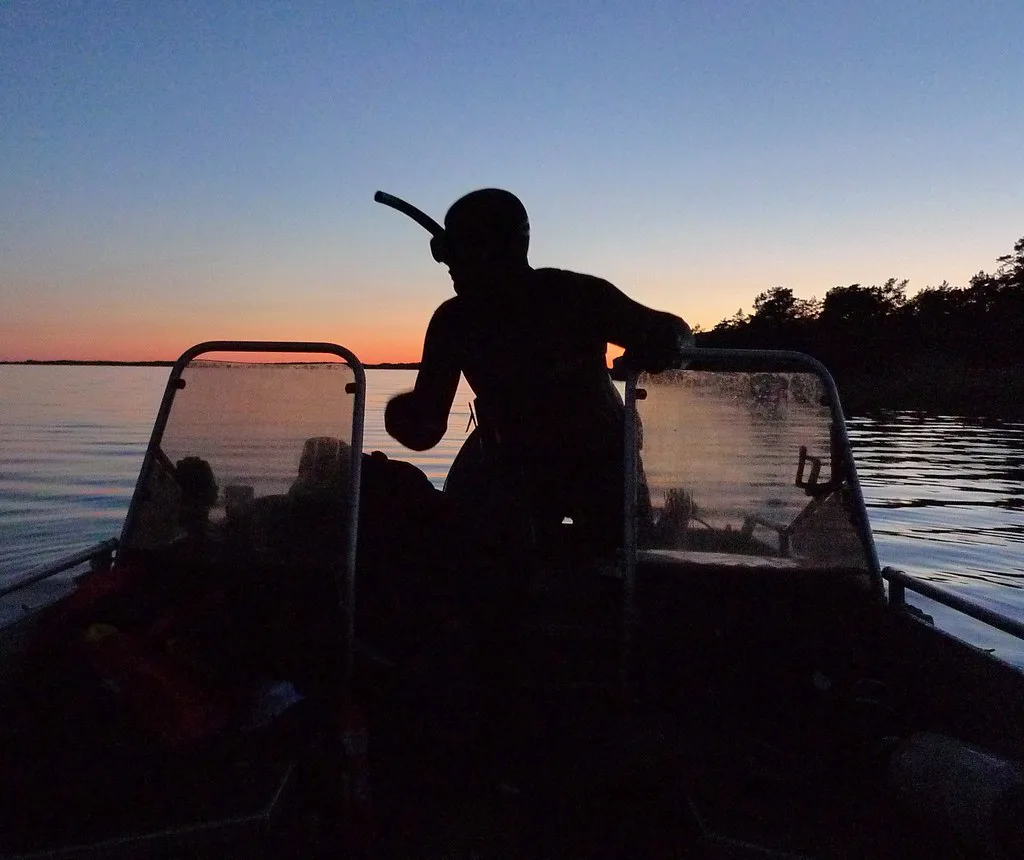
The reef you snorkeled at noon is a different place after dark. Corals that looked like closed stone during the day open into feeding animals, octopus move across sand that seemed empty, and a sweep of your light can pick up eyeshine from shrimp tucked into rubble. Night snorkeling rewards calm-water swimmers who don't mind swimming in the dark, and it is a poor fit for anyone taking a first mask-and-snorkel lesson.
Planning a night snorkel is mostly about reducing unknowns: a site you already know by daylight, a protected shoreline with lights you can orient to, an exit you can find, and a buddy with a second light. Do those four things and the darkness becomes the attraction rather than the obstacle. The sections below cover what you will see, how to pick and light a site, what to wear after sunset, and where a guided format such as the Kona manta ray trips fits in.
Why Go at Night
The main reason to snorkel after dark is the cast change. Many animals that hide by day become active once the sun drops: eels and octopus hunt, lobsters and shrimp leave their holes, and corals extend tentacles to feed. You are not seeing the same reef with worse visibility; you are seeing a different shift of animals on the same bottom.
Yes.
It is also simply more thrilling, and that cuts both ways. Swimming in black water with a narrow beam of light is exciting, but it narrows your field of view and removes the horizon cues you rely on in daylight. Go if you enjoy that; sit it out if darkness in open water makes you anxious, because panic in the water at night is harder to manage than in daylight.
What You Will See
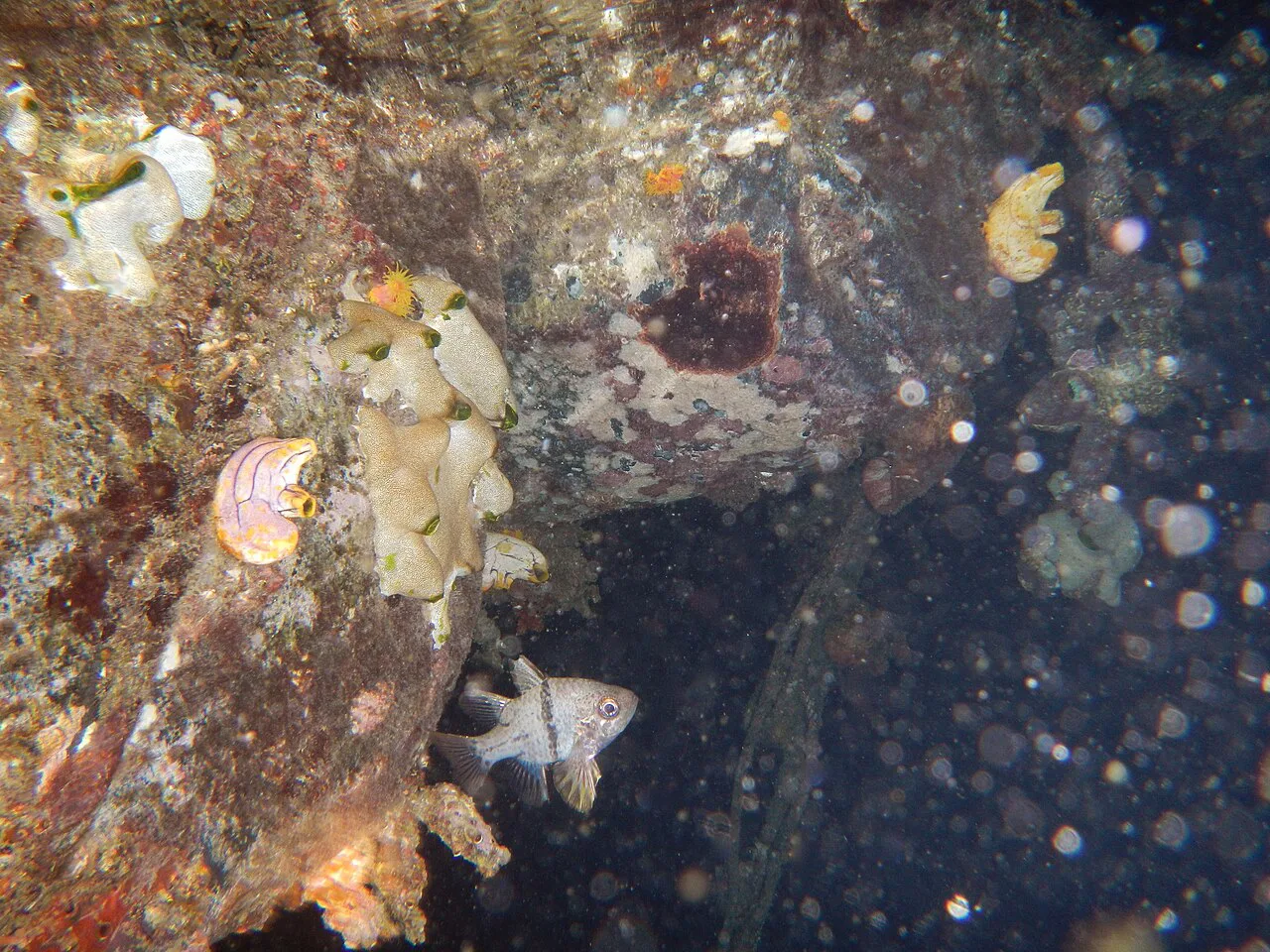
Point your light at sand and rubble and you may find octopus hunting across open bottom rather than hidden in a crevice. Eels are more active at night, and lobsters that rarely show by day, including slipper and Spanish lobsters alongside spiny lobster, come out around rock rubble. Shrimp eyes reflect light brightly, so a slow sweep across a hole can show hundreds of tiny paired points staring back.
Corals are the quiet spectacle. Many colonies that look lifeless by day open after dark into feeding animals with extended tentacles, and orange cup coral in particular blooms into color when the lights are off the polyps. On the right nights you may also catch corals spawning, releasing eggs and sperm in cloud-like bursts. None of this is guaranteed on a given night, so treat any single sighting as a bonus rather than the plan.
Sweep your beam beyond the small stuff now and then. Panning out into deeper water and along the edges of your light occasionally catches something large, such as an eagle ray, moving at the limit of visibility. Keep the light moving slowly and steadily rather than jabbing it around, since fish and invertebrates respond to the beam.
Turning the Light Off
Switch your light off for a minute and move your arms and legs briskly through the water. If bioluminescent plankton are present, each movement triggers small flashes, and in abundance you may see trails of light from fish swimming past. It is the one part of a night snorkel that needs no equipment at all, only a calm spot where you can float safely with the light off.
Do this only where you can hold position without drifting, and agree with your buddy first so one of you keeps a light on the exit. Turning everything off in moving water in the dark is how groups lose each other. A short light-off pause at the end of the swim, near your exit, gives you the plankton show without giving up orientation.
Choosing a Site
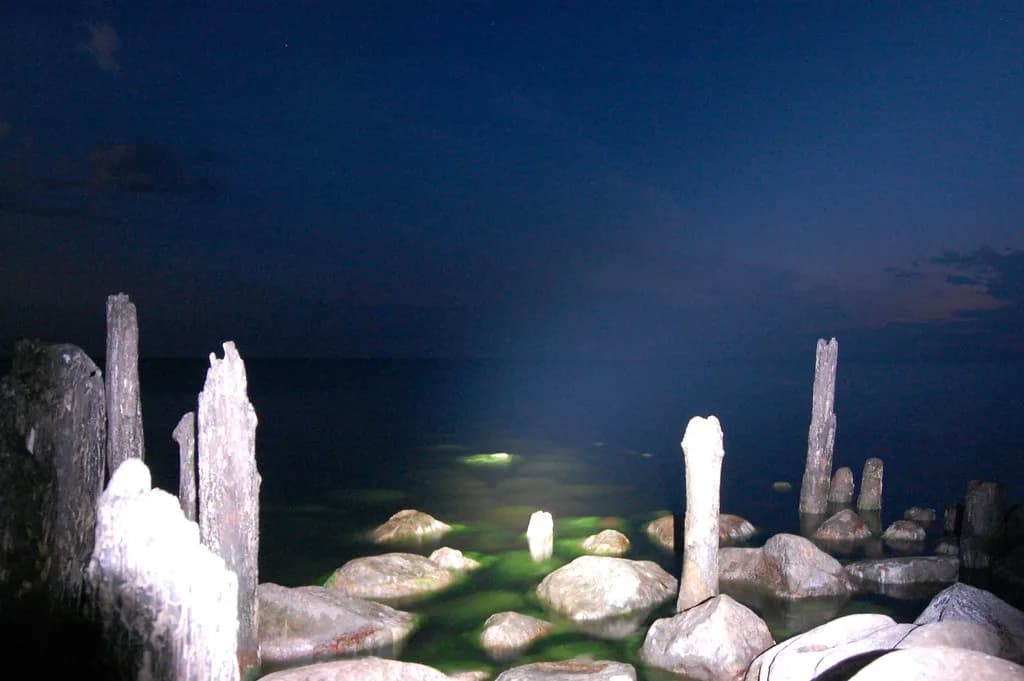
Pick a site with light coming from shore, whether street lights or hotel lights, because that glow gives you a sense of direction and a fixed reference in otherwise black water. Moonlight helps too. A shoreline with rock rubble or coral beats a bare sand flat, since lobsters, shrimp and feeding corals concentrate around structure.
Calm, protected water matters more at night than reef quality. Rough water and surge are unpleasant in daylight and genuinely disorienting in the dark, so choose a bay or lee shore that is naturally sheltered. Finally, pick an exit you can see from the water, ideally with a light on the beach; getting lost on the way out is the most avoidable mistake of the night.
Guided Tour or Going on Your Own
For a first night snorkel, a guided trip is the lower-risk route. Guides generally supply the lights and know where animals tend to be, pointing out creatures you would swim past, and they handle the group spacing that keeps people from piling onto one patch of reef. Beach and boat versions both exist, so ask which you are booking before you commit. Thinking about the trade-offs of diving vs snorkeling helps here too: a night dive puts you under a scuba tank with a larger light system, while a snorkel trip keeps you at the surface with a single beam.
Going independently makes sense once you have done the same site in daylight and know its entry, exit and layout. The trade-off is that you supply and maintain all the lighting and make every navigation call yourself. Many divers start by joining a guided night trip and then repeat the site on their own once they know the bottom.
Lighting: Rent or Buy
You need a waterproof light built for diving or snorkeling. Renting first is a sensible way to try different beams before spending on your own, and it keeps a heavy light out of your luggage. Rental prices vary by shop and season, so ask the dive shop you plan to use for its current nightly rate rather than budgeting from a figure online.
If you keep night snorkeling, buying becomes the cheaper path and gives you a light you know has been maintained. Check that the light is rated waterproof to a depth beyond where you will swim and carry fresh batteries or a charged spare, since a dead beam at night ends the swim. A phone in a pouch is not a substitute for a dedicated dive light.
Beam choice is a real decision. A narrow, bright beam punches through and shows eyeshine, but a wider flood beam lets you see more of the reef at once and is easier for a buddy to follow. Many night snorkelers carry one of each, or a light with adjustable focus. Anti-fog treatment on your mask matters more at night, because a fogged mask plus darkness leaves you effectively blind.
Warmth After Sunset
Without the sun, even tropical water feels cold on a long swim. A thin neoprene top or a 2mm full wetsuit is the usual upgrade from a rash guard, and it is the one gear change night snorkeling really calls for. If you chill easily, a 3mm suit gives more margin and does not restrict kicking much.
Plan your exposure rather than fighting it. Enter after you are fully dressed and your buddy is ready, keep the swim shorter than a comparable daylight session, and leave the water before you start shivering. Warm dry clothes and a towel at the exit turn a cold finish into a comfortable one.
Buddy System and Spacing
Two lights are better than one, especially when a battery dies mid-swim. Snorkel with a buddy, stay within sight of each other's beam, and agree on simple signals before entry, such as a light wave for OK and a rapid flash for turn back. Agree on a turnaround time and a maximum distance from the exit.
Keep group spacing so a crowd does not converge on one coral head. At night, several beams on the same patch of reef disturb everything in it and stir up sand that kills visibility for everyone. Spread out, sweep your own lane, and let the person ahead clear before you move in.
Entry and Exit in the Dark
Time your entry and exit with the surge rather than pushing through it, and keep a fixed landmark on shore in view as you swim out. A light on the beach or a building silhouette is easier to track than a dark shoreline. If the exit has rocks, watch a full set of waves before committing and enter at the calm interval.
Leave the water while you still have energy and warmth, not when you are fatigued or cold. Fatigue narrows attention exactly when you need it for a dark exit. If conditions build during the swim, such as surge or current picking up, head in early rather than finishing the planned loop.
Hazards and Who Should Sit It Out
The genuine hazards at night are surge and rough water in the dark, boat traffic in channels, losing orientation, and cold. Each is easier to control with site choice than with skill: sheltered water, a lit exit, and a buddy solve most of them. Add a surface marker light if you will be anywhere near boat traffic.
Night snorkeling does not suit everyone. People uneasy in open water, weak swimmers, and anyone who has never snorkeled should start in daylight. Build comfort with a mask and snorkel first, and if you are not a confident swimmer, work through a beginner plan before adding darkness. Anxiety in black water is not something to push through on your first attempt.
The Kona Manta Ray Night Snorkel
The Big Island's manta ray night snorkel is its own format rather than a generic dark-water swim. Operators set lights on floating platforms or rafts, creating a cascade of plankton that draws filter-feeding manta rays in to feed, and snorkelers watch from the raft or hold position nearby as the rays loop through the lit water. Two well-known locations are Makako Bay, also called Garden Eel Cove, with a shallow sandy bottom, and Keauhou Bay, where currents feed a rich plankton supply. If you want to compare the same idea before booking, our Manta Ray Night Snorkel Kona: Which Big Island Tour to Book walks through the tour options.
Treat sightings as likely but not certain. Operators report high success rates on many nights, but mantas are wild animals and moon phase, plankton and ocean conditions all affect a given trip. Group tours are cheaper and social with larger groups; private charters cost more and give smaller groups and more guide attention. Ask about group size, whether wetsuits and flotation are included, and how close the boat keeps to the animals.
Rules and Wildlife Conduct
The rules are simple and non-negotiable: never touch, feed or chase the animals. Manta rays carry a delicate mucous layer that contact damages, which is why responsible operators brief guests on keeping distance and avoiding contact. The same applies to everything else on the reef at night: look, light and leave, and do not handle octopus, eels or lobsters.
Combining It With Your Day
Set the day up for the night. Snorkel the same site in daylight first so you know the entry, exit and where the structure lies, rest in the afternoon, and eat early enough that you are not swimming on a full stomach or on empty energy. Keep the night swim shorter than the daylight one.
Pack the night kit separately so you are not searching for it after dark: a charged primary light, a backup, spare batteries, a warm layer, a towel and dry clothes at the exit. A dry bag for the walk back keeps the rest of your gear usable for the next morning's snorkel.
Plan Your Night Snorkel
Night snorkeling is worth doing once you have daylight snorkeling dialed in. Choose a sheltered site with shore light and an exit you can find, bring a buddy and two dive lights, add a thin neoprene layer, and plan a shorter swim than you would do by day. Do that and the shift change on the reef, from hunting octopus to feeding corals, becomes the point of the trip. If you would rather ease in with a guided first attempt, see what night snorkeling in Maui involves before you commit.
If you want the manta ray experience, book a Kona Snorkel Trips tour and ask about group size, included gear and wildlife distance rules before you pay. Check the day's ocean conditions with Kona Snorkel Trips or Hawaii's ocean-safety agency before you go out, and treat any sighting as a gift rather than a schedule item.
Frequently Asked Questions
Can you snorkel at night in Hawaii?
Yes. Night snorkeling happens around the islands, and the Big Island's Kona coast is the best-known format, where operators use lights on floating platforms or rafts to draw plankton and feeding manta rays into view. Most people book a guided trip for their first night in the water rather than going unaccompanied.
Is night snorkeling safe for beginners?
A guided night snorkel is a reasonable first step for someone who can already snorkel comfortably in daylight, since the guide supplies lights and manages the group. Total beginners, weak swimmers and anyone uneasy in open water should build confidence in daylight first and treat the dark-water swim as a later step.
Do you need a special light for night snorkeling?
Yes. You need a waterproof dive light rated well beyond your swimming depth, plus a spare or spare batteries. A phone in a waterproof pouch is hard to hold and easy to drop. Renting from a dive shop is a good way to try different beams before buying your own.
Is it scary to snorkel in the dark?
It can feel unnerving, and that is part of the appeal for some swimmers. The things that reduce it are practical: a site you know from daylight, shore lights for orientation, a findable exit, a buddy close by and a steady beam. Turning your light off for bioluminescent plankton should only happen where you can hold position safely.
Is night snorkeling with manta rays worth it?
For many travelers it is the highlight of a Big Island trip. Operators report high sighting success, and the setup, with lights drawing plankton and mantas barrel-rolling through the beam, is unlike a daytime reef swim. It is still wildlife viewing, so ask about group size, included gear and the operator's distance rules before booking.
What should I wear for a night snorkel?
Add warmth over your daytime setup. A thin neoprene top or a 2mm wetsuit is the usual step up from a rash guard, and a 3mm suit helps if you chill easily. Dry clothes and a towel at the exit make the walk back comfortable.
Sources
Snorkeling notes for your next trip
Optional updates to our snorkeling guides.
You might also like
Continue reading
More guides you'll find useful