Best Time of Day to Snorkel: Learn to Snorkel Guide
Early morning usually wins: lighter wind, flatter water and better light. Learn how sun angle, tide and crowds decide the best snorkel window at your spot.
On this page
The best time of day to snorkel is usually the first calm hours after sunrise, when the sea breeze has not yet built chop and the low sun rakes across the reef instead of flattening it. That window suits almost everyone, but it is not automatic: a spot that faces a long ocean fetch can be rough at dawn and glassy at noon, and a shallow reef flat that drains at low tide may only be worth entering on a rising tide. Match the hour to your spot, your skill level and what you want to see.
Why time of day matters more than any other planning choice
Snorkeling conditions are set by four moving parts: wind, tide, swell and light. Wind is the one you can predict most reliably, because the afternoon sea breeze that builds along most US coastlines chops the surface and cuts visibility just as the sun climbs. Tide decides how much water sits over the reef and which channels stay passable, while swell direction decides whether a spot that is calm in the morning turns surging by afternoon. Choosing your hour is really choosing which of these you can work around.
Morning is usually better because the wind is lighter, the surface is flatter and the low sun gives clearer, more colorful views.
The practical rule is to plan the session around the calmest water, not the most convenient start. Check the marine forecast and tide chart the night before, then look at the sea with your own eyes on arrival before you commit. If the surface is textured with whitecaps and the swell is running, the hour does not matter; pick another window or another spot.
Morning: the case for getting in first
Morning is the default answer for good reason. Overnight the wind usually drops, so the first hours after sunrise tend to offer the flattest water of the day, and the low sun angle throws texture and color onto coral and fish rather than bleaching them out. Coral reef species are also most active around dawn, when many fish feed before the heat of the day. Early snorkeling forums regularly point to just after sunrise as the pick.
The trade-off is temperature and logistics. Morning water is at its coolest, which matters in California and in winter Florida, so a rash guard or thin wetsuit is worth packing. Parking lots at popular beach parks also fill fastest in the mid-morning, so arriving at first light gets you both the calm water and a space.
Light angle and visibility underwater
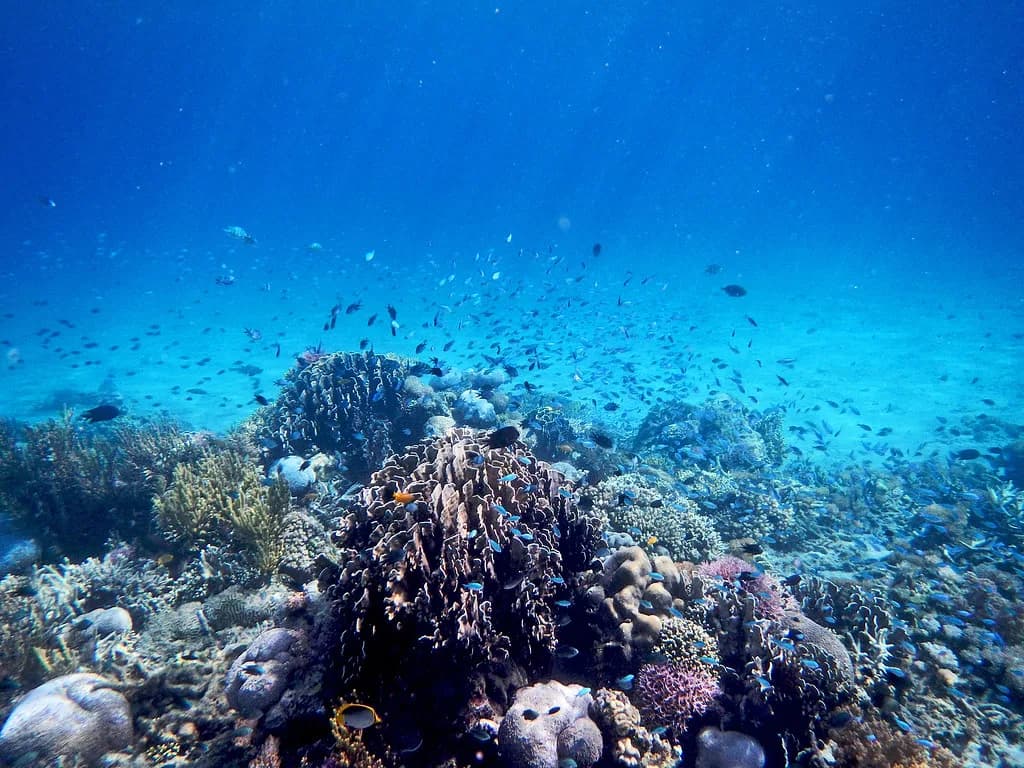
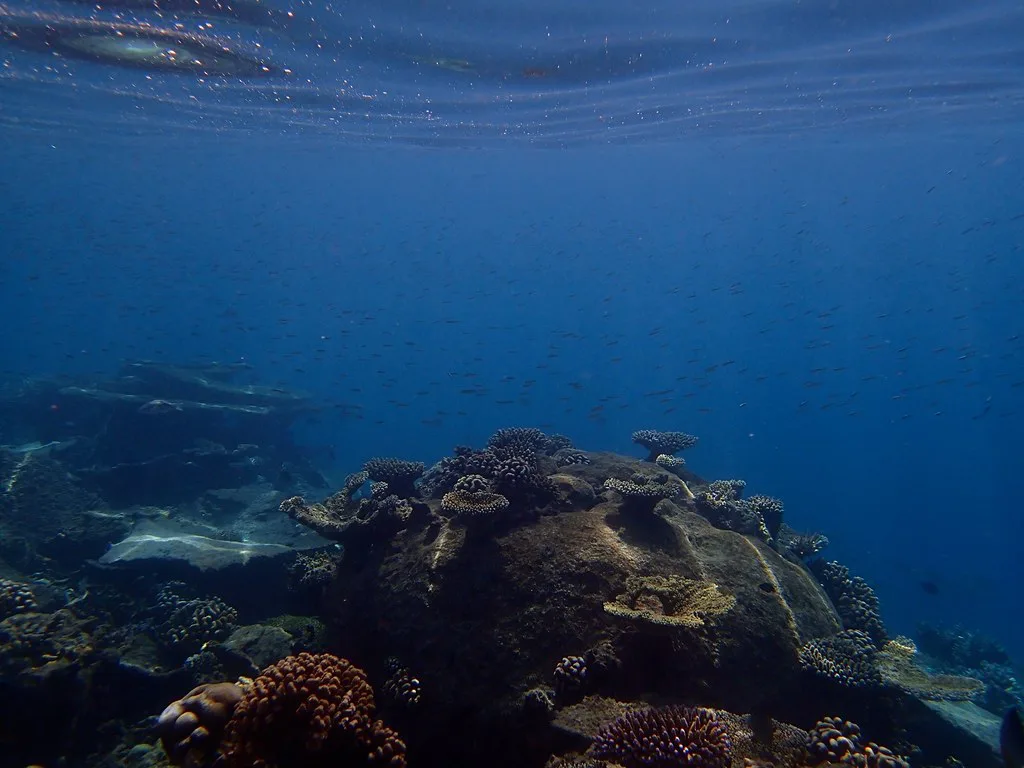
Underwater visibility depends on sun angle as much as on water clarity. A high midday sun drives light straight down, which is bright but flat: colors wash out, shadows disappear and photos look pale. A lower sun, in the first hours or the last two before sunset, sends light across the reef at an angle, which is why fish and coral look more saturated and structure reads more clearly.
Cloud cover and glare change this quickly. A mirror-flat surface at midday can bounce glare straight back at your mask, while a low sun behind you gives the clearest view of the bottom. If you are choosing between two windows on the same day, favor the one where the sun is behind your shoulder rather than in your face.
Wind, chop and afternoon sea breeze
The afternoon sea breeze is the most reliable reason to snorkel early. As land heats through the day, air flows onshore and builds chop, which stirs sand, reduces visibility and makes surface swimming tiring. On an exposed coast the difference between a glassy 7 a.m. surface and a choppy 3 p.m. one can be the difference between seeing the reef and fighting it.
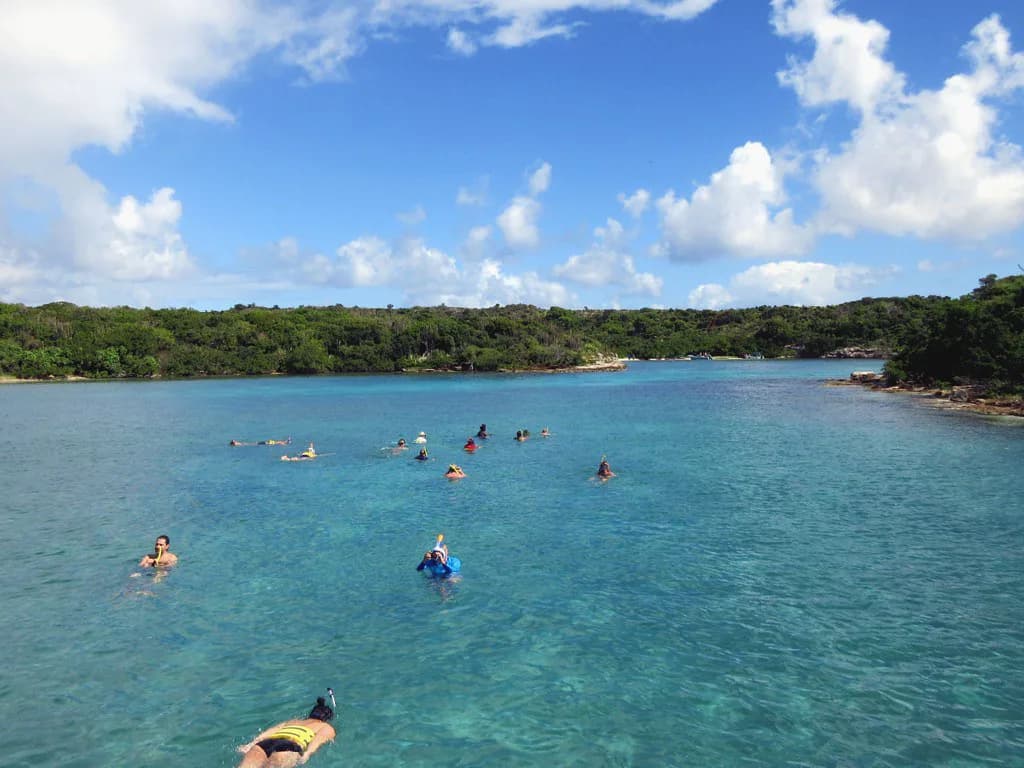
Sheltered bays behave differently. A spot tucked behind a headland or inside a reef can stay flat all afternoon while the open coast outside is rough, which is why local topography matters more than the clock alone. Choose a bay with protection from the prevailing wind if you must go later in the day.
Tide timing and how it changes the reef
Tide controls how much water sits over the reef and therefore how far you can safely swim. On a high tide, shallow reef flats that are exposed at low water become snorkelable, and you can often cross channels that are too thin to enter on a falling tide. On a low tide, the same flat may leave coral heads inches below the surface, so you float higher and pick your line carefully.
Operators and experienced snorkelers often prefer a rising tide, because the incoming water brings clearer ocean water over the reef and pushes food and fish activity toward the shallows. A falling tide can drain the reef and sometimes carries sediment out with it. Either way, the tide chart is the single most useful planning tool you have.
Midday trade-offs: best sun, most people
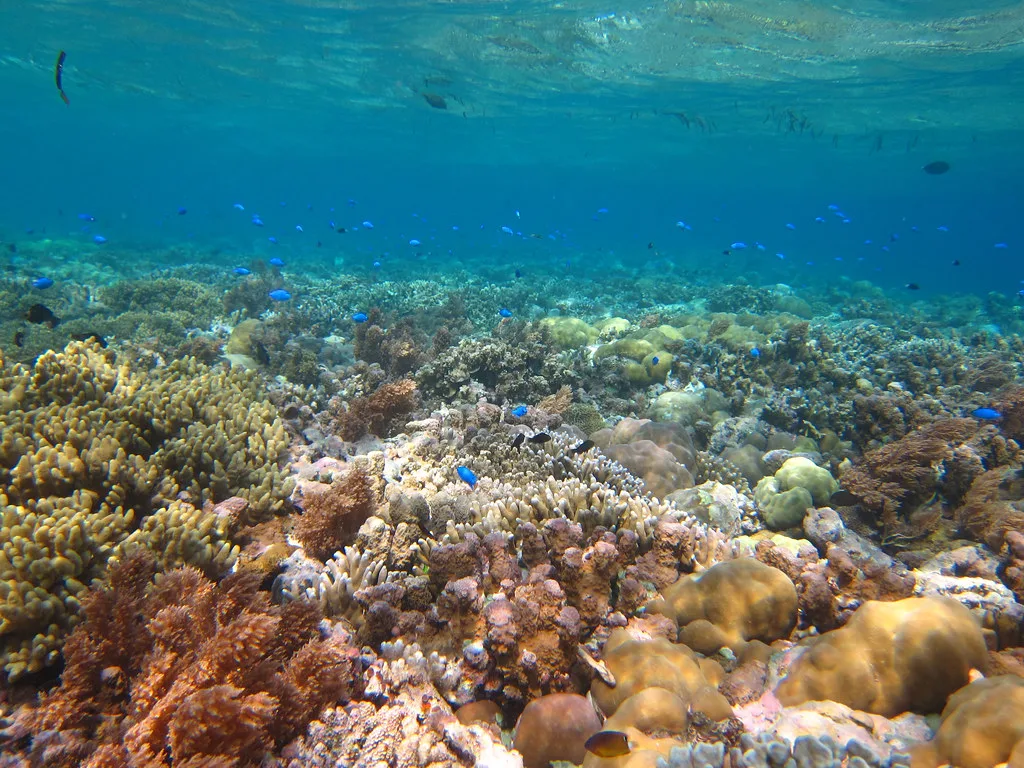
Midday is the brightest, warmest and most crowded window. The sun is high, so you need more protection: a long-sleeve rash guard and reef-safe sunscreen, and you should avoid the peak 10 a.m. to 2 p.m. sun where you can. Hawaii and Maui both restrict non-mineral sunscreens, so check your active ingredients are zinc oxide or titanium dioxide before you pack.
The upside of midday is warmth and reliable light for spotting fish, plus the widest choice of boat departures and rental hours. If midday is your only window, pick a sheltered bay, enter early in the window before the crowds build, and treat it as a shorter session rather than a long one.
Late afternoon and the last window before dark
Late afternoon offers a second good window as the sea breeze dies and the light drops low again. The water is warmer than at dawn and the light is beautiful for photos, but you have less margin: you need to be out of the water with daylight to spare before the light fades.
This is the window to favor if you have already snorkeled in the morning and want a second session, or if you are shooting video and want warm side light. Start earlier than you think you need to, because entry, exit and the walk back to the car eat into your remaining daylight.
Snorkeling on an incoming-versus-outgoing tide
Incoming and outgoing tides feel different in the water. An incoming tide typically brings clearer, cooler ocean water over the reef, and the flow is usually gentle enough to swim against on the way back. An outgoing tide drains lagoons and can pick up sand and sediment, and it can pull you toward channels or inlets if you stay out too long.
Time your entry so you snorkel the second half of the rise and exit before the tide turns, or enter just after high water and drift back toward shore as it falls. Either way, know which direction the water is moving before you get in, so you kick into the current on the way out and let it carry you home.
Best time for beginners, kids and nervous swimmers
For beginners and children, the first calm morning hours are the best choice: flat water, fewer people and cooler temperatures reduce the things that can go wrong. Shallow, protected water with a sandy entry beats a dramatic site with surge or current every time. If you can snorkel with a guide, do so for a first outing, since guided settings are calmer and better supervised.
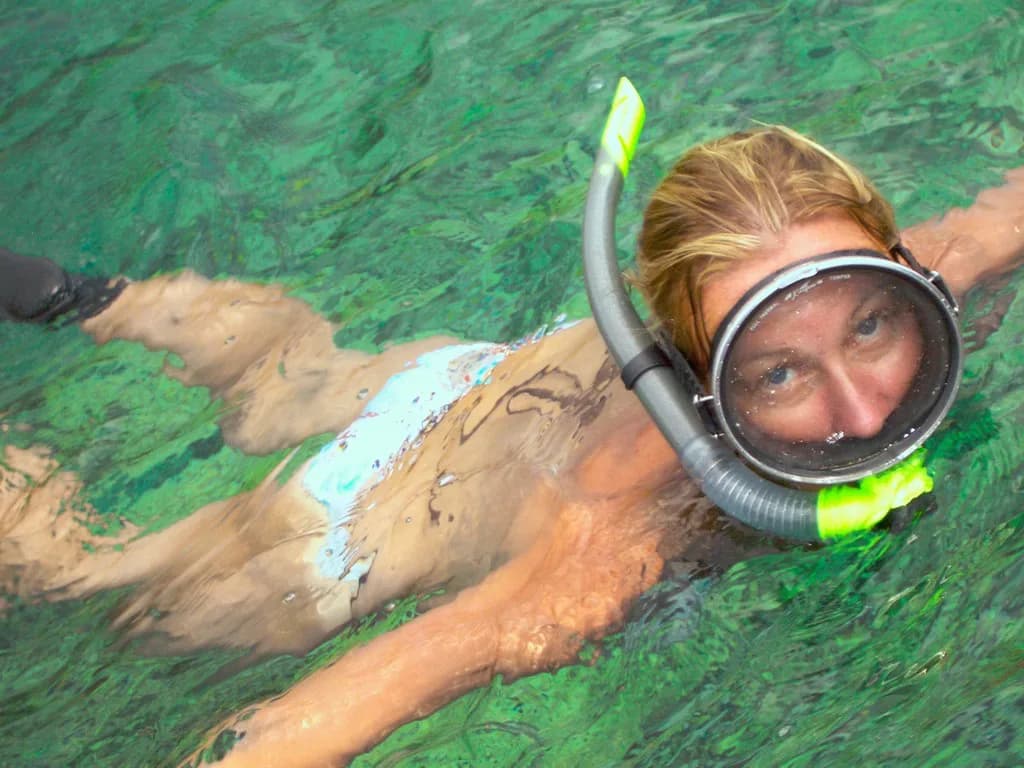
A properly fitted mask, a snorkel vest for flotation and fins for steering are the essentials for a nervous first-timer, and a short session that ends well beats a long one that ends in panic. Plan around the calmest window, keep the group close, and be ready to call it early. Your mask needs to seal without pressure; if it leaks constantly, fix the fit before you go further.
Best time for photographers and video
Photographers should chase the low sun, not the high one. The first two hours after sunrise and the last two before sunset give side light that brings out color and texture, and the flatter morning water makes for cleaner shots with less surface distortion. Midday light is best reserved for wide, bright shots of shallow sand and fish.
If you are shooting with a housing or action camera, check your white balance and avoid shooting into the sun; a low sun behind you and a subject in front gives the most usable footage. Buoyancy control matters here too, since a stable hover keeps the camera steady and keeps you off the coral.
Best time for boat tours and night snorkels
Most boat snorkel tours run morning departures, when the water is calmest and the light is best, with some afternoon departures for later risers. Book the earliest slot you can handle, and check the departure time when you book, since schedules shift with the season and conditions. On the Big Island, manta ray night snorkels leave after sunset and use lights on floating platforms to draw plankton, which in turn draws the rays.
Night snorkeling is a different outing, not just a later version of the day trip. It calls for a light wetsuit, an anti-fogged mask and a calm head, and you should never expect a guaranteed encounter; Kona Snorkel Trips reports an 85 to 90 percent sighting rate, which still means some nights miss. Ask the crew how they maintain distance from the wildlife and what happens if no rays appear.
How to read a forecast the night before
The night before, look at three things: wind speed and direction, swell height and period, and the tide chart. A light offshore wind and a small, long-period swell is the calm combination you want; a building onshore wind and a short, steep swell is the signal to move your session earlier or pick a sheltered bay. Check the UV index as well, since a high reading calls for a rash guard or wetsuit top rather than more sunscreen.
On the day, look at the water before you commit: a flat surface with little chop is what you want, and unbroken swell under roughly four feet is a reasonable guide for most recreational snorkelers. If it looks marginal, wait for the next window. And if you are new to a spot, ask a lifeguard or a local shop what the water has been doing.
What the snorkel schedule looks like by region: Hawaii, Florida, Puerto Rico, California
In Hawaii, mornings are the calmest and the best window on most shores, and afternoon trade winds can chop exposed coastlines. The upside is warm water year-round, so an early start costs you little in comfort. If you want a wider spread of protected spots, the broader guide to the best snorkeling in the us covers options such as Hanauma Bay and Molokini Crater. For a closer look at timing trade winds and swell on that coast, see these Maui snorkeling conditions.
In Florida, morning is again the calmest window, and summer afternoons bring thunderstorms and choppy water, so plan to be out by late morning. In Puerto Rico, mornings are the calmer window on the north and west coasts, while the south coast is often flatter and can be dived later. In California, morning fog and afternoon wind mean the best window is often an early, clear start, and a wetsuit is standard for most of the year.
Plan Your Visit
Pick the window that matches your goal: the first calm hours after sunrise for flat water and good light, a sheltered bay for midday warmth, or the last two hours before sunset for photography. Check the marine forecast and tide chart the night before, then look at the sea before you commit. A short, calm session in good light beats a long one in chop every time.
If you are new to the water, sort out your mask fit and flotation first: a properly fitted mask, a snorkel vest and fins make any window easier. Read up on the how does a snorkel work basics so breathing and clearing feel automatic before you add tide and wind to the plan. Then match the hour to the spot instead of the other way around.
Frequently Asked Questions
Is it better to snorkel in the morning or afternoon?
Morning is usually better because the wind is lighter, the surface is flatter and the low sun gives clearer, more colorful views. Afternoon can work well in a sheltered bay where the sea breeze does not reach, and late afternoon often brings a second calm window with warm light. Match the hour to the spot and the forecast rather than the clock alone.
How long can you go underwater with a snorkel?
A standard snorkel only lets you breathe at the surface; it is not a supply of air for diving down. When you duck under, you are holding your breath, and the safe limit is the one your body gives you without strain. Keep surface intervals longer than your dives, never hyperventilate before descending, and return to the surface if your ears do not clear.
What time of day has the calmest water for snorkeling?
The first hours after sunrise are usually calmest because overnight winds drop and the afternoon sea breeze has not yet built. A sheltered bay can stay calm much later, while an exposed coast can be rough from mid-morning. Check the wind and swell forecast for your specific spot the night before and look at the water before entering.
Does tide matter when snorkeling?
Tide matters a lot: it sets how much water sits over the reef, which channels are open and which direction the current runs. A rising tide generally brings clearer water over the reef, while a falling tide can drain shallows and carry sediment. Plan around the tide chart, enter so you swim into the current on the way out and exit before the tide turns.
Is midday too hot and bright to snorkel?
Midday is bright, warm and the most crowded window, so it is not the best choice for a long session. If it is your only window, choose a sheltered bay, wear a long-sleeve rash guard and use reef-safe sunscreen with mineral active ingredients. Start early in the midday window and keep the session short.
What time do boat snorkel tours usually leave?
Most boat snorkel tours run morning departures when the water is calmest, with some afternoon trips for later risers. Schedules shift with season and conditions, so confirm the departure time when you book. Night snorkels such as the Big Island manta trips leave after sunset and return well after dark, so plan transport back to your lodging.
What if the water looks rough when I arrive?
Do not enter. Check the marine forecast and tide chart, then look at the sea itself; whitecaps, surge and poor visibility mean wait for a later window or choose a more sheltered spot. Ask a lifeguard or a local shop what conditions are expected before you commit to a session.
Sources
Snorkeling notes for your next trip
Optional updates to our snorkeling guides.
You might also like
Continue reading
More guides you'll find useful